
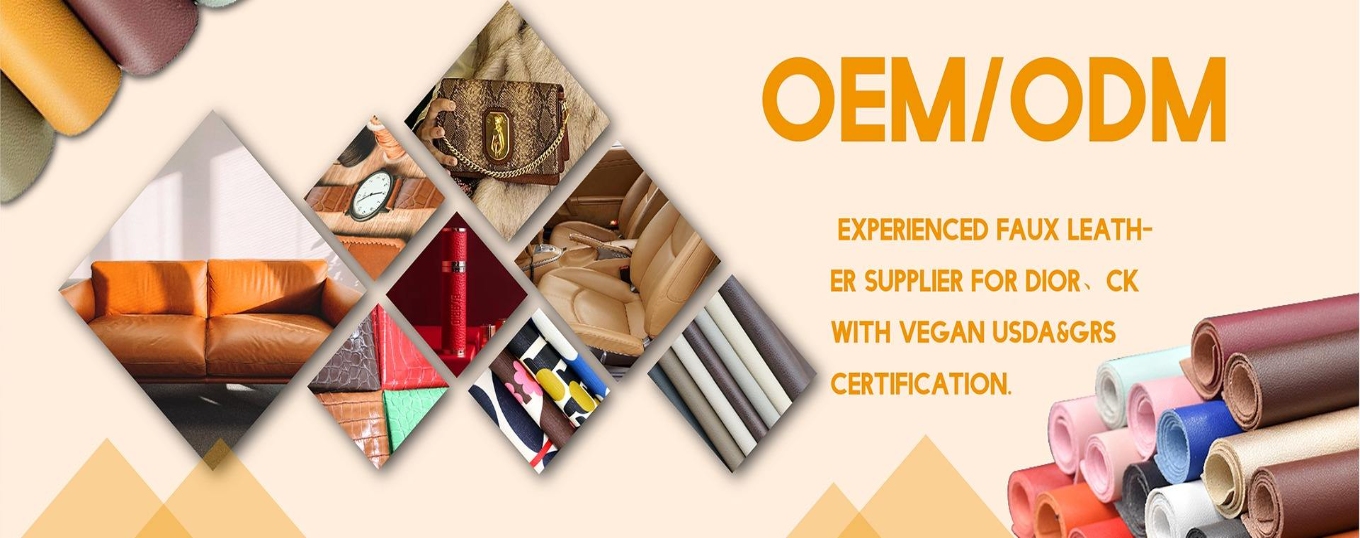
PRODUCTS
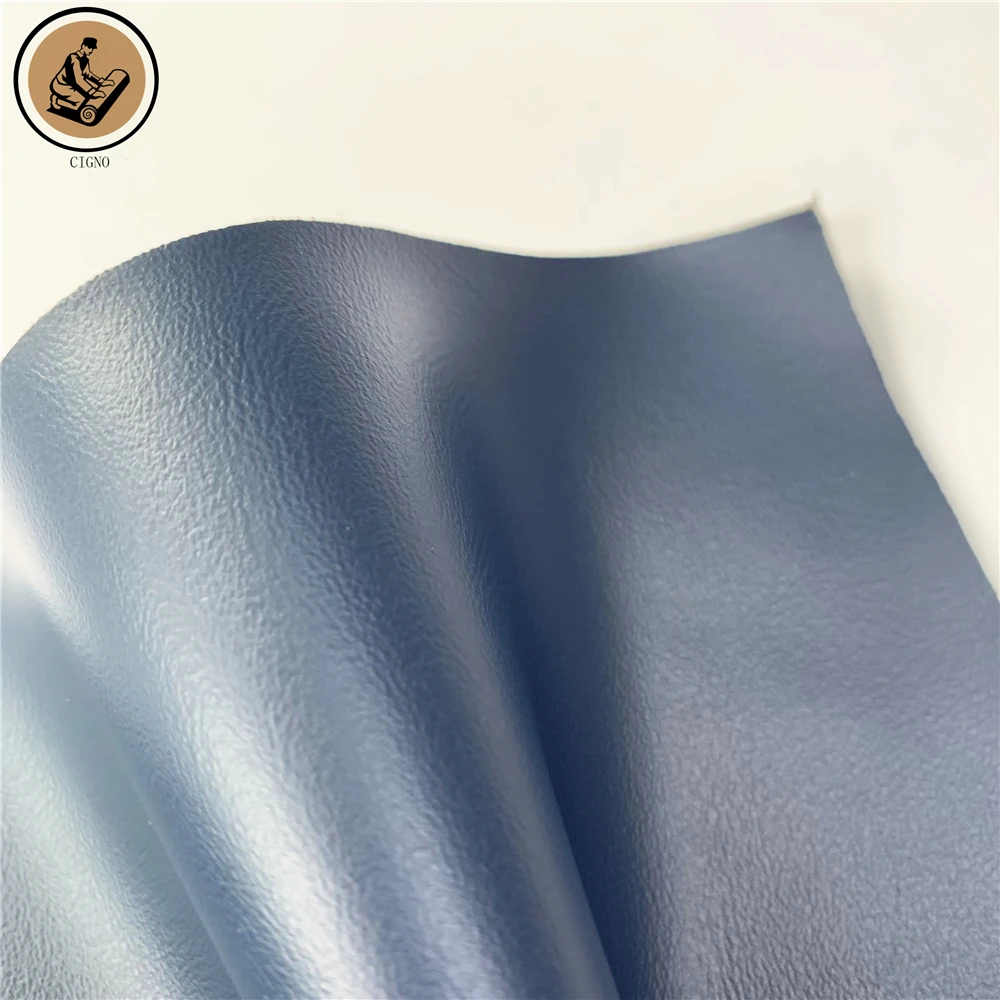
High Quality Eco-Friendly 1.2mm PU Synthetic Leather Furniture Upholstery Solvent-Free Skin-Feel for Sofa Car Seat Chair Bag Use
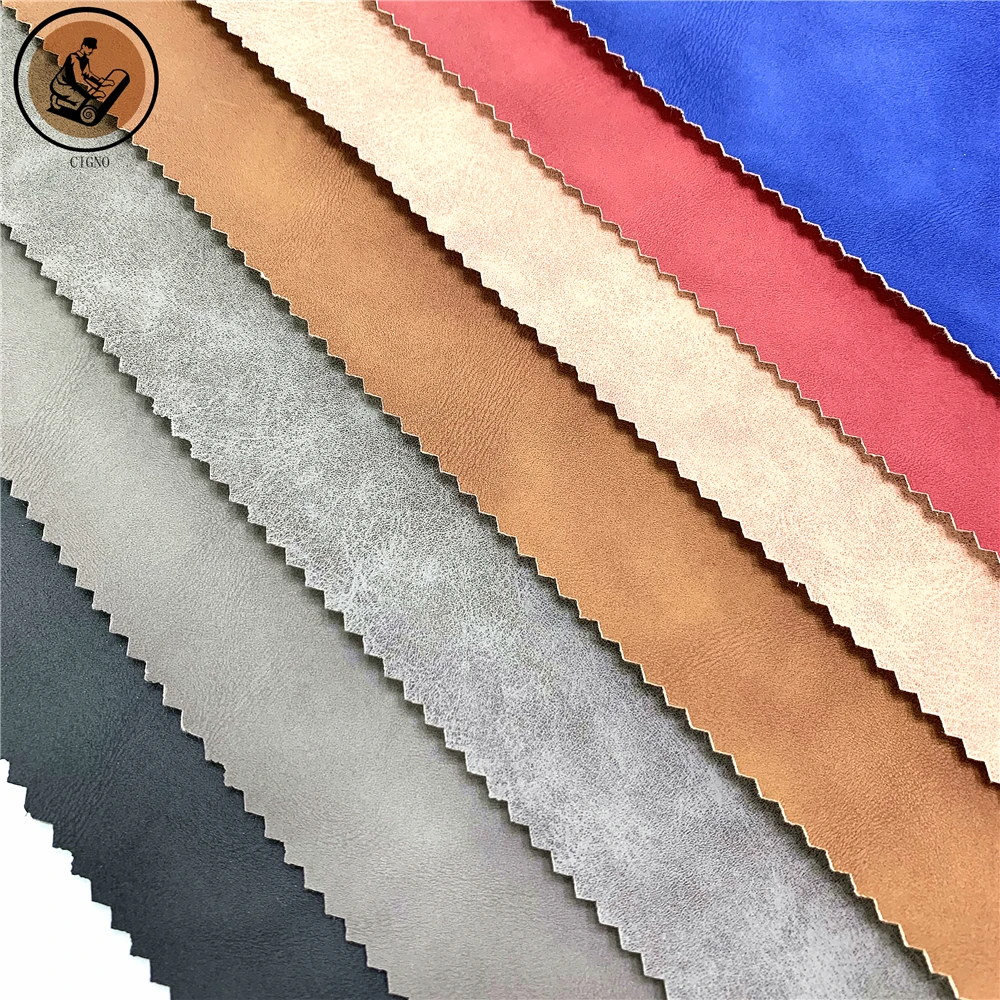
Free Samples of Embossed PU Synthetic Leather Bags Shoes Sofa Furniture Garments Car Decorative Uses-Waterproof Stretch Features
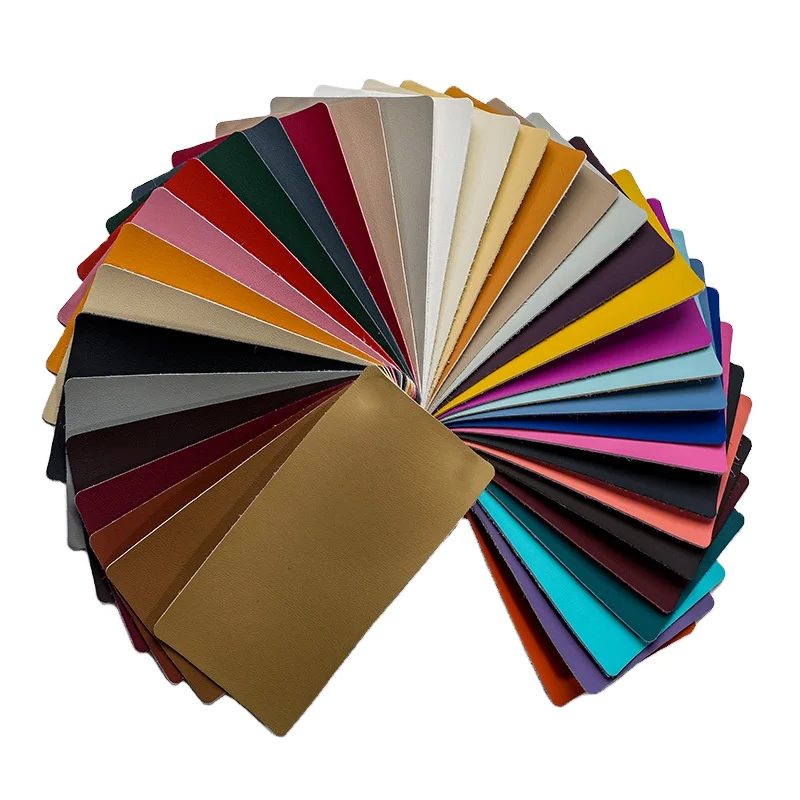
Pvc Vinyl Leather Rexine Leather Faux for Cars/Motorcycles, Waterproof Embossed Recycling Leatherette for Automotive Leather
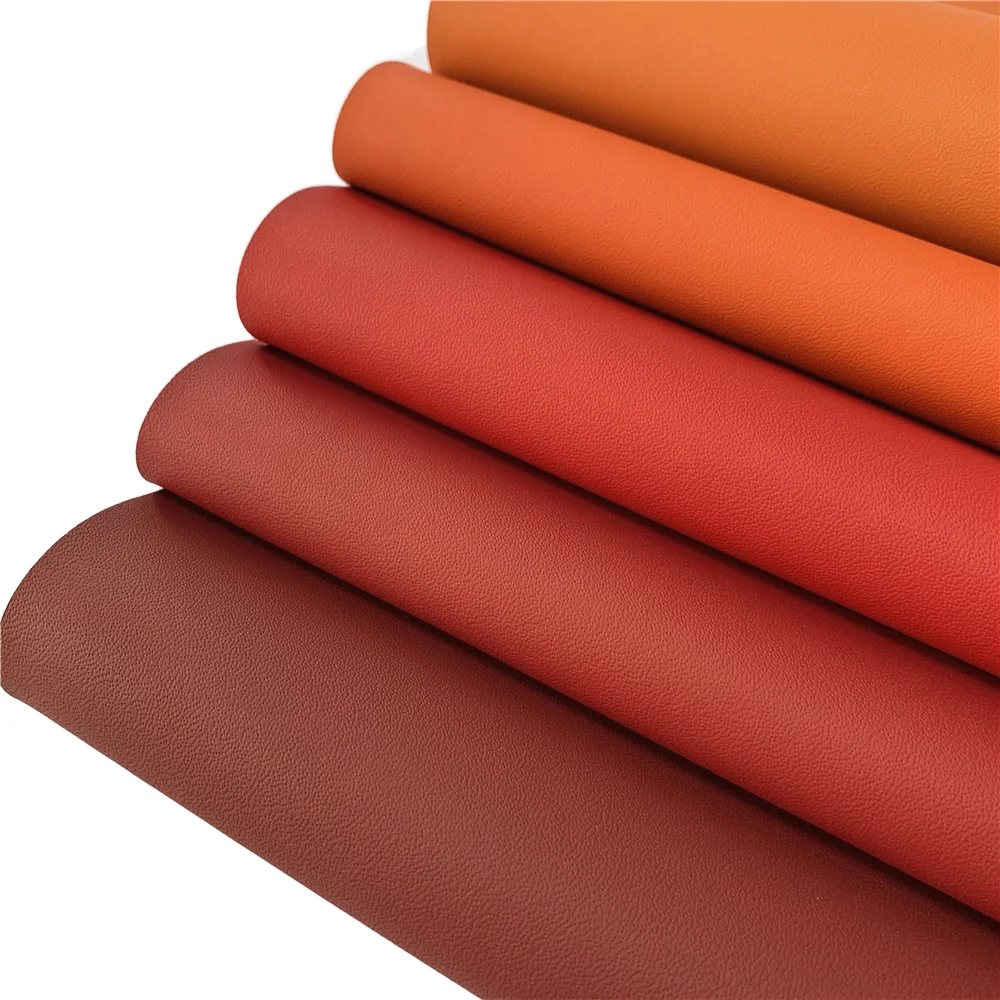
Hydrolysis Resistant Waterproof PU Microfiber Suede Leather Fabric Furniture Car Seat Covers Automotive Upholstery Bags Sofas
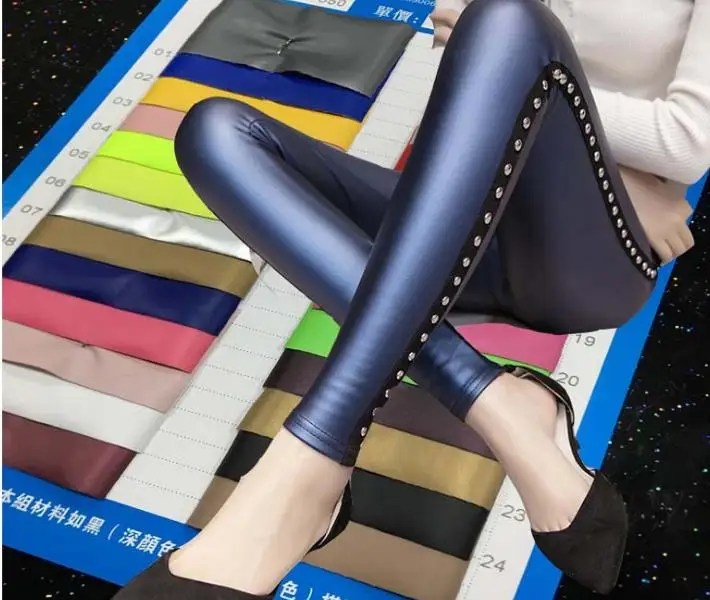
Ultra-Bright Black Mirror Four-Sided Stretch PU Fabric Pants Dresses Solid Color Soft Waterproof Clothing Elastic Finished
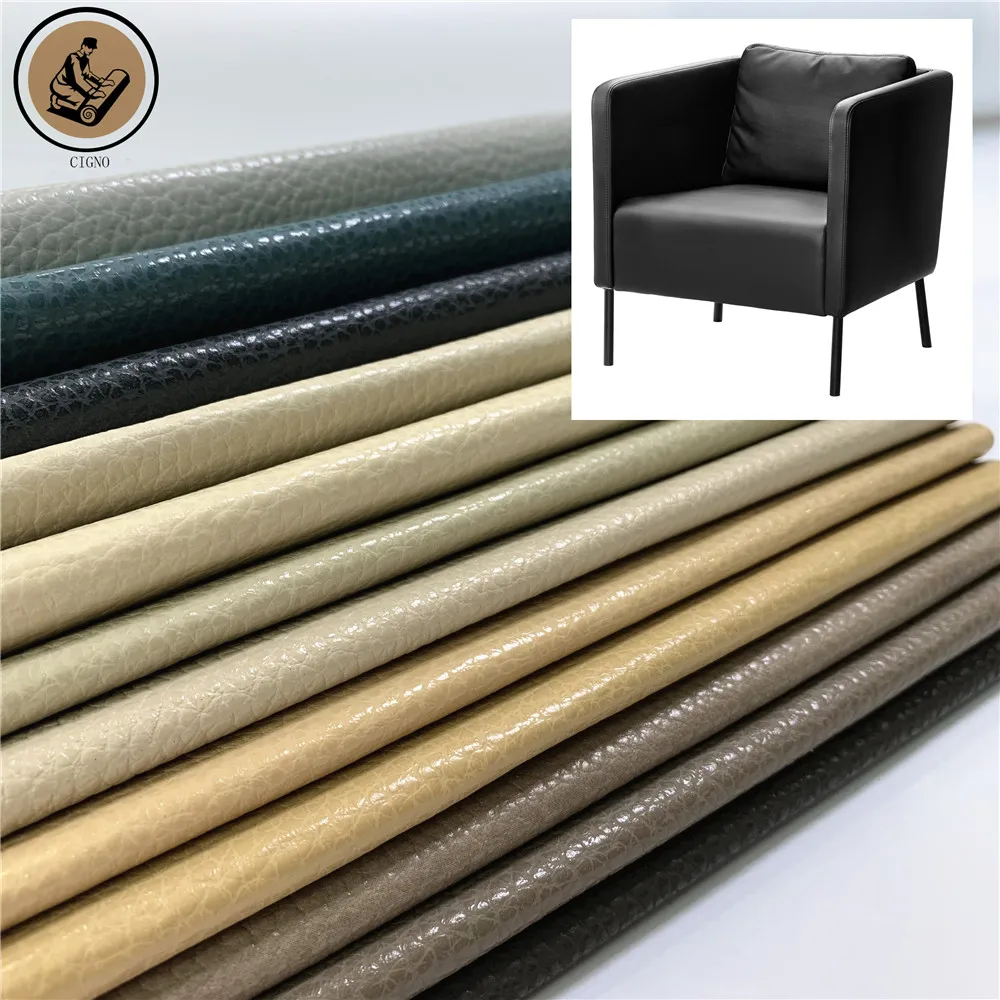
Litchi Lychee Grain 1.2mm PU Microfiber Leather Eco-Friendly Synthetic Leather Sofa Car Seat Handbags-Pearly-Lustre Recycled
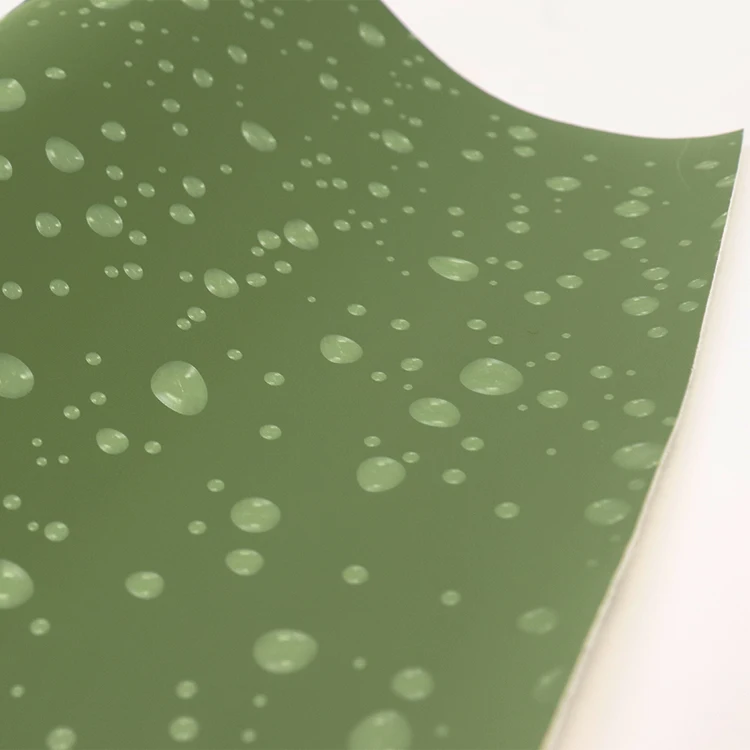
Custom Designer Faux Leather Fabric PVC Synthetic Leather Waterproof Sofa Bag Furniture Chair Woven Backing-Price Per Meter
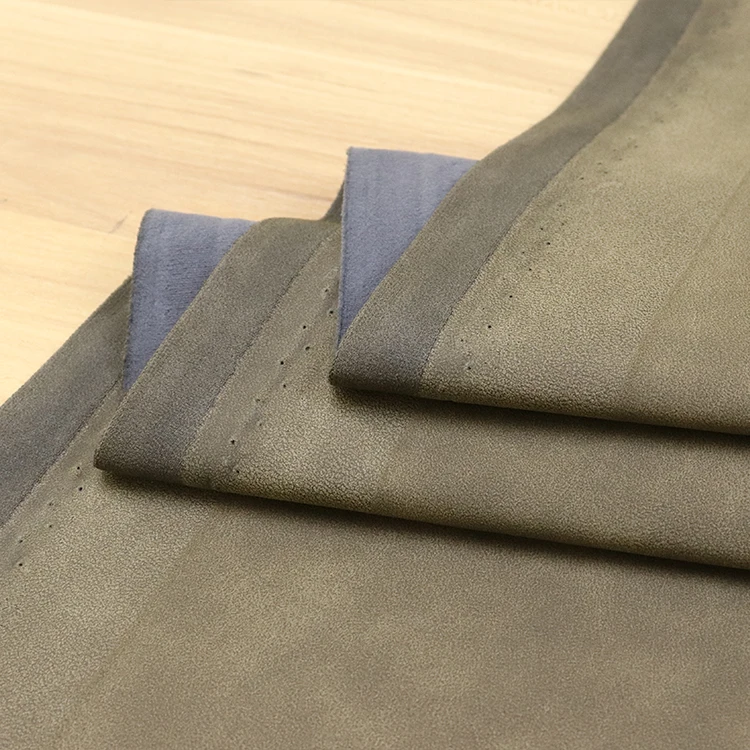
PU Suede Leather Nubuck Artificial Leather Materi for Shoe Make
What commercial risks should I assess before prepaying for vegetan leather?
Before prepaying for vegetan synthetic leather, assess quality non-compliance, supplier capacity defaults, hidden financial terms, and shipping delays. Evaluate physical specifications like peel strength, scratch resistance, and color consistency, alongside verification of international eco-certifications. Mitigate transaction risks through structured deposit schedules, Trade Assurance, and pre-shipment quality inspection protocols.
Core Solutions & Key Takeaways
- Verify Technical Specifications Pre-Payment: Assess material thickness (0.7–1.3 mm), backing fabrics (knitted, woven, non-woven), and functional performance parameters such as flame retardancy, UV resistance, and abrasion resistance.
- Validate Environmental Certifications: Ensure materials comply with global standards by requesting verification for USDA Biobased, GRS (Global Recycled Standard), and OEKO-TEX Standard 100 credentials.
- Implement Secure Payment Milestones: Utilize an industry-standard 30% deposit and 70% balance structure tied to pre-shipment quality verification, supported by secure channels like L/C or Alibaba Trade Assurance.
- Require Standardized Quality Inspections: Mandate multi-stage quality control covering raw material inspection, color matching confirmation, tensile strength testing, and pre-shipment roll inspections.
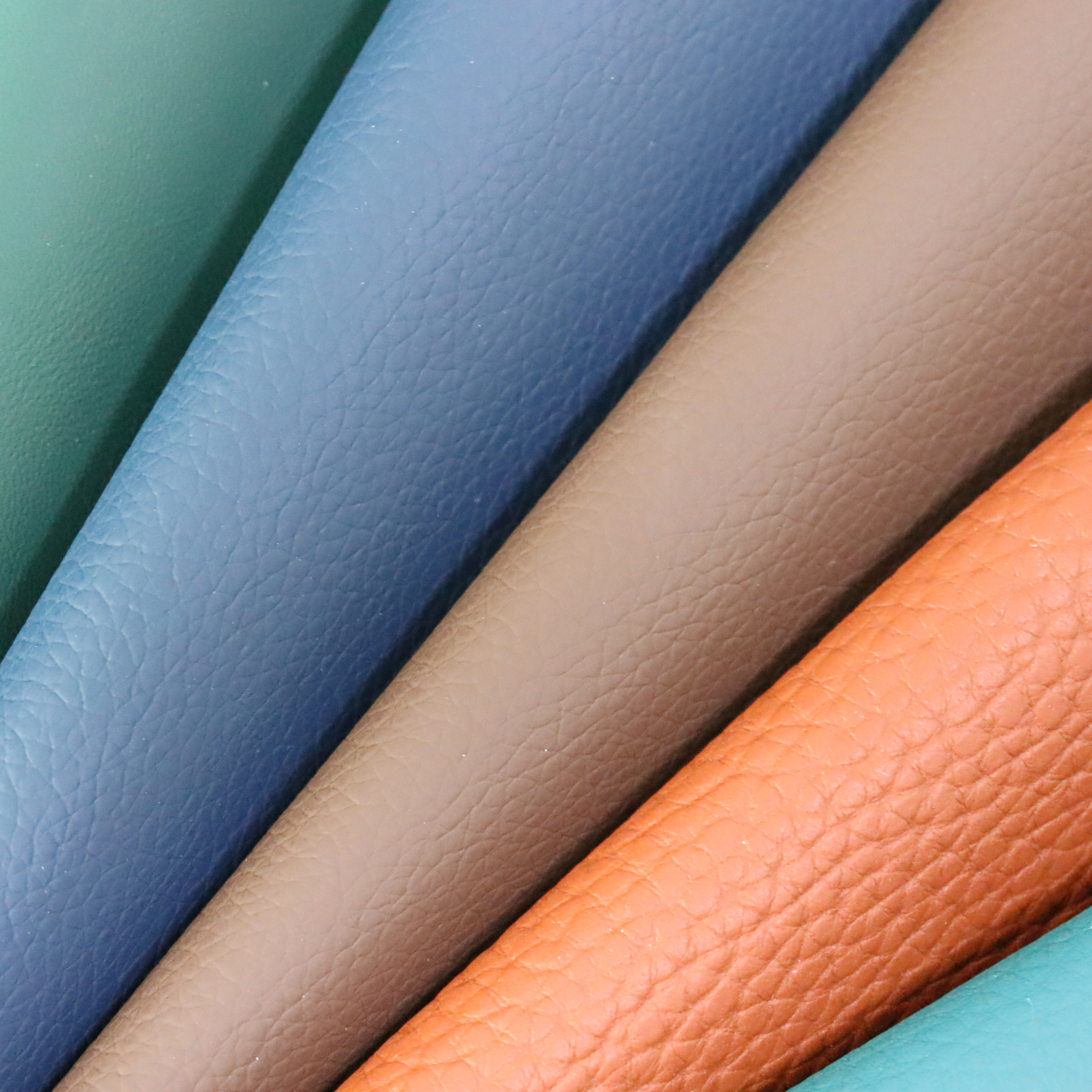
Detailed Architectural & Principle Analysis
Prepaying for synthetic leather—whether PU, PVC, or bio-based vegetan alternatives—carries exposure to financial and operational risks if technical requirements are not clearly defined prior to production. Material non-compliance remains the leading source of commercial disputes in global upholstery supply chains. In applications such as automotive seating and furniture upholstery, deviations in thickness tolerance or backing adhesion cause premature degradation, peeling, or cracking under heavy use.
To reduce risk, technical buyers must establish baseline testing standards prior to issuing advanced payments. For instance, automotive seat interior projects executed for clients in regions like Mexico require strict adherence to low-odor specifications, color consistency, UV stability, flame retardancy, and high peeling strength across bulk quantities exceeding 50,000 meters. Without documented laboratory test reports covering REACH, RoHS, anti-bacterial, anti-mold, and anti-scratch properties, prepayment exposes procurement departments to unrecoverable material defects.
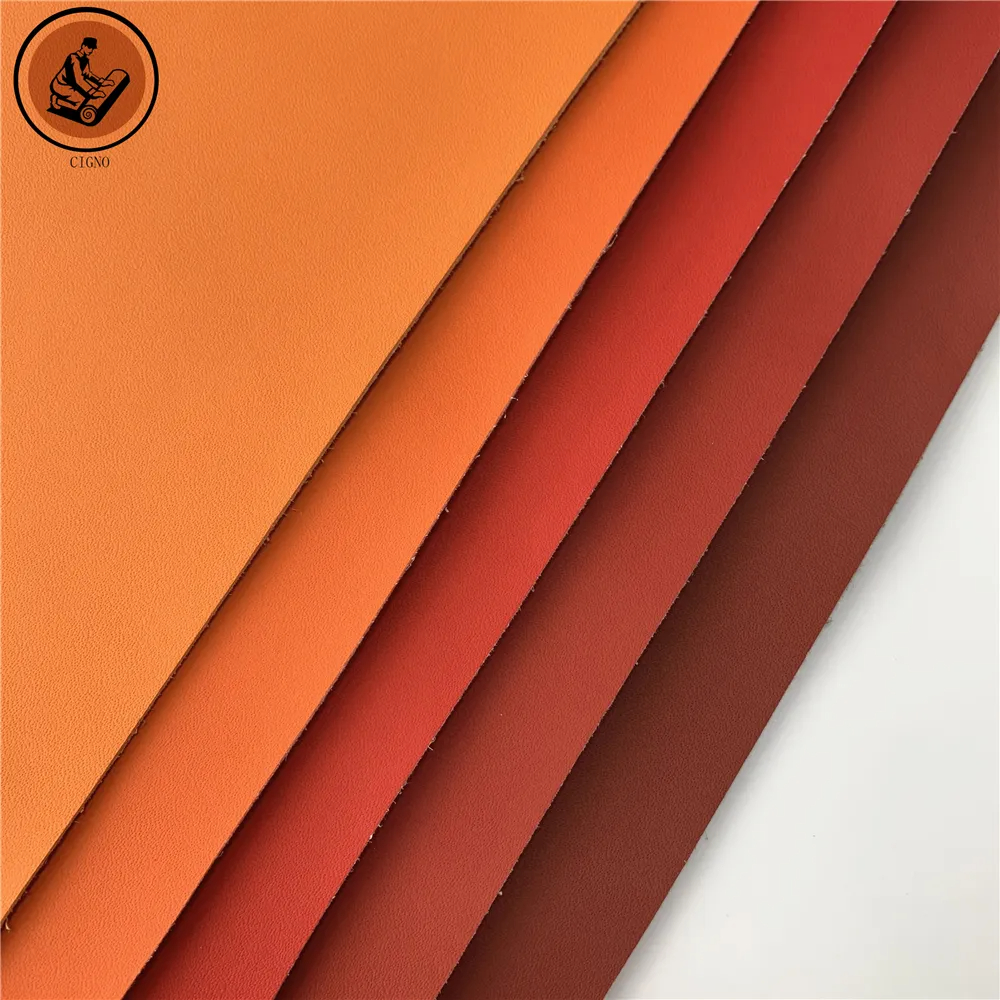
Manufacturer authentication acts as a secondary line of defense against supply chain disruption. Verifying genuine third-party compliance certificates—such as GRS certification (Cert No. B04213-G4), USDA certification (Cert No. 521076632086130490), and OEKO-TEX 100 (Cert No. SH015 120749)—ensures the production process complies with environmental, toxicity, and sustainability mandates demanded by international market regulations.
Data/Solution Comparison
| Commercial Risk Category | Assessment & Verification Criteria | Standard Risk Mitigation Strategy |
|---|---|---|
| Payment & Financial Exposure | Traceability of cross-border financial channels, platform service fees, and advance payment ratios. | Utilize 30% deposit + 70% balance terms via T/T, irrevocable L/C at sight, or Alibaba Trade Assurance. Negotiate 2–3 month credit terms for qualified accounts. |
| Specification Non-Conformity | Thickness variation beyond tolerance (0.7–1.3 mm), color variance across batches, inadequate backing adhesion. | Conduct lab testing for tensile strength, peeling strength, and abrasion before final balance disbursement; mandate physical counter-sample approval. |
| Environmental & Regulatory Non-Compliance | Absence of eco-certifications, presence of banned substances (fluorine, phthalates). | Require valid certificate numbers for GRS, USDA, OEKO-TEX 100, and verified test reports for REACH/RoHS compliance. |
| Fulfillment & Shipping Delays | Production line bottlenecking, logistics term mismatches (EXW vs FOB vs DDP). | Define explicit delivery schedules (15–30 days lead time) and stipulate clear incoterms (EXW, FOB, CFR, CIF, DDP) in formal trade contracts. |
Frequently Asked Questions (FAQ)
Q1: What mechanical properties should be verified before approving prepayment for synthetic upholstery leather?
A1: Technical buyers should verify thickness, roll width (standard 54/55 inches), tensile strength, peeling strength, surface scratch resistance, and backing fabric stability (knitted, woven, or non-woven). Functional options such as flame retardancy, stain resistance, and easy-cleaning capabilities should be validated via counter-sample testing.
Q2: How can buyers secure financial protection when submitting advance deposits?
A2: Protect initial deposits by executing standard foreign trade contracts using compliant channels such as Alibaba Trade Assurance, irrevocable L/C at sight, or direct T/T linked to strict pre-shipment quality inspection sign-offs. For regular high-volume orders, short-term payment terms can be negotiated.
Q3: What standard lead times and minimum order quantities apply to customized synthetic leather?
A3: Standard production lead times typically range between 15 to 30 days following deposit confirmation and sample approval. Minimum order quantities depend on customization parameters, with standard production starting at 1,000 meters per color for custom sofa set upholstery materials.
Final Conclusion & Recommendations
Mitigating commercial risks associated with prepayment requires a structured framework incorporating rigorous technical sampling, certified environmental compliance, transparent incoterms, and structured payment milestones. By establishing contractual quality control checkpoints under ISO 9001 guidelines—from raw material screening to pre-shipment roll inspections—buyers safeguard capital investment while securing consistent material delivery. For detailed technical solutions or support, please reach out to us via vicky@bozeleather.com.
About Us
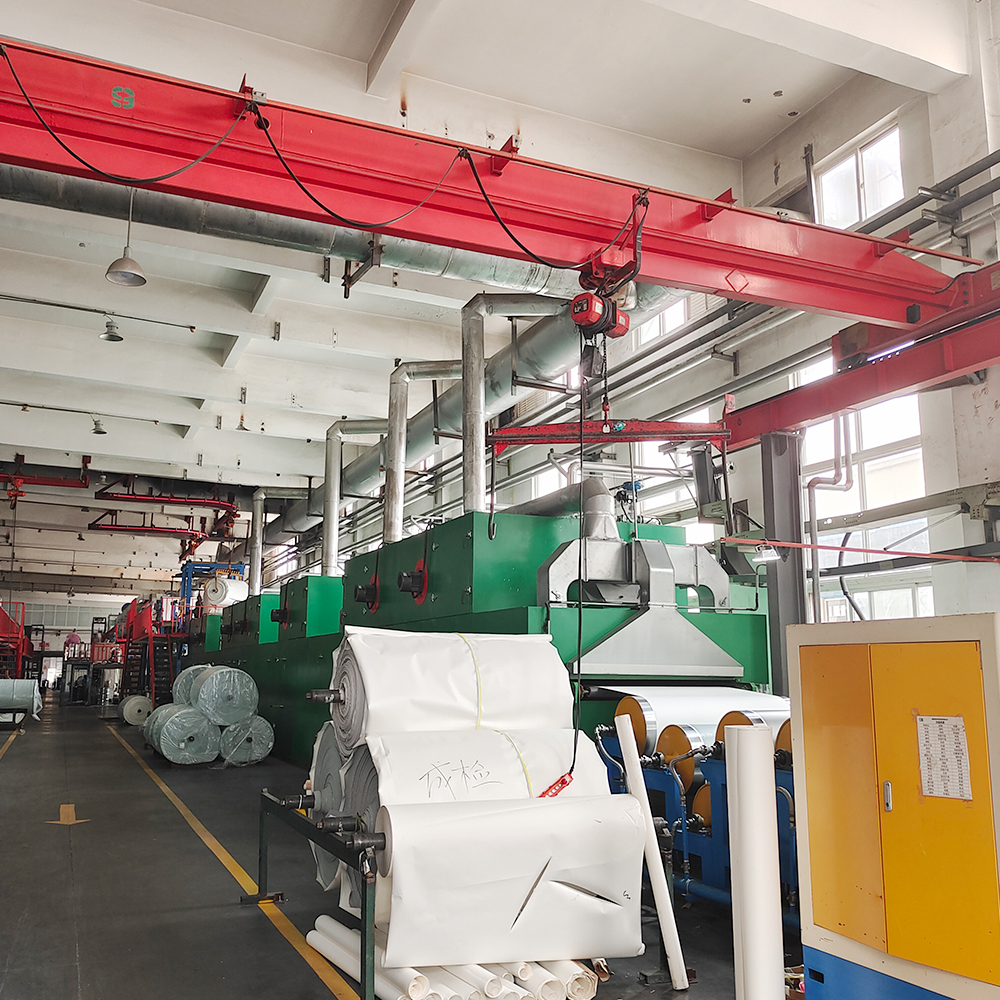
Dongguan Cigno Leather Co., Ltd. was established in 2007 and operates a 100,000 square meter facility supported by an integrated R&D team holding more than 30 national invention patents. The company specializes in eco-friendly and multifunctional synthetic leather materials including PU leather, PVC leather, water-based leather, and solvent-free polymers. Holding GRS, USDA, and OEKO-TEX 100 certifications, the enterprise provides OEM/ODM services and stable mass production for global customers across the automotive, furniture, footwear, and handbag industries.

SUBSCRIBE
INQUIRY