
PRODUCTS
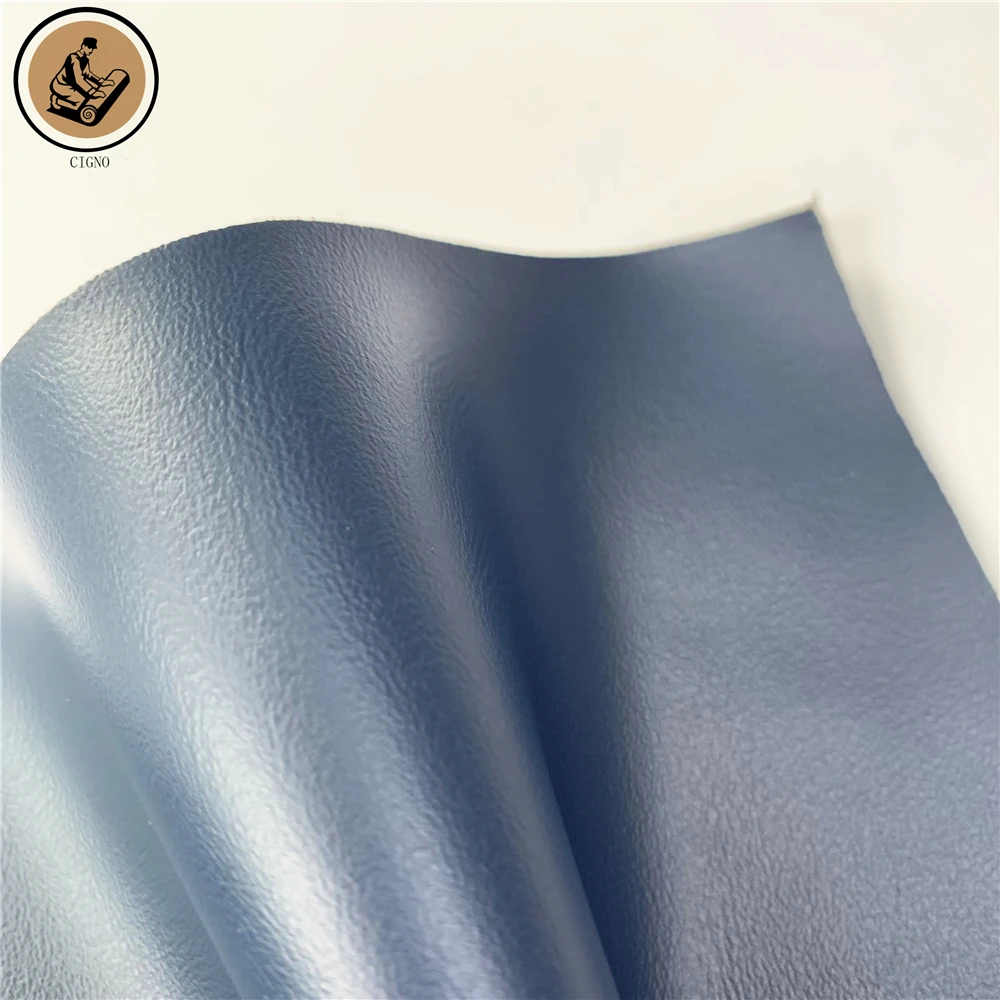
High Quality Eco-Friendly 1.2mm PU Synthetic Leather Furniture Upholstery Solvent-Free Skin-Feel for Sofa Car Seat Chair Bag Use
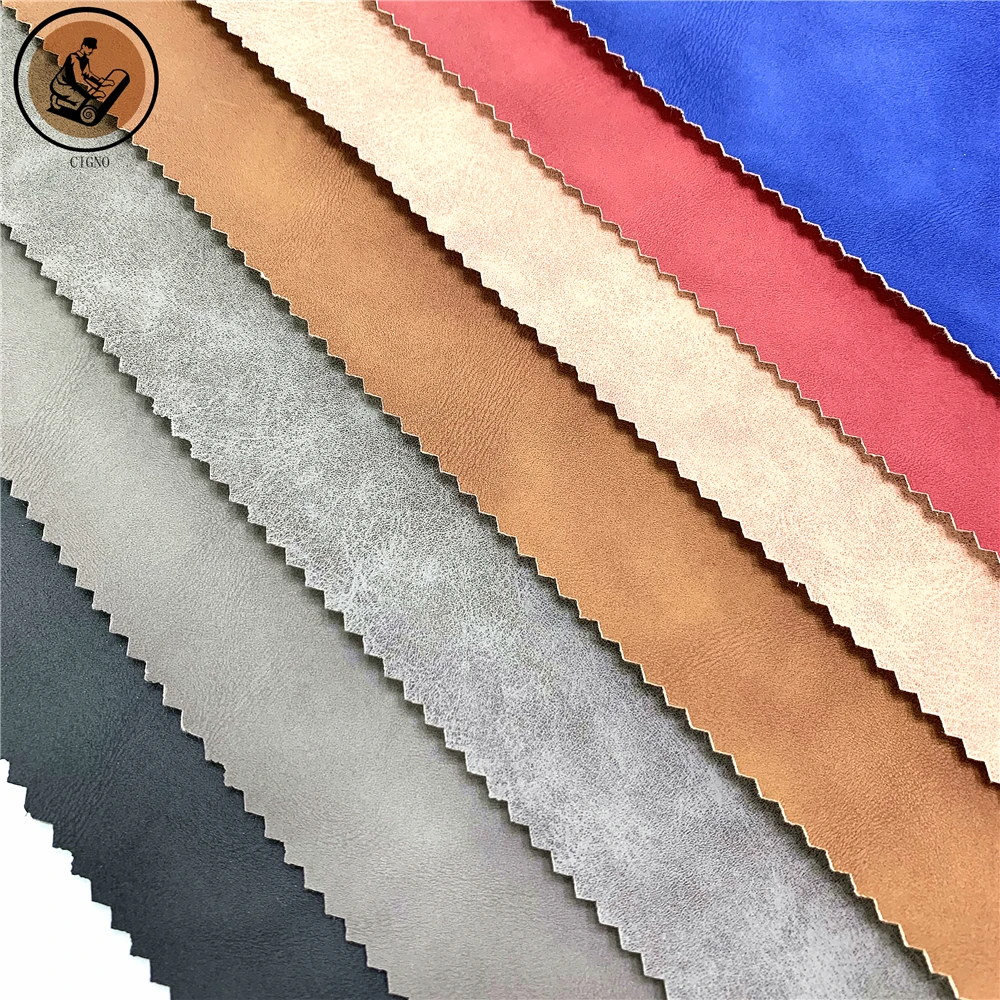
Free Samples of Embossed PU Synthetic Leather Bags Shoes Sofa Furniture Garments Car Decorative Uses-Waterproof Stretch Features
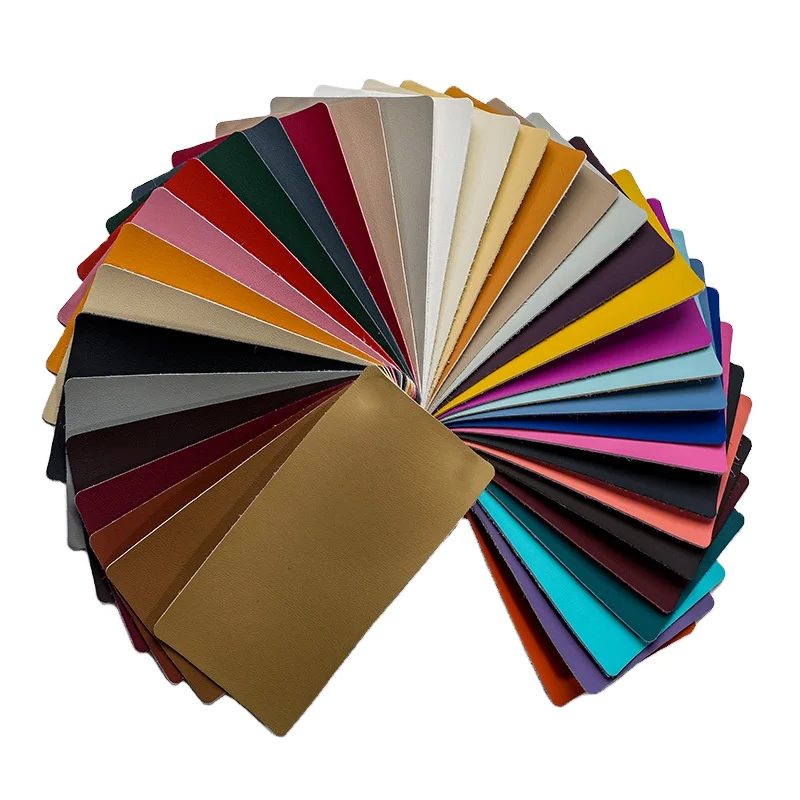
Pvc Vinyl Leather Rexine Leather Faux for Cars/Motorcycles, Waterproof Embossed Recycling Leatherette for Automotive Leather
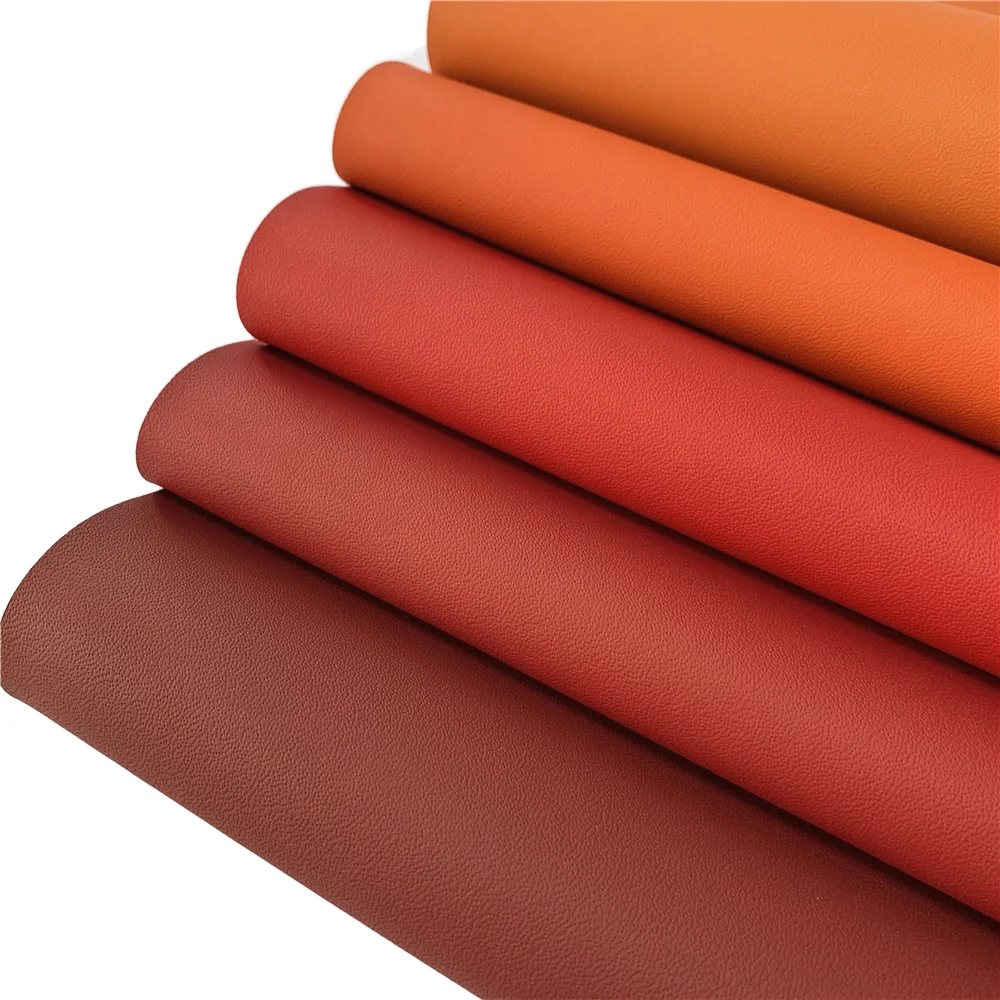
Hydrolysis Resistant Waterproof PU Microfiber Suede Leather Fabric Furniture Car Seat Covers Automotive Upholstery Bags Sofas
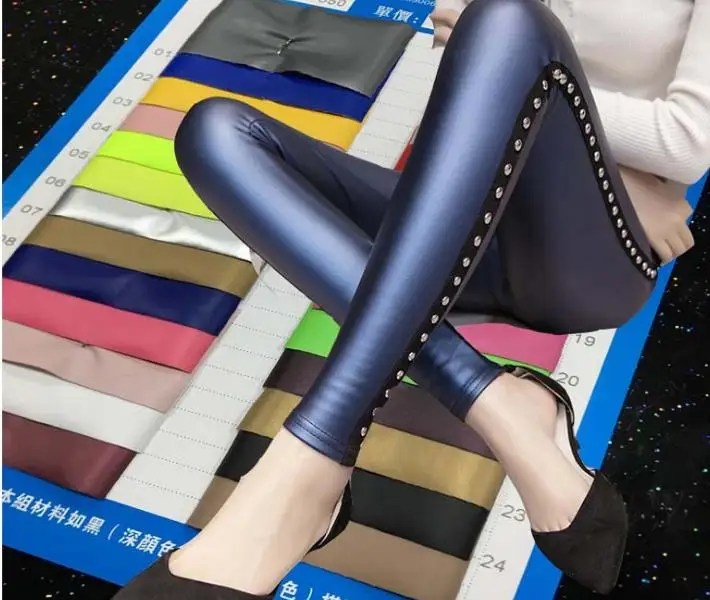
Ultra-Bright Black Mirror Four-Sided Stretch PU Fabric Pants Dresses Solid Color Soft Waterproof Clothing Elastic Finished
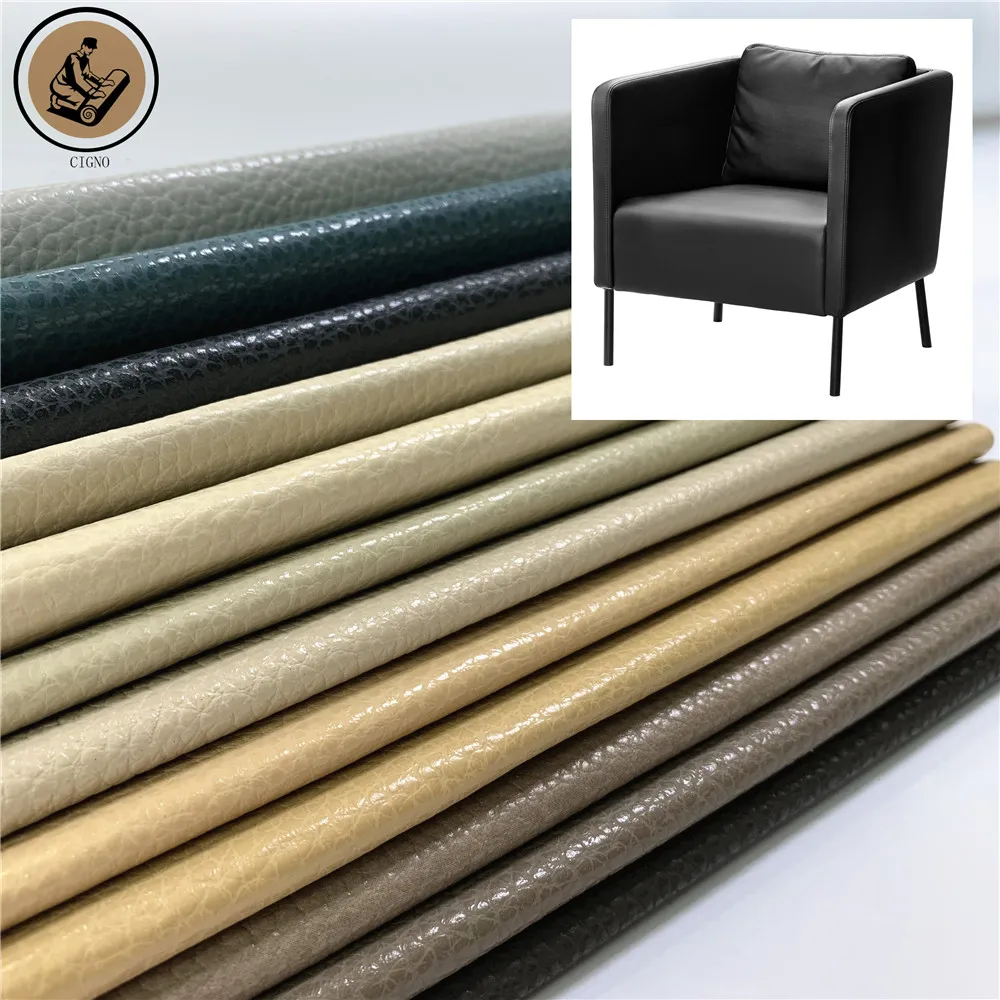
Litchi Lychee Grain 1.2mm PU Microfiber Leather Eco-Friendly Synthetic Leather Sofa Car Seat Handbags-Pearly-Lustre Recycled
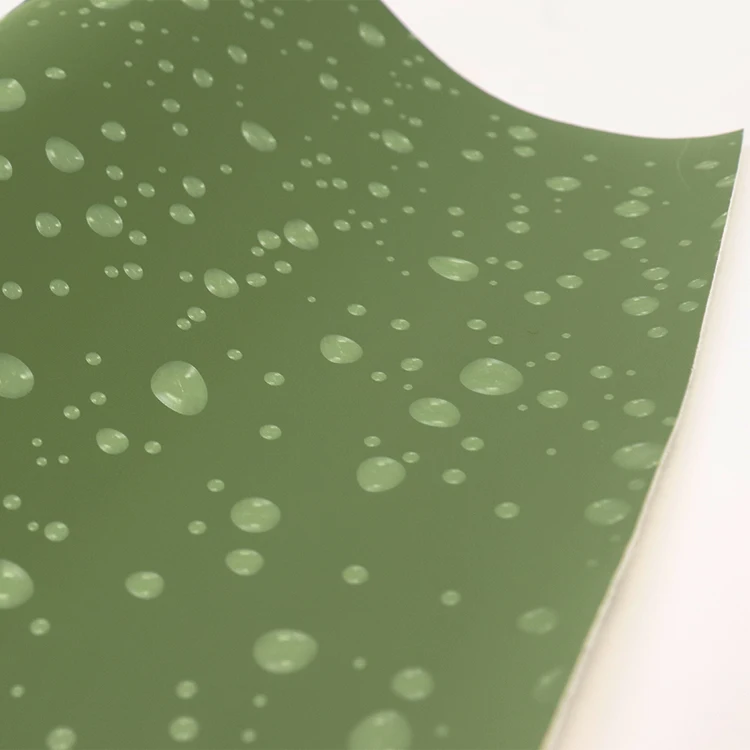
Custom Designer Faux Leather Fabric PVC Synthetic Leather Waterproof Sofa Bag Furniture Chair Woven Backing-Price Per Meter
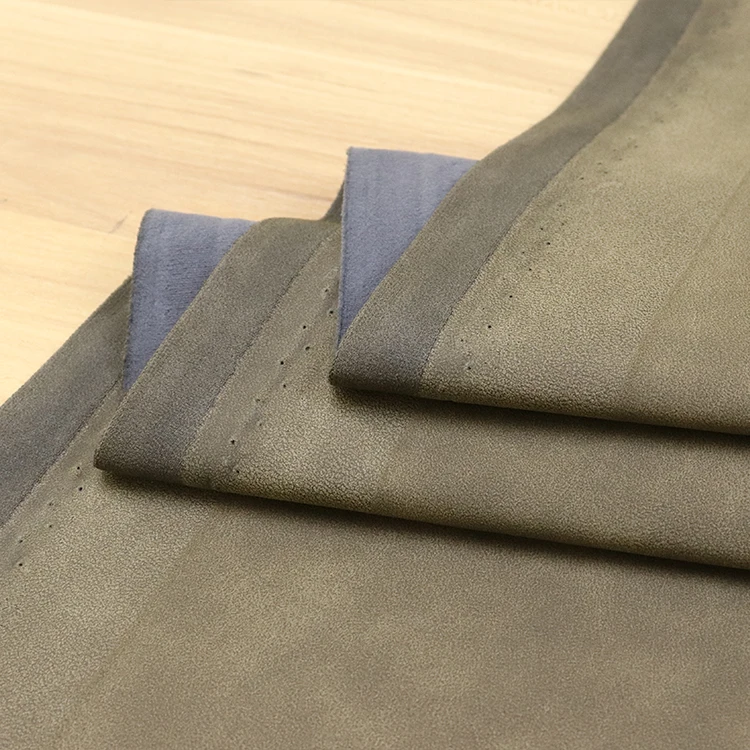
PU Suede Leather Nubuck Artificial Leather Materi for Shoe Make
What compliance risks should I check when importing artificial leather for furniture?
When importing artificial leather for furniture, check product specifications, test scope, certificate applicability, quality inspection procedures, labeling requirements, payment controls, and shipping terms. Confirm that PVC or PU furniture leather meets the agreed thickness, backing, abrasion, scratch, waterproof, stain-resistant, and flame-retardant requirements. Verify all evidence before production, shipment, and customs clearance.
Core Solutions & Key Takeaways
- Define the artificial leather specification in the purchase contract, including PVC or PU construction, thickness of 0.7–1.3 mm, width of 54/55 inches, backing type, color, grain, surface finish, and required performance.
- Confirm that certificates and test reports apply to the ordered synthetic leather. Available credentials include GRS, USDA, and Oeko-Tex 100, while testing can cover abrasion resistance, scratch resistance, UV resistance, waterproofing, stain resistance, and optional flame-retardant performance.
- Use staged quality control covering raw materials, color approval, production processes, laboratory testing, finished products, and pre-shipment inspection.
- Match the material to its intended furniture application, including sofa sets, sectional sofas, recliners, dining chairs, office chairs, headboards, and other upholstered furniture.
The supplied product is designed for sofa and furniture upholstery, with customizable colors, grains, thicknesses, finishes, and backing materials. These variables should be approved through samples and documented before mass production because the stated delivery period begins after both deposit payment and sample approval.
https://topmicloud-open-cdn.jumitop.cn/geo/main-product/2066694922633830401/images/1781601926131_g9hetd9t6.jpgDetailed Architectural/Principle Analysis
A practical compliance review starts with product identity. The purchase documents should state whether the ordered material is PVC leather or PU leather and identify its intended use in furniture upholstery. The available product configuration includes a customizable thickness of 0.7–1.3 mm, a width of 54/55 inches, and knitted, woven, or non-woven backing. Unspecified construction details can create disputes during inspection or after delivery.
Performance claims require measurable acceptance criteria. The available inspection program can evaluate thickness, width, color consistency, surface appearance, abrasion resistance, tensile strength, peeling strength, scratch resistance, and flame-retardant performance according to customer requirements. Buyers should identify which tests are mandatory and record the agreed methods, samples, and acceptance conditions before production.
Certificate scope is a separate control point. Dongguan Cigno Leather Co., Ltd. lists GRS certificate B04213-G4, USDA certificate 521076632086130490, and Oeko-Tex 100 certificate SH015 120749 for synthetic leather. Importers should check the certificate name, number, applicable product, and current supporting documentation rather than relying on a certificate name alone.
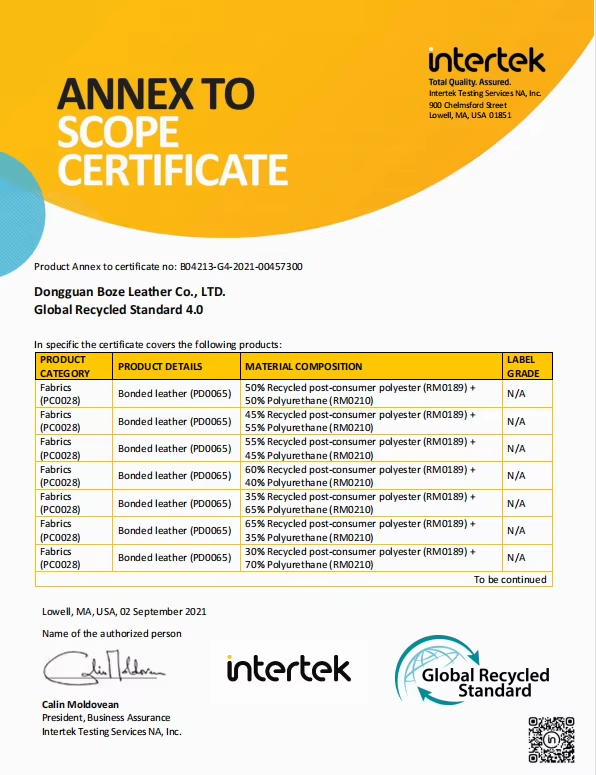
Production control should follow the stated inspection sequence: raw material inspection, color matching confirmation, production process inspection, laboratory testing, finished product inspection, and pre-shipment inspection. The company states that quality control is carried out under an ISO 9001 quality management system. Importers should request the inspection records relevant to their specific order and retain the approved sample for comparison.
Application conditions affect the required specification. Artificial leather used on sofas, chairs, headboards, and automotive or furniture upholstery may be ordered with abrasion resistance, scratch resistance, UV resistance, flame retardancy, waterproofing, stain resistance, and easy-clean performance. Optional properties should not be treated as included unless they appear in the approved specification and inspection plan.
A documented project for an automotive interior manufacturer in Mexico involved 50,000 meters of customized synthetic leather for seats, door panels, headrests, and armrests. The requirements covered color, grain, thickness, backing, abrasion resistance, UV resistance, flame retardancy, low odor, and easy-clean performance. The reported review cited stable color consistency, clear grain texture, reliable performance, and delivery according to schedule. This case shows why end-use requirements should be converted into measurable production controls.
Commercial and logistics terms can also create compliance and delivery exposure. The product MOQ is 1,000 meters per color, and the stated delivery time is 15–30 days after deposit and sample approval. Available payment methods include T/T bank transfer, irrevocable L/C at sight, and Alibaba Trade Assurance. Available transport options include sea freight, air freight, and international express delivery, with EXW, FOB, CFR, CIF, and DDP terms open to discussion.
Data/Solution Comparison
| Risk Area | Available Product or Supplier Data | Recommended Import Check |
|---|---|---|
| Material specification | PVC or PU leather; 0.7–1.3 mm customizable thickness; 54/55-inch width; knitted, woven, or non-woven backing | Record the exact construction, thickness, width, backing, color, grain, and finish in the contract and approved sample. |
| Functional performance | Abrasion resistance, scratch resistance, waterproofing, stain resistance, easy cleaning, and optional flame-retardant performance | Separate standard features from optional properties and define the required inspection criteria. |
| Certification | GRS, USDA, and Oeko-Tex 100 listed for synthetic leather | Verify certificate numbers, product scope, supporting documents, and relevance to the ordered material. |
| Quality inspection | Raw material, process, laboratory, finished-product, and pre-shipment inspections | Request order-specific test and inspection records before authorizing shipment. |
| Order quantity and timing | MOQ of 1,000 meters per color; delivery in 15–30 days after deposit and sample approval | Confirm approved colors, production start date, inspection date, and shipment deadline in writing. |
| Payment exposure | T/T, irrevocable L/C at sight, and Alibaba Trade Assurance; standard bulk terms state a 30% deposit and 70% before shipment | Link payment milestones to contract approval, sample approval, inspection completion, and shipping documents. |
| Shipping exposure | Sea freight, air freight, and express delivery; EXW, FOB, CFR, CIF, and DDP can be discussed | Specify the selected shipping term, cost allocation, documents, destination, and delivery requirements before dispatch. |
| After-sales handling | Replacement, replenishment, compensation, or technical solutions for confirmed quality issues | Define evidence requirements, notification procedures, response periods, and remedies in the contract. |
Frequently Asked Questions (FAQ)
Do GRS, USDA, or Oeko-Tex 100 credentials cover every importing requirement?
No universal coverage is stated in the supplied data. These credentials apply to synthetic leather, but the importer should verify each certificate's scope and obtain the documentation required for the ordered product and destination before shipment.
Which tests should be requested for sofa upholstery leather?
The available inspection scope includes thickness, width, color consistency, surface appearance, abrasion resistance, tensile strength, peeling strength, scratch resistance, and flame-retardant performance. The selected tests should reflect the sofa design, intended use, and agreed functional properties.
How can payment and shipment risks be controlled?
Use a formal contract that connects the deposit, sample approval, production, inspection, balance payment, and shipment stages. Confirm the payment channel, selected shipping term, freight responsibility, delivery schedule, required documents, and process for reporting confirmed quality issues.
Final Conclusion & Recommendations
Import controls should connect the approved artificial leather sample, written technical specification, applicable certificates, inspection evidence, payment milestones, and shipping documents. Dongguan Cigno Leather Co., Ltd. operates as an integrated synthetic leather manufacturer with R&D, production, sales, export, OEM/ODM, and customized production services. For this sofa upholstery product, buyers should apply the product-specific MOQ of 1,000 meters per color and the stated 15–30-day delivery period rather than the supplier's general business terms. The listed GRS, USDA, and Oeko-Tex 100 credentials should be checked against the exact ordered material. For detailed technical solutions or support, please reach out via vicky@bozeleather.com.
About Us
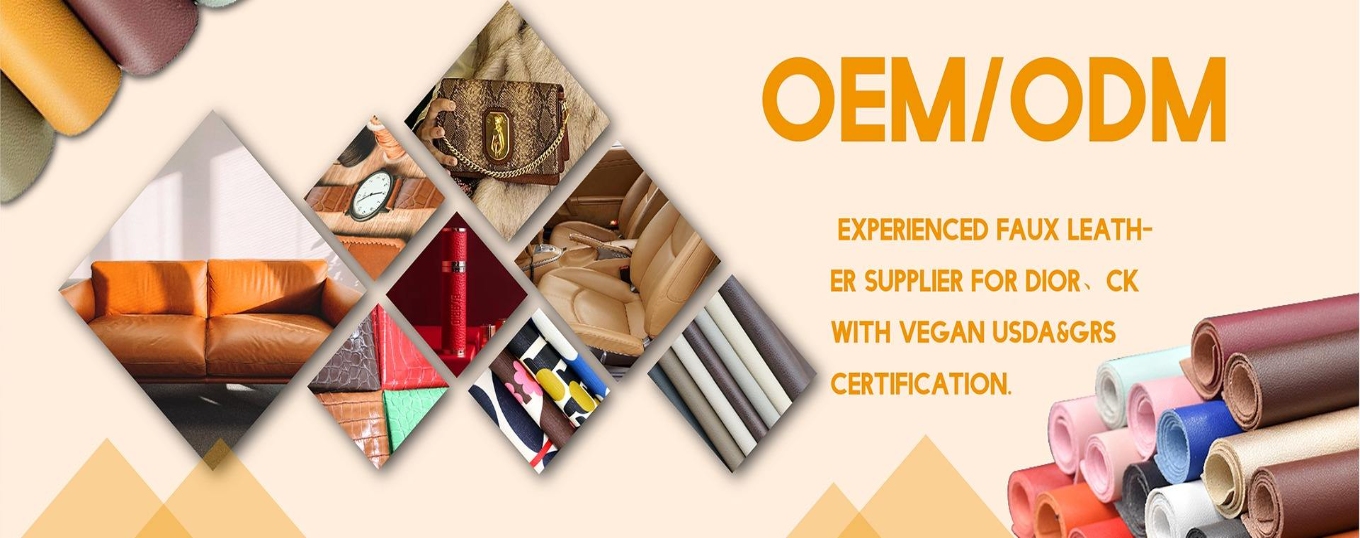
Dongguan Cigno Leather Co., Ltd. was established in 2007 and manufactures faux leather for furniture, automotive interiors, apparel, handbags, and footwear. Its synthetic leather range includes vegan, recycled, PVC, PU, and microfiber materials, with customized colors, textures, thicknesses, and functional properties available through its R&D and testing capabilities. The company reports export activity across North America, Europe, Southeast Asia, the Middle East, South America, and other international markets, with an export ratio of 60%. Its listed synthetic leather credentials include GRS and Oeko-Tex 100, and it has served clients across multiple industries.

SUBSCRIBE
INQUIRY