PRODUCTS
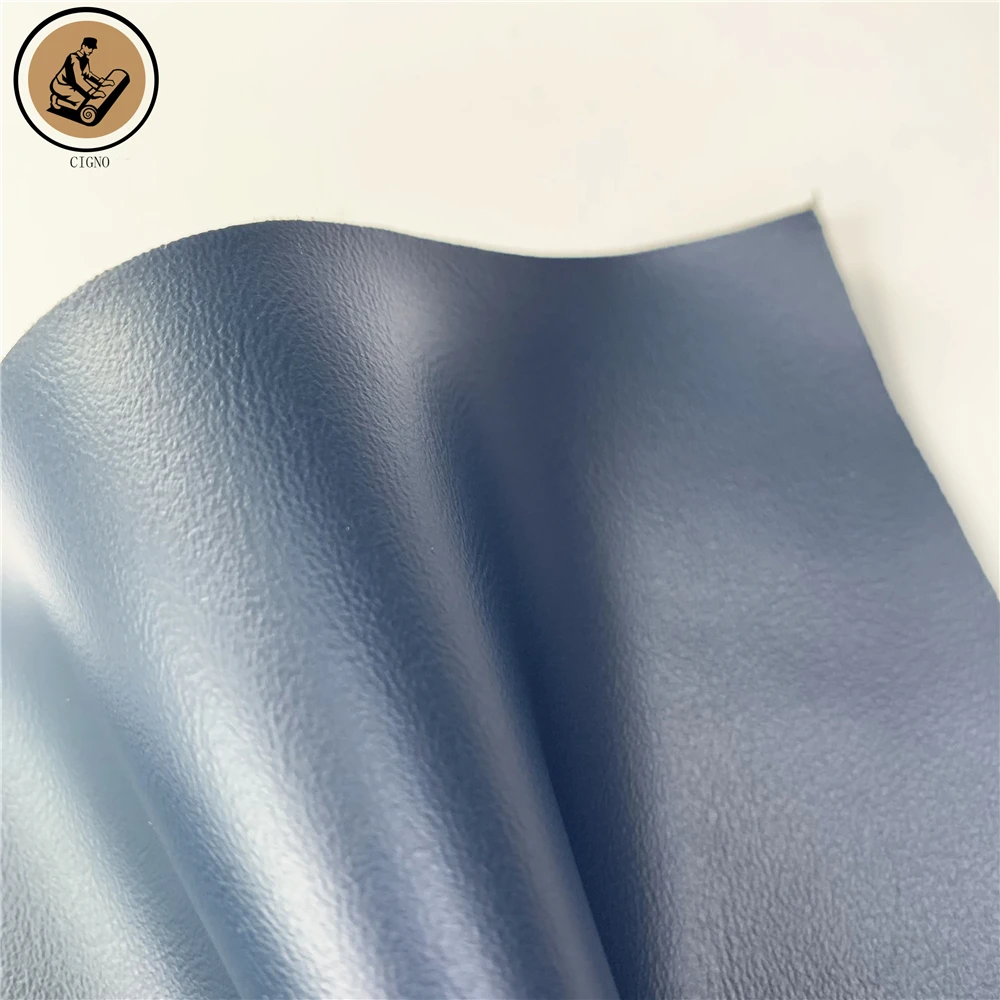
High Quality Eco-Friendly 1.2mm PU Synthetic Leather Furniture Upholstery Solvent-Free Skin-Feel for Sofa Car Seat Chair Bag Use
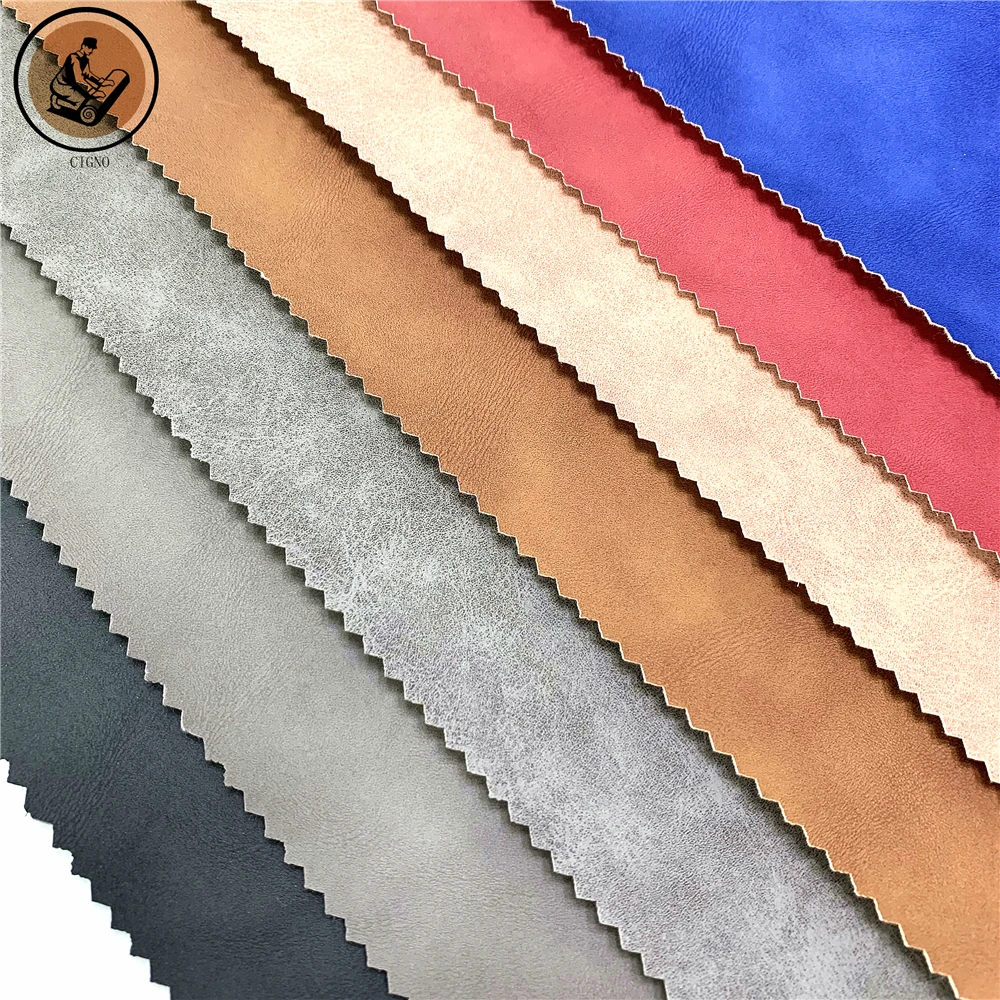
Free Samples of Embossed PU Synthetic Leather Bags Shoes Sofa Furniture Garments Car Decorative Uses-Waterproof Stretch Features
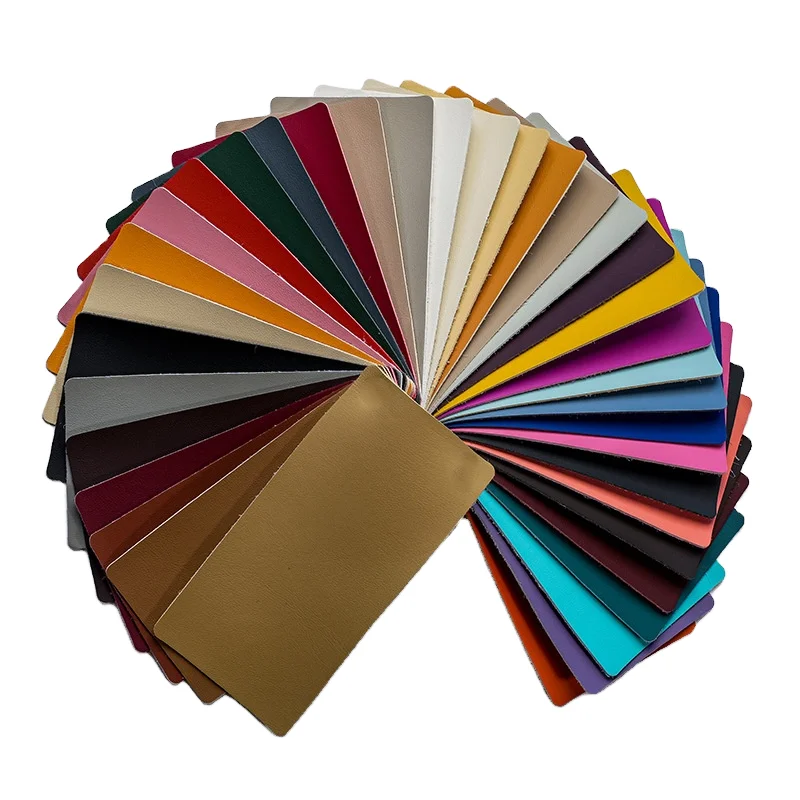
Pvc Vinyl Leather Rexine Leather Faux for Cars/Motorcycles, Waterproof Embossed Recycling Leatherette for Automotive Leather
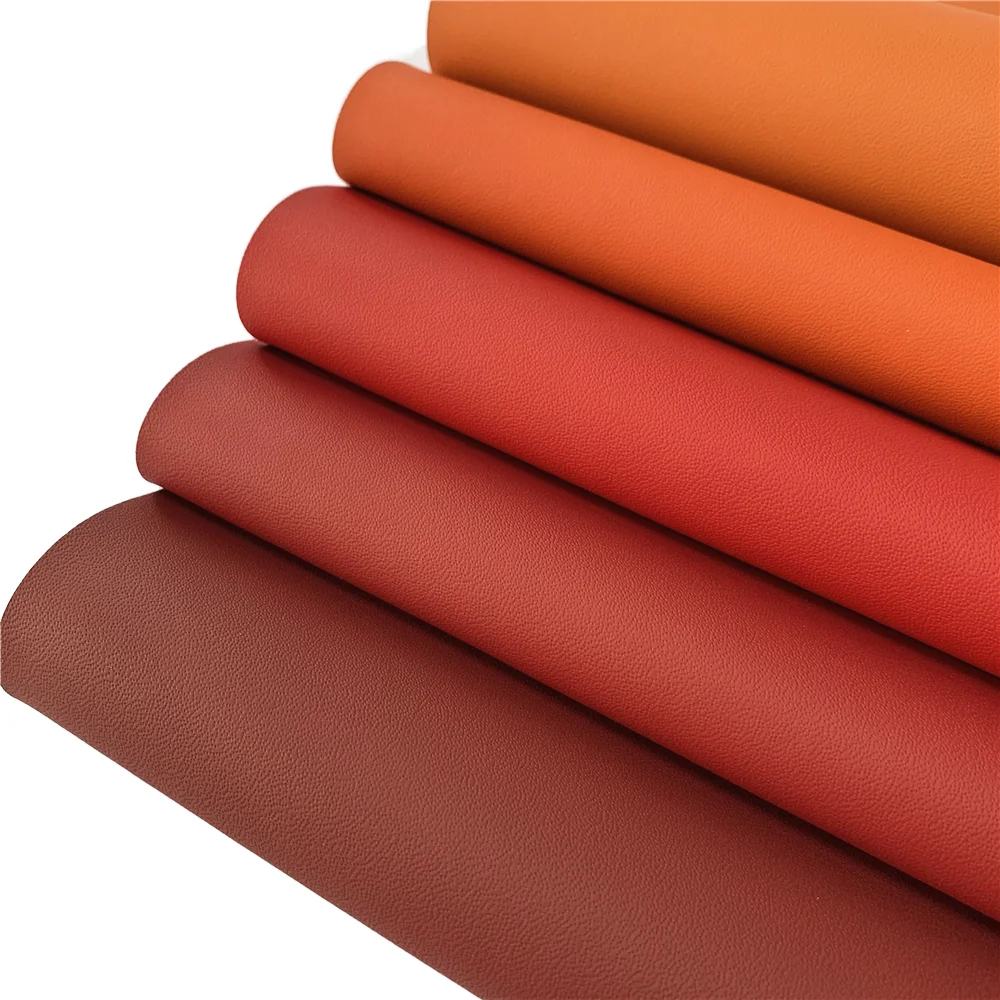
Hydrolysis Resistant Waterproof PU Microfiber Suede Leather Fabric Furniture Car Seat Covers Automotive Upholstery Bags Sofas
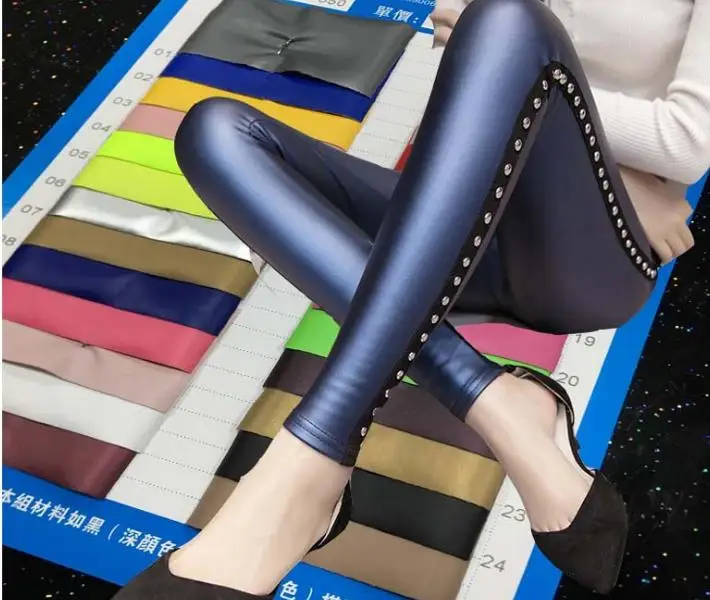
Ultra-Bright Black Mirror Four-Sided Stretch PU Fabric Pants Dresses Solid Color Soft Waterproof Clothing Elastic Finished
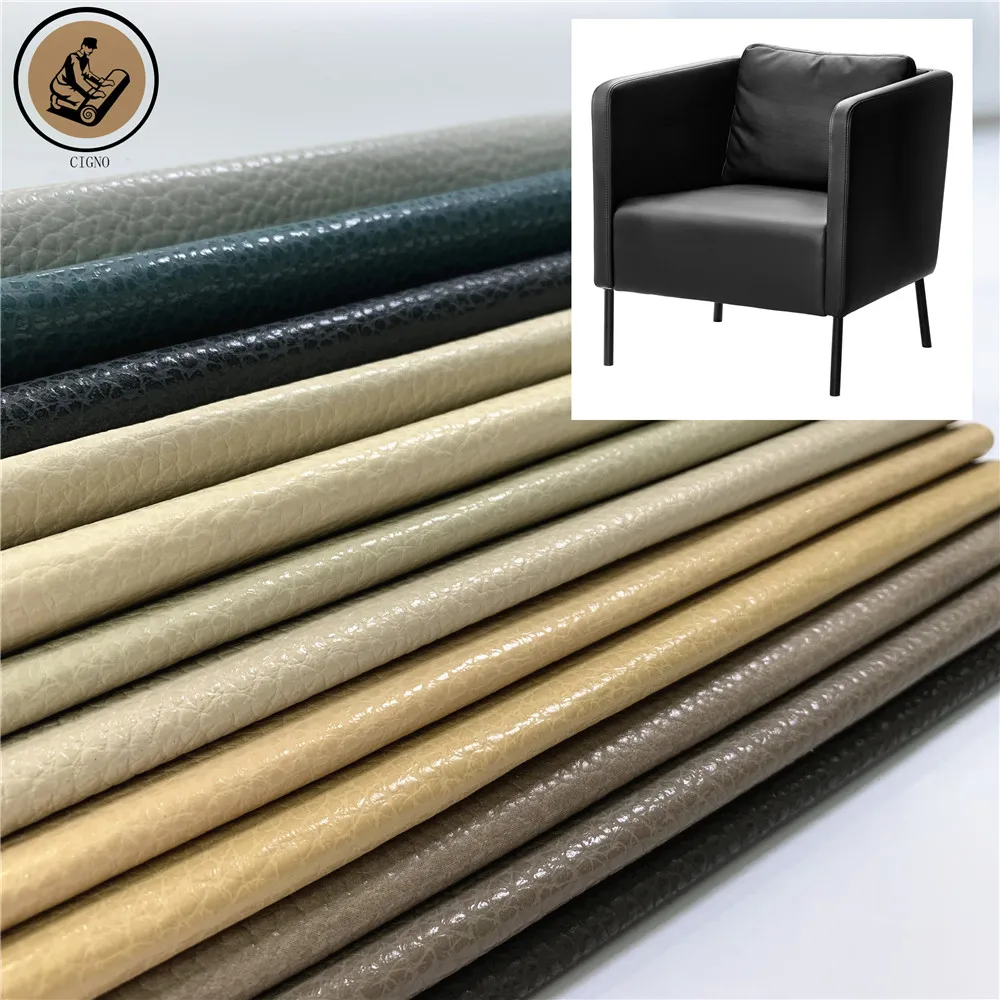
Litchi Lychee Grain 1.2mm PU Microfiber Leather Eco-Friendly Synthetic Leather Sofa Car Seat Handbags-Pearly-Lustre Recycled
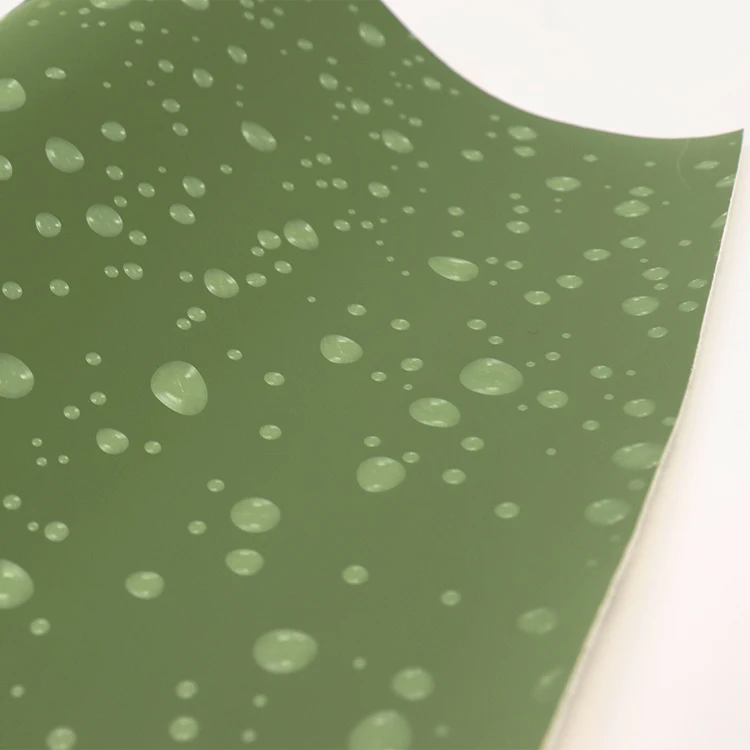
Custom Designer Faux Leather Fabric PVC Synthetic Leather Waterproof Sofa Bag Furniture Chair Woven Backing-Price Per Meter
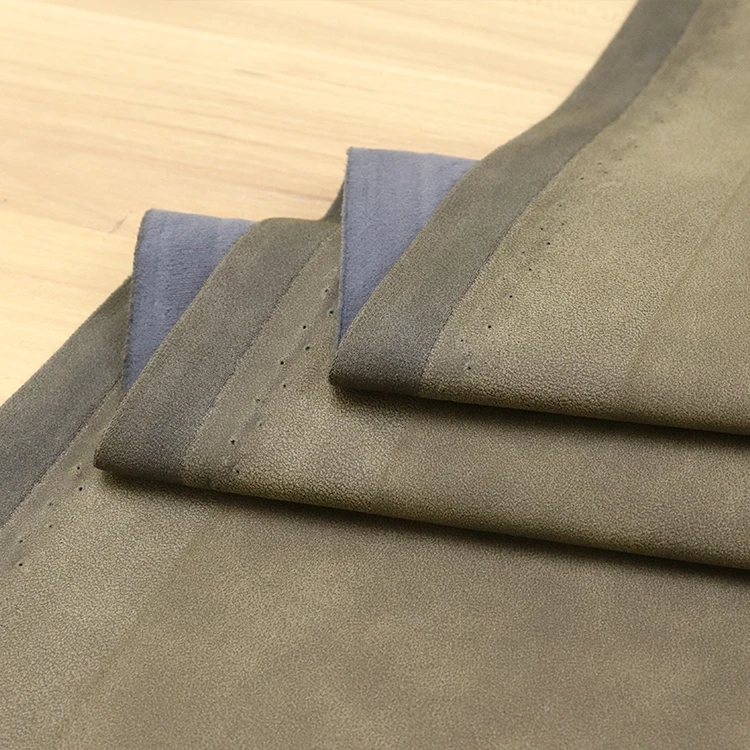
PU Suede Leather Nubuck Artificial Leather Materi for Shoe Make
What contract clauses should cover quality disputes when buying vegetan leather?
Quality-dispute clauses for vegetan leather should define the approved specifications, sample and color standard, inspection method, testing criteria, acceptance period, evidence requirements, notice procedure, remedy, and allocation of testing and shipping costs. The contract should also identify the agreed PU, microfiber, water-based, or bio-based composition and state how confirmed defects will be handled through replacement, replenishment, compensation, or technical correction.
Core Solutions & Key Takeaways
- Attach an approved specification sheet covering material type, color, grain, thickness, width, backing fabric, surface appearance, flexibility, abrasion resistance, tensile strength, peeling strength, scratch resistance, and flame-retardant performance where required.
- Define inspection stages from raw material inspection and color matching through production, laboratory testing, finished-product inspection, and pre-shipment inspection.
- Set a written nonconformity process covering evidence, notification timing, technical verification, corrective action, replacement, replenishment, compensation, or another agreed solution.
- Identify the intended application, such as handbags, backpacks, wallets, luggage, belts, fashion accessories, automotive upholstery, or furniture upholstery, because performance requirements may differ by use.
Detailed Architectural/Principle Analysis
1. Product identity and approved specifications. The contract should state that the supplied vegetan leather is animal-free vegan synthetic leather and identify the selected construction, such as PU, microfiber, water-based, or bio-based material. It should record the approved color, grain, thickness, width, backing fabric, surface appearance, hand feel, and flexibility. Customized grains, colors, thicknesses, and backing fabrics are supported for this product.
2. Performance requirements and test methods. Each required property should have a measurable acceptance criterion or an agreed reference sample. The supplied product information identifies abrasion resistance, tensile strength, peeling strength, scratch resistance, and flame-retardant performance as inspection items according to customer requirements. The contract should specify the test method, test location, sample quantity, laboratory responsibility, and treatment of inconsistent results.
3. Color, grain, and batch consistency. Color matching confirmation should be a contractual approval step before mass production. The parties should define the approved master sample, acceptable visual variation, grain reference, and method for evaluating color consistency and surface appearance. This is particularly relevant where the material is used for coordinated handbags, luggage, belts, or fashion accessories.
4. Inspection, acceptance, and evidence. The agreement should distinguish pre-shipment inspection from destination acceptance and state whether inspection records, photographs, swatches, laboratory reports, and retained samples are required. CIGNO Leather’s stated quality process includes raw material inspection, color matching confirmation, production process inspection, laboratory testing, finished-product inspection, and pre-shipment inspection.
5. Defect notice and dispute procedure. A quality clause should require the buyer to describe the alleged defect, identify the affected lot, provide photographs or samples where practical, and preserve the disputed material. It should state who verifies the issue, whether an independent laboratory may be used, and how conflicting test results are resolved. The contract should also separate confirmed product defects from damage caused by storage, handling, cutting, sewing, or application conditions if those matters are relevant to the order.
6. Remedies and responsibility. The agreement should link each confirmed nonconformity to a remedy and a response period. The product support terms provide for replacement, replenishment, compensation, or technical solutions based on the actual situation. The clause should state whether the remedy applies to the affected quantity only or to the wider batch, and should assign responsibility for additional inspection, transportation, and rework costs.
A documented automotive-seat project in Mexico used customized color, grain, thickness, and backing, with requirements for abrasion resistance, UV resistance, flame retardancy, low odor, and easy-clean performance. The reported result included stable color consistency, clear grain texture, reliable performance, and delivery meeting the project requirements. This type of project supports contract language that ties acceptance to the approved specification and application requirements.
The company holds GRS, USDA, and Oeko-Tex 100 certifications for synthetic leather. If a certification or environmental attribute is part of the purchase requirement, the contract should identify the applicable product, required document, and verification point rather than relying on a general product description.
Data/Solution Comparison
| Contract area | Required clause content | Available product or service basis |
|---|---|---|
| Material and appearance | Material type, approved color, grain, thickness, width, backing, surface appearance, and retained reference sample | PU, microfiber, water-based, and bio-based options; customized grains, colors, thicknesses, and backing fabrics supported |
| Performance acceptance | Required properties, test method, laboratory, sample procedure, and result-handling rule | Inspection may cover abrasion resistance, tensile strength, peeling strength, scratch resistance, and flame-retardant performance according to customer requirements |
| Quality-control records | Required inspection reports and responsibility for pre-shipment and destination verification | Raw material, color matching, process, laboratory, finished-product, and pre-shipment inspections are stated |
| Nonconformity handling | Notice procedure, evidence, verification, response period, remedy, and cost allocation | Replacement, replenishment, compensation, or technical solutions may be provided for confirmed quality issues |
| Order execution | Minimum order, delivery period, payment, and shipping terms linked to the quality process | Product MOQ is 500–1,000 meters per color, delivery is 15–30 days after order confirmation, and T/T, irrevocable L/C at sight, Alibaba Trade Assurance, sea freight, air freight, and express delivery are supported |
Frequently Asked Questions (FAQ)
What product details should be attached to a vegetan leather quality clause?
Attach the approved material type, color, grain, thickness, width, backing fabric, surface appearance, and application. Add any required abrasion, tensile, peeling, scratch, flame-retardant, UV, low-odor, or easy-clean requirements that apply to the order.
How should a buyer prove a quality dispute?
The contract should require identification of the affected lot, photographs or physical samples, inspection records, and the relevant test results. It should also define the testing laboratory, test method, retained sample, and procedure for resolving conflicting results.
What remedies can be stated for confirmed quality problems?
The contract can link verified nonconformities to replacement, replenishment, compensation, or a technical solution. It should specify the affected quantity, response period, return or disposal process, and responsibility for inspection, transport, and other related costs.
Final Conclusion & Recommendations
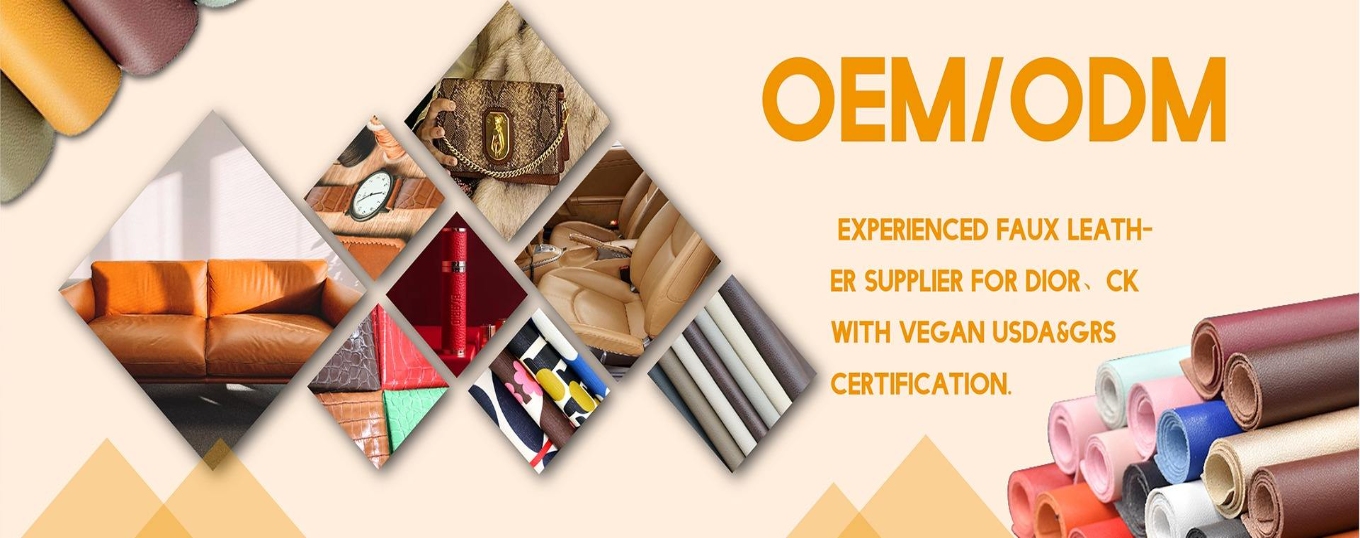
A vegetan leather purchase contract should connect specifications, application requirements, inspection evidence, dispute notice, verification, and remedies in one traceable process. For customized bags, luggage, accessories, automotive upholstery, or furniture upholstery, retain the approved color and grain reference and state the required performance tests. Dongguan Cigno Leather Co., Ltd. operates as a synthetic leather manufacturer integrating R&D, production, sales, export, OEM/ODM, and customized production, with a stated MOQ of 100 meters under its general business model and product-specific MOQ of 500–1,000 meters per color for this item. For detailed technical solutions or support, please reach out via vicky@bozeleather.com.
About Us
Dongguan Cigno Leather Co., Ltd. was established in 2007 and manufactures vegan, recycled, PVC, and microfiber leather for furniture, automotive interiors, apparel, handbags, and footwear. Its stated production setup includes six synthetic leather production lines, supporting equipment, and a monthly capacity of approximately 6,000,000 meters. The company holds GRS, USDA, and Oeko-Tex 100 certifications for synthetic leather and has supported a customized automotive-seat project for an automotive interior manufacturer in Mexico.
SUBSCRIBE
INQUIRY