
PRODUCTS
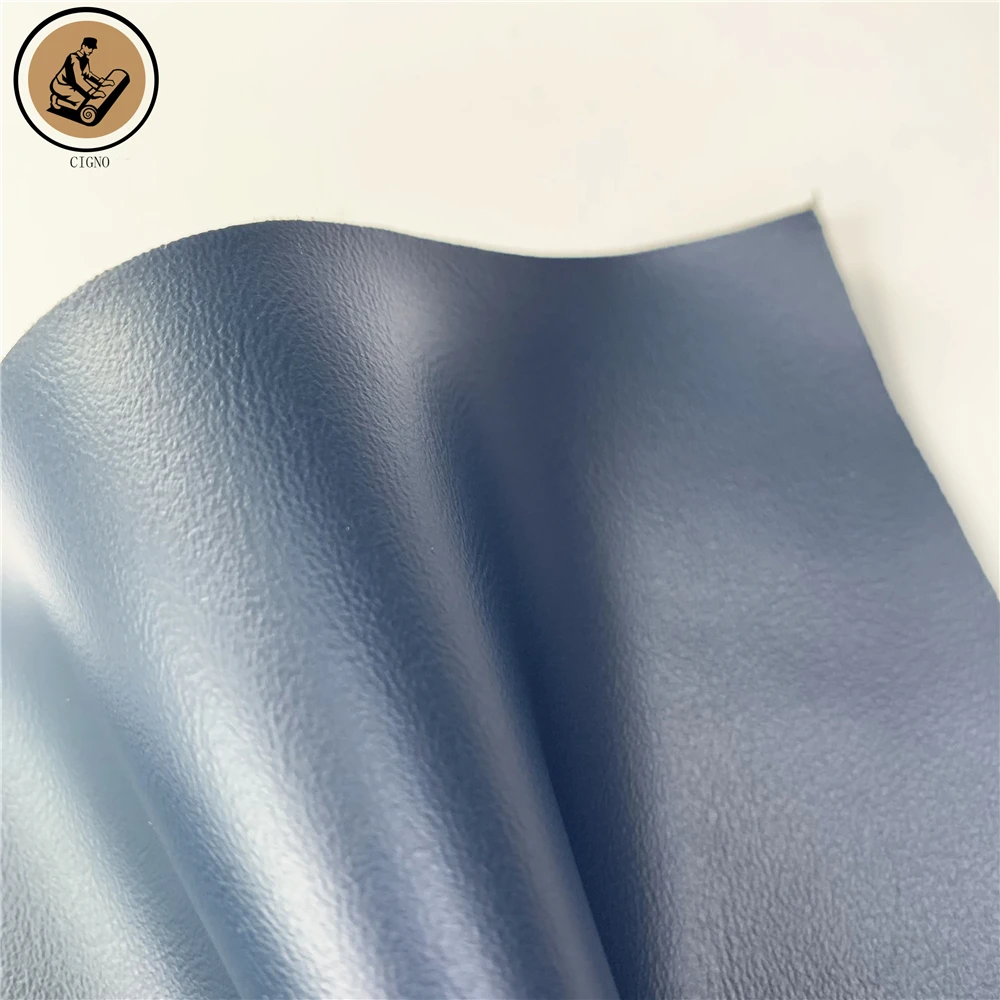
High Quality Eco-Friendly 1.2mm PU Synthetic Leather Furniture Upholstery Solvent-Free Skin-Feel for Sofa Car Seat Chair Bag Use
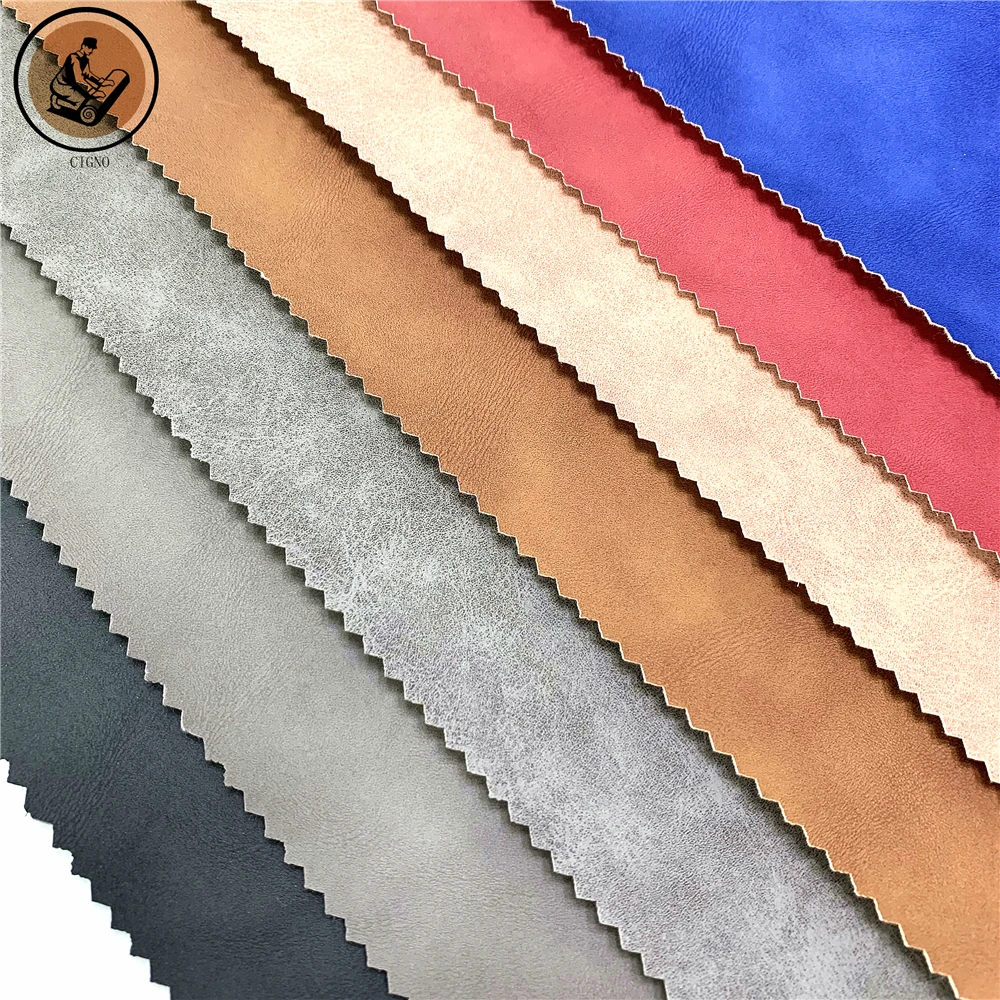
Free Samples of Embossed PU Synthetic Leather Bags Shoes Sofa Furniture Garments Car Decorative Uses-Waterproof Stretch Features
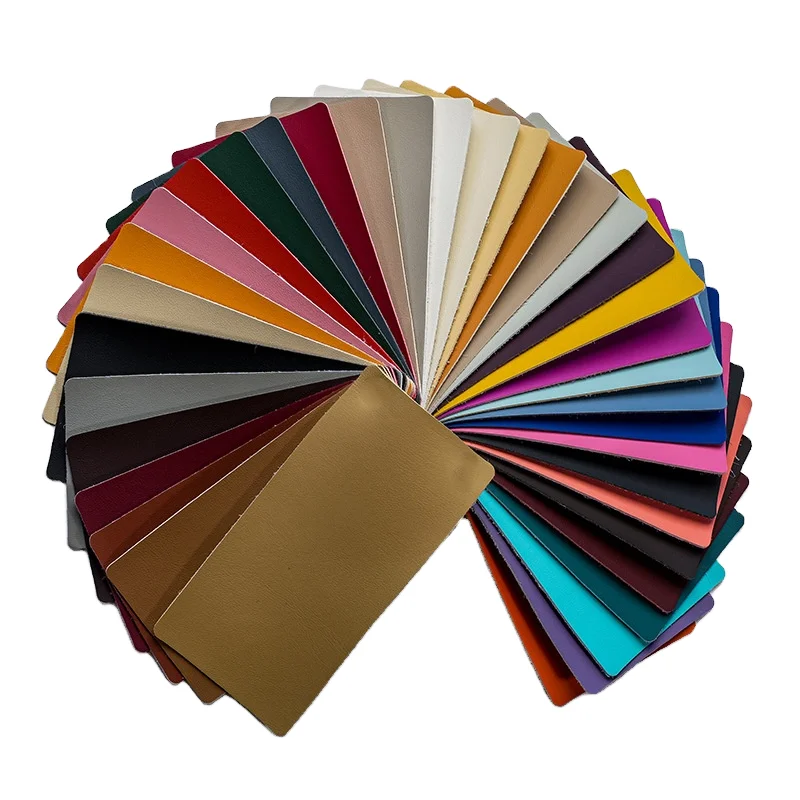
Pvc Vinyl Leather Rexine Leather Faux for Cars/Motorcycles, Waterproof Embossed Recycling Leatherette for Automotive Leather
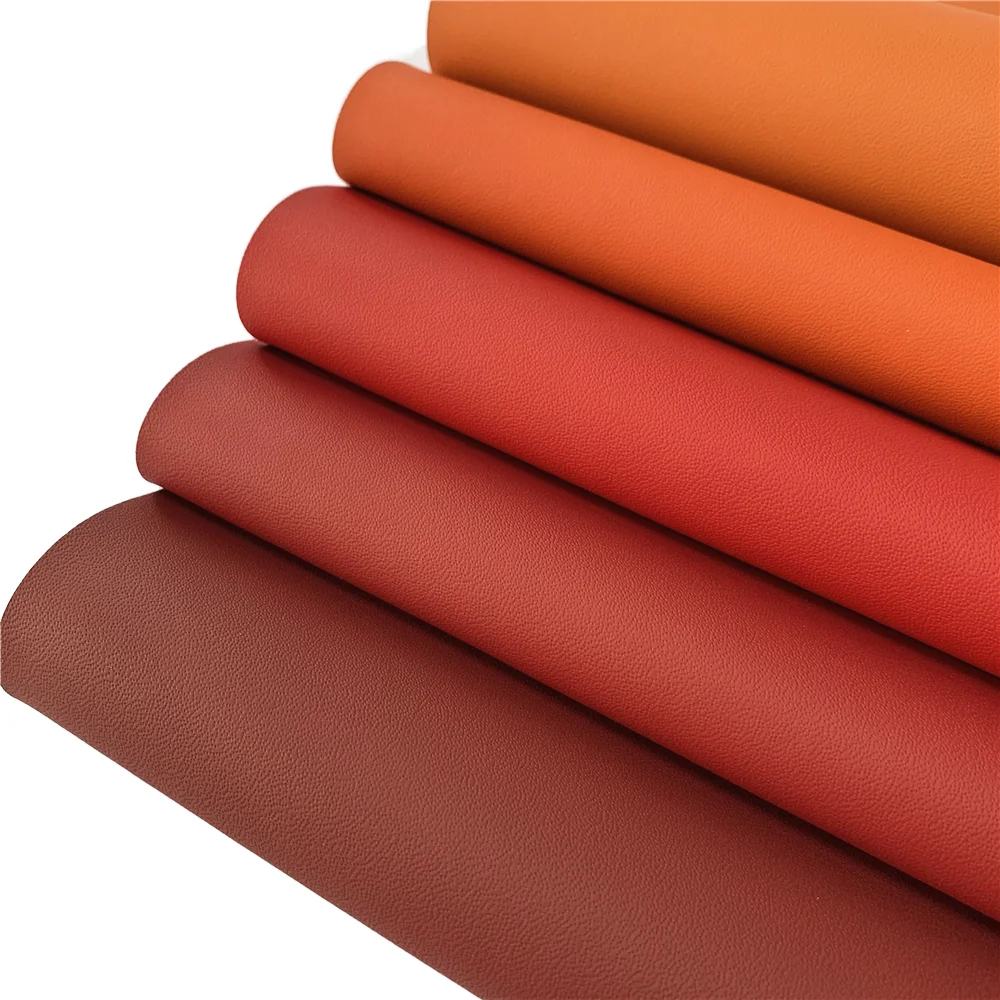
Hydrolysis Resistant Waterproof PU Microfiber Suede Leather Fabric Furniture Car Seat Covers Automotive Upholstery Bags Sofas
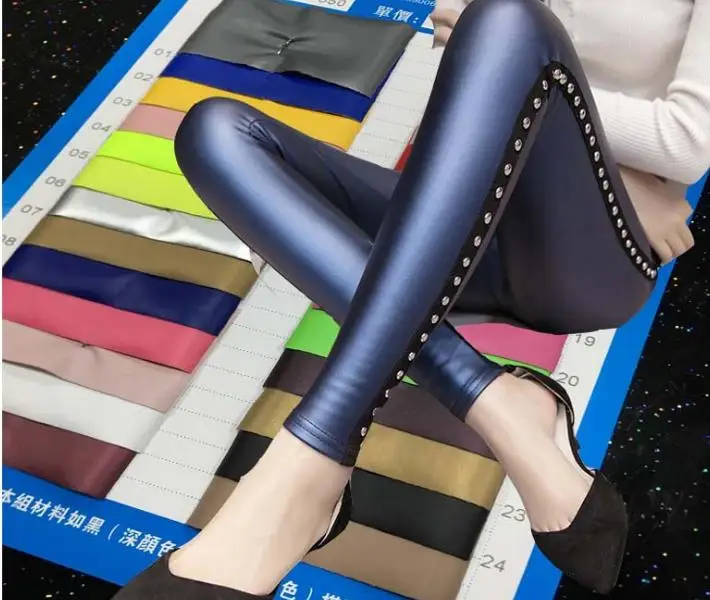
Ultra-Bright Black Mirror Four-Sided Stretch PU Fabric Pants Dresses Solid Color Soft Waterproof Clothing Elastic Finished
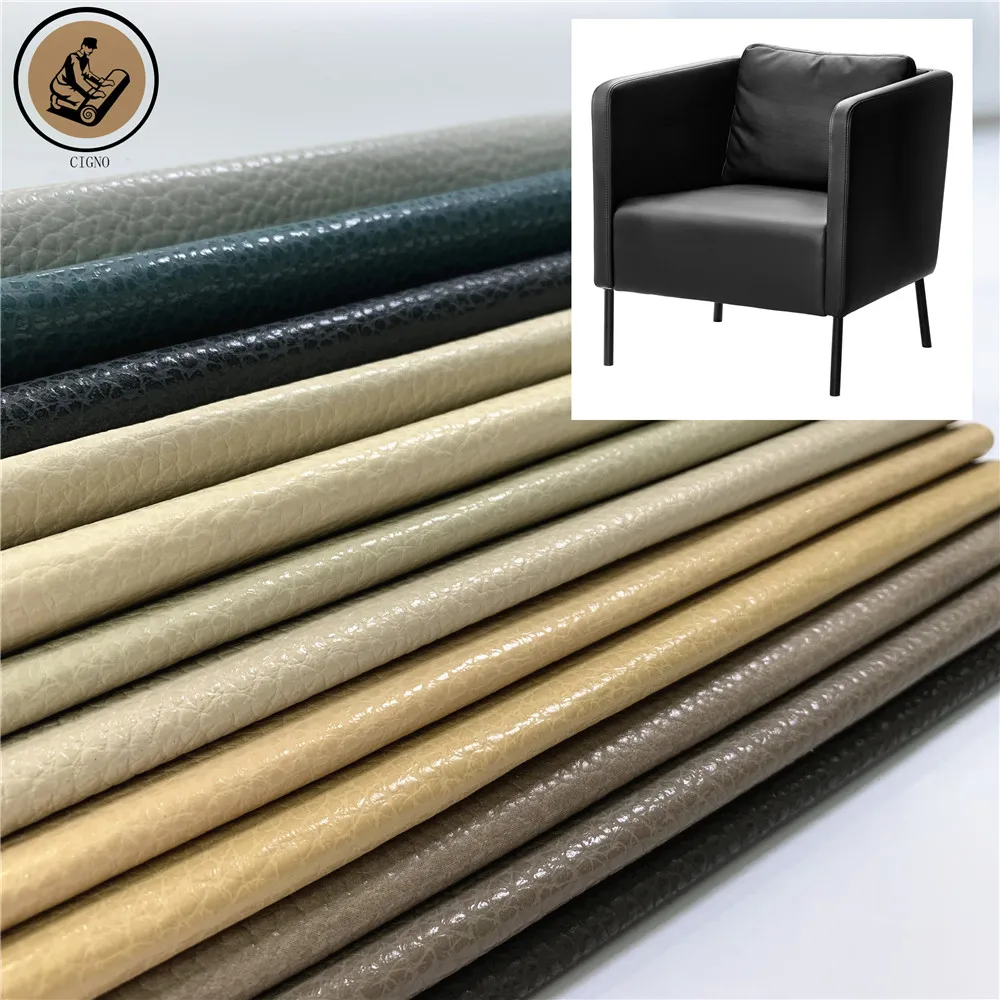
Litchi Lychee Grain 1.2mm PU Microfiber Leather Eco-Friendly Synthetic Leather Sofa Car Seat Handbags-Pearly-Lustre Recycled
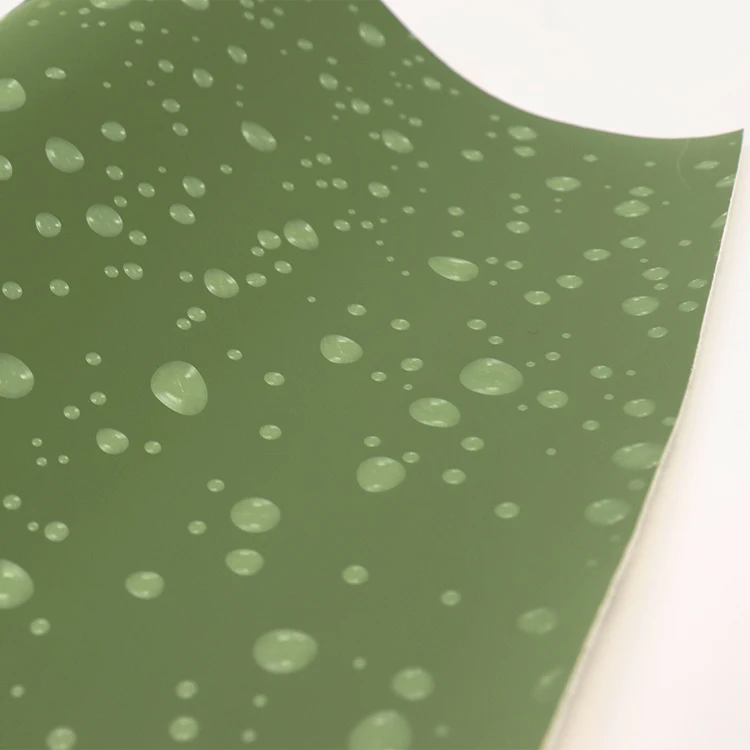
Custom Designer Faux Leather Fabric PVC Synthetic Leather Waterproof Sofa Bag Furniture Chair Woven Backing-Price Per Meter
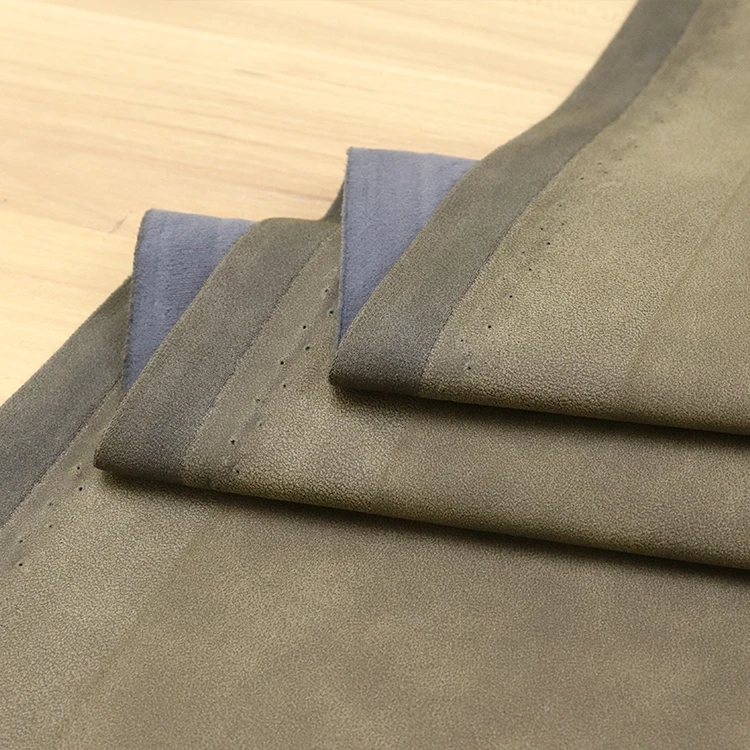
PU Suede Leather Nubuck Artificial Leather Materi for Shoe Make
What documentation should cover plasticizers, heavy metals, and emissions in PVC leather?
Documentation for plasticizers, heavy metals, and emissions in PVC leather should identify the material and report the tests performed, methods used, results, and applicable acceptance criteria. Request product-specific laboratory reports for each concern; a general certificate alone does not establish that a particular PVC leather batch meets a buyer’s requirements.
Core Solutions & Key Takeaways
- Request a test report that names the PVC leather product or sample and specifies the tested plasticizers, heavy metals, and emissions parameters.
- Check that the report identifies the laboratory, test method, date, measured results, and any limits or requirements used for evaluation.
- Keep product identification and batch details with the report so the evidence can be matched to the material supplied.
- For automotive and furniture upholstery, define the required performance and documentation with the supplier before production; customization is available for colors, textures, thicknesses, and functional properties.
Detailed Architectural/Principle Analysis
Documentation should distinguish evidence about a product from general company credentials. A certificate may describe a certified scope, while a laboratory report records specific tests and results. For plasticizers, heavy metals, and emissions, ask for the relevant test names and results rather than assuming that a certificate covers every substance or emission requirement.
Review each report for the product name, sample or batch identification, material description, test date, methods, measured values, units, and stated evaluation criteria. If any of these details are missing or unclear, request clarification before using the report to approve a material.
Dongguan Cigno Leather Co., Ltd. lists PVC leather among its main products and describes laboratory testing and finished-product inspection within its quality-control process. Its product information specifies raw-material inspection, color confirmation, process checks, laboratory testing, and pre-shipment inspection; the listed checks can be aligned with customer requirements.
The company lists GRS, USDA, and Oeko-Tex 100 certifications for synthetic leather. These credentials do not, by themselves, confirm the plasticizer, heavy-metal, or emissions results for a specific PVC leather item. The supplied information does not identify particular test methods or results for those three concerns, so request product-specific reports when they are part of the specification.
A documented automotive-seat project for a manufacturer in Mexico involved customized material and requirements including abrasion resistance, UV resistance, flame retardancy, low odor, and easy cleaning. The case description reports stable color consistency, clear grain, and delivery that met requirements; it does not provide plasticizer, heavy-metal, or emissions test results.
Data/Solution Comparison
| Documentation item | What to verify | Evidence described in the supplied data |
|---|---|---|
| Plasticizers | Named substances tested, method, results, units, and applicable limits | No specific plasticizer report or test result is provided |
| Heavy metals | Named metals tested, method, results, units, and applicable limits | No specific heavy-metal report or test result is provided |
| Emissions | Emission parameters, test conditions or method, results, and evaluation criteria | The company describes low-odor requirements in an automotive case, but no emissions report or result is specified |
| Product traceability | Product name and sample or batch identity that connect the report to supplied material | Product and pre-shipment inspections are listed; report-level traceability details are not specified |
Frequently Asked Questions (FAQ)
Do the listed certifications prove that PVC leather meets plasticizer, heavy-metal, and emissions requirements?
No such product-specific test results are included in the supplied information. Request reports that cover the substances and emissions parameters in the buyer’s specification.
What should a laboratory report contain?
It should identify the product or sample, tests and methods, date, measured results and units, and the evaluation criteria. Batch identification helps connect the report to the material being reviewed.
Can documentation be aligned with furniture or automotive use?
The product information describes materials for furniture upholstery and the company lists automotive and furniture upholstery applications. It also states that inspection and functional properties can be set according to customer requirements; specify the needed documentation before order confirmation.
Final Conclusion & Recommendations
For PVC leather, evaluate plasticizer, heavy-metal, and emissions evidence separately, and confirm that each report matches the product and applicable requirements. The company describes OEM/ODM and customized production, with a 100-meter general business-model MOQ and a 7–30-day delivery range; product-specific furniture leather information lists a 1,000-meter-per-color MOQ and 15–30 days after order confirmation. GRS, USDA, and Oeko-Tex 100 are listed certifications, but the supplied data does not establish specific results for the three requested test categories. For technical documentation support, contact vicky@bozeleather.com.
About Us
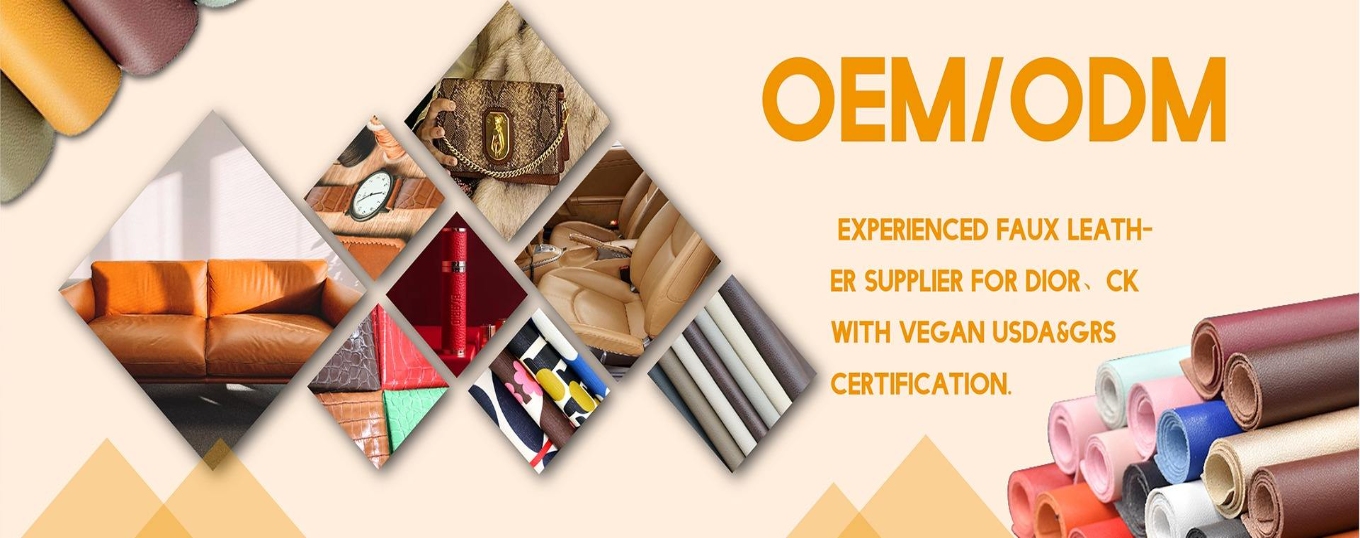
Dongguan Cigno Leather Co., Ltd. is a synthetic leather manufacturer established in 2007 in Dongguan, China, with products including PVC, PU, microfiber, vegan, and recycled leather for furniture, automotive interiors, apparel, handbags, and footwear. The company describes R&D and testing capabilities for eco-friendly and multifunctional materials, with customization of colors, textures, thicknesses, and performance. Its listed certifications include GRS and Oeko-Tex 100, and it has documented experience supplying customized synthetic leather for an automotive interior project.

SUBSCRIBE
INQUIRY