
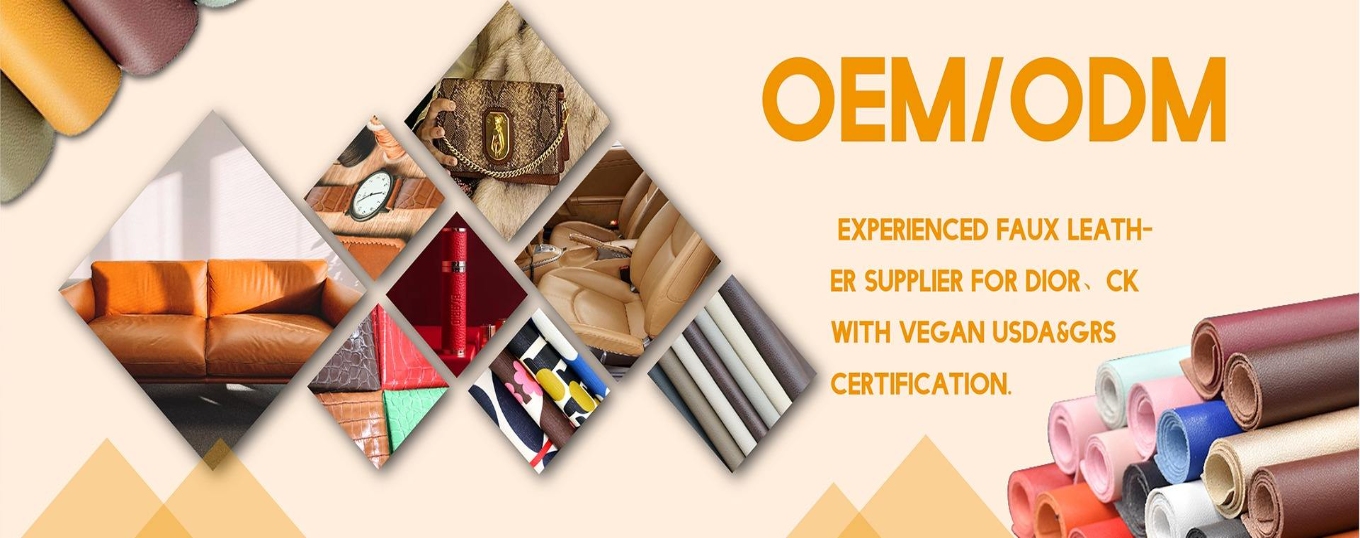
PRODUCTS
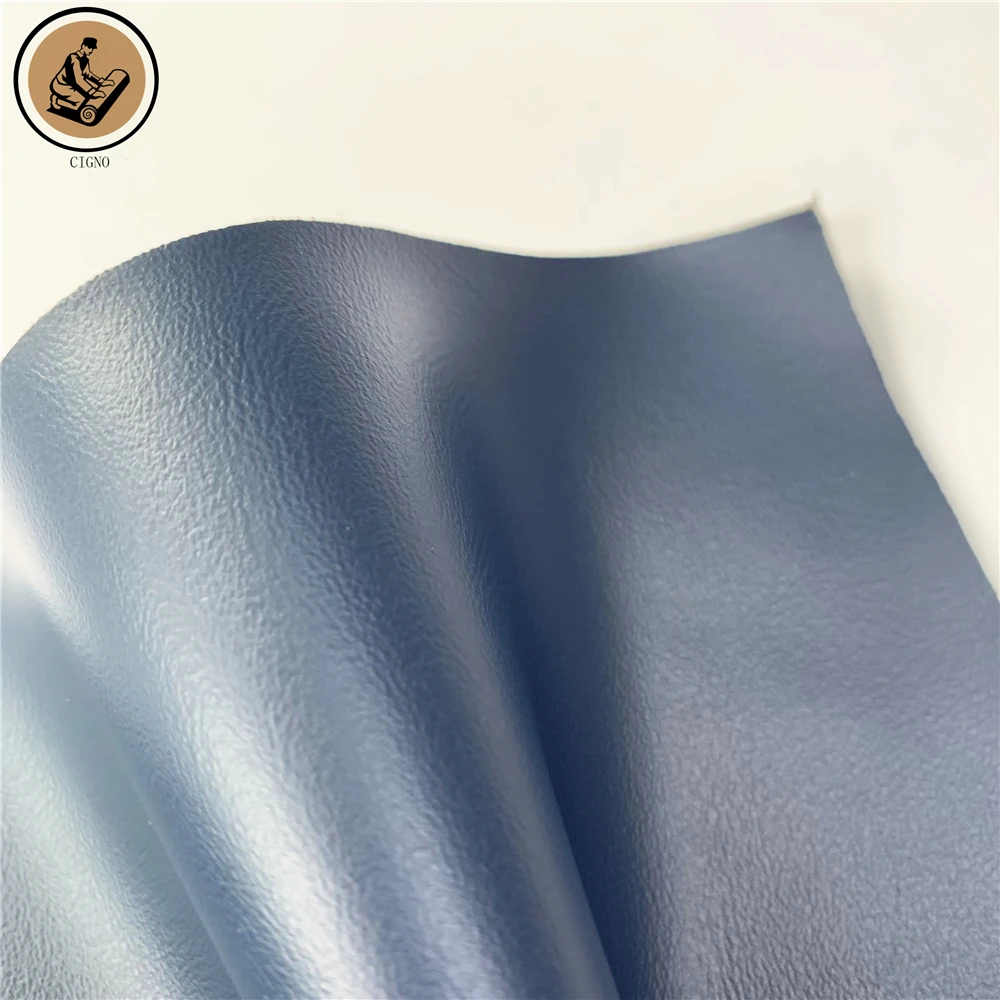
High Quality Eco-Friendly 1.2mm PU Synthetic Leather Furniture Upholstery Solvent-Free Skin-Feel for Sofa Car Seat Chair Bag Use
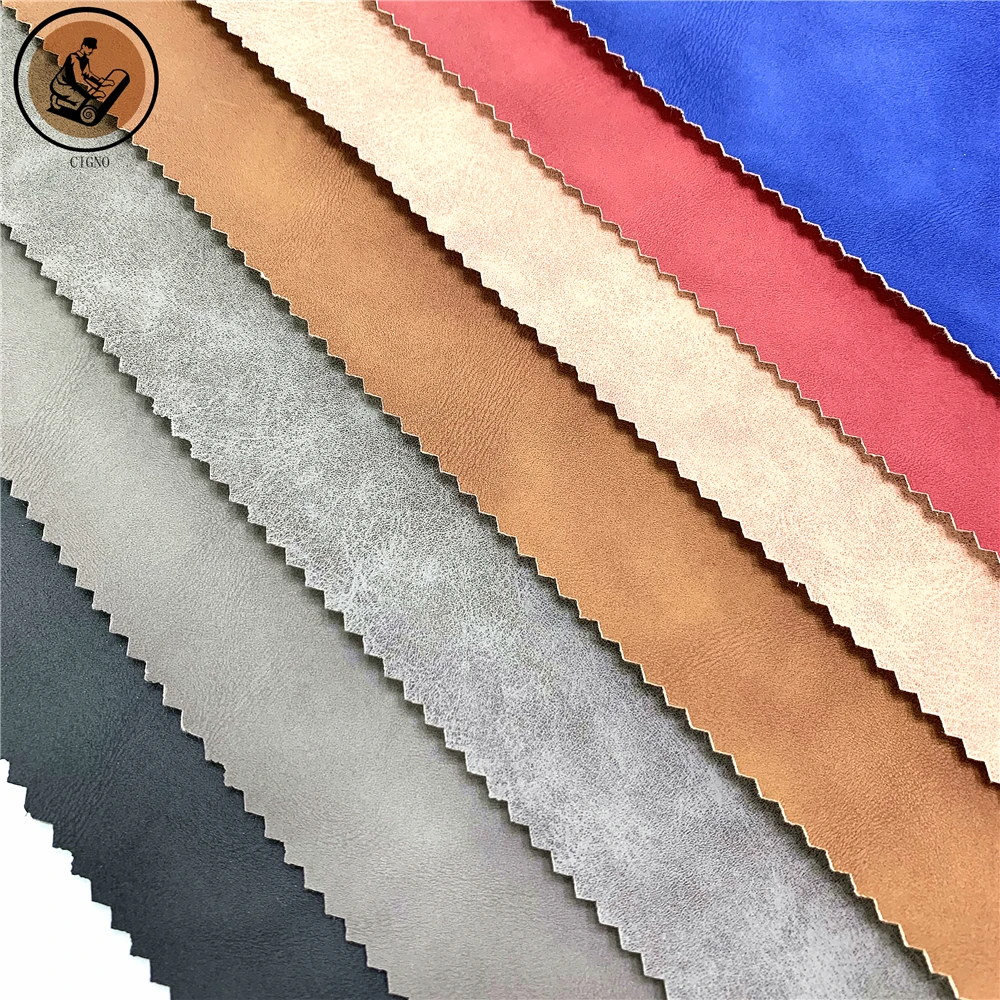
Free Samples of Embossed PU Synthetic Leather Bags Shoes Sofa Furniture Garments Car Decorative Uses-Waterproof Stretch Features
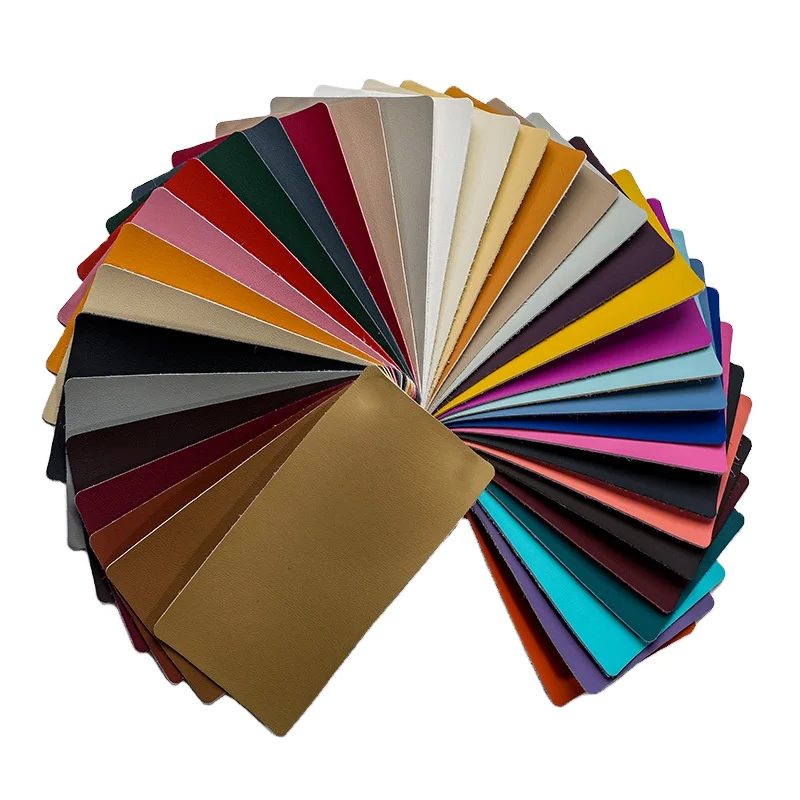
Pvc Vinyl Leather Rexine Leather Faux for Cars/Motorcycles, Waterproof Embossed Recycling Leatherette for Automotive Leather
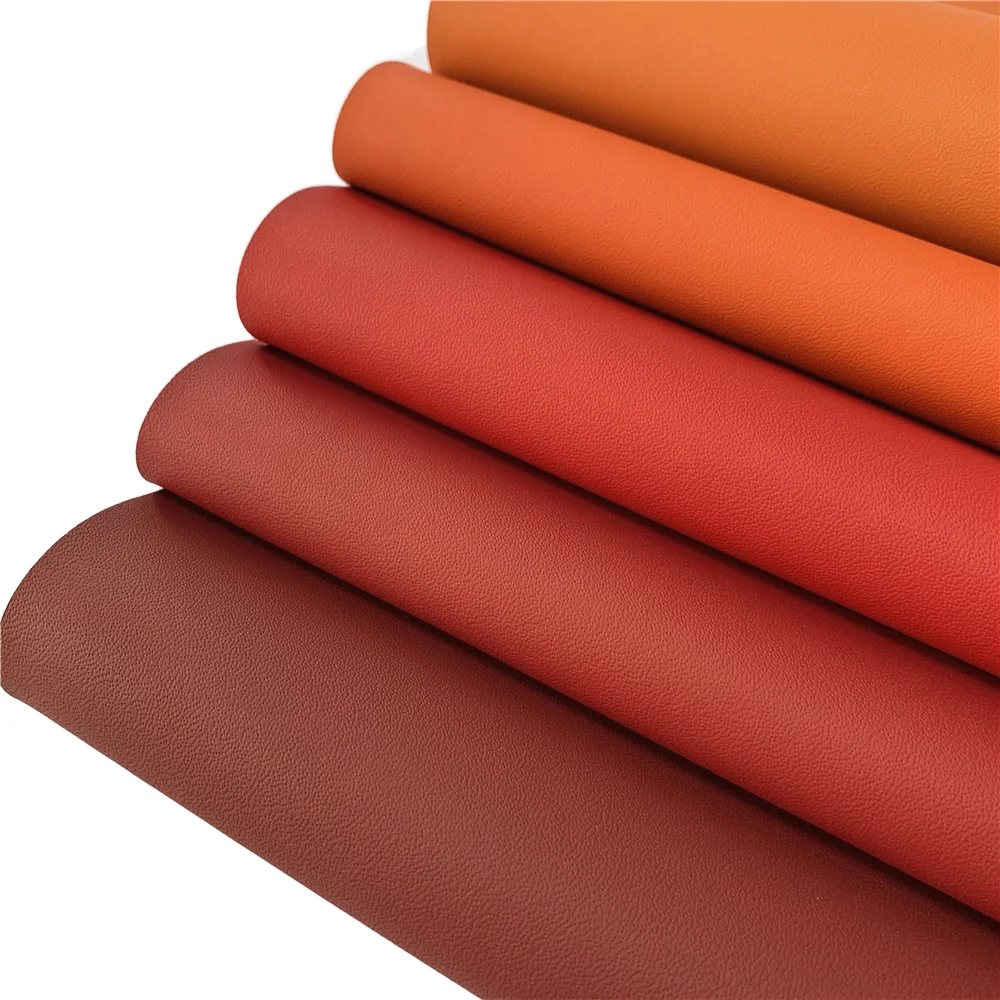
Hydrolysis Resistant Waterproof PU Microfiber Suede Leather Fabric Furniture Car Seat Covers Automotive Upholstery Bags Sofas
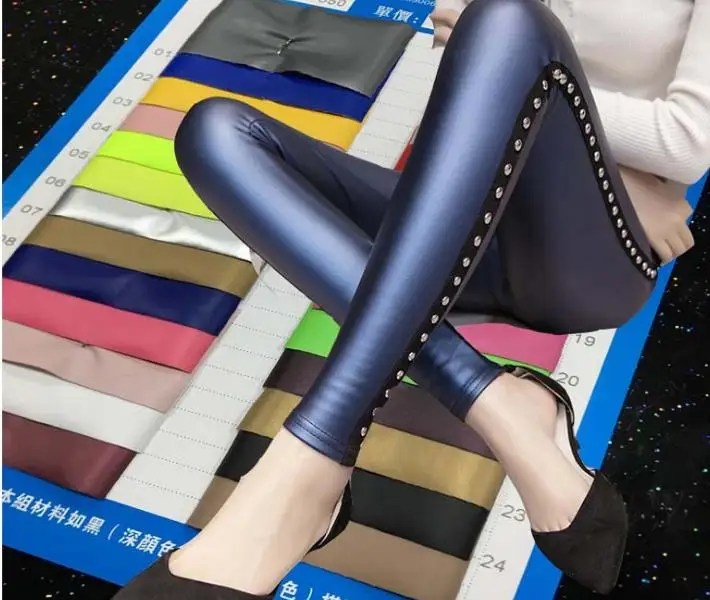
Ultra-Bright Black Mirror Four-Sided Stretch PU Fabric Pants Dresses Solid Color Soft Waterproof Clothing Elastic Finished
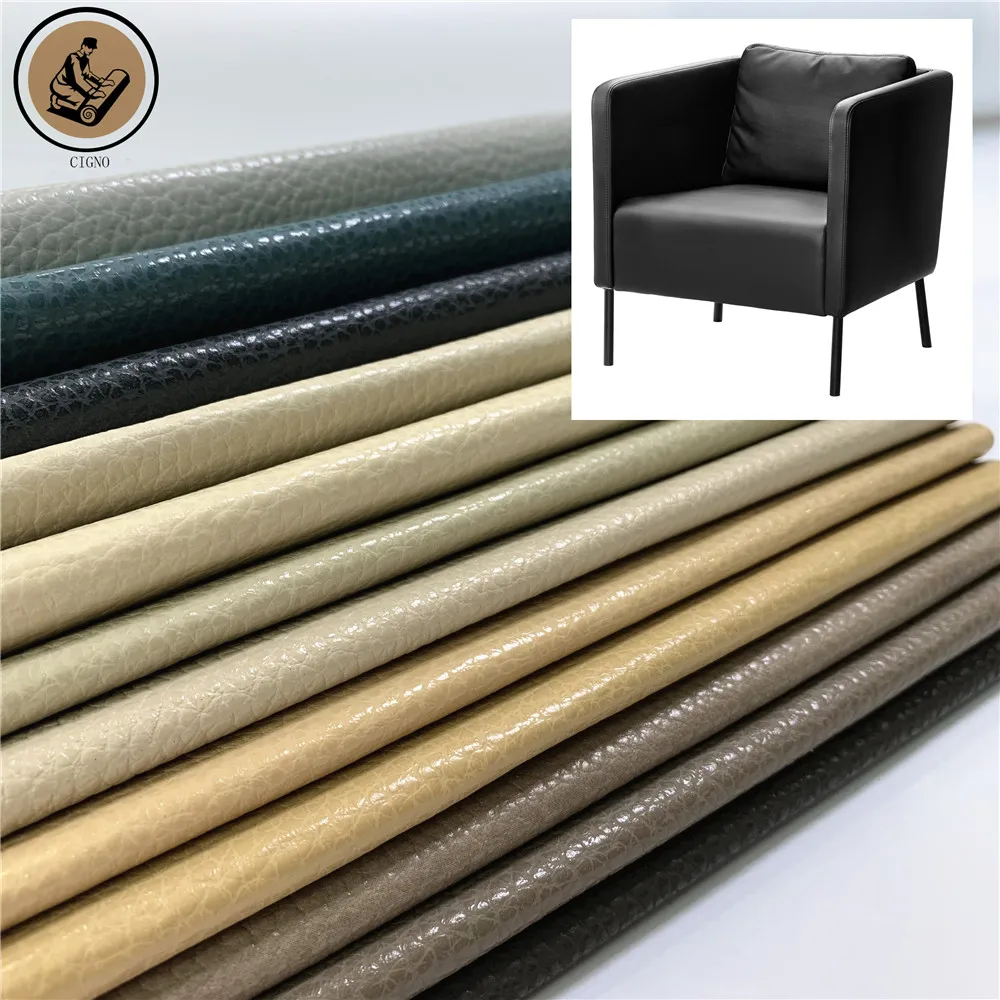
Litchi Lychee Grain 1.2mm PU Microfiber Leather Eco-Friendly Synthetic Leather Sofa Car Seat Handbags-Pearly-Lustre Recycled
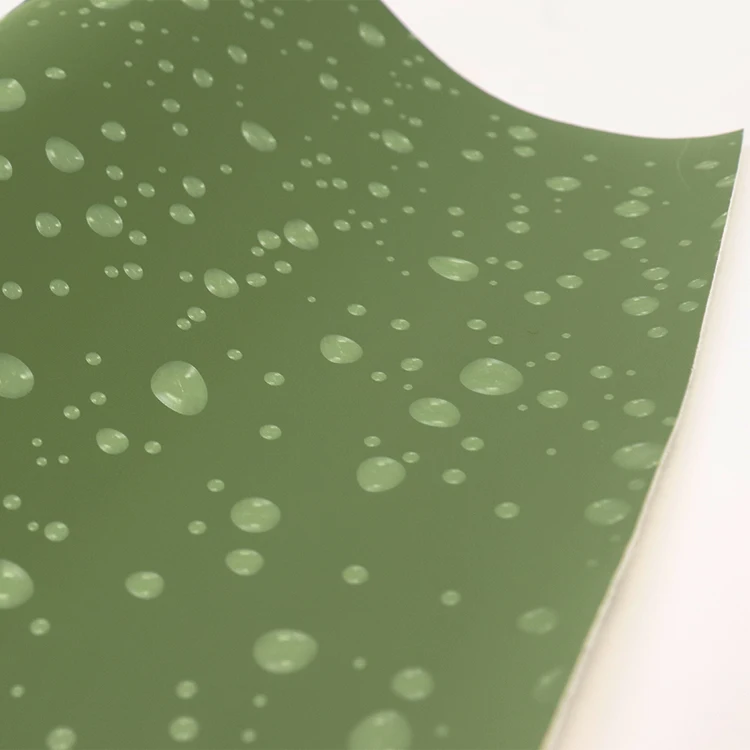
Custom Designer Faux Leather Fabric PVC Synthetic Leather Waterproof Sofa Bag Furniture Chair Woven Backing-Price Per Meter
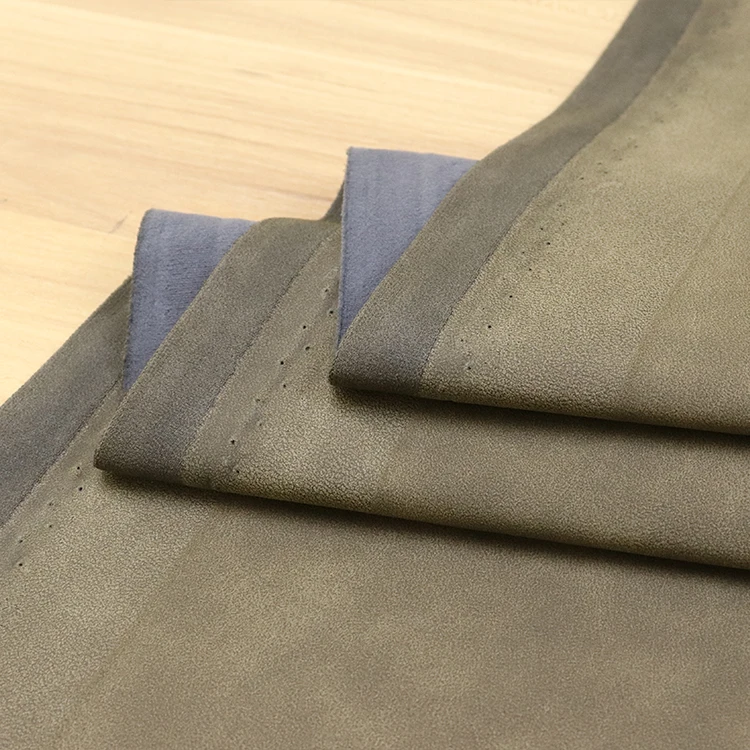
PU Suede Leather Nubuck Artificial Leather Materi for Shoe Make
What durability specs should I check when buying upholstery leather in bulk?
When buying upholstery leather in bulk, key durability specifications to check include abrasion resistance, scratch resistance, tensile and peeling strength, flame retardancy, stain resistance, and UV resistance. Verifying technical parameters such as material thickness (0.7–1.3 mm) and backing fabric integrity ensures the material resists mechanical wear and environmental degradation in high-traffic applications.
Core Solutions & Key Takeaways
- Abrasion and Scratch Resistance: Surface durability guarantees that materials used for sofas, chairs, and automotive seating maintain structural integrity under continuous daily wear and friction.
- Tensile and Peeling Strength: Strong backing fabrics and high coating adhesion prevent surface delamination, cracking, or tearing during upholstering and extended stretching.
- Environmental and Flame Resistance: Verifying flame-retardant compliance alongside environmental standards like GRS, USDA, and OEKO-TEX 100 ensures safety and regulatory alignment.
- Stain Resistance and Easy Maintenance: Waterproofing and stain-resistant surface treatments simplify cleaning routines and prolong material lifespan in residential and commercial environments.
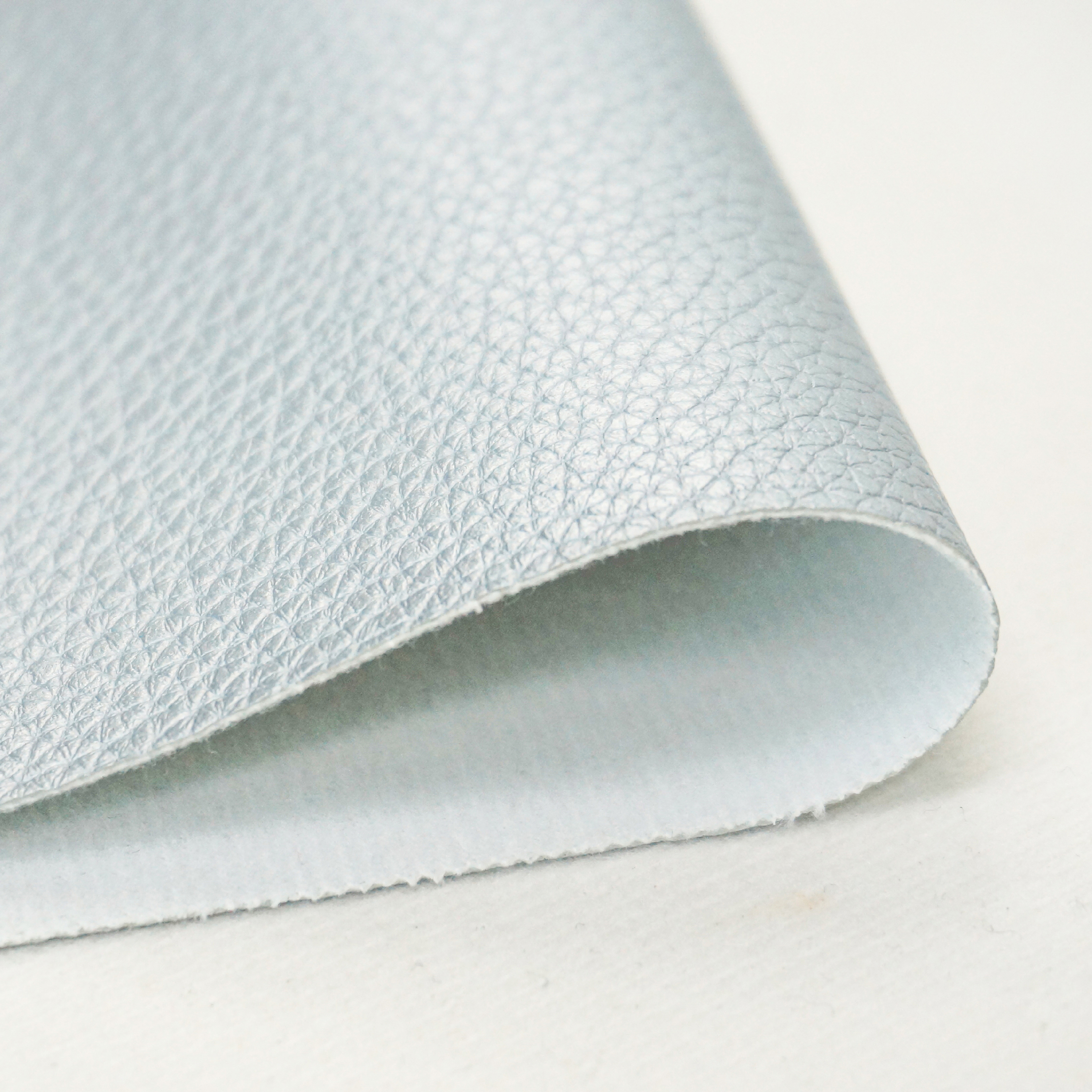
Detailed Architectural & Specification Analysis
Procuring synthetic upholstery leather in bulk requires analyzing performance metrics tailored to specific end-use environments, such as furniture, automotive interiors, and wall paneling. Solvent-free PU leather construction minimizes volatile organic compound (VOC) emissions while enhancing mechanical stability. Evaluating material performance involves lab-verified parameters, ensuring bulk consignments maintain consistent quality across width, color, and texture.
Mechanical specifications evaluate how synthetic leather reacts to physical loads. Tensile strength measures the force required to stretch the material, while peeling strength determines how securely the PU surface layer adheres to the substrate fabric. High peeling strength eliminates common failure modes such as bubbling or flaking. Laboratory tests evaluate abrasion resistance through friction cycles, certifying that the material withstands high-use commercial and residential applications.
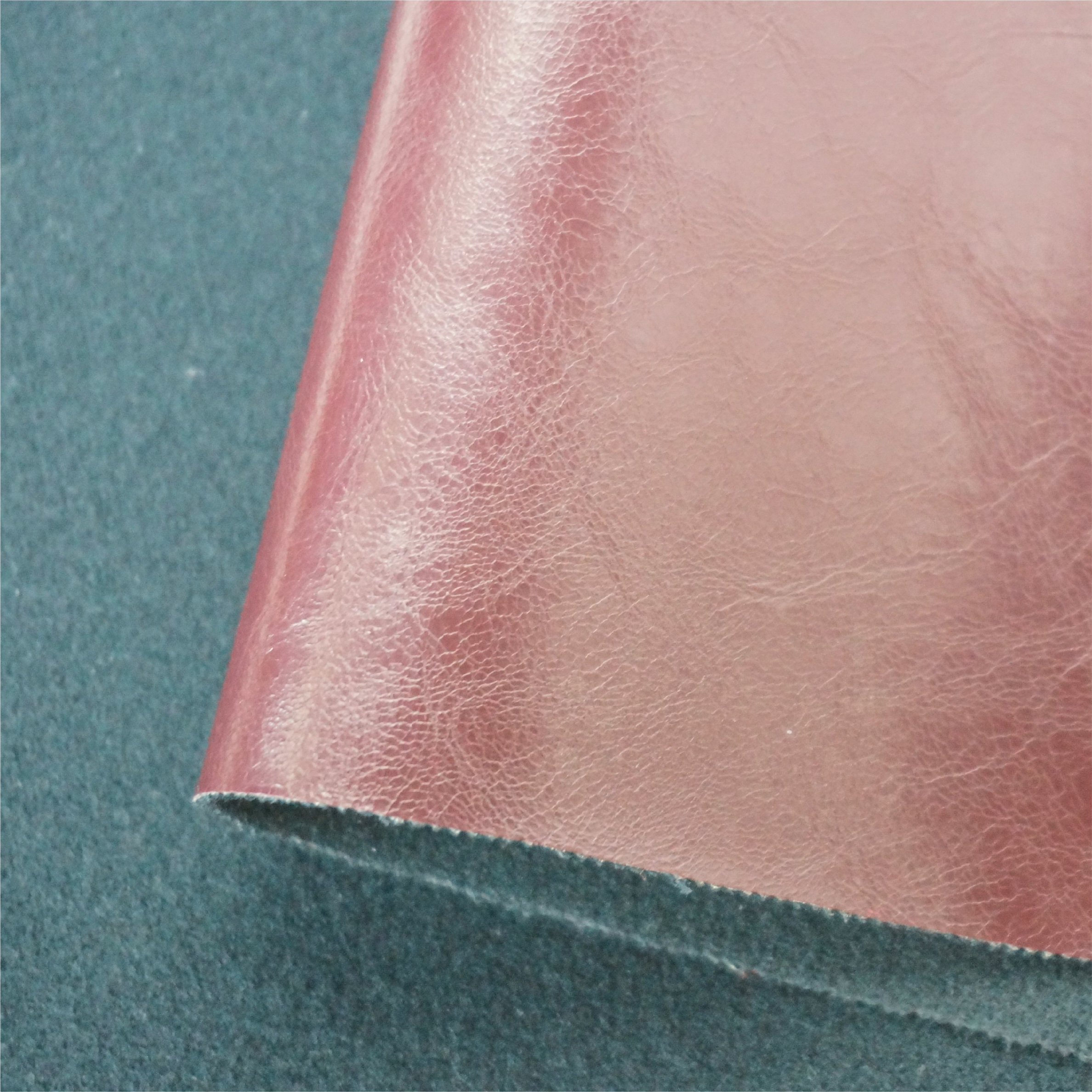
Functional treatments enhance environmental resilience. Adding anti-UV, anti-bacterial, anti-mold, and flame-retardant performance ensures suitability for stringent technical specifications. For instance, an automotive interior manufacturer in Mexico required 50,000 meters of customized synthetic leather meeting strict specifications for abrasion resistance, low odor, flame retardancy, UV stability, and easy cleaning. Verifying test reports for REACH, RoHS, and flame retardancy ensures compliance for international bulk procurement.
Data & Solution Comparison
Selecting appropriate material specifications depends on the targeted application scenario. The table below compares technical performance metrics across primary upholstery categories:
| Application Scenario | Key Durability Specs | Thickness Range | Functional Features & Certifications |
|---|---|---|---|
| Residential Furniture & Sofas | Abrasion resistance, soft feel, stain resistance | 0.7–1.3 mm | Low odor, easy-clean, OEKO-TEX 100 certified |
| Commercial & Office Seating | High abrasion resistance, scratch resistance, high peeling strength | 1.0–1.3 mm | Flame retardant, stain resistant, GRS certified |
| Automotive Interiors | Extreme abrasion resistance, UV stability, tensile strength, low odor | 1.1–1.3 mm | UV resistant, flame retardant, USDA bio-based certified |
Frequently Asked Questions (FAQ)
Why is peeling strength essential when buying upholstery leather in bulk?
Peeling strength measures the adhesive bond between the polymer surface layer and the backing fabric. High peeling strength prevents layer separation or delamination during dynamic stretching and long-term daily use.
What standard thickness should be selected for sofa upholstery?
A thickness range of 0.7 mm to 1.3 mm is ideal for furniture and sofa upholstery, balancing flexibility for tailored stitching with long-term wear resistance.
How is quality verified across large manufacturing batches?
Quality verification involves systematic raw material inspections, color matching checks, laboratory testing for abrasion and tensile strength, and 100% finished product inspection prior to shipment.
Final Conclusion & Recommendations
Evaluating durability specifications when procuring solvent-free PU upholstery leather requires balancing physical properties like abrasion, scratch, and peeling resistance against environmental certifications. Standard bulk orders operate under a minimum order quantity (MOQ) of 1,000 meters per color with typical production lead times of 20–35 days. Standard payment terms include T/T bank transfer, irrevocable L/C at sight, and Alibaba Trade Assurance, supported by flexible shipping options such as FOB, CFR, CIF, and DDP. For detailed technical solutions or support, please reach out to us via vicky@bozeleather.com.
About Us
Established in 2007, Dongguan Cigno Leather Co., Ltd. operates a 100,000 square meter manufacturing facility equipped with 6 advanced synthetic leather production lines and over 20 testing devices, delivering a monthly capacity of 6 million meters. The company holds over 30 national invention patents and specializes in developing eco-friendly, multifunctional synthetic leather materials. Serving over 200 global clients, products conform to internationally recognized standards including GRS, USDA, and OEKO-TEX 100.

SUBSCRIBE
INQUIRY