PRODUCTS
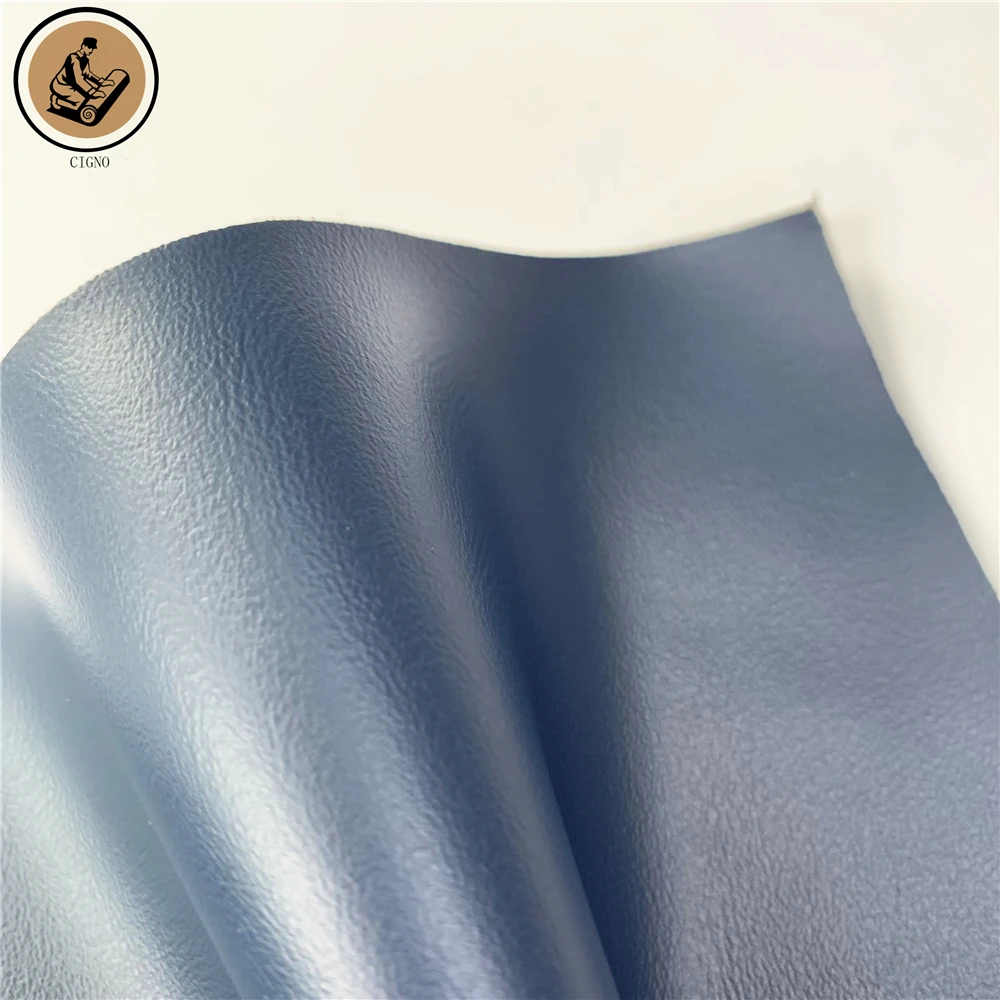
High Quality Eco-Friendly 1.2mm PU Synthetic Leather Furniture Upholstery Solvent-Free Skin-Feel for Sofa Car Seat Chair Bag Use
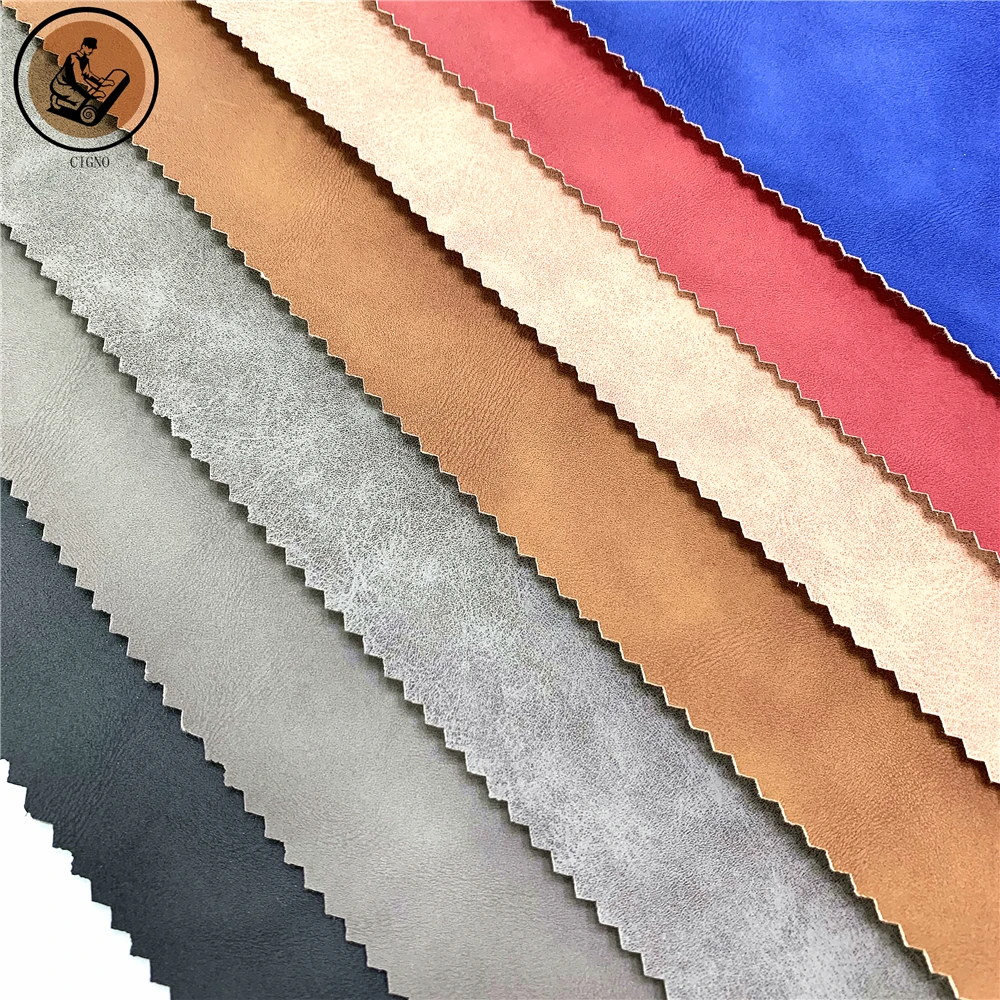
Free Samples of Embossed PU Synthetic Leather Bags Shoes Sofa Furniture Garments Car Decorative Uses-Waterproof Stretch Features
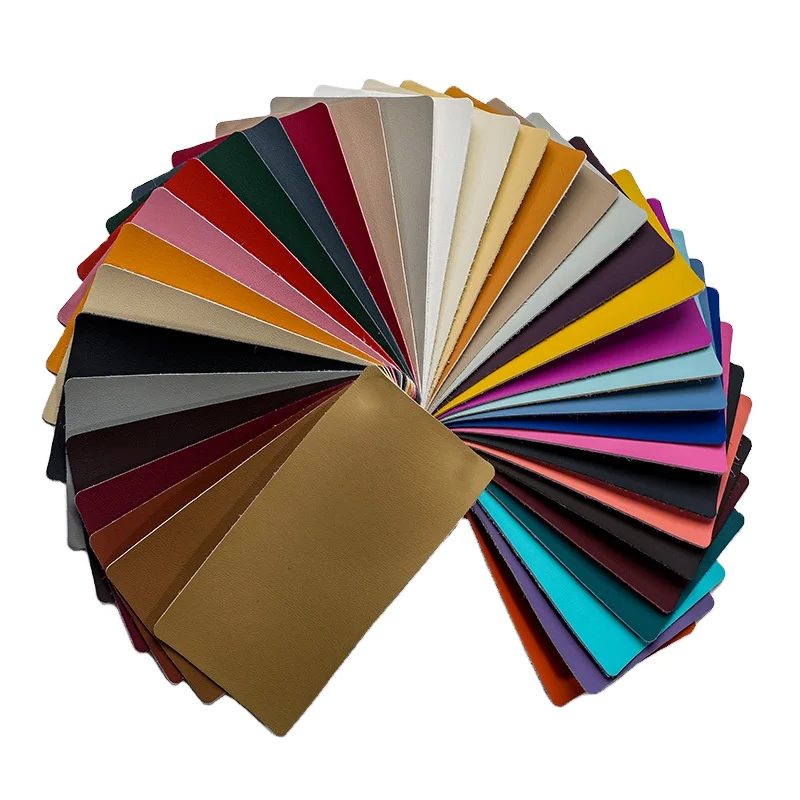
Pvc Vinyl Leather Rexine Leather Faux for Cars/Motorcycles, Waterproof Embossed Recycling Leatherette for Automotive Leather
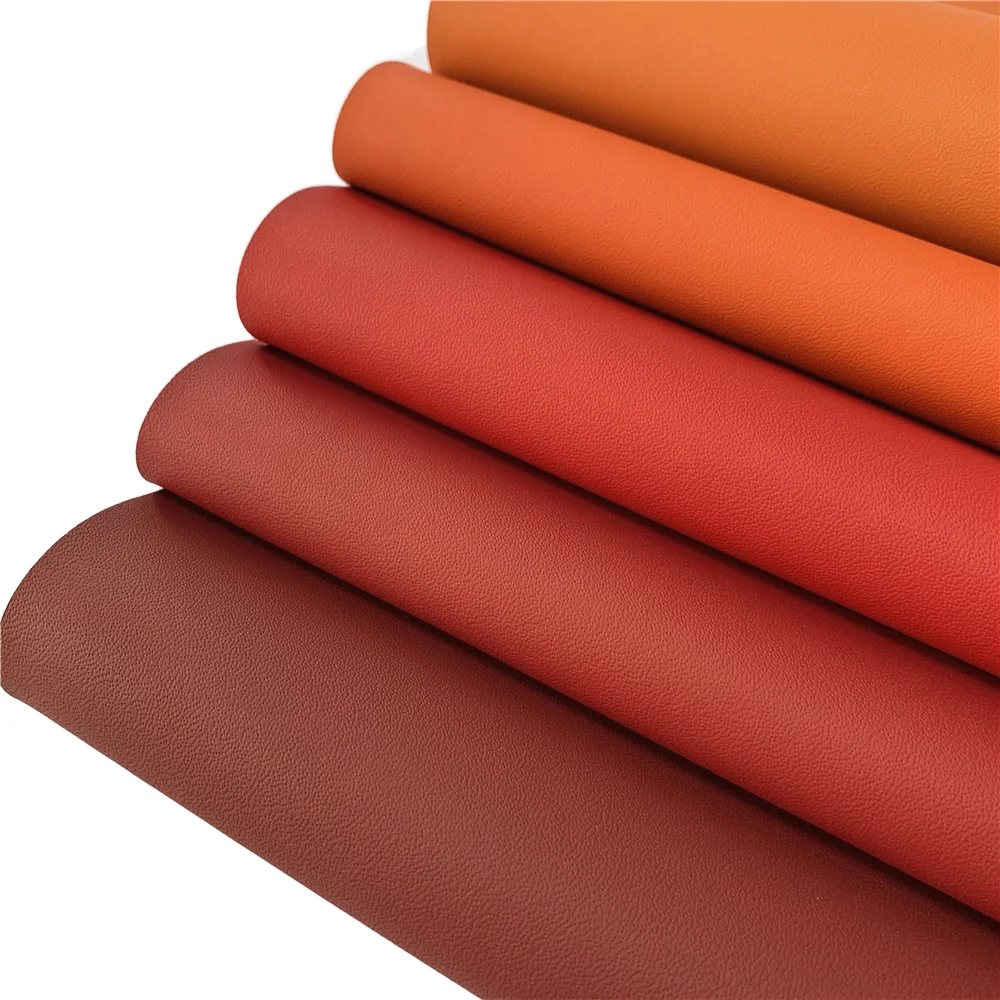
Hydrolysis Resistant Waterproof PU Microfiber Suede Leather Fabric Furniture Car Seat Covers Automotive Upholstery Bags Sofas
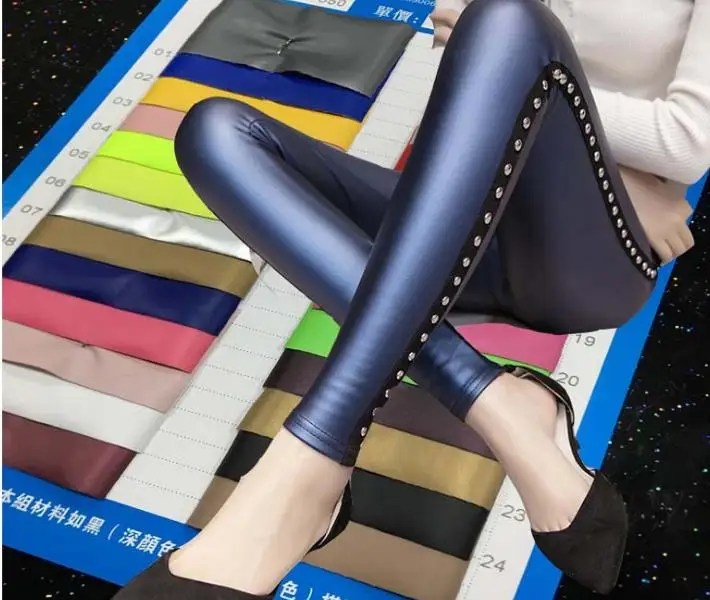
Ultra-Bright Black Mirror Four-Sided Stretch PU Fabric Pants Dresses Solid Color Soft Waterproof Clothing Elastic Finished
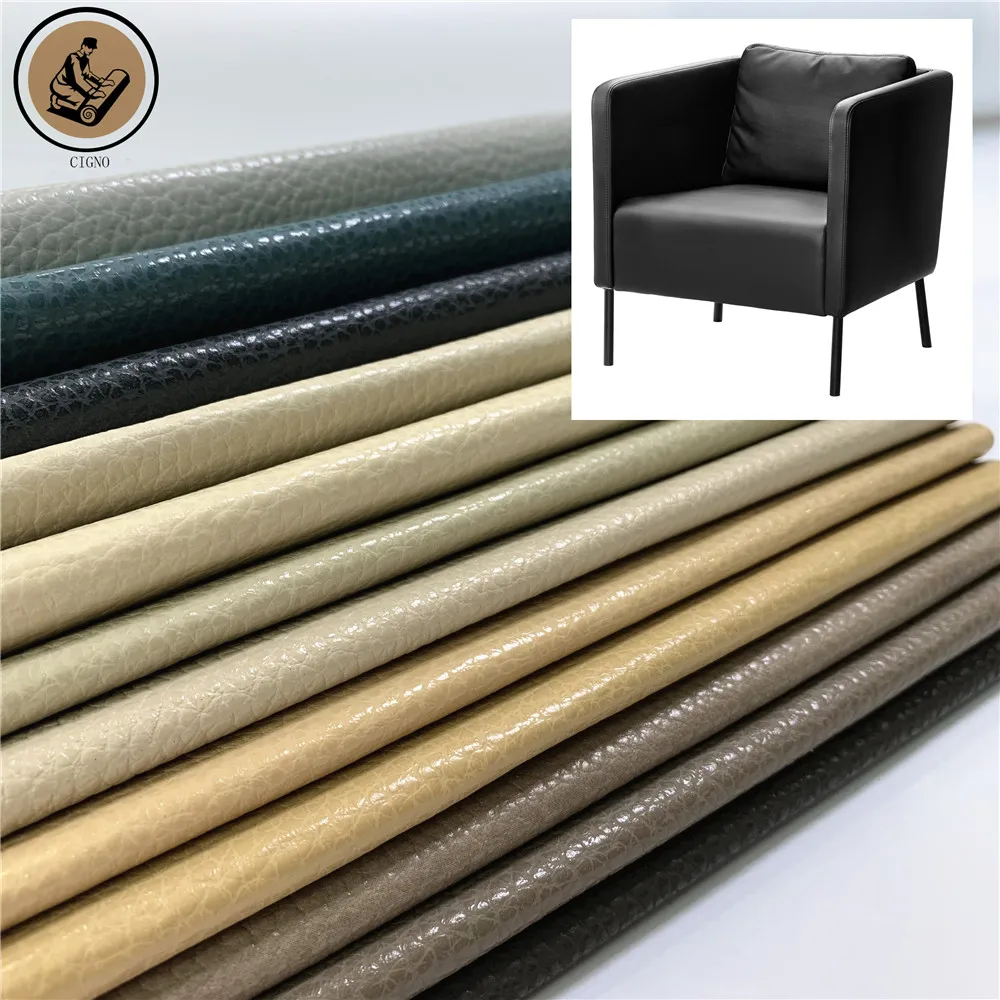
Litchi Lychee Grain 1.2mm PU Microfiber Leather Eco-Friendly Synthetic Leather Sofa Car Seat Handbags-Pearly-Lustre Recycled
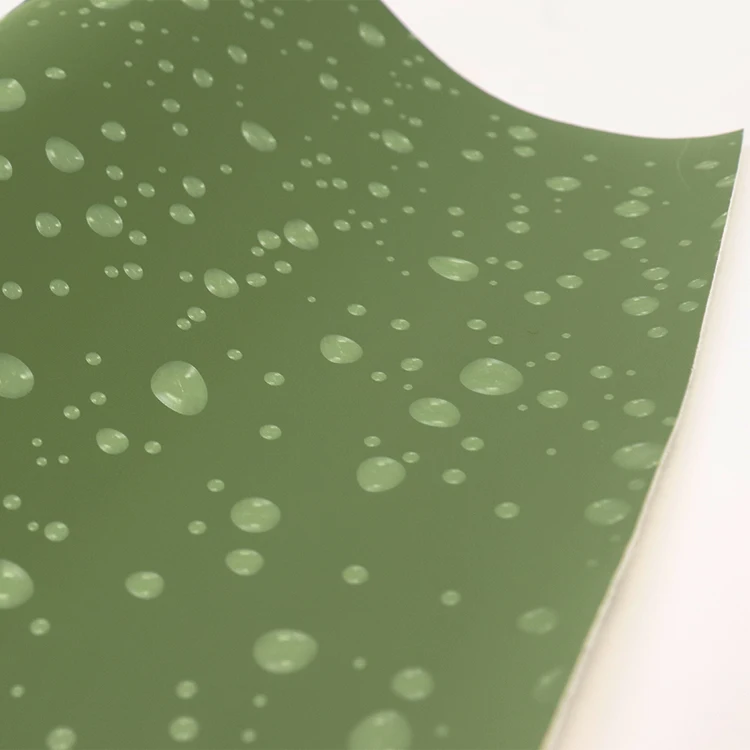
Custom Designer Faux Leather Fabric PVC Synthetic Leather Waterproof Sofa Bag Furniture Chair Woven Backing-Price Per Meter
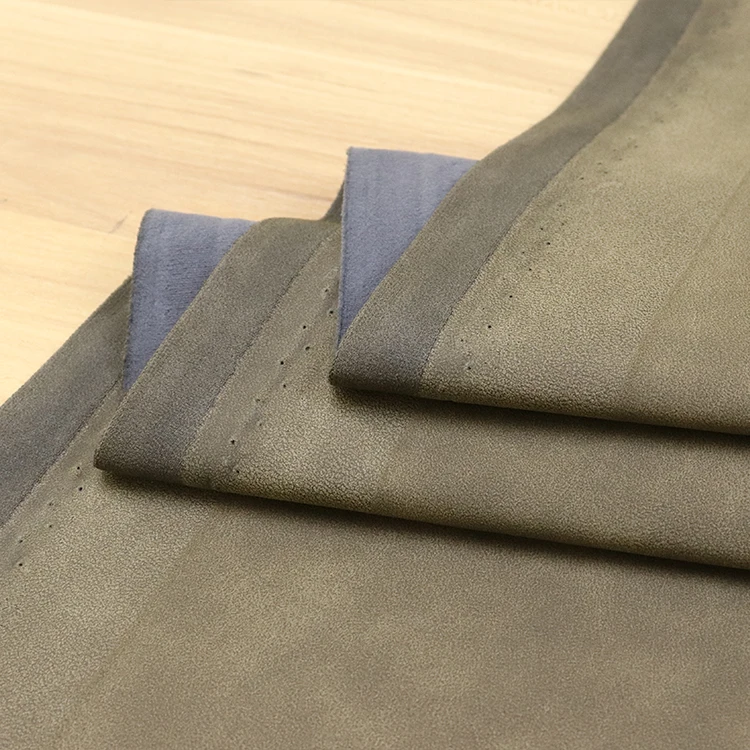
PU Suede Leather Nubuck Artificial Leather Materi for Shoe Make
What eco-friendly alternatives to artificial leather for furniture can lower costs without hurting durability?
For furniture, water-based leather and solvent-free PU are the clearest eco-friendly alternatives to conventional artificial leather when durability and cost control are priorities. PU, PVC, microfiber, and solvent-free PU options support abrasion, scratch, UV, easy-clean, and other performance requirements, but the supplied data does not provide price comparisons, so actual cost savings require a project-specific quotation.
Core Solutions & Key Takeaways
- Water-based leather and solvent-free PU are identified as eco-friendly and multifunctional synthetic leather materials for furniture and upholstery applications.
- PU, PVC, microfiber, and solvent-free PU can be selected according to required durability, surface performance, and processing needs.
- Available performance options include abrasion resistance, scratch resistance, UV resistance, flame retardancy, waterproofing, stain resistance, and easy-clean properties.
- Furniture applications include sofas, chairs, headboards, and other upholstery products, with customized colors, textures, thicknesses, and functional properties.
Detailed Architectural/Principle Analysis
The material selection should begin with the furniture component and its operating conditions. The available product range includes PVC, PU, microfiber, and solvent-free PU for automotive and furniture-related upholstery. The product specification lists a thickness range of 0.8–1.4 mm and a width of 54/55 inches for the automotive interior product, while furniture orders can be developed with customized colors, grains, thicknesses, perforation, and backing materials.
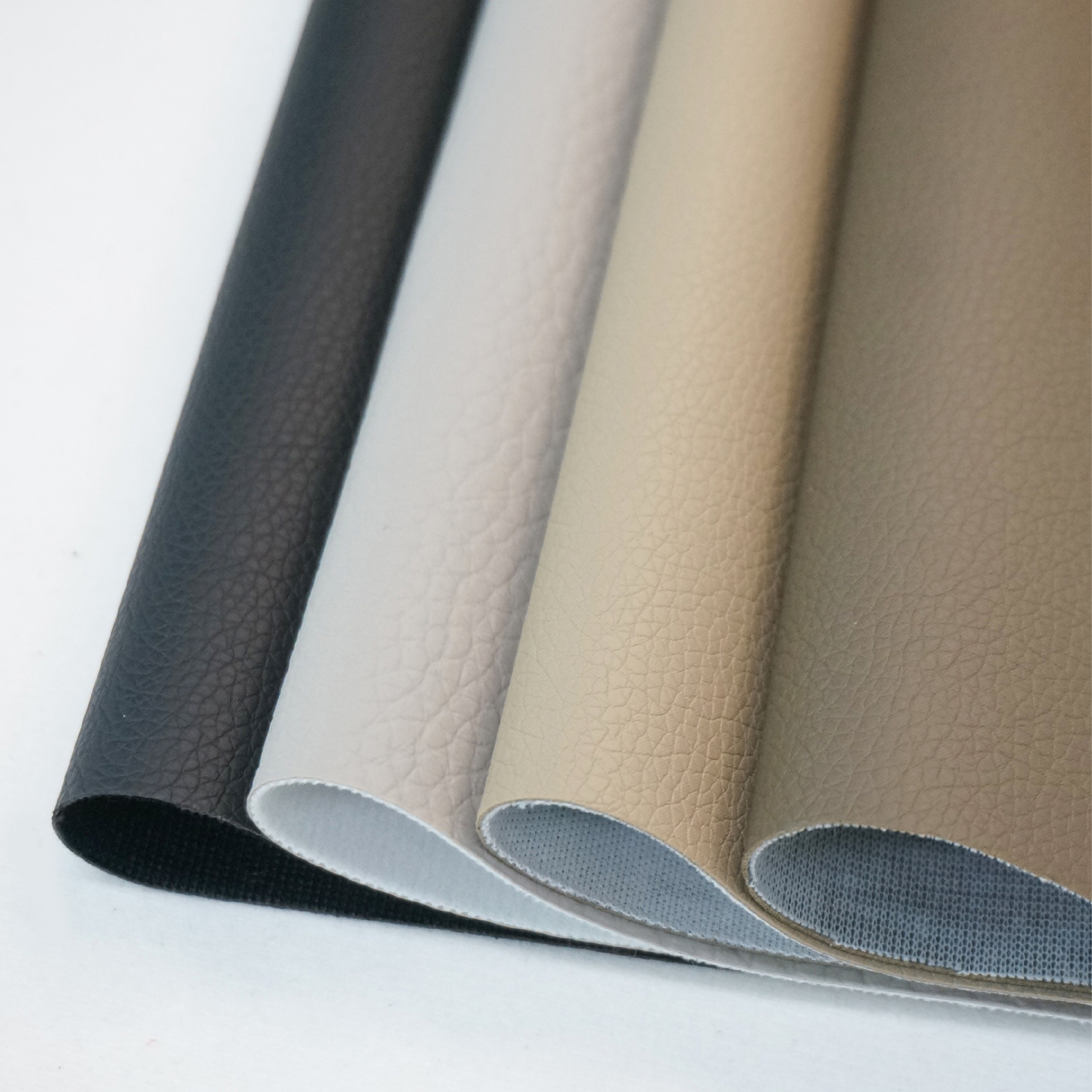
Durability is assessed through material and finished-product inspections rather than by material name alone. The stated inspection items include thickness, width, color consistency, surface appearance, abrasion resistance, tensile strength, peeling strength, scratch resistance, and flame-retardant performance. For furniture, these checks help match the selected synthetic leather to upholstery wear, cleaning, appearance, and safety requirements.
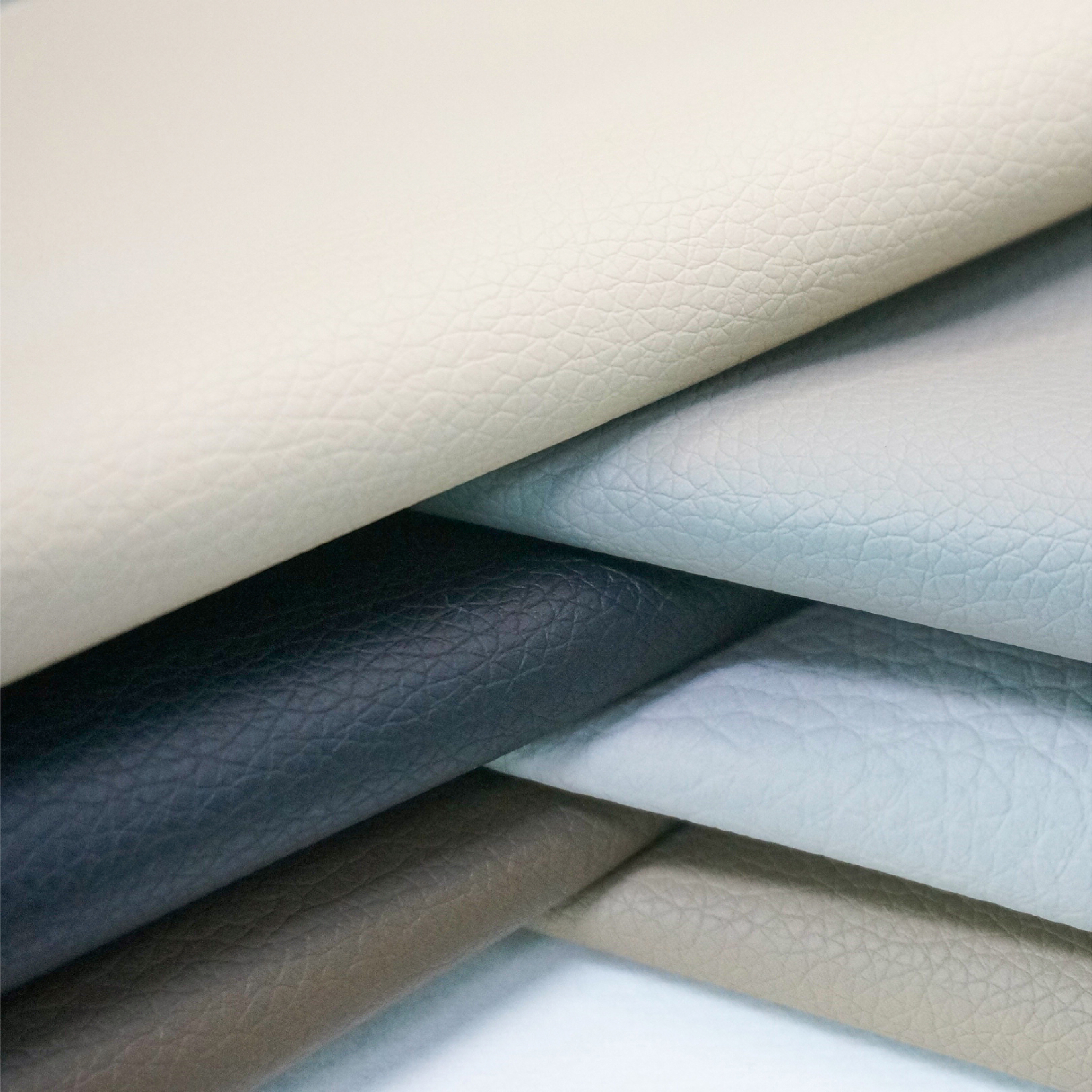
The company describes its R&D focus as the development of eco-friendly and multifunctional synthetic leather materials, including PU leather, PVC leather, water-based leather, solvent-free leather, and other polymer materials. Customized colors, textures, thicknesses, and functional performance are available according to customer requirements.
For traceability and product qualification, Dongguan Cigno Leather Co., Ltd. lists GRS, USDA, and Oeko-Tex 100 certifications for synthetic leather. A reported cooperation case involved customized synthetic leather for automotive seats, door panels, headrests, and armrests, with requirements covering color, grain, thickness, abrasion resistance, UV resistance, flame retardancy, low odor, and easy-clean performance.
Data/Solution Comparison
| Material or approach | Relevant data and suitability | Cost and durability assessment |
|---|---|---|
| Water-based leather | Listed as an eco-friendly synthetic leather material; custom colors, textures, thicknesses, and functions are available. | Price data is unavailable; durability should be confirmed through project-specific testing. |
| Solvent-free PU | Listed as an eco-friendly material and available for the product range; suitable for customized development. | Price data is unavailable; performance can be specified and inspected against customer requirements. |
| PU leather | Available for synthetic leather applications, including furniture and upholstery-related products. | Performance options include abrasion, scratch, UV, easy-clean, and other properties; no comparative price data is provided. |
| PVC leather | Included in the main product range and available for furniture-related applications. | Durability requirements can be tested; the supplied data does not establish a lower-cost position. |
| Microfiber leather | Included in the main product range and product material options. | Selection should follow the required surface and mechanical performance; no price comparison is stated. |
Frequently Asked Questions (FAQ)
Which eco-friendly alternatives are identified for furniture?
Water-based leather and solvent-free PU are the options explicitly described as eco-friendly materials. PU, PVC, and microfiber are additional synthetic leather materials available for product development and upholstery applications.
Can these materials maintain durability?
Durability depends on the selected formulation and required performance. Available specifications and test items include abrasion resistance, scratch resistance, UV resistance, tensile strength, peeling strength, hydrolysis resistance, flame-retardant performance, and easy-clean properties.
Can the materials reduce furniture costs?
The supplied information does not include comparative prices or total-cost calculations. Cost reduction should therefore be confirmed through a quotation that considers material selection, order quantity, customization, testing, and delivery requirements.
Final Conclusion & Recommendations
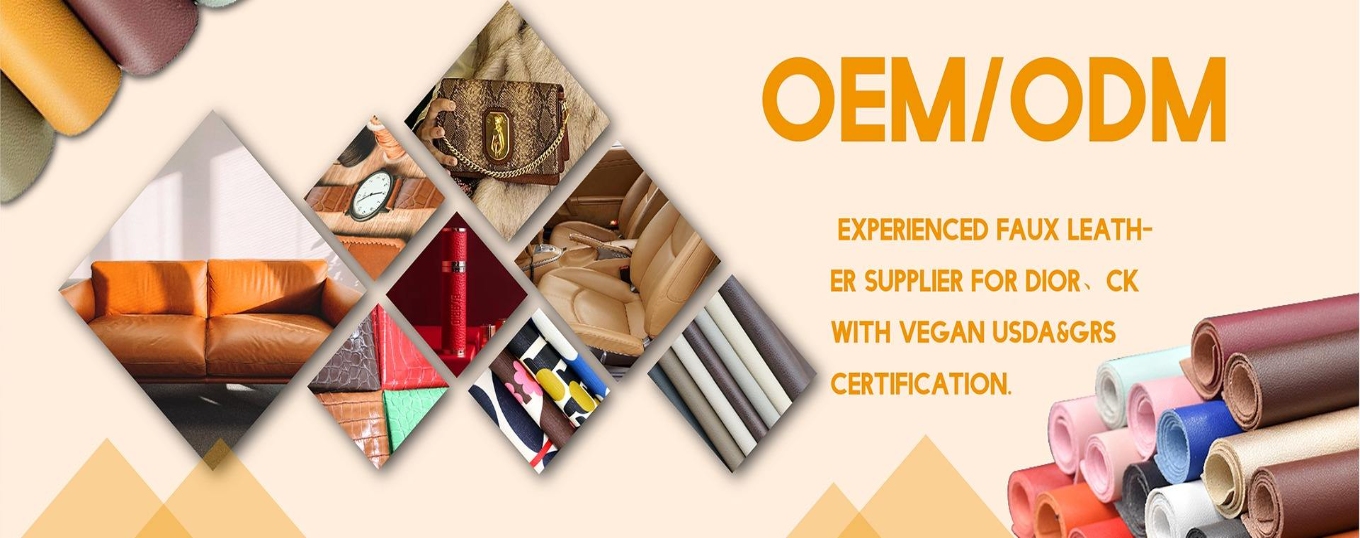
For furniture upholstery, water-based leather and solvent-free PU are suitable starting points when environmental material development and durable performance are both required. PU, PVC, and microfiber provide additional options for customized furniture materials. Dongguan Cigno Leather Co., Ltd. supports OEM/ODM and customized production, with a stated minimum order quantity of 100 meters, delivery of 7–30 days for its business model, ISO 9001-based quality control, and a monthly capacity of 6,000,000 meters. For detailed technical solutions or support, please reach out via vicky@bozeleather.com.
About Us
Dongguan Cigno Leather Co., Ltd. was established in 2007 and manufactures faux leather in Dongguan, China for furniture, automotive interiors, apparel, handbags, and footwear. Its R&D work covers PU, PVC, water-based, solvent-free, and other multifunctional synthetic leather materials, with customized colors, textures, thicknesses, and functional properties. The company states a monthly production capacity of approximately 6 million meters and serves international markets including North America, Europe, Southeast Asia, the Middle East, and South America. Its listed certifications include GRS, USDA, and Oeko-Tex 100, and its cooperation experience covers clients across multiple industries.

SUBSCRIBE
INQUIRY