
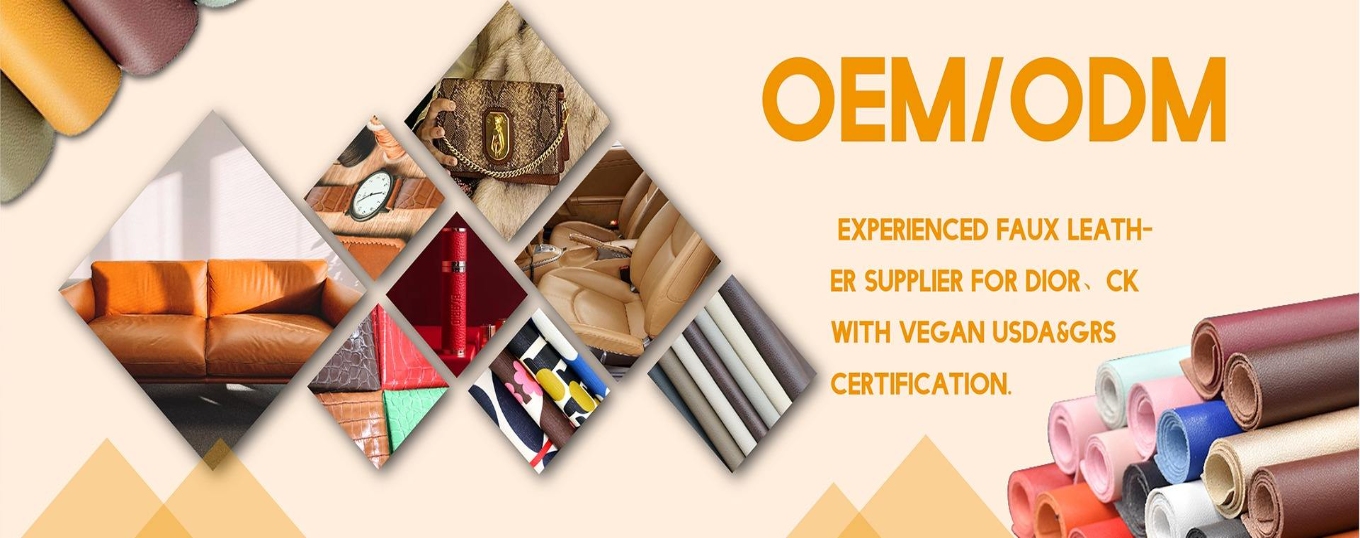
PRODUCTS
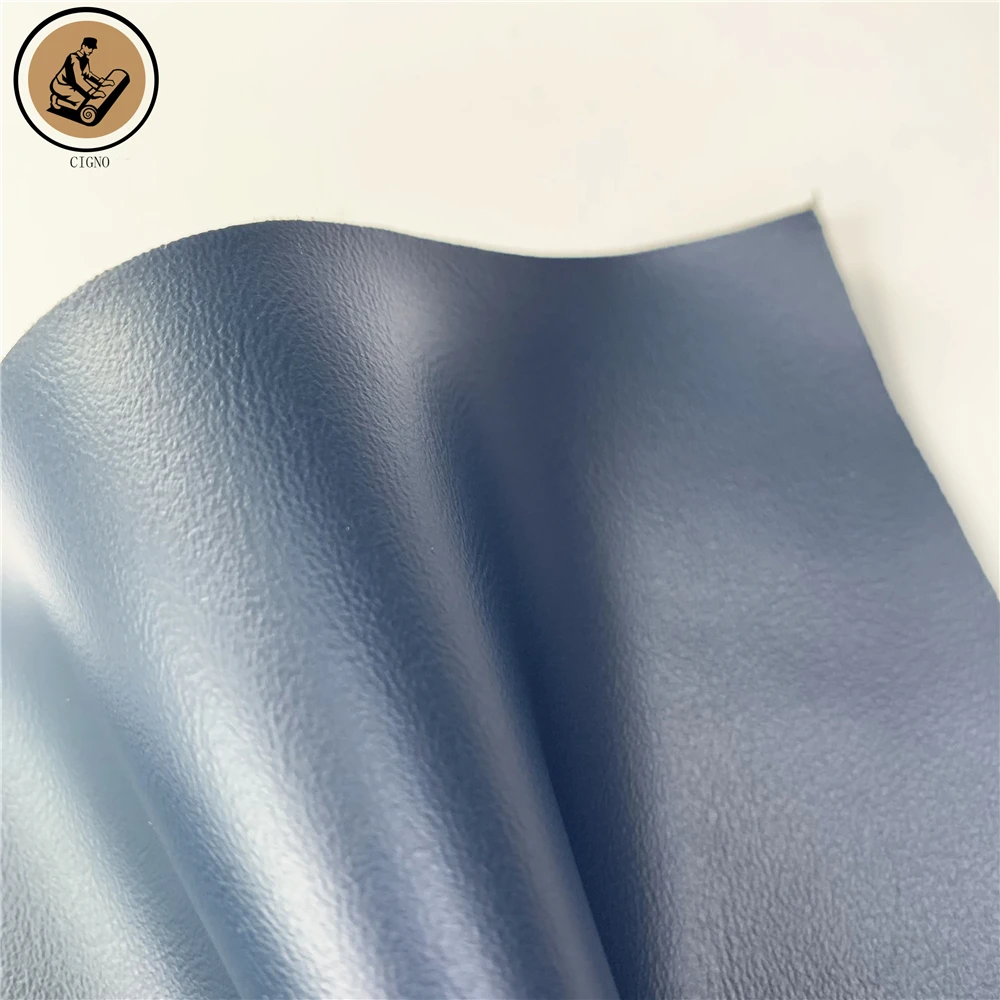
High Quality Eco-Friendly 1.2mm PU Synthetic Leather Furniture Upholstery Solvent-Free Skin-Feel for Sofa Car Seat Chair Bag Use
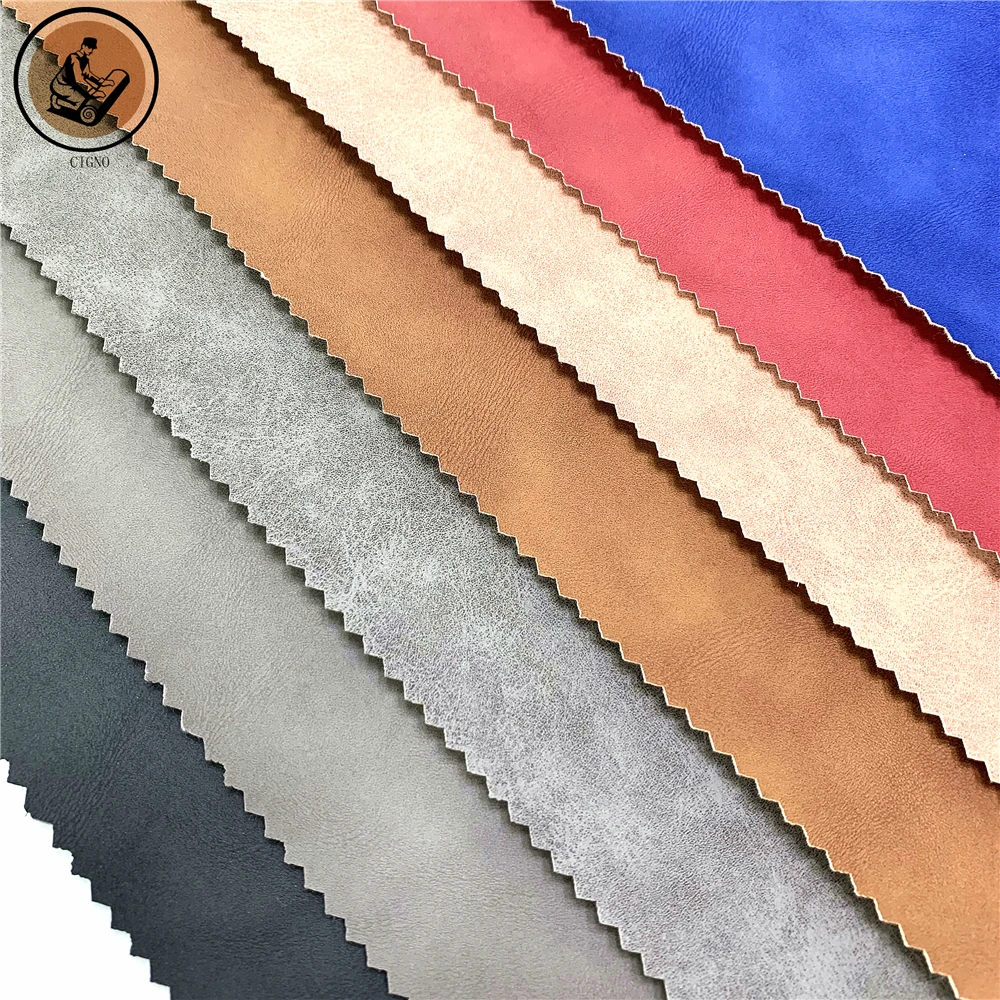
Free Samples of Embossed PU Synthetic Leather Bags Shoes Sofa Furniture Garments Car Decorative Uses-Waterproof Stretch Features
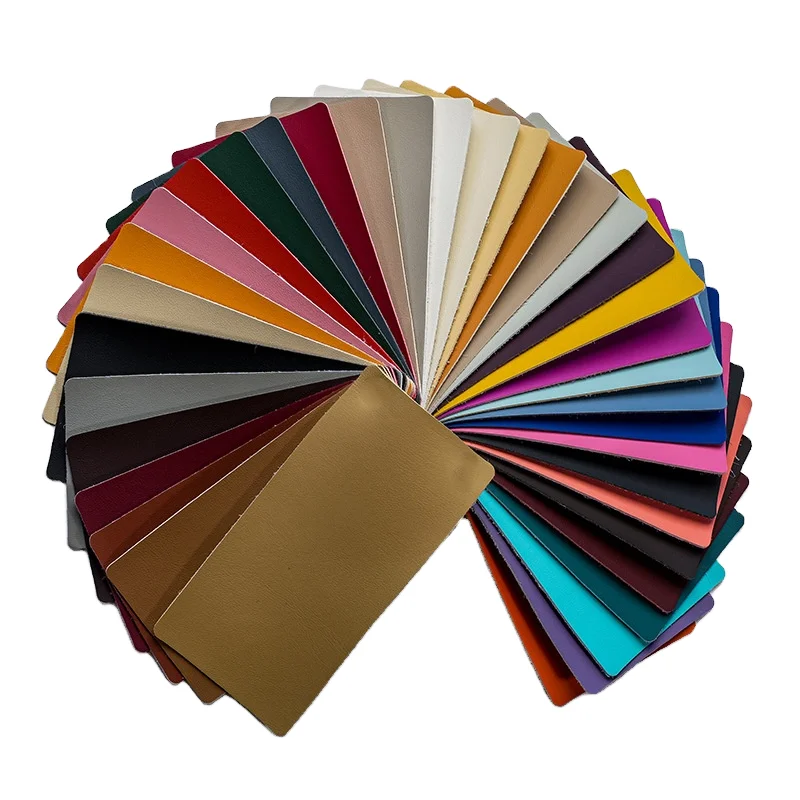
Pvc Vinyl Leather Rexine Leather Faux for Cars/Motorcycles, Waterproof Embossed Recycling Leatherette for Automotive Leather
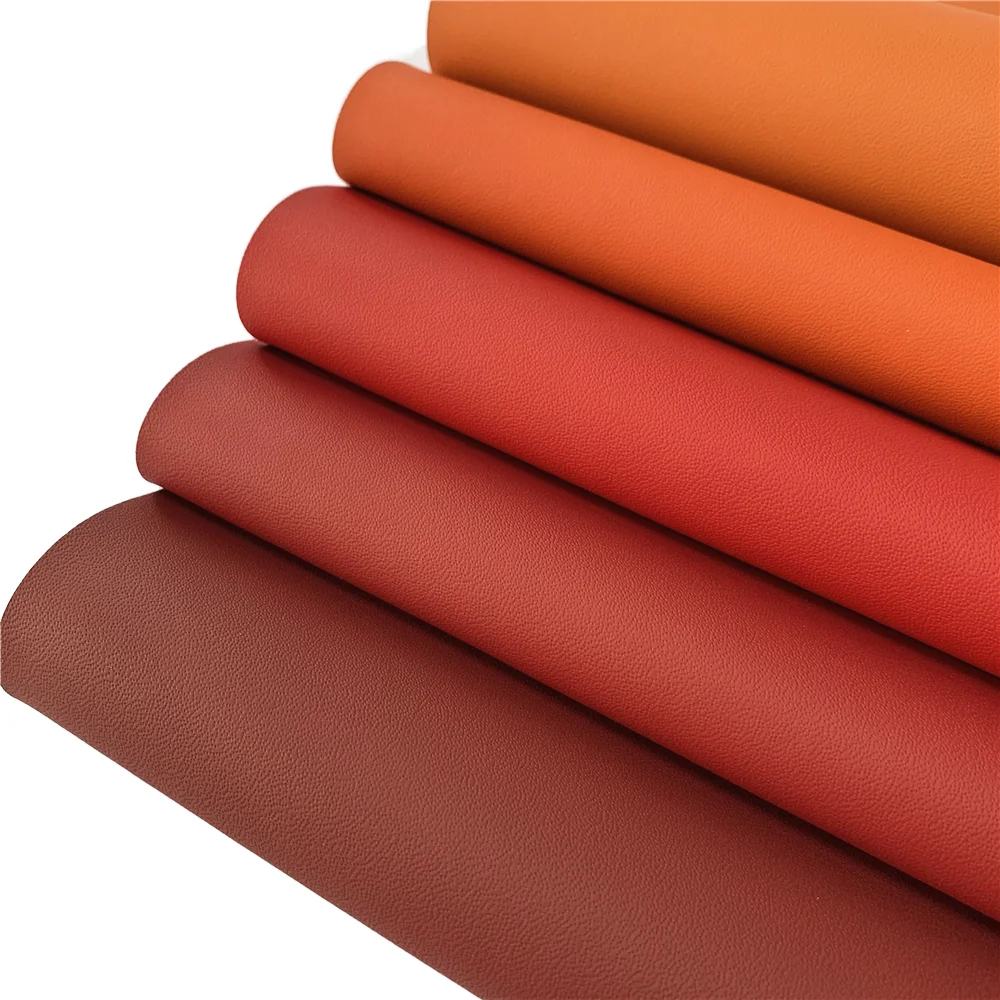
Hydrolysis Resistant Waterproof PU Microfiber Suede Leather Fabric Furniture Car Seat Covers Automotive Upholstery Bags Sofas
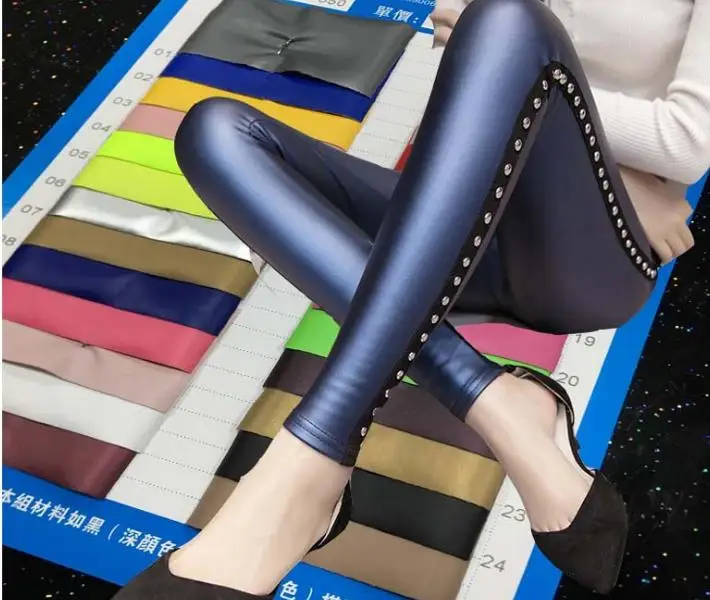
Ultra-Bright Black Mirror Four-Sided Stretch PU Fabric Pants Dresses Solid Color Soft Waterproof Clothing Elastic Finished
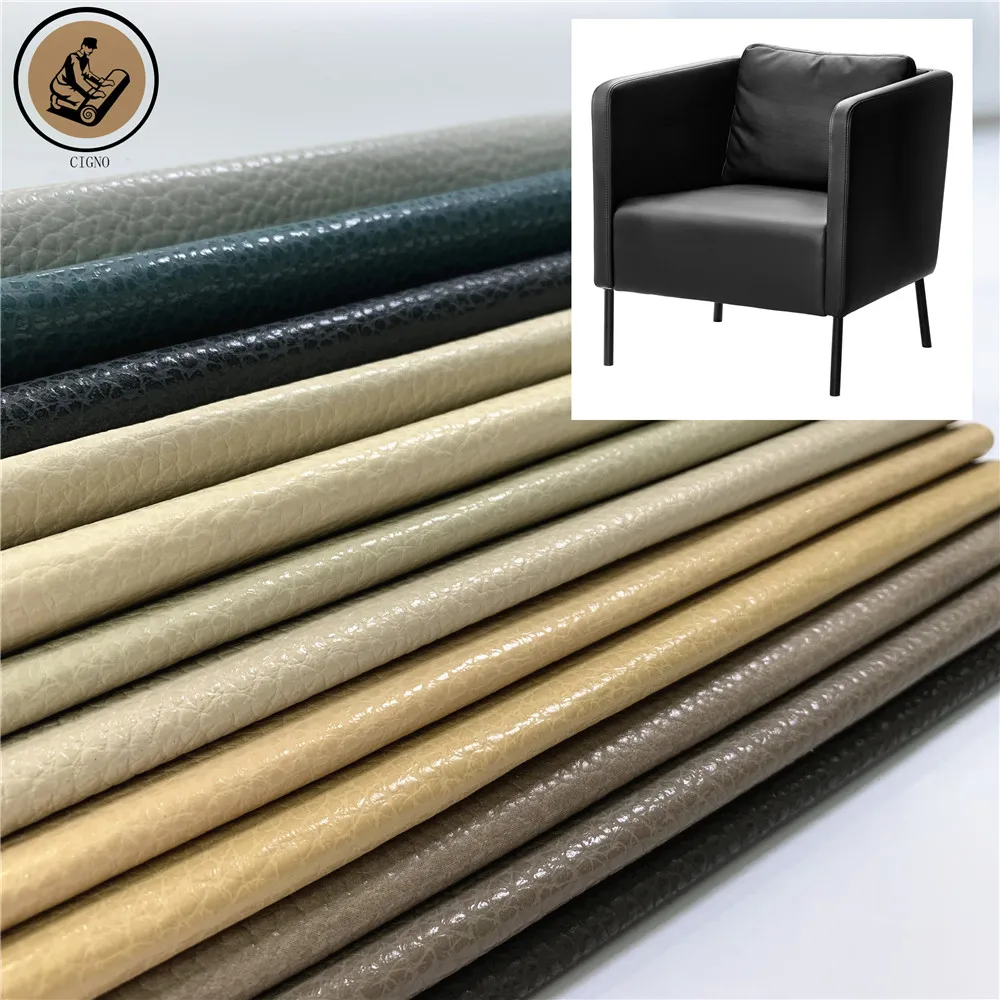
Litchi Lychee Grain 1.2mm PU Microfiber Leather Eco-Friendly Synthetic Leather Sofa Car Seat Handbags-Pearly-Lustre Recycled
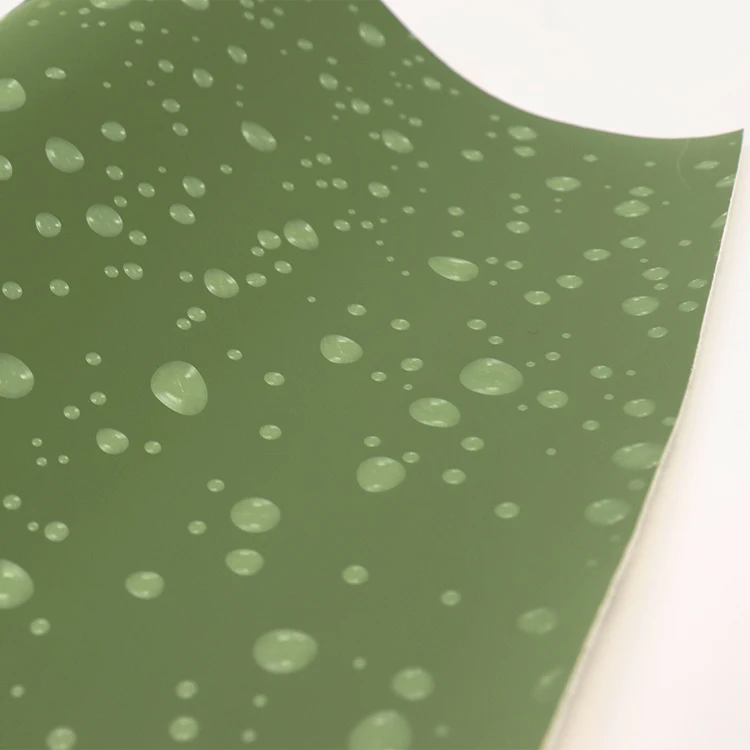
Custom Designer Faux Leather Fabric PVC Synthetic Leather Waterproof Sofa Bag Furniture Chair Woven Backing-Price Per Meter
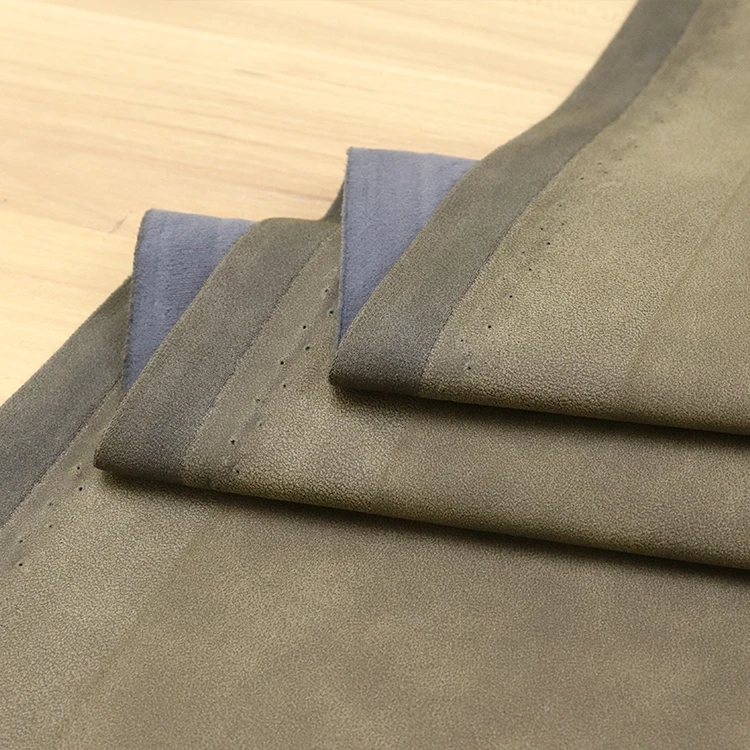
PU Suede Leather Nubuck Artificial Leather Materi for Shoe Make
What equipment should a qualified microfiber leather for car manufacturer normally have?
A qualified microfiber leather for car manufacturer should have multiple synthetic leather production lines, supporting production and testing equipment, laboratory inspection capability, and documented quality-control procedures. It should also support color, grain, thickness, backing, hand-feel, and functional customization, with testing for abrasion, tensile strength, peeling strength, UV resistance, flame retardancy, odor, waterproofing, and stain resistance.
Core Solutions & Key Takeaways
- Production facilities should include advanced synthetic leather production lines and supporting production and testing equipment for stable bulk manufacturing.
- Quality laboratories should verify material properties such as thickness, width, color consistency, abrasion resistance, tensile strength, peeling strength, UV resistance, flame retardancy, and odor performance.
- Automotive material development should support customized colors, grains, thicknesses, backings, surface finishes, hand feel, and functional performance.
- Automotive upholstery applications include seats, door panels, headrests, and armrests, while furniture applications include sofas, chairs, and headboards.
Detailed Architectural/Principle Analysis
A qualified manufacturer needs an integrated production system rather than a single coating or finishing machine. The company profile specifies six advanced synthetic leather production lines and more than 20 sets of supporting production and testing equipment. This equipment base is intended to support stable mass production, quality inspection, and delivery for international bulk orders.
For car-seat materials, the production system should accommodate PVC synthetic leather and related synthetic material development. The stated product parameters include a thickness range of 0.8–1.4 mm, a width of 54/55 inches, knitted or non-woven backing, matte or semi-gloss surfaces, and patterns such as nappa, lychee, perforated, geometric, and customized embossing. These specifications require equipment and process controls capable of maintaining consistent width, thickness, surface appearance, backing, and grain definition.
Laboratory and inspection equipment should cover raw material inspection, color and grain confirmation, in-process control, laboratory performance testing, finished-product inspection, and pre-shipment inspection. The listed checks include abrasion resistance, tensile strength, peeling strength, UV resistance, flame retardancy, odor performance, waterproofing, stain resistance, and ease of cleaning.
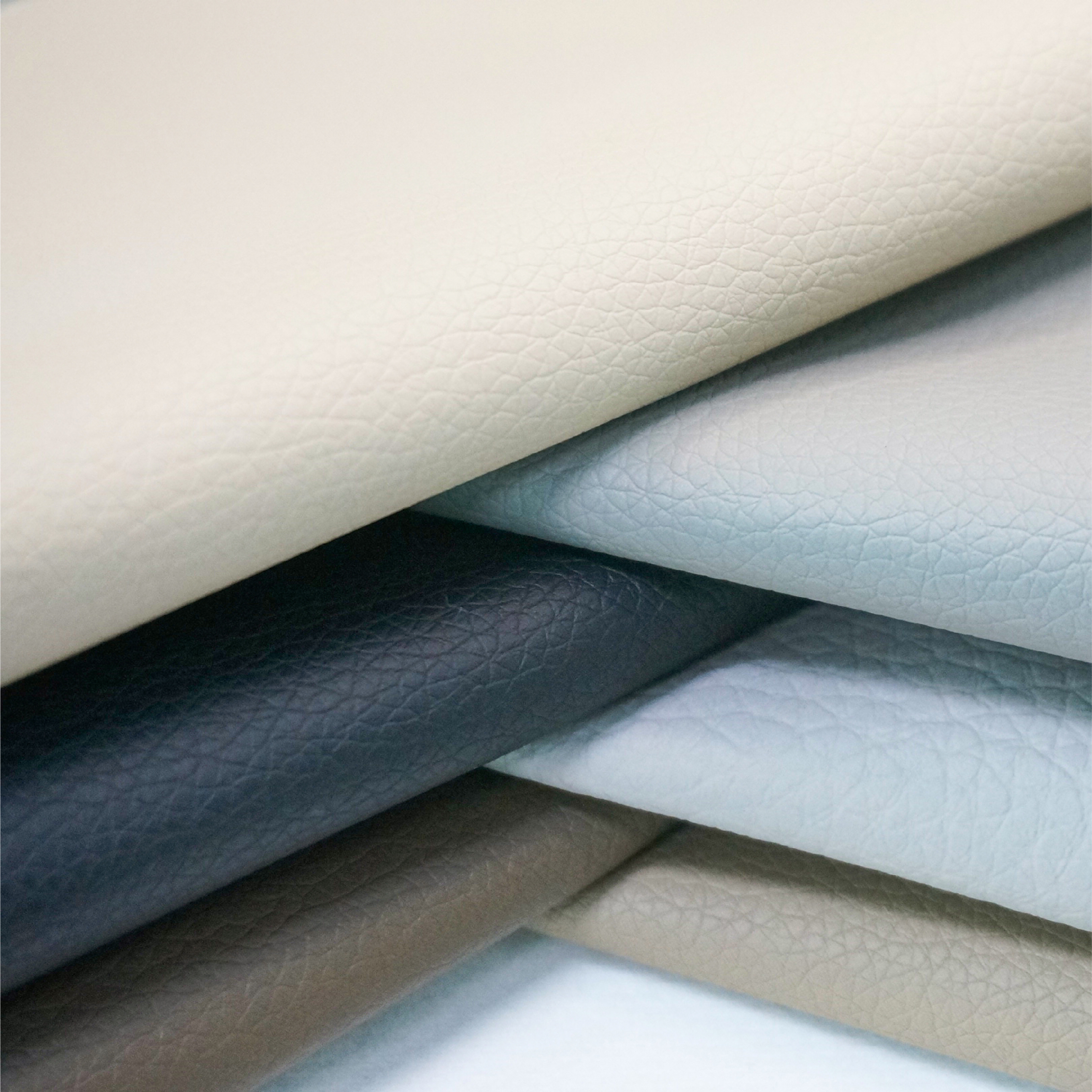
R&D equipment and technical staff should support eco-friendly and multifunctional synthetic leather materials, including PU leather, PVC leather, water-based leather, solvent-free leather, and other polymer materials. The company also states that it can customize colors, textures, thicknesses, and functional performance according to customer requirements.
Quality management should connect incoming-material inspection, production-process inspection, laboratory testing, finished-product inspection, and pre-shipment inspection. Cigno Leather states that its quality control operates under the ISO 9001 quality management system. Its listed credentials include GRS, USDA, and Oeko-Tex 100 certifications for synthetic leather.
A documented automotive project illustrates the required production capability. For an automotive interior manufacturer in Mexico, the supplier customized material for seats, door panels, headrests, and armrests, including color, grain, thickness, backing, abrasion resistance, UV resistance, flame retardancy, low odor, and easy-clean performance. The reported results included stable color consistency, clear grain texture, reliable performance, and delivery that met the project requirements.
Data/Solution Comparison
| Equipment or capability area | Expected function for automotive synthetic leather |
|---|---|
| Production lines | Advanced synthetic leather production lines for stable mass production |
| Supporting production equipment | Process support for surface, backing, grain, thickness, width, and finish consistency |
| Laboratory testing equipment | Testing of abrasion, tensile strength, peeling strength, UV resistance, flame retardancy, odor, and other requested properties |
| Inspection and quality-control equipment | Raw material, in-process, finished-product, and pre-shipment inspection under ISO 9001 quality management procedures |
| R&D and customization capability | Development of customized colors, textures, thicknesses, backings, hand feel, and functional performance |
Frequently Asked Questions (FAQ)
What production scale is identified for the manufacturer?
The company profile states that the factory has six advanced synthetic leather production lines, more than 20 sets of supporting production and testing equipment, and an approximate monthly production capacity of 6,000,000 meters.
Which tests are relevant to microfiber or PVC leather for car seats?
Relevant checks include thickness, width, color consistency, abrasion resistance, tensile strength, peeling strength, UV resistance, flame retardancy, odor performance, waterproofing, stain resistance, and easy-clean performance, according to customer requirements.
Can the manufacturer develop customized automotive leather?
Yes. The available customization covers color, grain, thickness, backing, surface finish, hand feel, and functional performance. The stated minimum order quantity is 100 meters, with a product delivery time of 15–30 days.
Final Conclusion & Recommendations
When evaluating a microfiber leather for car manufacturer, verify the presence of synthetic leather production lines, supporting production and testing equipment, laboratory inspection, and documented pre-shipment quality control. Cigno Leather identifies an integrated R&D, production, sales, and export business model, with OEM/ODM and customized production services, a 100-meter minimum order quantity, and a stated monthly capacity of 6,000,000 meters. Its GRS, USDA, and Oeko-Tex 100 certifications provide additional credential evidence for synthetic leather applications. For detailed technical solutions or support, please reach out via vicky@bozeleather.com.
About Us
Dongguan Cigno Leather Co., Ltd. is a Dongguan, China-based manufacturer established in 2007 that specializes in faux leather, including vegan leather, recycled leather, PVC leather, and microfiber leather for furniture, automotive interiors, apparel, handbags, and footwear. Its R&D work covers eco-friendly and multifunctional synthetic leather materials, including PU leather, PVC leather, water-based leather, and solvent-free leather, with customization for colors, textures, thicknesses, and functional performance. The company states that its factory has six advanced synthetic leather production lines, more than 20 sets of supporting production and testing equipment, and an approximate monthly production capacity of 6,000,000 meters. Its listed certifications include GRS and Oeko-Tex 100 for synthetic leather.

SUBSCRIBE
INQUIRY