
PRODUCTS
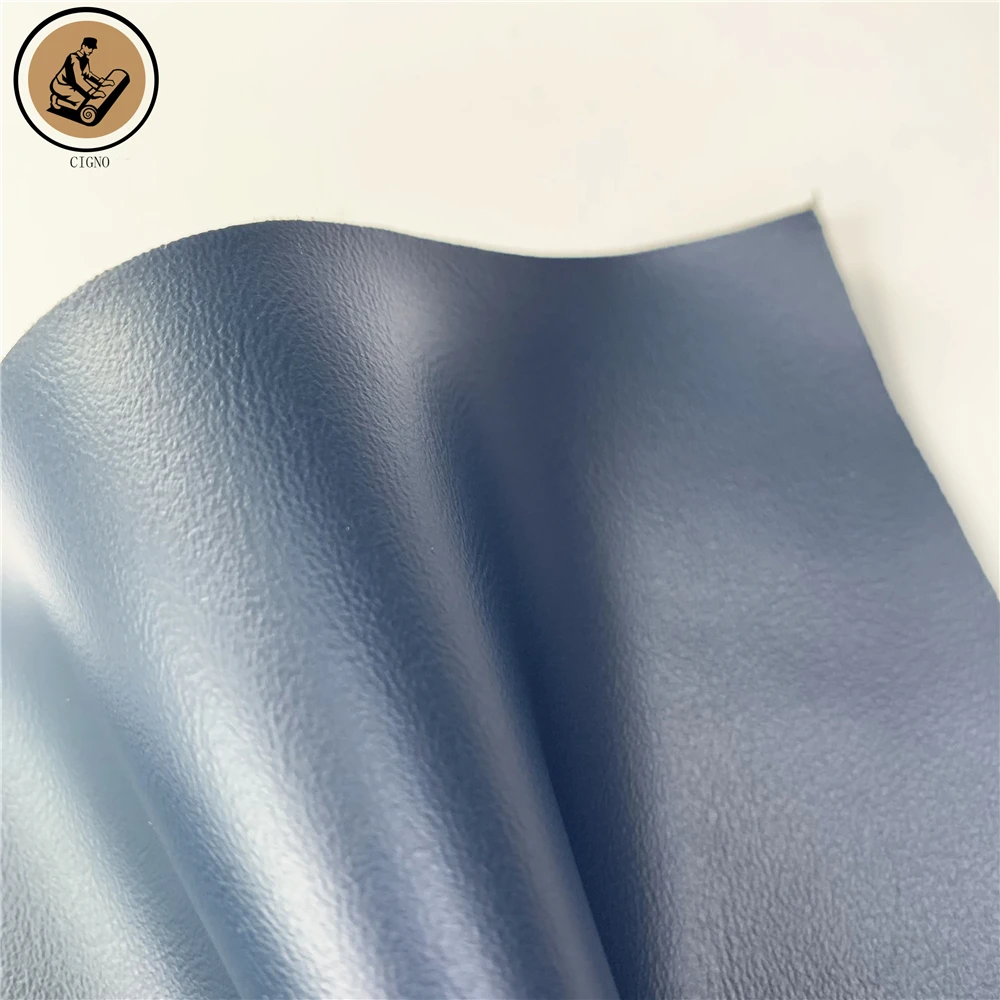
High Quality Eco-Friendly 1.2mm PU Synthetic Leather Furniture Upholstery Solvent-Free Skin-Feel for Sofa Car Seat Chair Bag Use
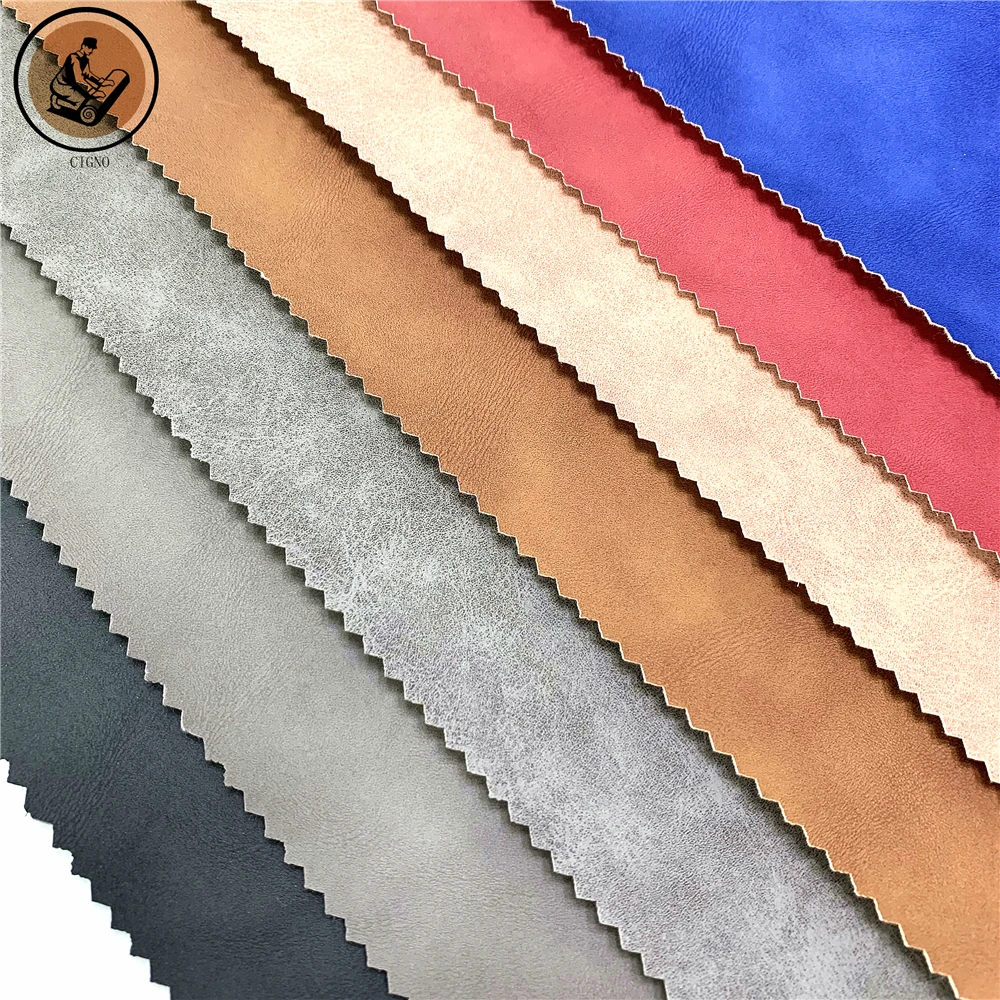
Free Samples of Embossed PU Synthetic Leather Bags Shoes Sofa Furniture Garments Car Decorative Uses-Waterproof Stretch Features
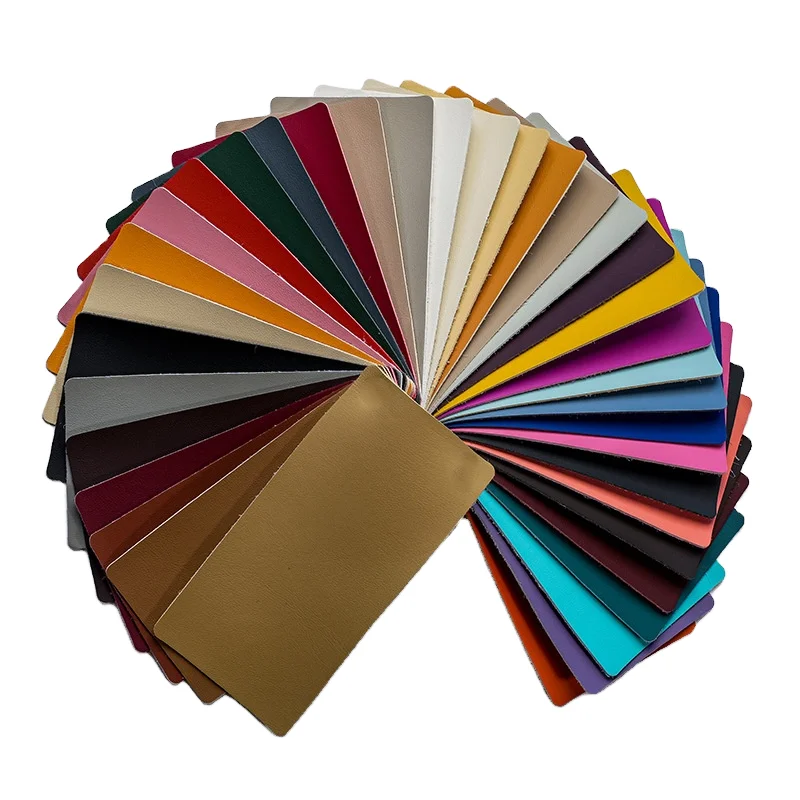
Pvc Vinyl Leather Rexine Leather Faux for Cars/Motorcycles, Waterproof Embossed Recycling Leatherette for Automotive Leather
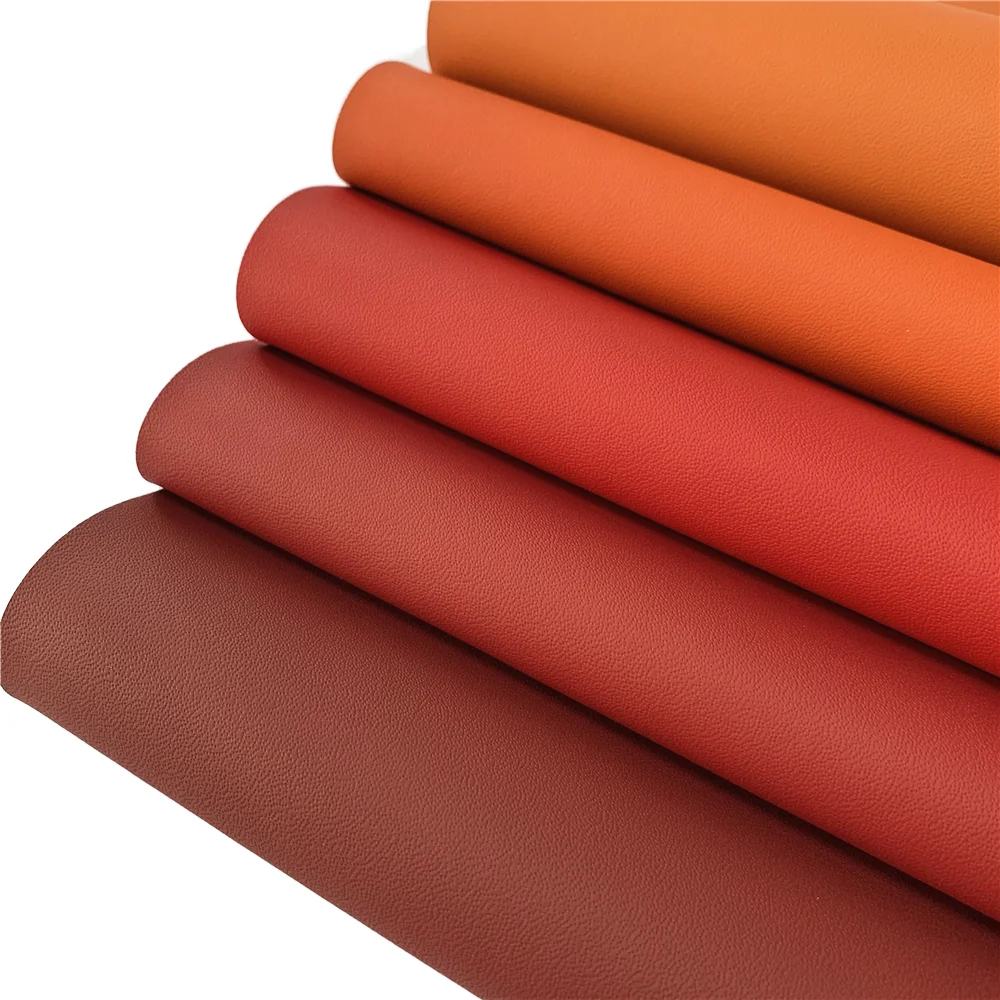
Hydrolysis Resistant Waterproof PU Microfiber Suede Leather Fabric Furniture Car Seat Covers Automotive Upholstery Bags Sofas
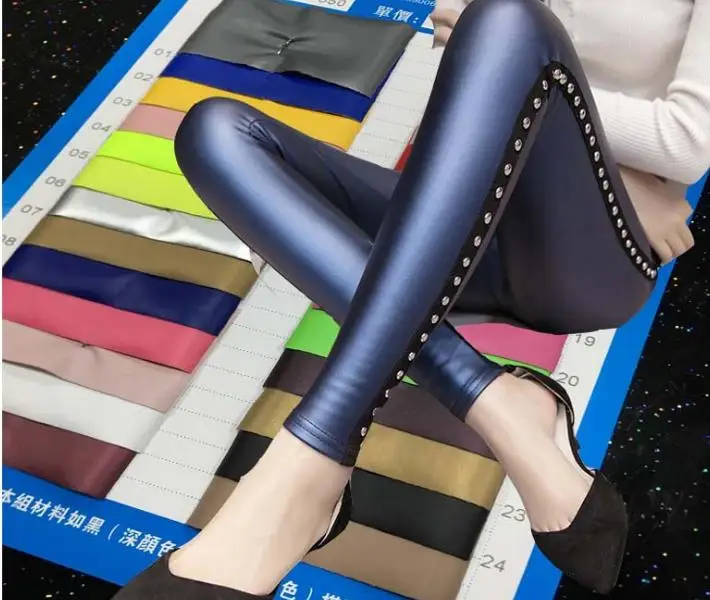
Ultra-Bright Black Mirror Four-Sided Stretch PU Fabric Pants Dresses Solid Color Soft Waterproof Clothing Elastic Finished
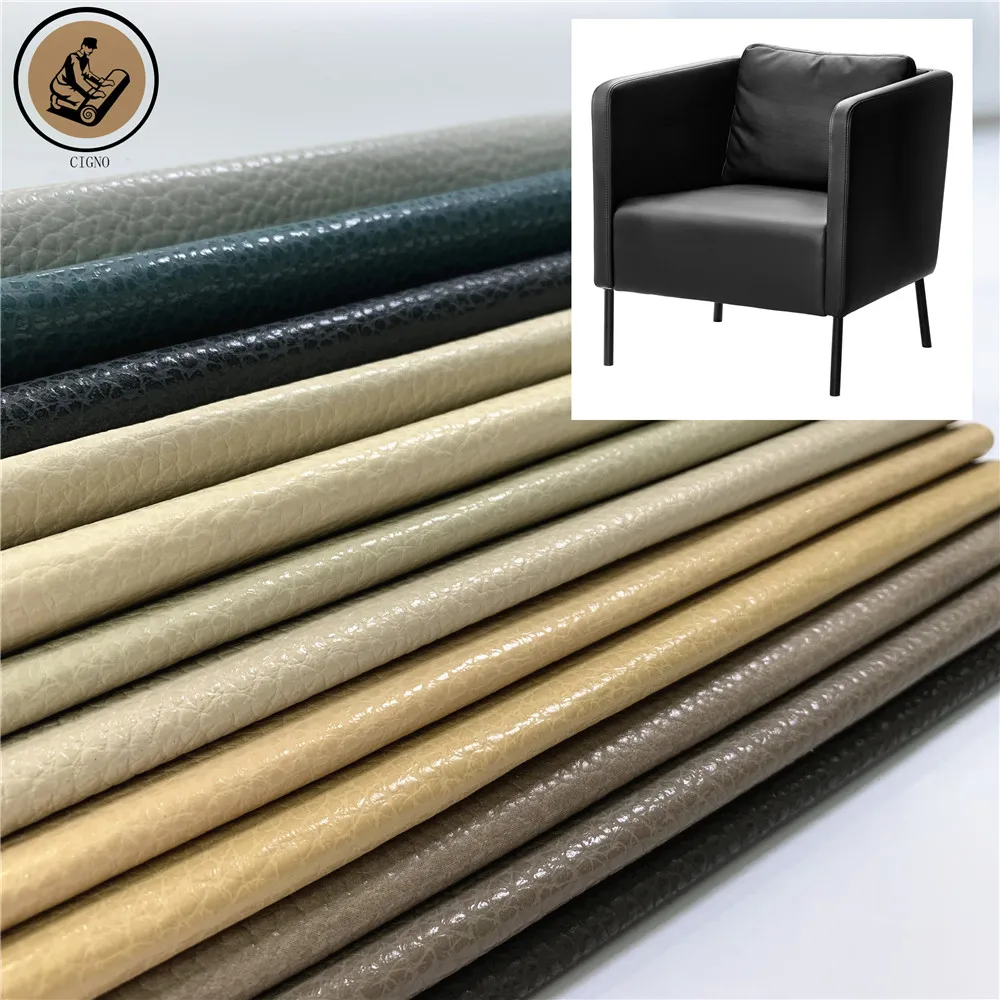
Litchi Lychee Grain 1.2mm PU Microfiber Leather Eco-Friendly Synthetic Leather Sofa Car Seat Handbags-Pearly-Lustre Recycled
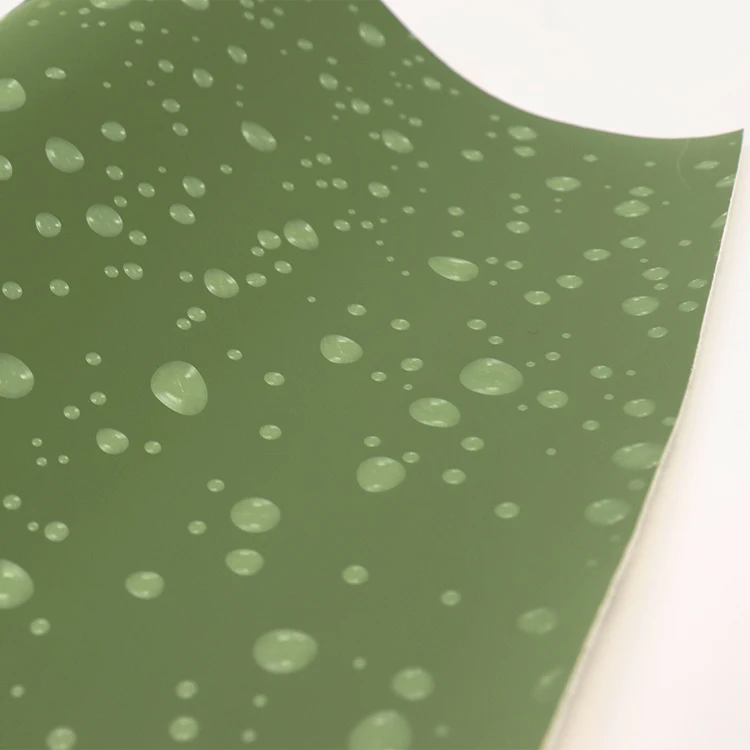
Custom Designer Faux Leather Fabric PVC Synthetic Leather Waterproof Sofa Bag Furniture Chair Woven Backing-Price Per Meter
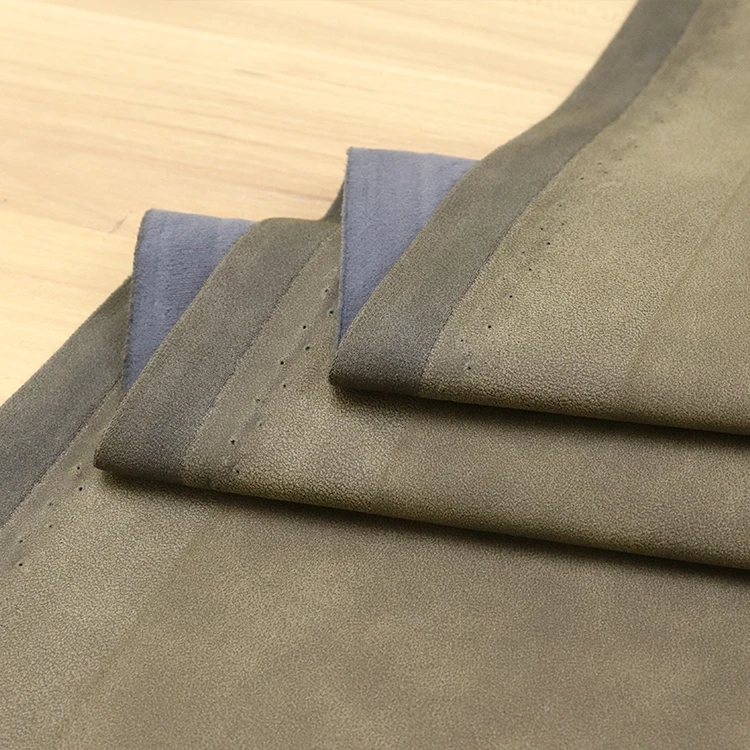
PU Suede Leather Nubuck Artificial Leather Materi for Shoe Make
What evidence do I need to claim PVC leather for car seat defects after installation?
To claim PVC leather for car seat defects after installation, retain dated photos and videos of the affected seats, purchase and installation records, material specifications, batch or order details, inspection reports, and written descriptions of the defect. Document color inconsistency, surface damage, peeling, scratches, odor, or performance failures against the agreed requirements.
Core Solutions & Key Takeaways
- Record the defect immediately with clear images and video showing its location, scale, and appearance under consistent lighting.
- Match the installed PVC leather to purchase documents, approved samples, color confirmations, technical specifications, and batch information.
- Keep installation records and identify whether the issue appeared before, during, or after upholstery work.
- For automotive and furniture upholstery, document agreed requirements such as abrasion resistance, scratch resistance, UV resistance, flame retardancy, waterproofing, stain resistance, and easy-clean performance.
Detailed Architectural/Principle Analysis
A defect claim depends on showing that the installed PVC leather does not conform to the agreed material requirements, approved sample, or confirmed production standard. The evidence should establish product identity, the condition of the material, the installation timeline, and the difference between the delivered material and the agreed specification.
Start with traceability documents. These may include the purchase order, invoice, material description, color and grain confirmation, width and thickness requirements, backing specification, delivery documents, and any production or batch identification available. For car seat upholstery, photos should show the seat, door panel, headrest, or armrest context as well as close-up details of the affected PVC leather.
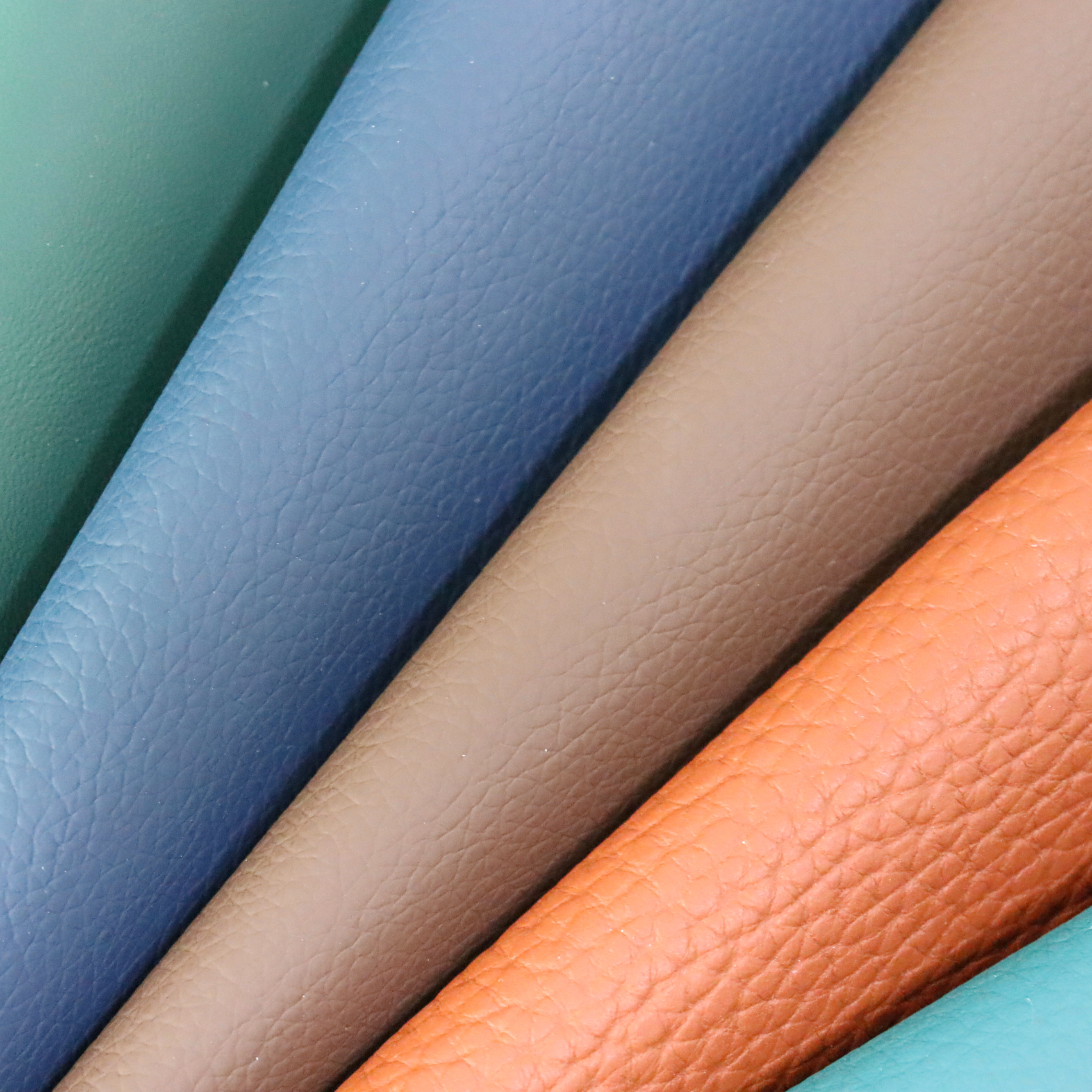
Defect evidence should be specific. For surface concerns, photograph peeling, cracking, scratches, grain irregularities, stains, color variation, or other visible conditions. For performance concerns, retain relevant laboratory testing, installation observations, and records of the customer requirement. Avoid relying on broad statements such as “poor quality” when the issue can be documented against a measurable or agreed property.
Inspection records can help separate material concerns from installation-related conditions. The supplier's stated control process includes raw material inspection, production process inspection, laboratory testing, finished product inspection, and pre-shipment inspection. Product inspection may cover thickness, width, color consistency, surface appearance, abrasion resistance, tensile strength, peeling strength, scratch resistance, and flame-retardant performance according to customer requirements.
Dongguan Cigno Leather Co., Ltd. holds GRS, USDA, and Oeko-Tex 100 certifications for synthetic leather. These credentials do not independently determine whether an installed car seat claim is valid; the claim evidence should still demonstrate conformity or nonconformity for the specific material and order.
A documented automotive interior project in Mexico involved 50,000 meters of customized synthetic leather for seats, door panels, headrests, and armrests. The material requirements covered color, grain, thickness, backing, abrasion resistance, UV resistance, flame retardancy, low odor, and easy-clean performance. This illustrates why a claim file should compare the installed material with the requirements confirmed for that order.
Data/Solution Comparison
| Evidence Category | What to Retain | How It Supports a PVC Leather Car Seat Defect Claim |
|---|---|---|
| Material identification | Purchase order, invoice, delivery record, batch details, approved sample, color and grain confirmation | Links the installed PVC leather to the relevant order and agreed material. |
| Visual condition | Dated close-up and full-seat photographs, video, location markings, written defect log | Shows the appearance, position, and extent of peeling, scratches, color inconsistency, or surface damage after installation. |
| Installation history | Installation date, installer records, work steps, seat condition before installation, post-installation inspection | Establishes when the condition was discovered and provides context for technical assessment. |
| Performance verification | Inspection reports, laboratory results, specification sheet, customer requirement records | Compares the material against agreed properties such as abrasion resistance, scratch resistance, UV resistance, and flame retardancy. |
| Communication trail | Written notices, responses, technical discussions, replacement or corrective-action records | Documents timely reporting and the handling of the claimed quality issue. |
Frequently Asked Questions (FAQ)
Do photographs alone support a PVC leather car seat defect claim?
Photographs are important, but they are stronger when paired with order records, approved samples, specifications, installation details, and a dated written defect report. Images should show both close-up surface details and the complete installed area.
What defects should be described in the claim?
Describe the actual observed condition, such as color inconsistency, surface appearance issues, peeling, scratches, staining, damage, or a failure to meet agreed abrasion resistance, scratch resistance, UV resistance, flame-retardant, waterproofing, stain-resistance, or easy-clean requirements.
How quickly should a defect be reported after installation?
Report the issue promptly after discovery and preserve the affected material in its installed condition where possible. Provide photographs, order details, installation records, and a written explanation before repair, replacement, or removal changes the evidence.
Final Conclusion & Recommendations
A defensible PVC leather car seat defect claim requires traceable order records, dated visual evidence, installation documentation, and comparison with approved specifications or samples. Dongguan Cigno Leather Co., Ltd. supports synthetic leather manufacturing with R&D, production, sales, export, OEM/ODM, and customized production services; its stated quality control operates under the ISO 9001 quality management system, and its business model specifies technical support and professional quality complaint handling. For detailed technical solutions or support, please reach out to us via vicky@bozeleather.com.
About Us
Dongguan Cigno Leather Co., Ltd. manufactures synthetic leather products including PVC leather, PU leather, vegan leather, recycled leather, and microfiber leather for furniture, automotive interiors, apparel, handbags, and footwear. Established in 2007, the company develops eco-friendly and multifunctional synthetic leather materials with customized colors, textures, thicknesses, and functional performance. Its production facilities include six synthetic leather production lines, with stated monthly capacity of approximately 6 million meters. The company serves international markets and has served clients across multiple industries.
Its listed certifications include GRS and Oeko-Tex 100.

SUBSCRIBE
INQUIRY