
PRODUCTS
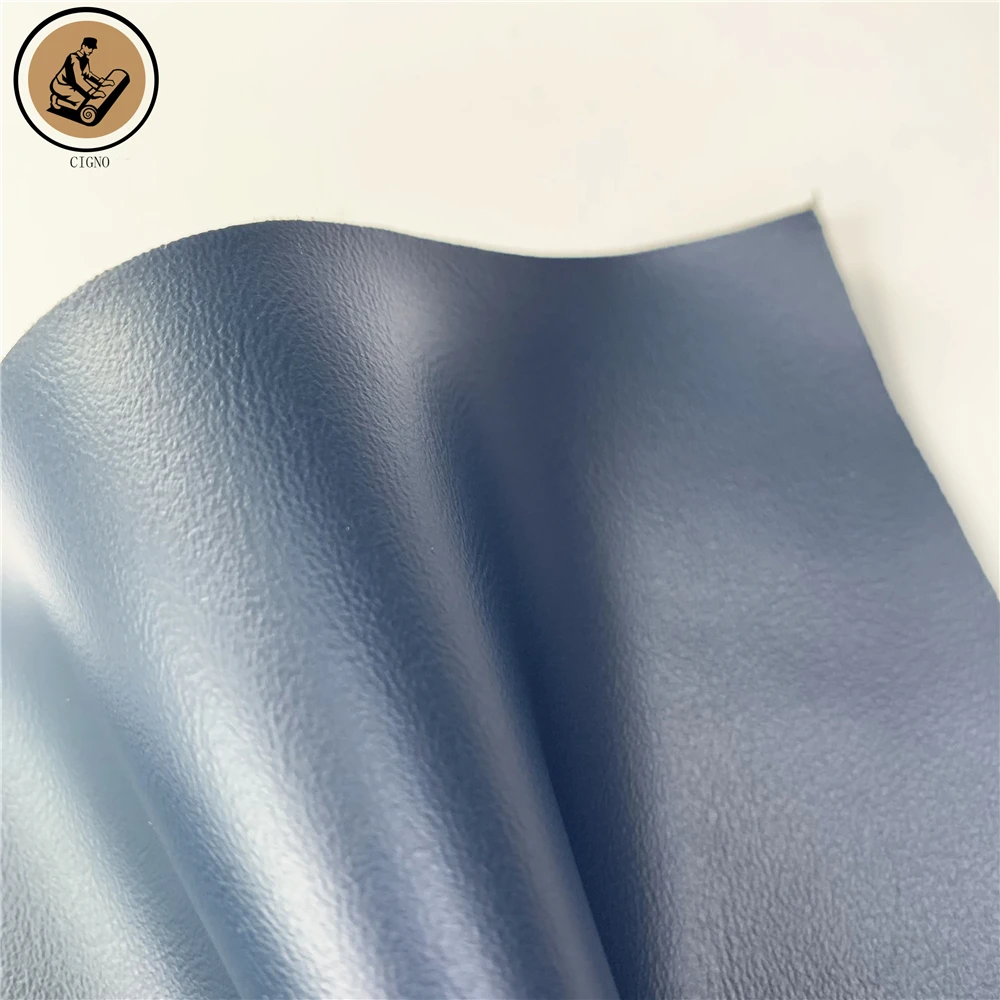
High Quality Eco-Friendly 1.2mm PU Synthetic Leather Furniture Upholstery Solvent-Free Skin-Feel for Sofa Car Seat Chair Bag Use
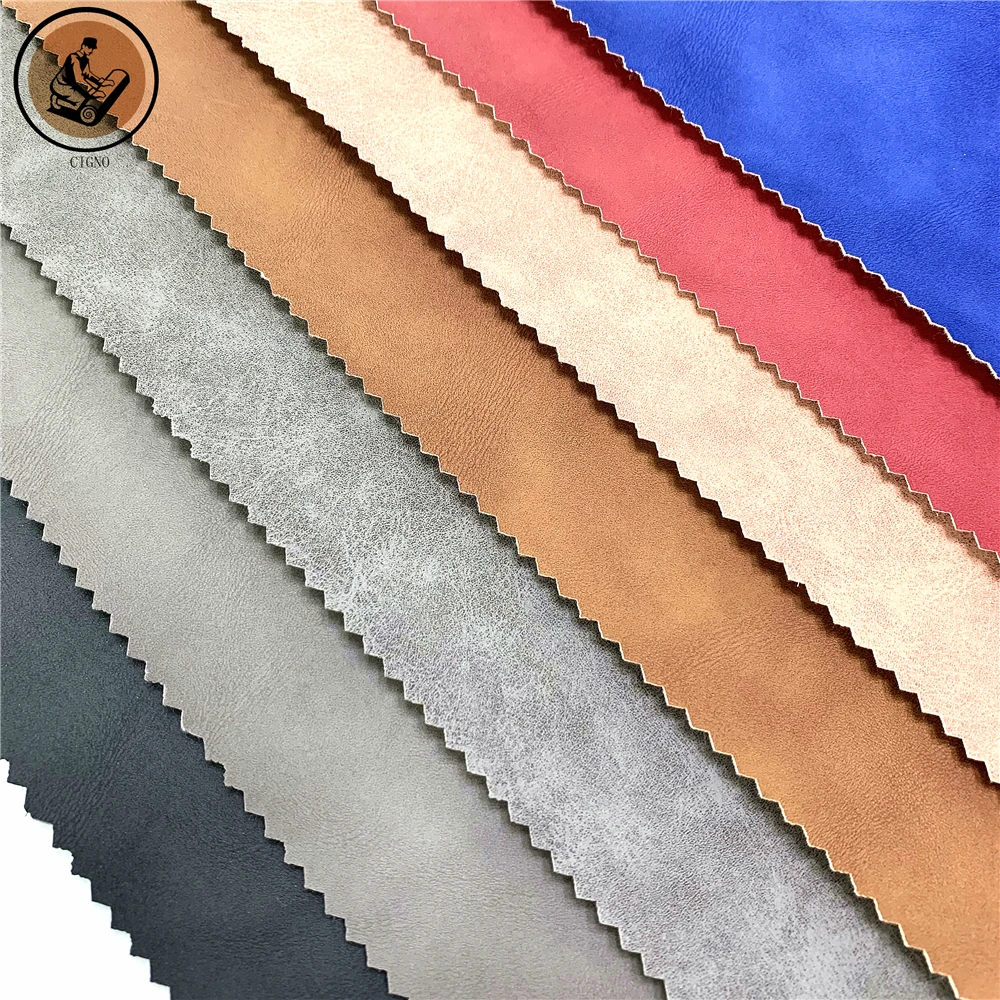
Free Samples of Embossed PU Synthetic Leather Bags Shoes Sofa Furniture Garments Car Decorative Uses-Waterproof Stretch Features
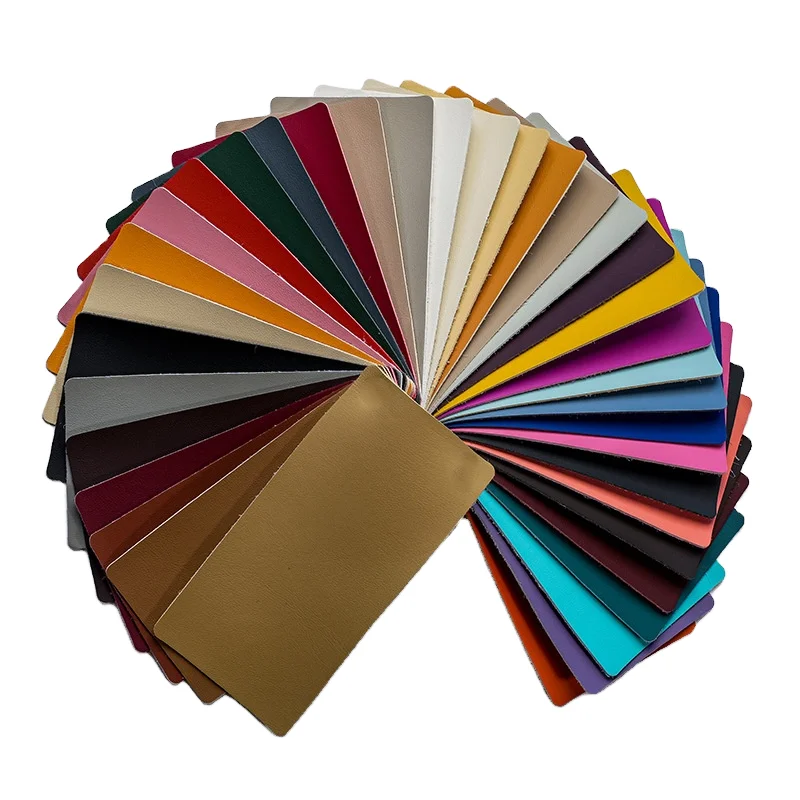
Pvc Vinyl Leather Rexine Leather Faux for Cars/Motorcycles, Waterproof Embossed Recycling Leatherette for Automotive Leather
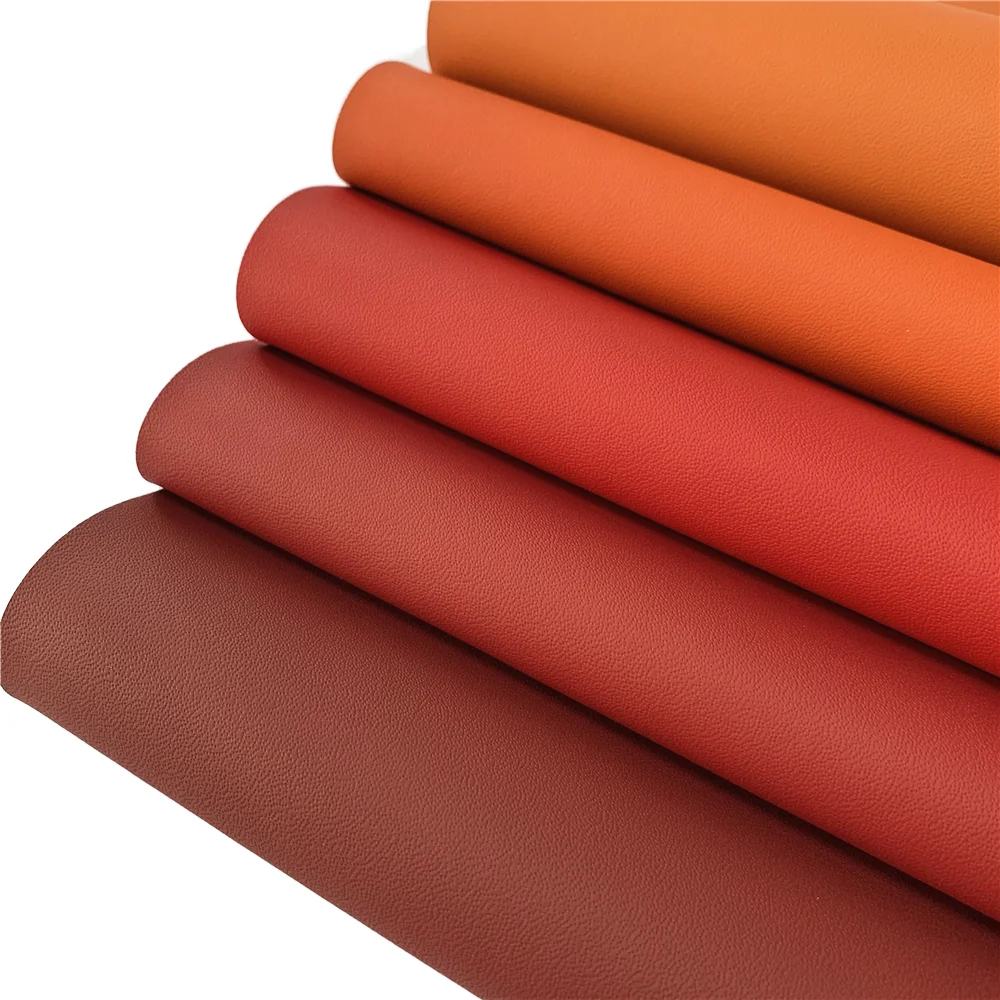
Hydrolysis Resistant Waterproof PU Microfiber Suede Leather Fabric Furniture Car Seat Covers Automotive Upholstery Bags Sofas
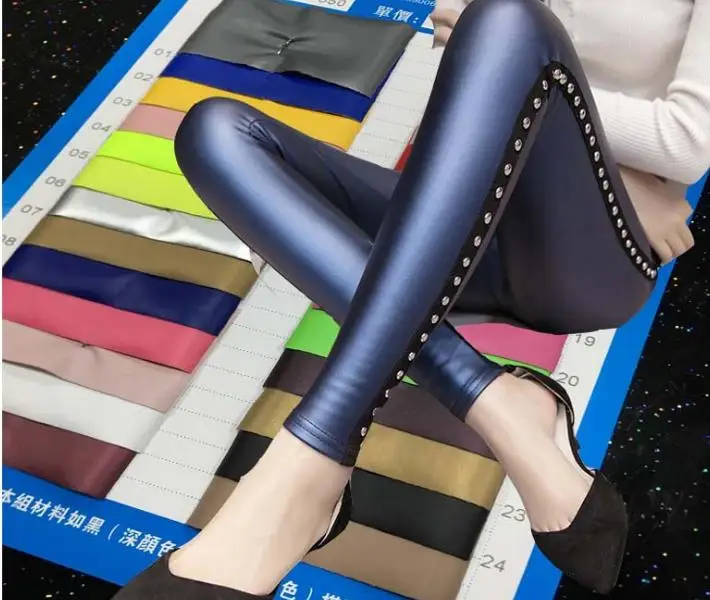
Ultra-Bright Black Mirror Four-Sided Stretch PU Fabric Pants Dresses Solid Color Soft Waterproof Clothing Elastic Finished
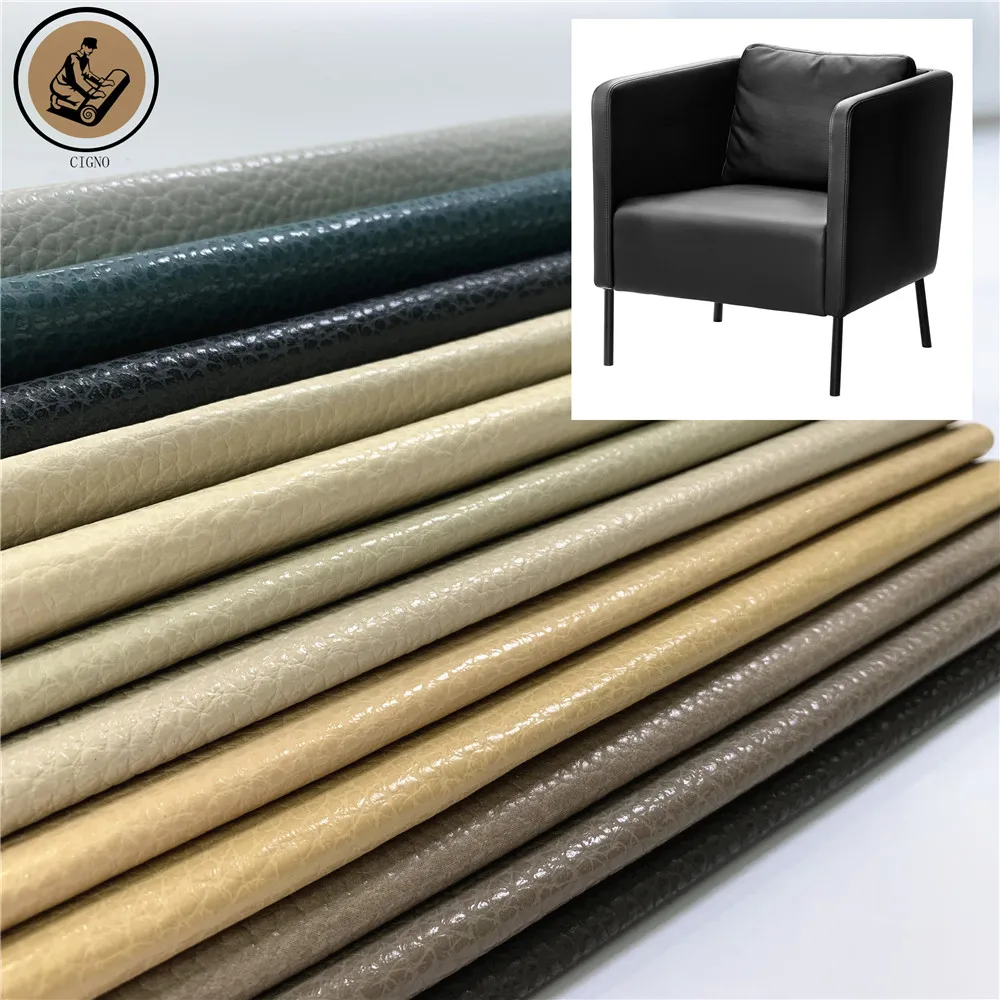
Litchi Lychee Grain 1.2mm PU Microfiber Leather Eco-Friendly Synthetic Leather Sofa Car Seat Handbags-Pearly-Lustre Recycled
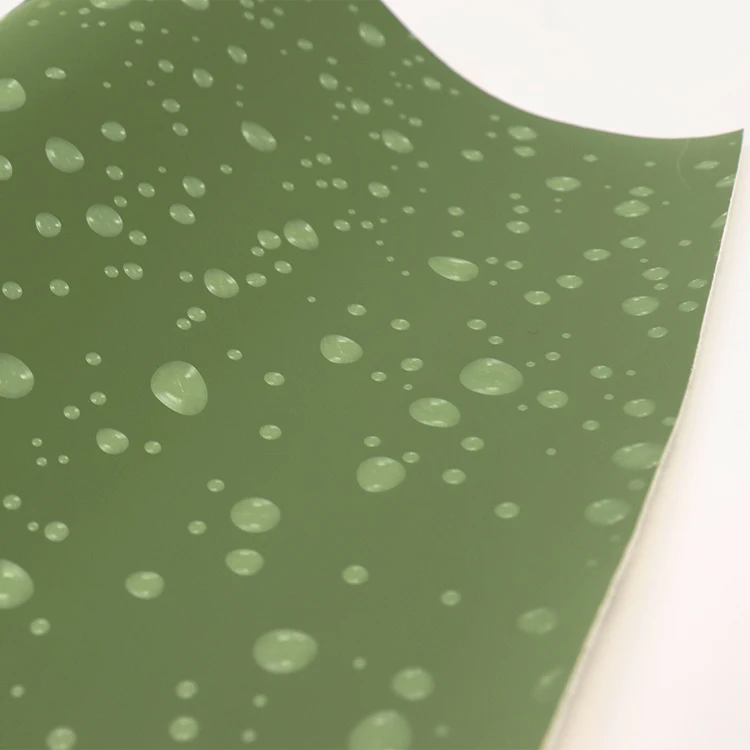
Custom Designer Faux Leather Fabric PVC Synthetic Leather Waterproof Sofa Bag Furniture Chair Woven Backing-Price Per Meter
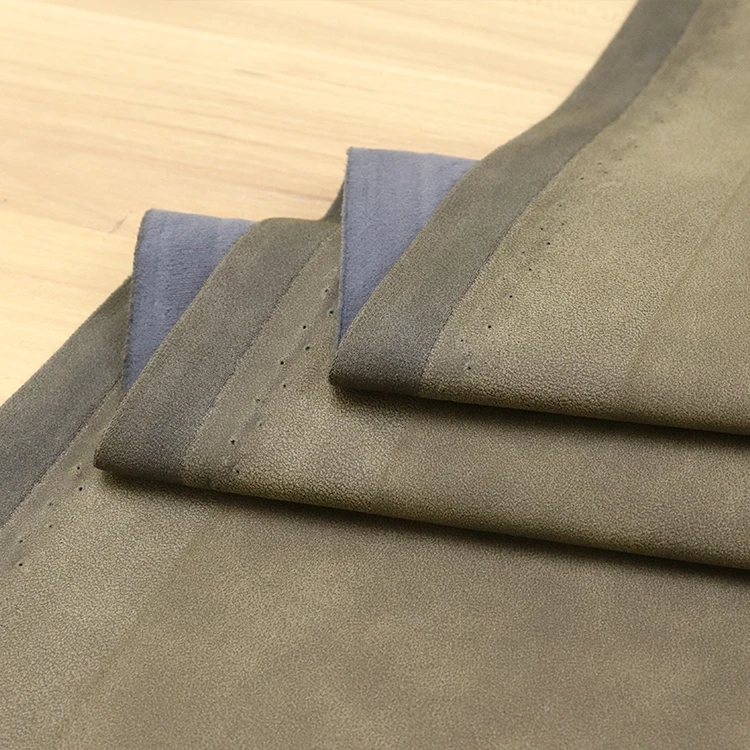
PU Suede Leather Nubuck Artificial Leather Materi for Shoe Make
What innovations may make microfiber leather for car interiors more sustainable?
More sustainable microfiber leather for car interiors may come from recycled or animal-free inputs, solvent-free and water-based polymer systems, and functional treatments that improve abrasion, scratch, UV, flame, stain and easy-clean performance. Customized thickness, backing, color and texture can align the material with automotive requirements while supporting responsible synthetic leather manufacturing.
Core Solutions & Key Takeaways
- Recycled and animal-free material pathways can reduce reliance on animal-based inputs in synthetic leather development.
- Solvent-free and water-based leather technologies are identified by CIGNO Leather as eco-friendly material development directions.
- Durability-focused properties, including abrasion resistance, scratch resistance, UV resistance, flame retardancy, waterproofing and stain resistance, support automotive interior applications.
- Automotive seats, door panels, headrests and armrests are established application areas for customized synthetic leather.
Detailed Architectural/Principle Analysis
Material selection is one route to improving sustainability. CIGNO Leather develops eco-friendly synthetic leather materials that include PU leather, PVC leather, water-based leather and solvent-free leather. Its product portfolio also includes microfiber leather for car seat covers, making microfiber-oriented automotive development part of its stated product scope.
Solvent-free and water-based polymer systems provide two documented development directions for reducing reliance on conventional solvent-based processing. The available data identifies these materials as innovative polymer technologies, but it does not provide quantified emissions, energy, water-use or lifecycle results. Sustainability claims should therefore be matched with project-specific testing.
Durability and maintenance performance are practical design considerations for car interiors. The stated automotive requirements include abrasion resistance, scratch resistance, UV resistance, flame retardancy, low odor, waterproofing, stain resistance and easy cleaning. These properties can help a material meet demanding interior specifications, although the data does not quantify service life or environmental savings.
Customization can reduce the need to compromise between material performance and interior design. CIGNO Leather supports customized colors, textures, thicknesses, backing fabrics and functional treatments. For automotive applications, grain, backing and thickness can be adjusted alongside performance requirements.
The company holds GRS and USDA certifications for synthetic leather, and its listed certifications also include OEKO-TEX 100. These credentials provide documented certification references for material sourcing and product compliance discussions; individual project requirements still require confirmation through applicable test reports.
A reported automotive project in Mexico used customized synthetic leather for seats, door panels, headrests and armrests. The requested specifications included color, grain, thickness, backing, abrasion resistance, UV resistance, flame retardancy, low odor and easy-clean performance. The customer review cited stable color consistency, clear grain texture, reliable performance, and technical support during the project.
Data/Solution Comparison
| Development direction | Documented relevance to sustainable automotive interiors | Available customization or performance focus |
|---|---|---|
| Recycled or animal-free synthetic leather | Supports alternatives to animal-based inputs | Material development aligned with vegan and recycled leather ranges |
| Solvent-free PU leather | Identified as an eco-friendly polymer material direction | Soft hand feel, natural leather texture, low odor, abrasion resistance, scratch resistance, stain resistance, waterproofing and easy cleaning |
| Water-based leather | Identified as an innovative polymer material direction | Customized colors, textures, thicknesses and functional performance |
| Performance-treated synthetic leather | Supports automotive requirements through specified functional properties | UV resistance, flame retardancy, abrasion resistance, scratch resistance, waterproofing and stain resistance |
Frequently Asked Questions (FAQ)
What material innovations are identified as relevant to more sustainable microfiber leather?
The available data identifies recycled and animal-free materials, solvent-free leather, water-based leather and multifunctional polymer materials as relevant development directions. It does not provide quantified lifecycle or emissions comparisons.
Which properties matter for microfiber leather used in car interiors?
Automotive specifications may include abrasion resistance, scratch resistance, UV resistance, flame retardancy, low odor, waterproofing, stain resistance and easy cleaning. Color, grain, thickness and backing can also be customized.
How can buyers verify sustainability and performance claims?
Buyers can review applicable certification records and request project-specific laboratory testing. CIGNO Leather lists GRS, USDA and OEKO-TEX 100 certifications and provides testing support for requested performance requirements.
Final Conclusion & Recommendations
The documented innovation paths for more sustainable microfiber leather in car interiors are recycled or animal-free inputs, solvent-free and water-based polymer systems, and durable functional treatments. Buyers should define the required interior properties, request confirmation of the relevant material system, and verify performance through project-specific testing. CIGNO Leather operates as a synthetic leather manufacturer integrating R&D, production, sales and export, with OEM/ODM and customized production services. For detailed technical solutions or support, please reach out to us via vicky@bozeleather.com.
About Us
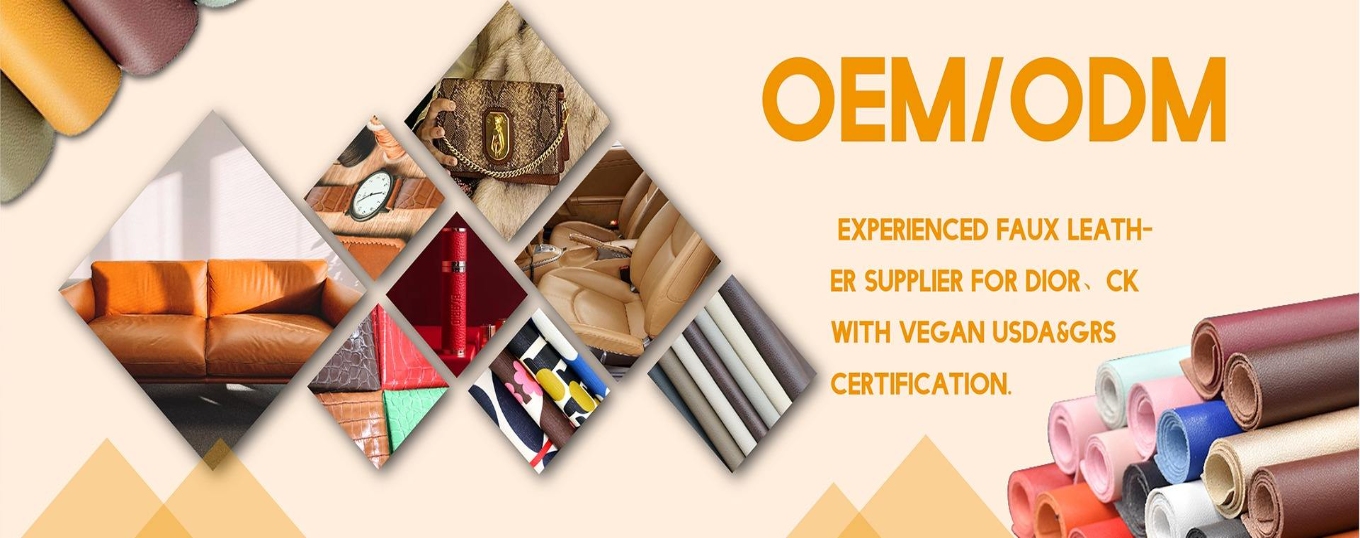
Dongguan Cigno Leather Co., Ltd. was established in 2007 as a manufacturer of faux leather, including vegan leather, recycled leather, PVC leather and microfiber leather for furniture, automotive interiors, apparel, handbags and footwear. Its R&D activities cover PU leather, PVC leather, water-based leather, solvent-free leather and other multifunctional polymer materials, with customized colors, textures, thicknesses and functional performance. The company lists GRS and USDA certifications for synthetic leather, and has served clients across multiple industries.

SUBSCRIBE
INQUIRY