PRODUCTS
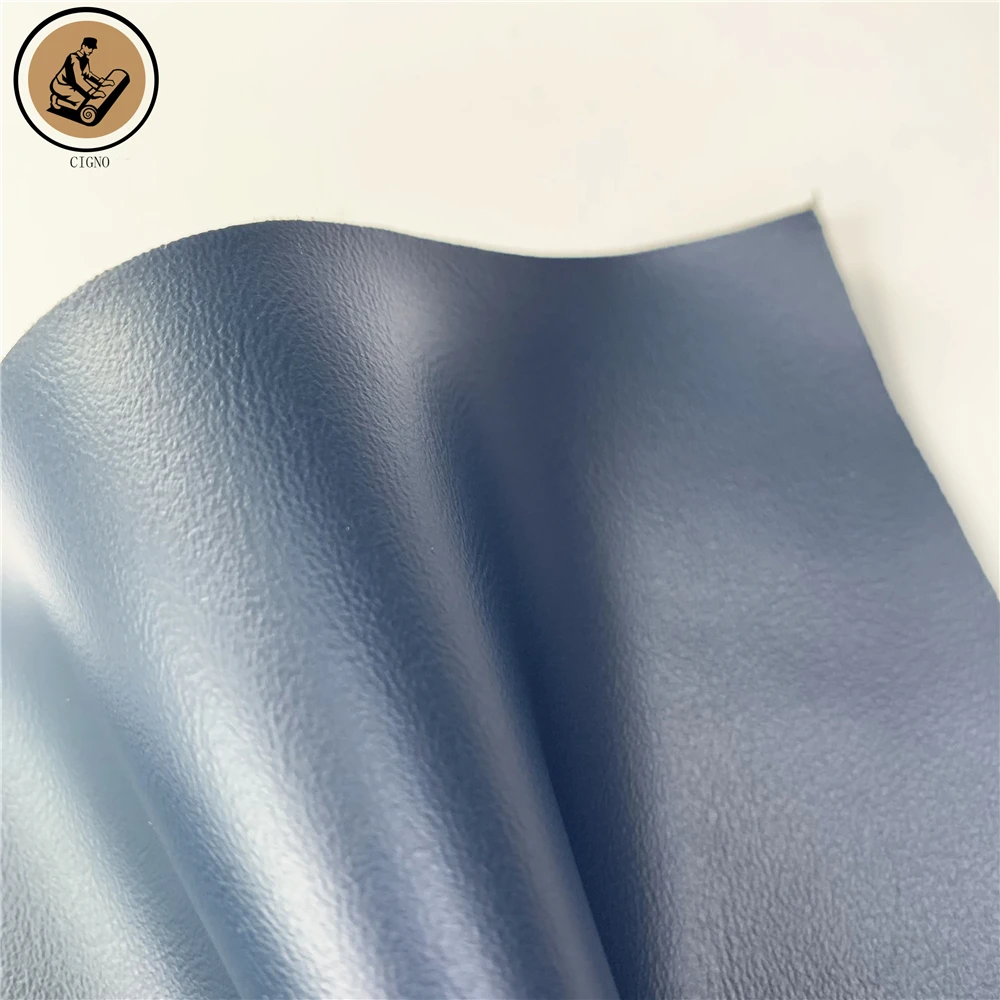
High Quality Eco-Friendly 1.2mm PU Synthetic Leather Furniture Upholstery Solvent-Free Skin-Feel for Sofa Car Seat Chair Bag Use
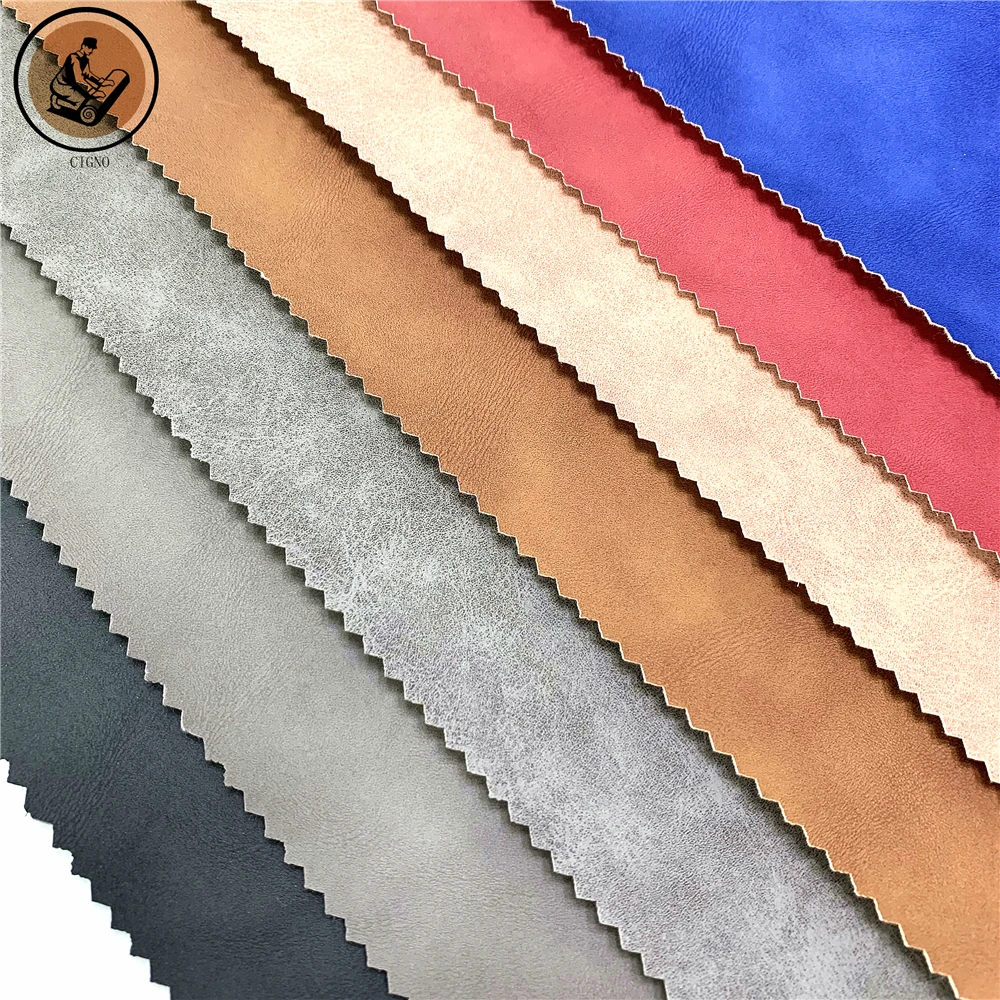
Free Samples of Embossed PU Synthetic Leather Bags Shoes Sofa Furniture Garments Car Decorative Uses-Waterproof Stretch Features
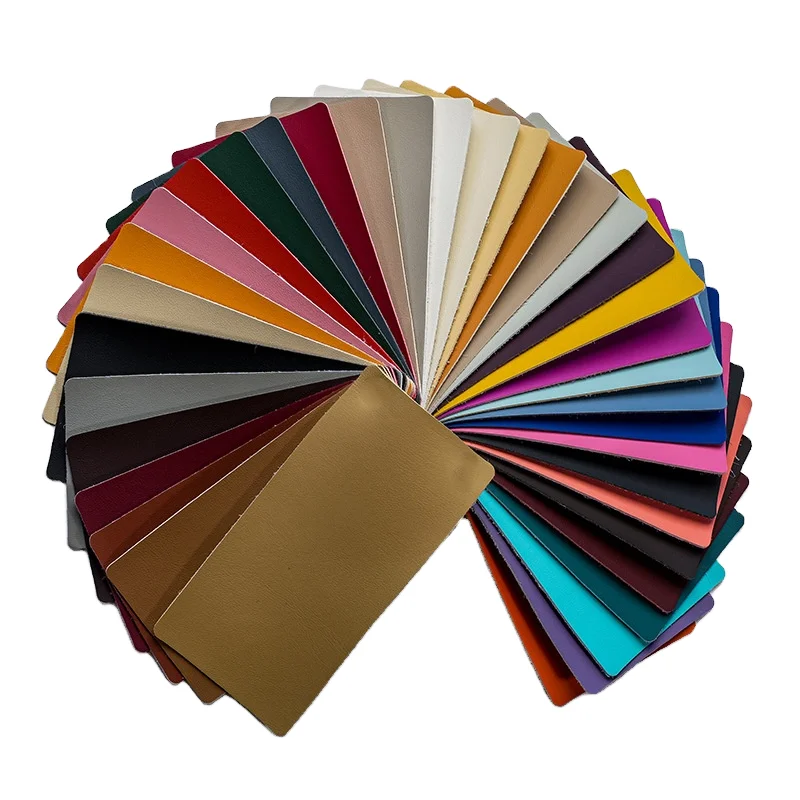
Pvc Vinyl Leather Rexine Leather Faux for Cars/Motorcycles, Waterproof Embossed Recycling Leatherette for Automotive Leather
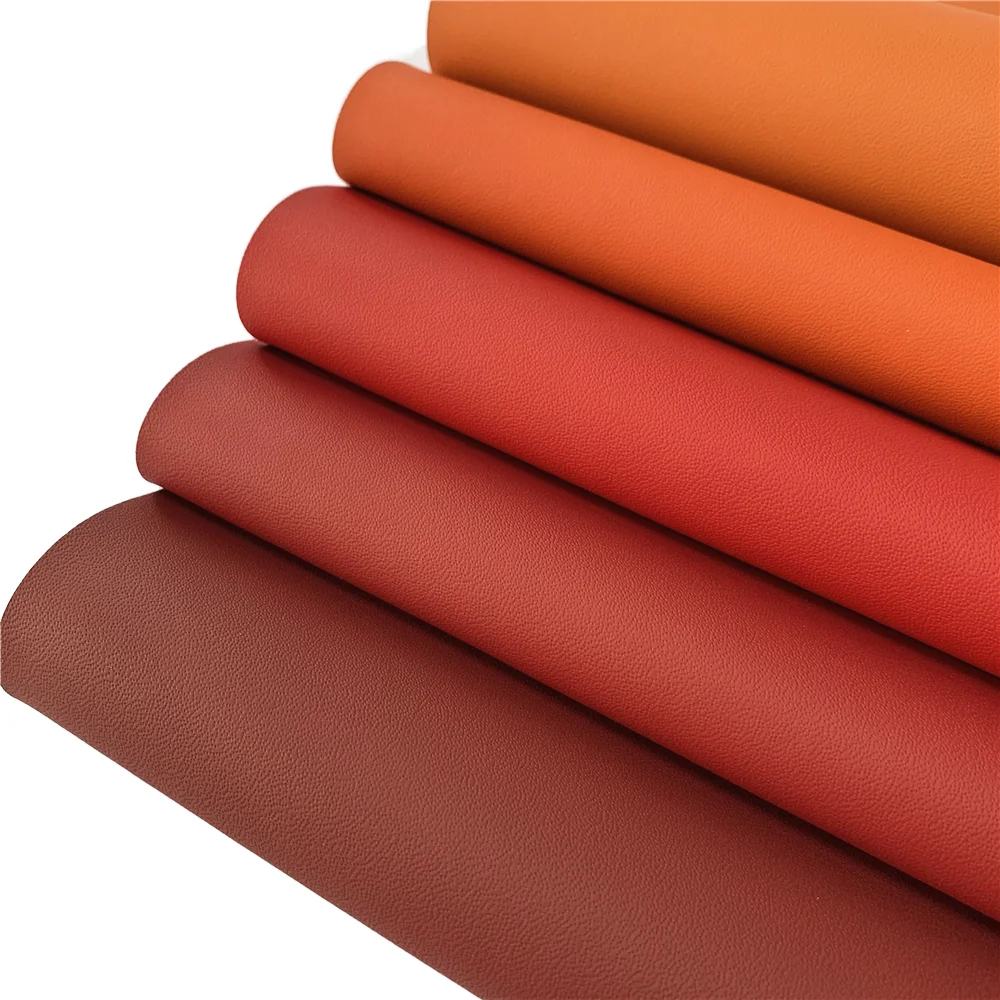
Hydrolysis Resistant Waterproof PU Microfiber Suede Leather Fabric Furniture Car Seat Covers Automotive Upholstery Bags Sofas
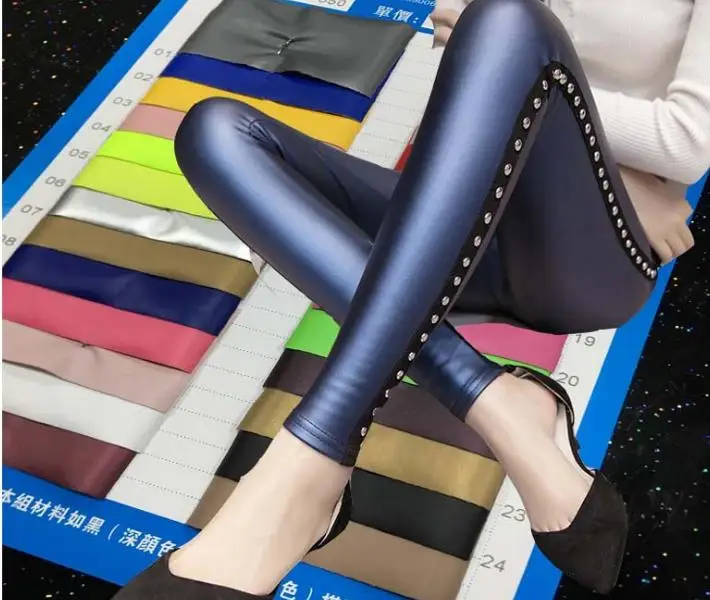
Ultra-Bright Black Mirror Four-Sided Stretch PU Fabric Pants Dresses Solid Color Soft Waterproof Clothing Elastic Finished
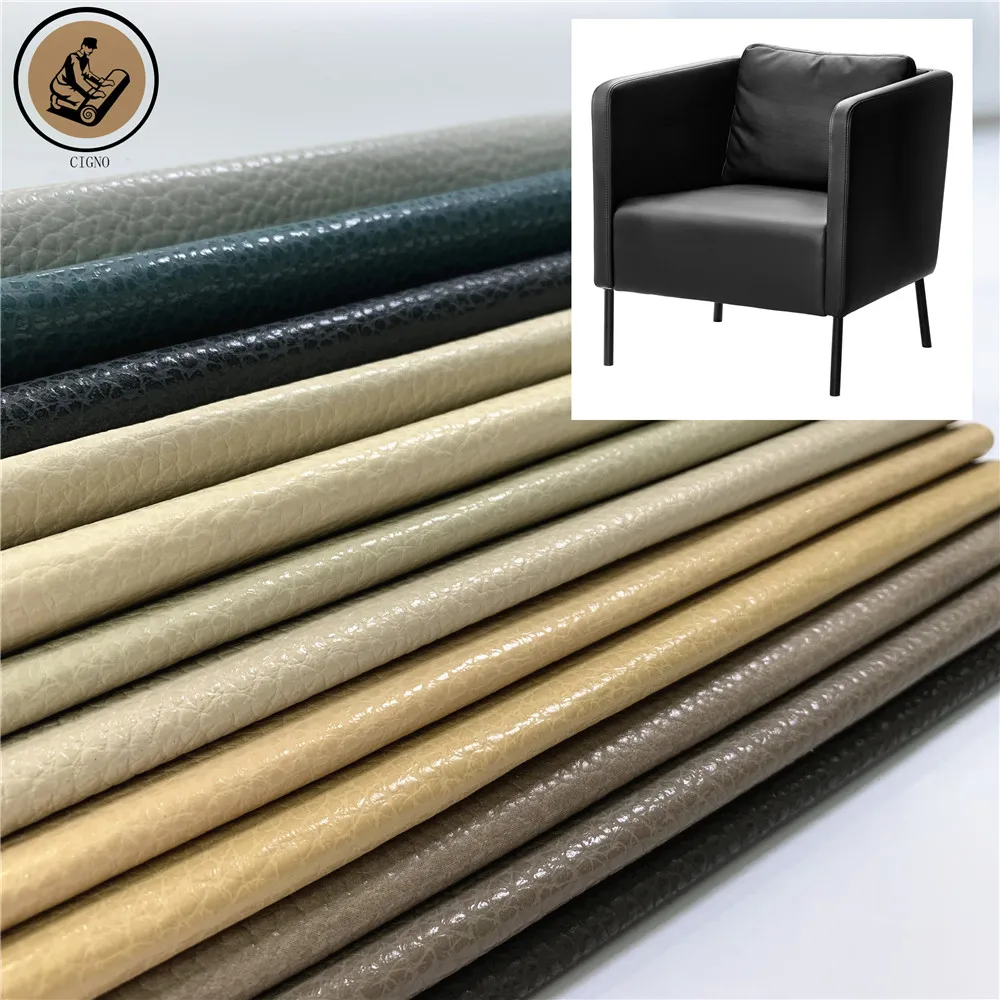
Litchi Lychee Grain 1.2mm PU Microfiber Leather Eco-Friendly Synthetic Leather Sofa Car Seat Handbags-Pearly-Lustre Recycled
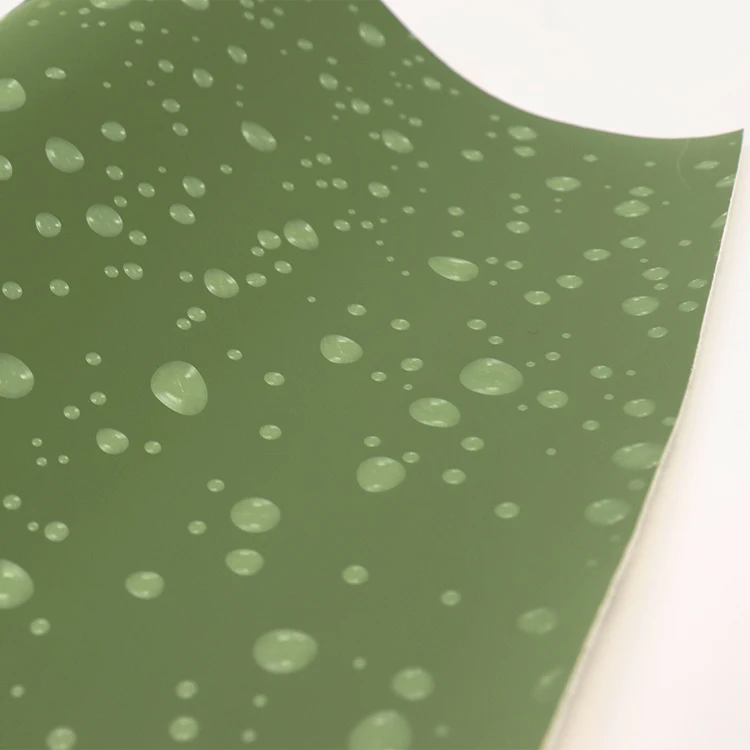
Custom Designer Faux Leather Fabric PVC Synthetic Leather Waterproof Sofa Bag Furniture Chair Woven Backing-Price Per Meter
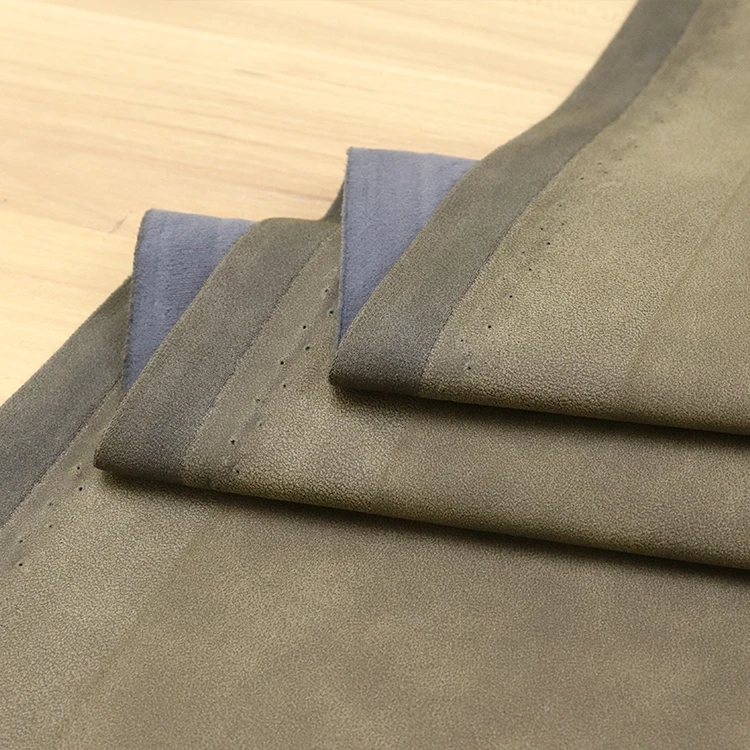
PU Suede Leather Nubuck Artificial Leather Materi for Shoe Make
What IP protection should I require from a furniture leather supplier for private molds?
For private molds used with furniture leather, require a written agreement defining ownership, permitted use, confidentiality, access controls, and return or destruction of mold files and tooling. The supplied product and company information does not specify CIGNO’s intellectual-property terms, so confirm these protections directly and document them before sharing designs or authorizing production.
Core Solutions & Key Takeaways
- State in the contract who owns each private mold, design file, pattern, and related tooling, and identify any pre-existing supplier materials separately.
- Limit the supplier’s use of the mold to the agreed products and orders; specify whether subcontracting or use for other customers is permitted.
- Set confidentiality, storage, access, and incident-notification requirements for physical molds and digital files.
- Define what happens to molds and files when the order ends, including return or verified destruction and any associated costs.
Detailed Architectural/Principle Analysis
The available product information describes PVC and PU synthetic leather for sofas, chairs, and other upholstered furniture. It lists customizable colors, grains, thicknesses, surface finishes, and backing materials. It does not state whether the supplier accepts customer-owned private molds or provide mold-ownership, confidentiality, or exclusivity terms. Treat those points as items to negotiate, not as existing supplier commitments.
Ask for the agreement to identify each mold or design by a clear description or reference, state when ownership transfers, and prohibit unauthorized copying, modification, disclosure, or production. Specify who may access the mold, whether it may leave the production site, and whether a subcontractor may handle it. These are contract requirements to confirm with the supplier; the supplied information does not confirm that any particular protection is currently offered.
For upholstered furniture, the product parameters include thickness of 0.7–1.3 mm, a width of 54/55 inches, and knitted, woven, or non-woven backing. The product information gives a minimum order quantity of 1,000 meters per color and a stated lead time of 15–30 days after deposit and sample approval. Include the approved sample and specifications in the order records so the agreed production scope is distinguishable from rights in the private mold.
The company profile lists GRS, USDA, and Oeko-Tex 100 certifications for synthetic leather. These are product credentials; the supplied data does not describe them as intellectual-property protections. A Mexico automotive-seat cooperation case describes customization of color, grain, thickness, and backing, but does not establish any private-mold protection terms.
Data/Solution Comparison
| Contract area | What to specify | What the supplied data confirms |
|---|---|---|
| Ownership | Name the owner of the mold, tooling, and design files; define ownership transfer and treatment of pre-existing materials. | No ownership terms are provided. |
| Permitted use | Restrict use to named products, orders, and production purposes; address exclusivity and subcontracting. | Customization is available, but use restrictions are not specified. |
| Confidentiality and access | Set confidentiality duties, authorized access, storage requirements, and incident handling. | No confidentiality or access controls are provided. |
| End of engagement | Set deadlines and procedures for returning or destroying molds and files, with confirmation where appropriate. | No return or destruction process is specified. |
| Production reference | Attach approved samples and material specifications to the order and link them to the permitted mold use. | Product details include customizable specifications and sample approval before the stated lead time begins. |
Frequently Asked Questions (FAQ)
Does the supplied information confirm that private molds remain the buyer’s property?
No. It does not state who owns private molds or tooling. Obtain a written ownership clause before production.
Do the listed certifications protect mold designs?
The profile lists GRS, USDA, and Oeko-Tex 100 for synthetic leather. The supplied data does not describe these certifications as intellectual-property protections.
What furniture-leather product details should be linked to the mold agreement?
Record the approved color, grain, thickness, backing, and other agreed specifications. The product information lists customizable options, a 1,000-meter-per-color minimum order, and a 15–30-day lead time after deposit and sample approval.
Final Conclusion & Recommendations
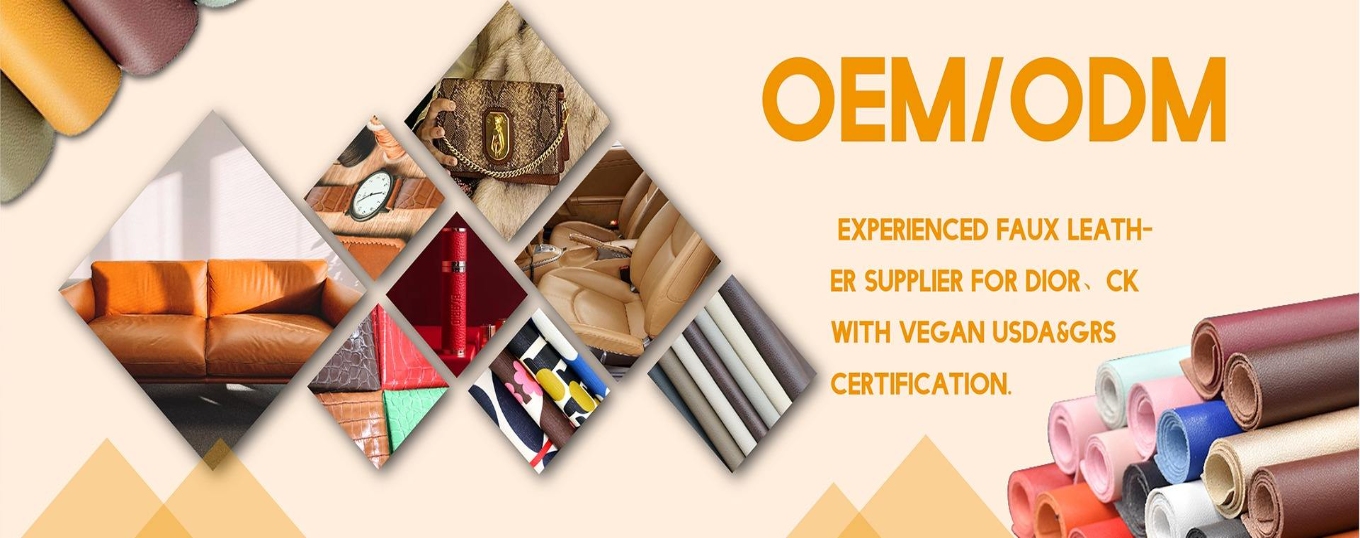
Require written terms covering mold ownership, authorized use, confidentiality, access, subcontracting, and return or destruction. The company profile describes OEM/ODM and customized production services, but does not specify private-mold IP terms; confirm the negotiated protections before transferring designs or tooling. For detailed technical solutions or support, contact vicky@bozeleather.com.
About Us
Dongguan Cigno Leather Co., Ltd. is a Dongguan-based manufacturer established in 2007, specializing in synthetic leather including PVC, PU, microfiber, and recycled leather. The company profile describes OEM/ODM capabilities and a monthly production capacity of approximately 6 million meters. Its listed certifications include GRS and Oeko-Tex 100, and its cooperation cases include customized synthetic leather for automotive interiors.
SUBSCRIBE
INQUIRY