
PRODUCTS
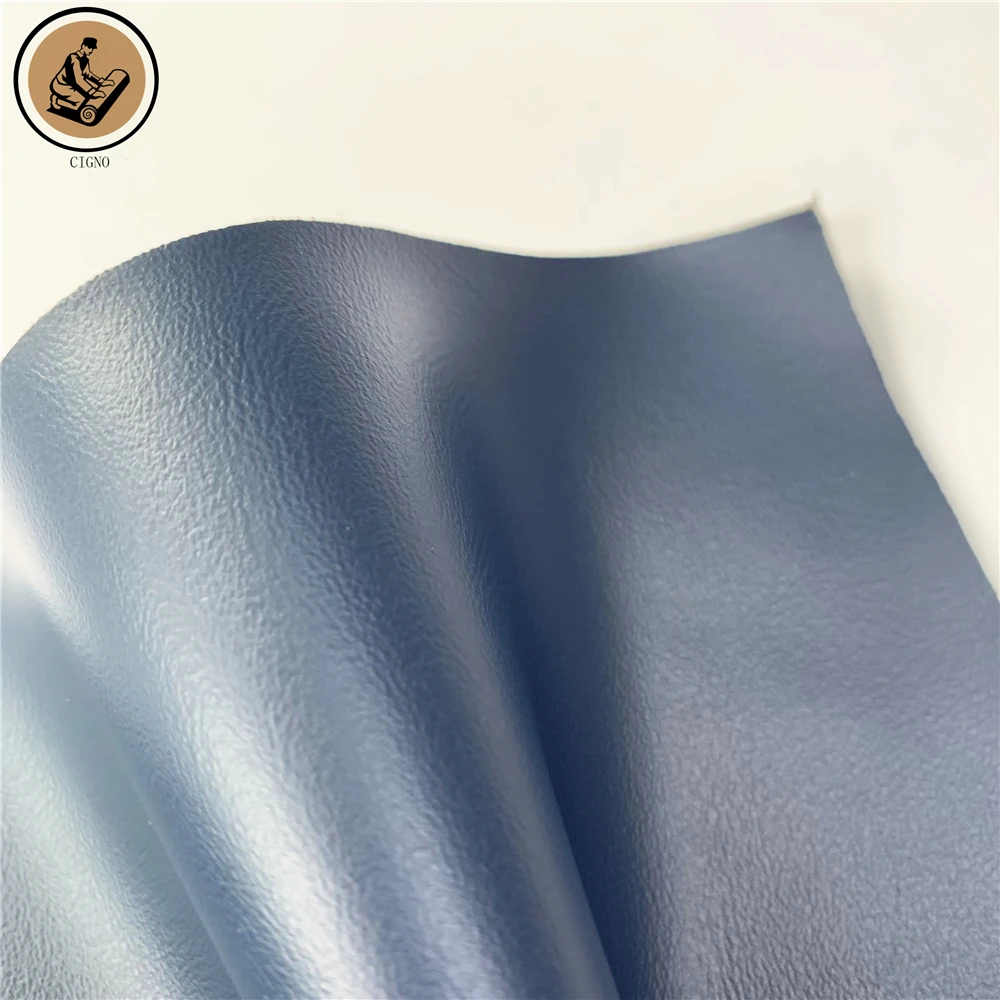
High Quality Eco-Friendly 1.2mm PU Synthetic Leather Furniture Upholstery Solvent-Free Skin-Feel for Sofa Car Seat Chair Bag Use
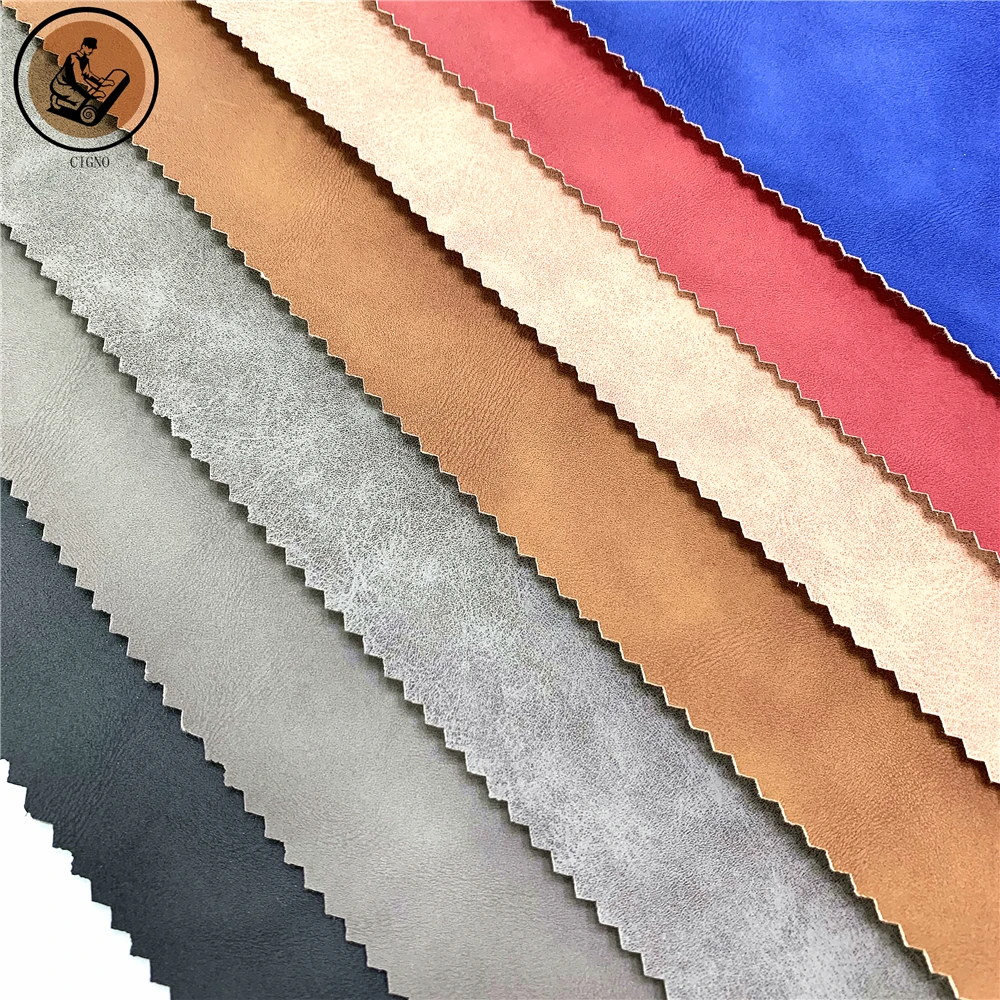
Free Samples of Embossed PU Synthetic Leather Bags Shoes Sofa Furniture Garments Car Decorative Uses-Waterproof Stretch Features
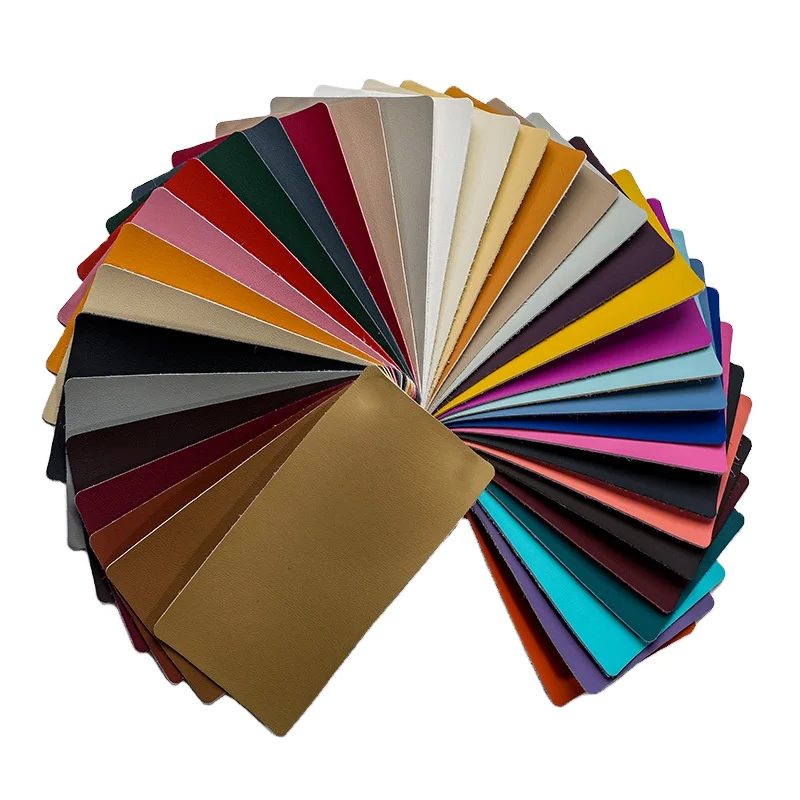
Pvc Vinyl Leather Rexine Leather Faux for Cars/Motorcycles, Waterproof Embossed Recycling Leatherette for Automotive Leather
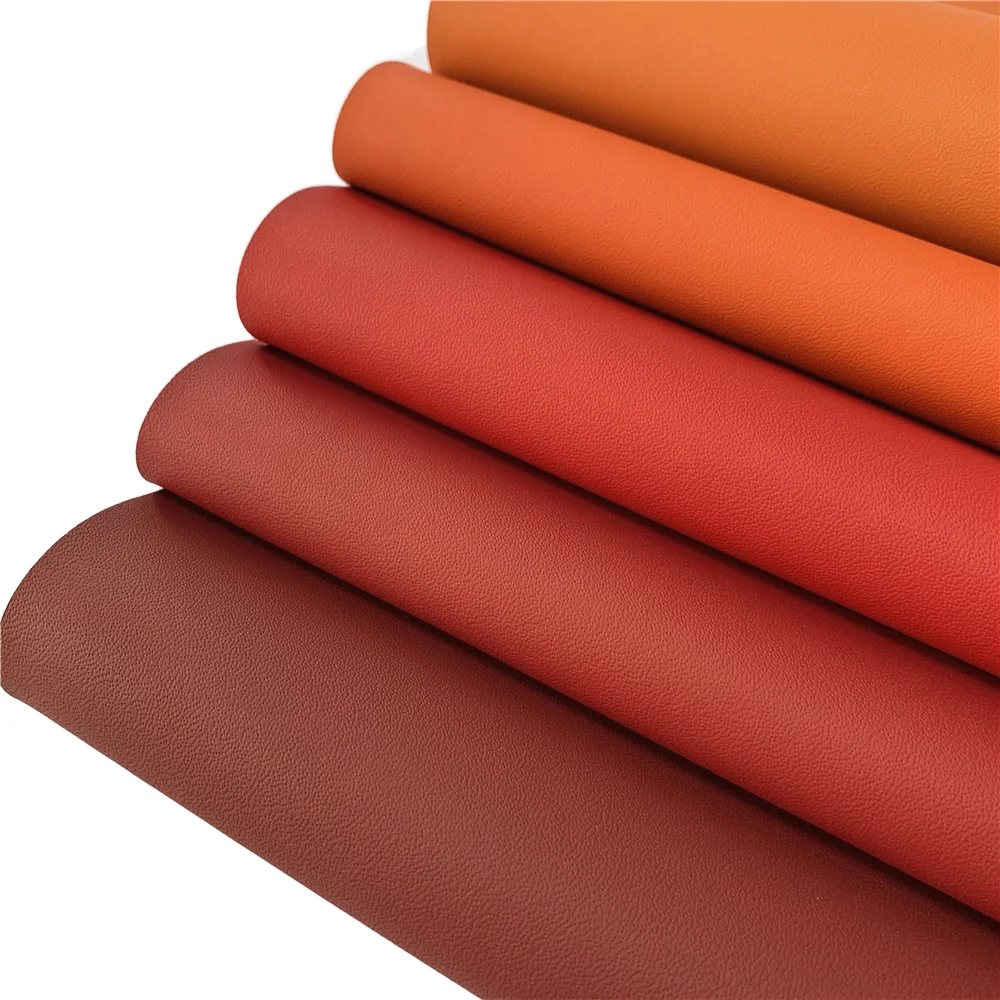
Hydrolysis Resistant Waterproof PU Microfiber Suede Leather Fabric Furniture Car Seat Covers Automotive Upholstery Bags Sofas
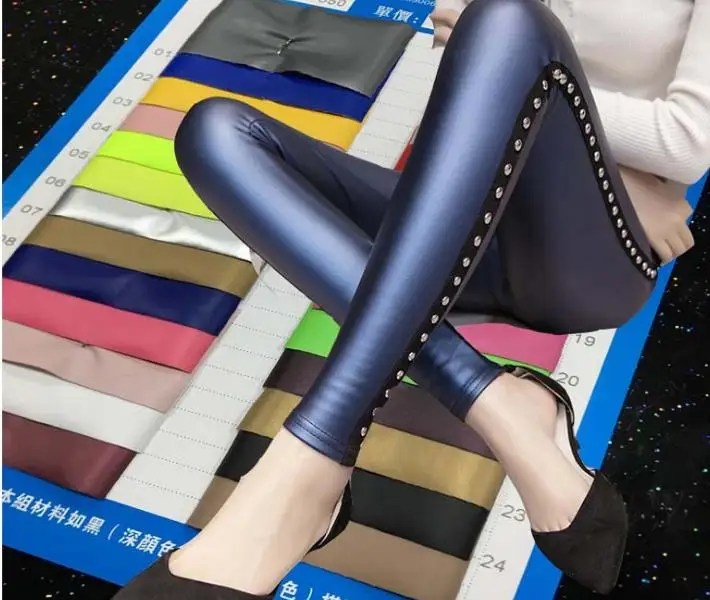
Ultra-Bright Black Mirror Four-Sided Stretch PU Fabric Pants Dresses Solid Color Soft Waterproof Clothing Elastic Finished
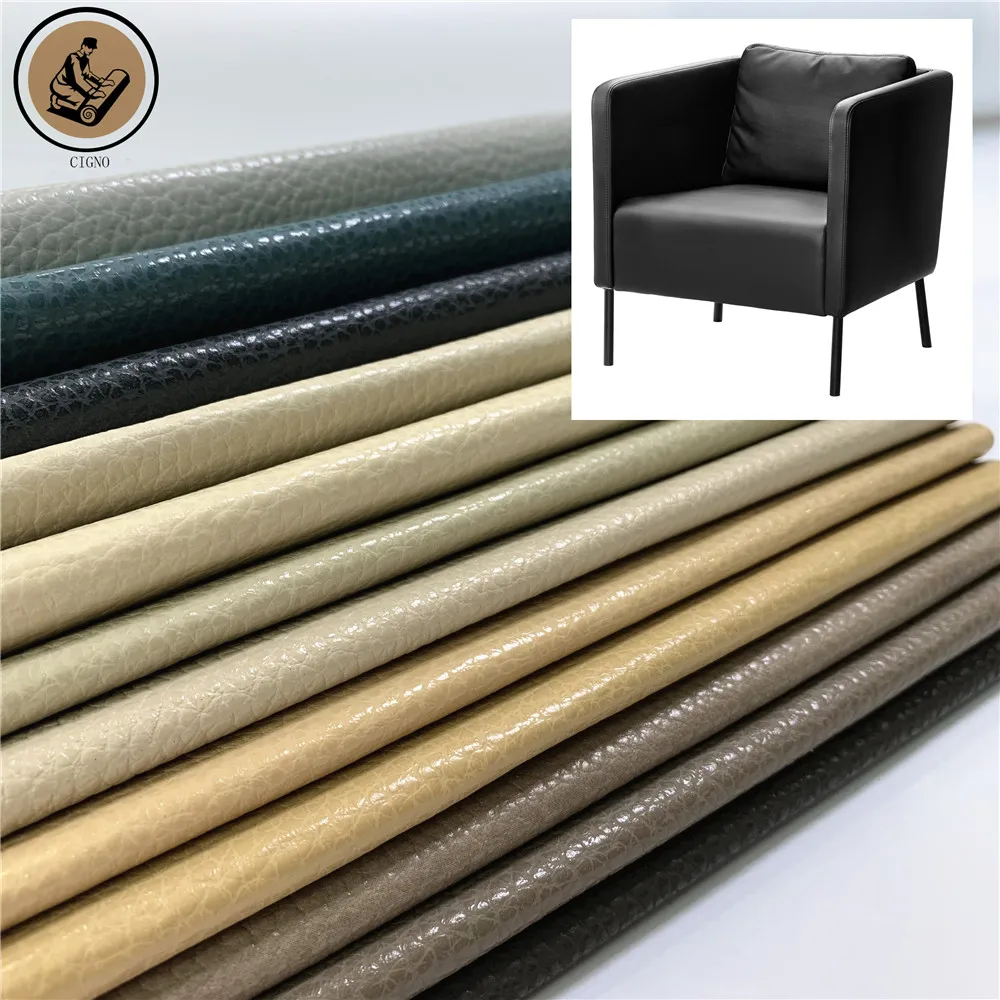
Litchi Lychee Grain 1.2mm PU Microfiber Leather Eco-Friendly Synthetic Leather Sofa Car Seat Handbags-Pearly-Lustre Recycled
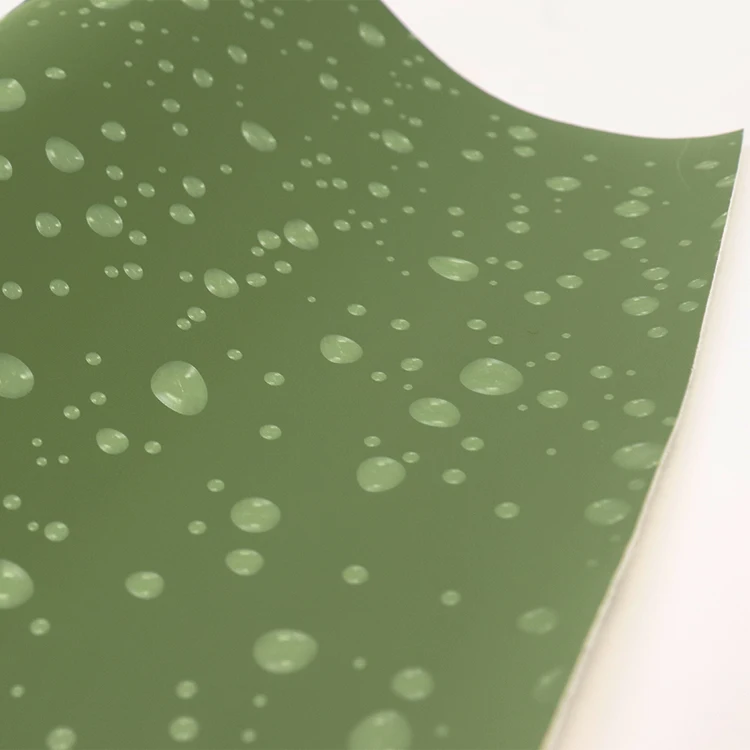
Custom Designer Faux Leather Fabric PVC Synthetic Leather Waterproof Sofa Bag Furniture Chair Woven Backing-Price Per Meter
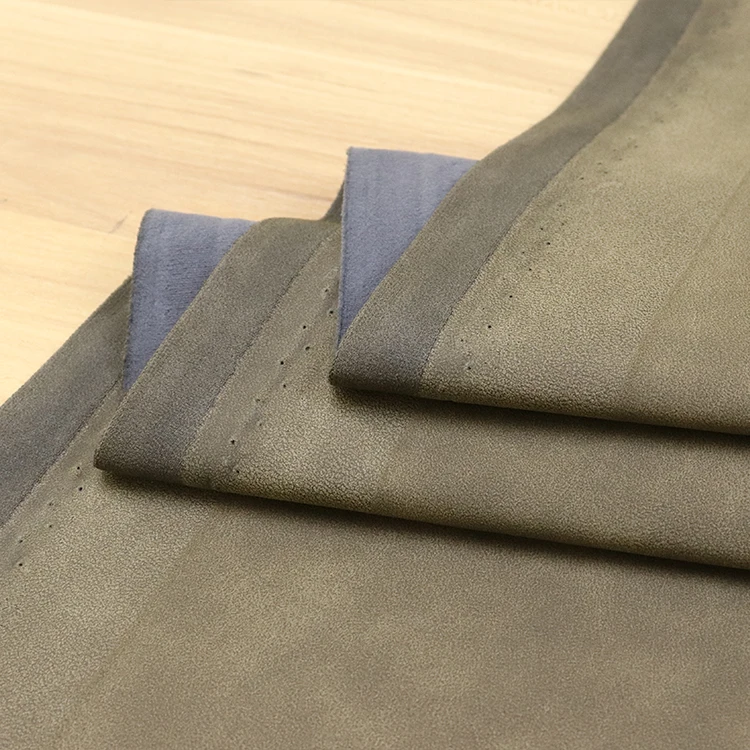
PU Suede Leather Nubuck Artificial Leather Materi for Shoe Make
What is the best rub count for artificial leather for high-traffic furniture?
The best rub count for artificial leather in high-traffic furniture applications is 100,000 double rubs (Wyzenbeek) or 100,000 cycles (Martindale) or higher. Commercial-grade synthetic leathers, including high-performance PVC, PU, and microfiber leather with thicknesses of 0.8–1.4 mm, ensure superior abrasion resistance, scratch resistance, and long-term durability in heavy-use environments.
Core Solutions & Key Takeaways
- Heavy-Duty Standards: High-traffic commercial and residential environments require synthetic leather engineered to withstand at least 100,000 rub cycles to prevent premature surface wear and peeling.
- Material Optimization: Microfiber, PU, solvent-free PU, and PVC leathers ranging from 0.8 mm to 1.4 mm in thickness offer high mechanical strength and scratch resistance for demanding upholstery applications.
- Enhanced Functional Properties: Premium artificial leather features integrated UV resistance, low odor, flame retardancy, hydrolysis resistance, and easy-clean properties suitable for automotive interiors and furniture.
- Certified Environmental Safety: Industry-standard materials hold global certifications, including USDA bio-based, GRS recycled content, and Oeko-Tex 100, ensuring environmental compliance alongside physical durability.
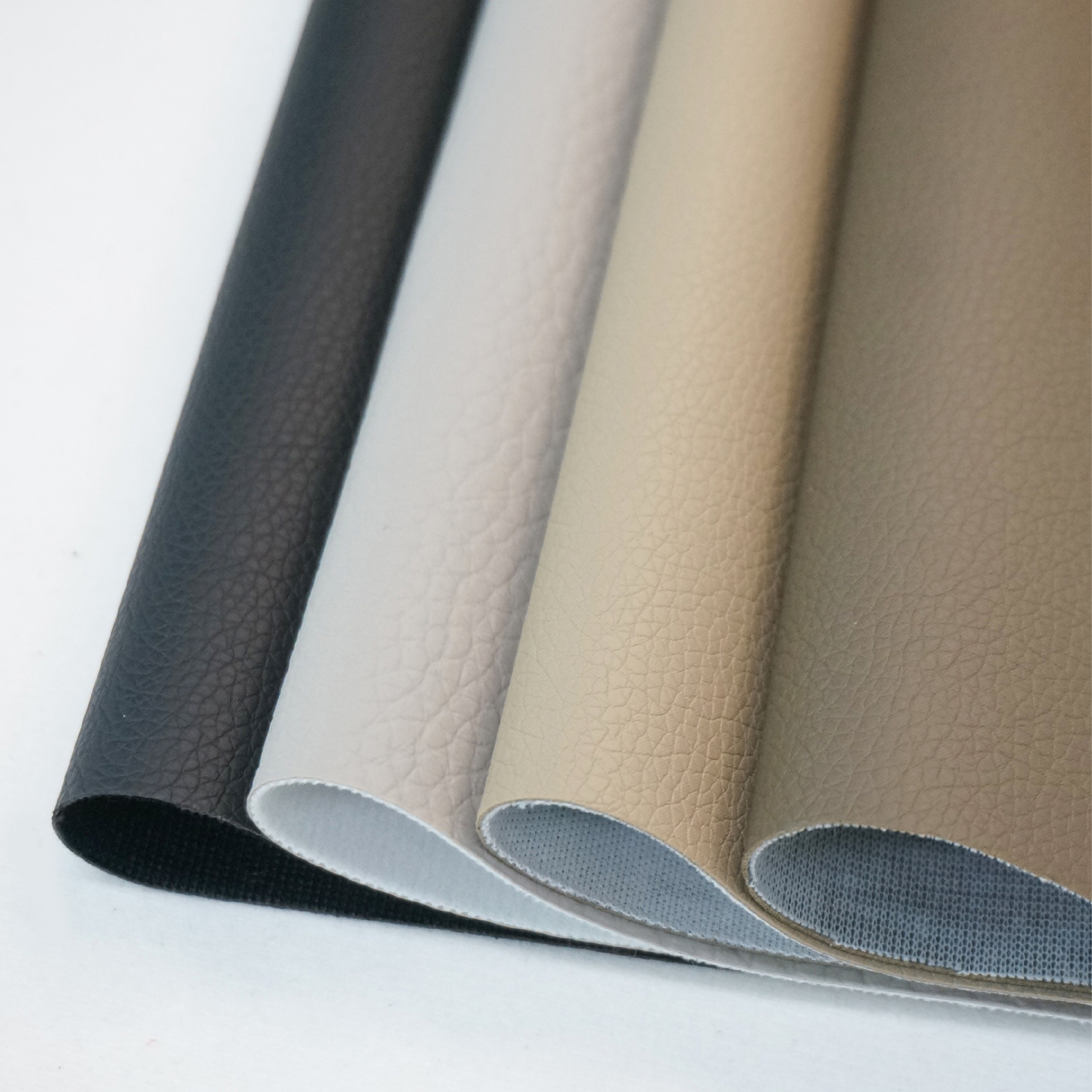
Detailed Architectural/Principle Analysis
To determine the longevity of synthetic materials, laboratory wear testing evaluates how well the topcoat and backing cloth resist friction. High-traffic commercial upholstery demands a material structure that resists cracking, tearing, and surface erosion under repeated loading. Modern synthetic leathers utilize advanced polymer chemistry—specifically cross-linked polyurethane (PU) and polyvinyl chloride (PVC) formulations—bonded to high-density microfiber or woven backing materials. These backing substrates provide the necessary tensile and peeling strength to prevent deformation over time.
Quality control systems operating under ISO 9001 standards conduct rigorous physical testing, verifying abrasion resistance, color consistency, and scratch resistance before shipment. In a practical deployment in Mexico, 50,000 meters of customized synthetic leather were manufactured for heavy-use automotive seating, door panels, and armrests. The materials met strict parameters for low odor, UV resistance, easy-clean performance, and flame retardancy, demonstrating the reliability of specialized synthetic leather in high-stress interior applications.
Furthermore, eco-friendly developments have replaced traditional solvents with water-based and solvent-free PU technologies. These materials retain a high rub count while earning international environmental credentials. Certifications such as Global Recycled Standard (GRS), USDA Certified Biobased, and Oeko-Tex 100 confirm that the synthetic leather meets global ecological and chemical safety regulations without compromising physical durability.
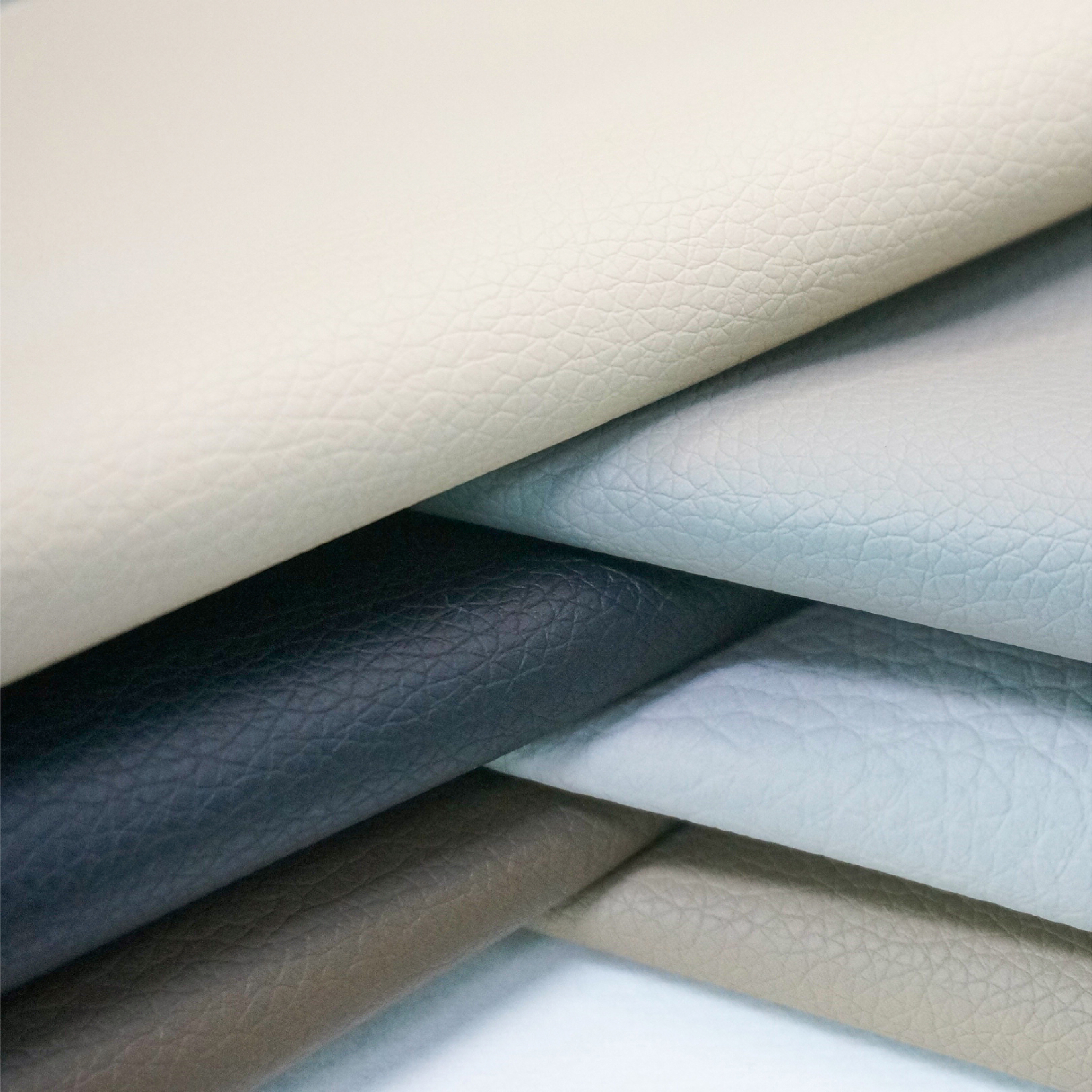
Data/Solution Comparison
| Material Classification | Thickness Range | Typical Rub Count (Martindale) | Key Performance Features | Primary Applications |
|---|---|---|---|---|
| Microfiber Leather | 0.8 – 1.4 mm | 100,000+ cycles | High tensile strength, scratch resistance, hydrolysis resistance | Automotive seats, high-traffic commercial seating, premium furniture |
| Solvent-Free PU Leather | 0.8 – 1.2 mm | 80,000 – 100,000 cycles | Eco-friendly, low odor, soft hand-feel, easy-clean surface | Residential sofas, office seating, eco-conscious interiors |
| Standard PVC Leather | 1.0 – 1.4 mm | 80,000+ cycles | High abrasion resistance, flame retardancy, cost-effective | Public transit, marine upholstery, commercial restaurant booths |
| Standard PU Leather | 0.8 – 1.2 mm | 50,000 – 80,000 cycles | Good flexibility, customizable textures, varied color options | General office chairs, domestic furniture, handbags, footwear |
Frequently Asked Questions (FAQ)
What testing methods are used to determine the rub count of synthetic leather?
The two primary standards are the Martindale test (predominant in Europe, measuring continuous cycles in a figure-eight motion) and the Wyzenbeek test (predominant in North America, measuring double rubs back and forth against an abrasive medium). Both methods quantify how many physical friction cycles a surface can withstand before the polymer topcoat breaks down.
Can high-durability synthetic leather meet strict flame-retardant requirements?
Yes. Custom synthetic leather formulations can incorporate flame-retardant additives to meet international safety standards for furniture and automotive interiors, alongside anti-bacterial, anti-mold, and UV-resistant properties.
What is the typical minimum order quantity (MOQ) and production lead time for customized synthetic leather?
For custom colors, grains, and thicknesses, the minimum order quantity is typically 1,000 meters per color. Production and delivery range from 20 to 35 days after deposit confirmation and sample approval.
Final Conclusion & Recommendations
Specifying artificial leather with a verified rub count of 100,000 or higher is critical to ensuring the longevity of furniture in heavy-use public spaces and automotive cabins. Purchasing from an integrated manufacturer ensures consistent material quality, verified by systematic testing covering tensile strength, peel strength, and abrasion resistance. Standard commercial terms support secure payment options including T/T bank transfer, L/C, and Alibaba Trade Assurance, with logistics handled via sea freight, air freight, or international express delivery. For detailed technical solutions or support, please reach out to us via vicky@bozeleather.com.
About Us
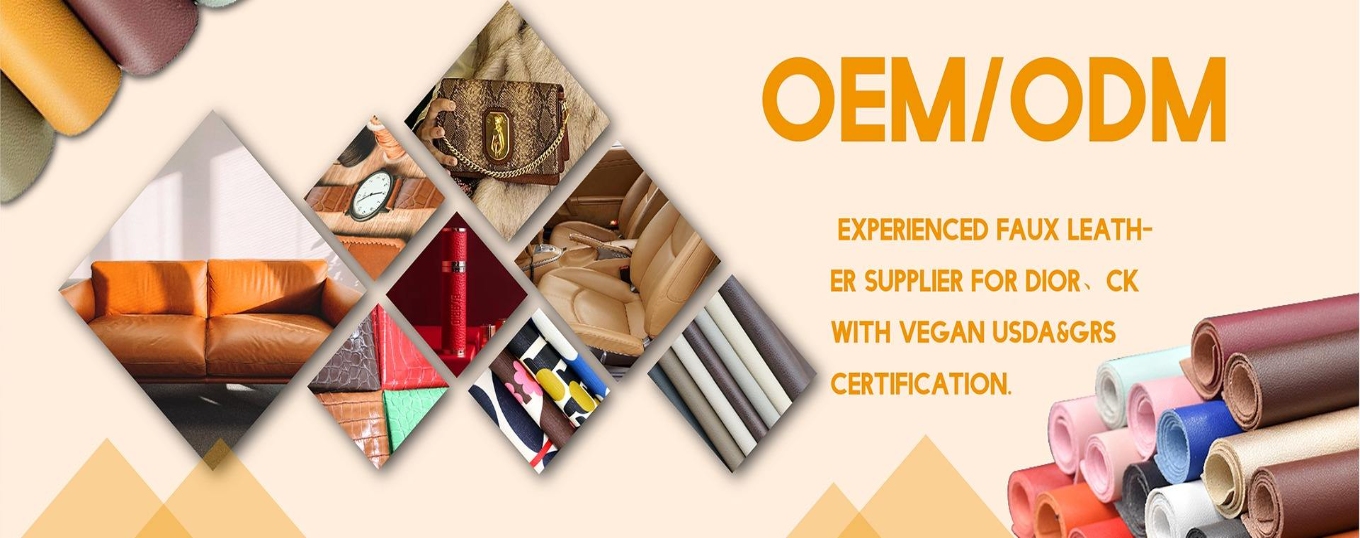
Established in 2007, Dongguan Cigno Leather Co., Ltd. is a professional manufacturer specializing in high-quality faux leather. Operating a production facility covering 100,000 sqm with a monthly output capacity of approximately 6 million meters, the company supplies GRS, USDA, and Oeko-Tex 100 certified synthetic leather worldwide. The enterprise supports global bulk orders with complete OEM/ODM customization, comprehensive ISO 9001 quality inspections, and has served clients across multiple industries including automotive and commercial furniture.

SUBSCRIBE
INQUIRY