
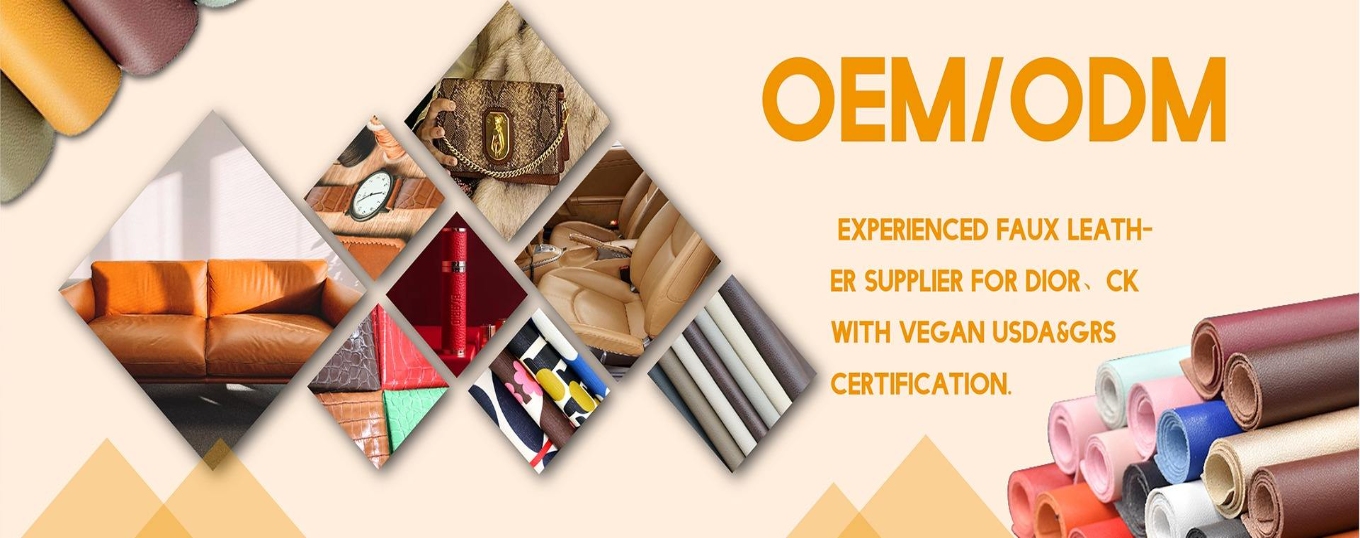
PRODUCTS
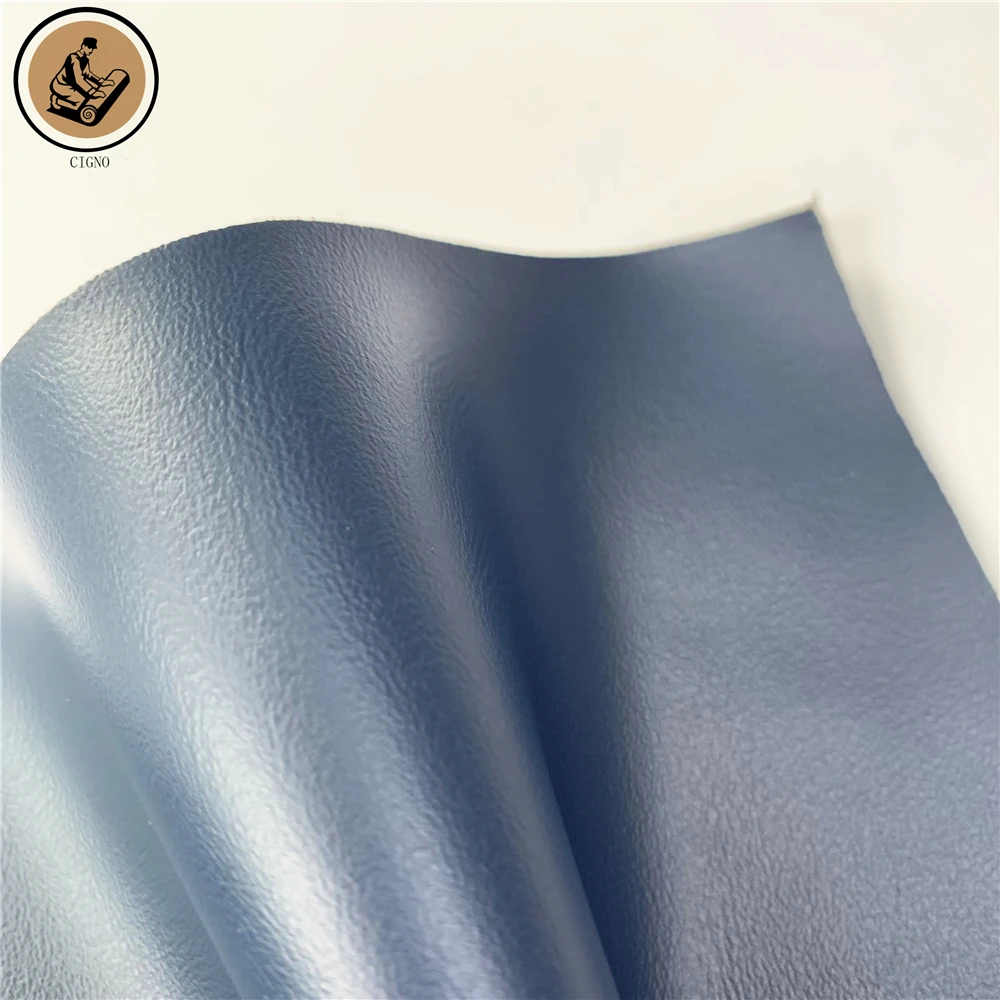
High Quality Eco-Friendly 1.2mm PU Synthetic Leather Furniture Upholstery Solvent-Free Skin-Feel for Sofa Car Seat Chair Bag Use
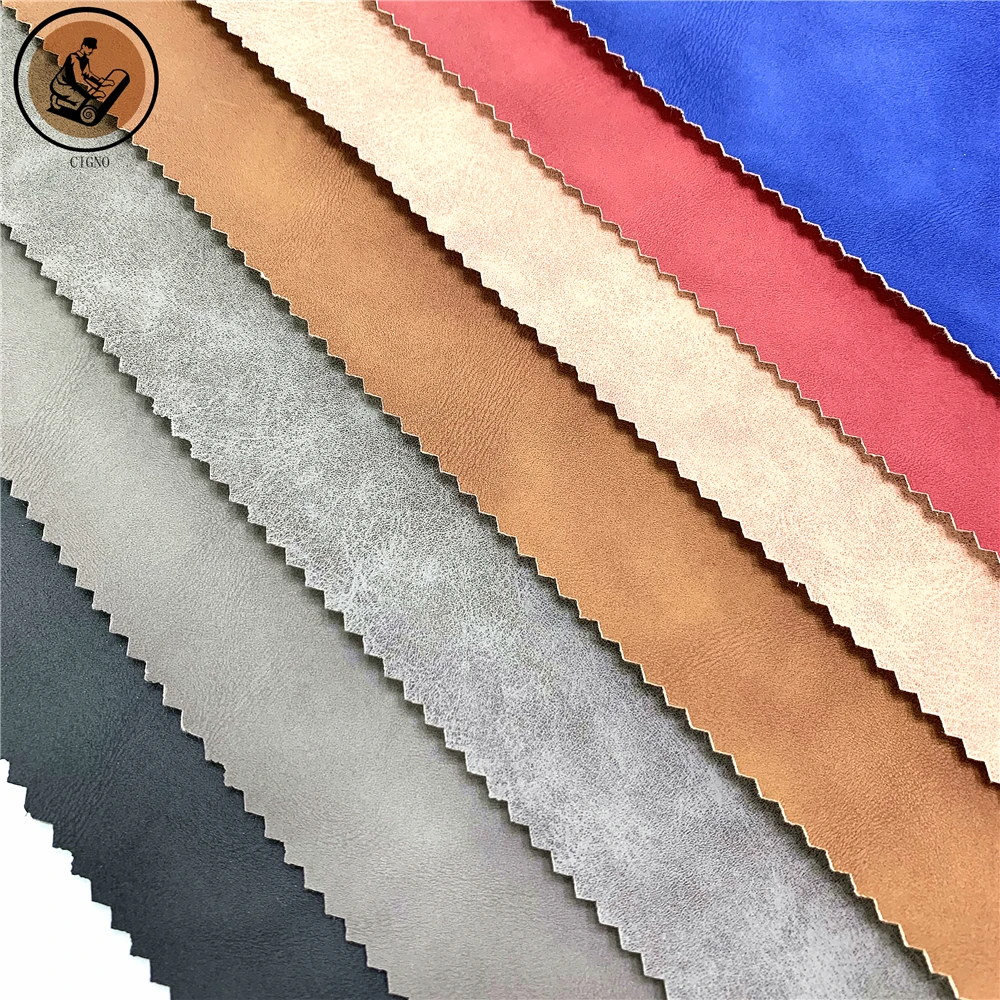
Free Samples of Embossed PU Synthetic Leather Bags Shoes Sofa Furniture Garments Car Decorative Uses-Waterproof Stretch Features
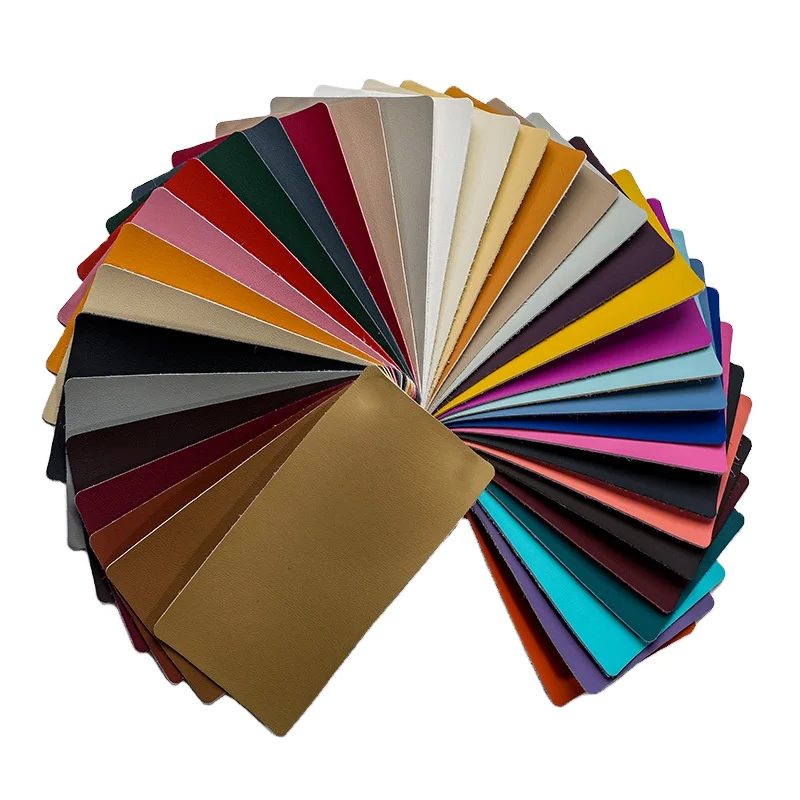
Pvc Vinyl Leather Rexine Leather Faux for Cars/Motorcycles, Waterproof Embossed Recycling Leatherette for Automotive Leather
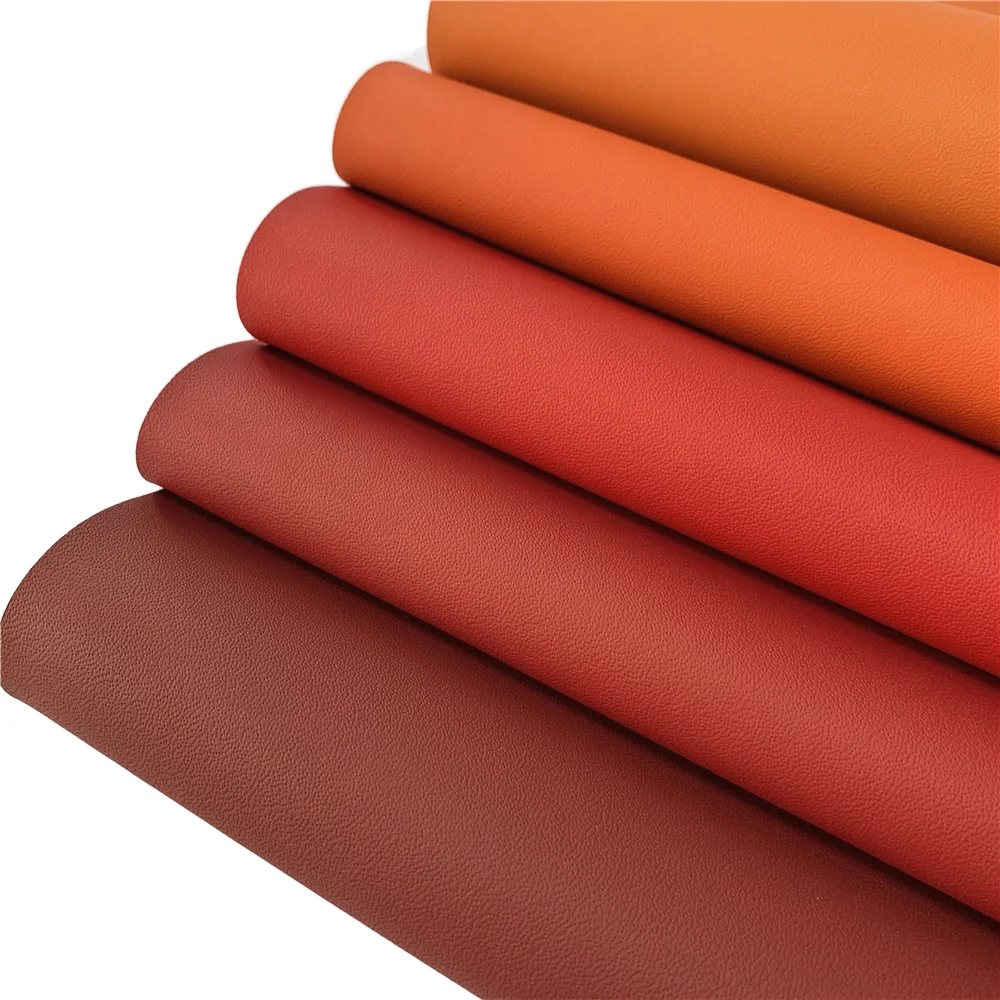
Hydrolysis Resistant Waterproof PU Microfiber Suede Leather Fabric Furniture Car Seat Covers Automotive Upholstery Bags Sofas
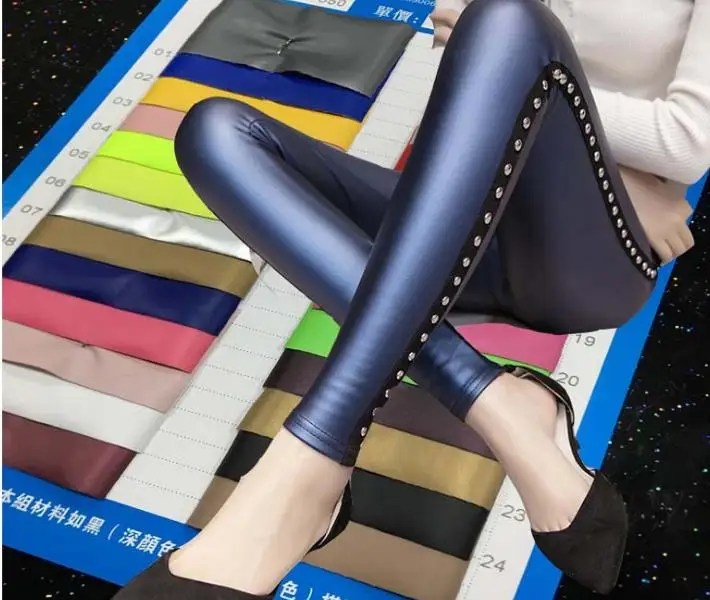
Ultra-Bright Black Mirror Four-Sided Stretch PU Fabric Pants Dresses Solid Color Soft Waterproof Clothing Elastic Finished
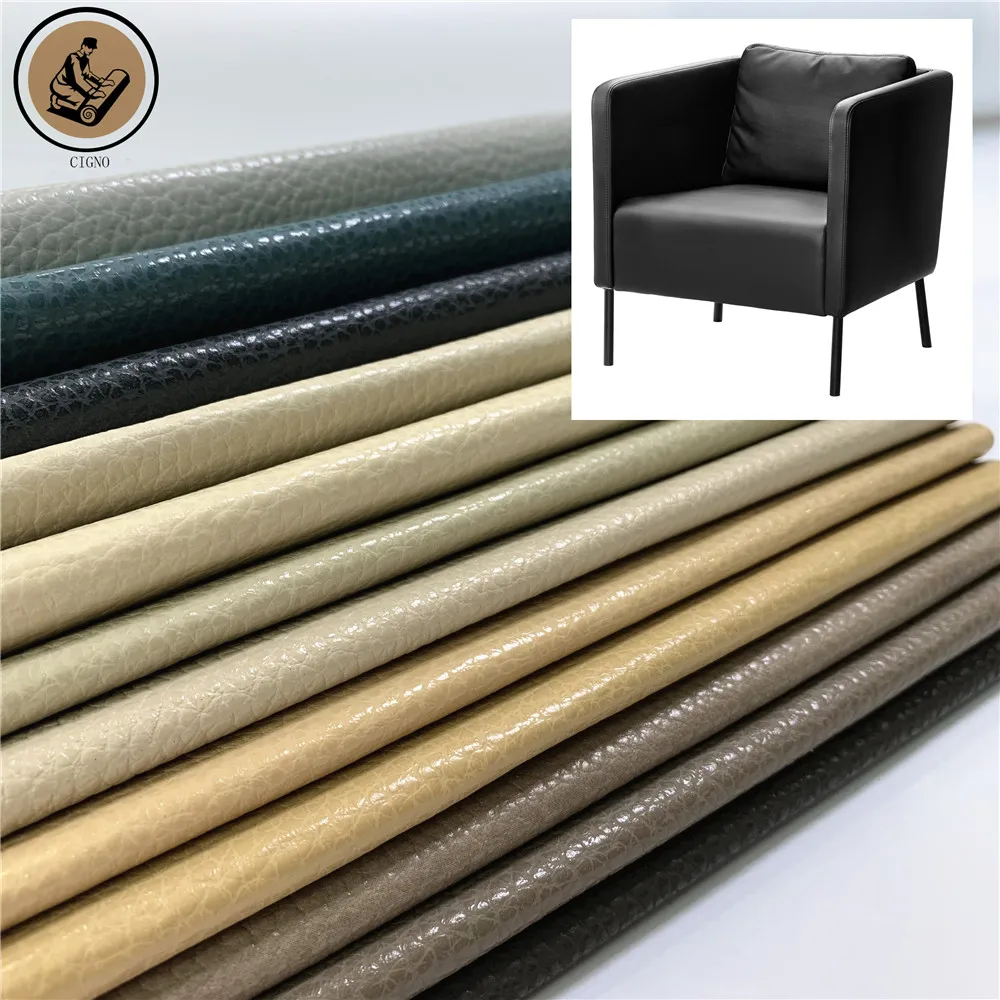
Litchi Lychee Grain 1.2mm PU Microfiber Leather Eco-Friendly Synthetic Leather Sofa Car Seat Handbags-Pearly-Lustre Recycled
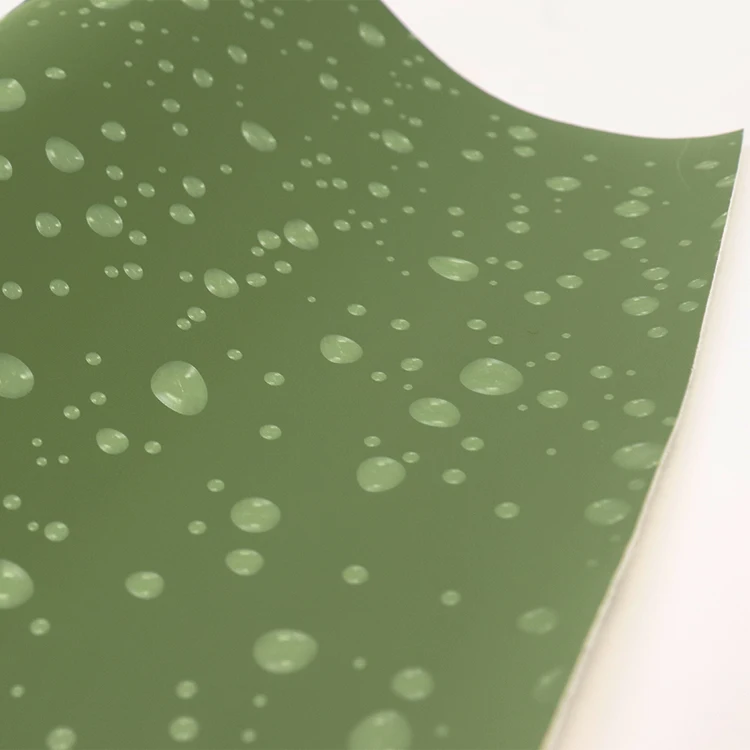
Custom Designer Faux Leather Fabric PVC Synthetic Leather Waterproof Sofa Bag Furniture Chair Woven Backing-Price Per Meter
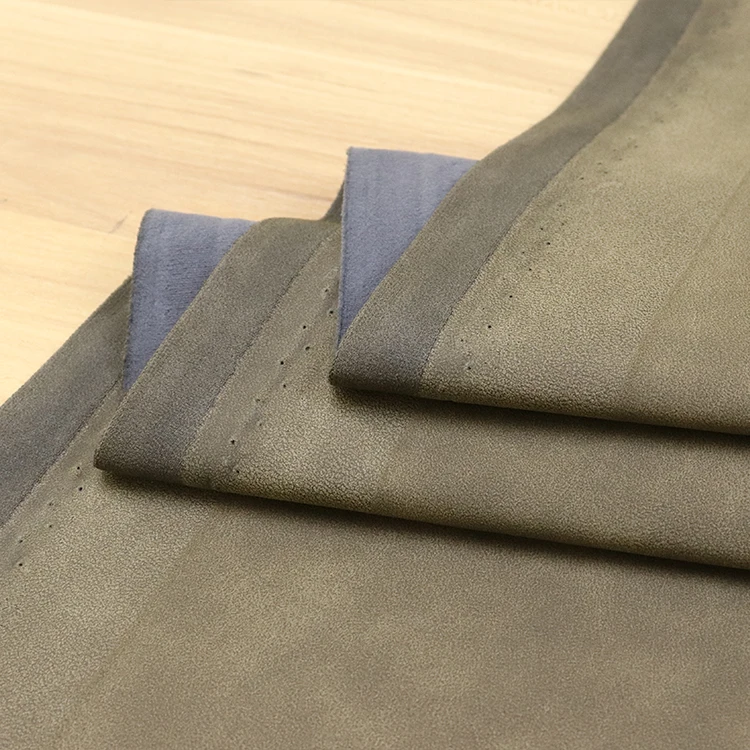
PU Suede Leather Nubuck Artificial Leather Materi for Shoe Make
What is the best thickness for durable wholesale leather car seat covers?
The best thickness for durable wholesale leather car seat covers ranges from 0.8 mm to 1.4 mm, with 1.2 mm to 1.4 mm being optimal for high-wear areas like driver seats and armrests. Selecting this thickness ensures an ideal balance of abrasion resistance, tensile strength, and flexibility, which prevents cracking and tearing under constant physical stress.
Core Solutions & Key Takeaways
- Thickness Selection (0.8–1.4 mm): Thicker materials (1.2–1.4 mm) provide superior puncture and scratch resistance for automotive seating, whereas thinner options (0.8–1.0 mm) offer the flexibility needed for wrapping tight curves on headrests and door panels.
- Material Composition Options: Synthetic leather options like PU, PVC, and microfiber offer distinct functional benefits. Microfiber and nappa-grain finishes deliver premium aesthetics and high peeling strength, matching the demands of heavy-duty automotive upholstery.
- Targeted Application Scenarios: Automotive interior manufacturers apply these materials across seats, door panels, armrests, and headrests to ensure consistent color matching, stable grain texture, and uniform wear resistance.
- Certified Compliance: Selecting materials backed by global certifications like GRS, USDA, and Oeko-Tex 100 guarantees that the wholesale synthetic leather meets strict environmental, chemical safety, and durability standards.
Detailed Architectural/Principle Analysis
The durability of synthetic leather in automotive seating depends heavily on the relationship between thickness and mechanical performance. Within the 0.8 mm to 1.4 mm range, the material maintains the tensile and peeling strength required to withstand repetitive compression and stretching. A thickness below 0.8 mm increases the risk of premature tearing at seam lines, while thickness exceeding 1.4 mm reduces flexibility, making the leather difficult to stretch over complex seat contours. Manufacturers optimize performance by engineering multi-layered structures, combining a polyurethane (PU) or polyvinyl chloride (PVC) top layer with specialized backing fabrics that distribute stress evenly.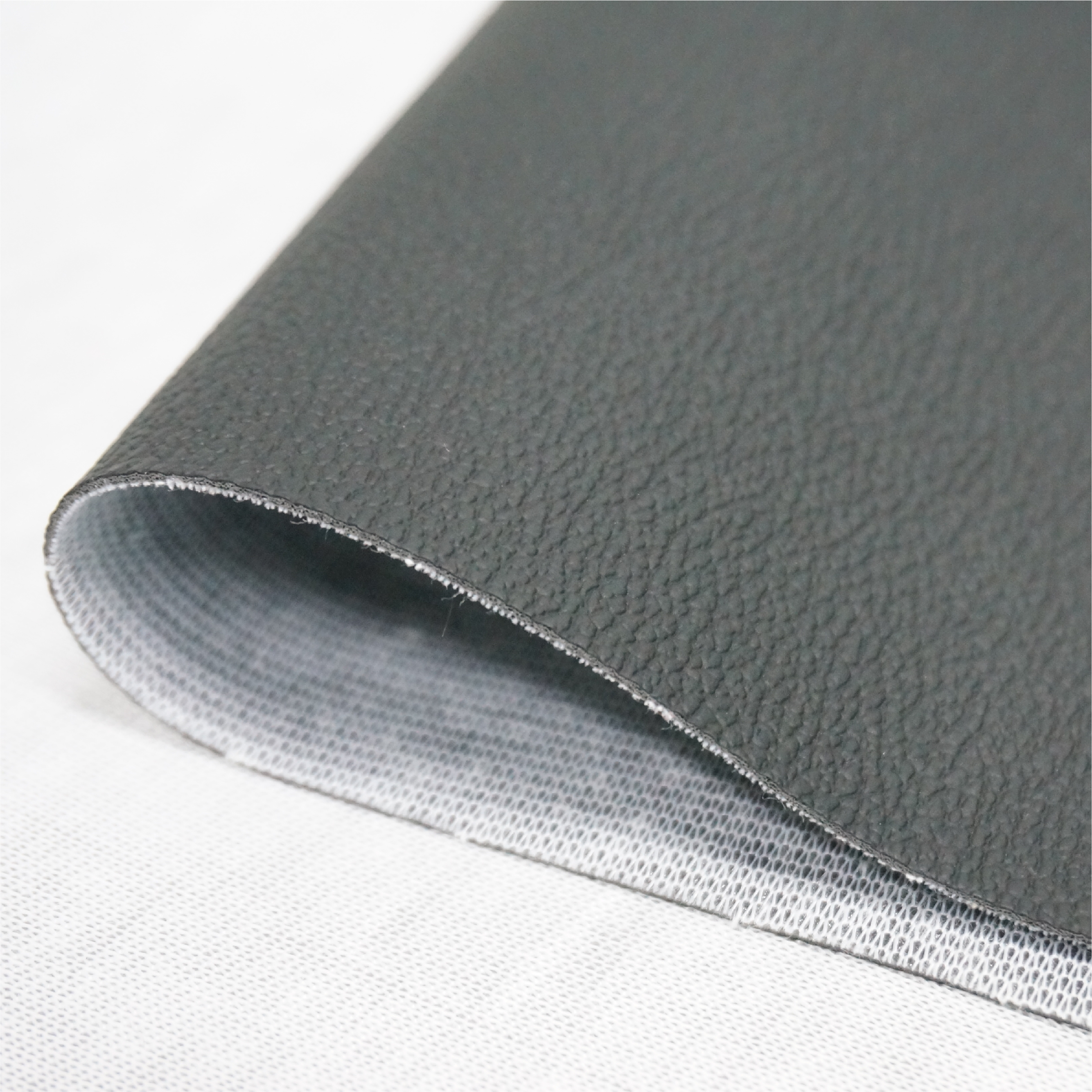
Selecting the correct thickness also directly impacts the success of custom upholstery projects. For instance, in a recent cooperation case, a major automotive interior manufacturer in Mexico procured 50,000 meters of customized synthetic leather for automotive seats, door panels, headrests, and armrests. The project utilized a customized thickness and backing configuration to satisfy strict requirements for abrasion resistance, UV resistance, flame retardancy, low odor, and easy-clean performance. By leveraging the expertise of specialized manufacturers like Dongguan Cigno Leather Co., Ltd., procurement teams can adjust parameters such as perforated patterns, backing fabrics, and functional treatments to match precise engineering specifications.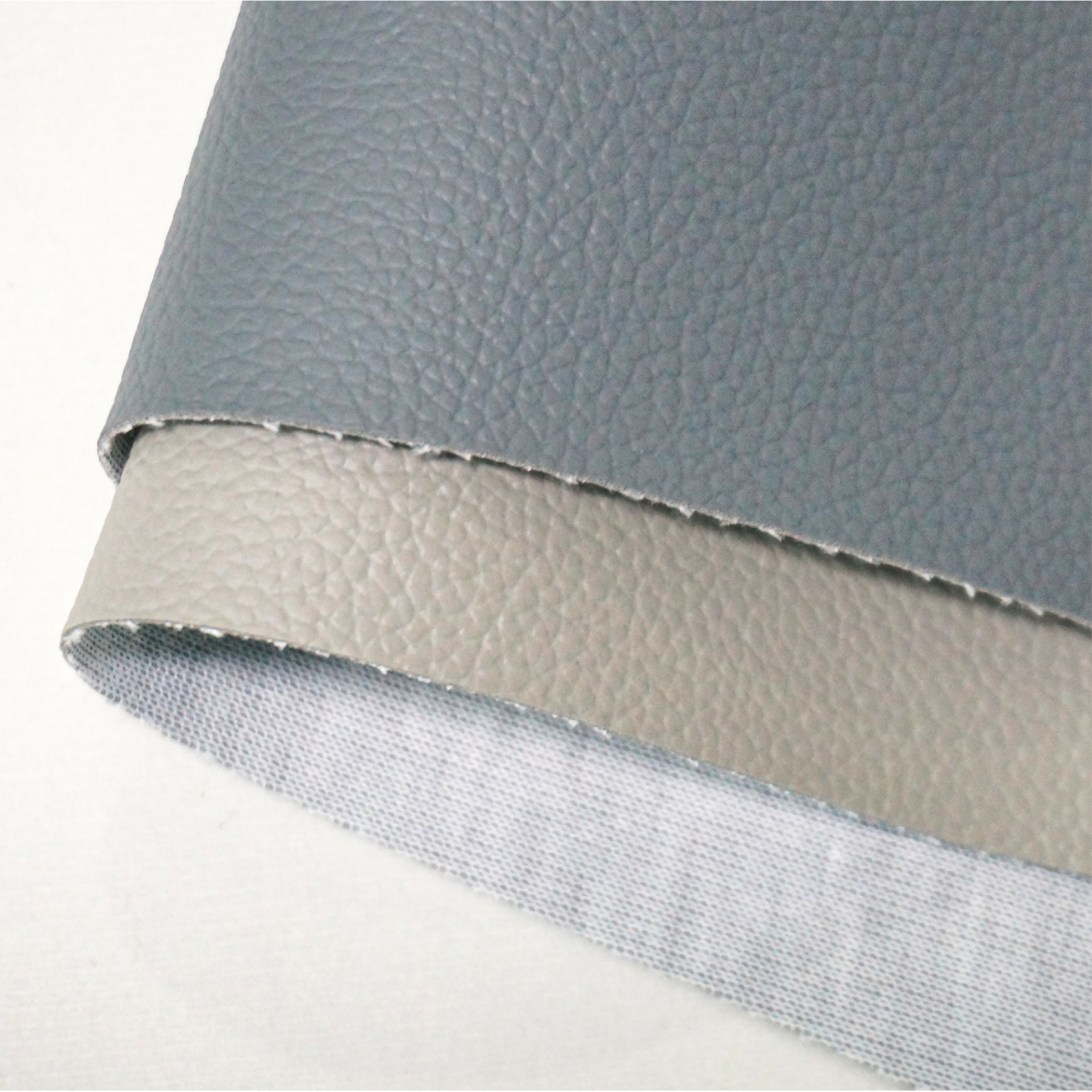
Data/Solution Comparison
| Thickness Range | Recommended Automotive Application | Key Advantages | Available Finishes |
|---|---|---|---|
| 0.8 mm – 1.0 mm | Headrests, door panels, armrests, minor trim | High flexibility, easy wrapping around complex curves, lightweight | PVC, PU, Nappa-grain |
| 1.1 mm – 1.2 mm | Standard passenger seats, cushion side panels | Balanced tensile strength, stable color consistency, moderate scratch resistance | PU, Microfiber, Perforated |
| 1.3 mm – 1.4 mm | Commercial vehicle seats, high-wear seat cushions | Maximum abrasion resistance, superior peeling strength, long-term durability | Microfiber, Heavy-duty PVC, PU |
Frequently Asked Questions (FAQ)
What is the minimum order quantity (MOQ) for wholesale car seat cover leather?
For custom production runs, the minimum order quantity is typically 1,000 meters per color. This allows manufacturers to maintain color consistency and uniform thickness across the entire batch, ensuring high-quality standards for automotive upholstery applications.
How do thickness and backing fabric affect the flame retardancy of car seat covers?
Thickness alone does not determine flame retardancy. Synthetic leather requires specialized chemical treatments in the polyurethane or PVC surface layer, combined with flame-retardant backing fabrics, to meet automotive safety standards. These tests are verified through laboratory analysis.
Can the grain and perforation of 1.2 mm synthetic leather be customized?
Yes. Automotive-grade synthetic leather with a thickness of 1.2 mm can be fully customized with different grain types, such as nappa-grain, as well as specific perforated patterns to improve breathability. Backing fabrics and functional treatments like UV resistance can also be adjusted.
Final Conclusion & Recommendations
When sourcing wholesale leather car seat covers, selecting a thickness between 0.8 mm and 1.4 mm based on the specific interior component is vital for long-term performance. Working with an established manufacturer that supports OEM/ODM services ensures access to rigorous quality control systems under ISO 9001, covering everything from raw material inspection to pre-shipment testing. Buyers should seek suppliers offering flexible payment models—including T/T bank transfer, irrevocable L/C at sight, and Alibaba Trade Assurance—as well as comprehensive logistics support via sea, air, or express delivery to streamline international procurement. For detailed technical solutions or support, please reach out to us via vicky@bozeleather.com.
About Us
Established in 2007, Dongguan Cigno Leather Co., Ltd. is a professional manufacturer specializing in high-quality synthetic leather based in Dongguan, China. The company operates a factory with a monthly production capacity of approximately 6 million meters, supported by 6 advanced synthetic leather production lines. We focus on developing eco-friendly and multifunctional materials, including PU, PVC, and microfiber leather, holding globally recognized certifications such as GRS, USDA, and Oeko-Tex 100. Having served major international automotive interior manufacturers and brands, we provide reliable OEM/ODM solutions tailored to diverse application requirements.
SUBSCRIBE
INQUIRY