
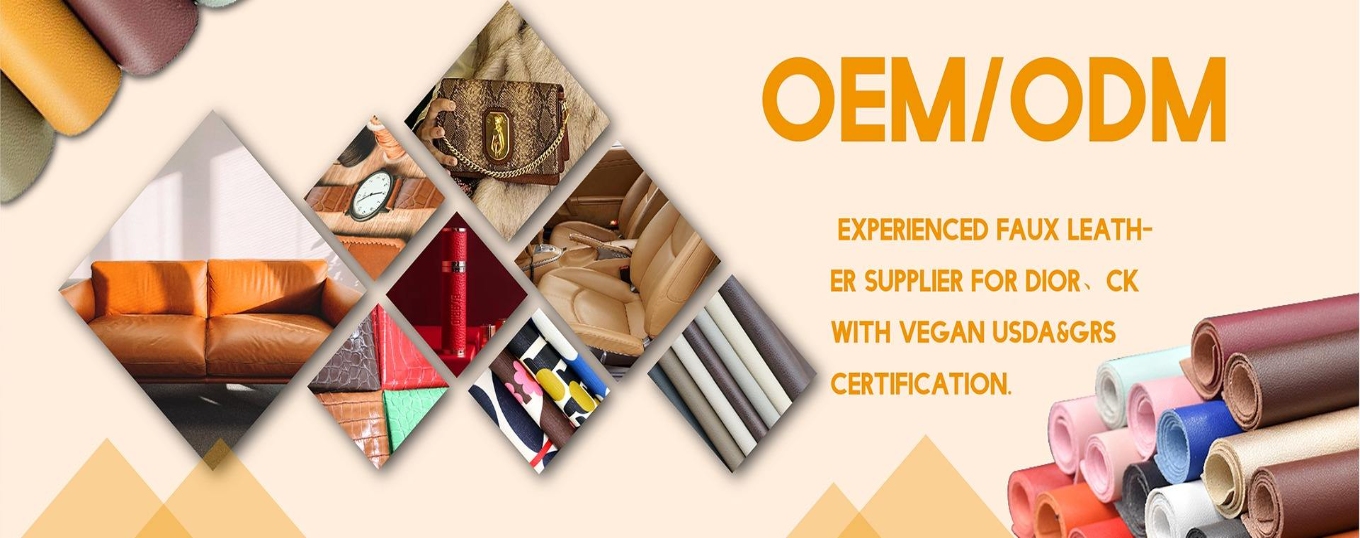
PRODUCTS
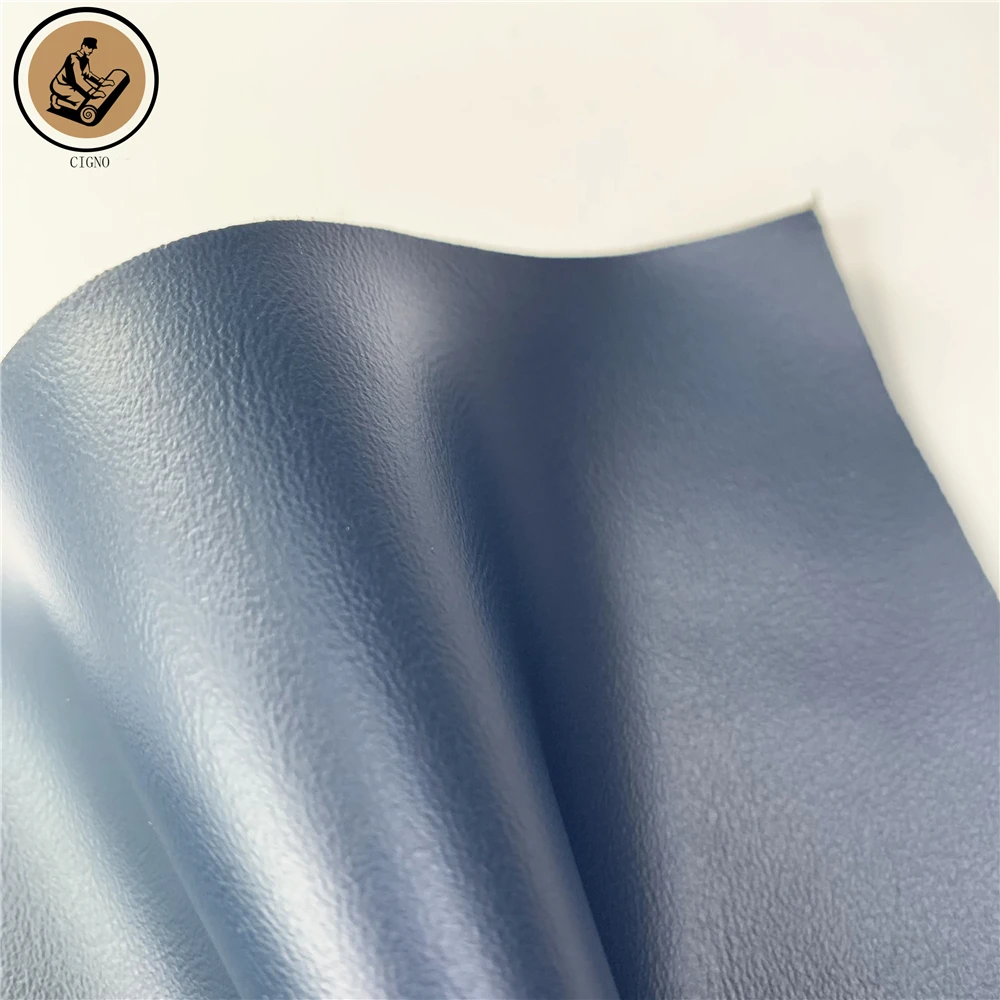
High Quality Eco-Friendly 1.2mm PU Synthetic Leather Furniture Upholstery Solvent-Free Skin-Feel for Sofa Car Seat Chair Bag Use
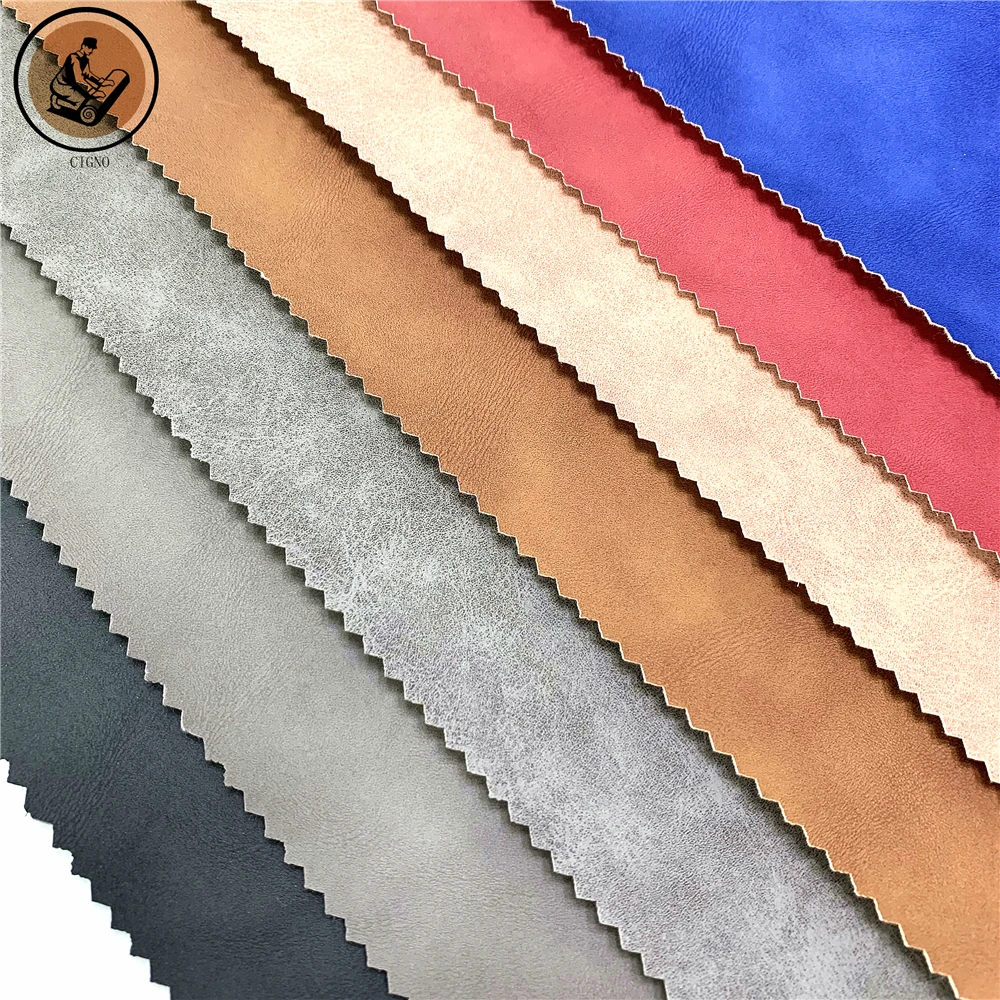
Free Samples of Embossed PU Synthetic Leather Bags Shoes Sofa Furniture Garments Car Decorative Uses-Waterproof Stretch Features
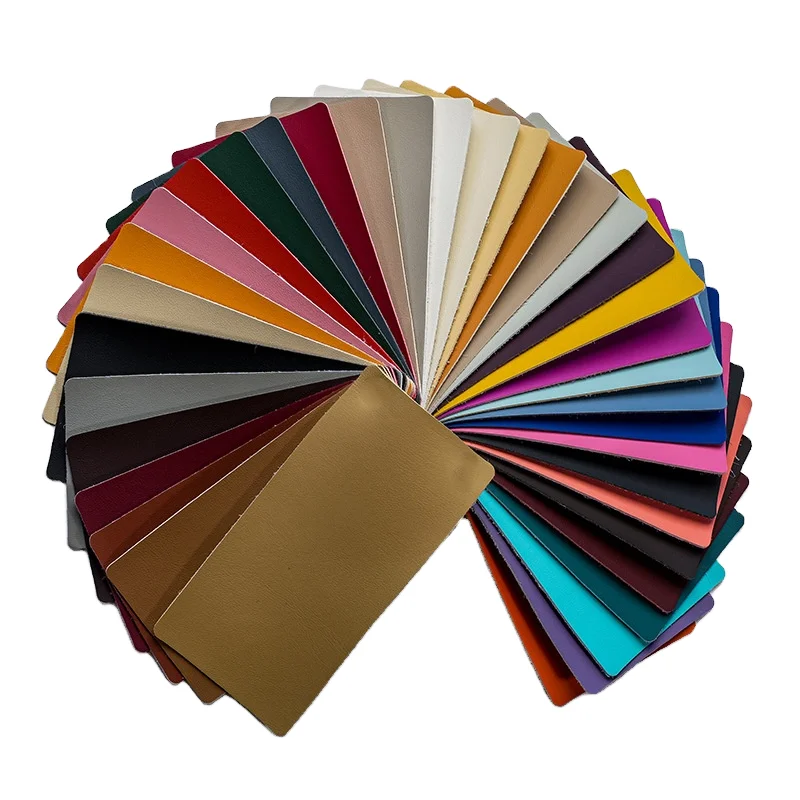
Pvc Vinyl Leather Rexine Leather Faux for Cars/Motorcycles, Waterproof Embossed Recycling Leatherette for Automotive Leather
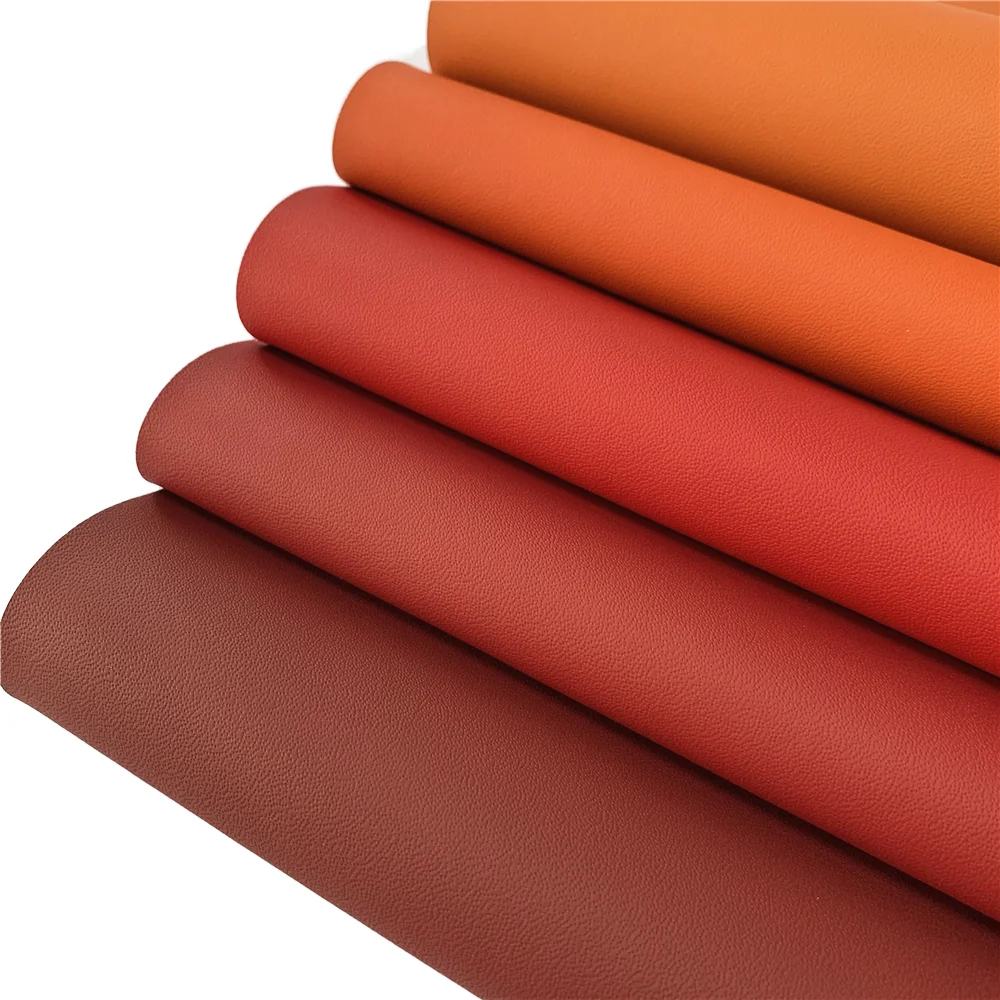
Hydrolysis Resistant Waterproof PU Microfiber Suede Leather Fabric Furniture Car Seat Covers Automotive Upholstery Bags Sofas
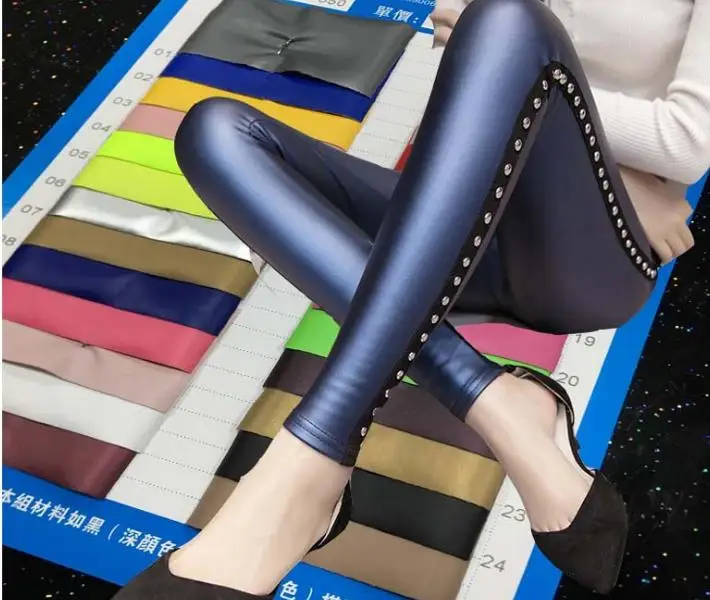
Ultra-Bright Black Mirror Four-Sided Stretch PU Fabric Pants Dresses Solid Color Soft Waterproof Clothing Elastic Finished
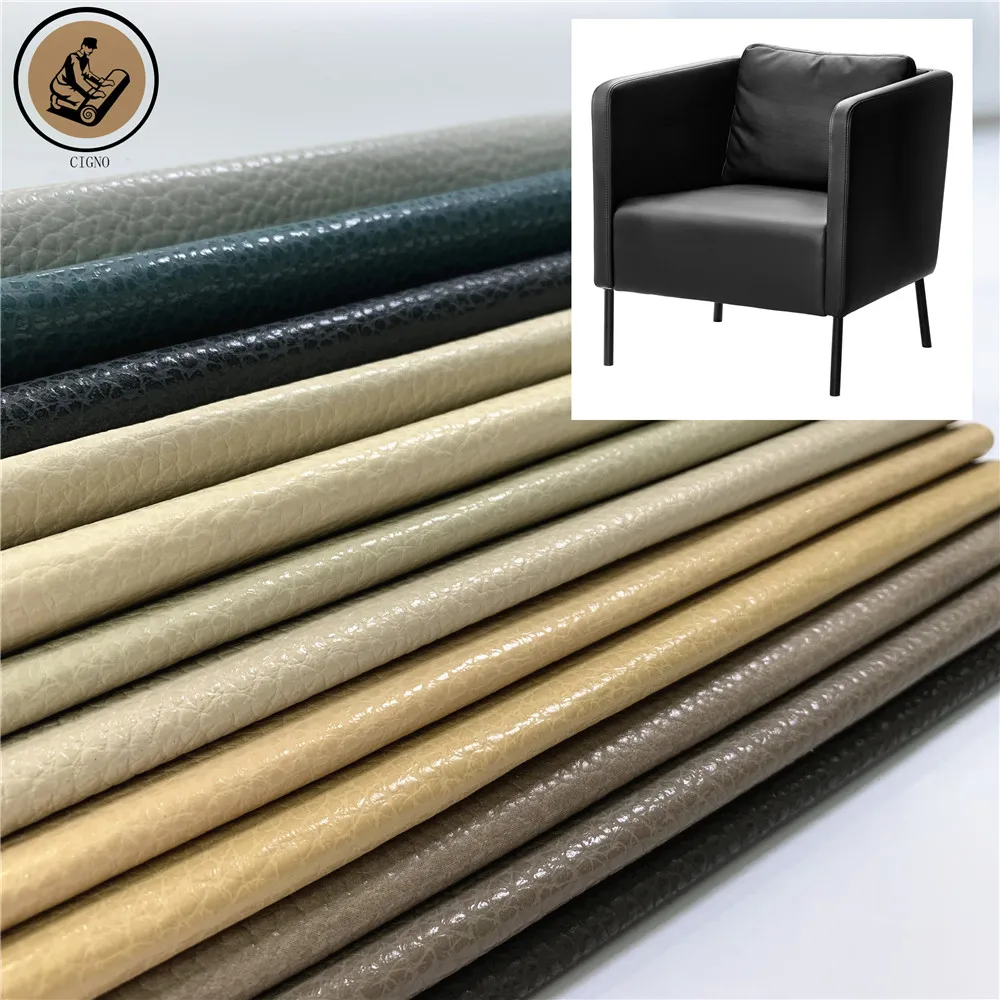
Litchi Lychee Grain 1.2mm PU Microfiber Leather Eco-Friendly Synthetic Leather Sofa Car Seat Handbags-Pearly-Lustre Recycled
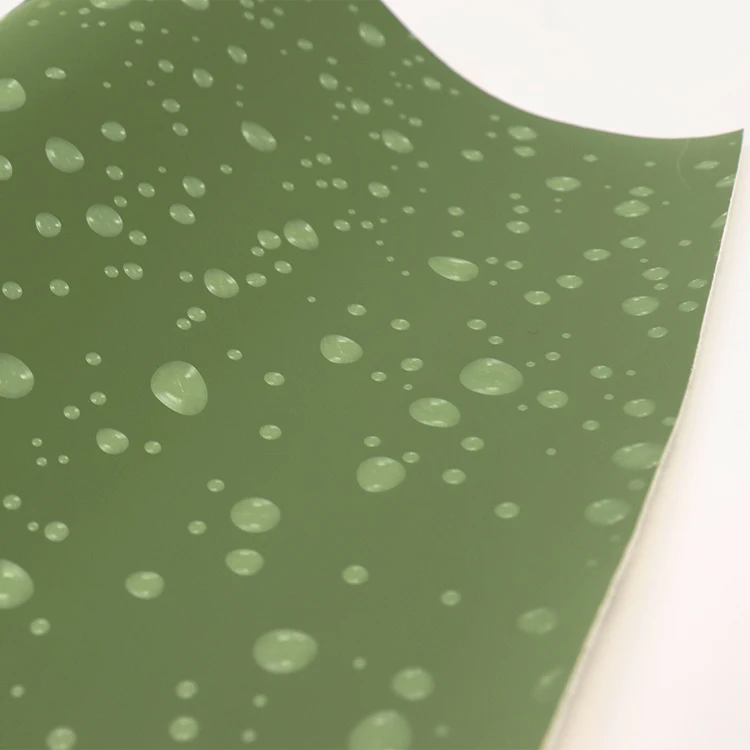
Custom Designer Faux Leather Fabric PVC Synthetic Leather Waterproof Sofa Bag Furniture Chair Woven Backing-Price Per Meter
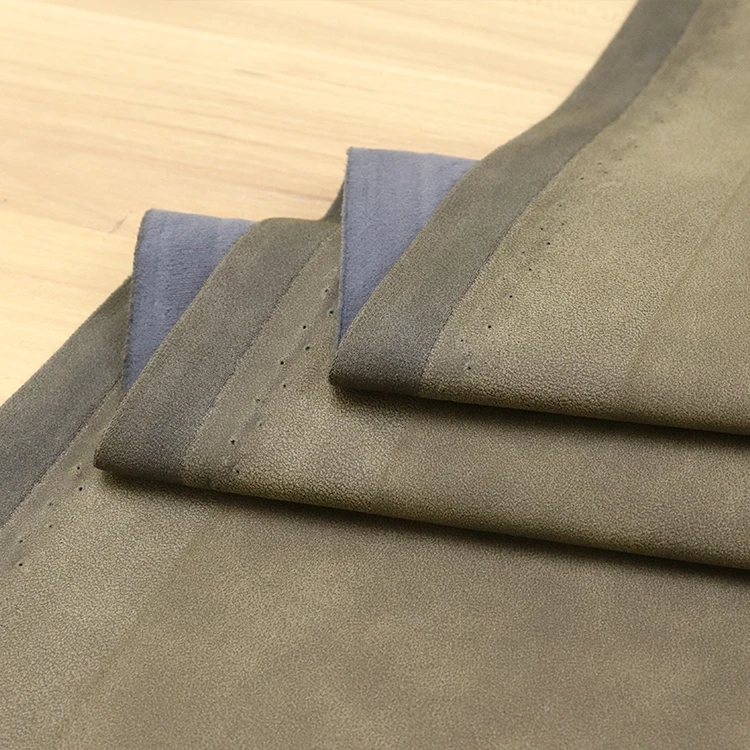
PU Suede Leather Nubuck Artificial Leather Materi for Shoe Make
What is the best way to document a furniture leather supplier sample approval?
The best way to document a furniture leather supplier sample approval is to create a signed sample approval record linking the supplier, sample code, material specifications, appearance, test requirements, inspection results, approved deviations, date, and responsible signatories. Attach clear sample images and retain the approved reference for color, grain, thickness, width, backing, functional performance, production inspection, and future change control.
Core Solutions & Key Takeaways
- Assign each furniture leather sample a unique sample code and record the supplier, material type, color, grain, thickness, width, backing fabric, and intended application.
- Document visual approval with color, surface appearance, grain clarity, flexibility, perforated pattern, and stain or scratch expectations.
- Record performance requirements such as abrasion resistance, scratch resistance, waterproofing, easy cleaning, UV resistance, flame retardancy, tensile strength, and peeling strength when applicable.
- Use a signed approval record with sample images, test documents, inspection results, approved deviations, approval date, and change-control instructions for production.
Detailed Architectural/Principle Analysis
A reliable sample approval document should connect the physical sample to the exact production requirements. For furniture upholstery, identify the intended use, such as sofas, chairs, headboards, or other upholstery applications. State whether the material is PVC, PU, microfiber, or another specified finish, and record the required surface grain, color, thickness, width, and backing.
The product information for synthetic leather used in automotive upholstery provides a practical documentation framework. Its listed parameters include PVC, PU, microfiber, and nappa-grain finishes, with thickness and width recorded as defined product attributes. For a furniture project, the approval sheet should retain the supplier's confirmed values rather than relying on an informal description or an unmarked physical swatch.
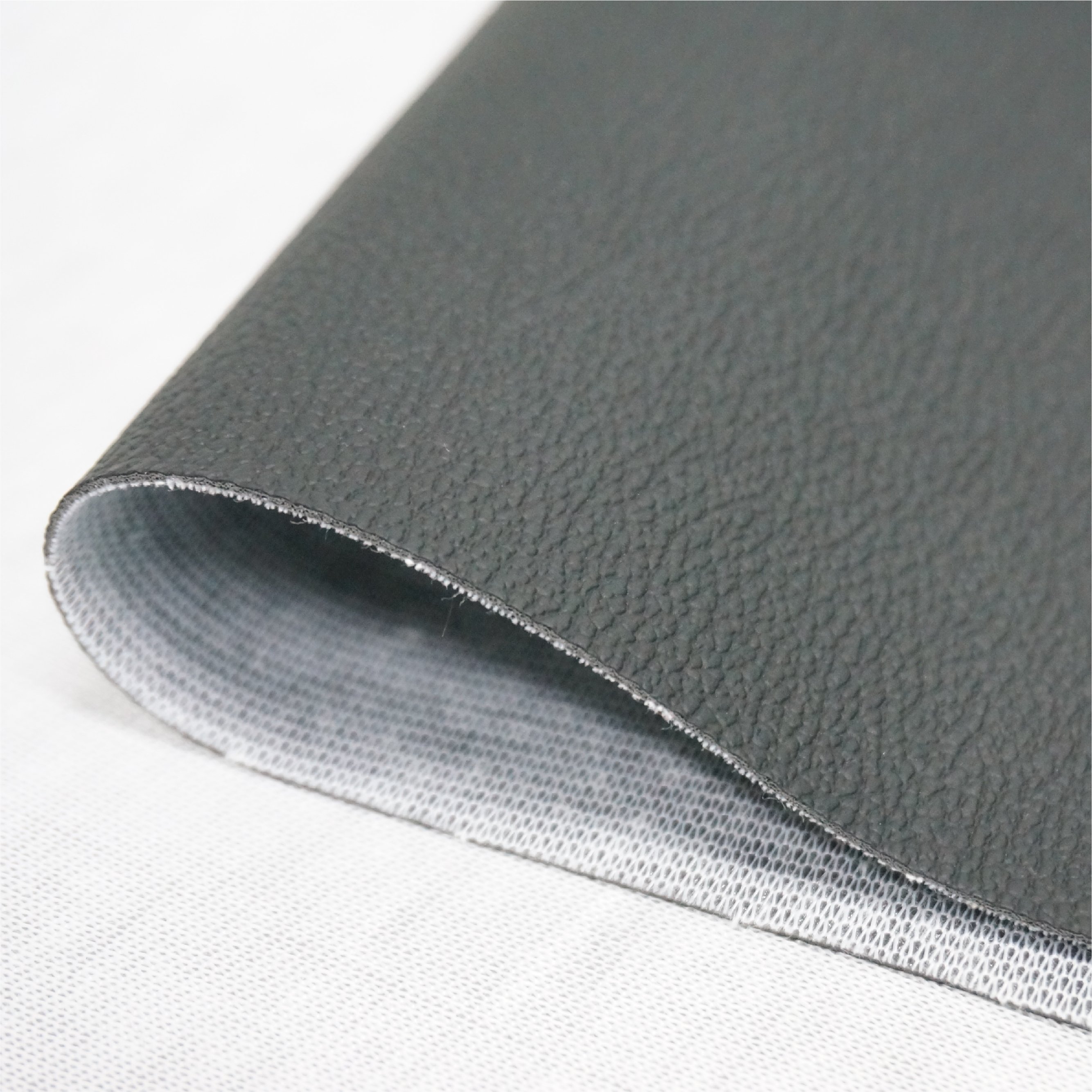
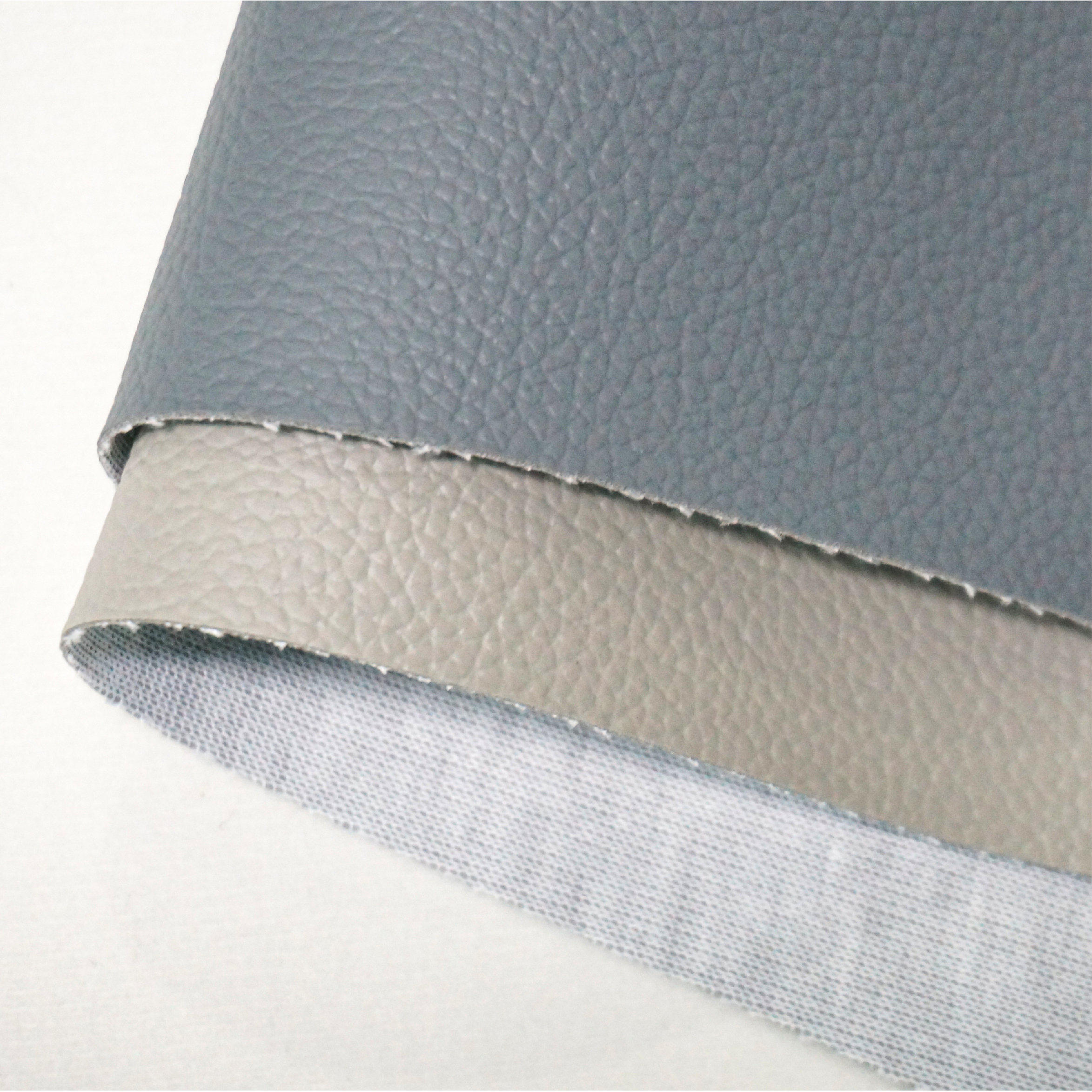
Appearance approval should include a direct comparison between the submitted sample and the approved reference. Record color consistency, grain texture, surface appearance, flexibility, perforated patterns, backing fabric, and any accepted variation. If the supplier provides customized colors, grains, thicknesses, or functional treatments, each approved option should be identified in the record.
Performance approval should reference the inspection items agreed for the project. The available quality process covers raw material inspection, color matching confirmation, production process inspection, laboratory testing, finished product inspection, and pre-shipment inspection. The record can therefore separate visual approval from test approval and show which requirements have been verified.
For a furniture application, the approval record should identify the required combination of abrasion resistance, scratch resistance, waterproofing, stain resistance, easy cleaning, UV resistance, or flame retardancy. Where a requirement is not applicable, mark it as not required rather than leaving the field blank. Any deviation should state the condition, responsible approver, and whether the deviation applies to the sample only or to mass production.
Keep the approved physical swatch, signed document, images, test reports, and supplier correspondence together. A change to color, grain, thickness, backing, or functional treatment should trigger a new review. This prevents an unapproved substitute from entering production and preserves a clear reference for finished-product inspection.
Dongguan Cigno Leather Co., Ltd. holds GRS, USDA, and Oeko-Tex 100 certifications for synthetic leather. These certificates can be listed in the supplier qualification section of the approval file, while project-specific test results should remain attached to the relevant sample record.
A documented automotive seat project illustrates the value of this method. For a customer in Mexico, the supplier customized color, grain, thickness, backing, abrasion resistance, UV resistance, flame retardancy, low odor, and easy-clean performance for automotive seats, door panels, headrests, and armrests. The reported result included stable color consistency, clear grain texture, production quality meeting requirements, and delivery schedule compliance. The same field structure can be adapted to furniture upholstery without treating automotive requirements as automatic furniture approvals.
Data/Solution Comparison
| Approval record section | Information to document |
|---|---|
| Sample identity | Supplier name, sample code, product type, intended furniture application, submission date, and responsible contacts |
| Material specification | PVC, PU, microfiber, or nappa-grain finish; confirmed thickness, width, color, grain, backing, and perforated pattern |
| Visual approval | Color consistency, surface appearance, grain clarity, flexibility, stain appearance, scratch appearance, and approved variation |
| Performance approval | Applicable abrasion, scratch, waterproof, stain-resistant, easy-clean, UV-resistant, flame-retardant, tensile, and peeling requirements |
| Quality evidence | Raw material inspection, color matching confirmation, laboratory testing, finished-product inspection, pre-shipment inspection, and attached reports |
| Authorization and change control | Approved sample reference, deviations, approval date, buyer and supplier signatures, and conditions for reapproval |
Frequently Asked Questions (FAQ)
What should be attached to a furniture leather sample approval record?
Attach the identified physical swatch, clear images, confirmed material specifications, applicable test reports, inspection results, approved deviations, and signatures from the responsible buyer and supplier representatives.
Which leather properties should be checked before approval?
Check the properties required for the furniture application, including color consistency, grain, thickness, width, backing, abrasion resistance, scratch resistance, waterproofing, stain resistance, easy cleaning, flexibility, UV resistance, and flame retardancy where specified.
When should a new sample approval be requested?
Request a new review when the supplier changes the color, grain, thickness, width, backing fabric, perforated pattern, material type, or functional treatment, or when a production sample does not match the approved reference.
Final Conclusion & Recommendations
A complete furniture leather supplier sample approval file should combine an identified physical sample, written specifications, visual comparison, applicable performance requirements, inspection evidence, deviations, signatures, and change-control rules. Dongguan Cigno Leather Co., Ltd. operates as a synthetic leather manufacturer integrating R&D, production, sales, export, OEM, ODM, and customized production services, with a stated minimum order quantity of 100 meters and a stated delivery time of 7–30 days for its business model. For detailed technical solutions or support, please reach out via vicky@bozeleather.com.
About Us
Dongguan Cigno Leather Co., Ltd. was established in 2007 and manufactures faux leather for furniture, automotive interiors, apparel, handbags, and footwear. Its R&D work covers PU leather, PVC leather, water-based leather, solvent-free leather, and other polymer materials, with customization available for colors, textures, thicknesses, and functional performance. The company reports certifications including GRS and Oeko-Tex 100 and has served clients across multiple industries.

SUBSCRIBE
INQUIRY