
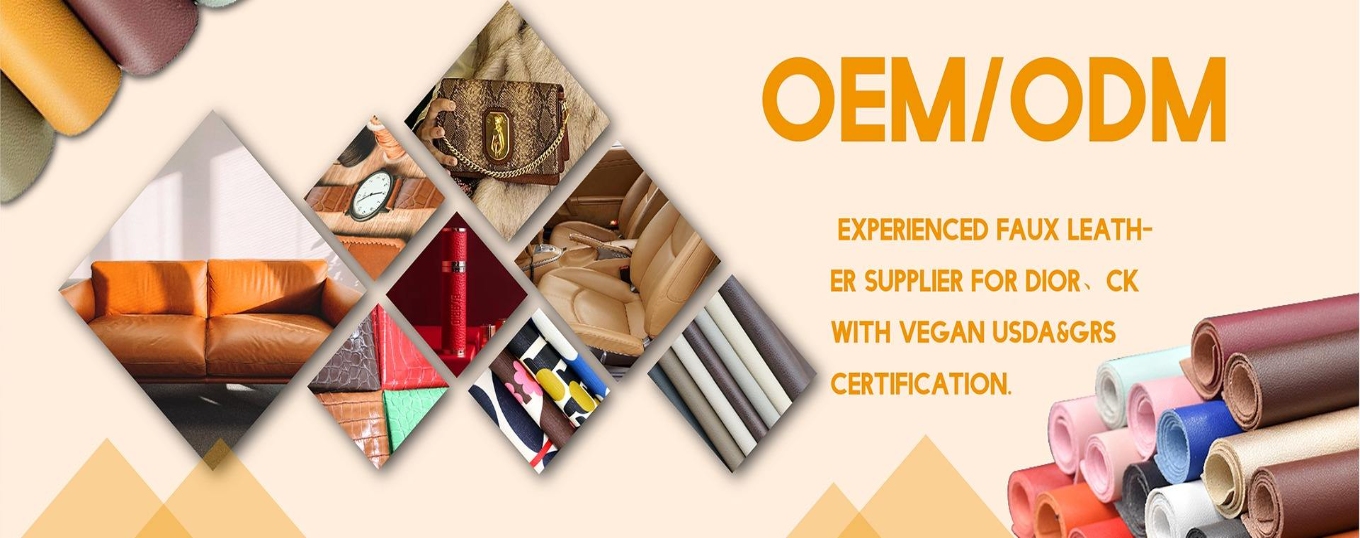
PRODUCTS
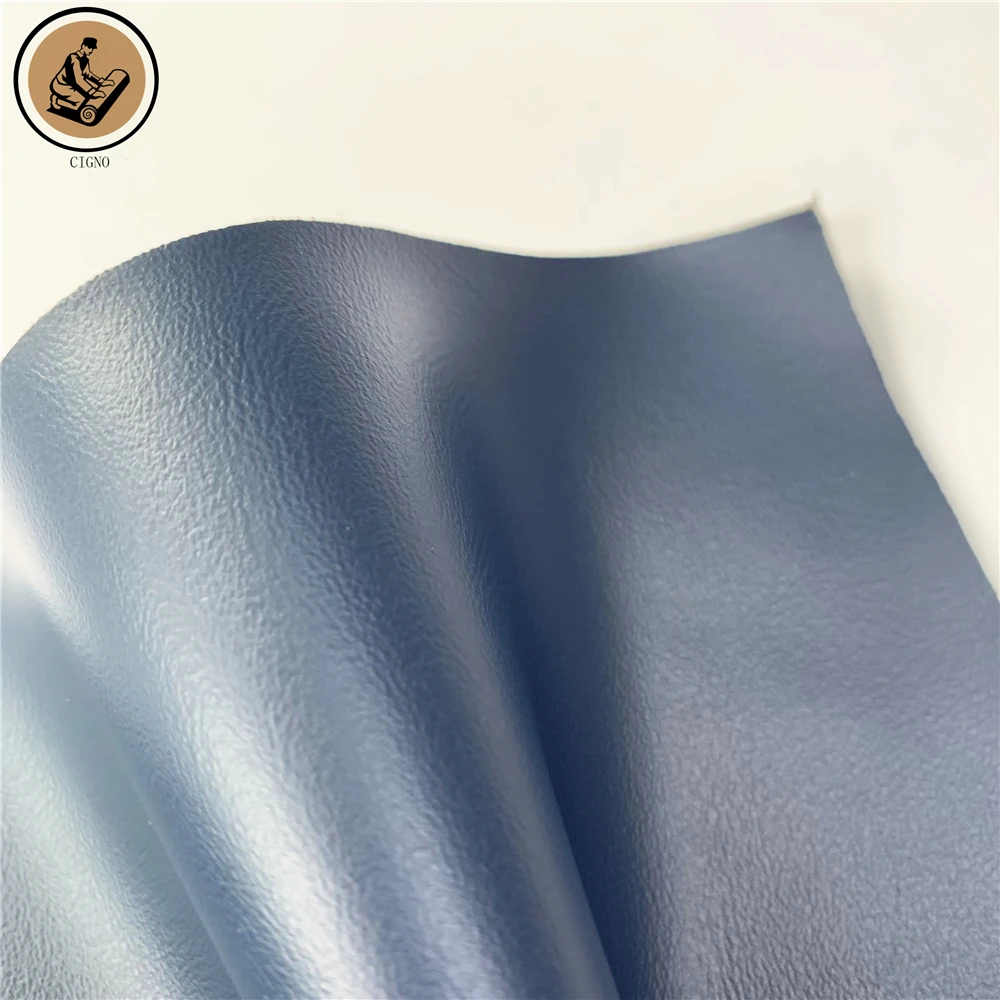
High Quality Eco-Friendly 1.2mm PU Synthetic Leather Furniture Upholstery Solvent-Free Skin-Feel for Sofa Car Seat Chair Bag Use
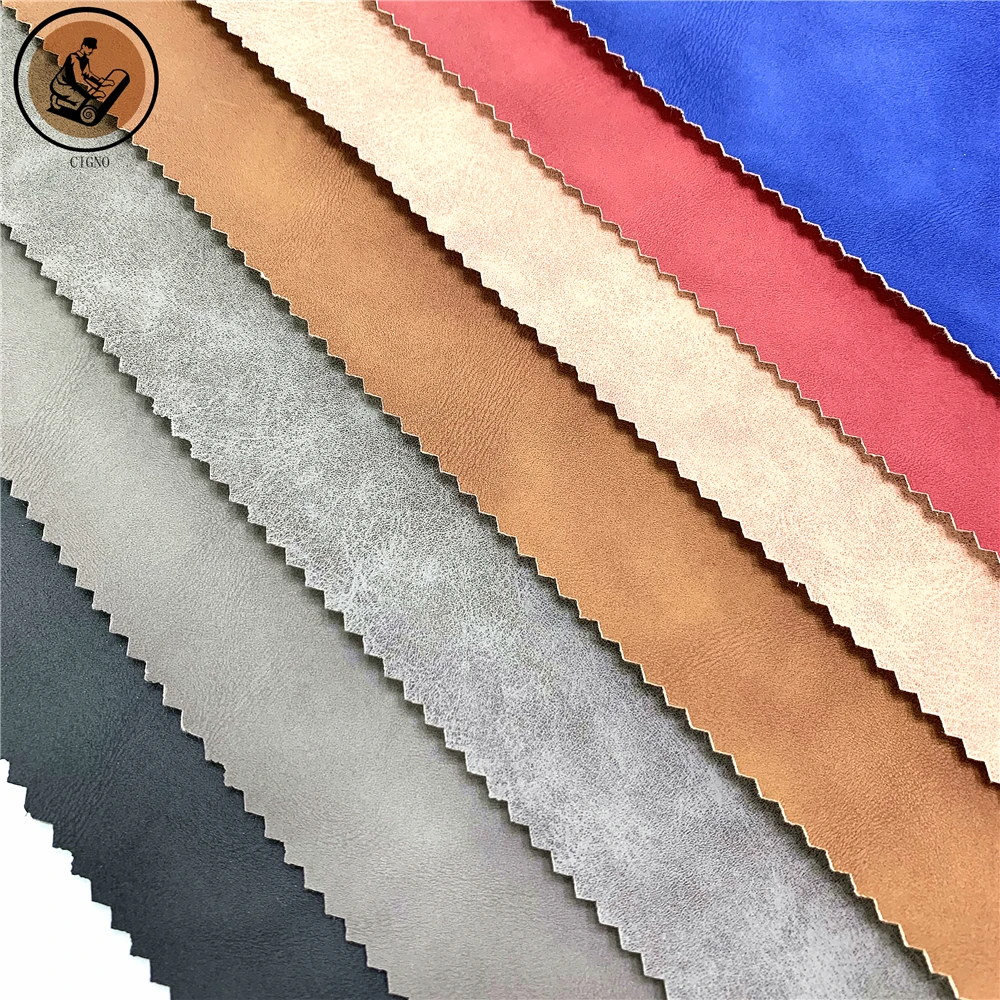
Free Samples of Embossed PU Synthetic Leather Bags Shoes Sofa Furniture Garments Car Decorative Uses-Waterproof Stretch Features
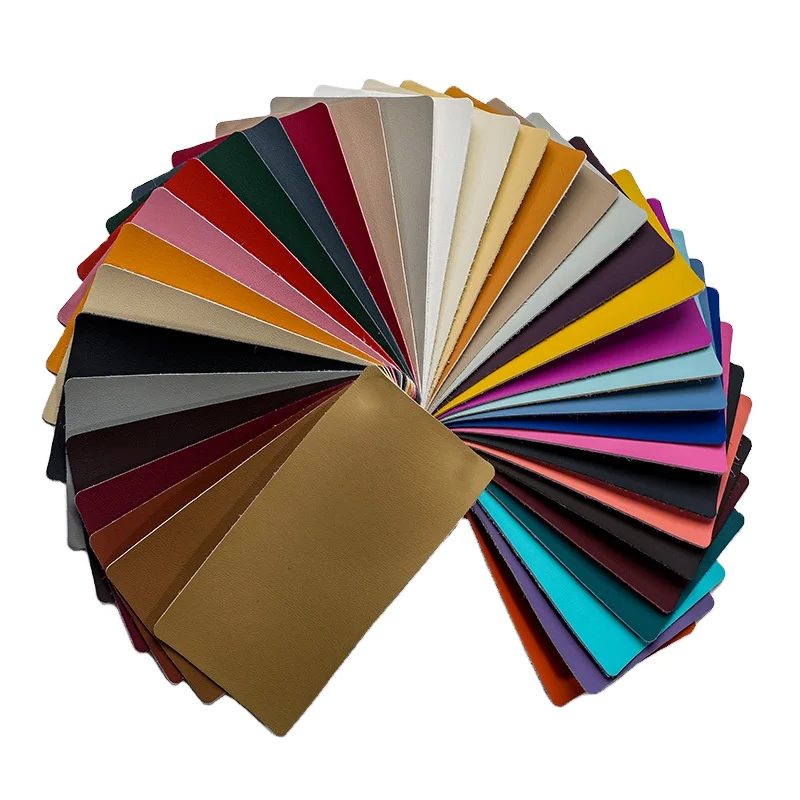
Pvc Vinyl Leather Rexine Leather Faux for Cars/Motorcycles, Waterproof Embossed Recycling Leatherette for Automotive Leather
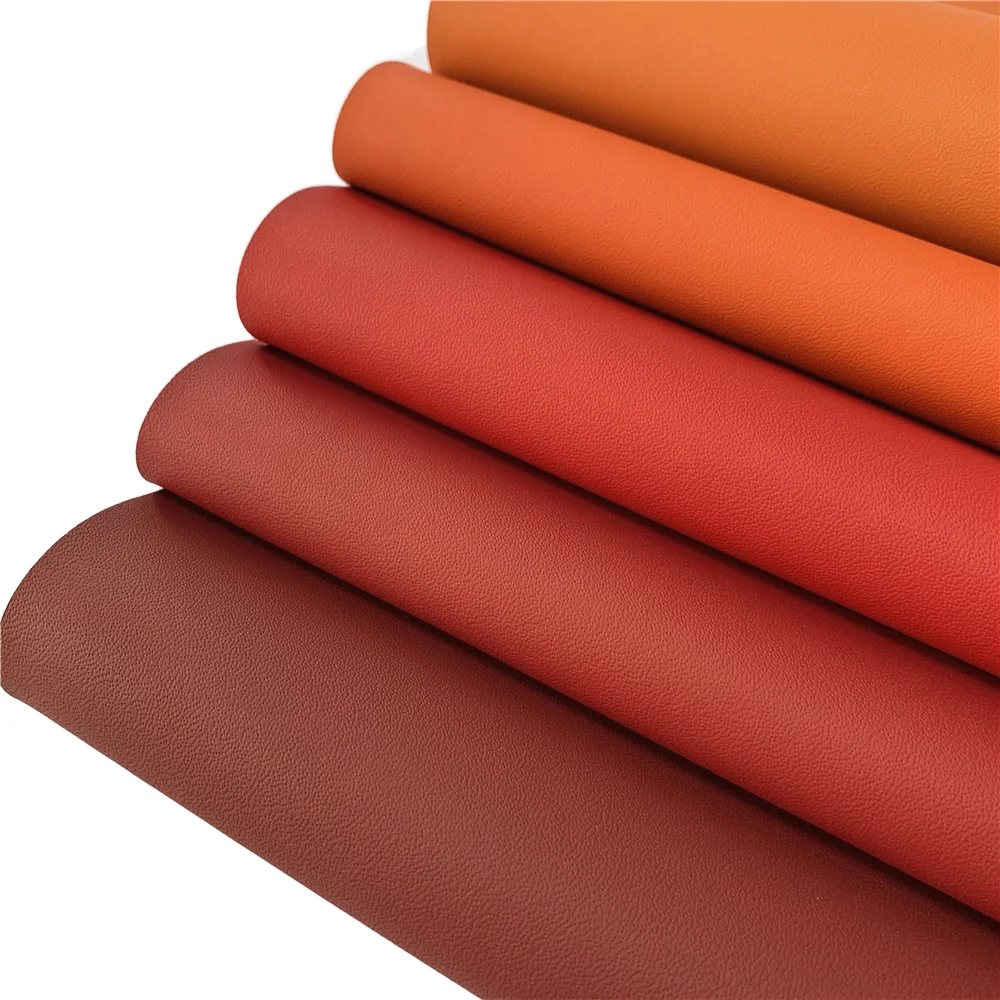
Hydrolysis Resistant Waterproof PU Microfiber Suede Leather Fabric Furniture Car Seat Covers Automotive Upholstery Bags Sofas
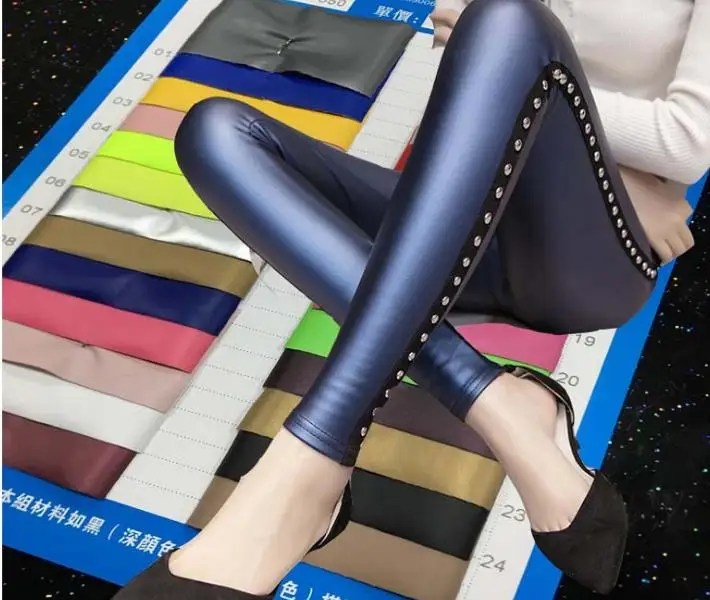
Ultra-Bright Black Mirror Four-Sided Stretch PU Fabric Pants Dresses Solid Color Soft Waterproof Clothing Elastic Finished
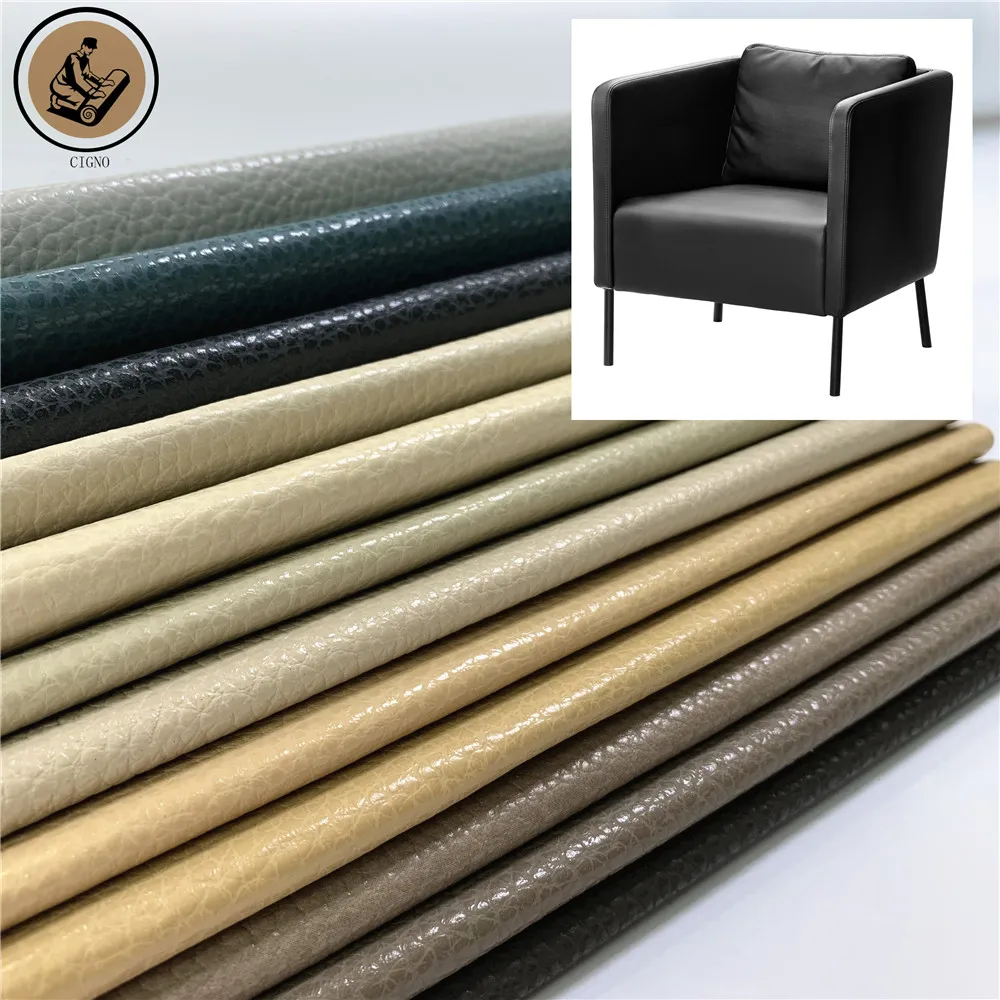
Litchi Lychee Grain 1.2mm PU Microfiber Leather Eco-Friendly Synthetic Leather Sofa Car Seat Handbags-Pearly-Lustre Recycled
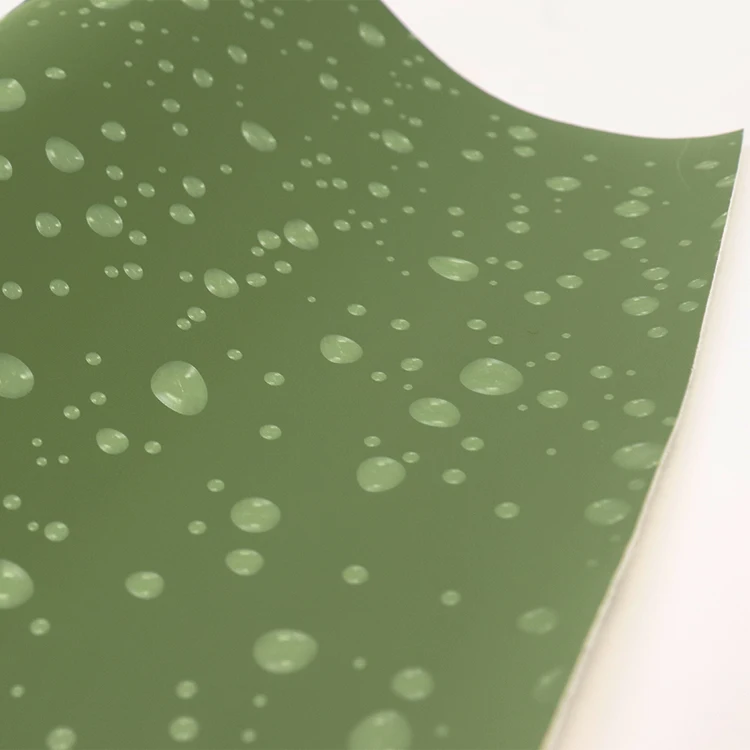
Custom Designer Faux Leather Fabric PVC Synthetic Leather Waterproof Sofa Bag Furniture Chair Woven Backing-Price Per Meter
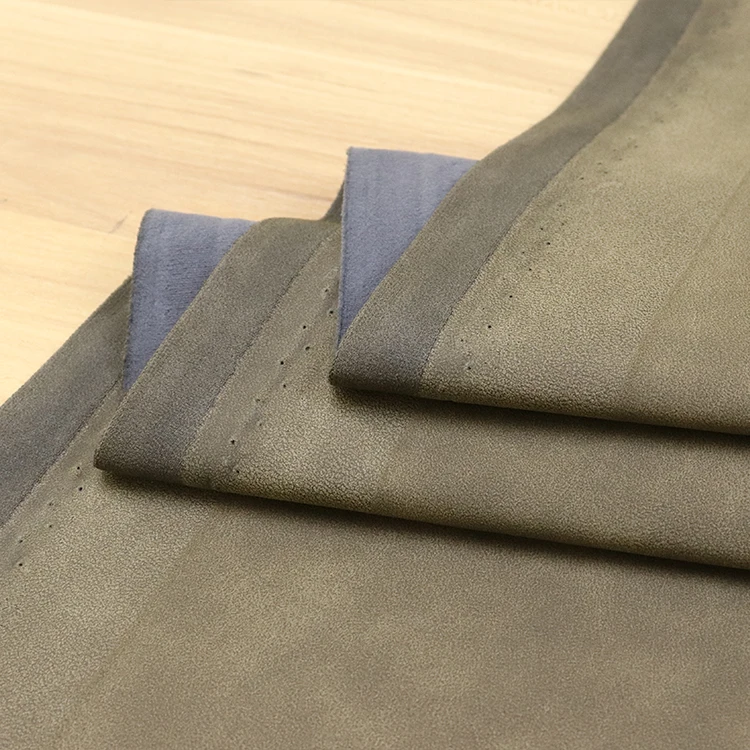
PU Suede Leather Nubuck Artificial Leather Materi for Shoe Make
What is the expected lifespan of this pvc leather for car seat under normal use?
The expected lifespan of this PVC leather for car seats typically ranges from 5 to 10 years under normal use. Its durability is determined by key physical properties, including high abrasion resistance, scratch resistance, and UV resistance, which prevent cracking, fading, and peeling under standard environmental exposure.
Core Solutions & Key Takeaways
- High Mechanical Durability: Engineered with a thickness of 0.8–1.4 mm and customizable backing (knitted or non-woven fabric) to withstand continuous friction from daily passenger entry and exit.
- Environmental Resilience: Integrated UV resistance prevents premature aging and discoloration from sunlight exposure through windshields, while water and stain resistance simplifies maintenance.
- Certified Safety Standards: Verified compliance with global quality and safety benchmarks, meeting flame retardancy and low odor requirements for automotive cabin environments.
- Proven Performance in Real Scenarios: Successfully deployed in automotive seat covers, door panels, headrests, and armrests, maintaining structural integrity over long-term operations.
Detailed Architectural & Principle Analysis
The lifespan of synthetic PVC leather in automotive interiors depends heavily on its material architecture. This specialized PVC synthetic leather features a multi-layered construction consisting of a high-performance surface finish (matte or semi-gloss), a solid PVC wear layer, and a high-strength backing fabric. This structure distributes stress evenly during tensile stretching and flexing, which directly prevents the surface from cracking under daily seating loads.
To ensure consistent performance over its service life, the material undergoes comprehensive quality control testing. These evaluations assess critical indicators such as tensile strength, peeling strength, abrasion resistance, and odor performance. The material is also tested for compliance with strict international regulations, holding certifications like GRS (B04213-G4), USDA (521076632086130490), and Oeko-Tex 100 (SH015 120749), which ensure the elimination of harmful substances that could degrade the polymer matrix over time.
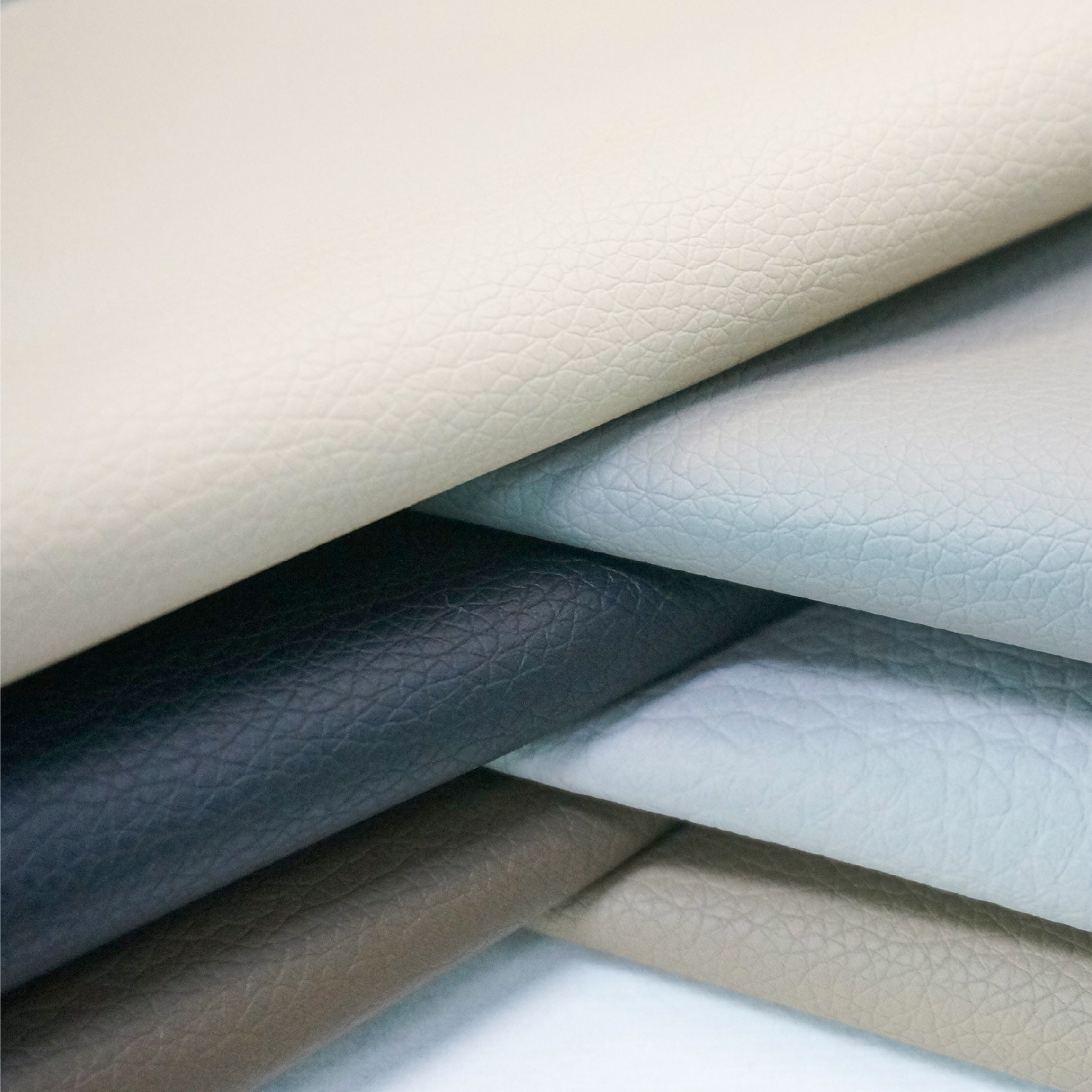
Real-world application supports these technical specifications. In a manufacturing project in Mexico, 50,000 meters of this customized synthetic leather were utilized for automotive seats, door panels, and armrests. The automotive interior manufacturer reported excellent color consistency, clear grain texture, and reliable performance under standard vehicle operating conditions, confirming the material's long-term commercial viability.
Data/Solution Comparison
The following table outlines the technical specifications and performance indicators that determine the lifespan and usability of this PVC automotive leather:
| Technical Parameter | Specification / Value | Impact on Lifespan & Performance |
|---|---|---|
| Material Thickness | 0.8–1.4 mm (Customizable) | Thicker variants provide superior puncture resistance and tensile strength. |
| Backing Material | Knitted fabric, Non-woven fabric, or Customized | Determines the peeling strength and tailoring flexibility during seat upholstery. |
| Grain Styles | Nappa, Lychee, Perforated, Geometric, Embossed | Provides tactile aesthetic options while maintaining uniform wear patterns. |
| Functional Treatments | UV resistant, Flame retardant, Stain resistant, Low odor | Protects the polymer from thermal degradation, sunlight, and chemical spills. |
| Minimum Order Quantity | 100 meters | Allows flexible testing for custom colors, grains, and backing variants. |
Frequently Asked Questions (FAQ)
Q1: What factors degrade PVC car seat leather the most?
A1: Continuous exposure to intense direct sunlight (UV radiation), accumulation of abrasive dirt particles, and the use of harsh chemical solvents for cleaning are the primary causes of premature aging and surface cracking in PVC leather.
Q2: How does the backing fabric influence the durability of the seat cover?
A2: The backing fabric, such as knitted or non-woven fabric, determines the dimensional stability and tear strength of the material. A strong bond between the PVC face and the backing prevents delamination under heavy load cycles.
Q3: Is this PVC leather suitable for commercial transport vehicles?
A3: Yes. With its high abrasion resistance, scratch resistance, and easy-to-clean surface, this material is highly suitable for high-traffic environments like taxis, buses, and commercial trucks where daily wear is intensive.
Final Conclusion & Recommendations
Maximizing the 5-to-10-year lifespan of PVC synthetic leather for car seats requires selecting the appropriate thickness (1.2–1.4 mm is recommended for high-wear seating areas) and ensuring regular cleaning with mild soap and water. By avoiding harsh solvents and utilizing UV-protective cabin glass coatings, the material will retain its physical properties and aesthetic appeal over years of continuous operation. Our manufacturing operations support customizable formulations to optimize these specific performance parameters for volume orders. For detailed technical solutions or support, please reach out to us via vicky@bozeleather.com.
About Us
Dongguan Cigno Leather Co., Ltd., established in 2007, is a professional manufacturer specializing in high-quality faux leather based in Dongguan, China. Operating with a dedicated team, we utilize 6 advanced synthetic leather production lines across a 100,000 square meter factory area to deliver eco-friendly and multifunctional polymer materials. Our manufacturing capability achieves a monthly output capacity of 6 million meters, supported by strict ISO 9001 quality inspections and recognized certifications including GRS, USDA, and Oeko-Tex 100.

SUBSCRIBE
INQUIRY