
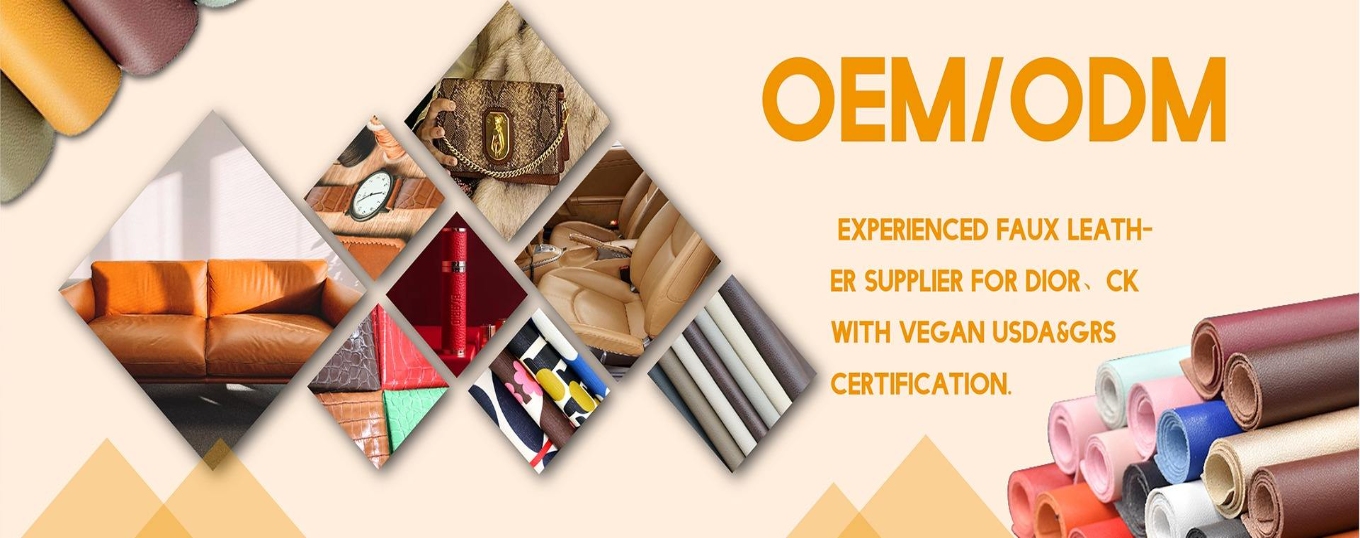
PRODUCTS
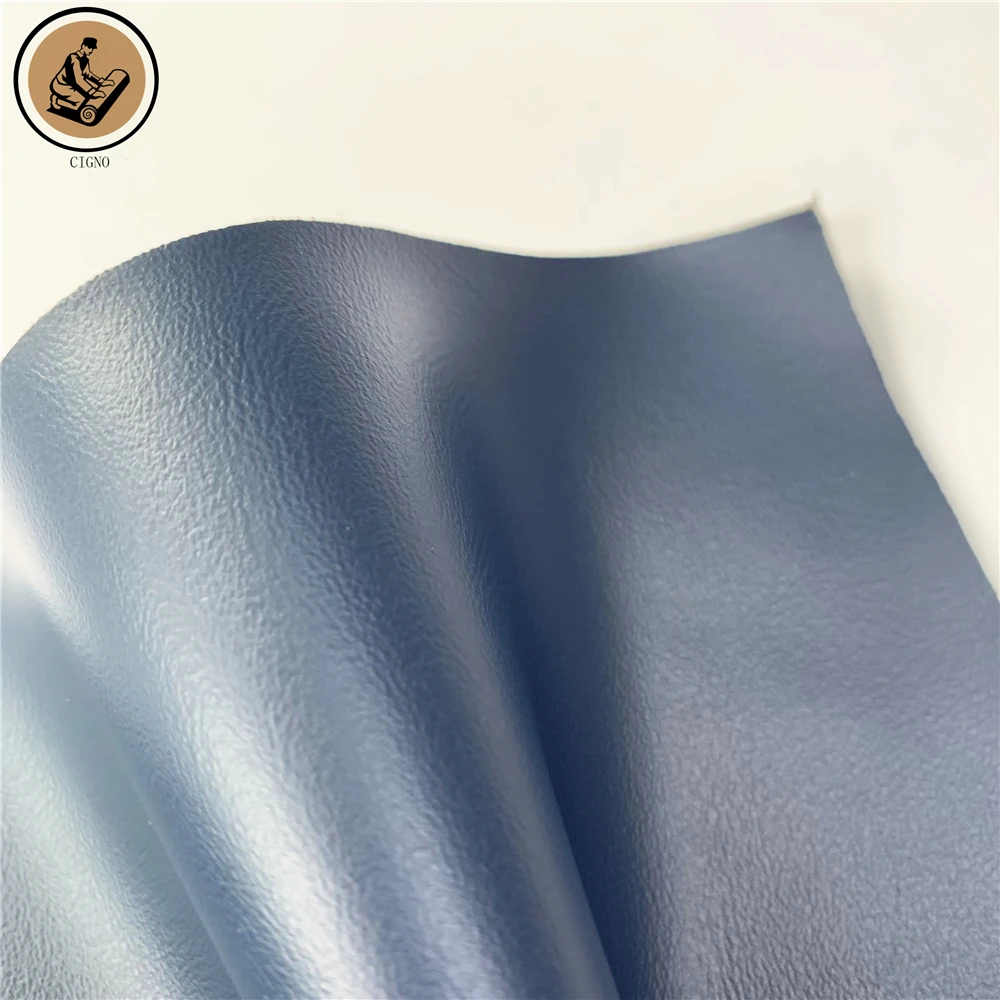
High Quality Eco-Friendly 1.2mm PU Synthetic Leather Furniture Upholstery Solvent-Free Skin-Feel for Sofa Car Seat Chair Bag Use
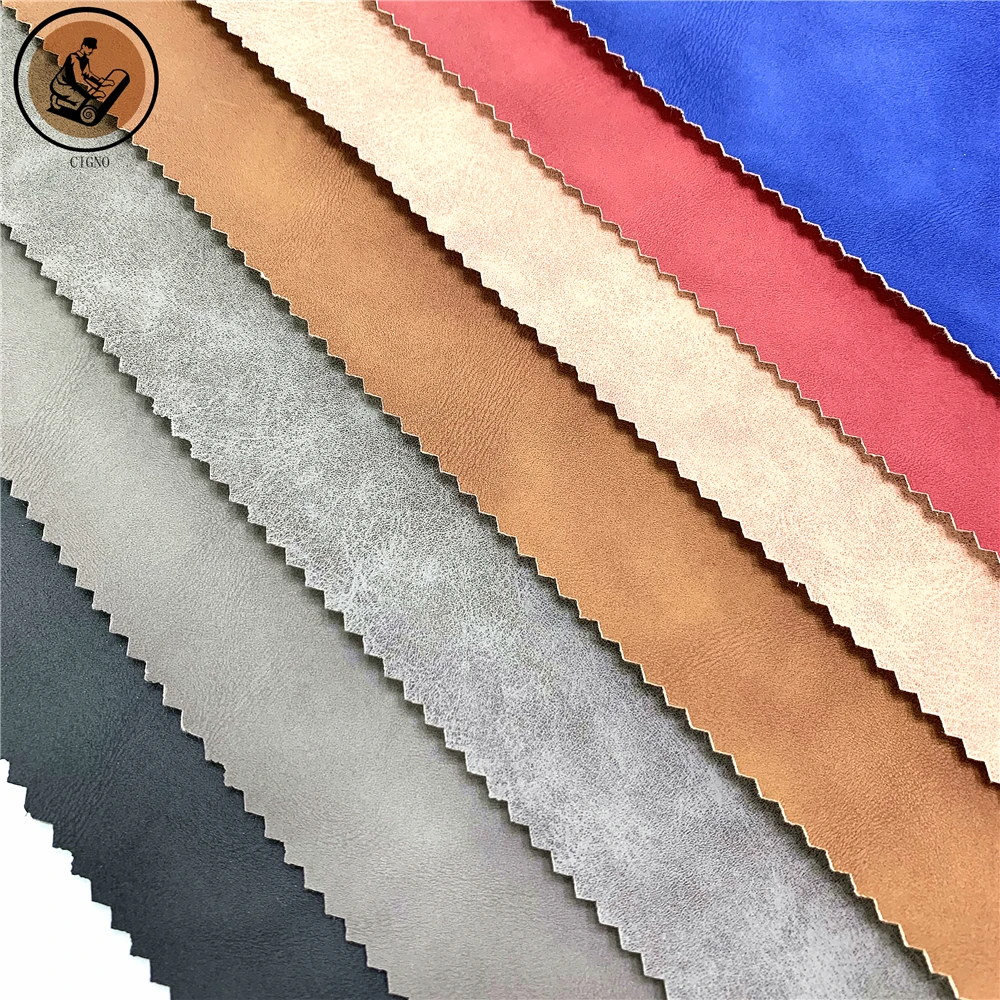
Free Samples of Embossed PU Synthetic Leather Bags Shoes Sofa Furniture Garments Car Decorative Uses-Waterproof Stretch Features
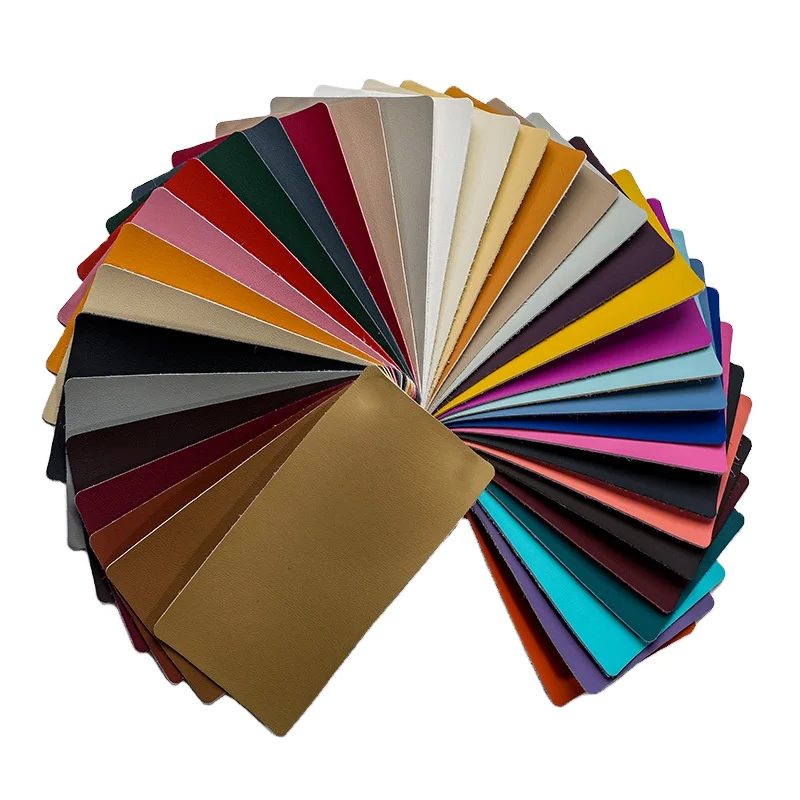
Pvc Vinyl Leather Rexine Leather Faux for Cars/Motorcycles, Waterproof Embossed Recycling Leatherette for Automotive Leather
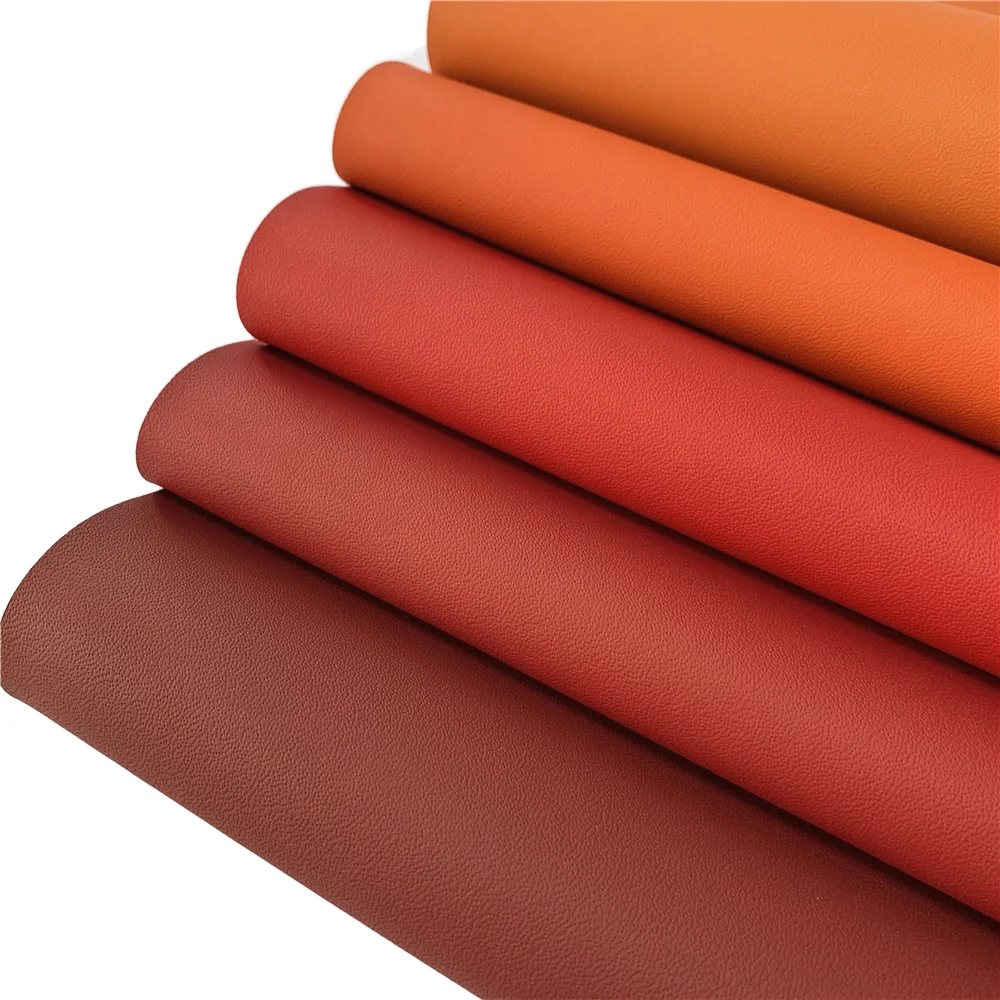
Hydrolysis Resistant Waterproof PU Microfiber Suede Leather Fabric Furniture Car Seat Covers Automotive Upholstery Bags Sofas
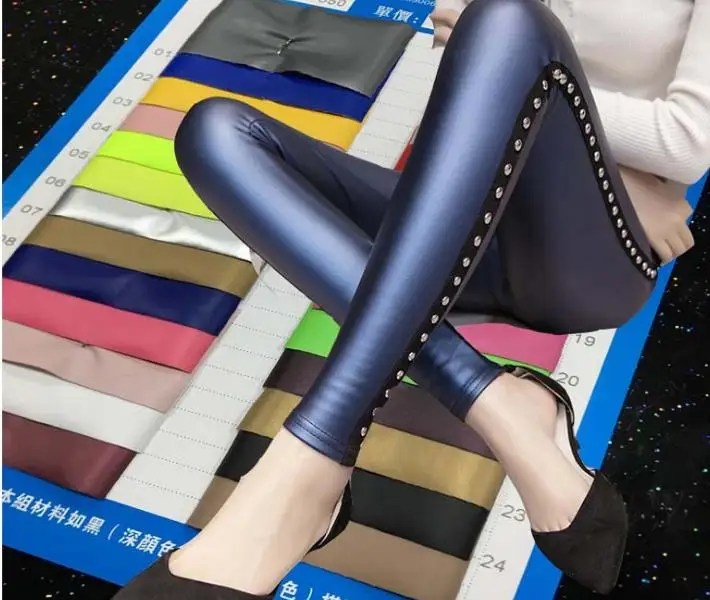
Ultra-Bright Black Mirror Four-Sided Stretch PU Fabric Pants Dresses Solid Color Soft Waterproof Clothing Elastic Finished
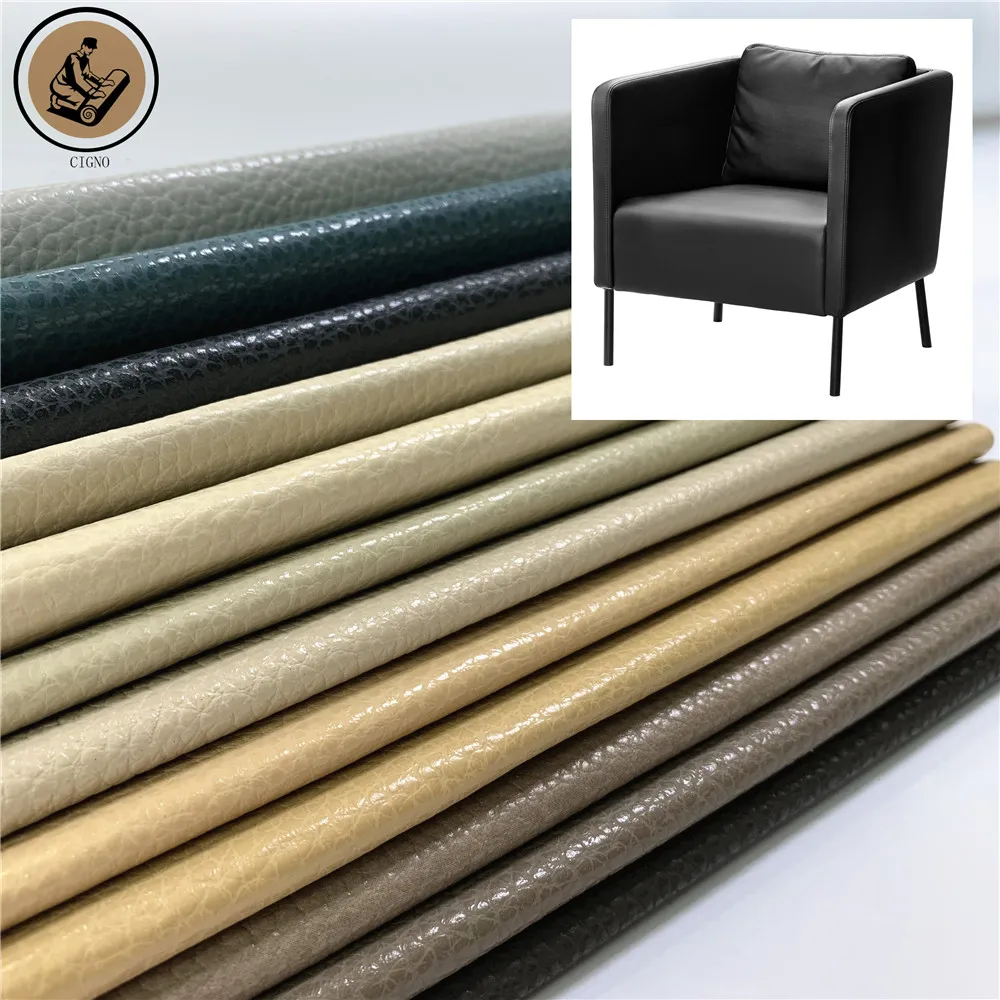
Litchi Lychee Grain 1.2mm PU Microfiber Leather Eco-Friendly Synthetic Leather Sofa Car Seat Handbags-Pearly-Lustre Recycled
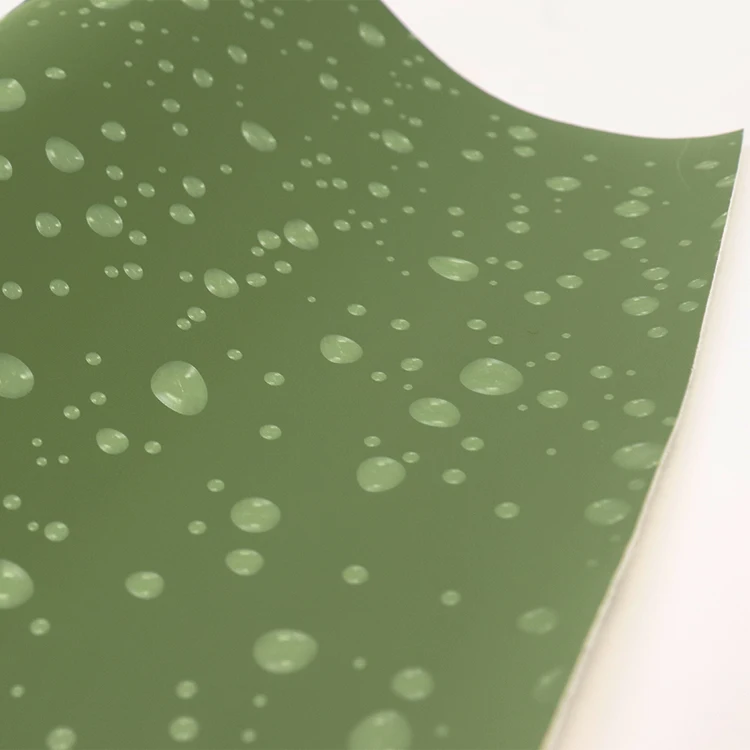
Custom Designer Faux Leather Fabric PVC Synthetic Leather Waterproof Sofa Bag Furniture Chair Woven Backing-Price Per Meter
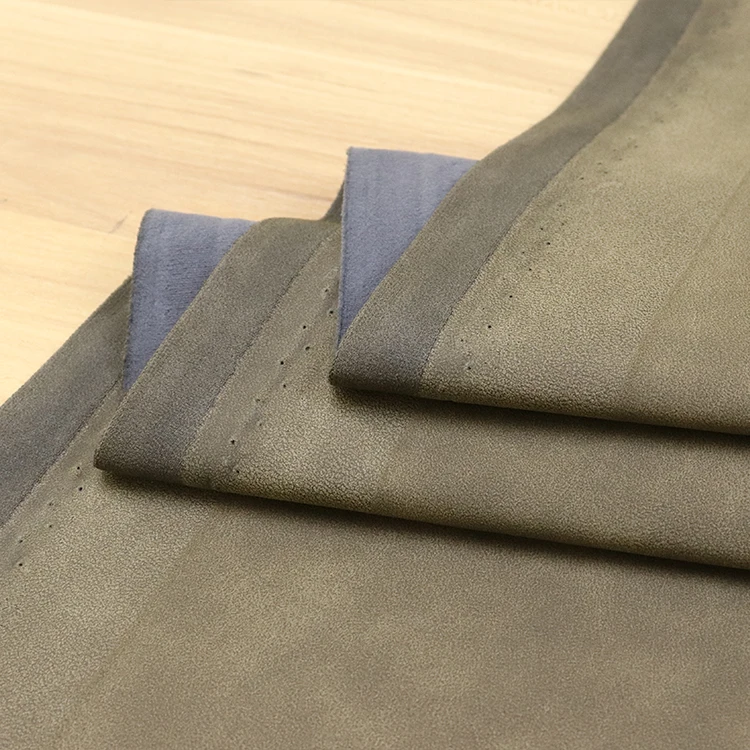
PU Suede Leather Nubuck Artificial Leather Materi for Shoe Make
What is the market growth projection for plant-based eco leather?
The market growth projection for plant-based eco leather points to rapid expansion, driven by intensifying consumer demand for sustainable, cruelty-free alternatives to traditional leather. This growth is accelerated by strict international environmental standards and major fashion, automotive, and furniture brands actively integrating bio-based, high-performance synthetic materials into their global supply chains.
Core Solutions & Key Takeaways
- Rising Regulatory and Brand Standards: Global brands require materials that comply with international certifications such as the Global Recycled Standard (GRS), USDA Bio-preferred, and Oeko-Tex Standard 100 to meet decarbonization targets.
- Versatile Application Scenarios: High-performance eco leather is increasingly adopted in demanding environments, including automotive seats, door panels, armrests, home furniture, luxury handbags, and technical footwear.
- Functional Superiority: Modern plant-based and eco-friendly synthetic leathers are engineered to deliver exceptional scratch resistance, UV resistance, flame retardancy, low odor emissions, and easy-cleaning properties.
Detailed Architectural & Principle Analysis
The transition toward eco-friendly synthetic leather relies on advanced polymer chemistry and sustainable material sourcing. Traditional synthetic leathers depend heavily on petroleum-based solvents. In contrast, modern eco-leather manufacturing utilizes water-based and solvent-free polyurethane (PU) systems. By eliminating hazardous solvents, manufacturers drastically reduce volatile organic compound (VOC) emissions, producing low-odor materials that are safer for both factory workers and end consumers.
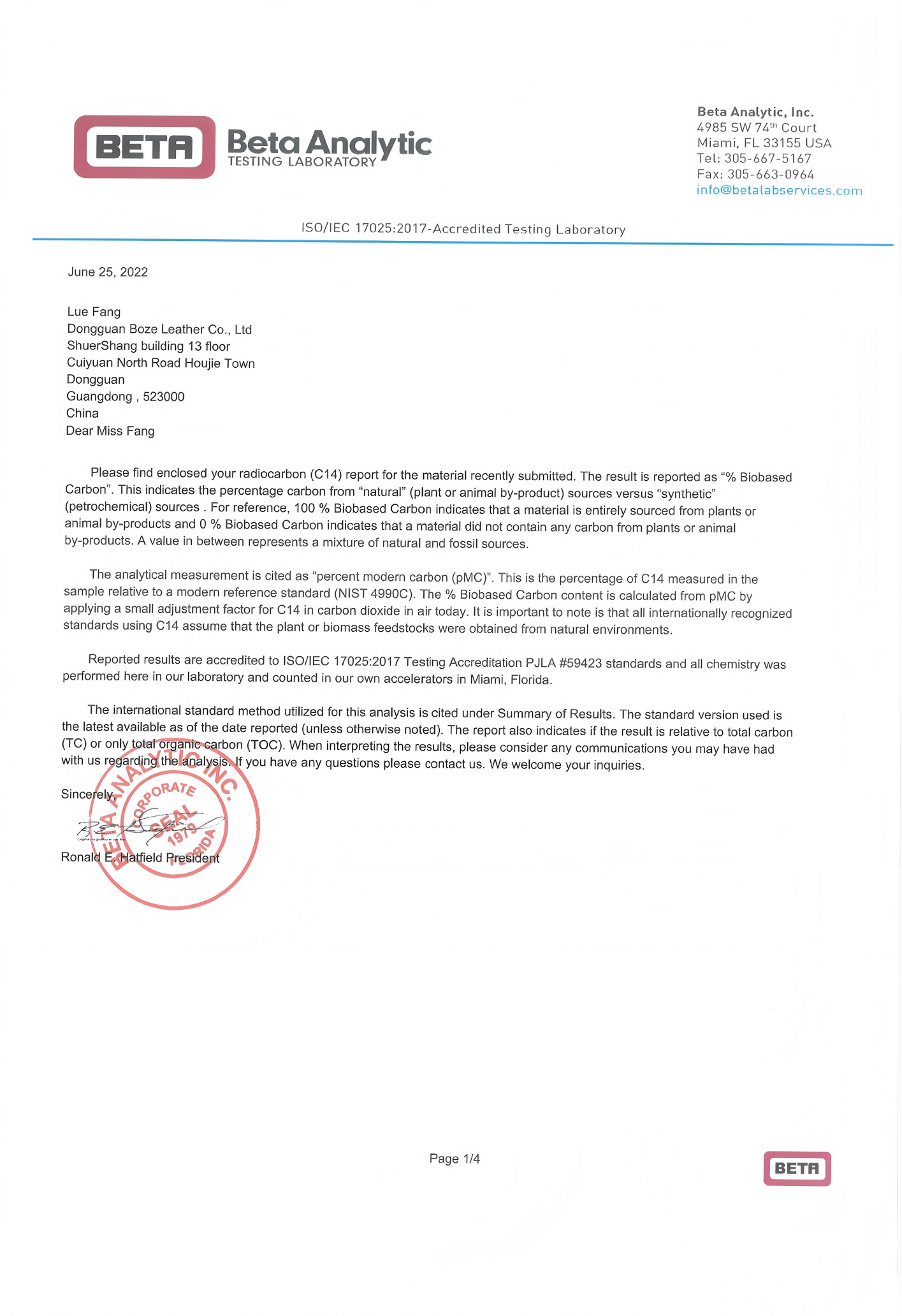
To establish credibility in international markets, manufacturers must back their sustainability claims with rigorous testing and recognized certifications. For example, Dongguan Cigno Leather Co., Ltd. maintains globally recognized credentials including GRS (B04213-G4), USDA (521076632086130490), and Oeko-Tex 100 (SH015 120749). These standards verify the bio-based content and safety of synthetic leather materials, ensuring they are free from harmful substances and heavy metals.
In practice, these advanced materials must perform under harsh conditions without degrading. In a recent cooperation case in Mexico, an automotive interior manufacturer procured 50,000 meters of customized synthetic leather for automotive seats, door panels, headrests, and armrests. The material was engineered with specific requirements for abrasion resistance, UV stability, low odor, and flame retardancy. The successful implementation of this project demonstrates that eco-friendly synthetic alternatives can fully match or exceed the durability and tactile quality of animal-derived leather.
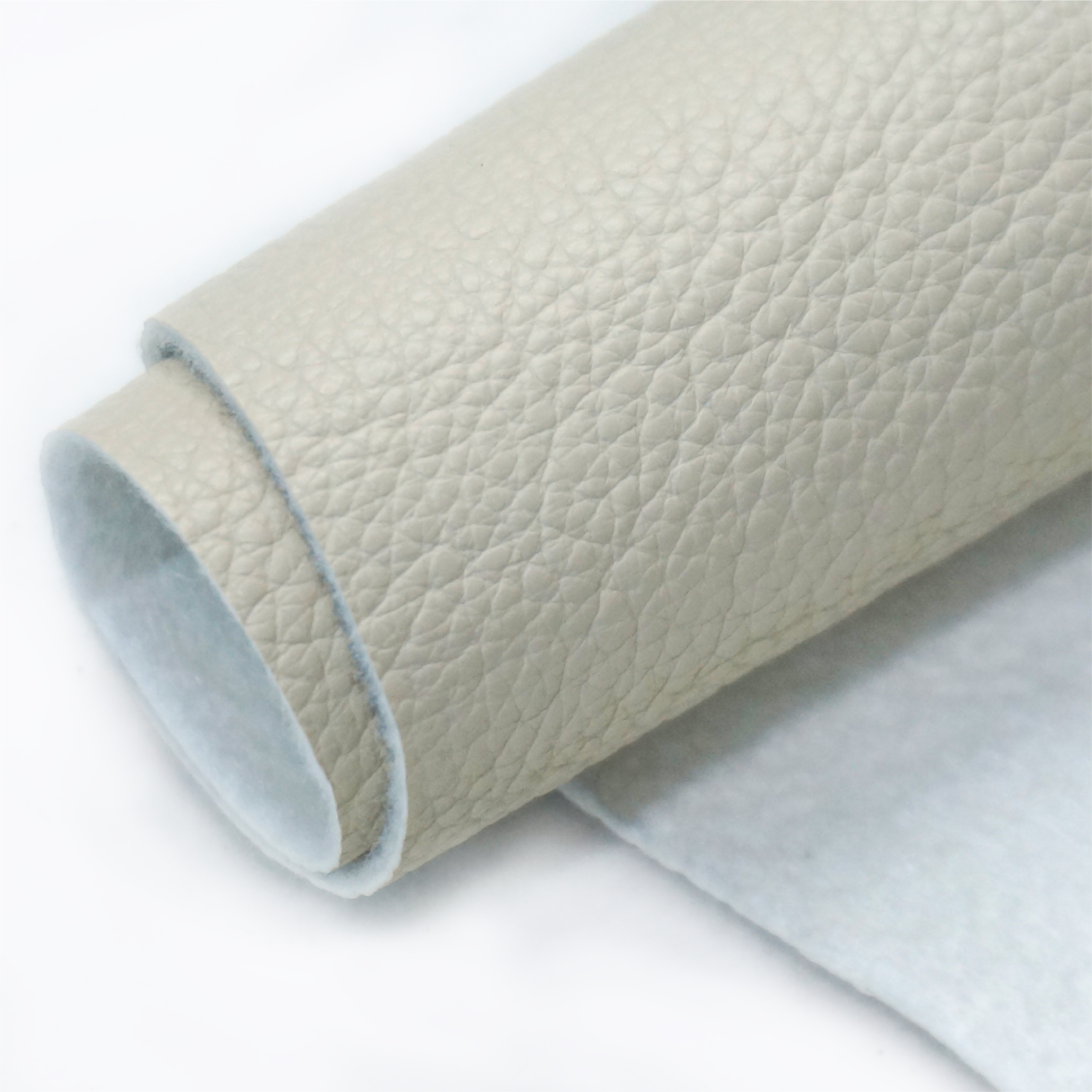
Data & Solution Comparison
The following table compares the technical specifications and environmental profiles of different synthetic leather types used in commercial manufacturing:
| Material Type | Environmental Certifications | Key Performance Features | Typical Applications |
|---|---|---|---|
| Water-Based / Solvent-Free PU | USDA, Oeko-Tex 100, GRS | Low odor, soft hand feel, high tensile strength, eco-friendly | Automotive interiors, premium furniture, luxury handbags |
| Recycled Microfiber Leather | GRS, Oeko-Tex 100 | Exceptional abrasion resistance, scratch resistance, high durability | Car seat covers, heavy-duty upholstery, athletic footwear |
| Standard PVC Leather | REACH, RoHS (upon request) | Flame retardant, water resistant, highly cost-effective | Commercial seating, mass-transit upholstery, basic luggage |
Frequently Asked Questions (FAQ)
What certifications should I look for when sourcing eco-friendly synthetic leather?
Look for internationally recognized certifications such as USDA Bio-preferred for bio-based content, GRS (Global Recycled Standard) for recycled material verification, and Oeko-Tex Standard 100 to guarantee the finished textile is free from harmful levels of toxic substances.
Can eco-friendly synthetic leather match the durability of genuine leather?
Yes. High-grade eco leathers, particularly solvent-free PU and microfiber leathers, are engineered to pass strict industrial tests for peeling strength, tensile strength, scratch resistance, and long-term UV exposure, making them highly suitable for high-wear environments like automotive seating.
What is the typical minimum order quantity (MOQ) for customized eco leather?
For custom colors, thicknesses, and specific backing fabrics, manufacturers typically require a minimum order quantity of approximately 100 meters per color to ensure production line efficiency and color consistency.
Final Conclusion & Recommendations
The market for plant-based and eco-friendly synthetic leather is expanding rapidly as industries align with global sustainability mandates. For businesses sourcing these materials, partnering with manufacturers that offer comprehensive OEM/ODM customization, certified quality control under ISO 9001, and verified international testing reports is critical to ensuring product compliance and durability. For technical material selection, custom color development, or volume inquiries, please contact our service team at vicky@bozeleather.com.
About Us
Dongguan Cigno Leather Co., Ltd., established in 2007, is a professional manufacturer specializing in high-quality faux leather based in Dongguan, China. Operating from a 100,000 square meter factory space with an expert R&D team, the company focuses on the development of eco-friendly and multifunctional synthetic materials, holding more than 30 national invention patents. With 6 advanced production lines, the factory delivers a monthly capacity of 6 million meters to global markets including North America, Europe, and Southeast Asia. The company is a certified industry leader holding USDA, GRS, and Oeko-Tex 100 certifications, supplying premium materials to major global brands and manufacturers.

SUBSCRIBE
INQUIRY