PRODUCTS
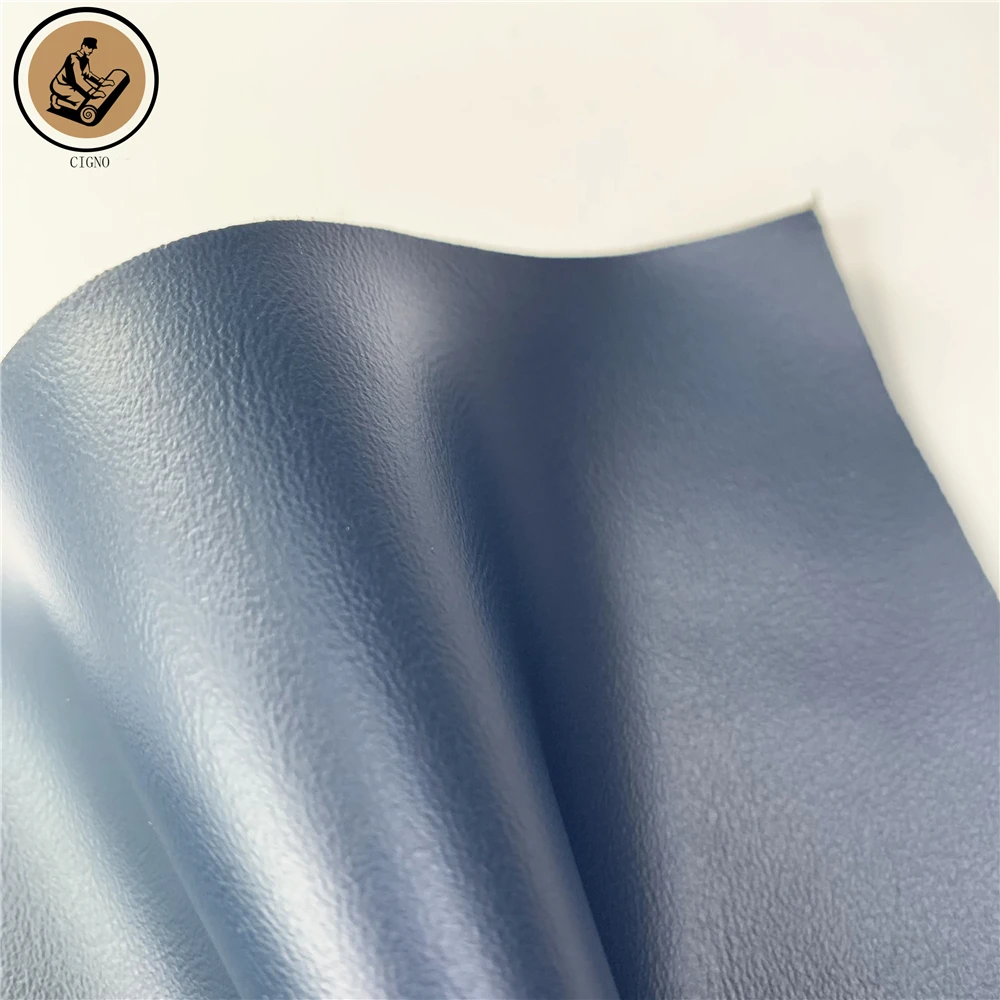
High Quality Eco-Friendly 1.2mm PU Synthetic Leather Furniture Upholstery Solvent-Free Skin-Feel for Sofa Car Seat Chair Bag Use
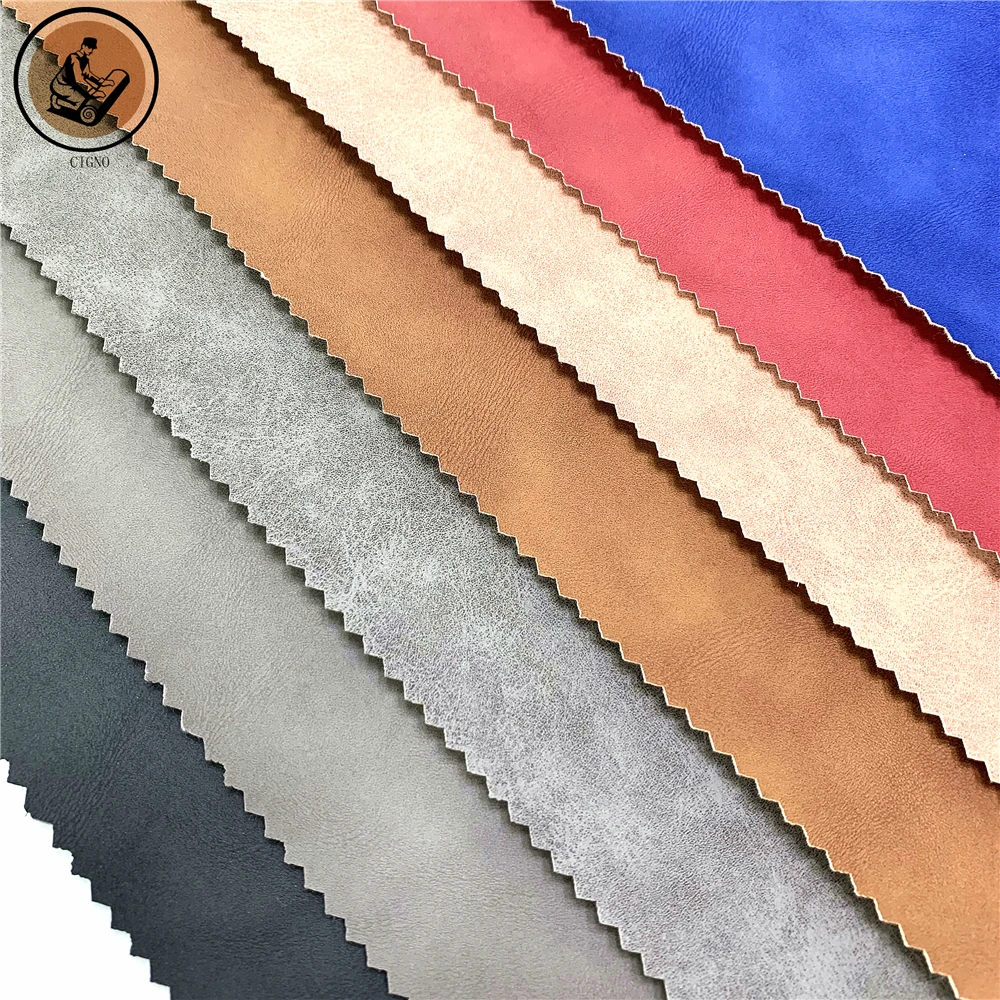
Free Samples of Embossed PU Synthetic Leather Bags Shoes Sofa Furniture Garments Car Decorative Uses-Waterproof Stretch Features
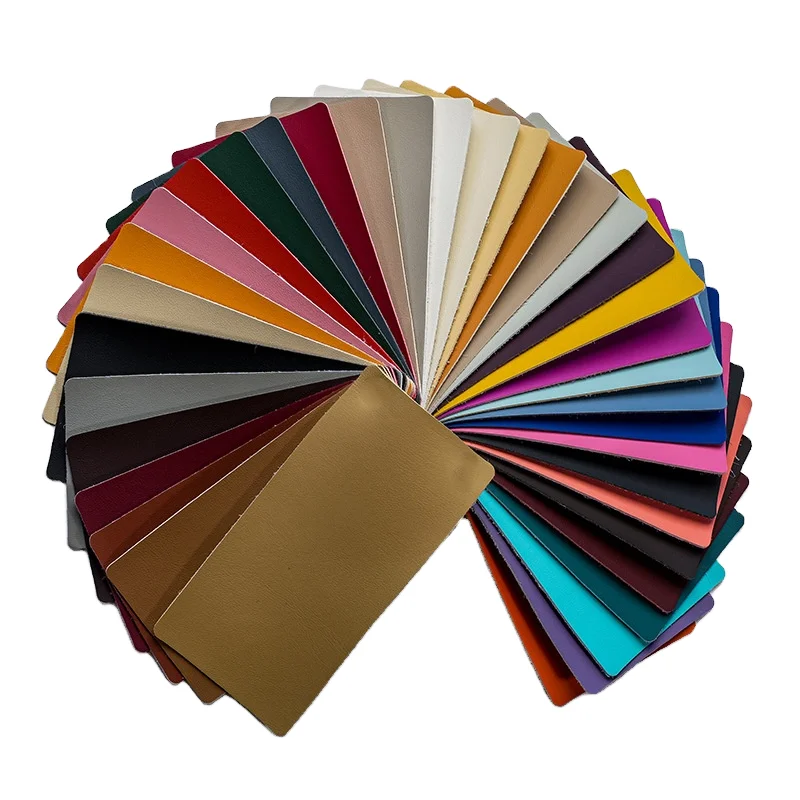
Pvc Vinyl Leather Rexine Leather Faux for Cars/Motorcycles, Waterproof Embossed Recycling Leatherette for Automotive Leather
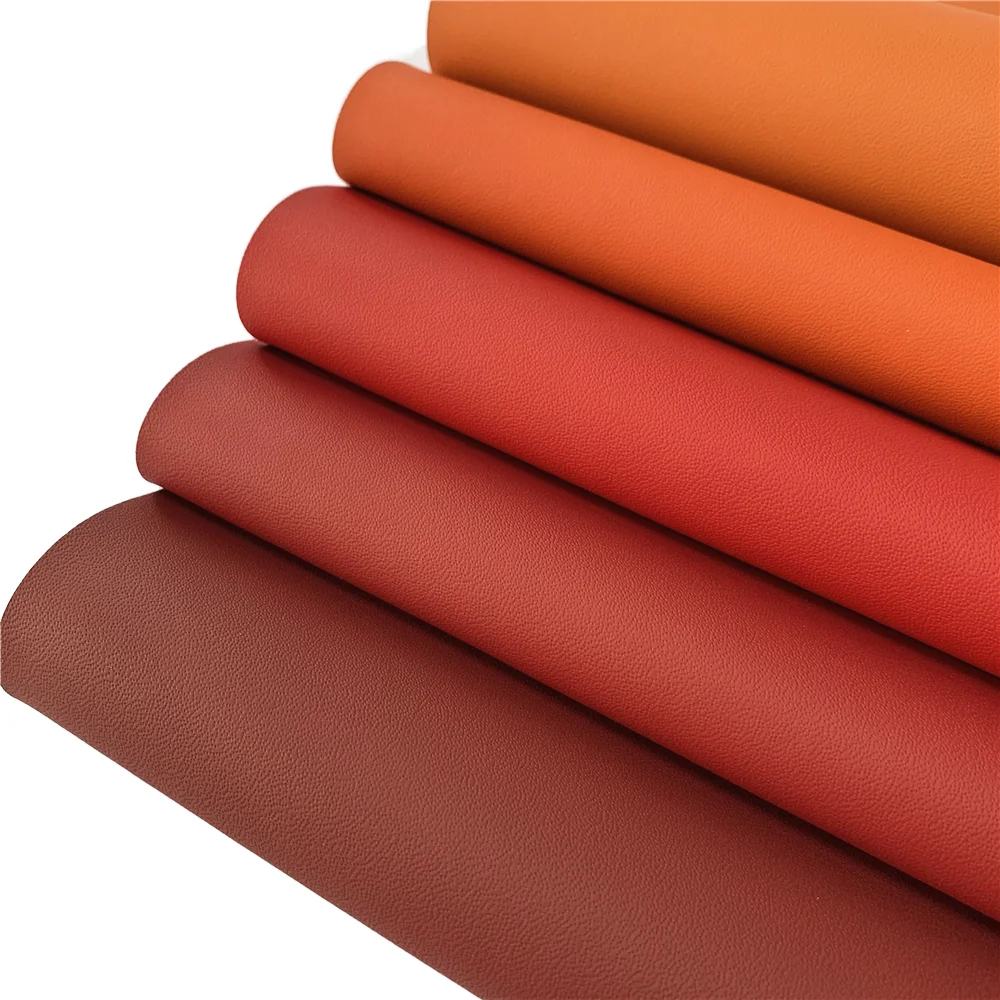
Hydrolysis Resistant Waterproof PU Microfiber Suede Leather Fabric Furniture Car Seat Covers Automotive Upholstery Bags Sofas
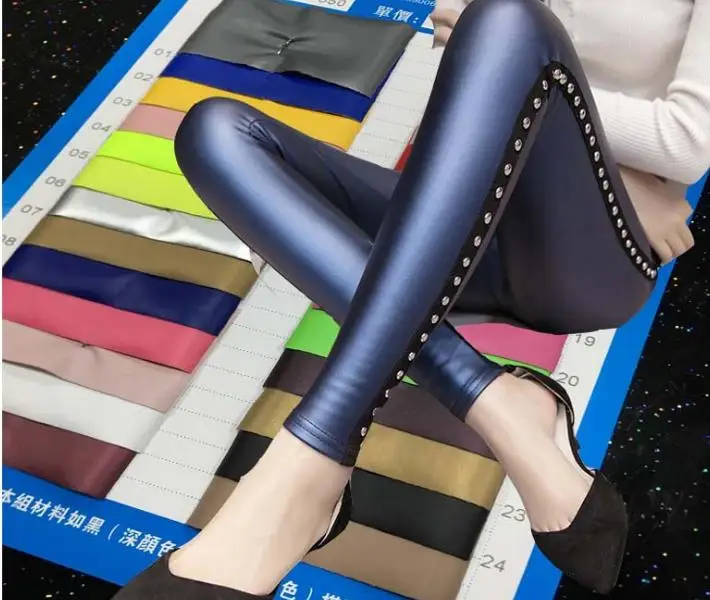
Ultra-Bright Black Mirror Four-Sided Stretch PU Fabric Pants Dresses Solid Color Soft Waterproof Clothing Elastic Finished
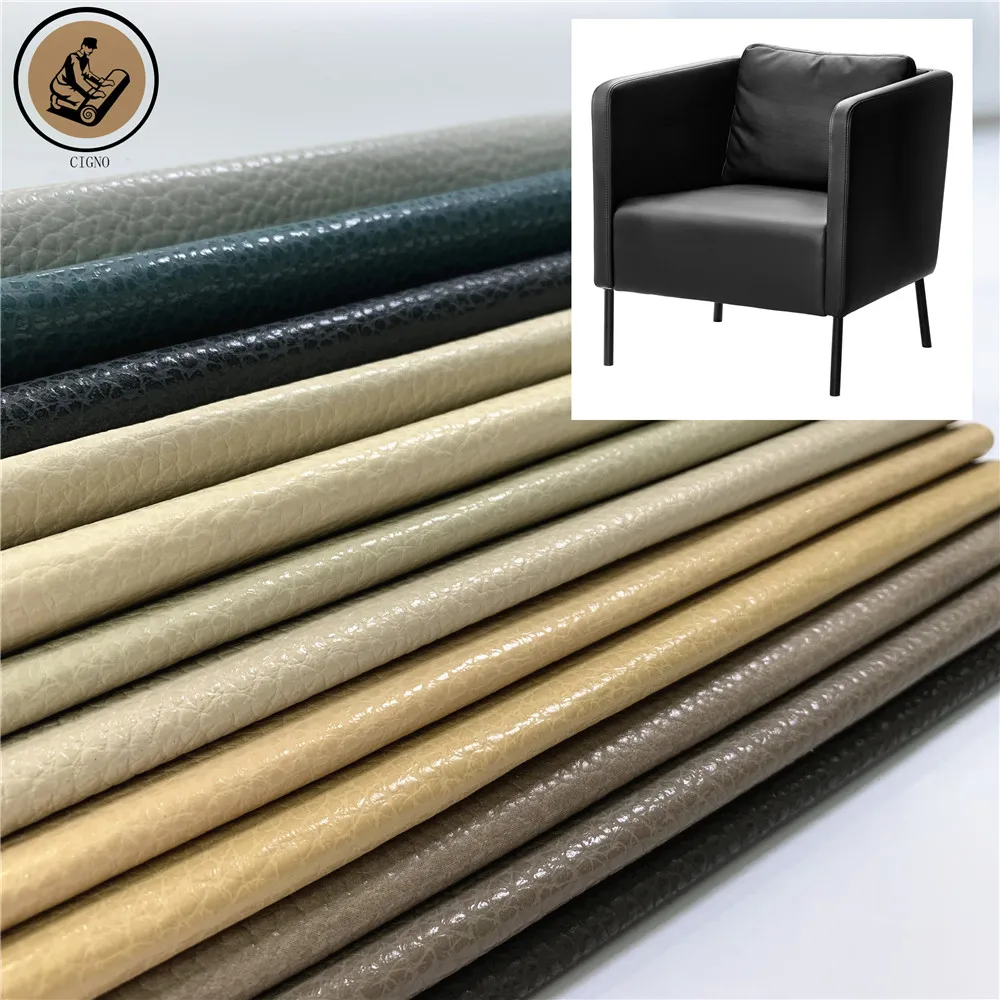
Litchi Lychee Grain 1.2mm PU Microfiber Leather Eco-Friendly Synthetic Leather Sofa Car Seat Handbags-Pearly-Lustre Recycled
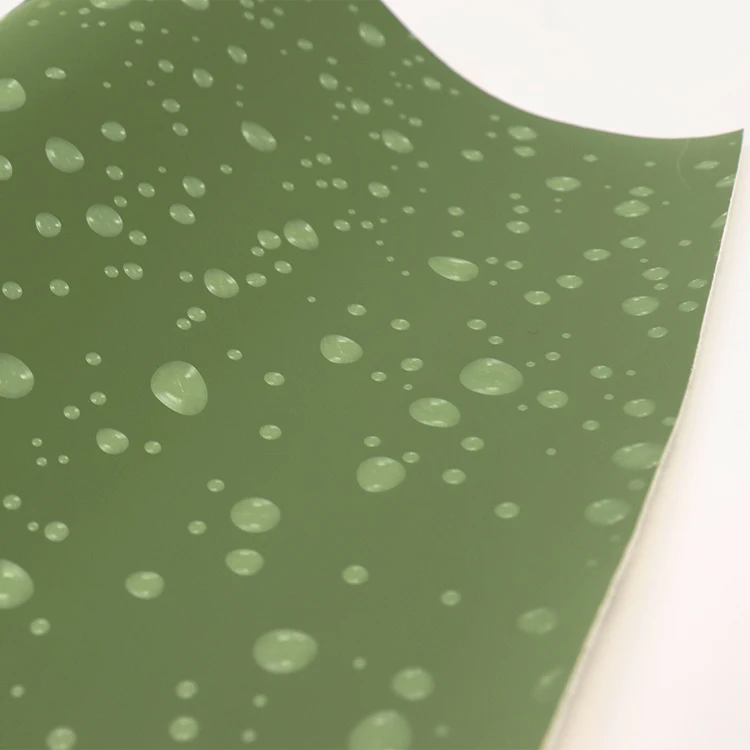
Custom Designer Faux Leather Fabric PVC Synthetic Leather Waterproof Sofa Bag Furniture Chair Woven Backing-Price Per Meter
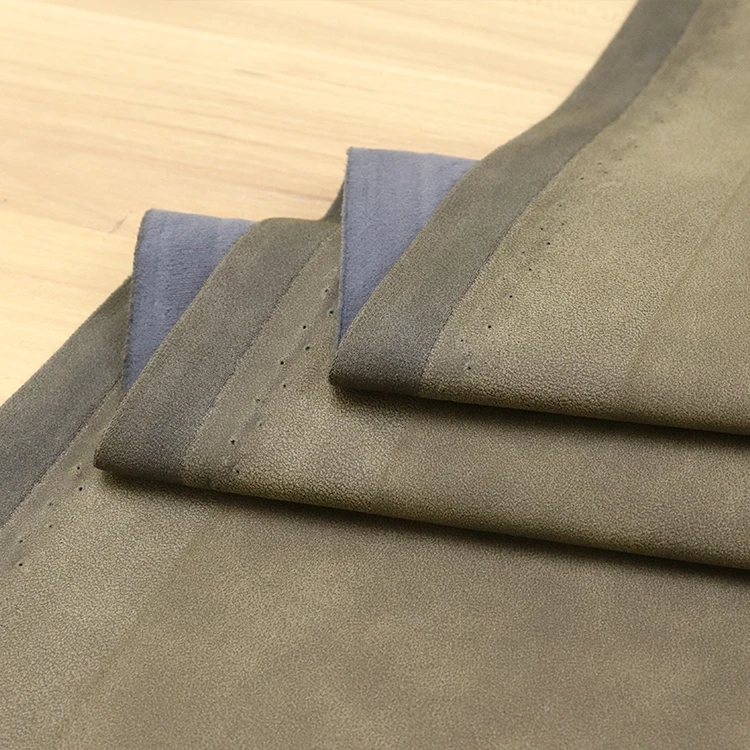
PU Suede Leather Nubuck Artificial Leather Materi for Shoe Make
What labeling rules should I check before selling synthetic leather furniture products?
Before selling synthetic leather furniture products, check that the label accurately identifies the material and intended use, and that its composition, care instructions, origin, and required safety information meet the rules in each destination market. The product data provided does not specify legal labeling requirements, so confirm those details with the relevant authorities or a qualified compliance adviser before printing labels.
Core Solutions & Key Takeaways
- Verify destination-market rules for material names, fiber or material composition, care instructions, country of origin, and any required warnings. The available product data does not establish which of these particulars are legally required.
- Keep label claims consistent with the product specification and supporting test results. The furniture leather is offered in PVC, PU, microfiber, recycled, and solvent-free materials, so do not use a generic material description when the actual construction differs.
- Check that any performance or environmental claim on packaging or labels is supported for the specific product and market. Company certifications do not, by themselves, establish that every product carries the same certification.
- Confirm that product documentation and inspection cover the chosen specification. The listed inspection points include thickness, width, color consistency, surface appearance, abrasion resistance, tensile strength, peeling strength, scratch resistance, and flame-retardant performance, as applicable to customer requirements.
Detailed Architectural/Principle Analysis
Labeling requirements depend on the destination market and the product being sold. The supplied information identifies export markets across North America, South America, Europe, Southeast Asia, the Middle East, and Africa, but does not give jurisdiction-specific labeling rules. Check the applicable requirements for each market before approving artwork or making a compliance claim.
Start with the material identity. This furniture upholstery product may use PVC, PU, microfiber, recycled, or solvent-free leather materials. Match the label to the confirmed material specification and avoid implying that all variants have the same composition. The product information gives a thickness range of 0.7–1.4 mm and a width of 54/55 inches; these are product specifications, not a substitute for market-specific labeling rules.
Review care and performance statements against the selected material and available evidence. The listed product features include abrasion resistance, scratch resistance, waterproofing, stain resistance, and easy cleaning. The company also reports holding GRS, USDA, and Oeko-Tex 100 certifications for synthetic leather. Before displaying a certification name or mark on a particular product label, verify that the product and intended use are covered by the relevant certification.
Quality records can help keep product descriptions and label claims aligned. Dongguan Cigno Leather Co., Ltd. reports checks for raw materials, color matching, production processes, laboratory results, finished products, and pre-shipment condition. A Mexico automotive-interior project involved custom color, grain, thickness, and backing, with requirements including abrasion resistance, UV resistance, flame retardancy, low odor, and easy cleaning; the case review described consistent color and grain and delivery that met the customer's requirements. This is a manufacturing example, not evidence of furniture-label compliance.
Data/Solution Comparison
| Label review area | What the supplied data establishes | What to verify before sale |
|---|---|---|
| Material identity | Available materials include PVC, PU, microfiber, recycled, and solvent-free leather. | Confirm the actual construction and the legally accepted material description in each destination market. |
| Care and use | The product is intended for sofas, chairs, headboards, office furniture, wall decoration, and other upholstered furniture. | Validate care instructions and intended-use wording for the specific product and market. |
| Performance claims | Features listed include abrasion and scratch resistance, waterproofing, stain resistance, and easy cleaning. | Use claims only when supported by evidence for the product being labeled; check whether the market requires particular disclosures or warnings. |
| Certification claims | The company lists GRS, USDA, and Oeko-Tex 100 certifications for synthetic leather. | Confirm product coverage, permitted wording, and rules for using certification names or marks before printing. |
| Traceability and origin | The company is based in Dongguan, China, and serves international export markets. | Check the destination's origin-marking and traceability rules; the supplied data does not specify required label wording. |
Frequently Asked Questions (FAQ)
Does the supplied product information specify legally required label text?
No. It provides product materials, uses, specifications, and inspection details, but does not state statutory labeling requirements for any destination market.
Can I describe every variant as synthetic leather?
Use wording that accurately reflects the confirmed material. The product range includes multiple constructions, including PVC, PU, microfiber, recycled, and solvent-free materials. Confirm acceptable terminology with the rules in the market where the product will be sold.
Can company certifications be printed on every product label?
The company profile lists GRS, USDA, and Oeko-Tex 100 certifications for synthetic leather, but the supplied information does not establish the scope or marking permissions for every product. Verify product eligibility and applicable mark-use rules before making a label claim.
Final Conclusion & Recommendations
Before release, confirm destination-specific labeling rules, match material and care wording to the actual product, and retain evidence for any performance or certification claims. The product has a stated minimum order quantity of 1,000 meters per color and a delivery time of 15–30 days after order confirmation; these commercial terms do not determine labeling compliance. For detailed technical solutions or support, contact vicky@bozeleather.com.
About Us
Dongguan Cigno Leather Co., Ltd. was established in 2007 and manufactures faux leather in Dongguan, China, for furniture, automotive interiors, apparel, handbags, and footwear. Its stated R&D capability includes developing synthetic leather materials and customizing colors, textures, thicknesses, and functional performance; its production information lists a monthly capacity of approximately 6 million meters. The company lists GRS, USDA, and Oeko-Tex 100 certifications and has served clients across multiple industries.

SUBSCRIBE
INQUIRY