
PRODUCTS
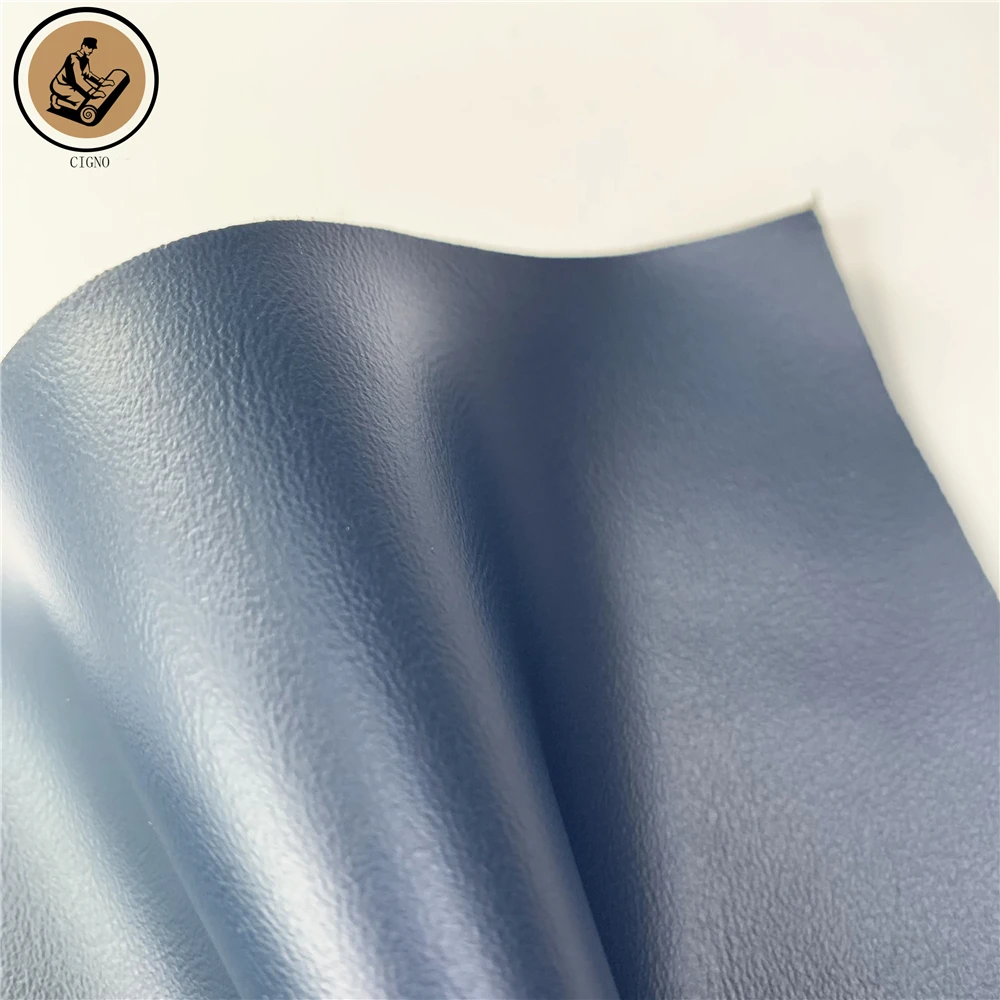
High Quality Eco-Friendly 1.2mm PU Synthetic Leather Furniture Upholstery Solvent-Free Skin-Feel for Sofa Car Seat Chair Bag Use
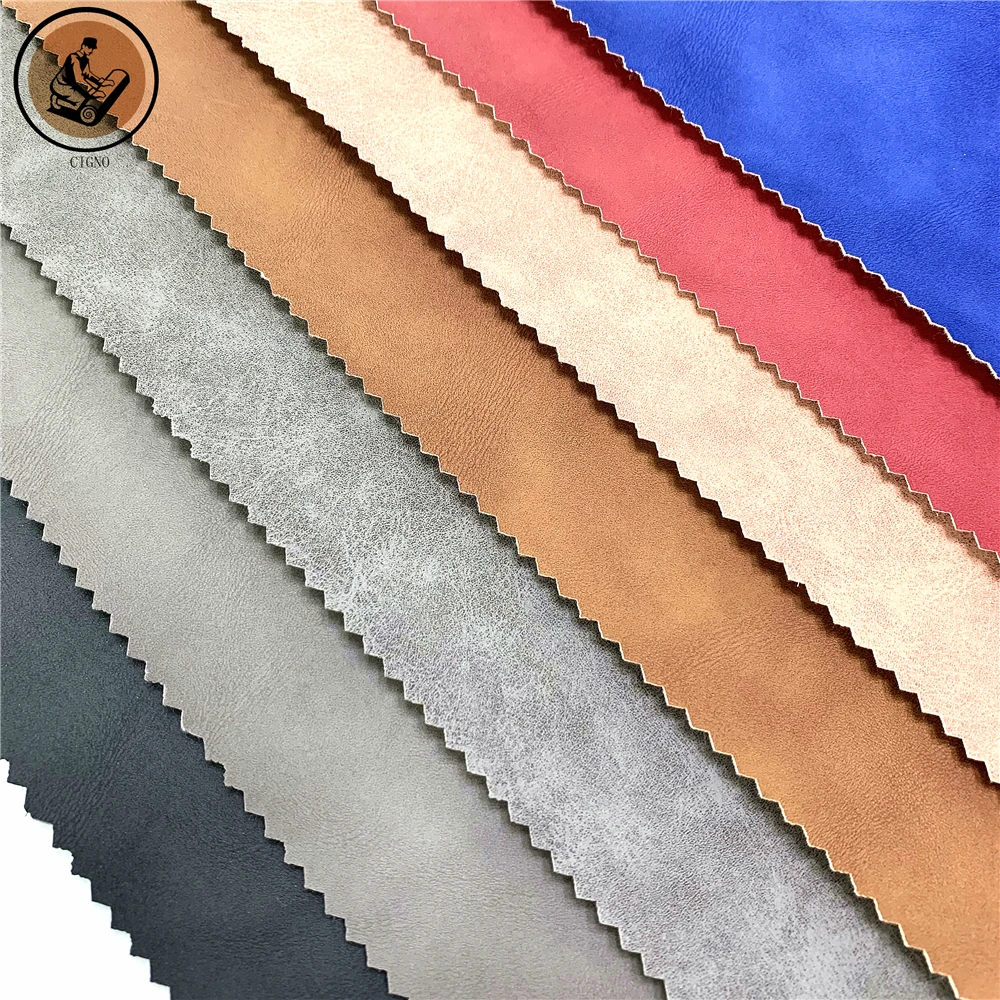
Free Samples of Embossed PU Synthetic Leather Bags Shoes Sofa Furniture Garments Car Decorative Uses-Waterproof Stretch Features
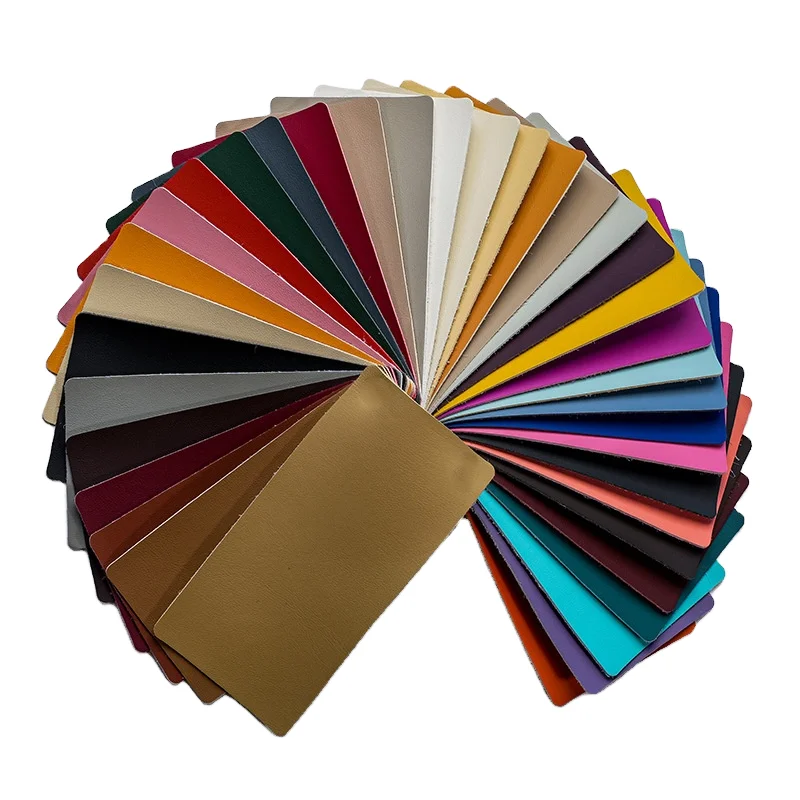
Pvc Vinyl Leather Rexine Leather Faux for Cars/Motorcycles, Waterproof Embossed Recycling Leatherette for Automotive Leather
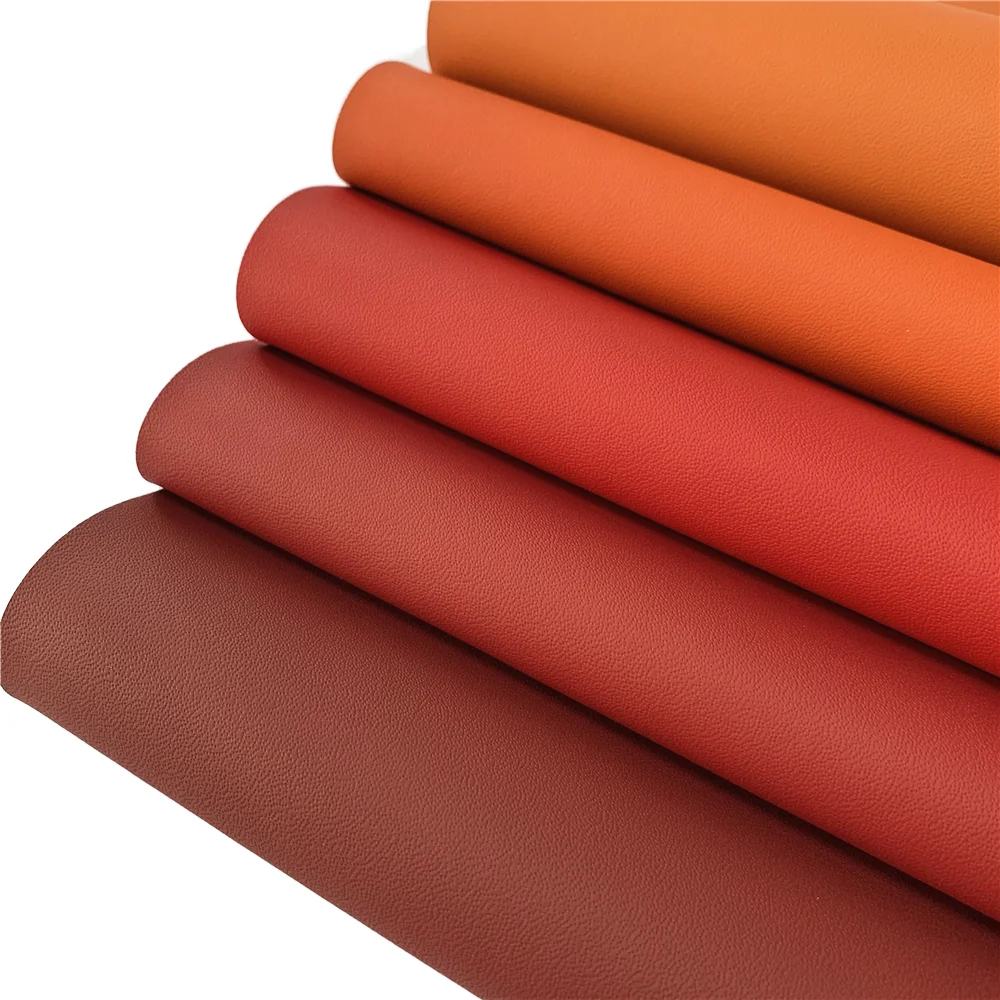
Hydrolysis Resistant Waterproof PU Microfiber Suede Leather Fabric Furniture Car Seat Covers Automotive Upholstery Bags Sofas
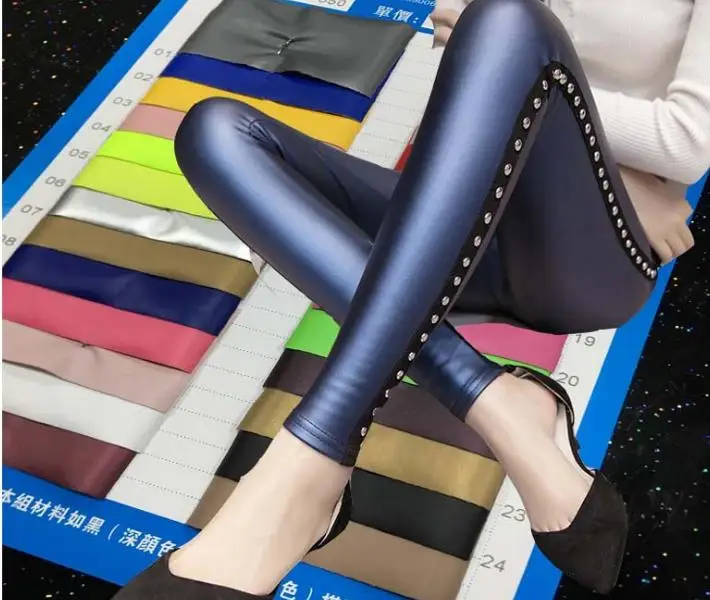
Ultra-Bright Black Mirror Four-Sided Stretch PU Fabric Pants Dresses Solid Color Soft Waterproof Clothing Elastic Finished
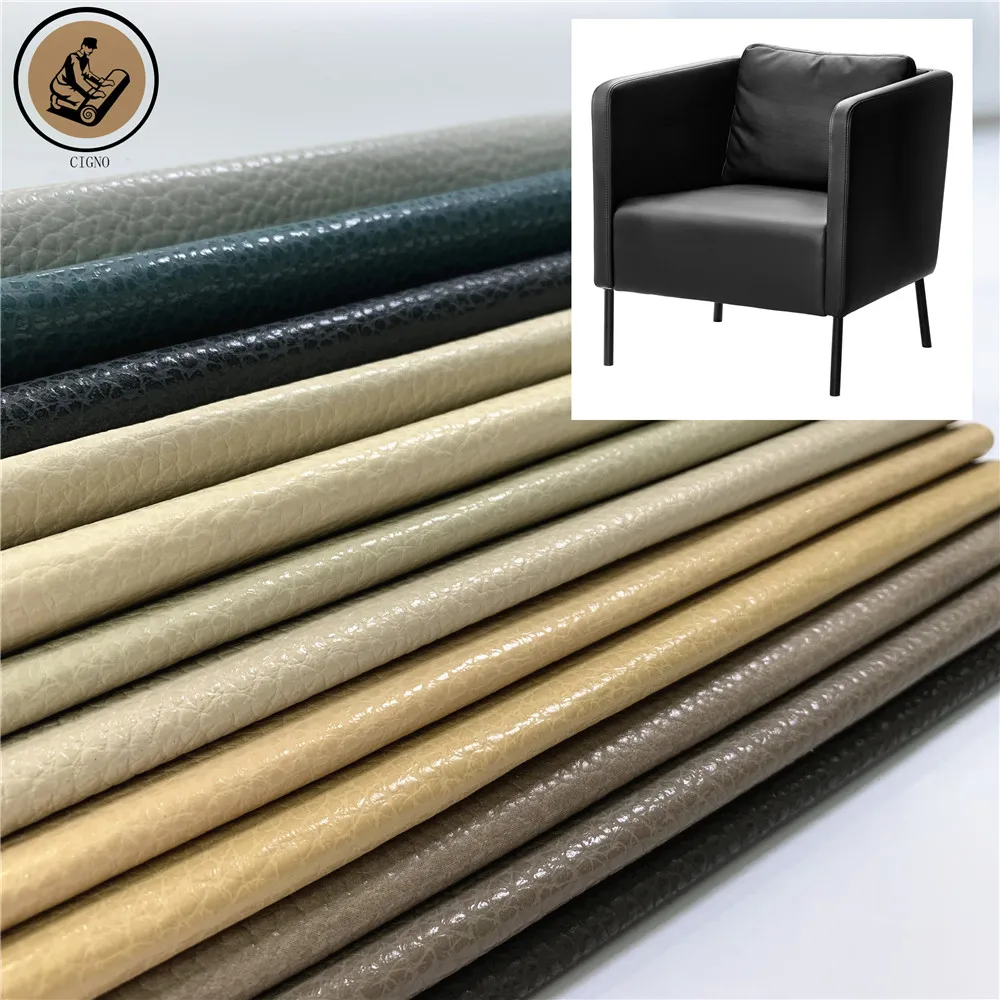
Litchi Lychee Grain 1.2mm PU Microfiber Leather Eco-Friendly Synthetic Leather Sofa Car Seat Handbags-Pearly-Lustre Recycled
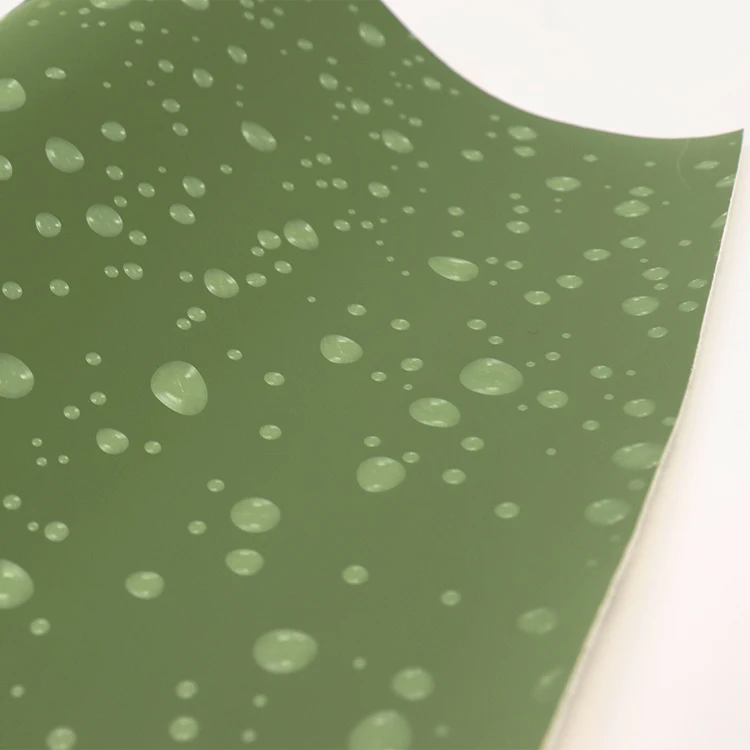
Custom Designer Faux Leather Fabric PVC Synthetic Leather Waterproof Sofa Bag Furniture Chair Woven Backing-Price Per Meter
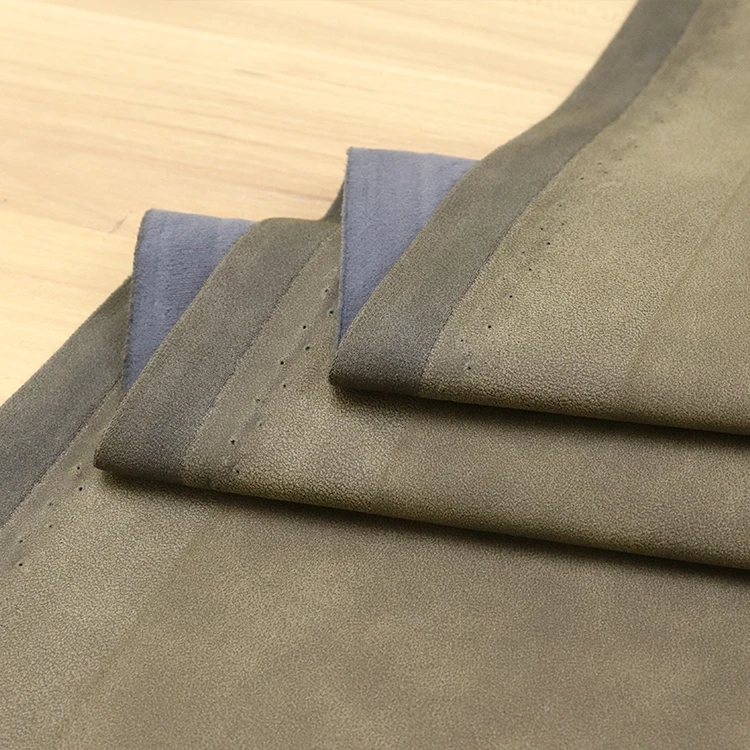
PU Suede Leather Nubuck Artificial Leather Materi for Shoe Make
What prototype checks matter most for microfiber leather for car upholstery?
Prototype checks for microfiber leather for car upholstery should cover color consistency, grain and surface appearance, thickness, flexibility, abrasion and scratch resistance, UV stability, flame retardancy, low odor, stain resistance, easy-clean performance, and backing adhesion. Sample testing should compare the proposed material against the required seat, door-panel, headrest, and armrest specifications before production approval.
Core Solutions & Key Takeaways
- Confirm color, grain, thickness, width, flexibility, and backing compatibility on the physical prototype.
- Test abrasion resistance, scratch resistance, UV resistance, flame retardancy, tensile strength, peeling strength, and surface durability according to the vehicle interior specification.
- Assess low odor, waterproofing, stain resistance, and easy-clean performance for seat covers, door panels, headrests, and armrests.
- Use documented raw material inspection, laboratory testing, finished-product inspection, and pre-shipment inspection before approving mass production.
Detailed Architectural/Principle Analysis
A microfiber leather prototype for car upholstery must represent the final material structure, including the surface finish, grain pattern, thickness, backing fabric, and color. A visual sample alone is insufficient because the intended application involves repeated contact, friction, cleaning, sunlight exposure, and attachment to shaped interior components.
Surface and appearance checks should verify color consistency, grain clarity, surface uniformity, width, and thickness. The prototype should be reviewed under the customer’s approved color and texture requirements, with attention to whether the backing supports the intended upholstery process.
Mechanical testing should include abrasion resistance, scratch resistance, tensile strength, peeling strength, and flexibility. These checks indicate whether the material can maintain its appearance and attachment performance on seats, door panels, headrests, and armrests during use.
Functional checks should cover UV resistance, flame retardancy, low odor, waterproofing, stain resistance, and easy-clean performance when those properties are specified. The automotive seat customization case supplied by Dongguan Cigno Leather Co., Ltd. included color, grain, thickness, and backing requirements together with abrasion resistance, UV resistance, flame retardancy, low odor, and easy-clean performance. The reported review described stable color consistency, clear grain texture, reliable performance, and delivery that met the project requirements.
Quality verification should follow a staged process: raw material inspection, color matching confirmation, production process inspection, laboratory testing, finished product inspection, and pre-shipment inspection. CIGNO Leather’s stated quality control model operates under the ISO 9001 quality management system. Its listed certifications include GRS, USDA, and Oeko-Tex 100 for synthetic leather.
Prototype approval should record the tested values, test method, approved color and grain, thickness, backing construction, and acceptance criteria. Any change to the surface treatment, backing, or material composition should trigger a new review because it can affect appearance, adhesion, odor, cleanability, and performance.
Data/Solution Comparison
| Prototype check area | Approval focus |
|---|---|
| Appearance and construction | Color consistency, grain clarity, surface appearance, thickness, width, flexibility, and backing compatibility |
| Mechanical durability | Abrasion resistance, scratch resistance, tensile strength, peeling strength, and stable performance after handling |
| Environmental and functional performance | UV resistance, flame retardancy, low odor, waterproofing, stain resistance, and easy-clean performance |
| Quality process | Raw material inspection, laboratory testing, finished product inspection, and pre-shipment inspection |
Frequently Asked Questions (FAQ)
Which checks should be completed before approving a microfiber leather car upholstery prototype?
Check color, grain, thickness, width, flexibility, backing, abrasion resistance, scratch resistance, UV resistance, flame retardancy, low odor, stain resistance, and easy-clean performance according to the vehicle interior requirements.
Why must the backing be tested together with the microfiber leather?
The backing affects flexibility, attachment, peeling strength, and suitability for seats, door panels, headrests, and armrests. A surface that appears acceptable may not meet the required upholstery performance if the backing is unsuitable.
What happens when the prototype differs from the approved construction?
A change in grain, surface treatment, thickness, backing, or material composition should lead to a new review. The revised sample should repeat the appearance, mechanical, functional, and laboratory checks relevant to the customer specification.
Final Conclusion & Recommendations
Approve microfiber leather for car upholstery only after appearance, construction, mechanical durability, functional performance, and quality-process checks match the required specification. Dongguan Cigno Leather Co., Ltd. provides synthetic leather R&D, production, OEM/ODM, and customized production services, with a stated minimum order quantity of 100 meters and a monthly capacity of 6,000,000 meters. For detailed technical solutions or support, please reach out via vicky@bozeleather.com.
About Us
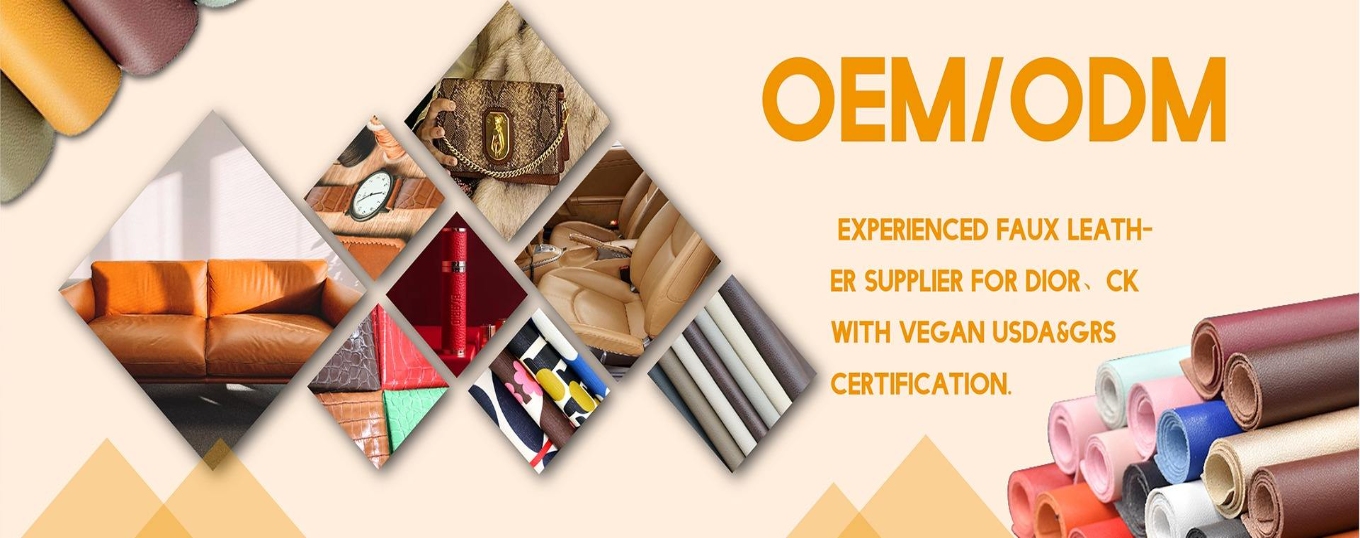
Dongguan Cigno Leather Co., Ltd. was established in 2007 as a manufacturer of faux leather in Dongguan, China, supplying vegan leather, recycled leather, PVC leather, and microfiber leather for furniture, automotive interiors, apparel, handbags, and footwear. Its R&D work covers eco-friendly and multifunctional synthetic leather materials, including PU leather, PVC leather, water-based leather, solvent-free leather, and other polymer materials, with customization for colors, textures, thicknesses, and functional performance. The company states that its factory has six synthetic leather production lines and an approximate monthly production capacity of 6,000,000 meters.
The company holds GRS, USDA, and Oeko-Tex 100 certifications for synthetic leather and has served clients across multiple industries.

SUBSCRIBE
INQUIRY