
PRODUCTS
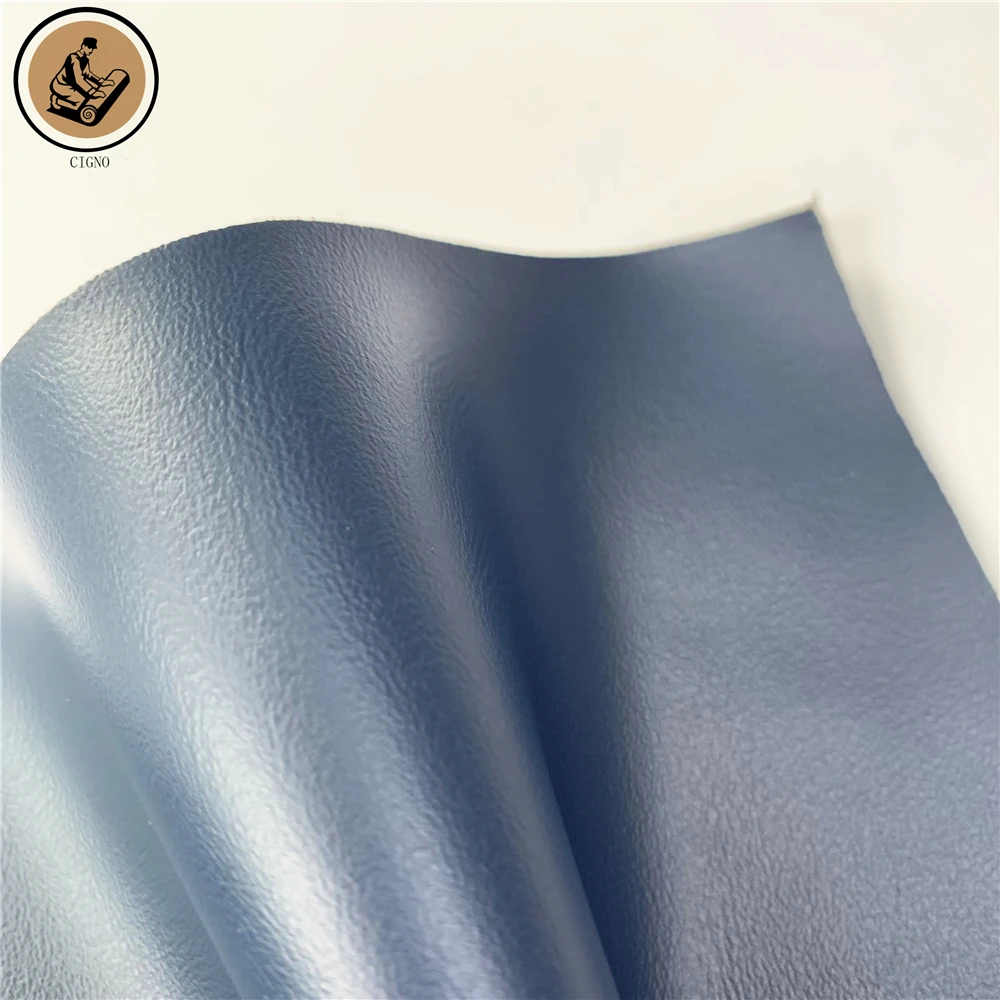
High Quality Eco-Friendly 1.2mm PU Synthetic Leather Furniture Upholstery Solvent-Free Skin-Feel for Sofa Car Seat Chair Bag Use
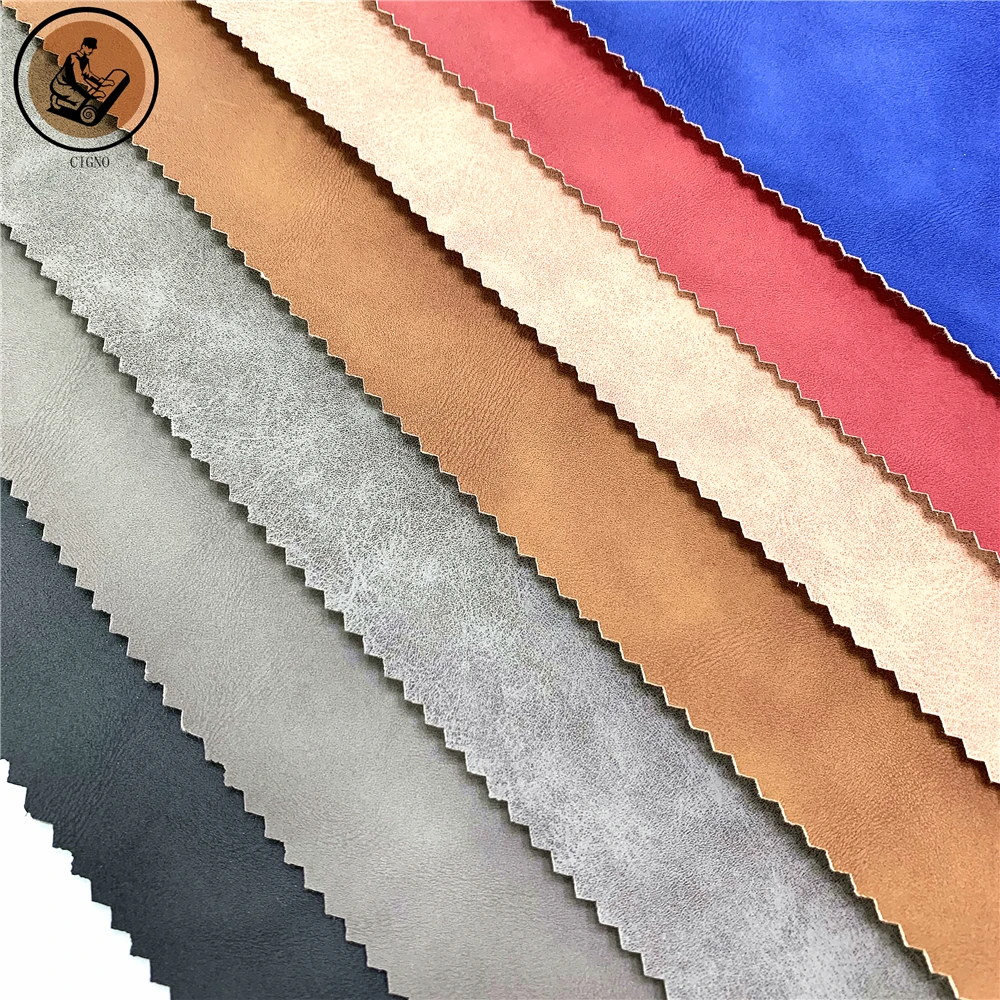
Free Samples of Embossed PU Synthetic Leather Bags Shoes Sofa Furniture Garments Car Decorative Uses-Waterproof Stretch Features
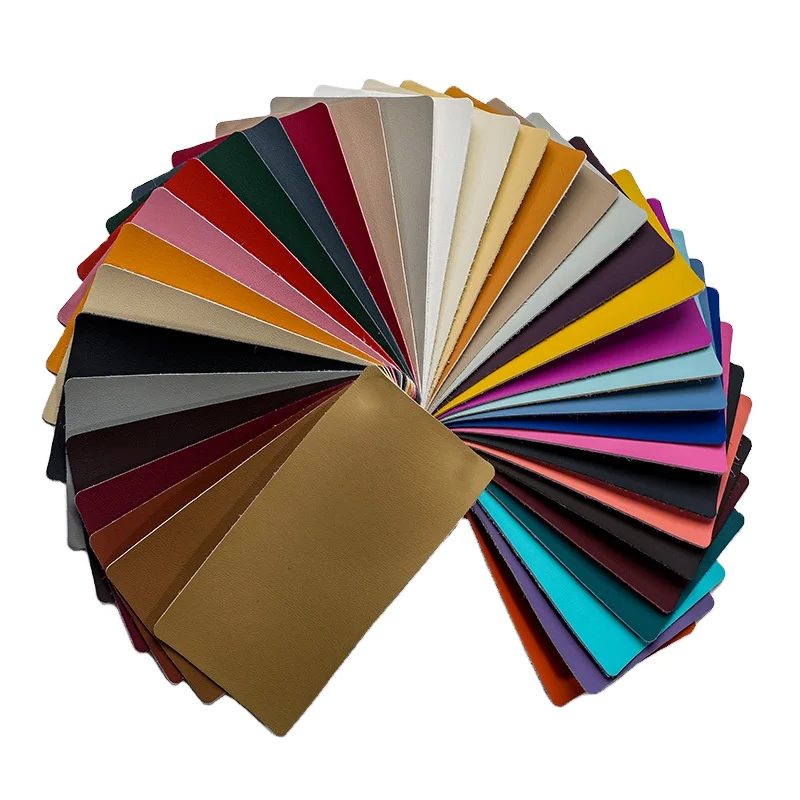
Pvc Vinyl Leather Rexine Leather Faux for Cars/Motorcycles, Waterproof Embossed Recycling Leatherette for Automotive Leather
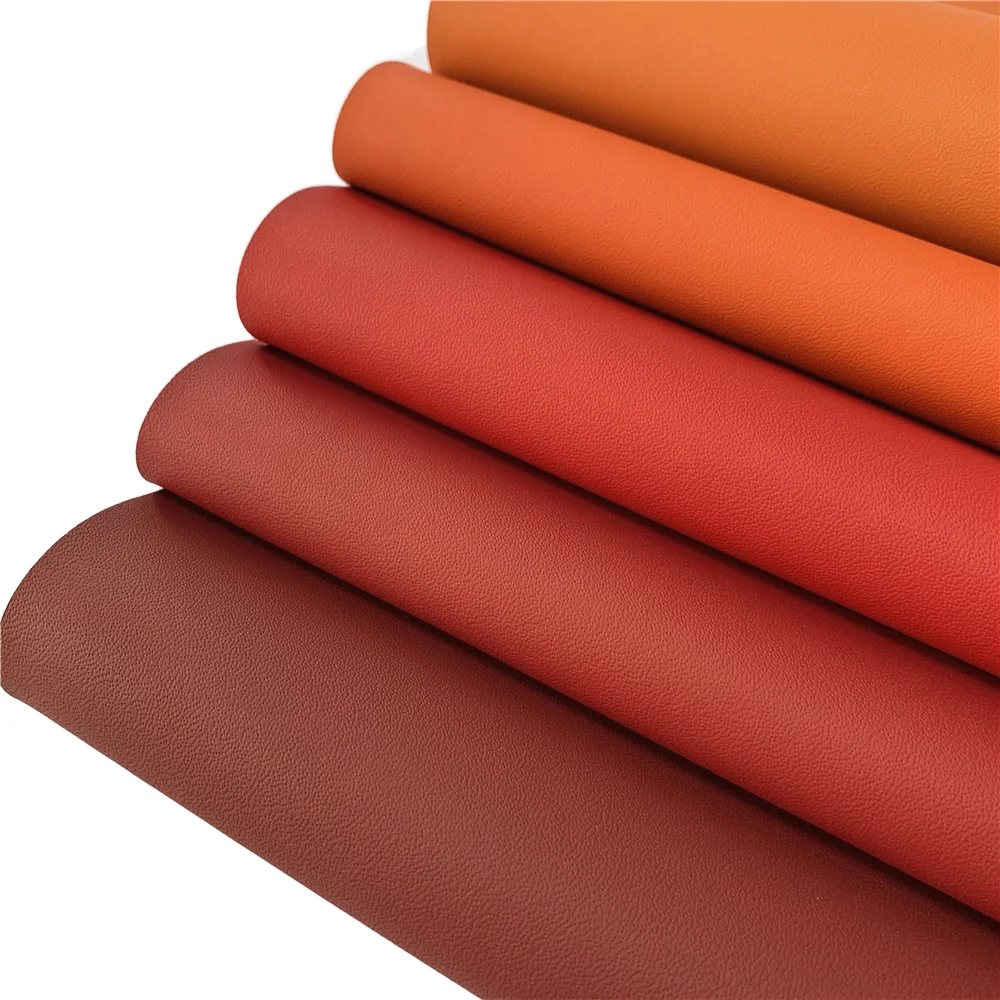
Hydrolysis Resistant Waterproof PU Microfiber Suede Leather Fabric Furniture Car Seat Covers Automotive Upholstery Bags Sofas
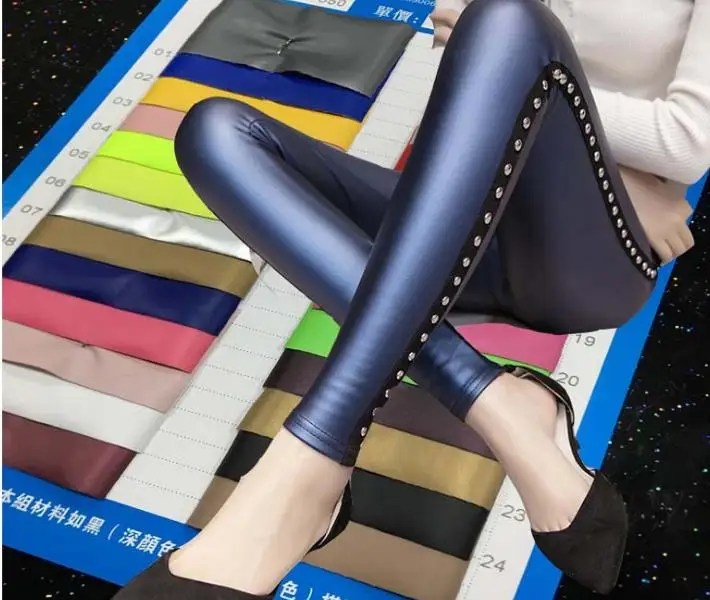
Ultra-Bright Black Mirror Four-Sided Stretch PU Fabric Pants Dresses Solid Color Soft Waterproof Clothing Elastic Finished
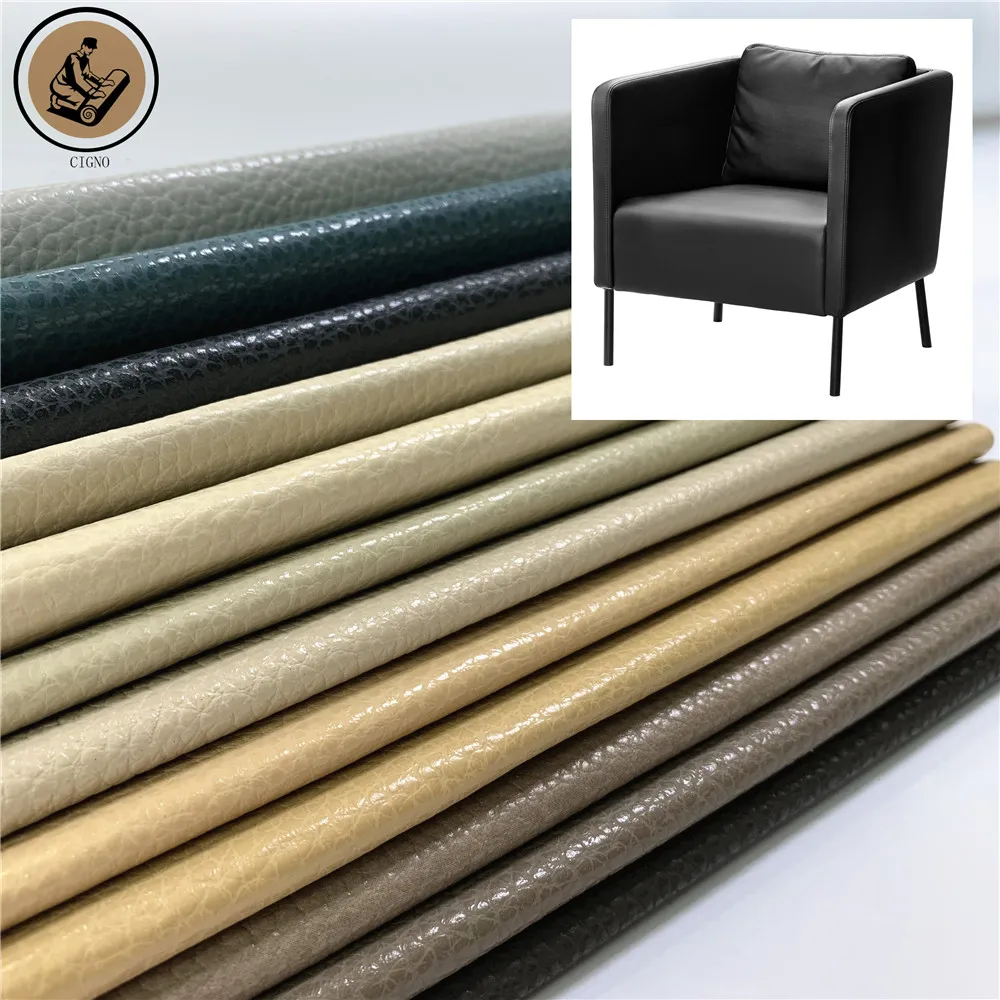
Litchi Lychee Grain 1.2mm PU Microfiber Leather Eco-Friendly Synthetic Leather Sofa Car Seat Handbags-Pearly-Lustre Recycled
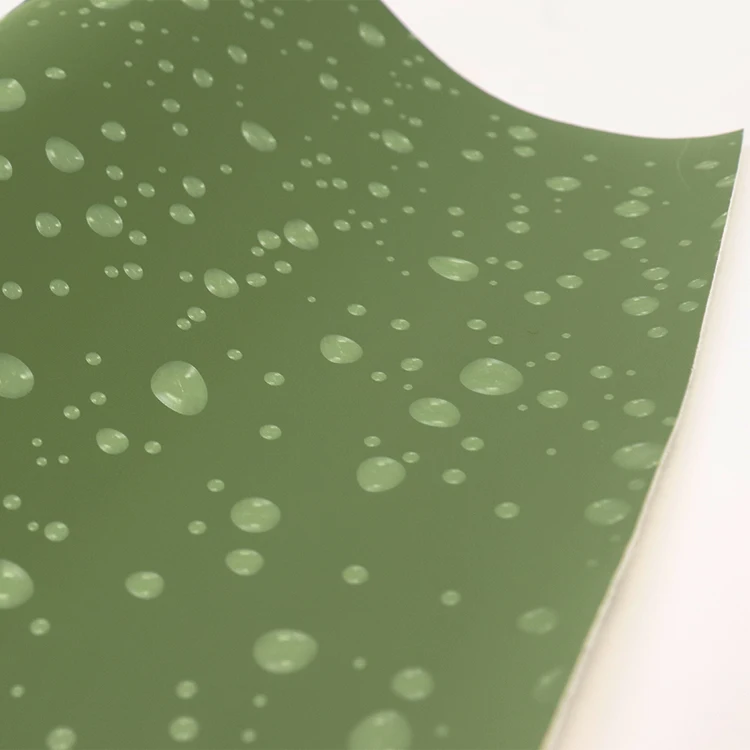
Custom Designer Faux Leather Fabric PVC Synthetic Leather Waterproof Sofa Bag Furniture Chair Woven Backing-Price Per Meter
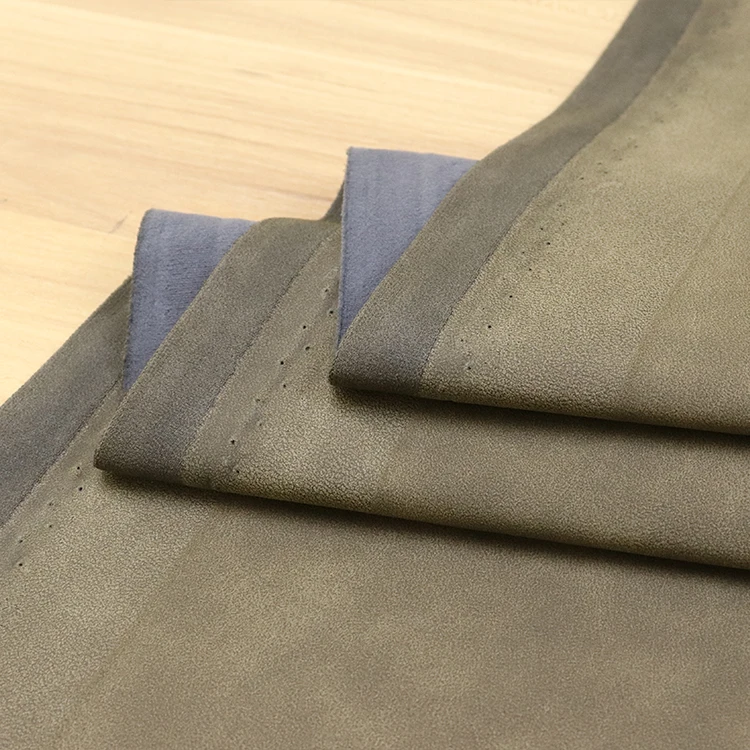
PU Suede Leather Nubuck Artificial Leather Materi for Shoe Make
What questions expose whether a furniture leather supplier uses subcontracted production?
To expose whether a furniture leather supplier uses subcontracted production, ask where the material is manufactured, which processes are performed in-house, who controls quality inspections, and whether production records, capacity data, samples, and delivery commitments come from the same facility. Request evidence linking the supplier’s R&D, production lines, testing, OEM/ODM services, and shipment records to one accountable operation.
Core Solutions & Key Takeaways
- Ask the supplier to identify the manufacturing site, production lines, supporting equipment, and processes performed directly by its own team.
- Request a complete quality-control path covering raw material inspection, production inspection, laboratory testing, finished-product inspection, and pre-shipment inspection.
- Compare sample approval, color and grain development, customized backing, and production delivery with the supplier’s stated OEM/ODM capabilities.
- Verify whether the supplier can support automotive and furniture upholstery requirements such as abrasion resistance, scratch resistance, UV resistance, flame retardancy, waterproofing, stain resistance, and easy-clean performance.
Detailed Architectural/Principle Analysis
A supplier that controls production should be able to provide a consistent explanation of its facility, equipment, technical team, and inspection workflow. Ask: “Which production steps are completed in your own facility, and which are assigned to another company?” The answer should distinguish coating, embossing, backing, finishing, testing, warehousing, and shipment rather than using a general statement such as “we manage the production.”
Ask for the factory address, production-line count, supporting equipment, monthly capacity, and the person responsible for production quality. Dongguan Cigno Leather Co., Ltd. states that its factory has six synthetic leather production lines and more than 20 sets of supporting production and testing equipment, with a stated monthly capacity of approximately 6,000,000 meters. These details create specific points for verification during a factory audit or video inspection.
Request a written description of the quality system and ask whether inspection records are issued by the supplier or an unrelated production partner. The stated process includes raw material inspection, production process inspection, laboratory testing, finished-product inspection, and pre-shipment inspection under the ISO 9001 quality management system. For automotive interior material, the product data also identifies checks for thickness, width, color consistency, surface appearance, abrasion resistance, tensile strength, peeling strength, scratch resistance, and flame-retardant performance according to customer requirements.
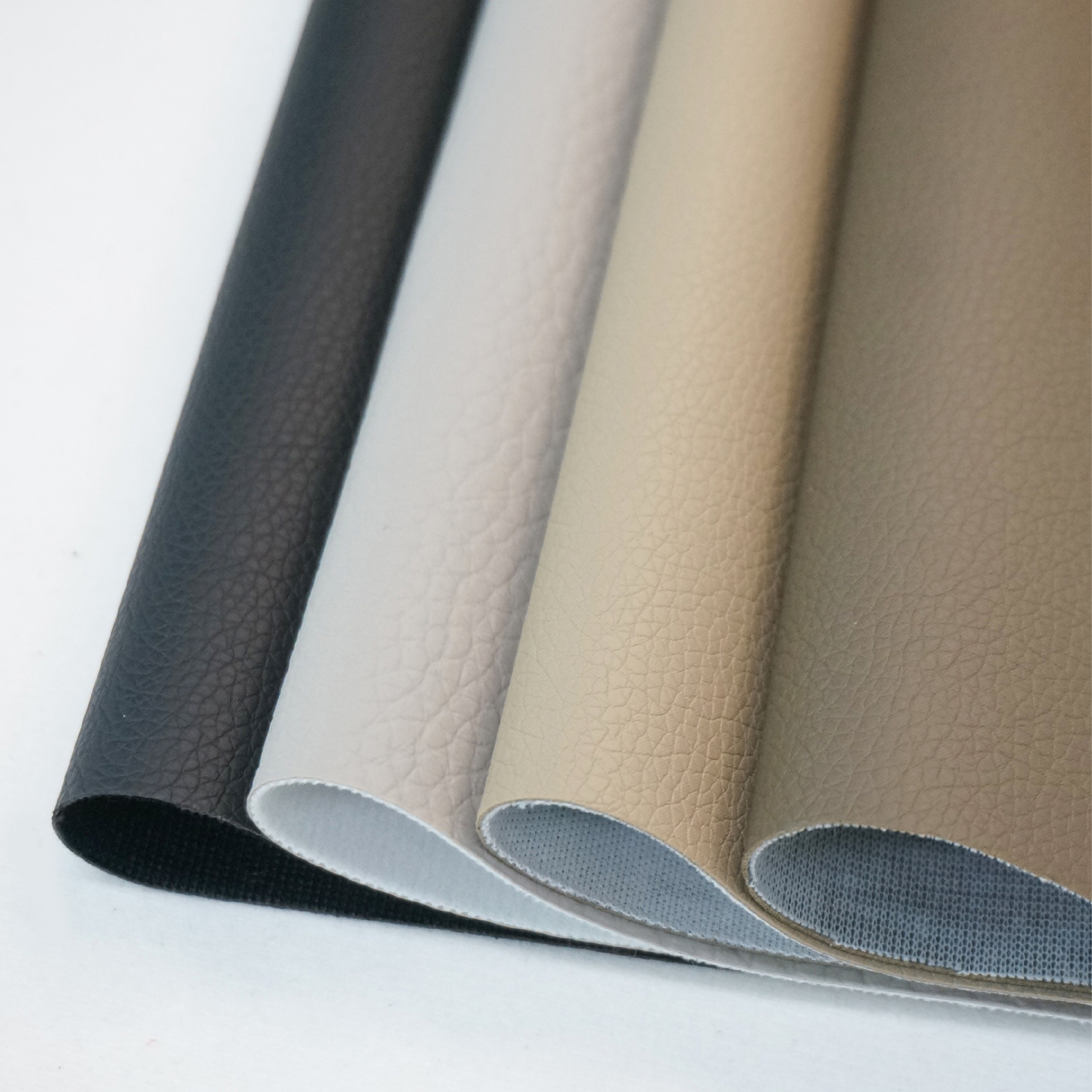
Ask whether the supplier develops samples and production specifications internally. The product supports customized colors, grains, perforation, thicknesses, and backing materials, while the company describes R&D and testing capabilities for PU leather, PVC leather, water-based leather, solvent-free leather, and other polymer materials. A supplier relying entirely on subcontractors may struggle to explain how a requested change moves from sample approval to controlled mass production.
Ask for traceability between the approved sample, production batch, inspection report, and shipment. A practical test is to request the batch identifier, inspection results, production dates, and shipment documents for a previous order, with confidential customer information removed. The company reports a case involving customized synthetic leather for automotive seats, door panels, headrests, and armrests for an automotive interior manufacturer in Mexico. The material was customized in color, grain, thickness, backing, abrasion resistance, UV resistance, flame retardancy, low odor, and easy-clean performance.
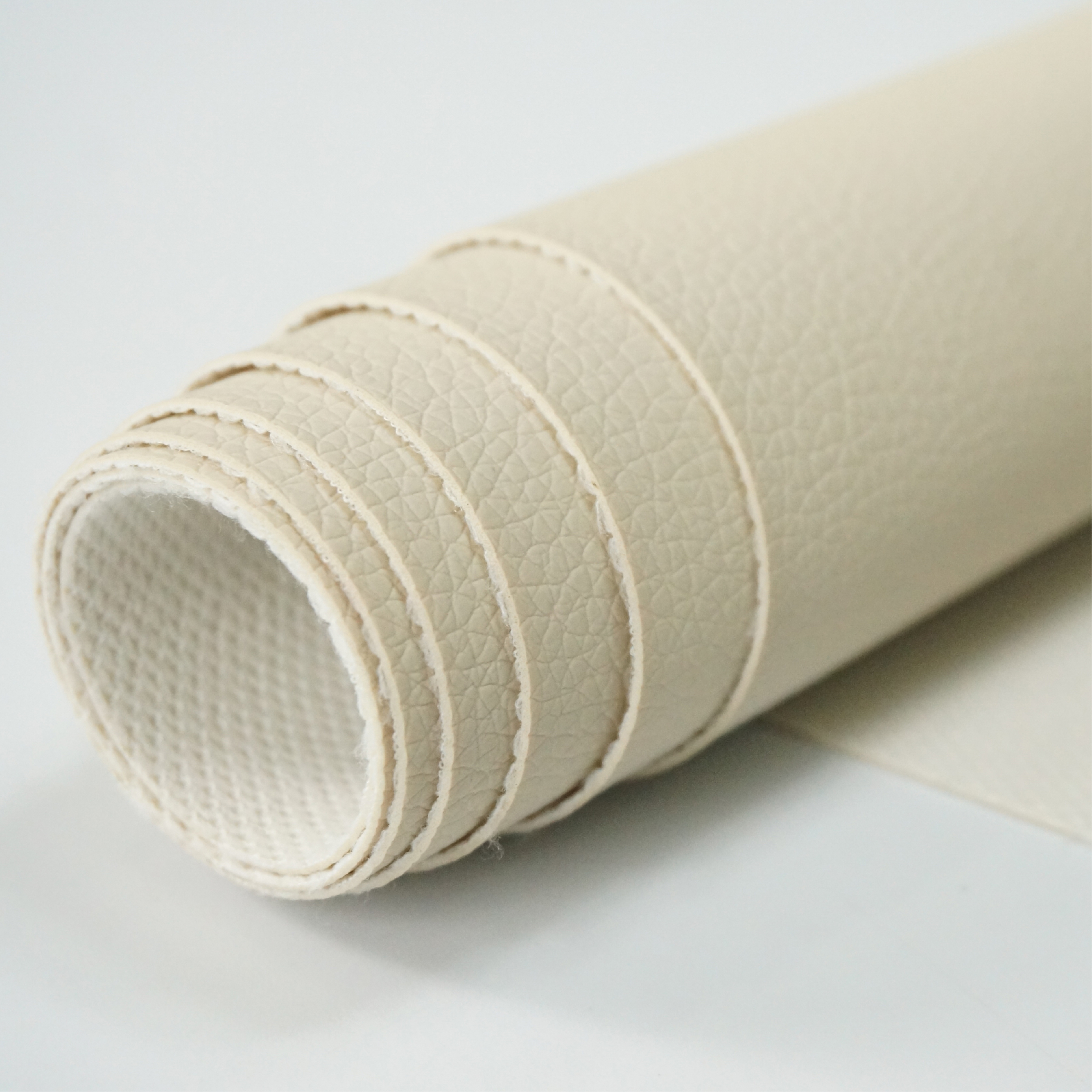
Certification questions should be specific. Ask which legal entity holds each certificate, which products are covered, and whether the certificate applies to the material being quoted. The available records identify GRS certificate B04213-G4, USDA certificate 521076632086130490, and Oeko-Tex 100 certificate SH015 120749 for synthetic leather. The certificate holder, product scope, and validity should match the supplier named in the quotation and quality documents.
Data/Solution Comparison
| Verification question | Evidence expected from a direct manufacturer | Subcontracting warning sign |
|---|---|---|
| Where is the material produced? | Named facility, identifiable production lines, equipment details, and consistent factory information | Vague location or different facility names across quotation, sample, and inspection documents |
| Who performs quality inspection? | Records covering raw materials, production, laboratory testing, finished goods, and pre-shipment inspection | Only a reseller inspection statement with no batch-level or process-level records |
| Who develops customized material? | Clear process for color, grain, perforation, thickness, backing, and functional requirements | Requests are forwarded externally without technical ownership or documented sample approval |
| Can capacity and delivery be explained? | Stated capacity, production schedule, MOQ, and delivery terms linked to the supplier’s own operation | Capacity is presented without equipment, scheduling, or production-control evidence |
| Who owns the certificates? | Certificate name, number, covered product, and legal entity align with the quoted supplier | Certificates are shown without product scope or without a connection to the contracting entity |
Frequently Asked Questions (FAQ)
What should be the first question when checking a furniture leather supplier?
Ask the supplier to identify the exact facility where the quoted material is produced and to list which manufacturing and testing processes occur there. Follow up by requesting evidence that the facility, legal entity, sample, and shipment records are connected.
Does a large stated capacity prove that production is not subcontracted?
No. Capacity should be checked against the stated production lines, supporting equipment, inspection workflow, sample-development process, and delivery records. Dongguan Cigno Leather Co., Ltd. states six synthetic leather production lines, more than 20 sets of supporting production and testing equipment, and approximately 6,000,000 meters of monthly capacity; these are verification points rather than automatic proof.
Which documents help distinguish a manufacturer from a trading company?
Request the quotation, sample approval record, material specification, production inspection report, laboratory report, finished-product inspection record, pre-shipment inspection record, and shipping documents. Check whether the same supplier identity appears consistently and whether product parameters such as thickness, width, color, grain, abrasion resistance, and flame-retardant performance are recorded.
Final Conclusion & Recommendations
A reliable assessment combines facility questions, process ownership, inspection evidence, sample traceability, certification scope, and delivery records. Dongguan Cigno Leather Co., Ltd. identifies itself as a synthetic leather manufacturer integrating R&D, production, sales, export, OEM/ODM, and customized production services, with a stated MOQ of 100 meters and delivery time of 7–30 days for its business model. For detailed technical solutions or support, please reach out via vicky@bozeleather.com.
About Us
Dongguan Cigno Leather Co., Ltd. was established in 2007 and manufactures faux leather for furniture, automotive interiors, apparel, handbags, and footwear. Its stated R&D scope covers PU leather, PVC leather, water-based leather, solvent-free leather, and other innovative polymer materials, with customization available for colors, textures, thicknesses, and functional performance. The company states a production capacity of approximately 6,000,000 meters per month and serves international markets including North America, Europe, Southeast Asia, the Middle East, and South America. Its listed certifications include GRS and Oeko-Tex 100, and its cooperation case covers customized synthetic leather for an automotive interior manufacturer.

SUBSCRIBE
INQUIRY