
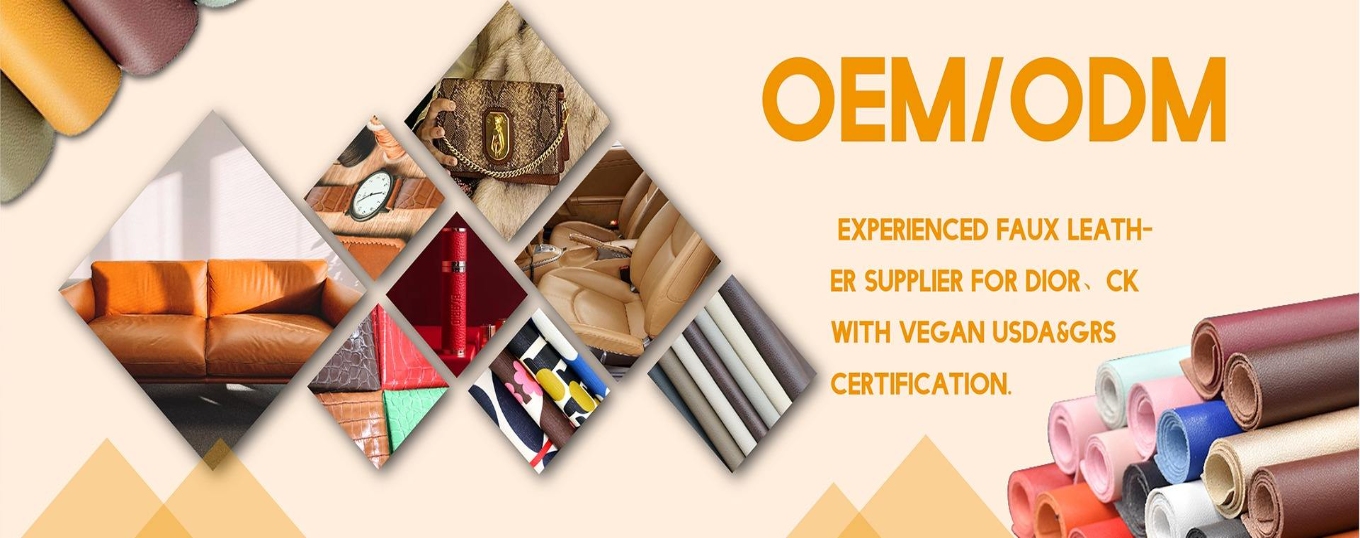
PRODUCTS
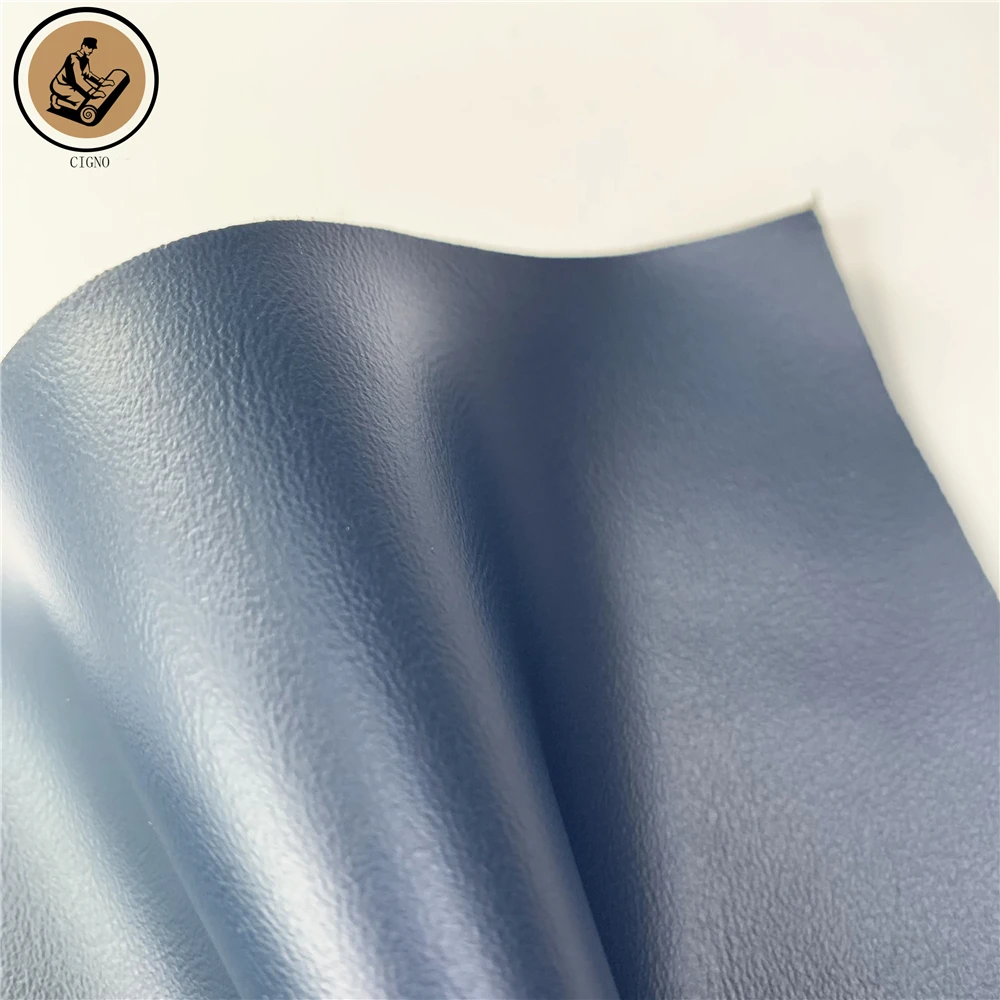
High Quality Eco-Friendly 1.2mm PU Synthetic Leather Furniture Upholstery Solvent-Free Skin-Feel for Sofa Car Seat Chair Bag Use
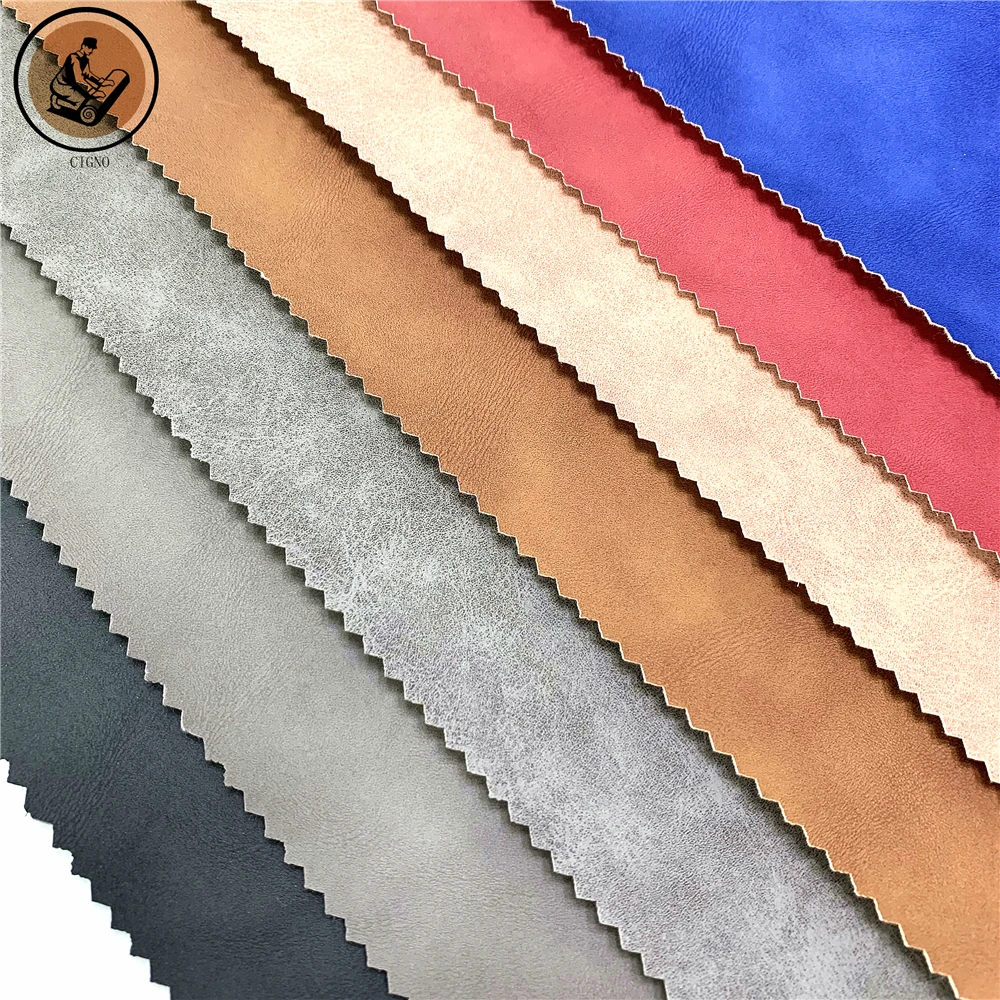
Free Samples of Embossed PU Synthetic Leather Bags Shoes Sofa Furniture Garments Car Decorative Uses-Waterproof Stretch Features
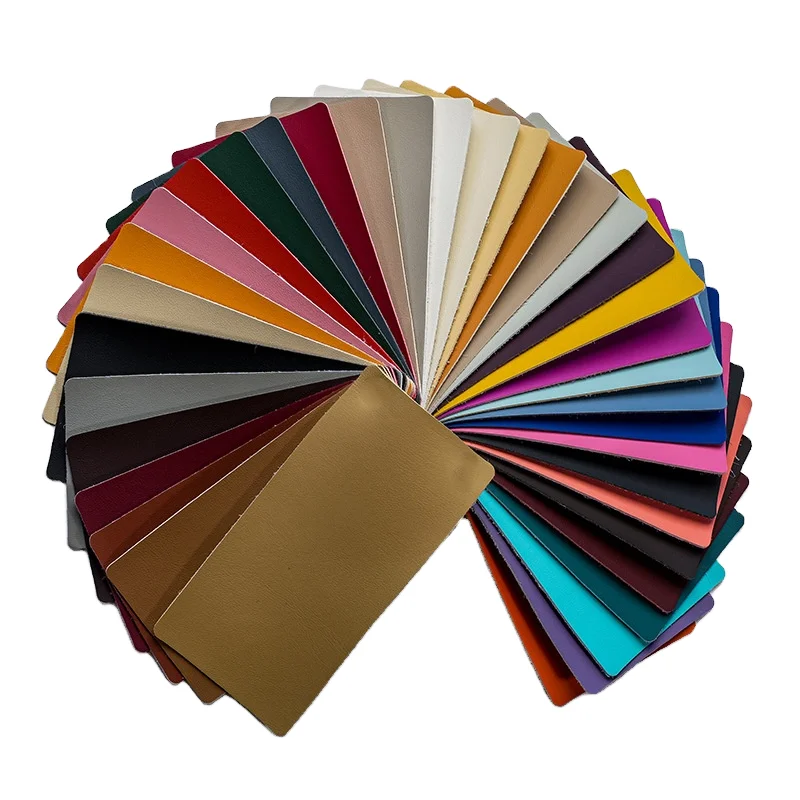
Pvc Vinyl Leather Rexine Leather Faux for Cars/Motorcycles, Waterproof Embossed Recycling Leatherette for Automotive Leather
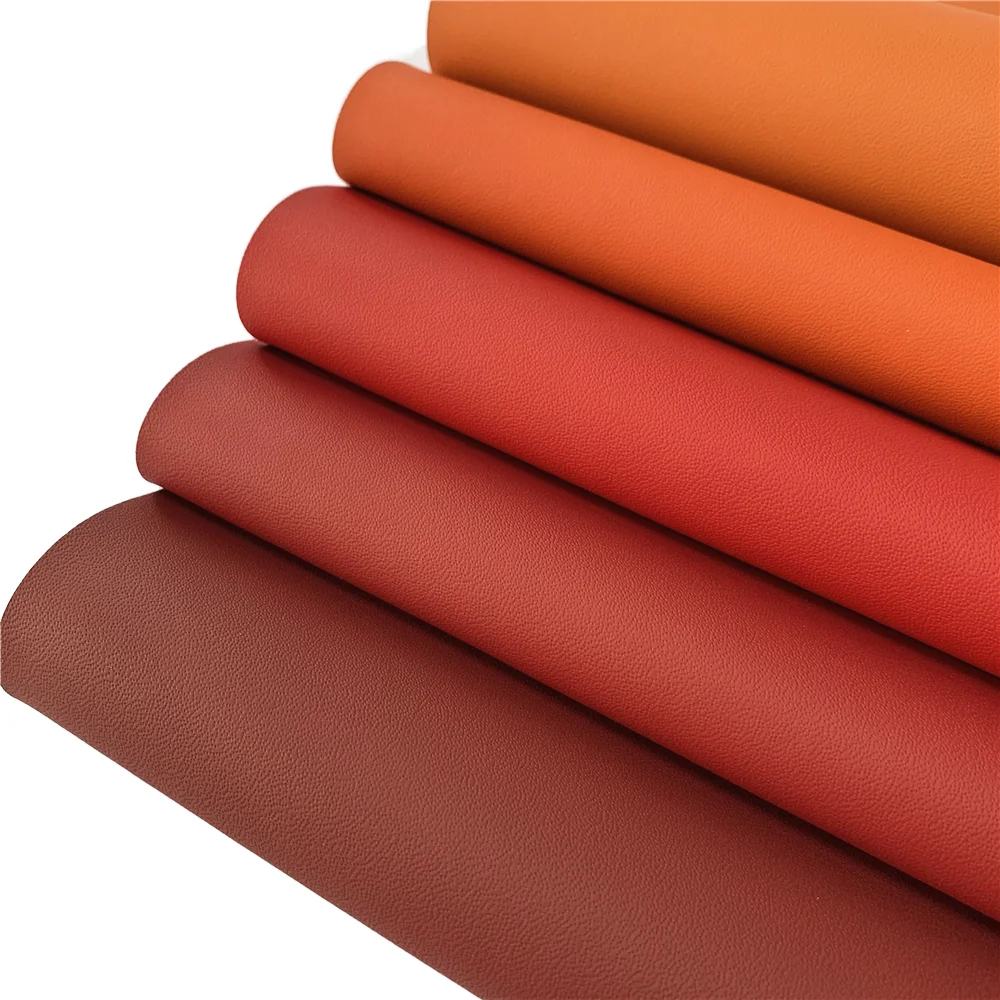
Hydrolysis Resistant Waterproof PU Microfiber Suede Leather Fabric Furniture Car Seat Covers Automotive Upholstery Bags Sofas
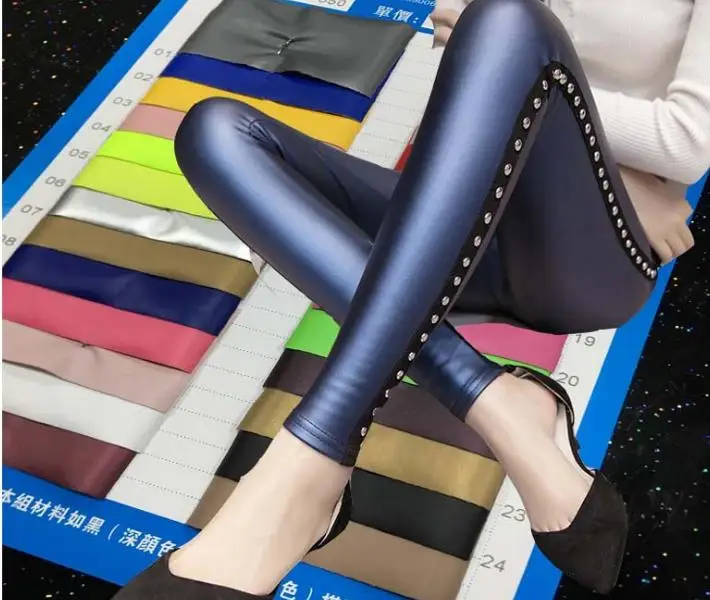
Ultra-Bright Black Mirror Four-Sided Stretch PU Fabric Pants Dresses Solid Color Soft Waterproof Clothing Elastic Finished
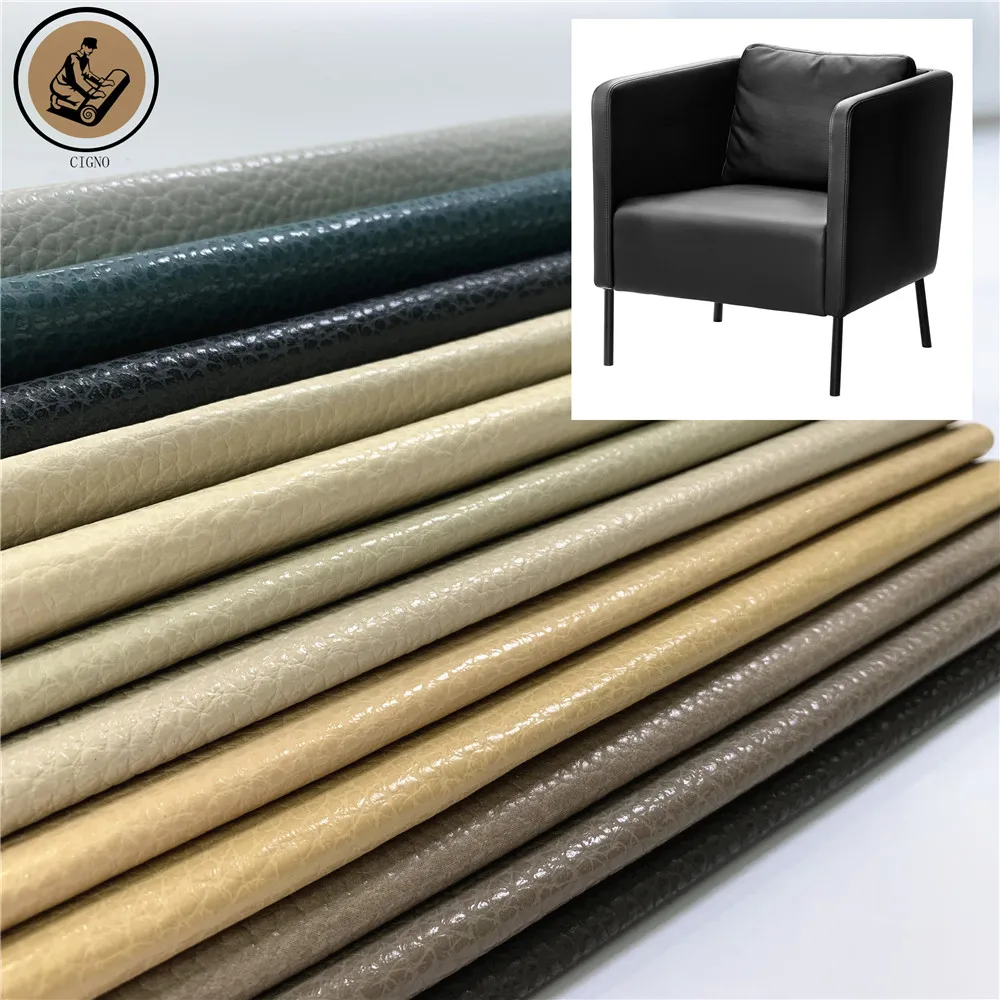
Litchi Lychee Grain 1.2mm PU Microfiber Leather Eco-Friendly Synthetic Leather Sofa Car Seat Handbags-Pearly-Lustre Recycled
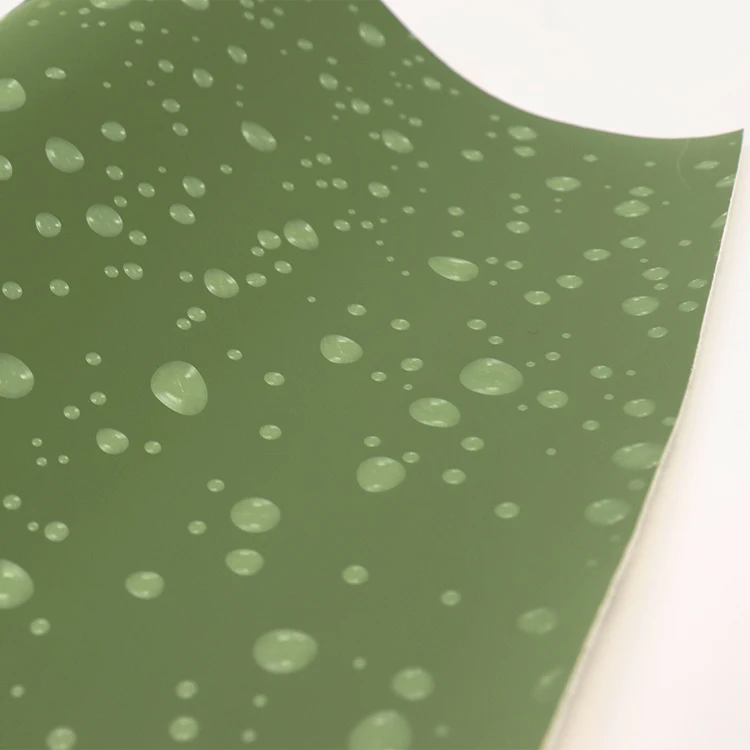
Custom Designer Faux Leather Fabric PVC Synthetic Leather Waterproof Sofa Bag Furniture Chair Woven Backing-Price Per Meter
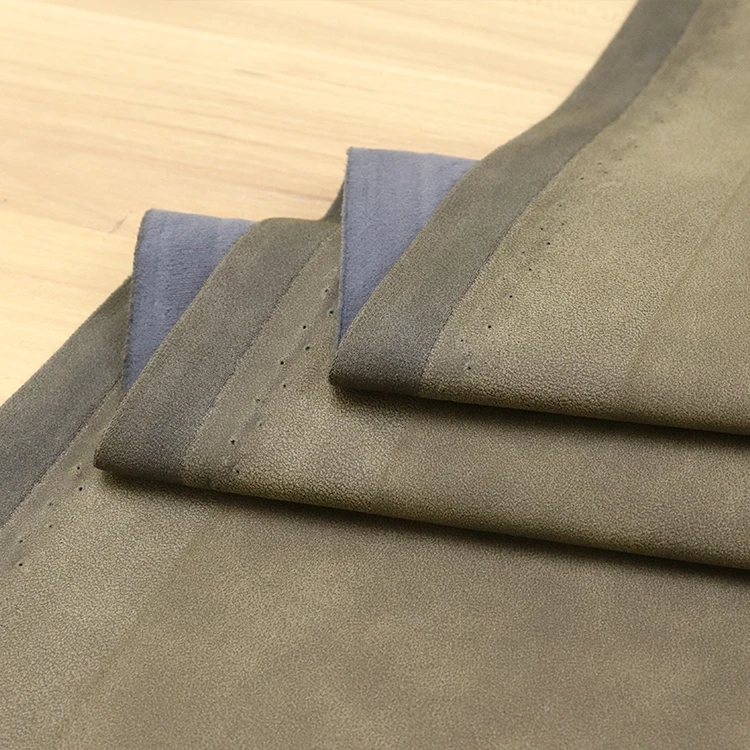
PU Suede Leather Nubuck Artificial Leather Materi for Shoe Make
What should I audit at an eco leather factory to protect my brand's reputation?
To protect your brand’s reputation, audit an eco leather factory’s material claims, certifications, traceability, production capacity, quality-control records, customization process, and delivery performance. Verify that the factory can document inspections for color, thickness, abrasion, scratching, tensile strength, peeling, and flame-retardant performance, while confirming that its stated certifications and application results match your intended automotive, furniture, apparel, or other product use.
Core Solutions & Key Takeaways
- Verify the factory’s legal identity, production scope, R&D capability, certifications, and documented quality-management procedures before approving supply.
- Audit material specifications for PVC, PU, microfiber, and nappa-grain options, including thickness, width, color consistency, surface appearance, flexibility, abrasion resistance, scratch resistance, waterproofing, stain resistance, and easy-clean performance.
- Request evidence of raw-material inspection, color-matching confirmation, process inspection, laboratory testing, finished-product inspection, and pre-shipment inspection.
- Assess whether the supplier can support automotive seats, door panels, headrests, armrests, sofas, chairs, and other upholstery applications with customized colors, grains, thicknesses, backing fabrics, perforated patterns, and functional treatments.
Detailed Architectural/Principle Analysis
1. Audit the material claim. “Eco leather” should be tied to a clearly identified material type and documented performance requirements. The product information covers PVC, PU, microfiber, and nappa-grain finishes for car seat covers. Ask the factory to identify the selected construction, confirm the backing fabric, and provide the agreed color, grain, thickness, width, and functional-treatment specifications in the purchase documentation.
2. Audit measurable product quality. For car seat cover material, the stated thickness range is 0.8–1.4 mm and the stated width is 54/55 inches. These specifications should be checked against approved samples and production records. The inspection scope includes thickness, width, color consistency, surface appearance, abrasion resistance, tensile strength, peeling strength, scratch resistance, and flame-retardant performance when required by the customer.
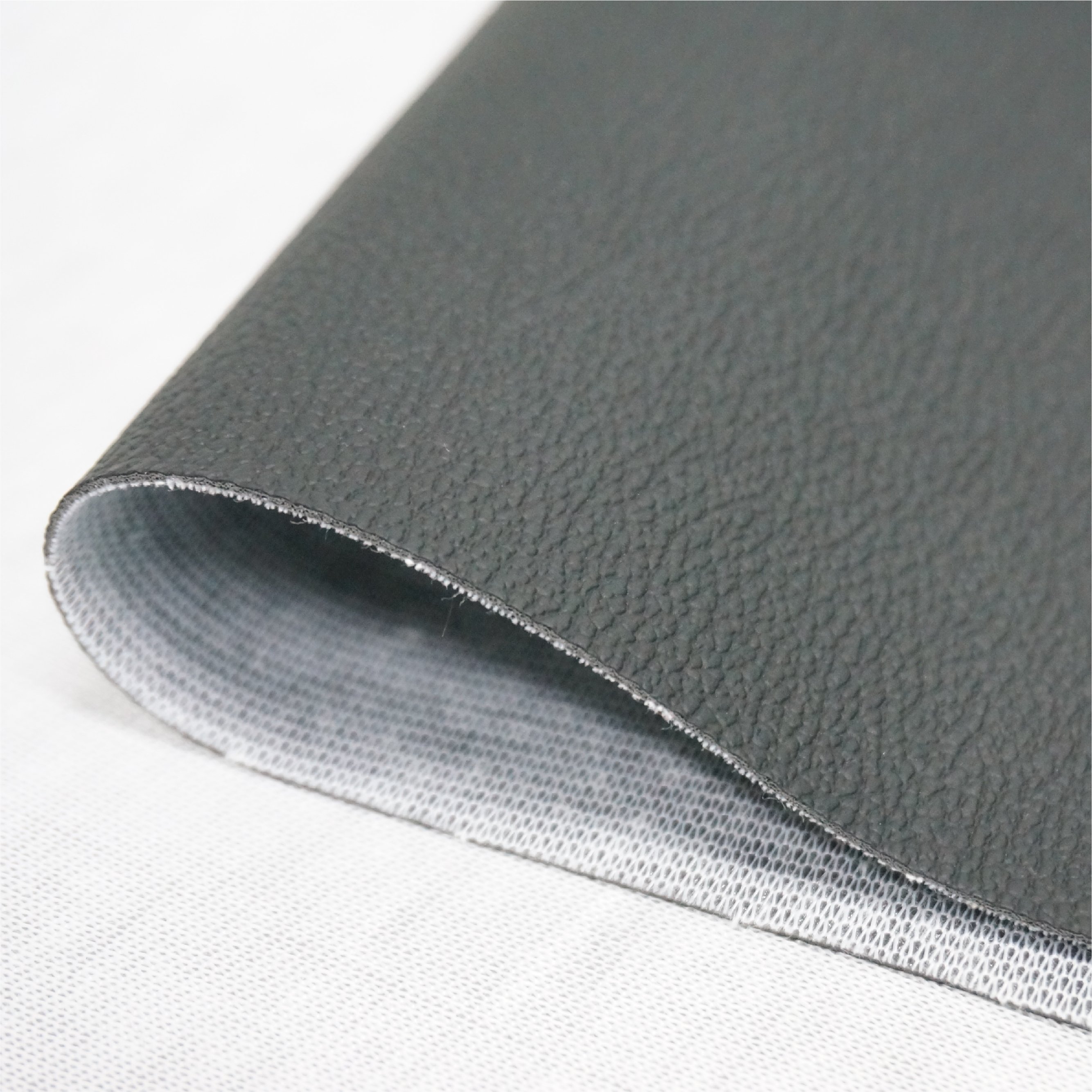
3. Audit the quality-control chain. The documented process includes raw-material inspection, production-process inspection, laboratory testing, finished-product inspection, and pre-shipment inspection. Check whether each stage produces identifiable records linked to the order, color, production batch, and approved specification. The business model states that quality control operates under the ISO 9001 quality-management system.
4. Audit certification evidence. Cigno Leather identifies GRS, USDA, and Oeko-Tex 100 certifications for synthetic leather. Check the certificate names, numbers, applicable products, validity, and relevance to the material being purchased. Certification should be treated as supporting evidence; it does not replace product-specific inspection and test documentation.
5. Audit customization controls. The factory states that colors, grains, thicknesses, perforated patterns, backing fabrics, and functional treatments can be customized. Confirm the approval process for color matching, grain development, prototypes, and production samples. A brand-protection audit should also verify how changes are recorded after sample approval.
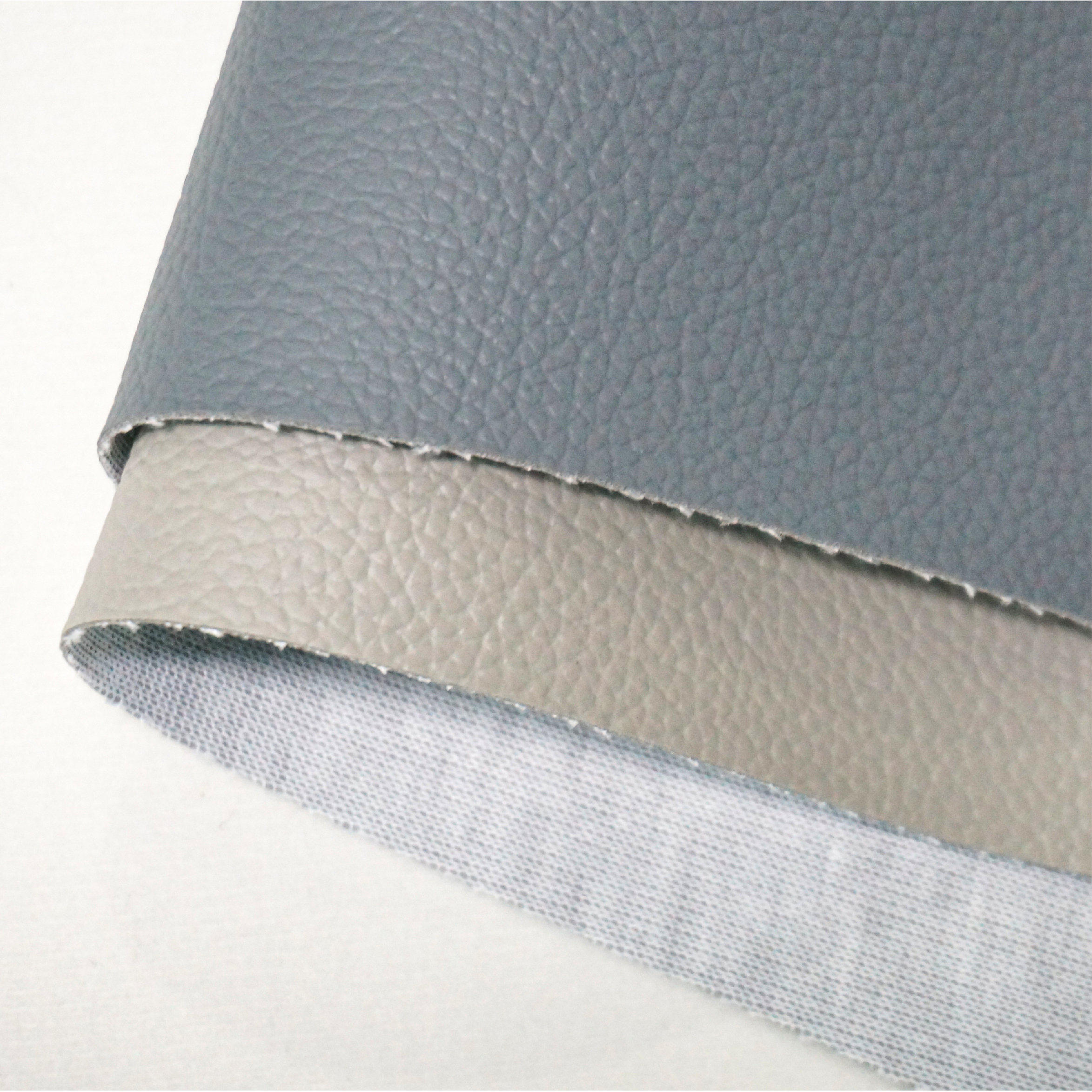
6. Audit capacity and delivery controls. The stated business model identifies a monthly capacity of 6,000,000 meters, a minimum order quantity of 100 meters, and a delivery time of 7–30 days. The product specification for car seat covers states a minimum order quantity of 1,000 meters per color and delivery within 15–30 days after order confirmation. Confirm which terms apply to your specific product, color, and order size before placing an order.
7. Compare the supplier’s real application experience. One automotive interior project in Mexico used customized material for seats, door panels, headrests, and armrests, with requirements for color, grain, thickness, backing, abrasion resistance, UV resistance, flame retardancy, low odor, and easy cleaning. The reported result included stable color consistency, clear grain texture, and delivery that met the customer’s requirements. A separate German medical-equipment customer used silicone leather on dental treatment chair seats, backrests, and headrests and reported satisfaction with the quality.
Data/Solution Comparison
| Audit area | Evidence or requirement to verify | Brand-reputation risk controlled |
|---|---|---|
| Material identity | PVC, PU, microfiber, or nappa-grain specification; backing fabric and functional treatment | Mislabeling, inconsistent material, or unsuitable application performance |
| Product dimensions | Thickness of 0.8–1.4 mm and width of 54/55 inches for the listed car-seat-cover product | Fit, cutting, and production disruption |
| Surface and mechanical performance | Color consistency, surface appearance, abrasion resistance, tensile strength, peeling strength, scratch resistance, and flame-retardant testing as required | Visible defects, premature wear, and failed customer expectations |
| Quality system | Raw-material, process, laboratory, finished-product, and pre-shipment inspections under the stated ISO 9001 quality-management process | Uncontrolled batch variation and weak complaint handling |
| Certification | GRS, USDA, and Oeko-Tex 100 documentation for the relevant synthetic leather product | Unsupported sustainability or compliance claims |
| Customization and delivery | Approved color, grain, thickness, backing, perforation, functional treatment, applicable MOQ, and confirmed delivery schedule | Late launches, inconsistent branding, and unusable inventory |
Frequently Asked Questions (FAQ)
What documents should I request during an eco leather factory audit?
Request material specifications, approved samples, certification documents, inspection records, laboratory test results, color-matching confirmations, production-process records, finished-product inspection results, and pre-shipment inspection records. For customized products, retain the approved color, grain, thickness, width, backing, and functional-treatment details.
How can I verify that automotive synthetic leather is suitable for my product?
Match the material against the intended use and required tests. For car seat covers, the listed material is designed for seats, cushions, headrests, armrests, and other automotive upholstery products. Verify abrasion resistance, scratch resistance, waterproofing, stain resistance, easy cleaning, flexibility, color consistency, tensile strength, peeling strength, and flame-retardant performance according to your requirements.
What factory capabilities should I check before approving a supplier?
Check R&D and testing capability, customization controls, production-line capacity, inspection stages, delivery controls, technical support, order tracking, and complaint handling. Cigno Leather’s stated business model covers R&D, production, sales, export, OEM/ODM, customized production, a 24-hour response, technical support, and professional quality-complaint handling.
Final Conclusion & Recommendations
Use a documented supplier-audit checklist covering material identity, certification relevance, test evidence, production controls, customization approval, capacity, delivery, and after-sales handling. For car seat cover leather, confirm the applicable MOQ and delivery terms because the general business model and the product-specific information state different conditions. Cigno Leather supports OEM/ODM and customized production and identifies GRS, USDA, and Oeko-Tex 100 certifications. For detailed technical solutions or support, please reach out to us via vicky@bozeleather.com.
About Us
Dongguan Cigno Leather Co., Ltd. is a professional faux leather manufacturer based in Dongguan, China, established in 2007, with products including vegan leather, recycled leather, PVC leather, and microfiber leather for furniture, automotive interiors, apparel, handbags, and footwear. Its R&D work covers eco-friendly and multifunctional synthetic leather materials such as PU leather, PVC leather, water-based leather, solvent-free leather, and other polymer materials, with customized colors, textures, thicknesses, and functional performance. The company states that its factory has six synthetic leather production lines, more than 20 supporting production and testing equipment sets, and a monthly production capacity of approximately 6,000,000 meters. It holds GRS, USDA, and Oeko-Tex 100 certifications and has served clients across multiple industries.

SUBSCRIBE
INQUIRY