
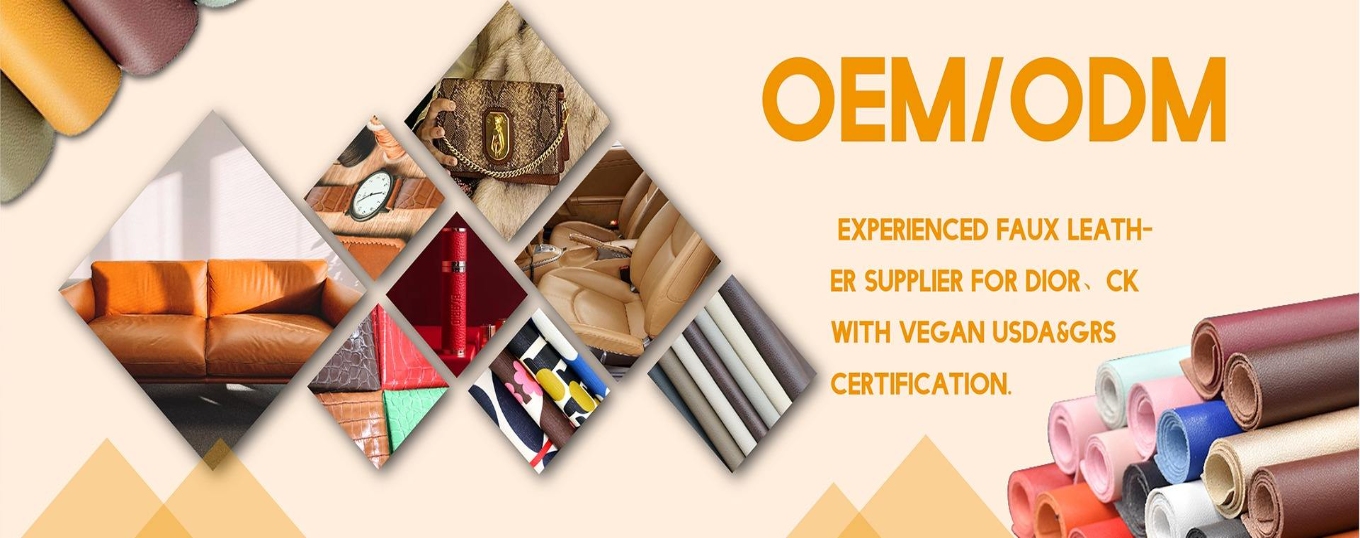
PRODUCTS
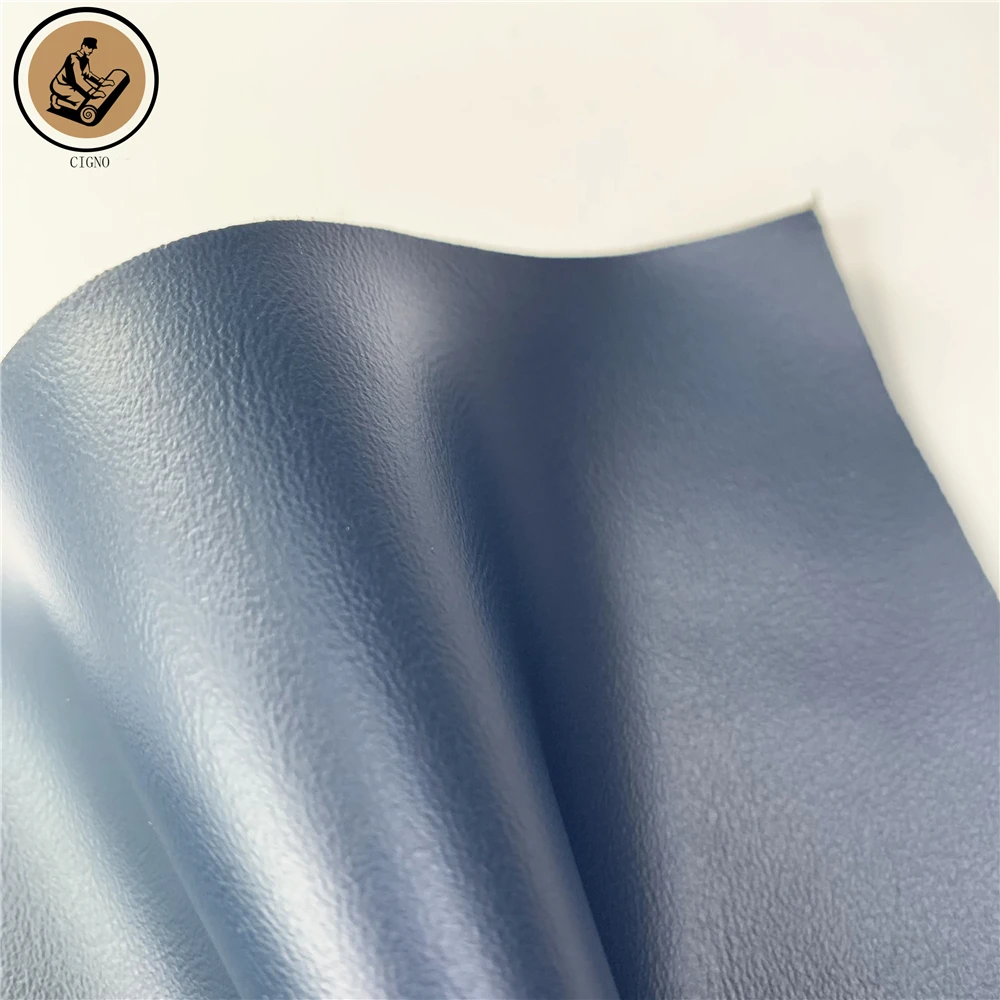
High Quality Eco-Friendly 1.2mm PU Synthetic Leather Furniture Upholstery Solvent-Free Skin-Feel for Sofa Car Seat Chair Bag Use
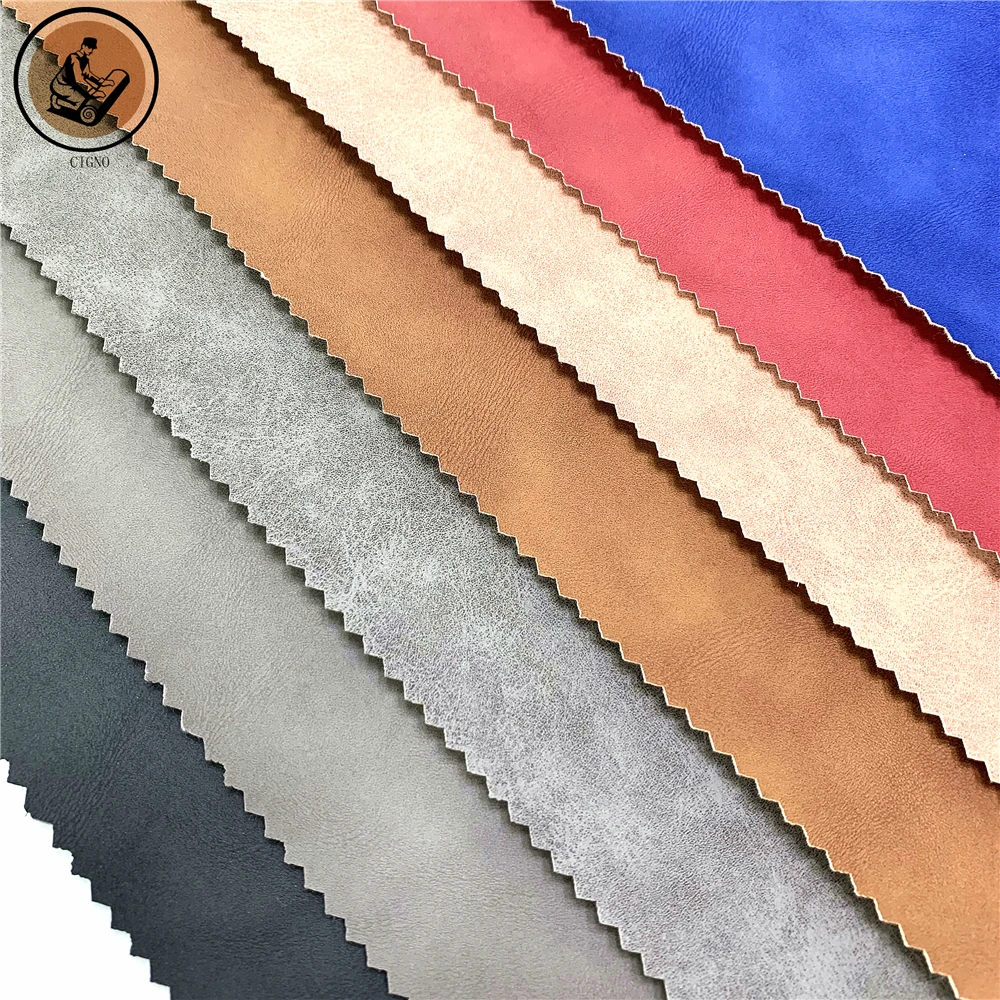
Free Samples of Embossed PU Synthetic Leather Bags Shoes Sofa Furniture Garments Car Decorative Uses-Waterproof Stretch Features
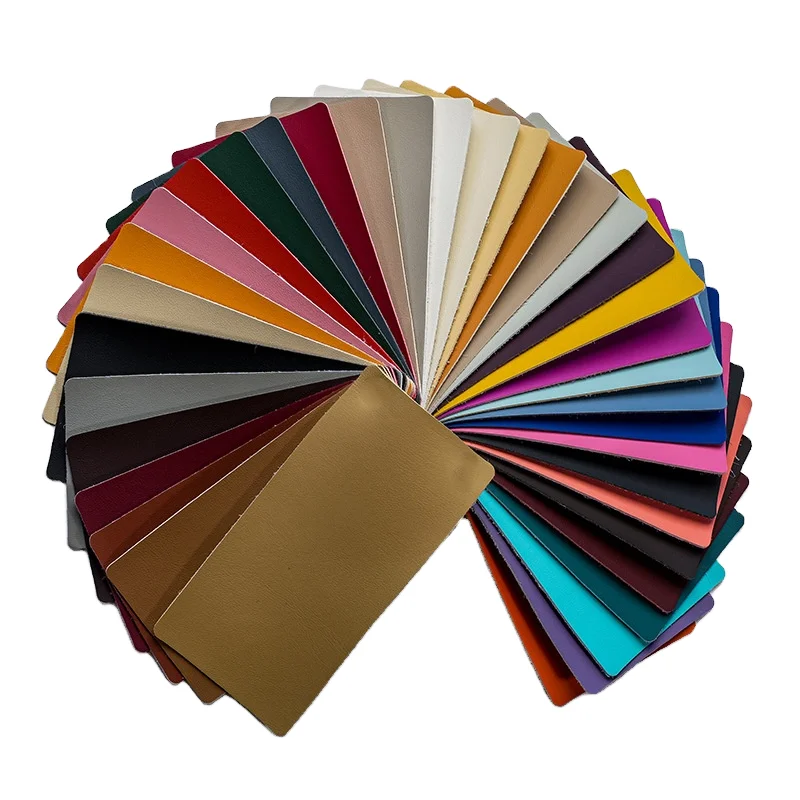
Pvc Vinyl Leather Rexine Leather Faux for Cars/Motorcycles, Waterproof Embossed Recycling Leatherette for Automotive Leather
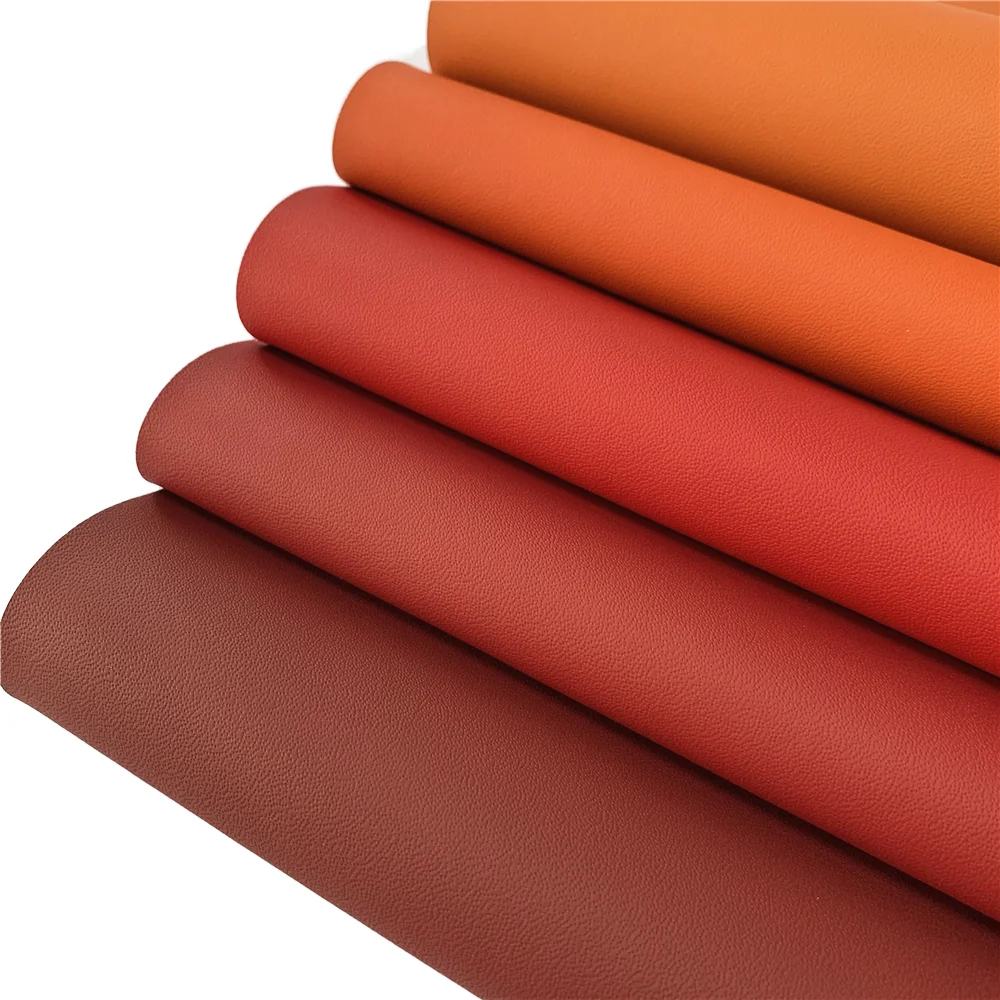
Hydrolysis Resistant Waterproof PU Microfiber Suede Leather Fabric Furniture Car Seat Covers Automotive Upholstery Bags Sofas
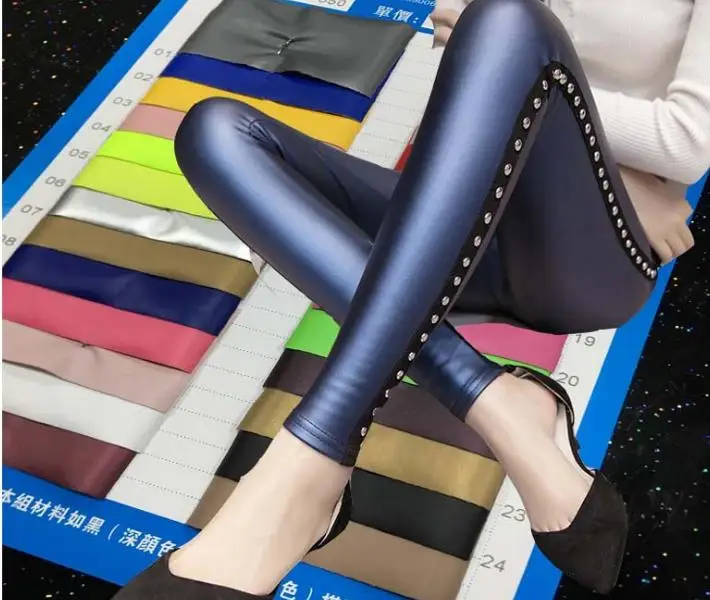
Ultra-Bright Black Mirror Four-Sided Stretch PU Fabric Pants Dresses Solid Color Soft Waterproof Clothing Elastic Finished
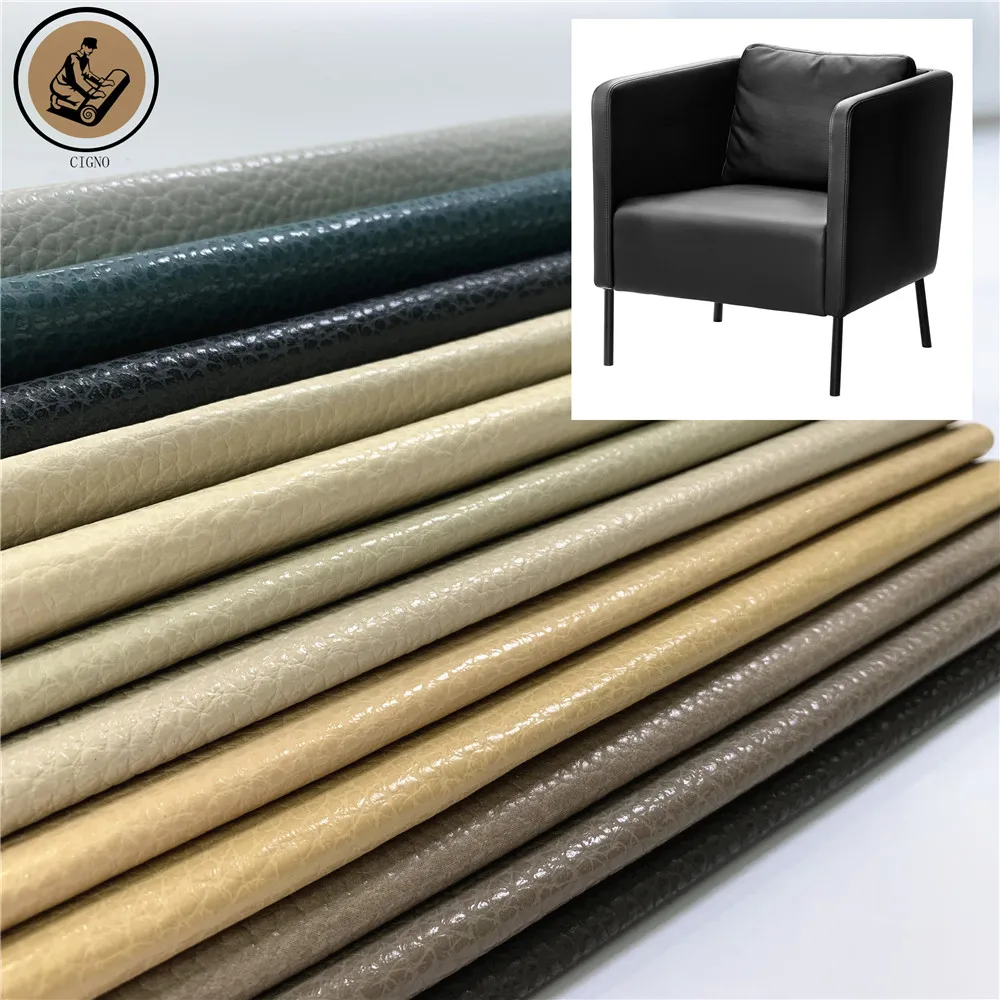
Litchi Lychee Grain 1.2mm PU Microfiber Leather Eco-Friendly Synthetic Leather Sofa Car Seat Handbags-Pearly-Lustre Recycled
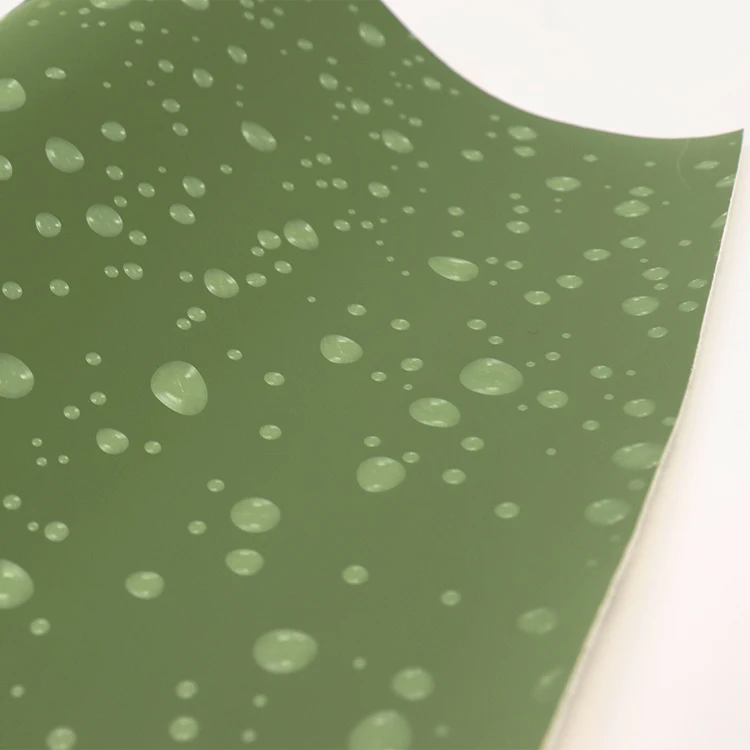
Custom Designer Faux Leather Fabric PVC Synthetic Leather Waterproof Sofa Bag Furniture Chair Woven Backing-Price Per Meter
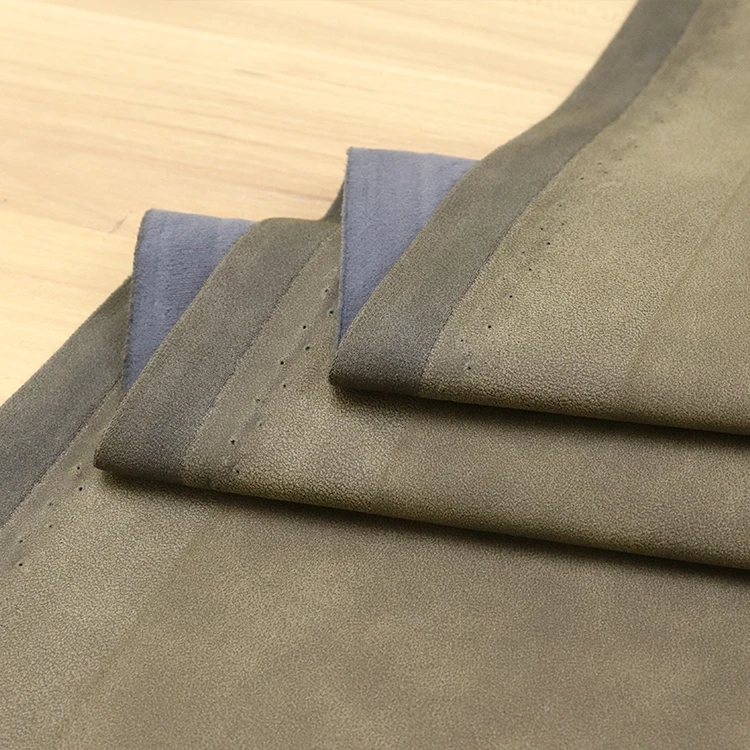
PU Suede Leather Nubuck Artificial Leather Materi for Shoe Make
What should I do if the furniture leather supplier sample differs from the approved swatch?
If a furniture leather supplier sample differs from the approved swatch, pause approval and production, document the mismatch, and compare both materials under the same conditions. Send the supplier clear photos and the approved reference, identify differences in color, grain, thickness, or backing, and request a corrected sample. Resume production only after written confirmation of the revised standard.
Core Solutions & Key Takeaways
- Keep the approved swatch as the controlling reference and record which characteristics differ, such as color, surface grain, thickness, or backing.
- Ask the supplier to confirm whether the discrepancy comes from color matching, material selection, or a production variation; request a replacement sample when needed.
- For sofa and other upholstered furniture, confirm the relevant performance requirements alongside appearance, including abrasion resistance, scratch resistance, waterproofing, stain resistance, and easy cleaning.
- Agree in writing on the corrected sample and inspection criteria before authorizing bulk production.
Detailed Architectural/Principle Analysis
Compare the submitted sample with the approved swatch in consistent lighting and viewing conditions. Record the observed differences with photographs and notes, and identify the affected attributes rather than describing the sample only as “different.” The PVC and PU sofa upholstery material listed by CIGNO is customizable in color, grain, thickness, surface finish, and backing, so these are useful points to check against the approved reference.
Ask the supplier to investigate the mismatch and provide a corrected sample or a written explanation of the proposed deviation. The product information describes inspection of raw materials, color matching, production processes, laboratory results, and finished goods. It also lists checks for dimensions, color consistency, surface appearance, abrasion resistance, tensile strength, peeling strength, scratch resistance, and flame-retardant performance according to customer requirements.
Do not treat a performance result as proof that the appearance matches the swatch. Confirm visual characteristics and functional requirements separately. For furniture upholstery, the stated applications include sofas, chairs, and other upholstered furniture; available properties include abrasion and scratch resistance, waterproofing, stain resistance, easy cleaning, and optional flame retardancy.
The company records a Mexico automotive-seat project in which color, grain, thickness, and backing were customized, with performance requirements including abrasion and UV resistance, flame retardancy, low odor, and easy cleaning. Although that case concerns automotive interiors rather than sofa upholstery, it illustrates why a material specification should identify both appearance and performance requirements. CIGNO lists GRS, USDA, and Oeko-Tex 100 certifications for synthetic leather; these do not by themselves establish that a particular sample matches an approved swatch.
Data/Solution Comparison
| Situation | Recommended action | Confirmation before production |
|---|---|---|
| Color or grain differs | Share side-by-side photos and request color or grain correction. | Approve a revised physical sample against the reference. |
| Thickness or backing differs | State the approved specification and ask the supplier to verify the material construction. | Confirm thickness and backing in writing and on the sample. |
| Appearance matches but performance is uncertain | Request test information for the customer-required properties. | Confirm the applicable inspection criteria and results. |
| Supplier proposes an alternative | Review the proposed difference and its effect on the intended furniture use. | Document acceptance or rejection before bulk production. |
Frequently Asked Questions (FAQ)
Should I approve production while the sample is being corrected?
No. Hold approval until the corrected sample or a documented deviation has been reviewed and accepted.
What details should I send the supplier?
Provide the approved swatch, photographs of both materials under consistent conditions, and a list of differences. Include the required color, grain, thickness, backing, and any relevant performance requirements.
What if the supplier says the difference is within tolerance?
Ask the supplier to define the tolerance and show how the sample meets it. Accept the variance only after you document the agreed reference and criteria.
Final Conclusion & Recommendations
Pause production, document the mismatch, and obtain a corrected sample or written agreement on any deviation before proceeding. CIGNO lists OEM/ODM and customized production services, a 1,000-meter minimum per color for this sofa upholstery product, and a stated delivery time of 15–30 days after deposit and sample approval; confirm order-specific terms with the supplier. For technical material selection or quality support, contact vicky@bozeleather.com.
About Us
Dongguan Cigno Leather Co., Ltd. is a Dongguan-based synthetic leather manufacturer established in 2007, supplying materials for furniture, automotive interiors, apparel, handbags, and footwear. The company reports a monthly capacity of approximately 6 million meters and provides OEM/ODM customization. Its listed certifications include GRS and Oeko-Tex 100, and its documented cooperation cases cover automotive interiors and medical equipment.

SUBSCRIBE
INQUIRY