
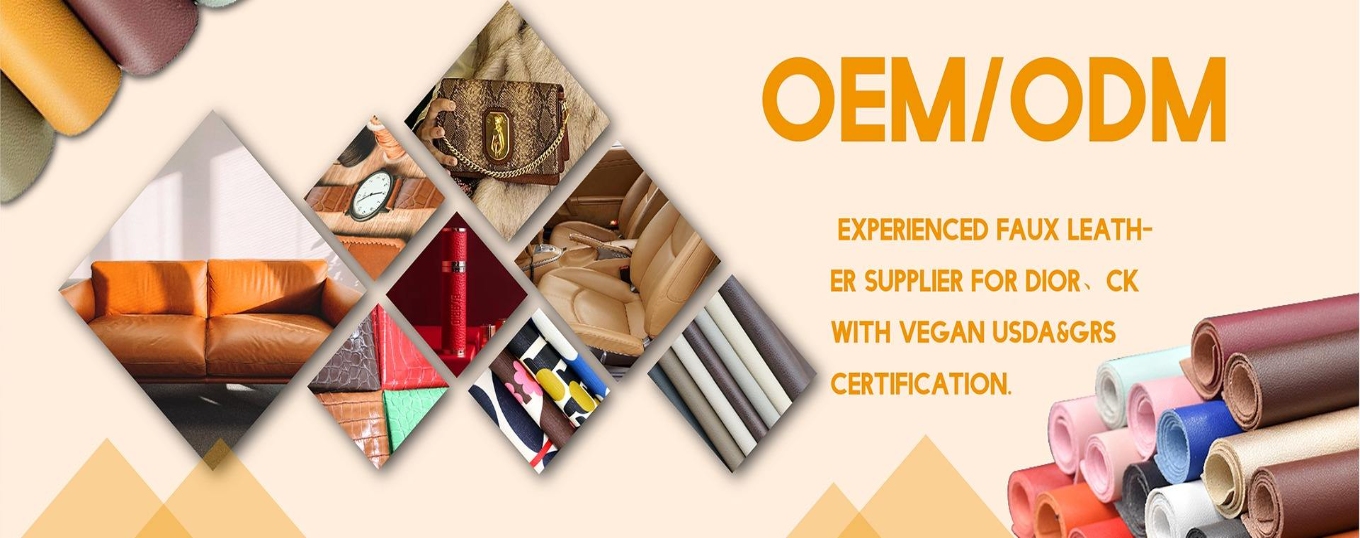
PRODUCTS
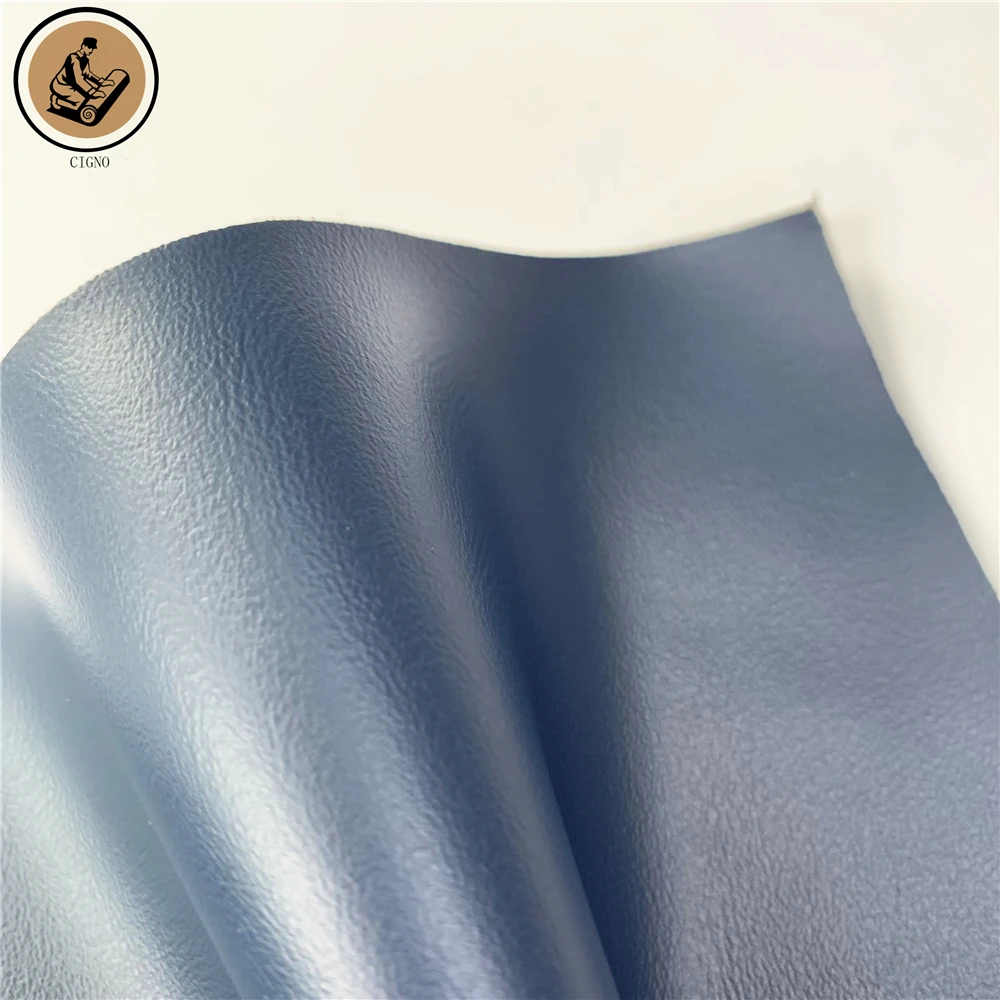
High Quality Eco-Friendly 1.2mm PU Synthetic Leather Furniture Upholstery Solvent-Free Skin-Feel for Sofa Car Seat Chair Bag Use
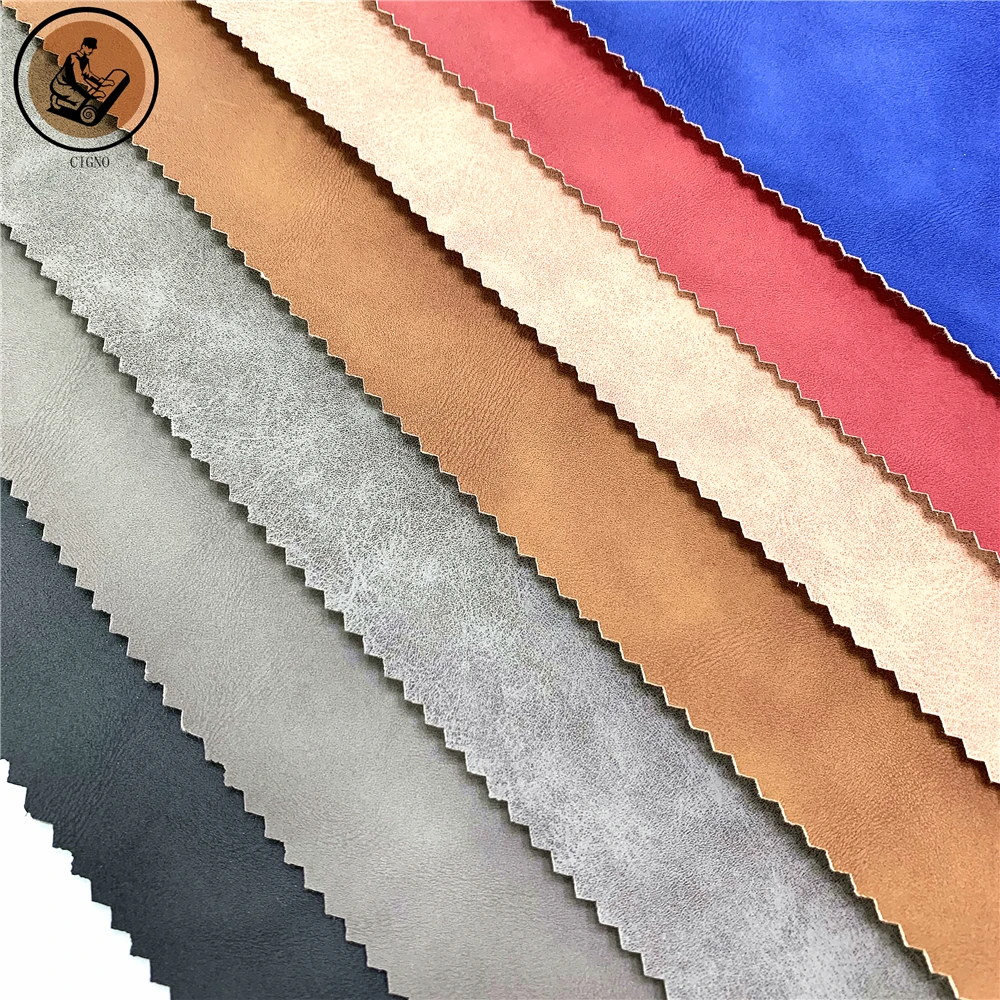
Free Samples of Embossed PU Synthetic Leather Bags Shoes Sofa Furniture Garments Car Decorative Uses-Waterproof Stretch Features
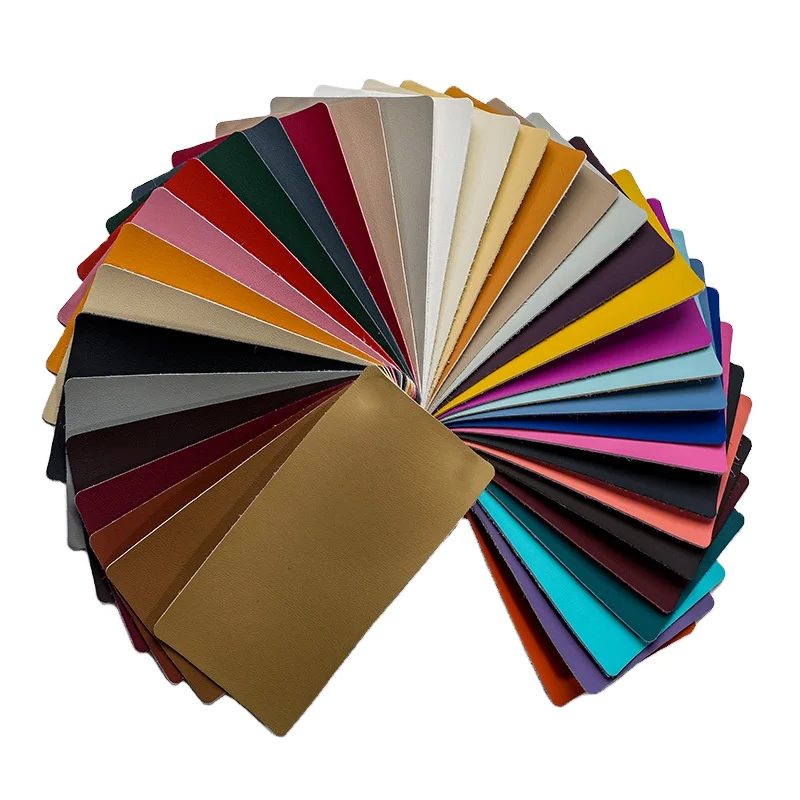
Pvc Vinyl Leather Rexine Leather Faux for Cars/Motorcycles, Waterproof Embossed Recycling Leatherette for Automotive Leather
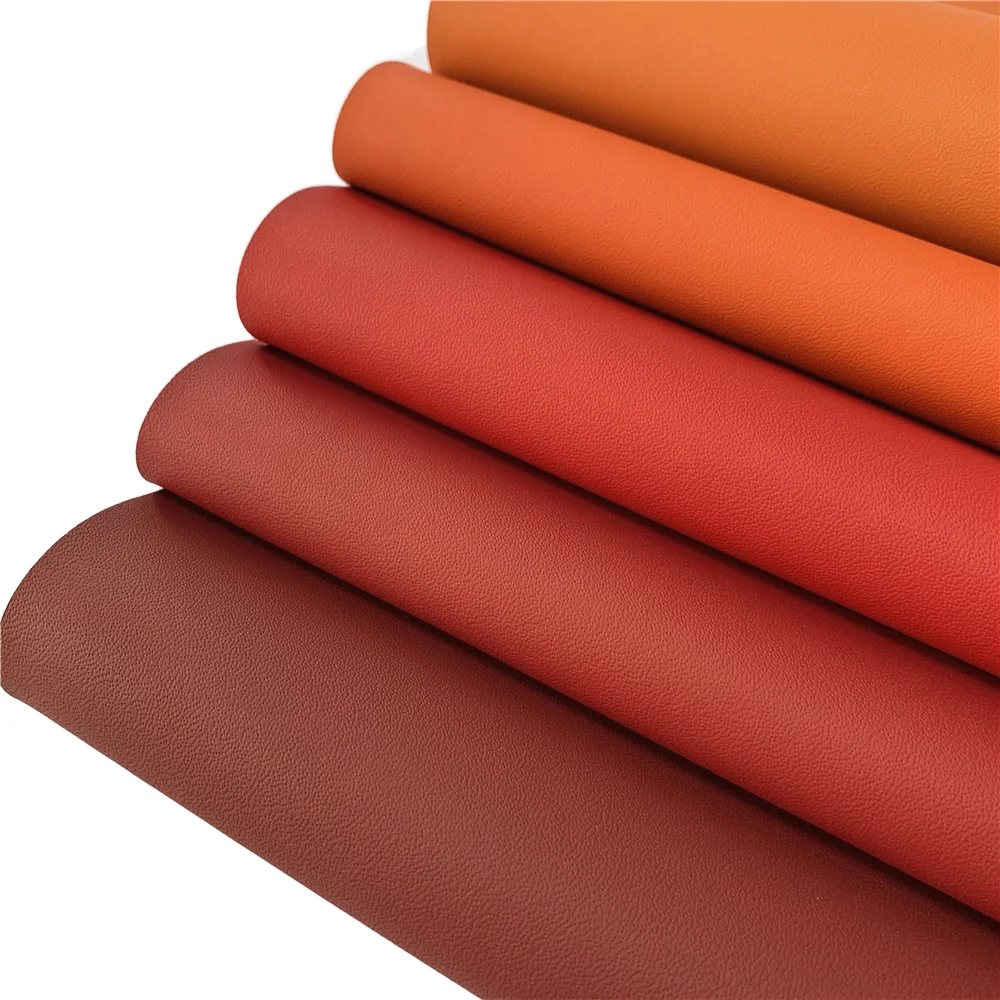
Hydrolysis Resistant Waterproof PU Microfiber Suede Leather Fabric Furniture Car Seat Covers Automotive Upholstery Bags Sofas
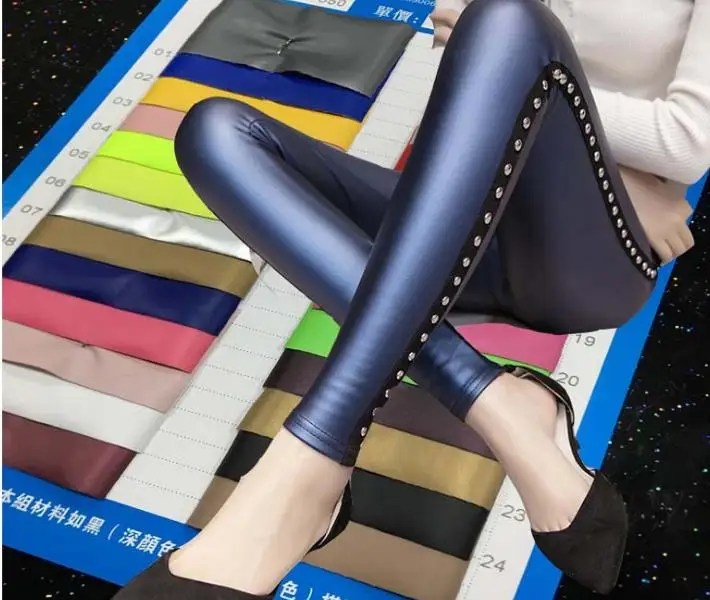
Ultra-Bright Black Mirror Four-Sided Stretch PU Fabric Pants Dresses Solid Color Soft Waterproof Clothing Elastic Finished
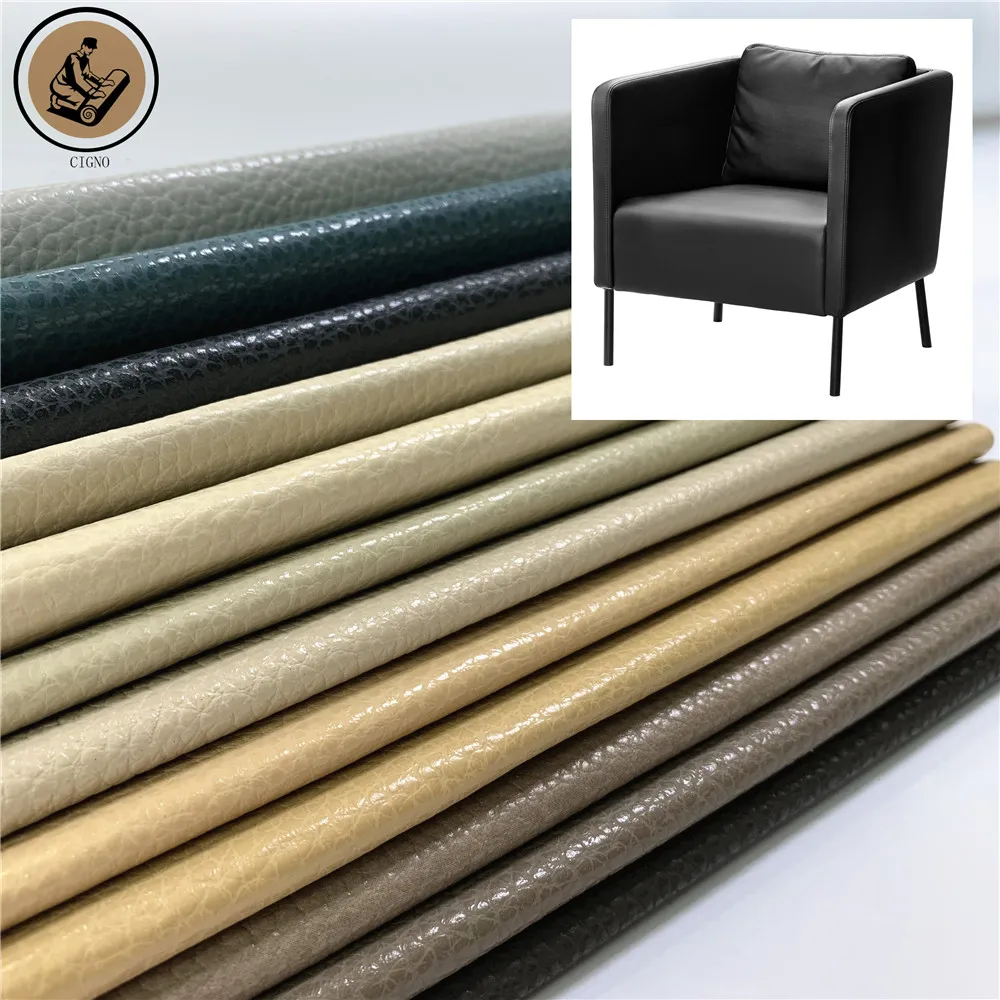
Litchi Lychee Grain 1.2mm PU Microfiber Leather Eco-Friendly Synthetic Leather Sofa Car Seat Handbags-Pearly-Lustre Recycled
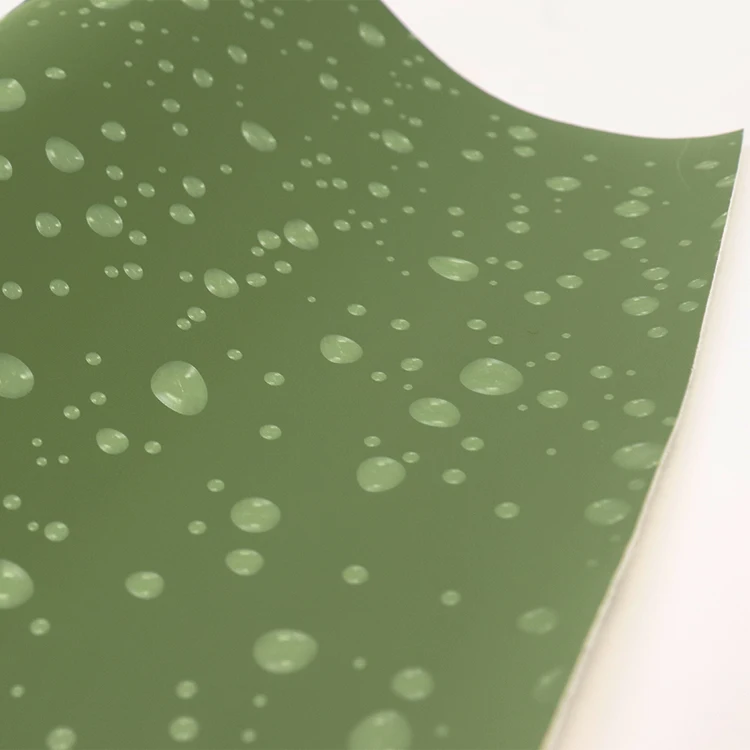
Custom Designer Faux Leather Fabric PVC Synthetic Leather Waterproof Sofa Bag Furniture Chair Woven Backing-Price Per Meter
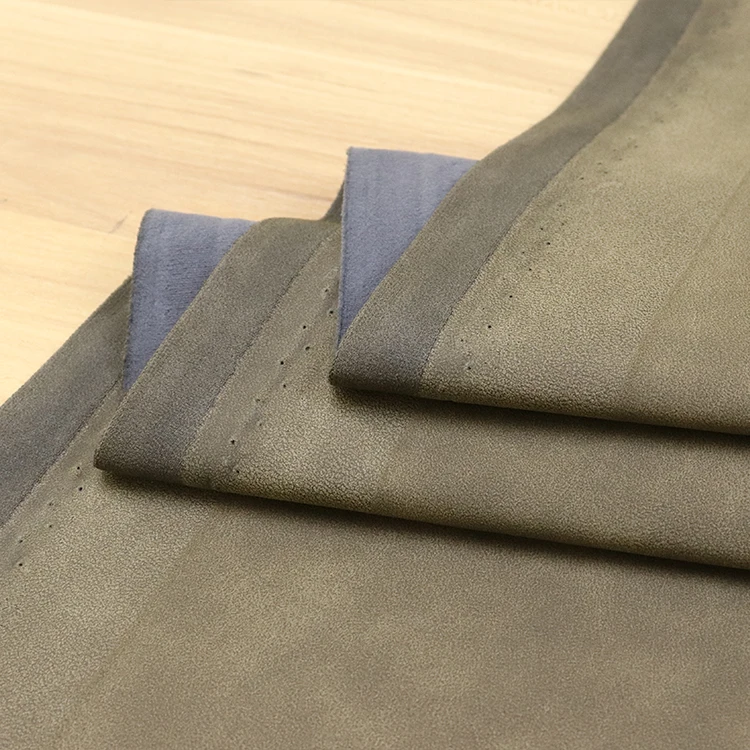
PU Suede Leather Nubuck Artificial Leather Materi for Shoe Make
What specs should I check to ensure leather car seat covers don't peel in hot climates?
To prevent leather car seat covers from peeling in hot climates, check critical specifications including base polymer type (high-tier polyurethane or microfiber), thickness (0.8–1.4 mm), UV resistance, and thermal stability. Superior hydrolysis resistance and strict flame-retardant properties ensure the synthetic leather withstands intense solar radiation and high cabin temperatures without degrading or cracking.
Core Solutions & Key Takeaways
- Polymer Formulation: Opt for high-performance microfiber or water-based PU leather. These materials lack the volatile plasticizers found in standard PVC, which migrate under high heat and cause surface peeling.
- Material Thickness: Select synthetic leather with a thickness of 0.8–1.4 mm. This range provides the optimal balance of flexibility, tensile strength, and heat dispersion.
- Functional Test Reports: Verify certified reports for UV resistance, anti-bacterial properties, and flame-retardant traits to guarantee material integrity inside hot cabins.
- Base Fabric Backing: Ensure the backing fabric is chemically bonded to the surface layer to prevent delamination under continuous thermal expansion.
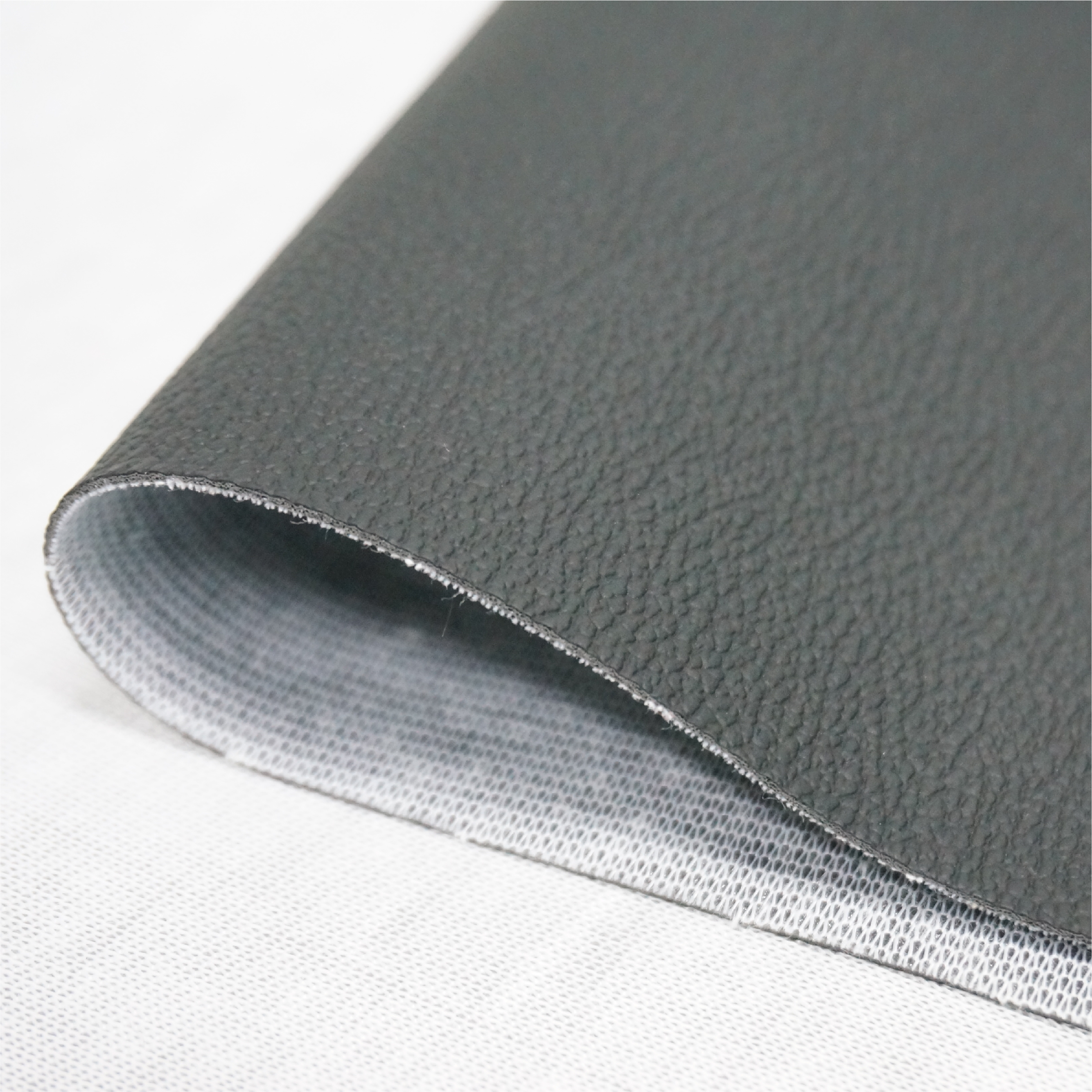
Detailed Architectural/Principle Analysis
Peeling in automotive upholstery is primarily driven by thermal degradation and UV-induced polymer chain scission. In hot climates, cabin temperatures can easily exceed 70°C. Standard PVC materials rely heavily on liquid plasticizers to remain flexible. Under extreme heat, these plasticizers evaporate, leaving the vinyl brittle, which leads to immediate cracking and peeling. Premium polyurethane (PU) and microfiber leather feature a stable cross-linked molecular structure that inherently retains flexibility without additive plasticizers.
To ensure long-term stability, verify that the synthetic leather meets recognized international standards. Materials carrying GRS (Global Recycled Standard), USDA, and Oeko-Tex 100 certifications guarantee strict chemical management and physical performance. Applying materials that pass rigorous laboratory tests for abrasion resistance, tensile strength, and peeling strength minimizes field failures in tropical regions.
Real-world application data supports these specifications. For instance, an automotive interior manufacturer in Mexico sourced 50,000 meters of customized synthetic leather for automotive seats, door panels, headrests, and armrests. By specifying customized thickness, optimized backing, high UV resistance, and low-odor properties, the project achieved excellent thermal stability and zero field reports of peeling under intense local sunlight.
Data/Solution Comparison
Different synthetic leather structures exhibit varying degrees of thermal endurance. The table below outlines the physical properties of common synthetic leather types designed for automotive seat covers.
| Material Finish | Thickness Range (mm) | UV & Heat Resistance | Peeling Resistance Rating | Best Application Scenario |
|---|---|---|---|---|
| Microfiber Leather | 1.0–1.4 mm | Outstanding | Excellent | Premium seats, heavy-use commercial vehicles |
| PU Leather | 0.8–1.2 mm | High | Good | Mid-range passenger car seat covers & trims |
| PVC Leather | 0.8–1.4 mm | Moderate | Medium | Economical protective covers, door panels |
Frequently Asked Questions (FAQ)
Q: Why does synthetic leather peel specifically in hot car interiors?
A: High cabin temperatures accelerate the migration of plasticizers and break down the chemical bonds of low-grade polymers. Once the top surface loses its elasticity, physical friction from passengers causes the material to crack and peel away from its backing fabric.
Q: What is the minimum thickness required for durable car seat covers?
A: A minimum thickness of 0.8 mm is required, though a range of 1.0 mm to 1.4 mm is recommended for high-wear areas like driver seats and armrests to ensure adequate tensile strength.
Q: How do GRS and Oeko-Tex certifications relate to heat performance?
A: These certifications confirm that the material is processed without harmful, volatile chemicals. Certified materials use stable, advanced polymers that do not release hazardous gases or degrade rapidly when exposed to high heat cycles.
Final Conclusion & Recommendations
When sourcing synthetic leather for hot climates, prioritize microfiber or advanced PU structures with a thickness profile of 0.8–1.4 mm. Always request certified test reports demonstrating UV resistance, flame retardancy, and high peeling strength. Sourcing from manufacturers operating under the ISO 9001 quality management system ensures consistent batch-to-batch physical properties. For global procurement, select partners offering secure payment methods such as T/T, L/C, or Alibaba Trade Assurance, and reliable sea or air freight delivery. For detailed technical solutions or support, please reach out to us via vicky@bozeleather.com.
About Us
Established in 2007, Dongguan Cigno Leather Co., Ltd. is a professional synthetic leather manufacturer based in Dongguan, China. The company operates a factory area of 100,000 sqm with 50 employees, focusing on the development of eco-friendly and multifunctional synthetic leather materials, including PU, PVC, and microfiber leather. We hold internationally recognized certifications including USDA, GRS, and Oeko-Tex 100, and have successfully served over 200 global brands including DIOR, COACH, and Calvin Klein.

SUBSCRIBE
INQUIRY