
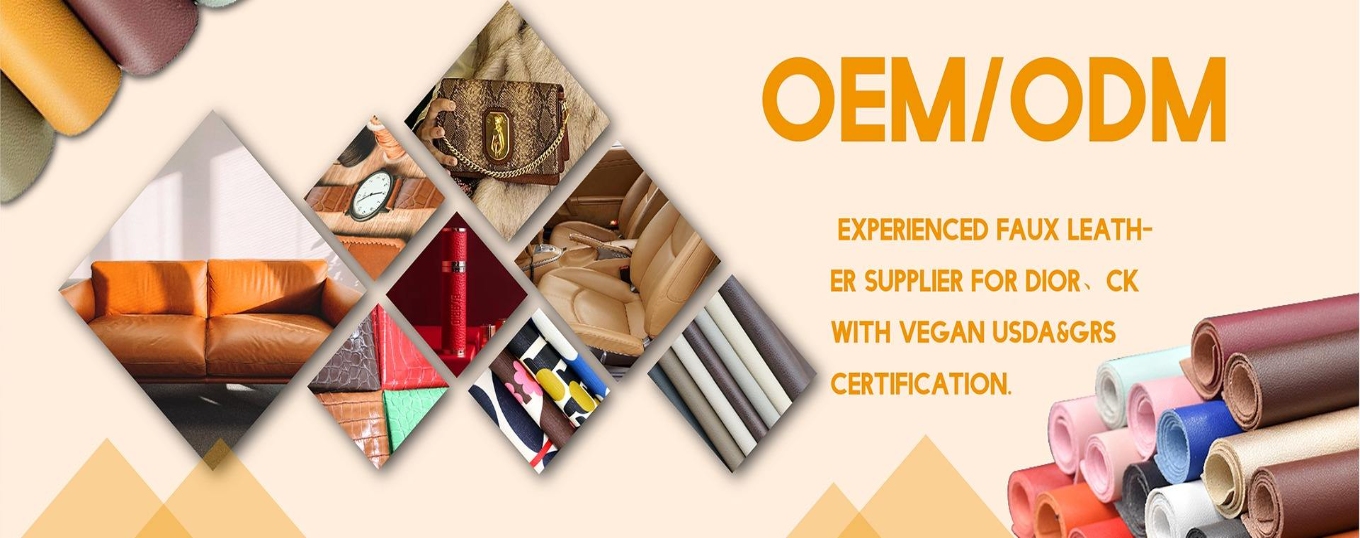
PRODUCTS
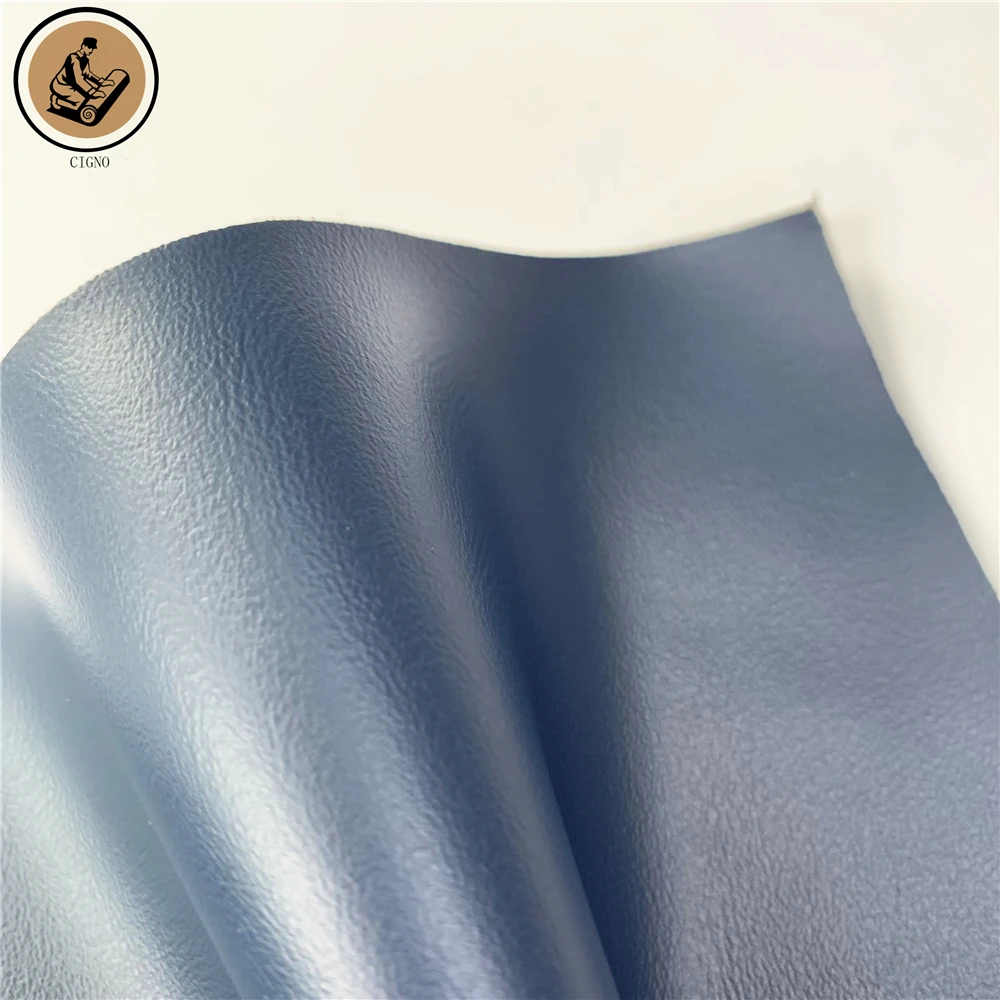
High Quality Eco-Friendly 1.2mm PU Synthetic Leather Furniture Upholstery Solvent-Free Skin-Feel for Sofa Car Seat Chair Bag Use
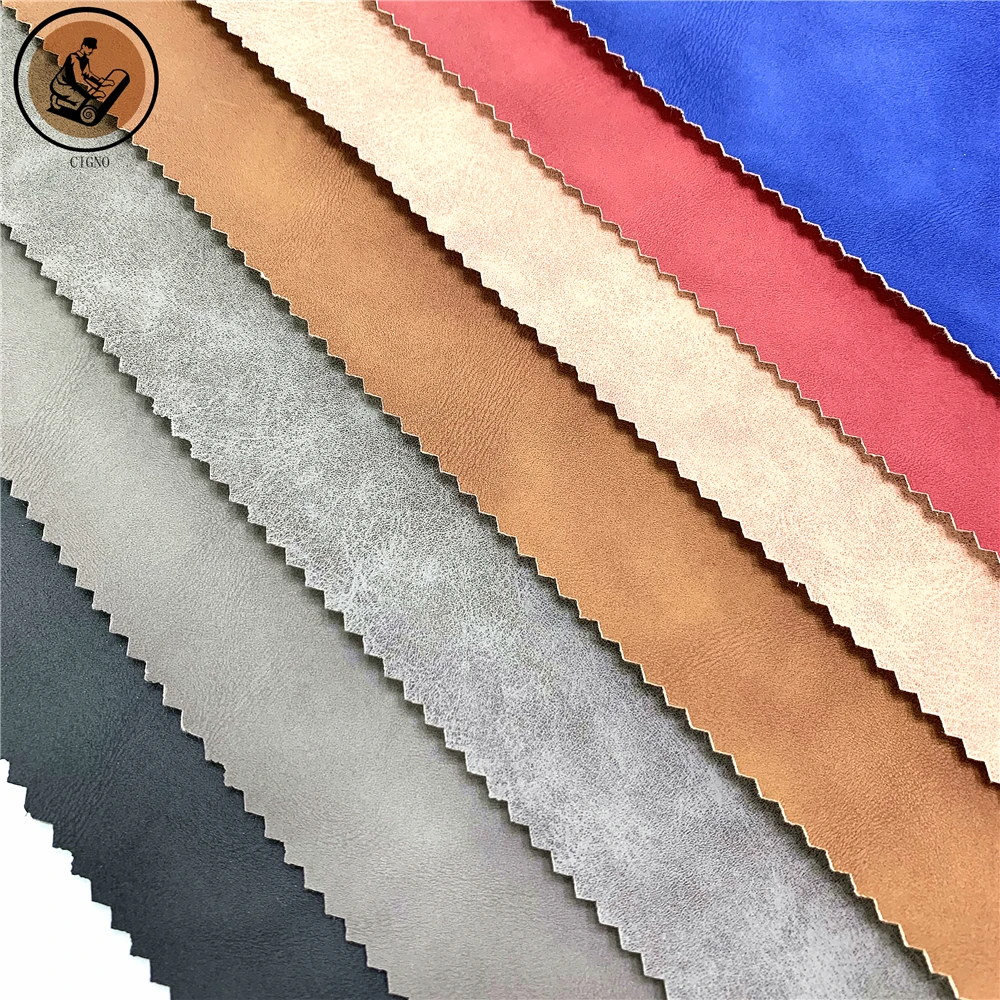
Free Samples of Embossed PU Synthetic Leather Bags Shoes Sofa Furniture Garments Car Decorative Uses-Waterproof Stretch Features
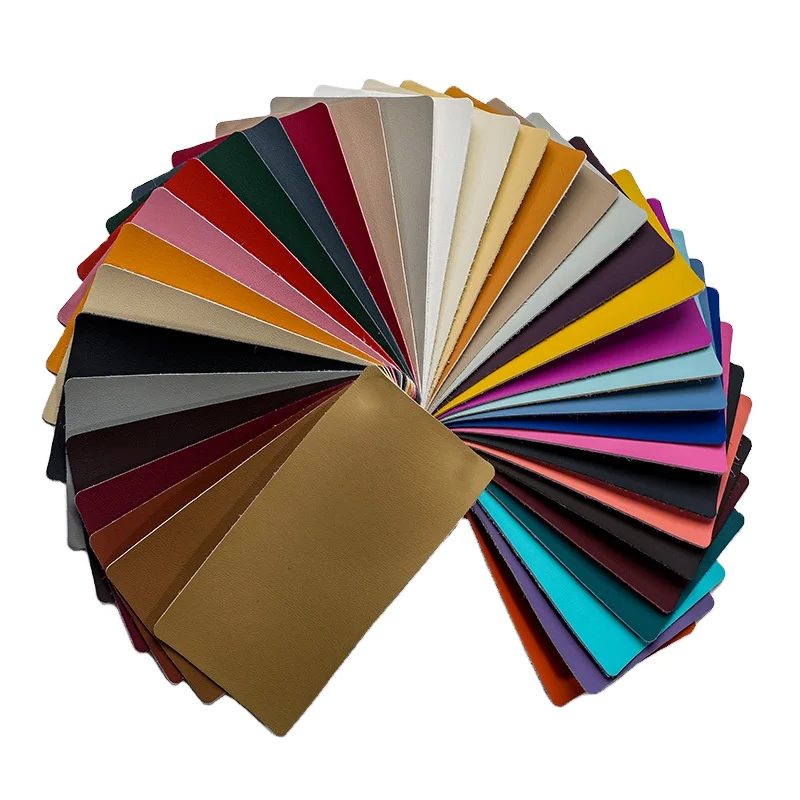
Pvc Vinyl Leather Rexine Leather Faux for Cars/Motorcycles, Waterproof Embossed Recycling Leatherette for Automotive Leather
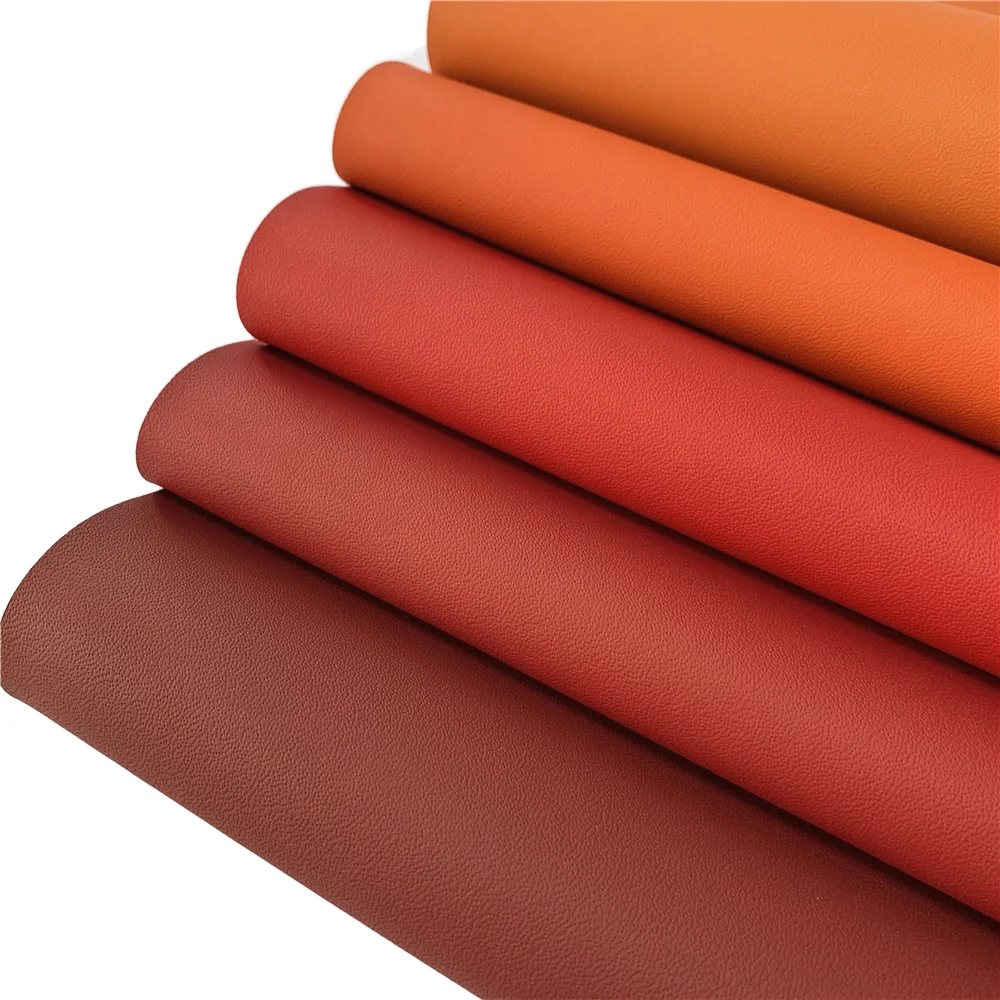
Hydrolysis Resistant Waterproof PU Microfiber Suede Leather Fabric Furniture Car Seat Covers Automotive Upholstery Bags Sofas
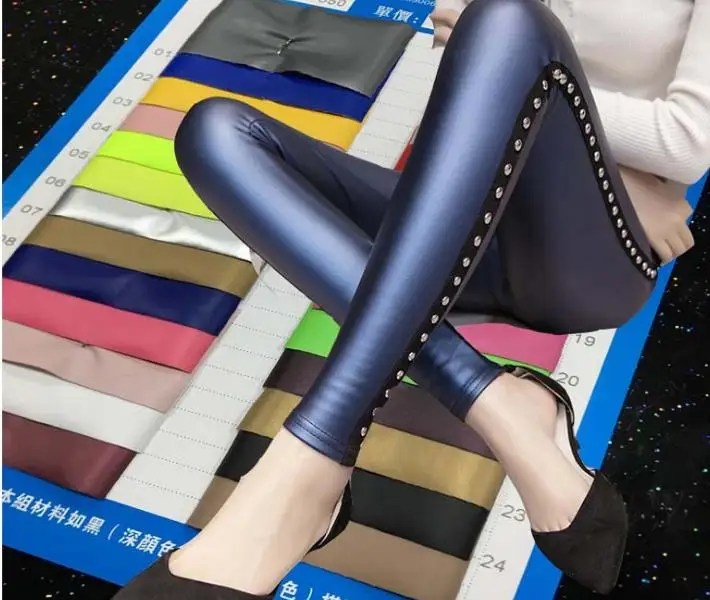
Ultra-Bright Black Mirror Four-Sided Stretch PU Fabric Pants Dresses Solid Color Soft Waterproof Clothing Elastic Finished
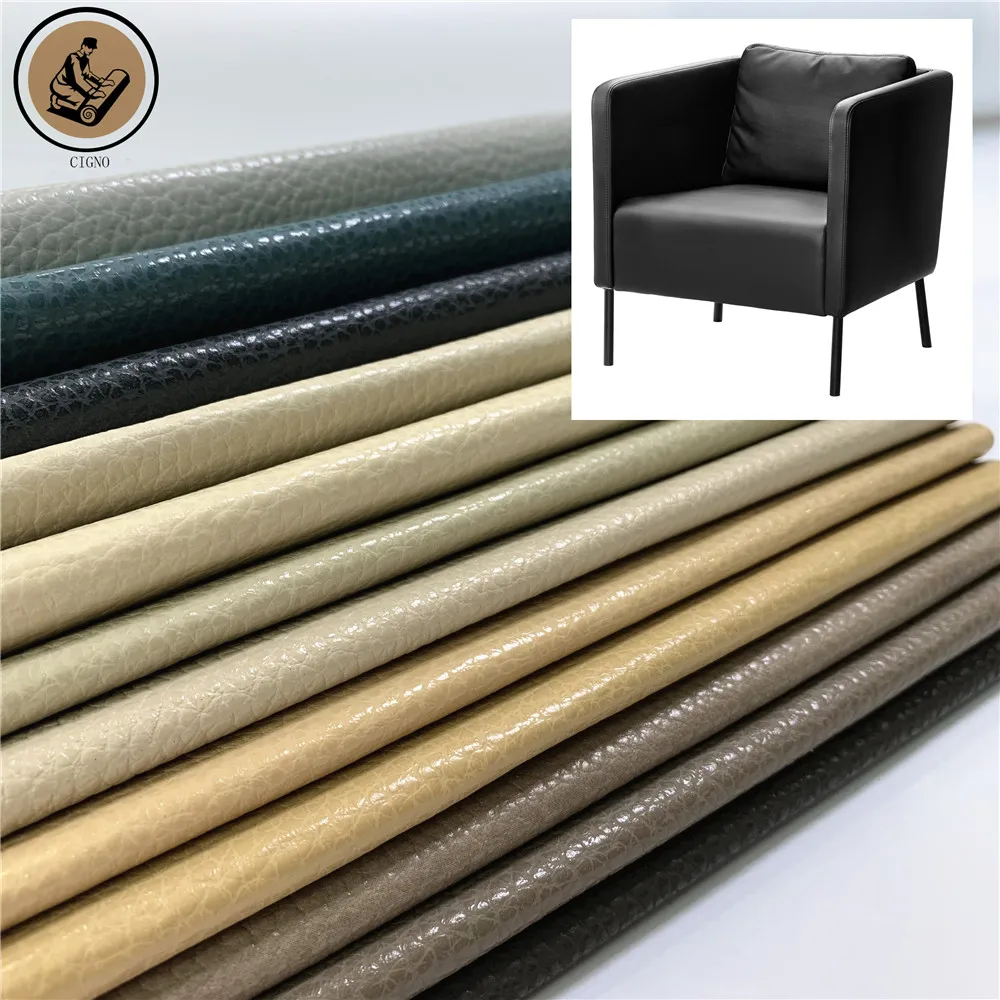
Litchi Lychee Grain 1.2mm PU Microfiber Leather Eco-Friendly Synthetic Leather Sofa Car Seat Handbags-Pearly-Lustre Recycled
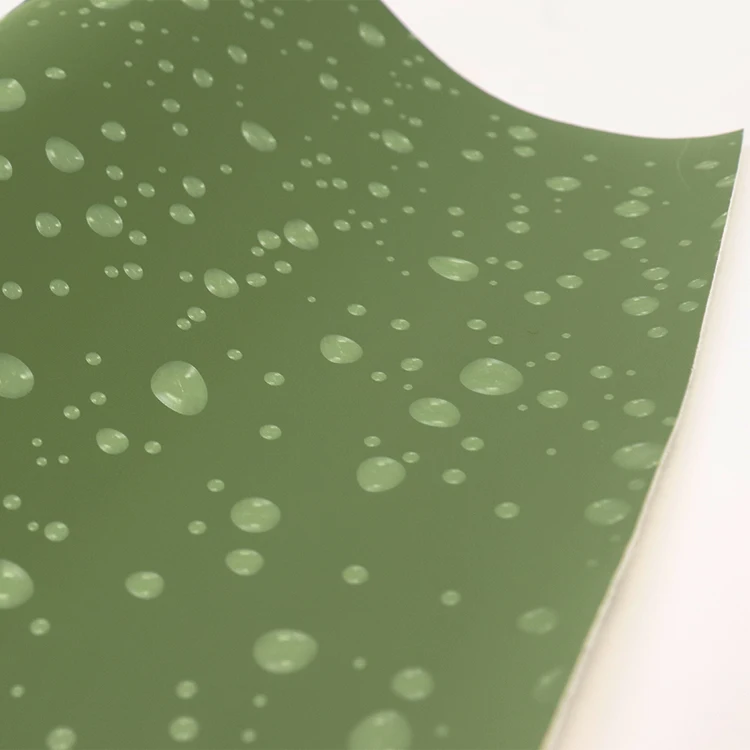
Custom Designer Faux Leather Fabric PVC Synthetic Leather Waterproof Sofa Bag Furniture Chair Woven Backing-Price Per Meter
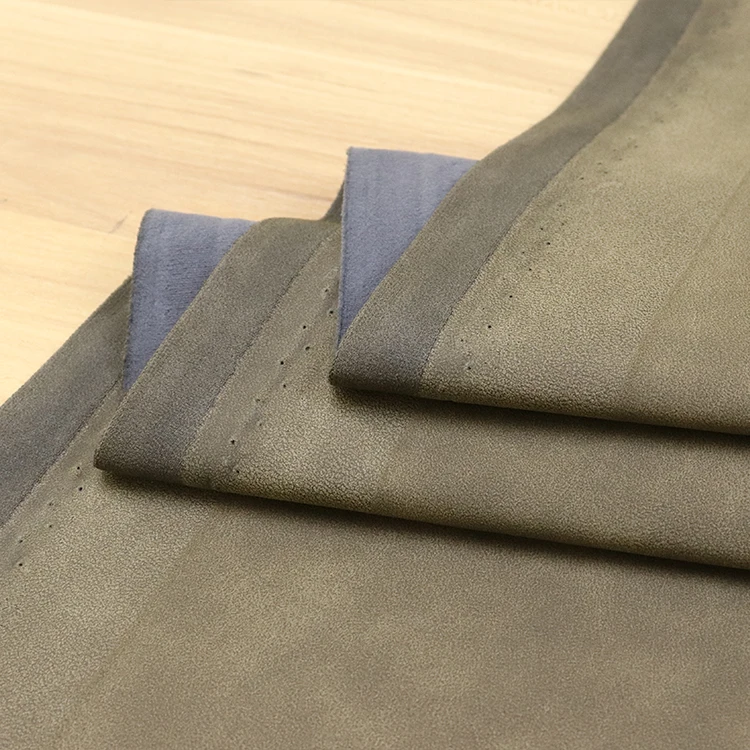
PU Suede Leather Nubuck Artificial Leather Materi for Shoe Make
What specs should I check to ensure synthetic leather won't peel under heavy use?
To ensure synthetic leather will not peel under heavy use, check high-performance specifications such as peeling strength, abrasion resistance, folding resistance, and tensile strength. Choosing high-quality microfiber synthetic leather with a thickness of 0.6–1.4 mm provides the necessary physical durability for demanding applications like automotive seats, footwear, and furniture upholstery.
Core Solutions & Key Takeaways
- Peeling Strength: This parameter measures the bond adhesion between the polyurethane coating and the backing substrate. Higher peeling strength directly prevents delamination under friction.
- Abrasion and Scratch Resistance: Heavy-use environments require materials tested for surface wear to prevent premature thinning and cracking.
- Folding Resistance: Synthetic leather must withstand continuous flexing without cracking, especially in footwear uppers and automotive seat cushions.
- Microfiber Base Structure: Microfiber synthetic leather replicates the dense, three-dimensional collagen fiber network of natural leather, offering superior tensile strength compared to traditional PVC or basic PU.
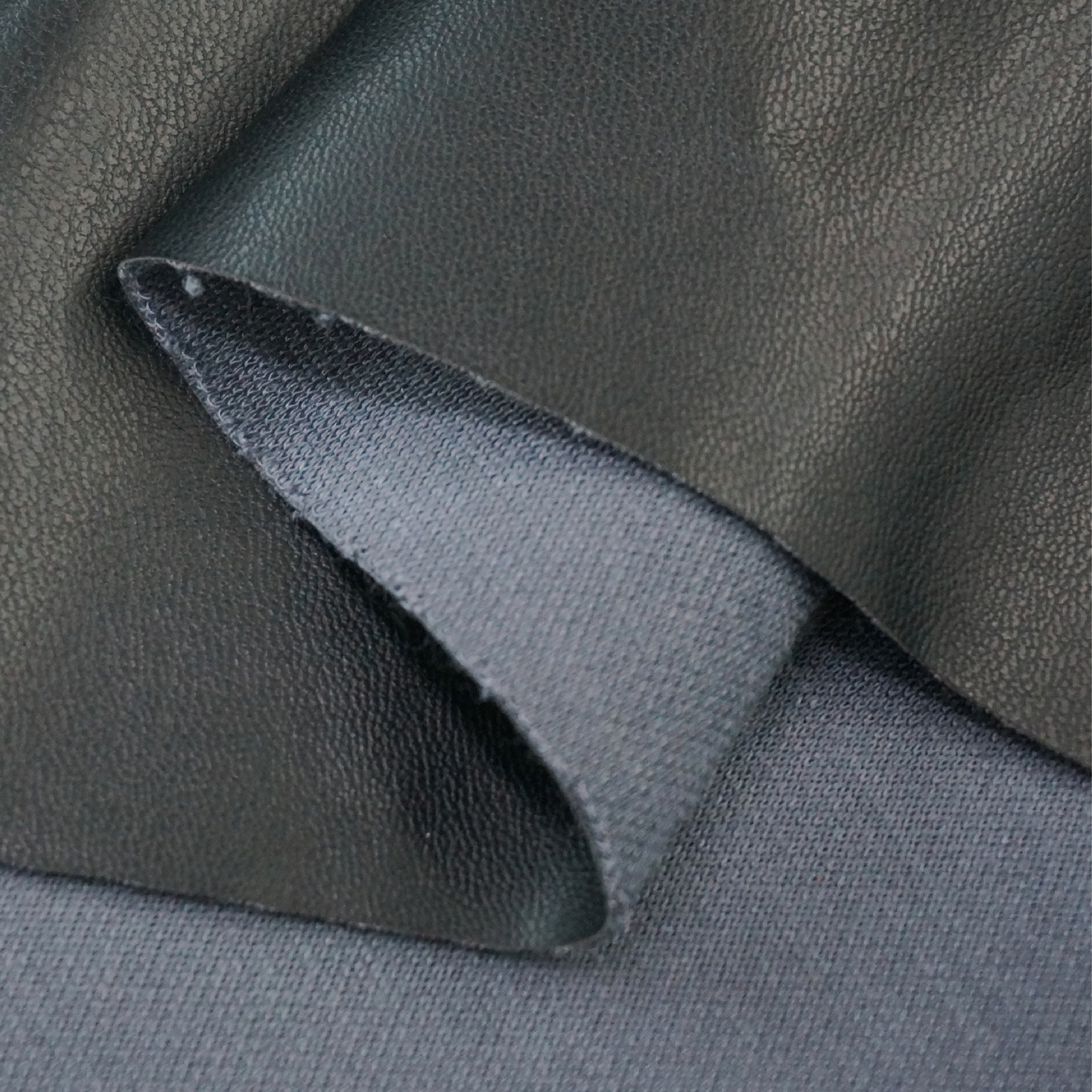
Detailed Architectural/Principle Analysis
Peeling in synthetic leather occurs due to the breakdown of the adhesive layer between the surface polymer and the non-woven backing. In heavy-use scenarios like automotive and furniture upholstery, constant shear forces degrade weak polymer bonds. To combat this, manufacturers utilize high-density microfiber bases. Microfiber synthetic leather, with a thickness of 0.6–1.4 mm and a width of 54/55 inches, provides a highly stable mechanical foundation that distributes tension evenly.
Quality assurance relies on rigorous laboratory testing. Key mechanical properties evaluated include color consistency, surface appearance, abrasion resistance, tensile strength, peeling strength, and scratch resistance. For international compliance and safety, check for certifications such as GRS, USDA, and Oeko-Tex 100, which verify both structural performance and eco-friendly manufacturing standards.
Practical application of these standards is demonstrated in demanding industrial projects. For instance, a major automotive interior manufacturer in Mexico utilized 50,000 meters of customized synthetic leather for automotive seats, door panels, and armrests. The material was engineered with specific grain, backing, and thickness parameters to satisfy strict standards for low odor, UV resistance, flame retardancy, and high abrasion resistance, showing no signs of peeling or premature aging under heavy daily physical contact.
Data/Solution Comparison
The following table outlines the technical specifications required to evaluate synthetic leather performance for heavy-use applications:
| Specification Parameter | Standard Microfiber Leather Value | Heavy-Use Performance Relevance |
|---|---|---|
| Thickness Range | 0.6–1.4 mm | Determines structural mass; thicker layers improve puncture and tear resistance. |
| Peeling Strength | High / Customized | Prevents the top polyurethane coat from separating from the microfiber base. |
| Abrasion Resistance | High | Resists surface wear caused by repetitive sliding, friction, and contact. |
| Folding Resistance | Excellent | Prevents crack propagation at flexing joint areas in footwear and seating. |
| Width Compatibility | 54/55 inches | Optimizes cutting yield for large-scale furniture and automotive patterns. |
Frequently Asked Questions (FAQ)
Q1: What causes synthetic leather to peel over time?
A1: Peeling is primarily caused by low peeling strength, poor adhesive bonding between layers, and degradation from friction, moisture, or UV exposure. Selecting a microfiber base with high peeling strength mitigates this issue.
Q2: Why is microfiber synthetic leather preferred over basic PVC for heavy-use seating?
A2: Microfiber synthetic leather features a dense, interwoven fiber structure that delivers superior tensile strength, flexibility, and folding resistance, preventing the cracking and peeling common in rigid PVC materials.
Q3: How do ISO 9001 quality systems ensure material durability?
A3: Quality control under ISO 9001 involves raw material inspection, color matching, inline process testing, and comprehensive pre-shipment laboratory testing of tensile strength, peeling strength, and scratch resistance.
Final Conclusion & Recommendations
To secure synthetic leather that withstands intense wear without peeling, procurement specifications must target microfiber synthetic leather with verified parameters for peeling strength, tensile strength, and folding resistance. Ensuring the material holds recognized certifications like GRS, USDA, and Oeko-Tex 100 provides an additional guarantee of material integrity. For detailed technical solutions or support, please reach out to us via vicky@bozeleather.com.
About Us
Dongguan Cigno Leather Co., Ltd., established in 2007, is a professional manufacturer specializing in high-quality faux leather based in Dongguan, China. The company operates under a business model integrating R&D, production, sales, and export, supporting OEM/ODM and customized production services. The factory features a monthly production capacity of approximately 6 million meters, backed by professional R&D and testing capabilities to deliver stable mass production, strict quality inspection, and reliable delivery for global clients. Our materials hold internationally recognized certifications including GRS, USDA, and Oeko-Tex 100.

SUBSCRIBE
INQUIRY