
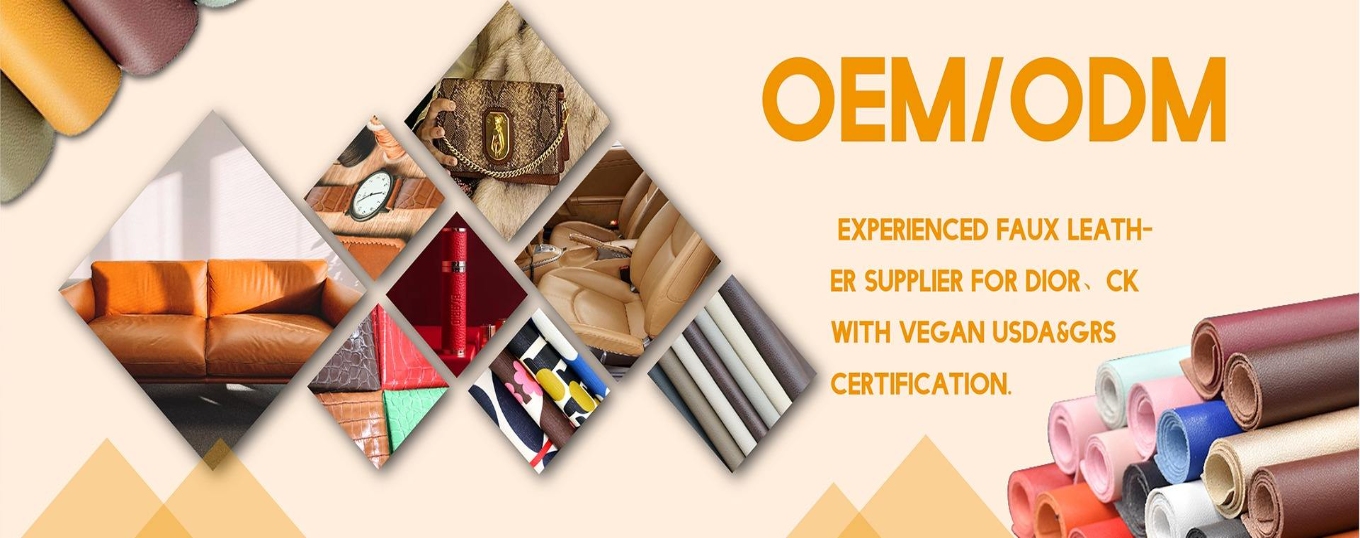
PRODUCTS
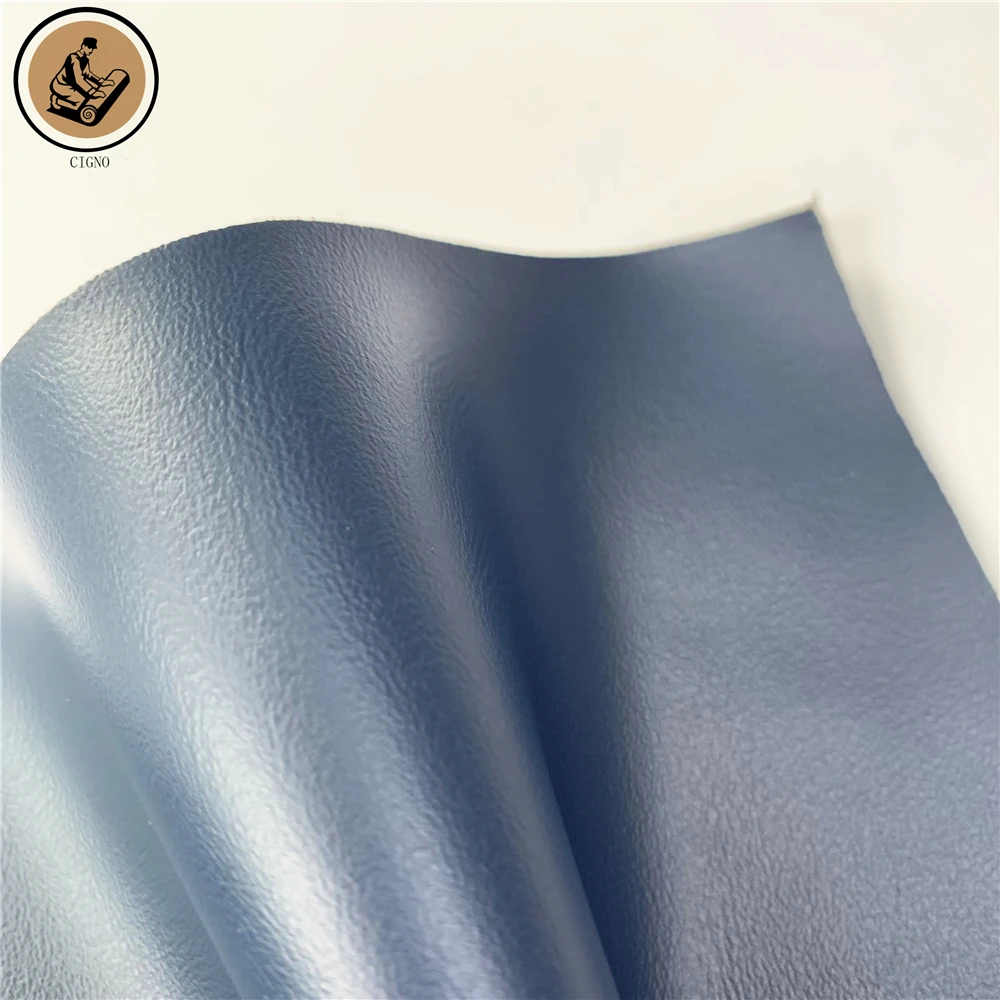
High Quality Eco-Friendly 1.2mm PU Synthetic Leather Furniture Upholstery Solvent-Free Skin-Feel for Sofa Car Seat Chair Bag Use
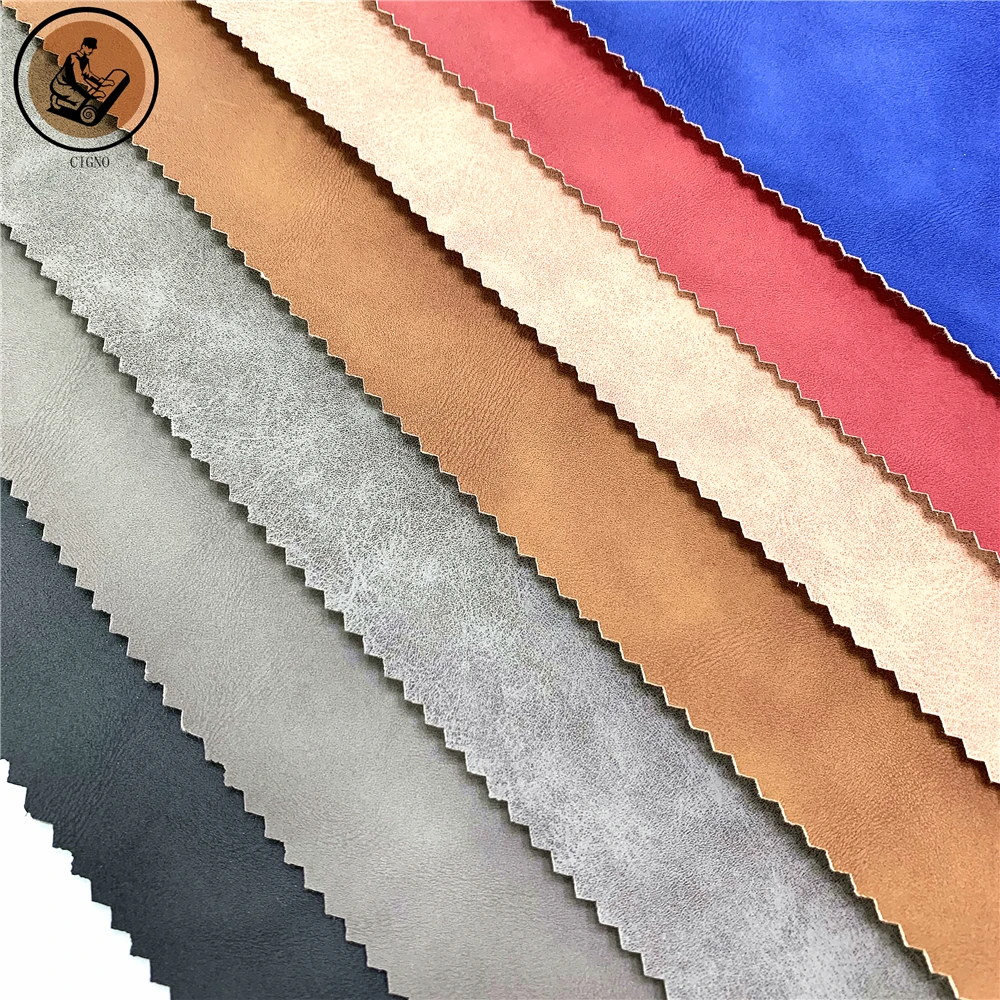
Free Samples of Embossed PU Synthetic Leather Bags Shoes Sofa Furniture Garments Car Decorative Uses-Waterproof Stretch Features
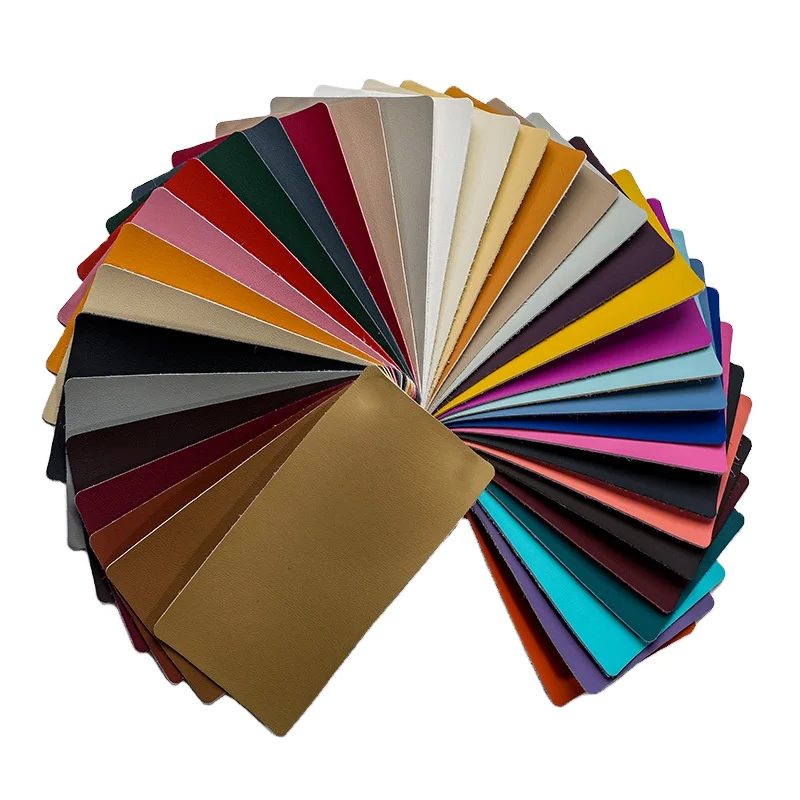
Pvc Vinyl Leather Rexine Leather Faux for Cars/Motorcycles, Waterproof Embossed Recycling Leatherette for Automotive Leather
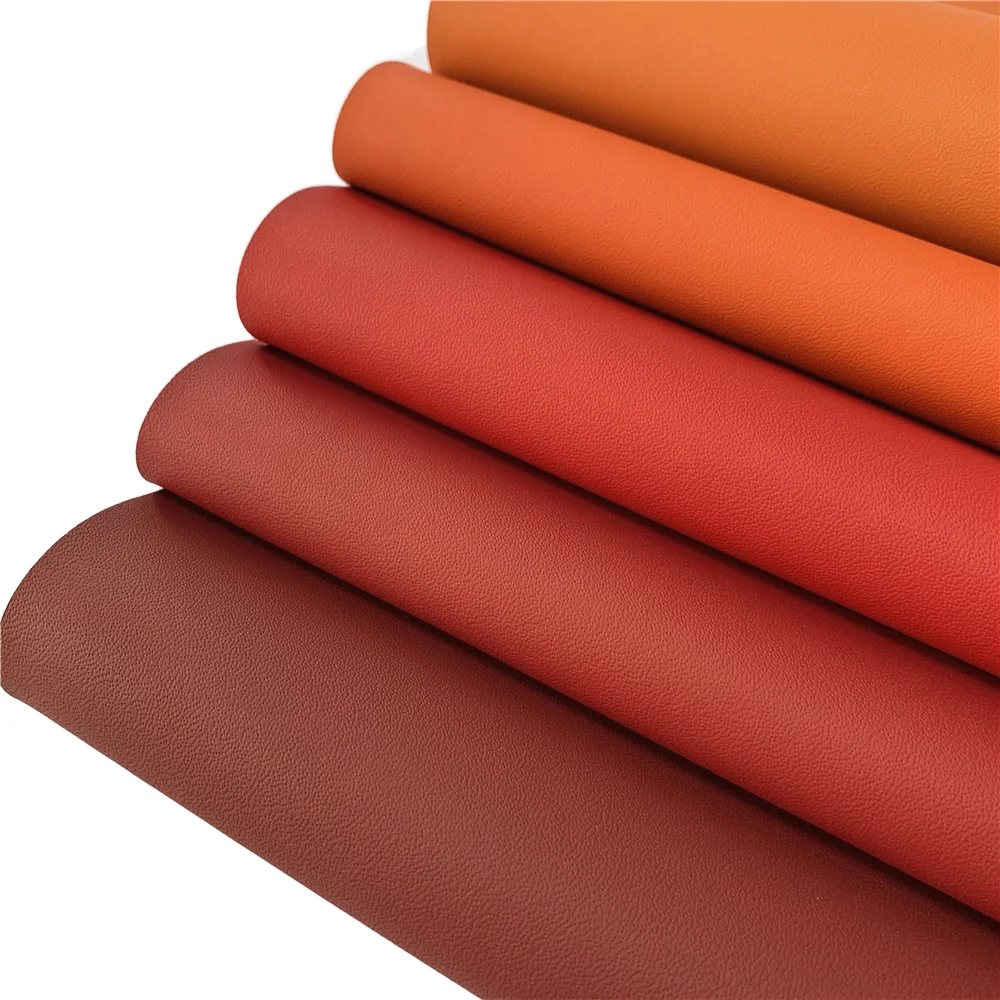
Hydrolysis Resistant Waterproof PU Microfiber Suede Leather Fabric Furniture Car Seat Covers Automotive Upholstery Bags Sofas
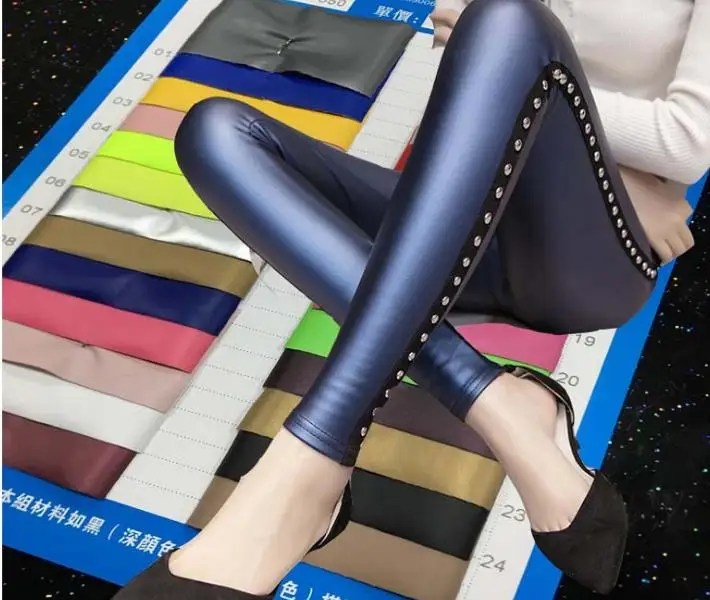
Ultra-Bright Black Mirror Four-Sided Stretch PU Fabric Pants Dresses Solid Color Soft Waterproof Clothing Elastic Finished
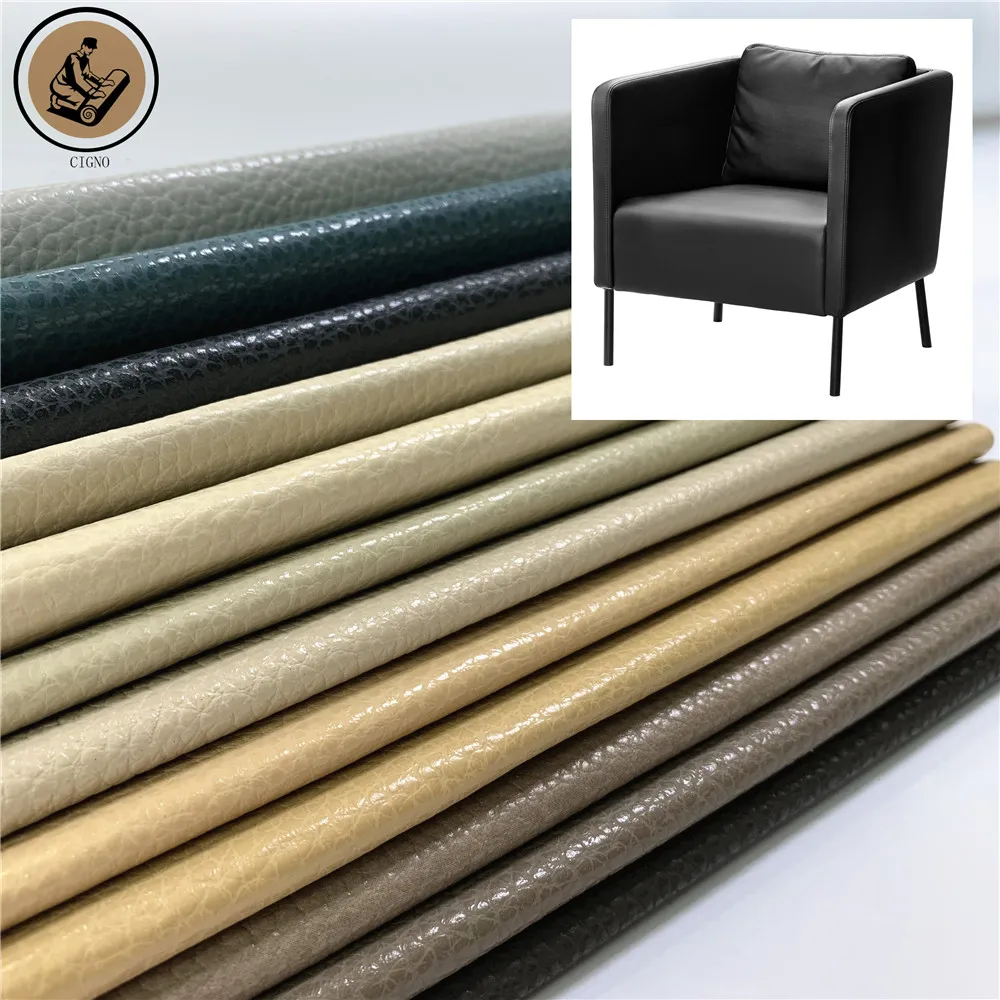
Litchi Lychee Grain 1.2mm PU Microfiber Leather Eco-Friendly Synthetic Leather Sofa Car Seat Handbags-Pearly-Lustre Recycled
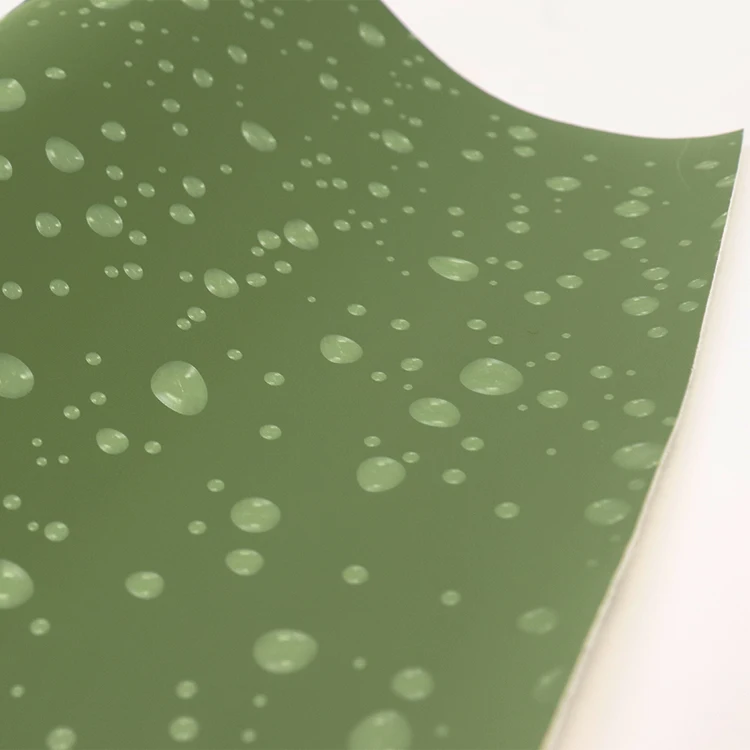
Custom Designer Faux Leather Fabric PVC Synthetic Leather Waterproof Sofa Bag Furniture Chair Woven Backing-Price Per Meter
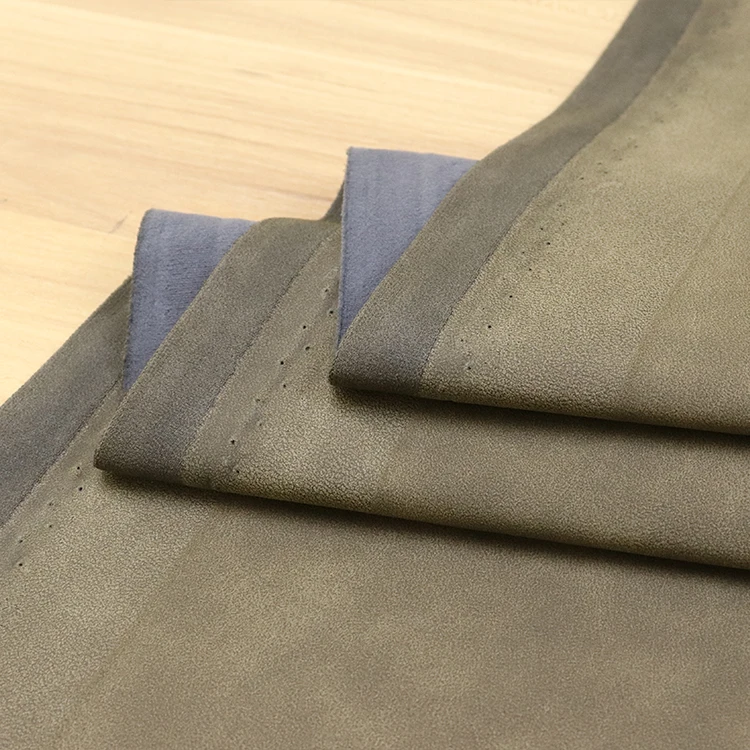
PU Suede Leather Nubuck Artificial Leather Materi for Shoe Make
What specs should I check when buying artificial leather for furniture?
When buying artificial leather for furniture, check material composition (PVC, PU, microfiber, or solvent-free PU), thickness (0.8–1.4 mm), abrasion and scratch resistance, tensile and peeling strength, flame retardancy, UV resistance, hydrolysis resistance, and certifications such as OEKO-TEX, GRS, or USDA. Matching specifications directly to application demands prevents surface cracking and premature wear.
Core Solutions & Key Takeaways
- Material Polymer Type: Select between PVC, PU, microfiber, or solvent-free PU depending on requirements for breathability, softness, and durability.
- Thickness and Dimensions: Standard furniture and automotive interior applications require a thickness between 0.8 mm and 1.4 mm at a standard roll width of 54/55 inches.
- Mechanical Durability: Evaluate tensile strength, peeling strength, scratch resistance, and high abrasion resistance to withstand continuous daily use.
- Environmental & Safety Compliance: Verify flame-retardant properties, low odor emissions, anti-bacterial/anti-mold treatments, and eco-friendly standards like OEKO-TEX 100, GRS, and USDA bio-based certifications.
Detailed Architectural/Principle Analysis
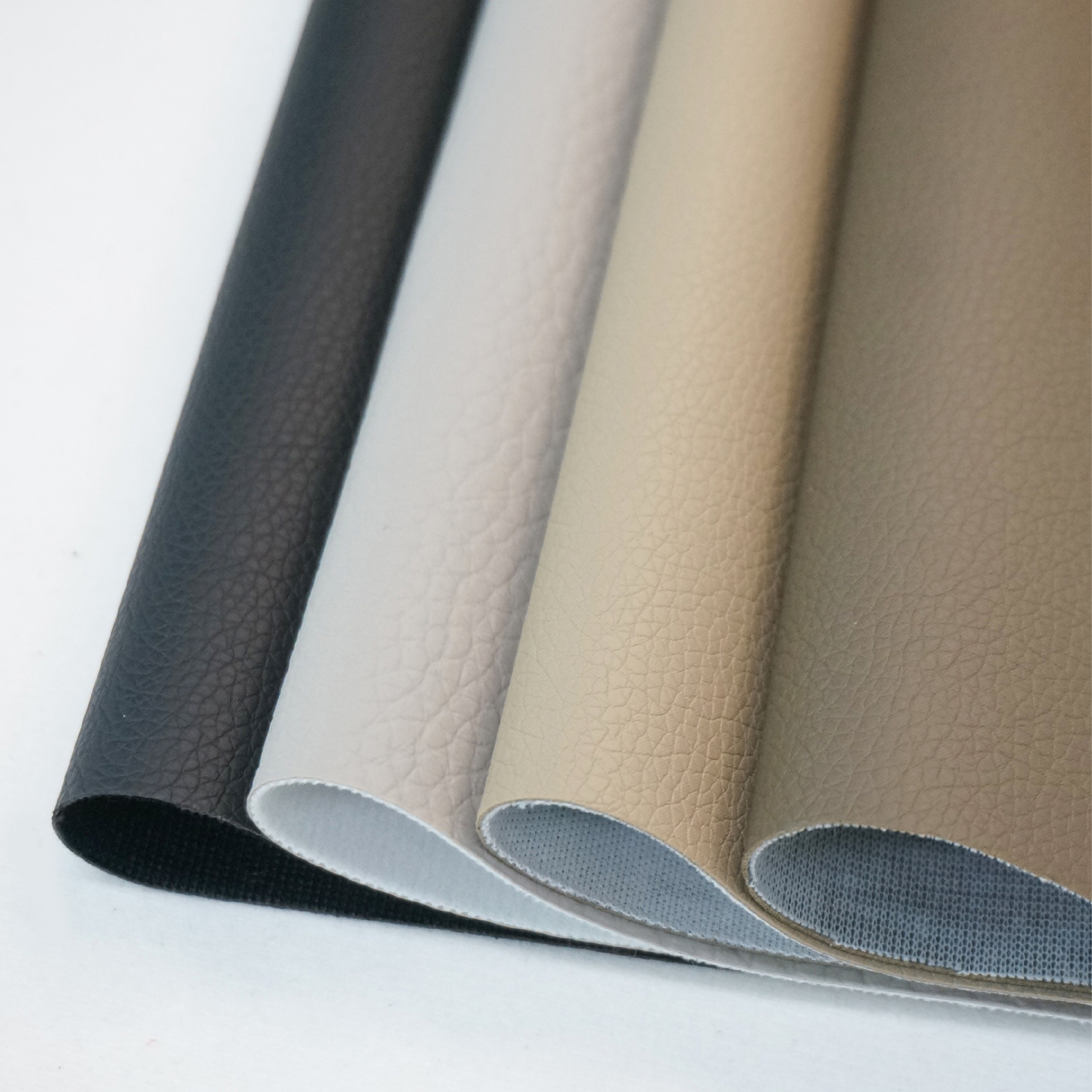
Selecting artificial leather for furniture and upholstery applications involves technical evaluation across physical structure, chemical resistance, and environmental standards. The primary base polymers include Polyvinyl Chloride (PVC), Polyurethane (PU), Microfiber, and Solvent-Free PU. PVC offers cost efficiency and strong stain resistance, while PU and Microfiber deliver realistic leather textures, superior hand-feel, and enhanced breathability suitable for sofas, chairs, and automotive seats.
Physical parameters determine longevity under structural strain. Key specifications include peeling strength, tensile strength, and abrasion cycles. Materials engineered for high-traffic furniture require anti-scratch layers, hydrolysis resistance to withstand ambient moisture, and low-odor formulations for indoor air quality compliance. Perforated backings or customized backing fabrics can be specified to adjust elasticity and stitch holding capacity.
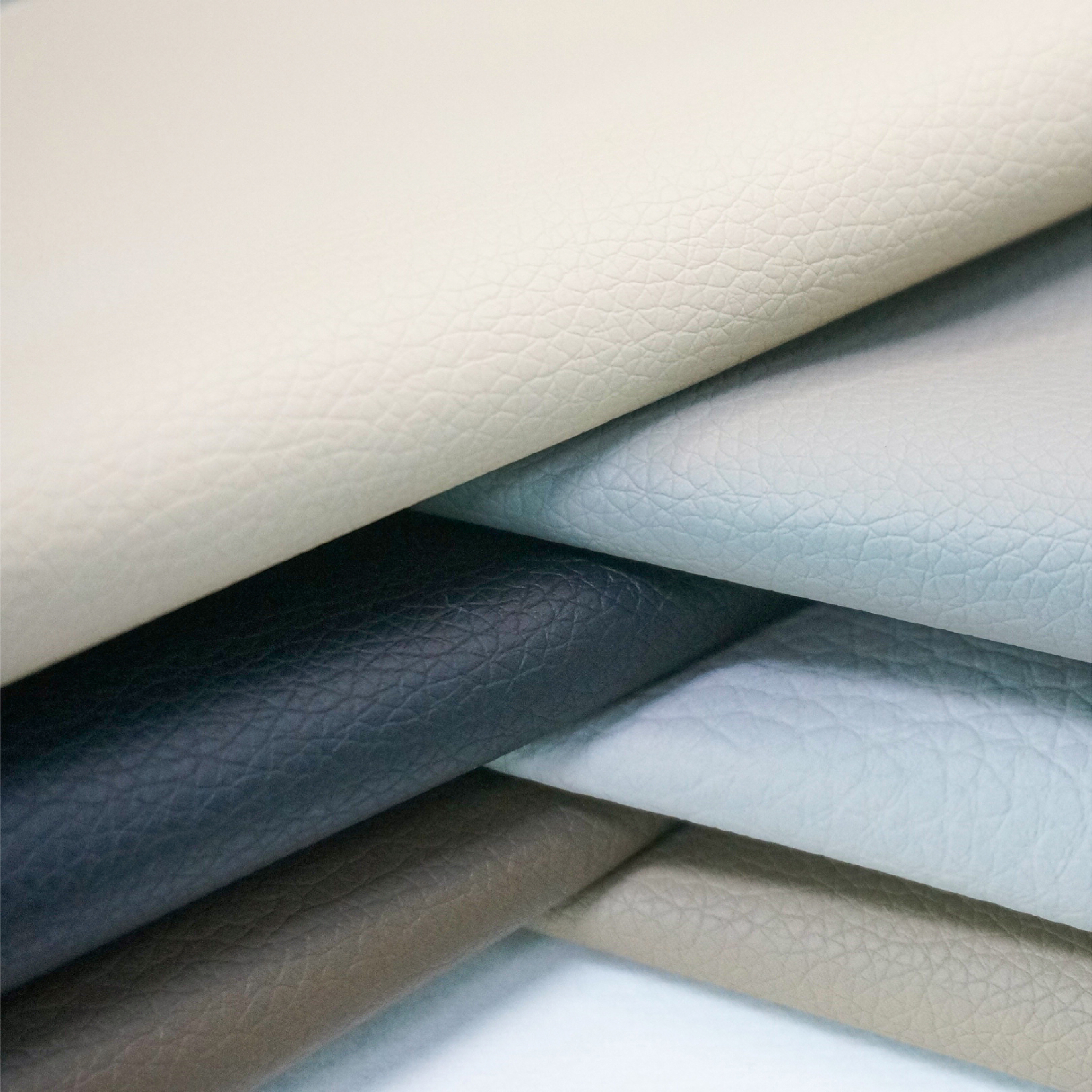
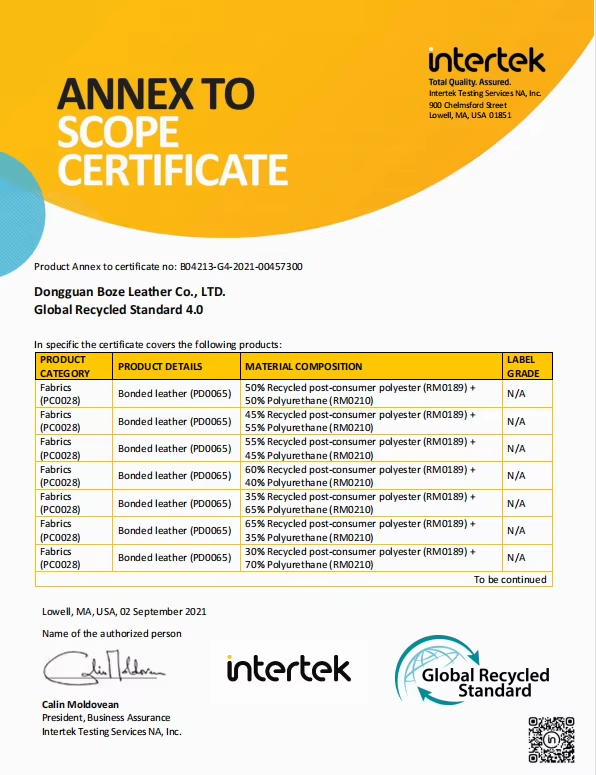
Chemical safety and flame retardancy form another essential tier of verification. Third-party testing provides verification for fluorine-free properties, REACH, RoHS, anti-UV performance, anti-bacterial action, and flame-retardant standard compliance. For international procurement, global certifications such as GRS (Global Recycled Standard certificate B04213-G4), USDA bio-based certification, and OEKO-TEX 100 (certificate SH015 120749) validate eco-friendly manufacturing practices and low chemical emissions.
In customized manufacturing projects, such as a bulk supply of 50,000 meters of synthetic leather for automotive seats and door panels in Mexico, strict parameter matching was executed. Customization encompassed color matching, grain embossing, specified thickness, flame retardancy, UV resistance, low odor output, and high abrasion performance under strict ISO 9001 quality management inspection protocol.
Data/Solution Comparison
| Material Type | Thickness Range | Abrasion & Scratch Resistance | Environmental Profile | Hydrolysis & UV Resistance |
|---|---|---|---|---|
| PVC Leather | 0.8 – 1.4 mm | Medium to High | Standard / Conventional Polymer | High UV Resistance, Moderate Hydrolysis |
| Standard PU Leather | 0.8 – 1.2 mm | High | OEKO-TEX 100 Compliant Options | Moderate UV, High Hydrolysis Resistance |
| Microfiber Leather | 1.0 – 1.4 mm | Very High | Recycled Content (GRS Available) | High UV and Hydrolysis Resistance |
| Solvent-Free PU | 0.8 – 1.4 mm | Very High | USDA Bio-Based, Zero VOC Emissions | Superior Hydrolysis and UV Resistance |
Frequently Asked Questions (FAQ)
What is the standard minimum order quantity (MOQ) and lead time when ordering furniture artificial leather?
For custom production, standard product MOQs range from 100 meters up to 1,000 meters per color depending on material specifications. Delivery timelines range between 7 and 35 days following deposit confirmation and physical sample approval.
How do I verify if artificial leather meets flame retardant and environmental standards?
Request third-party test reports covering flame retardancy, REACH, RoHS, anti-bacterial, and fluorine-free properties, along with official credentials such as OEKO-TEX 100, GRS, or USDA certificates from the supplier.
What payment methods and delivery terms are standard for international bulk orders?
Accepted payment methods include T/T bank transfer (30% deposit, 70% balance prior to shipment), irrevocable L/C at sight, and Alibaba Trade Assurance. Shipping models support sea freight, air freight, and international express under EXW, FOB, CFR, CIF, and DDP terms.
Final Conclusion & Recommendations
Determining exact parameters—including polymer selection, thickness, tensile limits, flame retardancy, and environmental credentials—ensures synthetic leather performs reliably in furniture and automotive interior applications. Evaluating test reports and physical samples upfront mitigates material failure in mass assembly. For detailed technical solutions or support, please reach out to us via vicky@bozeleather.com.
About Us
Dongguan Cigno Leather Co., Ltd. is a high-performance synthetic material manufacturer established in 2007. Operating a 100,000 square meter factory facility with 50 staff members, the enterprise generates a monthly production capacity of 6,000,000 meters across 6 advanced production lines. Hold certificates including GRS, USDA, and OEKO-TEX 100, supplying eco-friendly PU, PVC, water-based, and solvent-free synthetic leather to clients across North America, Europe, Southeast Asia, and South America.

SUBSCRIBE
INQUIRY