
PRODUCTS
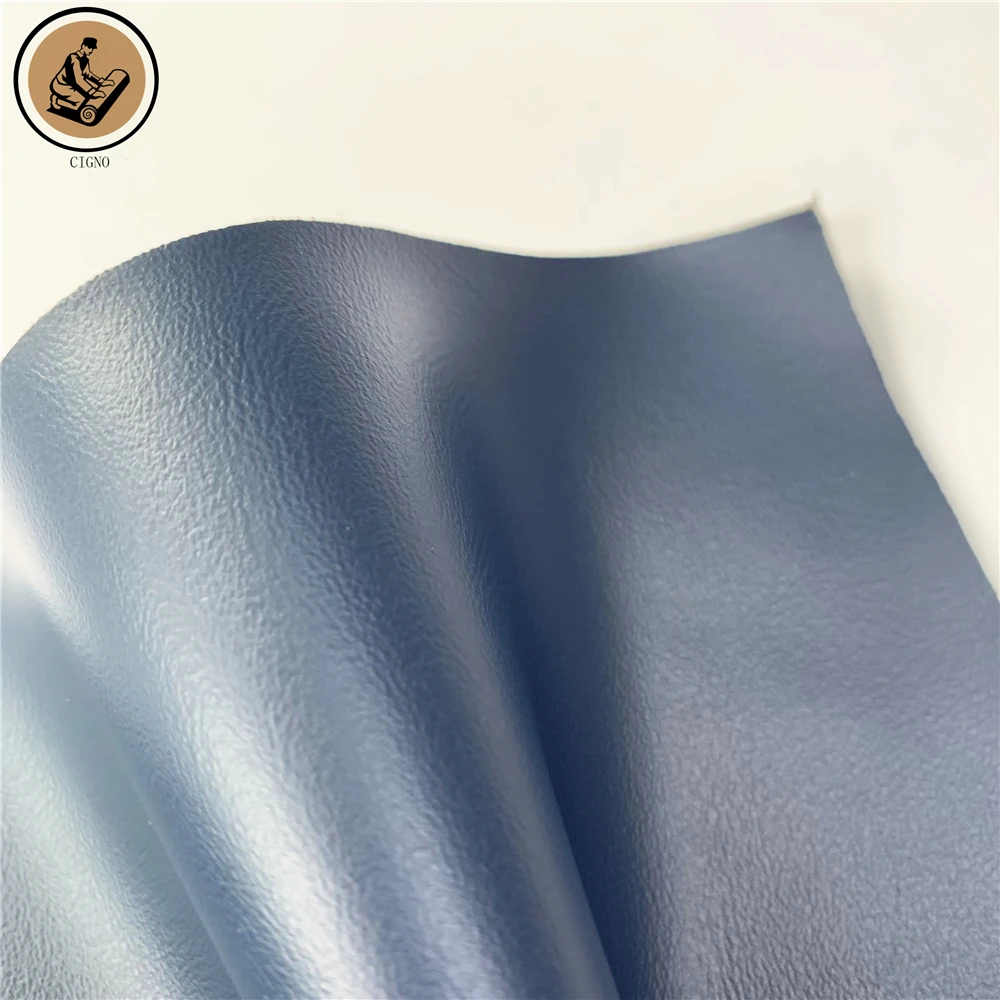
High Quality Eco-Friendly 1.2mm PU Synthetic Leather Furniture Upholstery Solvent-Free Skin-Feel for Sofa Car Seat Chair Bag Use
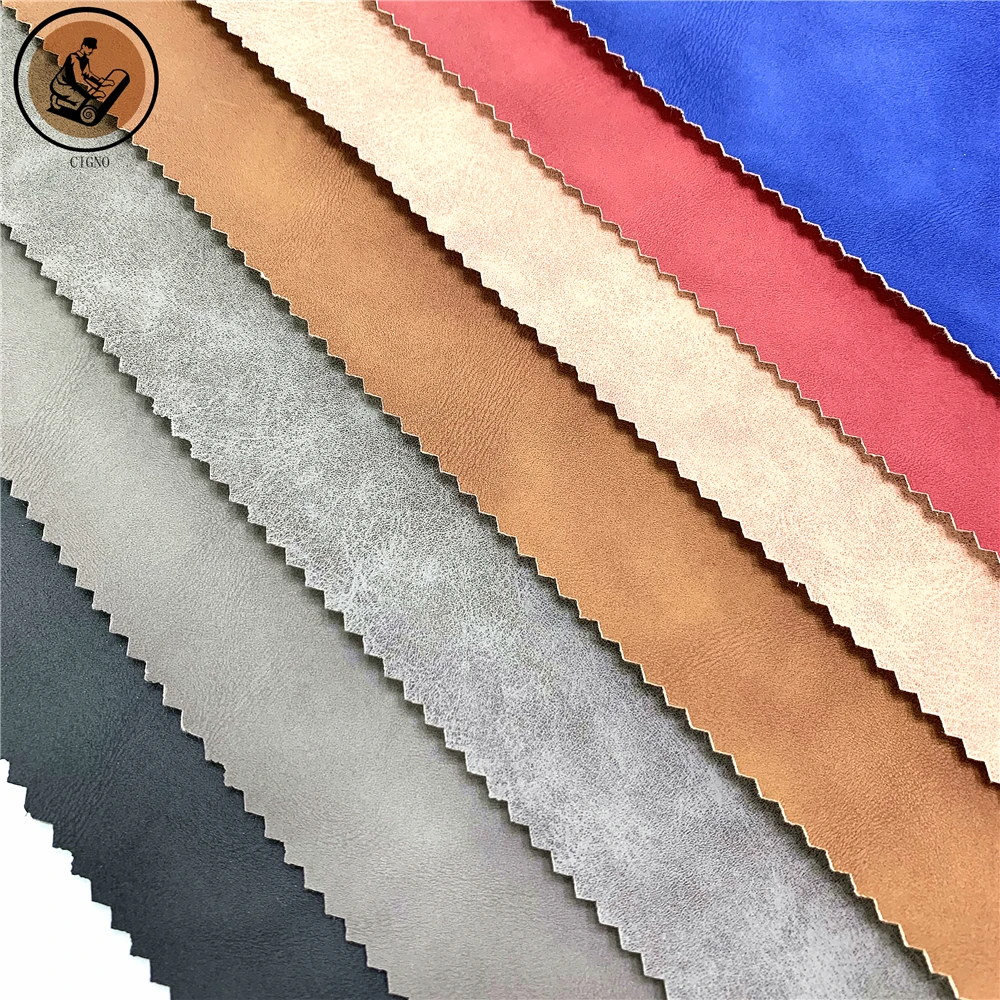
Free Samples of Embossed PU Synthetic Leather Bags Shoes Sofa Furniture Garments Car Decorative Uses-Waterproof Stretch Features
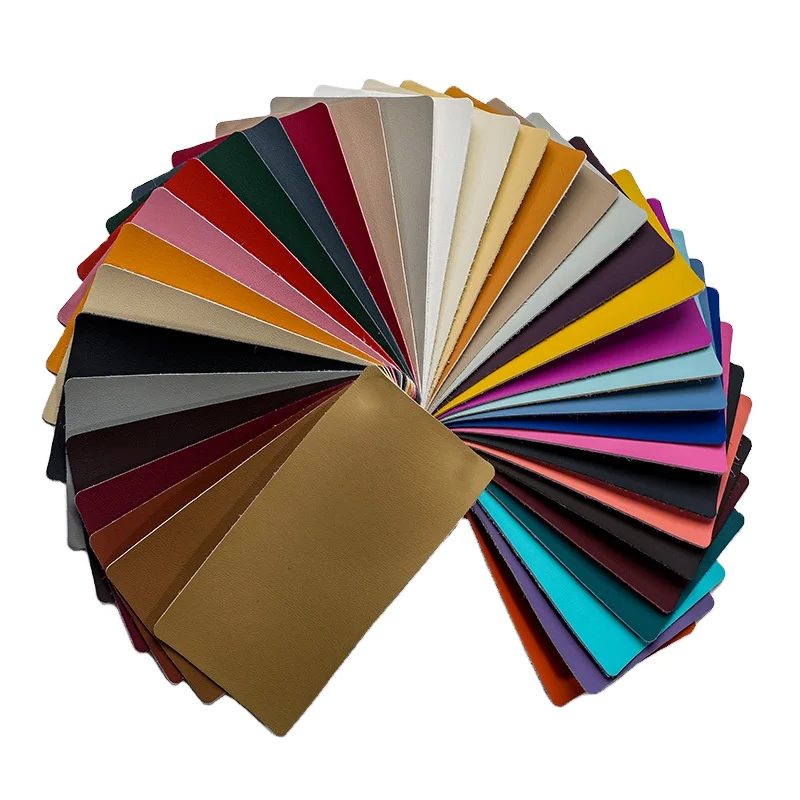
Pvc Vinyl Leather Rexine Leather Faux for Cars/Motorcycles, Waterproof Embossed Recycling Leatherette for Automotive Leather
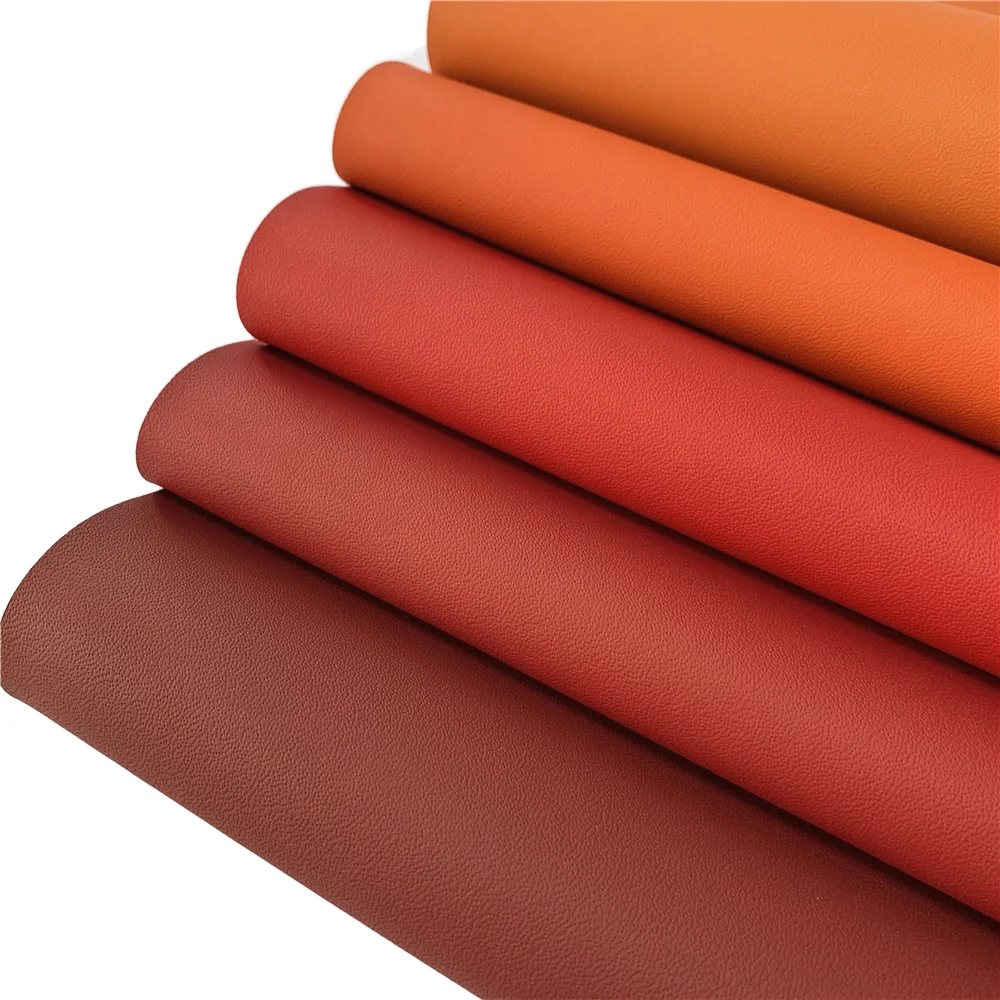
Hydrolysis Resistant Waterproof PU Microfiber Suede Leather Fabric Furniture Car Seat Covers Automotive Upholstery Bags Sofas
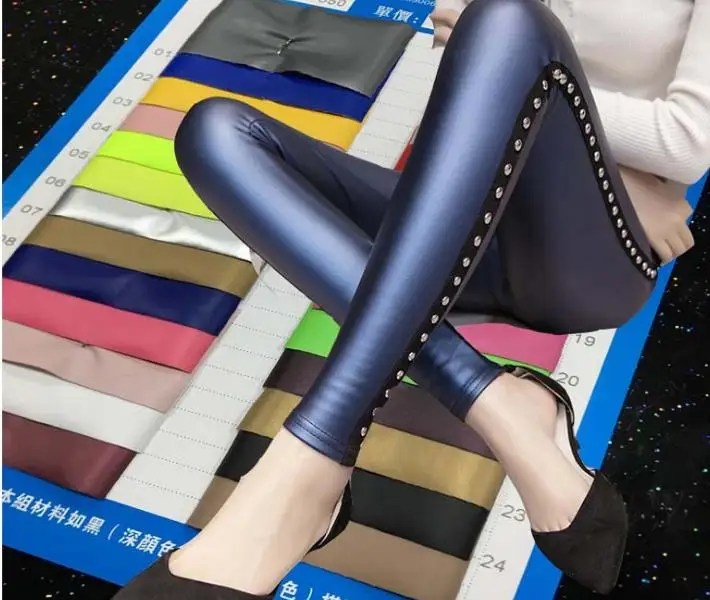
Ultra-Bright Black Mirror Four-Sided Stretch PU Fabric Pants Dresses Solid Color Soft Waterproof Clothing Elastic Finished
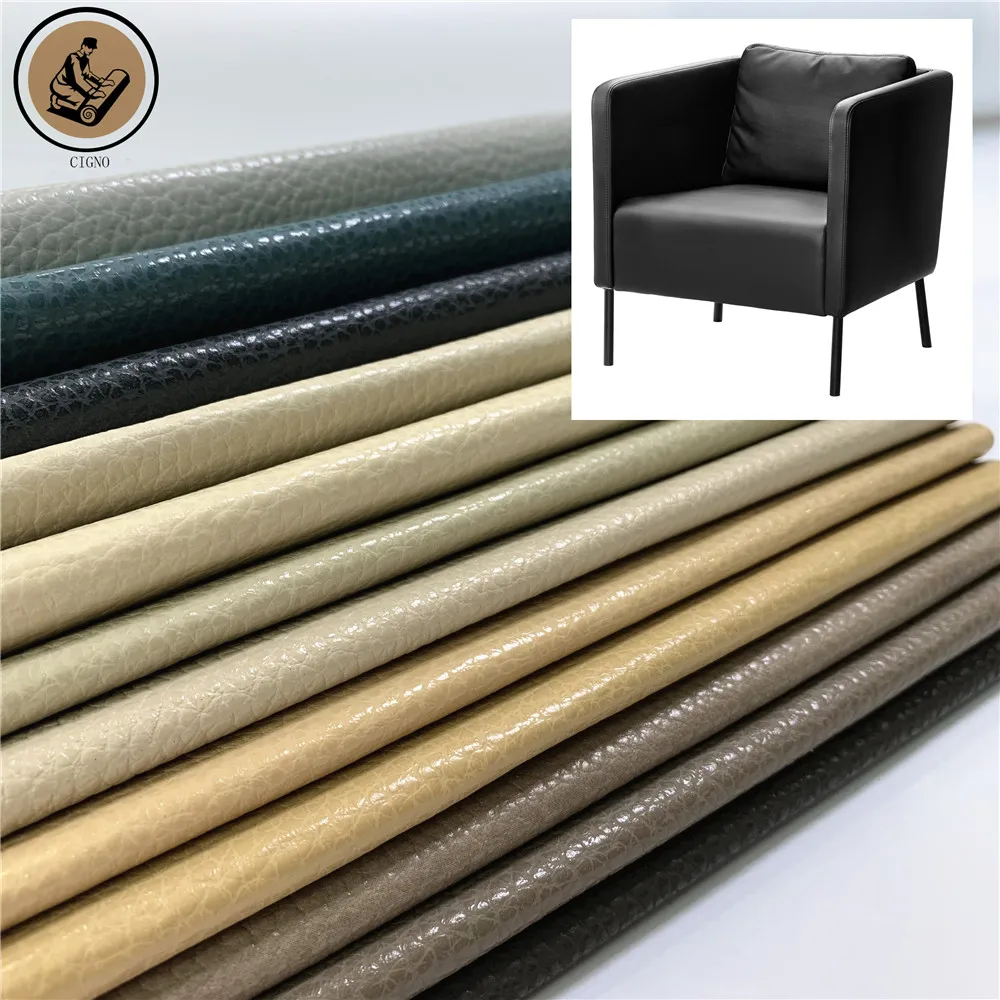
Litchi Lychee Grain 1.2mm PU Microfiber Leather Eco-Friendly Synthetic Leather Sofa Car Seat Handbags-Pearly-Lustre Recycled
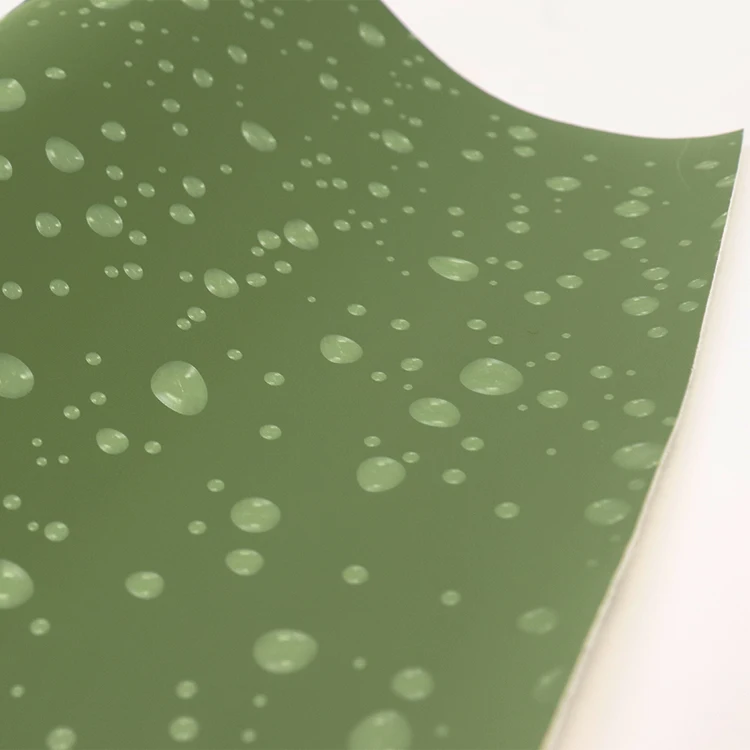
Custom Designer Faux Leather Fabric PVC Synthetic Leather Waterproof Sofa Bag Furniture Chair Woven Backing-Price Per Meter
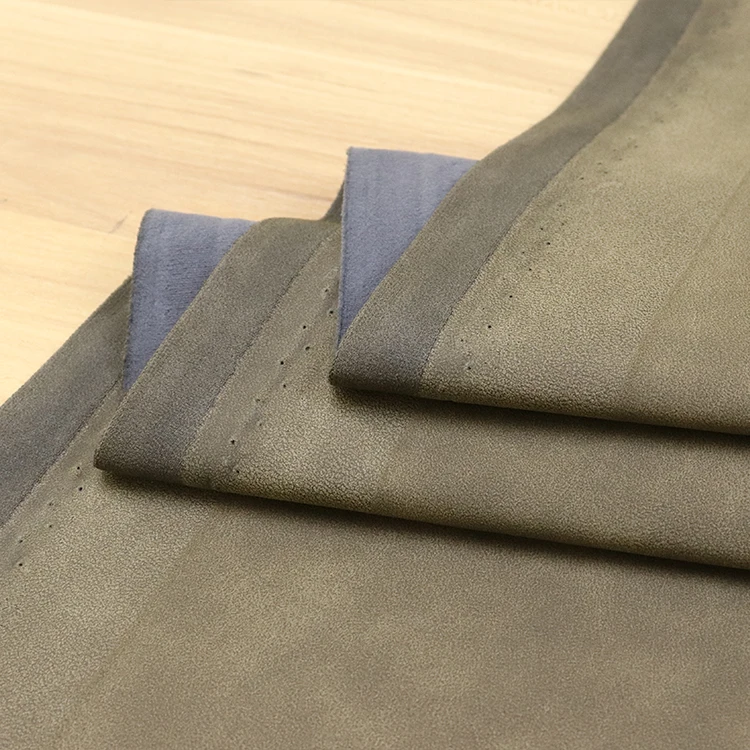
PU Suede Leather Nubuck Artificial Leather Materi for Shoe Make
What sustainable alternatives exist for car seat covers leather today?
Sustainable alternatives for car seat covers leather include bio-based synthetic leather, recycled microfiber leather, solvent-free polyurethane (PU), and eco-friendly polyvinyl chloride (PVC). These animal-free materials deliver high abrasion resistance, flame retardancy, and UV stability while reducing carbon footprints, meeting global automotive standards like GRS, USDA, and OEKO-TEX 100.
Core Solutions & Key Takeaways
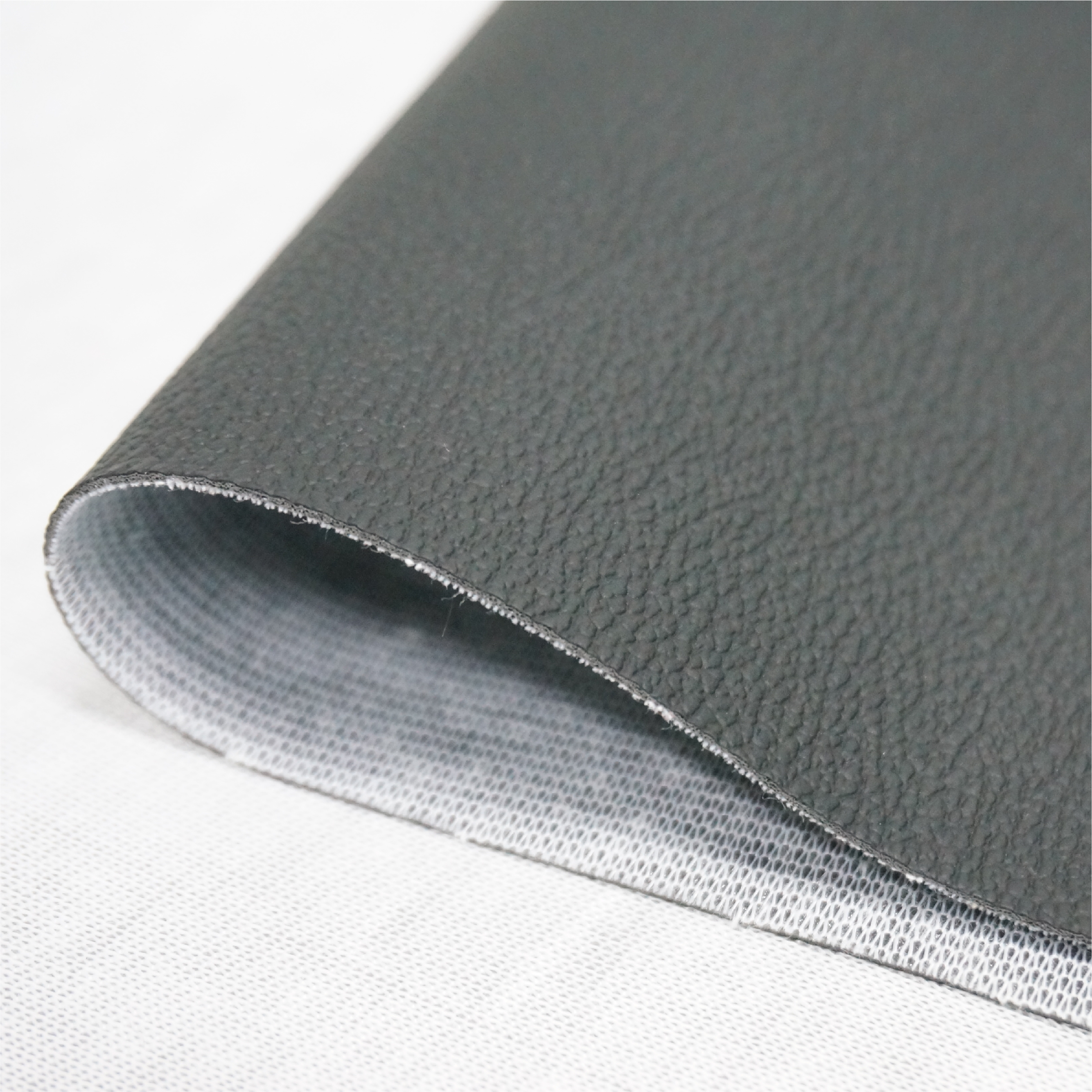
- Microfiber leather with nappa-grain finishes provides superior tensile strength, scratch resistance, and authentic tactile comfort for automotive interiors.
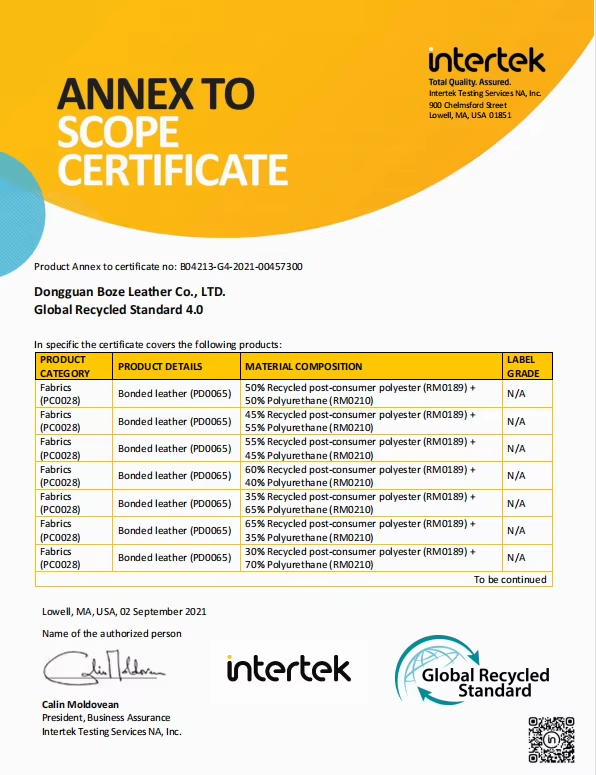
- Bio-based and recycled polymer alternatives certified by USDA and GRS significantly decrease reliance on fossil resources without compromising durability.
- Solvent-free PU and water-based formulations eliminate hazardous volatile organic compounds (VOCs) during material processing.
- Customizable functional treatments enable specialized performance including flame retardancy, stain resistance, waterproofing, and UV resistance across automotive seating and trim.
Detailed Architectural & Material Analysis
Modern synthetic leather engineering for car seat covers utilizes advanced substrate construction combined with specialized surface coatings. Microfiber substrates replicate the complex 3D collagen network of natural hides, providing high peeling strength and flexibility across a thickness range of 0.8 mm to 1.4 mm at standard roll widths of 54/55 inches. Polyurethane, PVC, and bio-derived polymer layers are applied to these backings to achieve specific grain finishes, including refined nappa textures and customized perforated patterns.
Material performance verification relies on rigorous physical and chemical testing. Formulations developed by manufacturers like Dongguan Cigno Leather Co., Ltd. undergo strict ISO 9001 quality management procedures. These include color matching verification, laboratory abrasion testing, flame retardancy checks, and low-odor evaluations required for enclosed vehicle cabins.
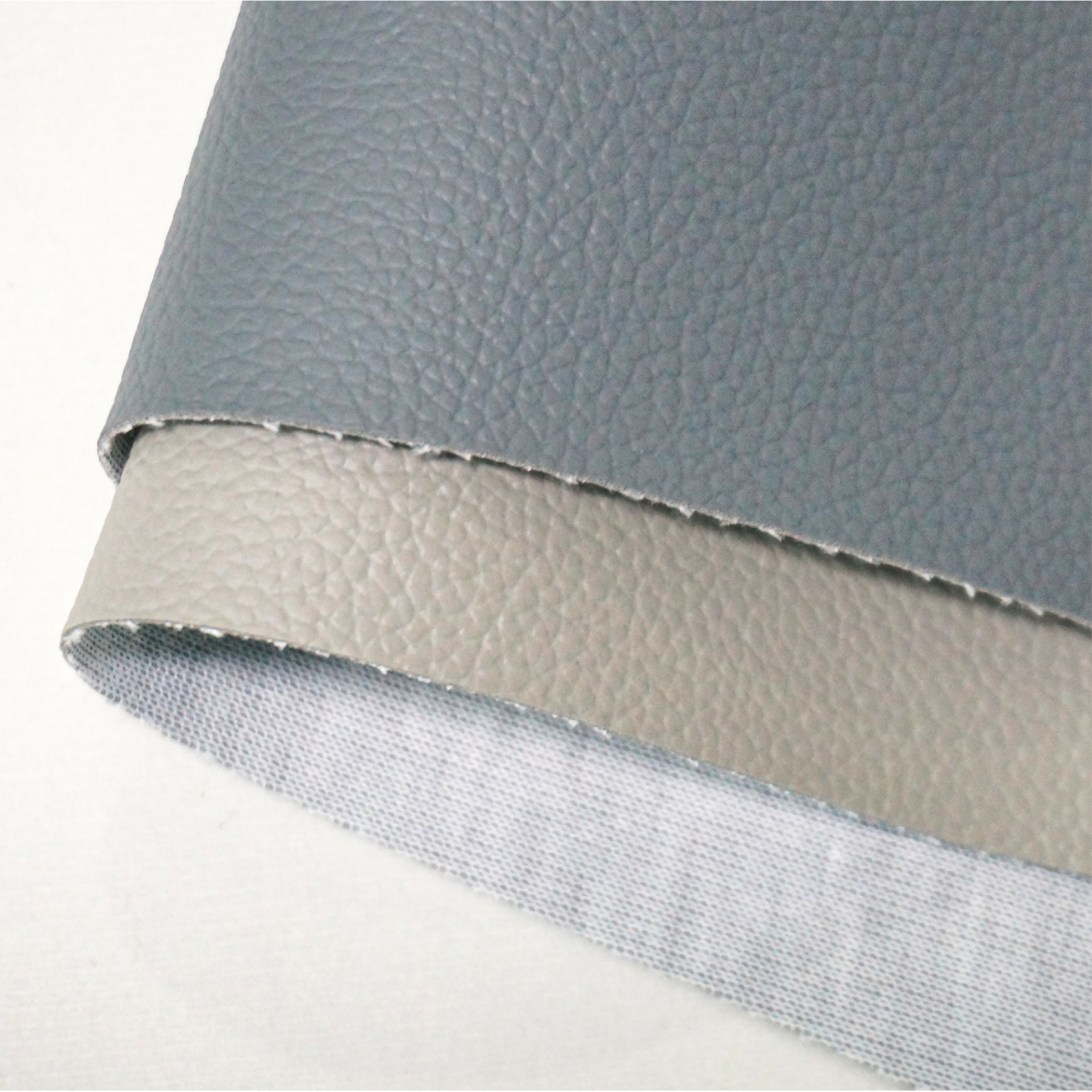
In a project supplying an automotive interior manufacturer in Mexico, 50,000 meters of customized synthetic leather were engineered specifically for car seats, door panels, headrests, and armrests. The material integrated customized color matching, specific grain depth, and tailored backing cloth to satisfy strict UV stability, low odor, flame retardancy, and easy-clean requirements while maintaining batch-to-batch color consistency.
Data/Solution Comparison
Selecting appropriate automotive seating materials requires balancing physical performance, environmental certifications, and ordering parameters.
| Material Option | Thickness Range | Key Advantages | Standard Certifications | Minimum Order Quantity (MOQ) |
|---|---|---|---|---|
| Microfiber Leather (Nappa Grain) | 0.8 mm – 1.4 mm | High peeling strength, superior scratch resistance, realistic feel | GRS, OEKO-TEX 100, USDA | 1,000 meters per color |
| Solvent-Free / Water-Based PU | 0.8 mm – 1.2 mm | Zero solvent emissions, low odor, soft texture, good flexibility | USDA, OEKO-TEX 100 | 1,000 meters per color |
| Automotive Grade PVC Leather | 0.9 mm – 1.4 mm | High cost-efficiency, stain resistance, excellent flame retardancy | REACH, RoHS, CE | 1,000 meters per color |
| Traditional Animal Leather | 1.0 mm – 1.6 mm | Natural variation, traditional aesthetic | Varies by tannery | Varies by hide count |
Frequently Asked Questions (FAQ)
What customization options exist for automotive synthetic seat cover materials?
Manufacturers can customize surface grains, colors, perforated patterns, backing fabric composition, thickness (0.8–1.4 mm), and specialized treatments such as flame retardancy, UV resistance, stain resistance, and antibacterial properties.
How is quality verified before shipment for automotive leather orders?
Quality inspection encompasses raw material verification, lab testing for tensile strength, peeling strength, and abrasion resistance, color consistency checks, surface defect screening, and final pre-shipment inspection under ISO 9001 guidelines.
What are the standard lead times and shipping conditions for bulk orders?
Production lead times typically range from 15 to 30 days following order confirmation. Goods ship globally via sea freight, air freight, or international express under terms including EXW, FOB, CFR, CIF, and DDP.
Final Conclusion & Recommendations
Transitioning to sustainable synthetic alternatives for car seat covers allows automotive brands to uphold stringent durability standards while advancing environmental goals. Tier-1 suppliers and trim specialists should select materials certified by recognized standards such as GRS, USDA, and OEKO-TEX 100 to ensure compliance with global environmental regulations. For regular production, orders require an MOQ of 1,000 meters per color with delivery cycles between 15 and 30 days. Payment terms generally involve T/T bank transfer, L/C, or trade assurance mechanisms based on order scale. For detailed technical solutions or support, please reach out to us via vicky@bozeleather.com.
About Us
Dongguan Cigno Leather Co., Ltd. is a high-performance synthetic leather manufacturer established in 2007. Operating a 100,000 sqm factory area, the company achieves an export ratio of 60%, delivering advanced synthetic leather solutions across North America, Europe, and Asia. Facilities feature 6 specialized production lines capable of producing 6 million meters monthly, supported by international quality certifications including GRS, USDA, and OEKO-TEX 100.

SUBSCRIBE
INQUIRY