
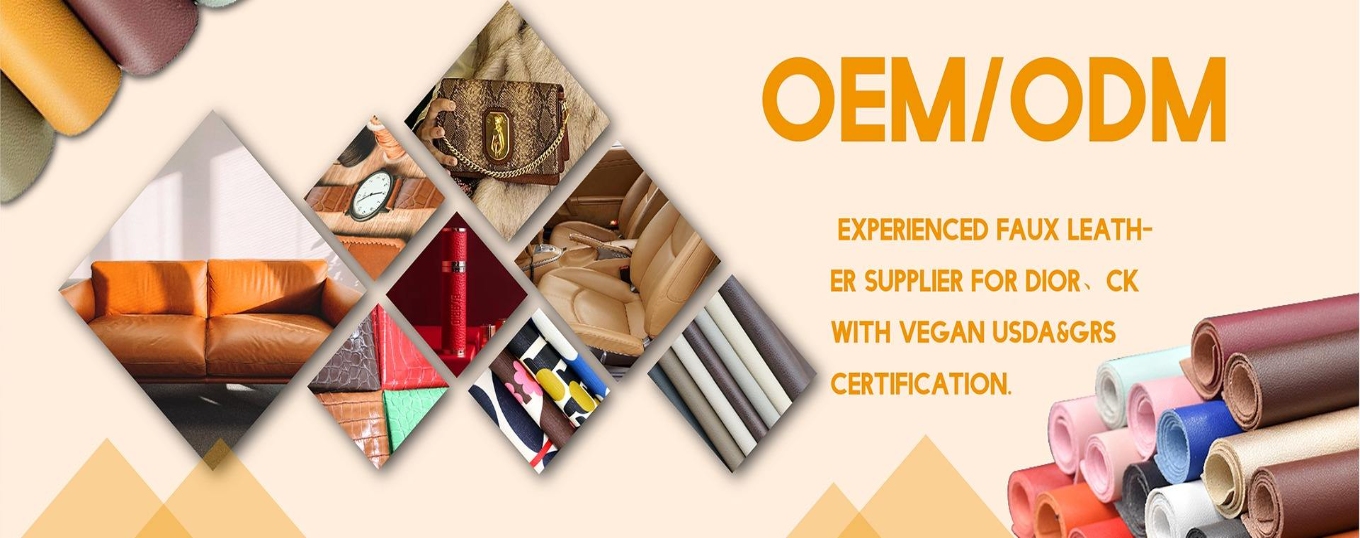
PRODUCTS
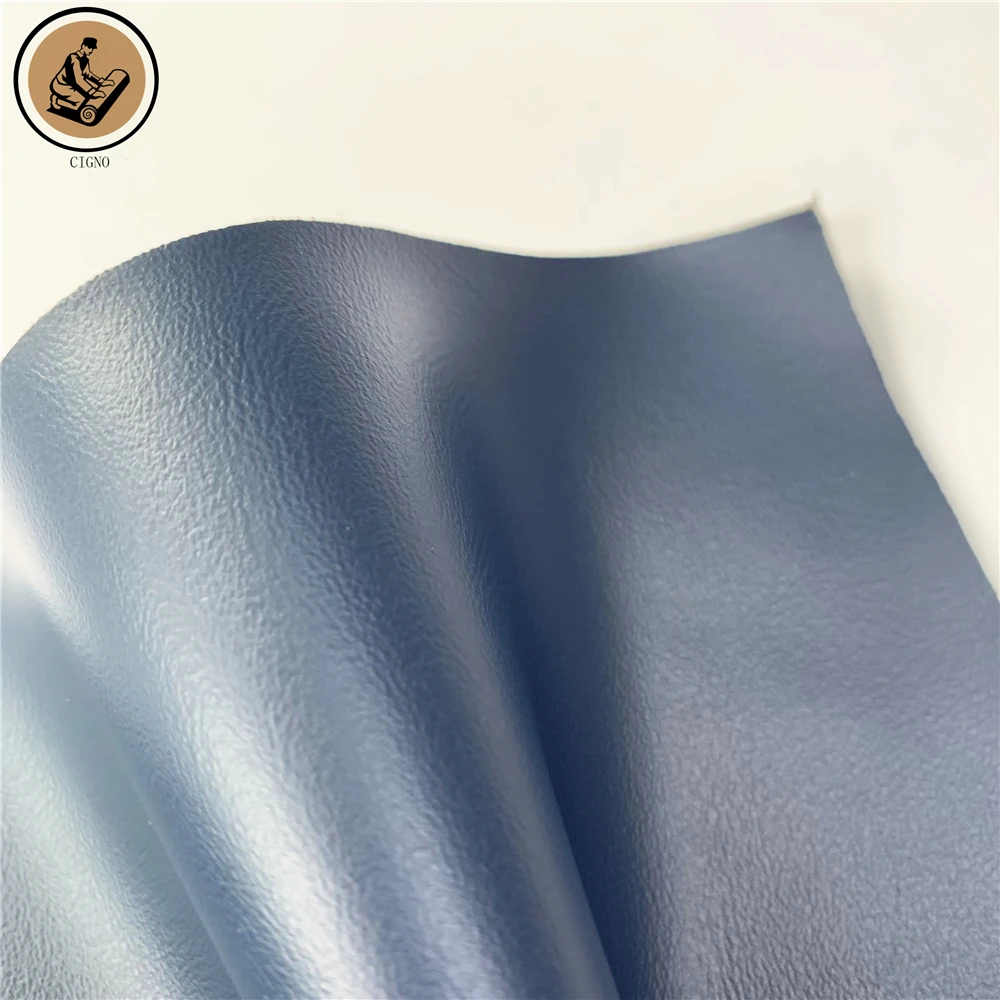
High Quality Eco-Friendly 1.2mm PU Synthetic Leather Furniture Upholstery Solvent-Free Skin-Feel for Sofa Car Seat Chair Bag Use
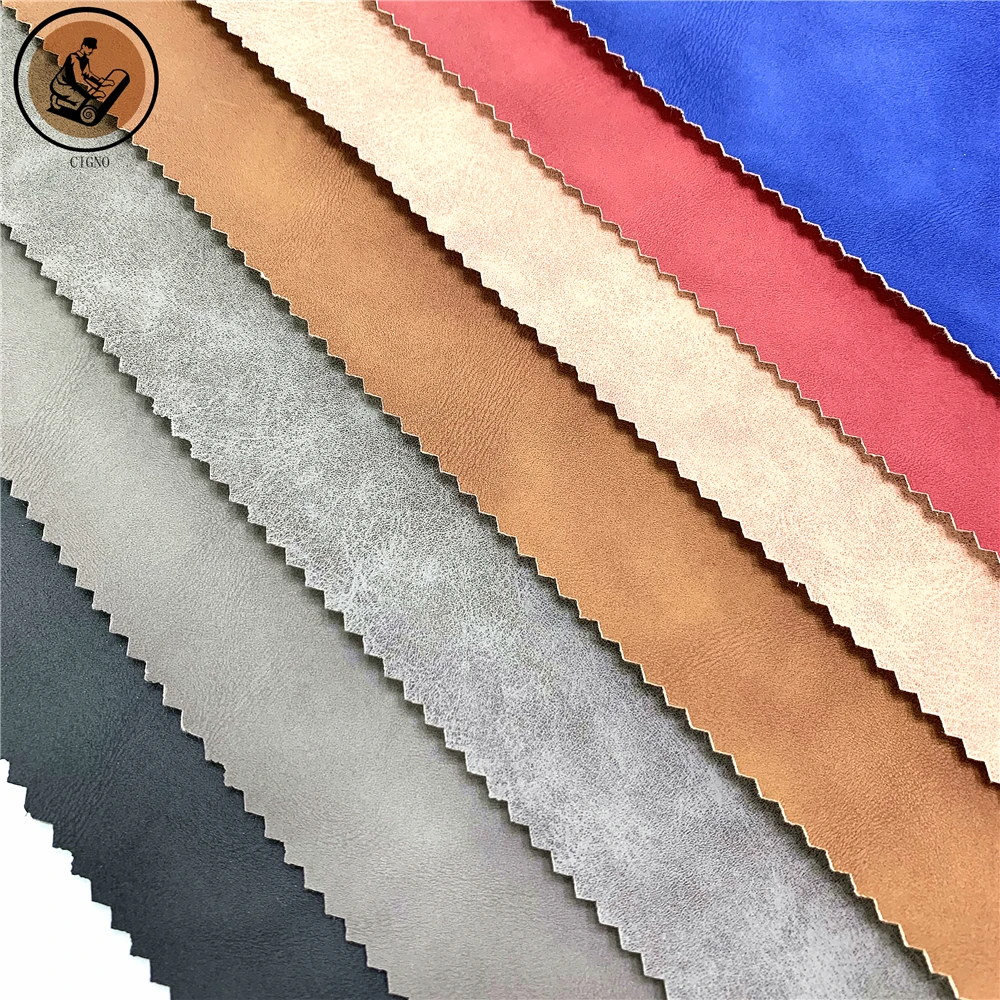
Free Samples of Embossed PU Synthetic Leather Bags Shoes Sofa Furniture Garments Car Decorative Uses-Waterproof Stretch Features
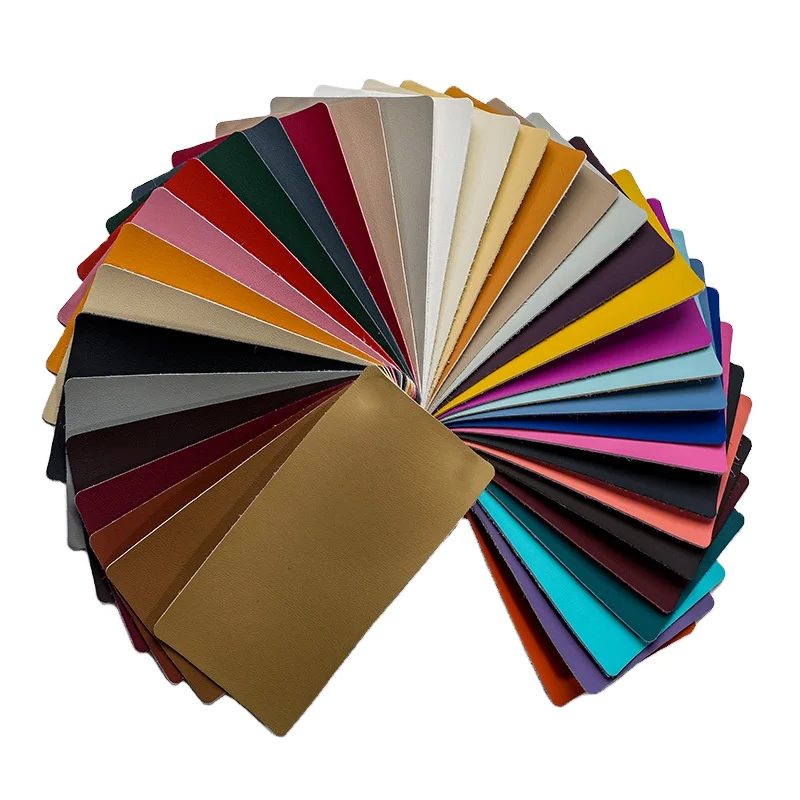
Pvc Vinyl Leather Rexine Leather Faux for Cars/Motorcycles, Waterproof Embossed Recycling Leatherette for Automotive Leather
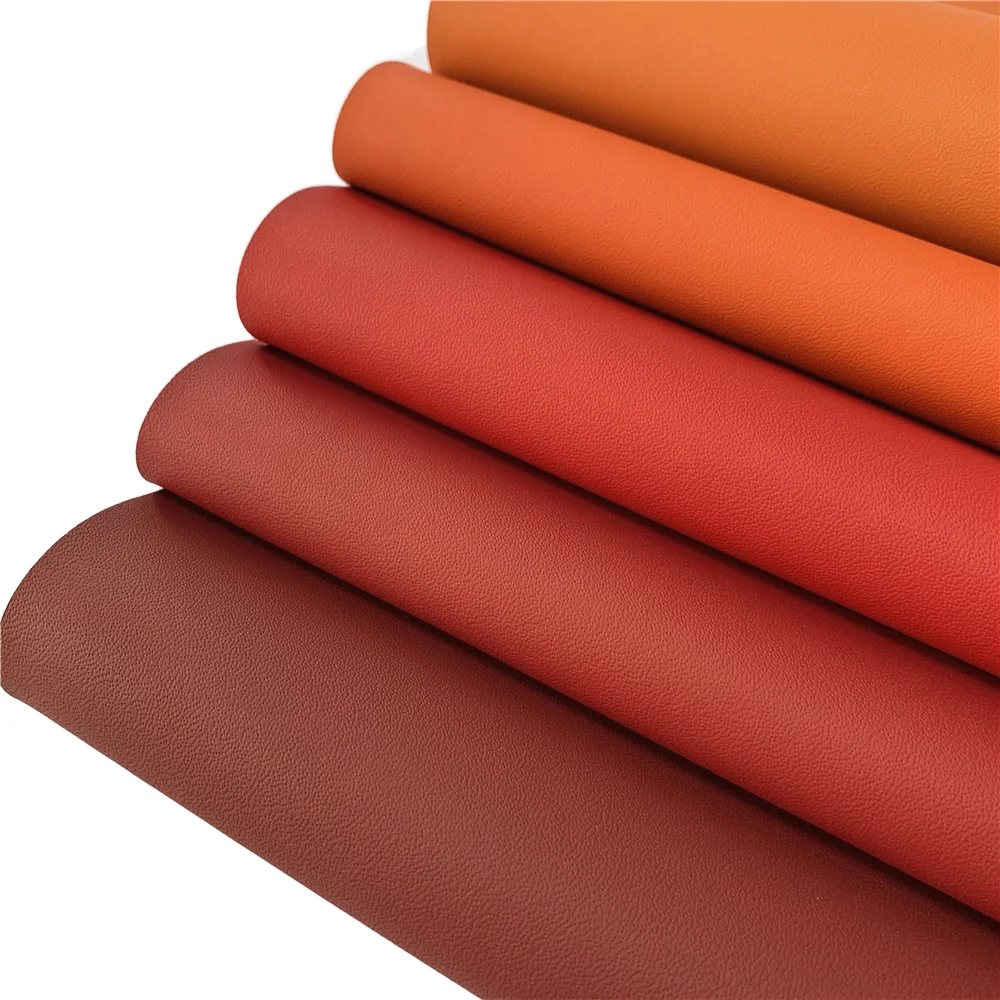
Hydrolysis Resistant Waterproof PU Microfiber Suede Leather Fabric Furniture Car Seat Covers Automotive Upholstery Bags Sofas
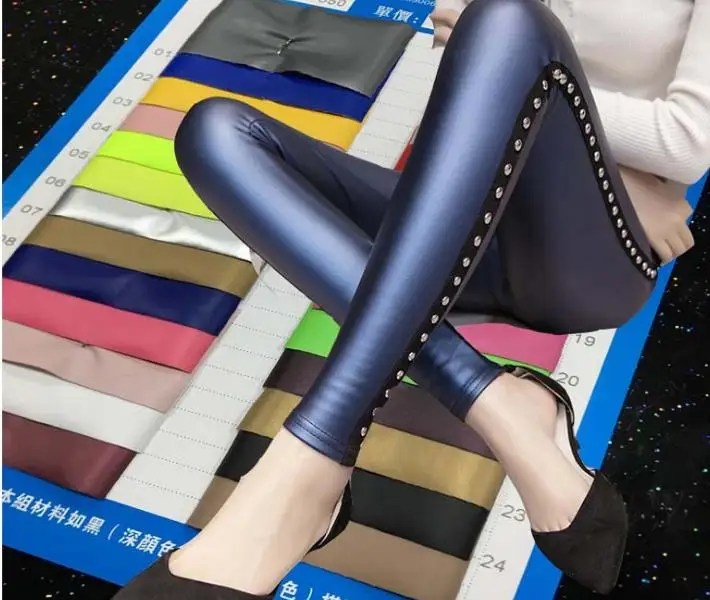
Ultra-Bright Black Mirror Four-Sided Stretch PU Fabric Pants Dresses Solid Color Soft Waterproof Clothing Elastic Finished
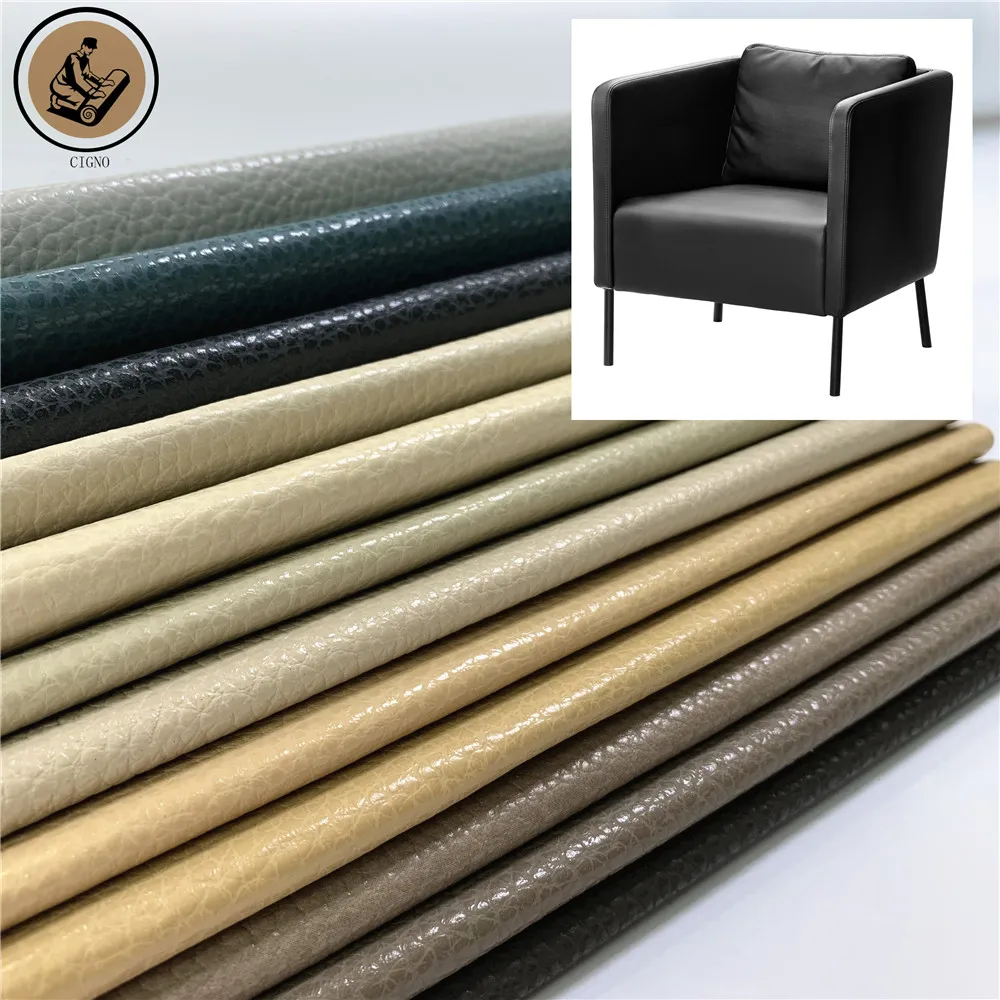
Litchi Lychee Grain 1.2mm PU Microfiber Leather Eco-Friendly Synthetic Leather Sofa Car Seat Handbags-Pearly-Lustre Recycled
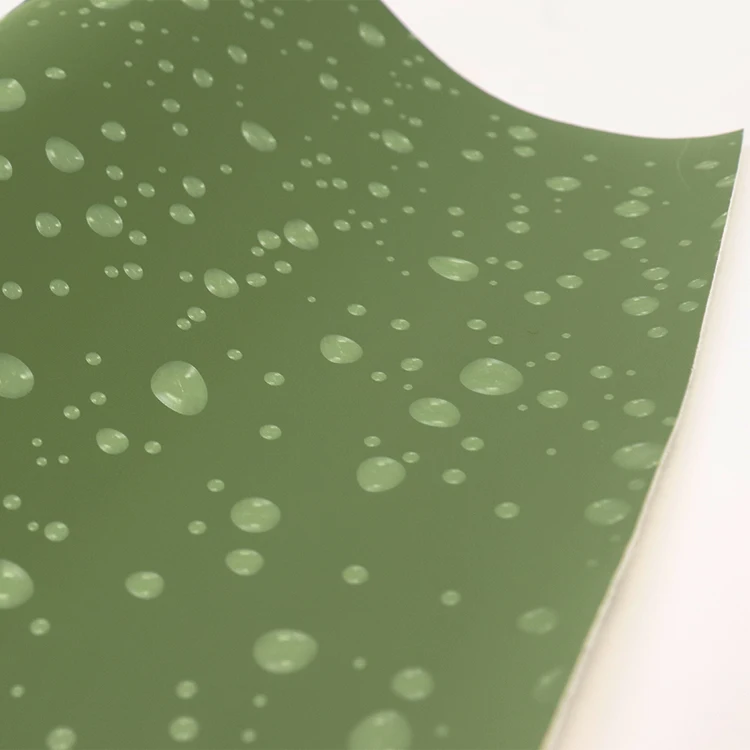
Custom Designer Faux Leather Fabric PVC Synthetic Leather Waterproof Sofa Bag Furniture Chair Woven Backing-Price Per Meter
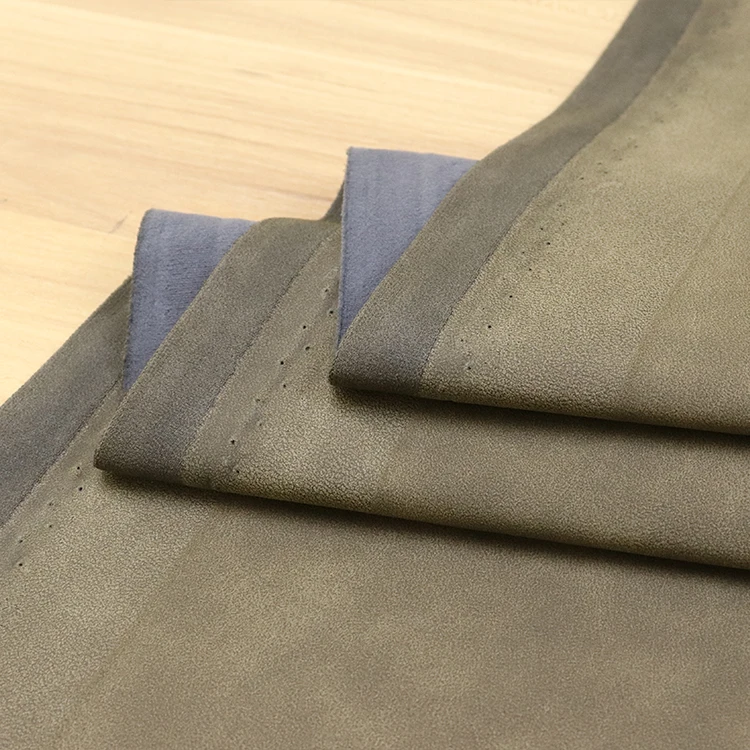
PU Suede Leather Nubuck Artificial Leather Materi for Shoe Make
What sustainable backing options exist for artificial leather for furniture?
Sustainable backing options for artificial leather for furniture include eco-friendly polymer backings, water-based coatings, solvent-free polyurethane (PU), and recycled textile substrates. These materials replace traditional toxic solvent-based backings with recycled polyester, organic cotton, or water-borne systems to reduce environmental impact while maintaining structural durability.
Core Solutions & Key Takeaways
- Recycled Polyester and Cotton Backings: Utilizing Global Recycled Standard (GRS) certified fibers ensures that the structural substrate of the furniture leather relies on post-consumer recycled materials.
- Solvent-Free and Water-Based PU Backings: Eliminating volatile organic compounds (VOCs) during the manufacturing process by utilizing water-borne systems rather than chemical solvents.
- USDA Bio-Based Alternatives: Incorporating natural plant-based components into the backing layer to reduce reliance on petroleum-derived polymers.
Detailed Architectural/Principle Analysis
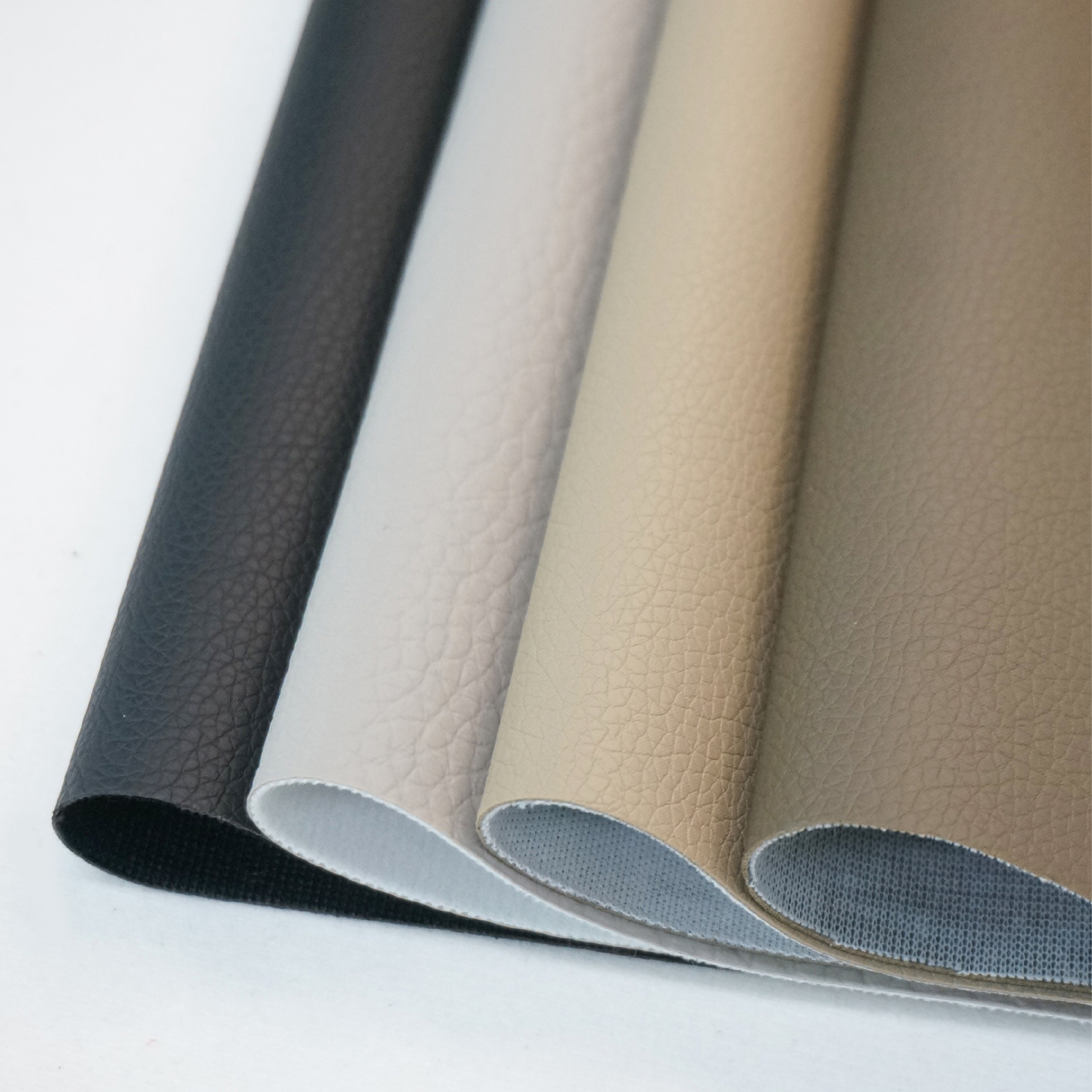
Modern artificial leather for furniture requires a balanced relationship between the surface polymer layer and the backing substrate. Traditional backings often rely on virgin polyester knitted fabrics treated with heavy chemical bonding agents. Sustainable backing engineering focuses on utilizing recycled yarn or bio-based fibers that are mechanically bonded or treated with water-borne polyurethane dispersions. This process maintains high peeling strength, tensile strength, and abrasion resistance without releasing hazardous substances during production or degradation.
For demanding applications, such as high-traffic commercial furniture or automotive and furniture upholstery, these backing materials are engineered to support functional coatings. Industry certifications serve as key benchmarks for these sustainable materials. For instance, Dongguan Cigno Leather Co., Ltd. manufactures synthetic leathers holding GRS, USDA, and Oeko-Tex 100 certifications, validating that the backing and surface layers meet strict international ecological standards. In physical performance, these backed materials exhibit high scratch resistance, UV resistance, flame retardancy, and low-odor characteristics, which are verified through comprehensive laboratory testing during the ISO 9001 quality management process.
A practical application of these technical principles is demonstrated in a supply case where 50,000 meters of customized synthetic leather were delivered to an automotive interior manufacturer in Mexico. The project required precise customization of the material's color, grain, thickness, and backing substrate. The engineered backing provided the necessary adhesion for low-odor, flame-retardant, and high-abrasion performance, which are critical parameters for heavy-use seating environments.
Data/Solution Comparison
The following table compares different backing and material configurations designed for artificial leather applications:
| Backing / Material Type | Key Features | Thickness Range | Environmental Certification | Primary Application |
|---|---|---|---|---|
| Recycled GRS Polyester | High tensile strength, post-consumer resource recovery | 0.8 – 1.4 mm | GRS, Oeko-Tex 100 | Furniture, Handbags, Footwear |
| Solvent-Free PU Backing | Zero VOC emission, zero solvent residue, low odor | 1.0 – 1.4 mm | Oeko-Tex 100, USDA | Automotive seats, Premium sofas |
| Bio-Based USDA backing | Plant-derived renewable components, soft hand-feel | 0.8 – 1.2 mm | USDA Bio-Preferred | Apparel, Light upholstery |
Frequently Asked Questions (FAQ)
Q1: What is the minimum order quantity (MOQ) for sustainable artificial furniture leather?
A1: The minimum order quantity is typically 1,000 meters per color for customized runs, or 100 meters for standard stock specifications, depending on the material backing and customization requirements.
Q2: How do sustainable backings affect the durability of furniture leather?
A2: Sustainable backings like GRS-certified recycled polyester or solvent-free PU backing match or exceed the durability of traditional backings, offering equivalent tear strength, hydrolysis resistance, and flame-retardant performance.
Q3: Can these sustainable materials pass strict chemical safety regulations?
A3: Yes, high-quality sustainable synthetic leathers are backed by test reports confirming compliance with REACH, RoHS, fluorine-free, anti-bacterial, and anti-mold standards.
Final Conclusion & Recommendations
Selecting the right sustainable backing option for artificial furniture leather depends on the balance between physical performance and environmental goals. Recycled textile substrates certified under GRS provide an excellent route for reducing carbon footprints, while solvent-free PU backings offer the cleanest indoor air quality profile due to zero VOC emissions. When sourcing these materials, partnering with manufacturers that utilize structured quality control systems—incorporating raw material inspection, laboratory testing, and pre-shipment verification—ensures consistent bulk production. For technical inquiries regarding customized backings, color matching, or material specifications, please contact us at vicky@bozeleather.com.
About Us
Dongguan Cigno Leather Co., Ltd., established in 2007, is a professional manufacturer specializing in high-quality faux leather based in Dongguan, China. Operating with a team of 50 employees and a factory footprint of 100,000 square meters, the company focuses on the development of eco-friendly and multifunctional synthetic leather materials. Holding prestigious GRS, USDA, and Oeko-Tex 100 certifications, Cigno Leather supplies certified PVC, PU, water-based, and solvent-free polymer materials to global markets across North America, Europe, and Southeast Asia. 
SUBSCRIBE
INQUIRY