
PRODUCTS
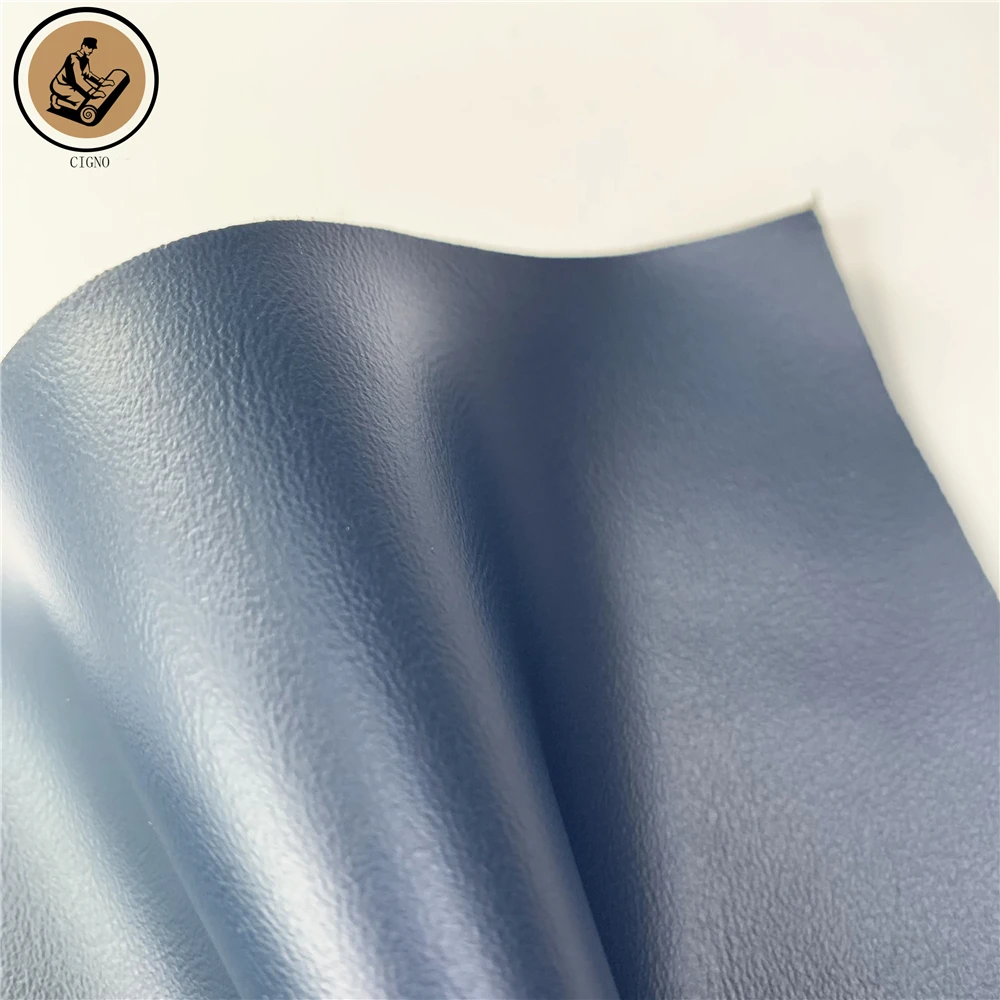
High Quality Eco-Friendly 1.2mm PU Synthetic Leather Furniture Upholstery Solvent-Free Skin-Feel for Sofa Car Seat Chair Bag Use
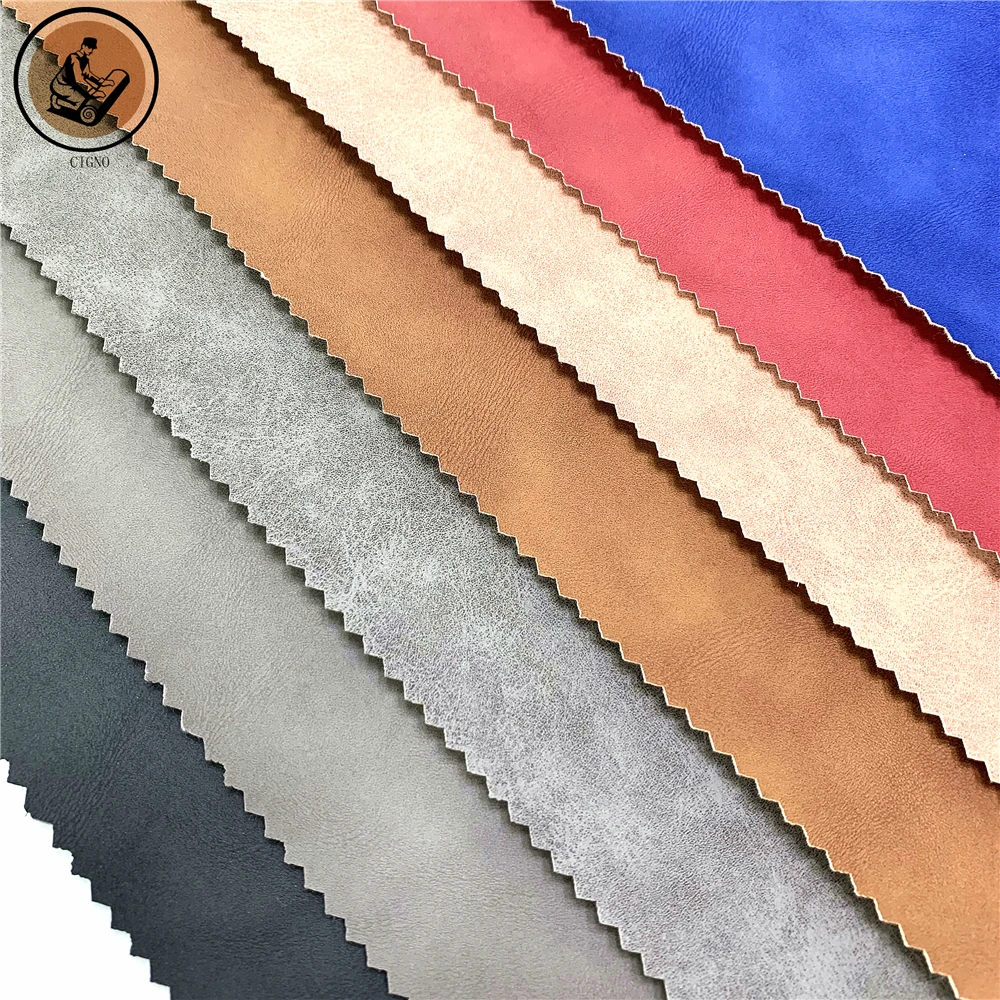
Free Samples of Embossed PU Synthetic Leather Bags Shoes Sofa Furniture Garments Car Decorative Uses-Waterproof Stretch Features
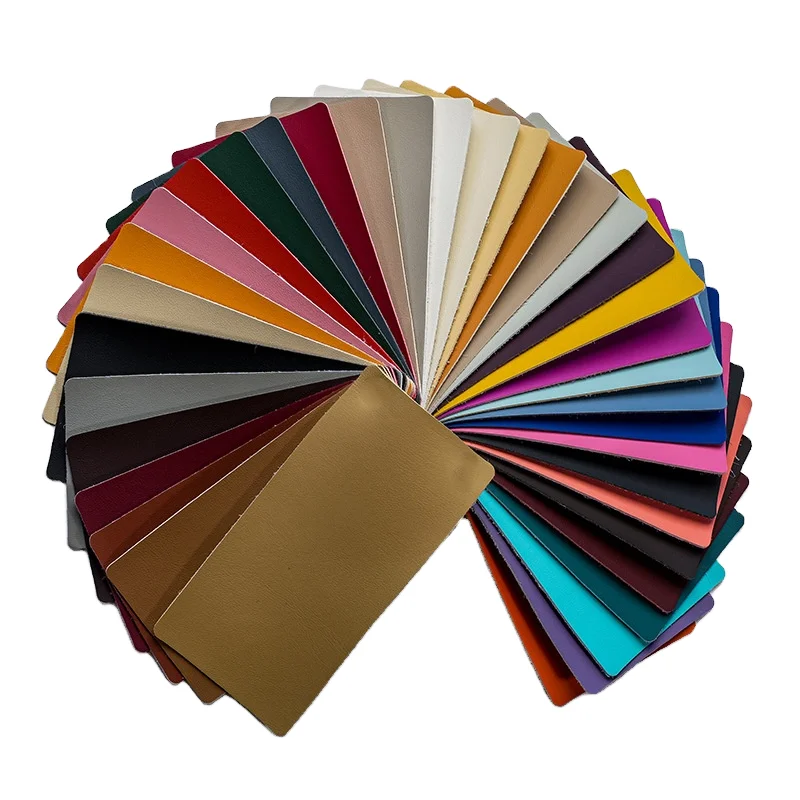
Pvc Vinyl Leather Rexine Leather Faux for Cars/Motorcycles, Waterproof Embossed Recycling Leatherette for Automotive Leather
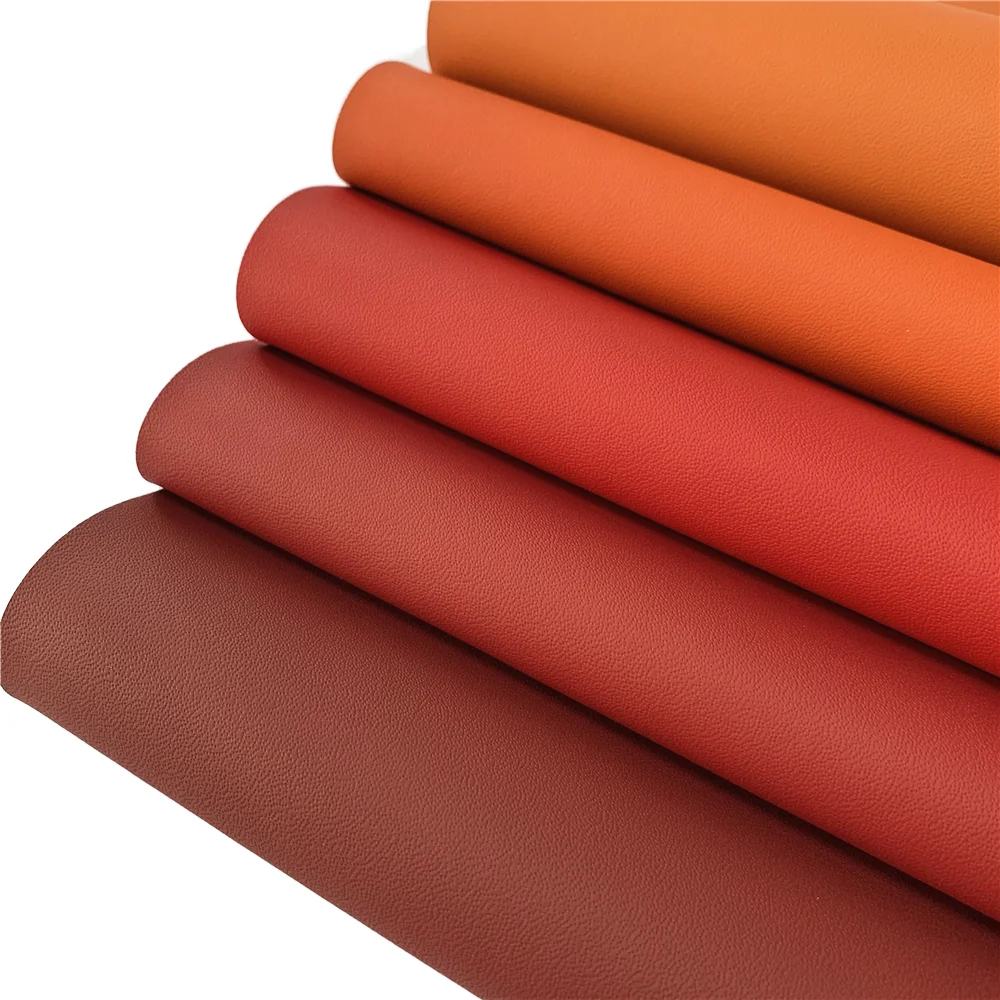
Hydrolysis Resistant Waterproof PU Microfiber Suede Leather Fabric Furniture Car Seat Covers Automotive Upholstery Bags Sofas
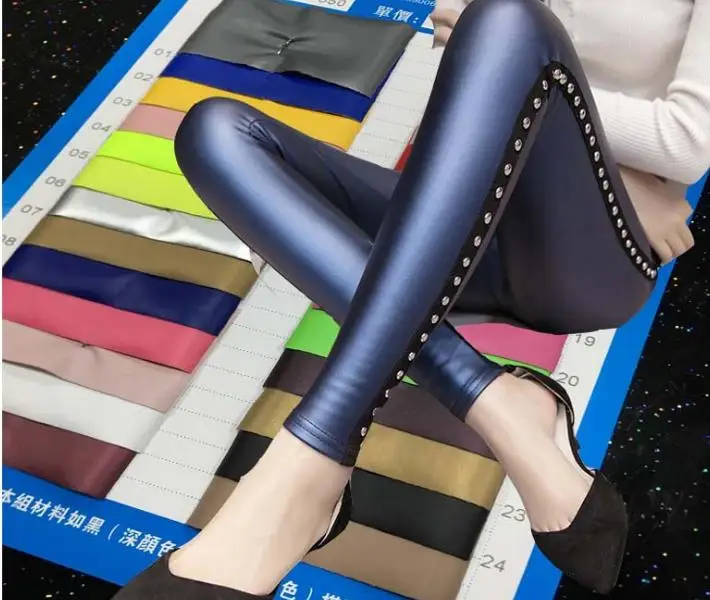
Ultra-Bright Black Mirror Four-Sided Stretch PU Fabric Pants Dresses Solid Color Soft Waterproof Clothing Elastic Finished
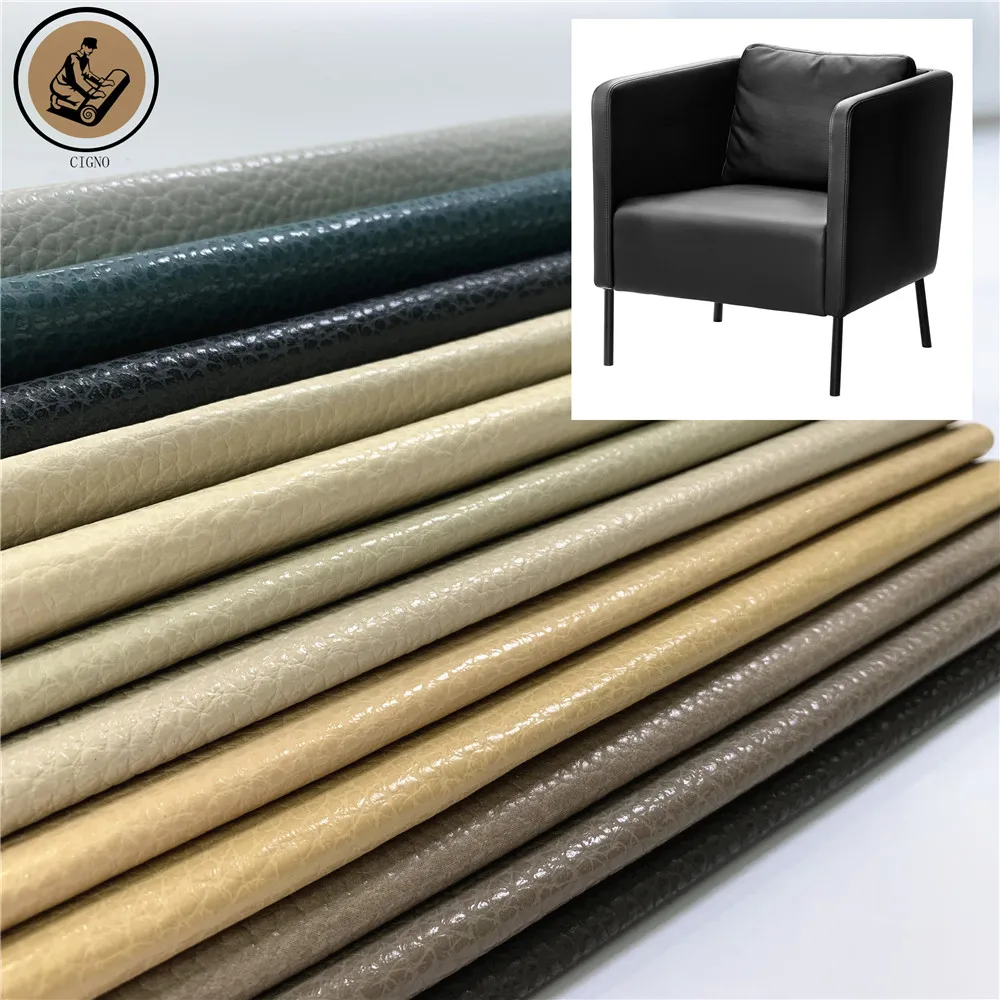
Litchi Lychee Grain 1.2mm PU Microfiber Leather Eco-Friendly Synthetic Leather Sofa Car Seat Handbags-Pearly-Lustre Recycled
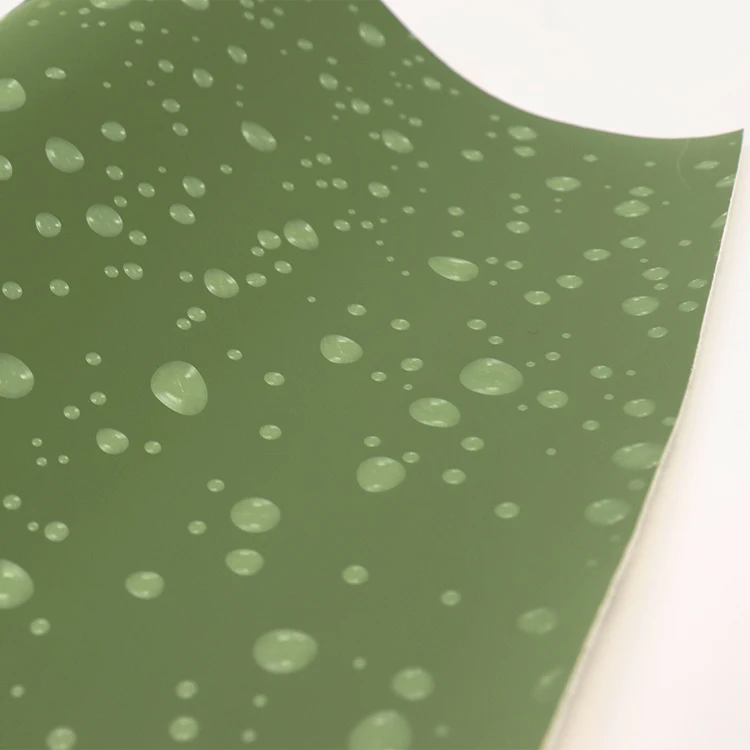
Custom Designer Faux Leather Fabric PVC Synthetic Leather Waterproof Sofa Bag Furniture Chair Woven Backing-Price Per Meter
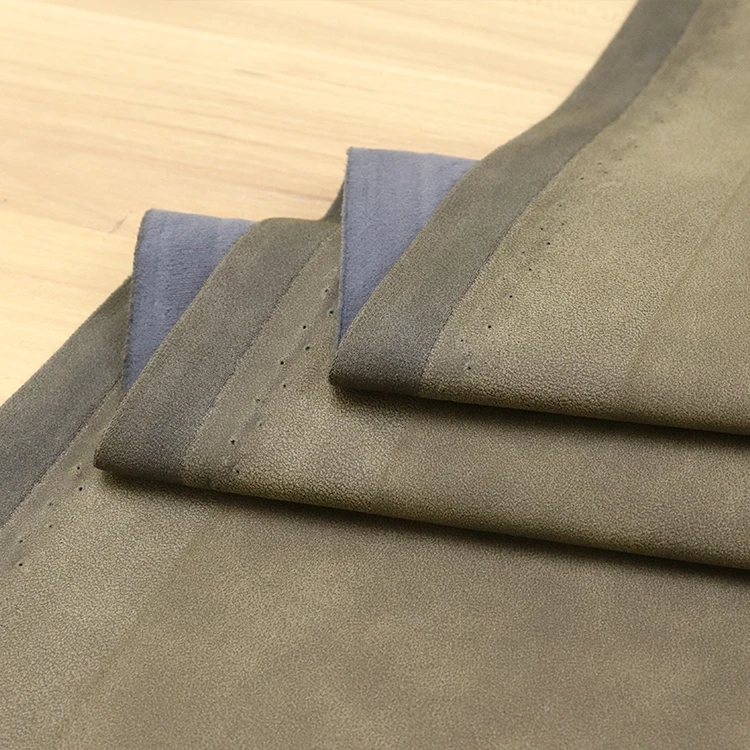
PU Suede Leather Nubuck Artificial Leather Materi for Shoe Make
What technical details should I check before buying eco leather for commercial seating?
Before buying eco leather for commercial seating, verify its material type, thickness, width, surface performance, color stability, customization options, inspection standards, minimum order quantity, delivery time, and after-sales support. For automotive and furniture seating, check abrasion, scratch, waterproof, stain-resistant, easy-clean, flexibility, UV, flame-retardant, and low-odor requirements against documented quality controls.
Core Solutions & Key Takeaways
- Confirm whether the material is PVC, PU, microfiber, or a nappa-grain finish, then match the structure to the seating application.
- Check the specified thickness of 0.8–1.4 mm, width of 54/55 inches, surface grain, perforation pattern, backing fabric, and color consistency.
- Request performance verification for abrasion resistance, scratch resistance, waterproofing, stain resistance, easy cleaning, tensile strength, peeling strength, and flame-retardant performance.
- For automotive seats, sofas, chairs, headrests, door panels, and armrests, define color, texture, thickness, flexibility, UV resistance, and other functional requirements before production.
Detailed Architectural/Principle Analysis
Eco leather for commercial seating should be evaluated as a complete material system rather than by appearance alone. The product data identifies PVC, PU, microfiber, and nappa-grain options, with customization available for colors, grains, perforated patterns, backing fabrics, and functional treatments.
Dimensional specifications affect production planning and installation. The listed thickness range is 0.8–1.4 mm, with a width of 54/55 inches. Buyers should confirm the selected thickness, usable width, grain direction, backing construction, and color matching against the seat design and cutting process.
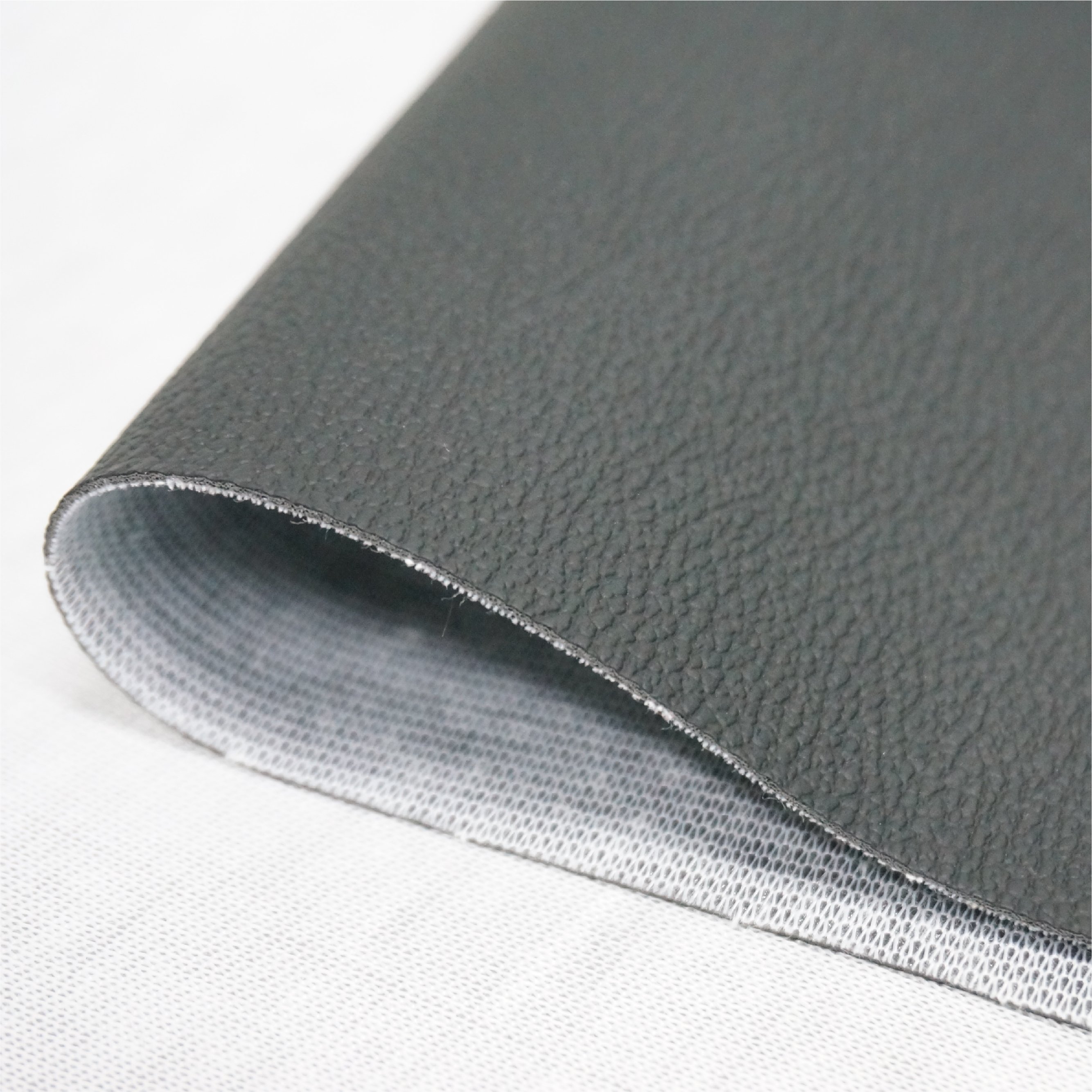
Surface performance should match the expected use. The product is described as abrasion-resistant, scratch-resistant, waterproof, stain-resistant, easy to clean, flexible, and color-consistent. For automotive and furniture upholstery, the application data also supports optional UV resistance, flame retardancy, and other functional properties, subject to the agreed specification.
Quality verification covers raw material inspection, color matching confirmation, production process inspection, laboratory testing, finished product inspection, and pre-shipment inspection. The listed inspection points include thickness, width, color consistency, surface appearance, abrasion resistance, tensile strength, peeling strength, scratch resistance, and flame-retardant performance.
Certification records provide additional documentation for material sourcing and product compliance. The available certifications include GRS, USDA, and Oeko-Tex 100 for synthetic leather, with worldwide applicability stated in the supplied records.
Commercial seating requirements can be tested against practical projects. A Mexico automotive interior project used customized material for seats, door panels, headrests, and armrests, with requirements for color, grain, thickness, abrasion resistance, UV resistance, flame retardancy, low odor, and easy cleaning. A Germany-based medical equipment and dental chair business used silicone leather for seats, backrests, and headrests and reported satisfaction with the material quality.
Data/Solution Comparison
| Checkpoint | Available Product or Service Data | Buyer Verification |
|---|---|---|
| Material and construction | PVC, PU, microfiber, and nappa-grain finishes; customized grains, perforations, and backing fabrics | Approve the material type, grain, perforation, backing, and intended seating use |
| Dimensions | Thickness: 0.8–1.4 mm; width: 54/55 inches | Confirm the production specification and usable width before cutting |
| Functional performance | Abrasion, scratch, waterproof, stain resistance, easy cleaning, flexibility, and stable color consistency | Define required tests and acceptance criteria for the project |
| Inspection | Raw material, color, process, laboratory, finished product, and pre-shipment inspection | Review inspection records for the agreed batch and specifications |
| Order and delivery | Product MOQ: 1,000 meters per color; delivery: 15–30 days after order confirmation | Confirm color quantities, production schedule, and shipment timing |
| Commercial terms | Manufacturer MOQ: 100 meters; T/T, irrevocable L/C at sight, and Alibaba Trade Assurance are supported | Clarify whether the product-specific MOQ or a customized-order MOQ applies |
Frequently Asked Questions (FAQ)
What material details should be confirmed before ordering eco leather for seating?
Confirm the material category, thickness, width, surface grain, backing fabric, color, perforation pattern, flexibility, and any functional treatment required for the seating design.
Which performance tests are relevant to commercial seating?
Relevant checks include abrasion resistance, scratch resistance, waterproofing, stain resistance, easy-clean performance, tensile strength, peeling strength, color consistency, UV resistance, and flame-retardant performance when required by the application.
How should buyers manage samples, inspection, and delivery?
Approve color and grain samples before production, review the stated inspection stages, confirm the product MOQ of 1,000 meters per color, and plan for delivery within 15–30 days after order confirmation. Sea freight, air freight, and express delivery are available according to quantity and urgency.
Final Conclusion & Recommendations
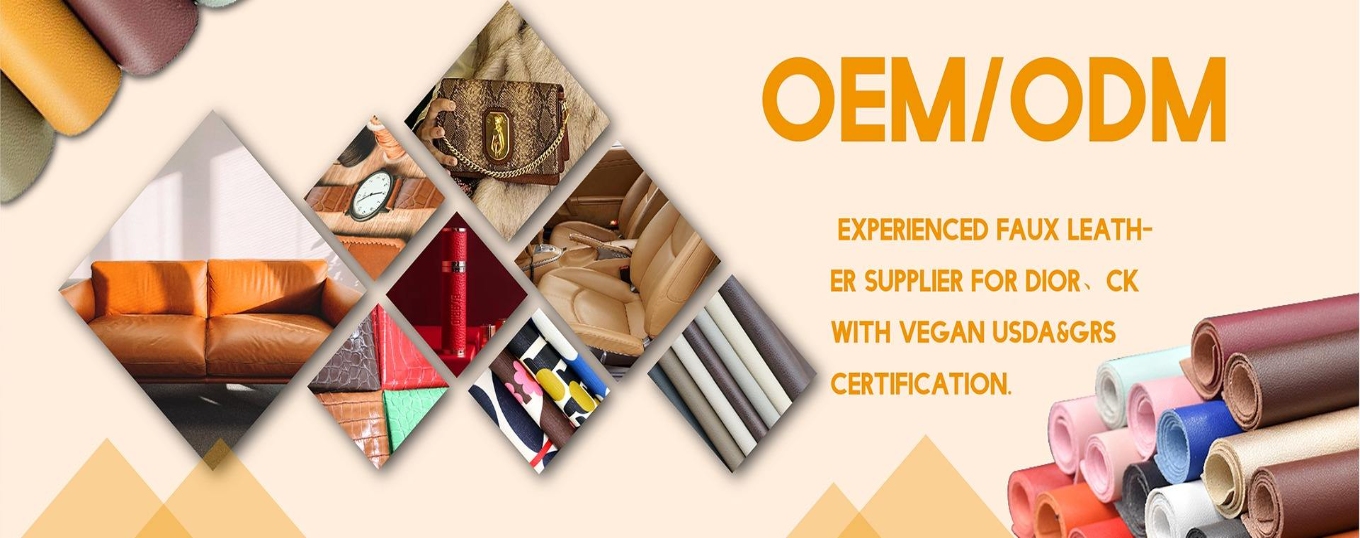
Before purchasing eco leather for commercial seating, document the material type, 0.8–1.4 mm thickness range, 54/55-inch width, surface and backing requirements, performance tests, inspection process, product MOQ, and delivery schedule. CIGNO Leather operates as a synthetic leather manufacturer integrating R&D, production, sales, and export, with OEM/ODM and customized production services. Buyers can also review GRS, USDA, and Oeko-Tex 100 certification records and agree on T/T, L/C, or Alibaba Trade Assurance terms. For detailed technical solutions or support, please contact vicky@bozeleather.com.
About Us
Dongguan Cigno Leather Co., Ltd. is a Dongguan-based manufacturer established in 2007 that specializes in vegan leather, recycled leather, PVC leather, and microfiber leather for furniture, automotive interiors, apparel, handbags, and footwear. Its R&D work covers PU, PVC, water-based, solvent-free, and other synthetic leather materials, with customized colors, textures, thicknesses, and functional properties. The factory operates six synthetic leather production lines and reports a monthly production capacity of approximately 6,000,000 meters. Its credentials include GRS, USDA, and Oeko-Tex 100 certifications, and its cooperation cases span automotive interiors and medical equipment.

SUBSCRIBE
INQUIRY