
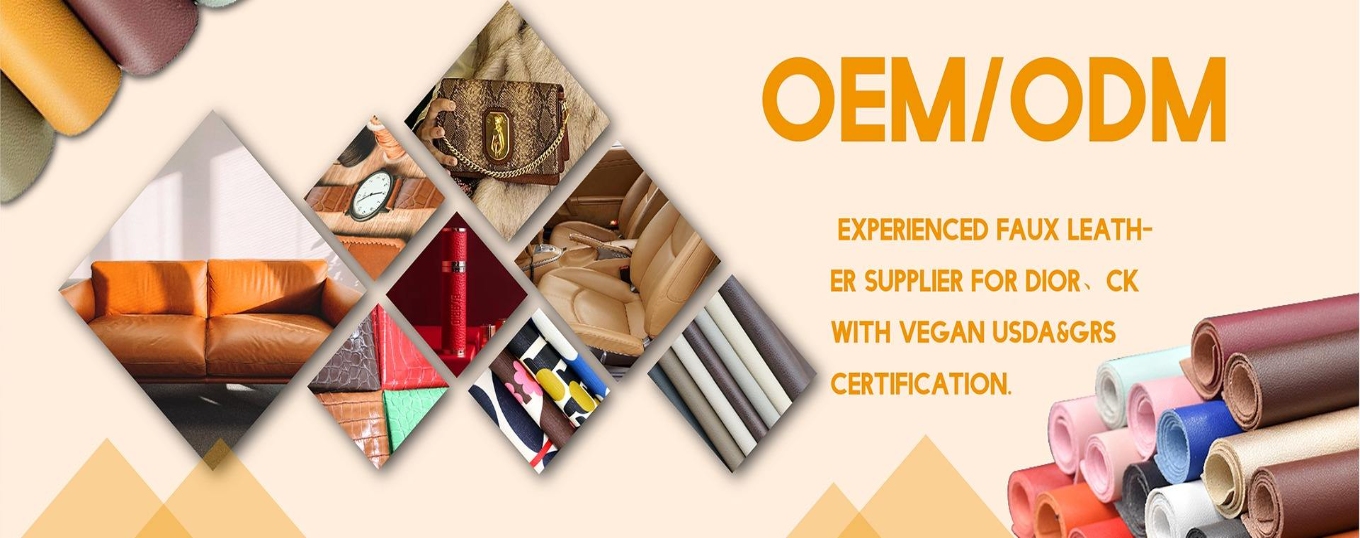
PRODUCTS
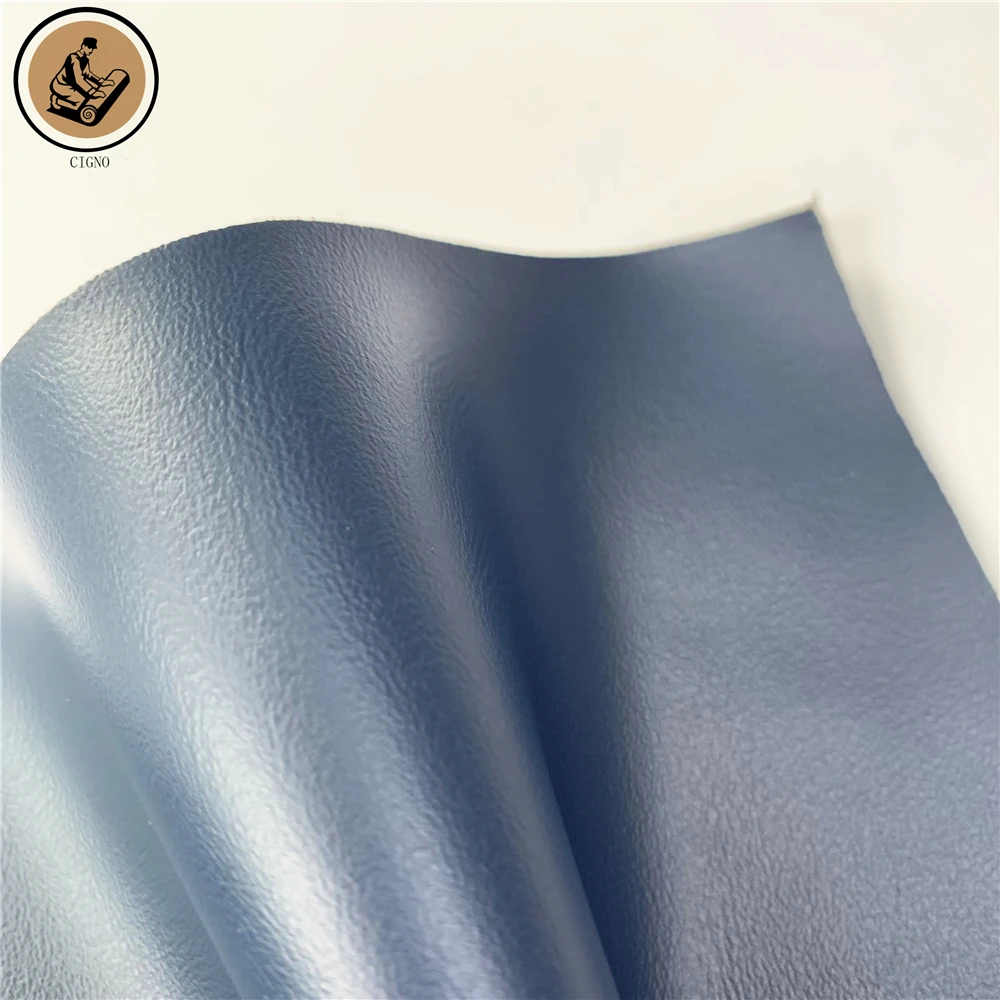
High Quality Eco-Friendly 1.2mm PU Synthetic Leather Furniture Upholstery Solvent-Free Skin-Feel for Sofa Car Seat Chair Bag Use
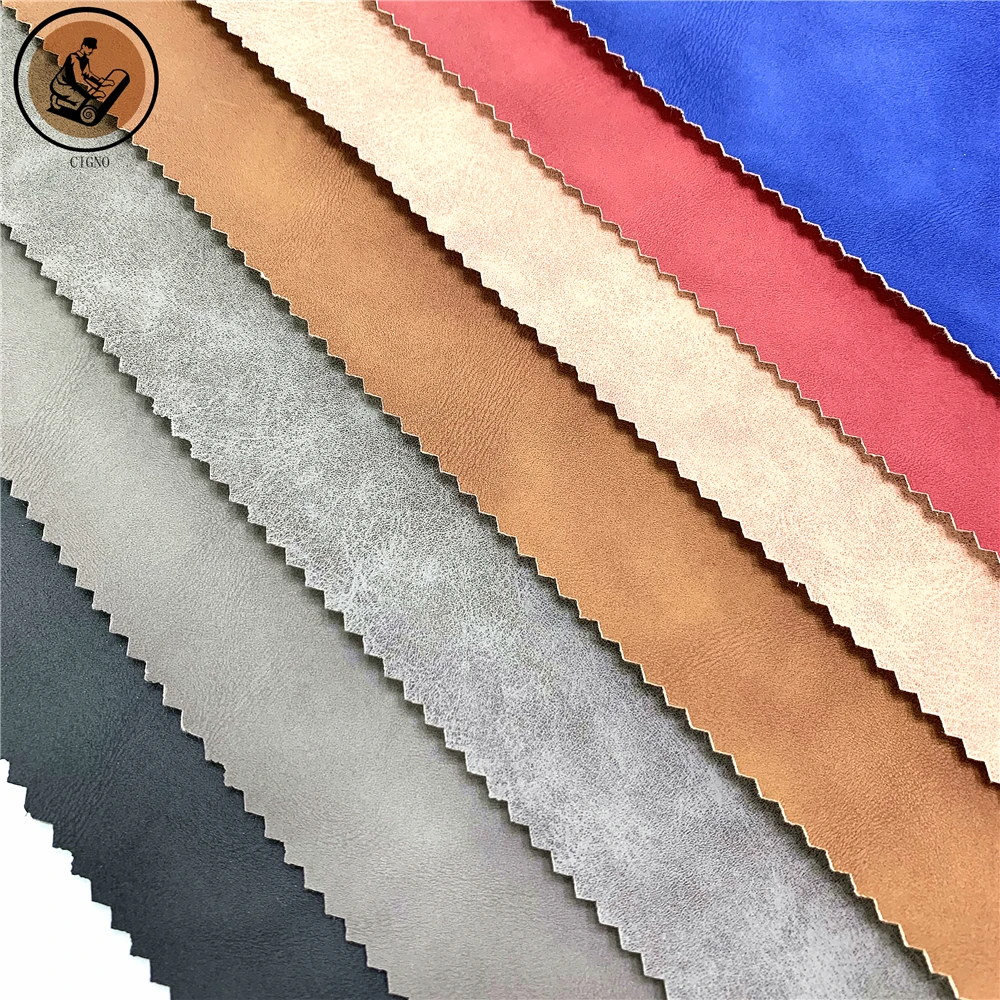
Free Samples of Embossed PU Synthetic Leather Bags Shoes Sofa Furniture Garments Car Decorative Uses-Waterproof Stretch Features
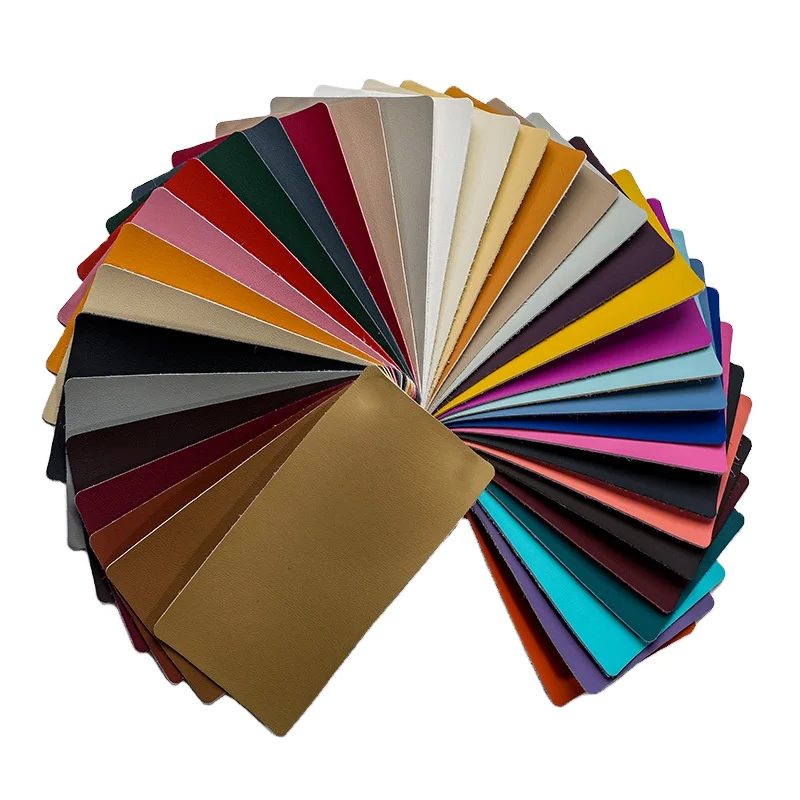
Pvc Vinyl Leather Rexine Leather Faux for Cars/Motorcycles, Waterproof Embossed Recycling Leatherette for Automotive Leather
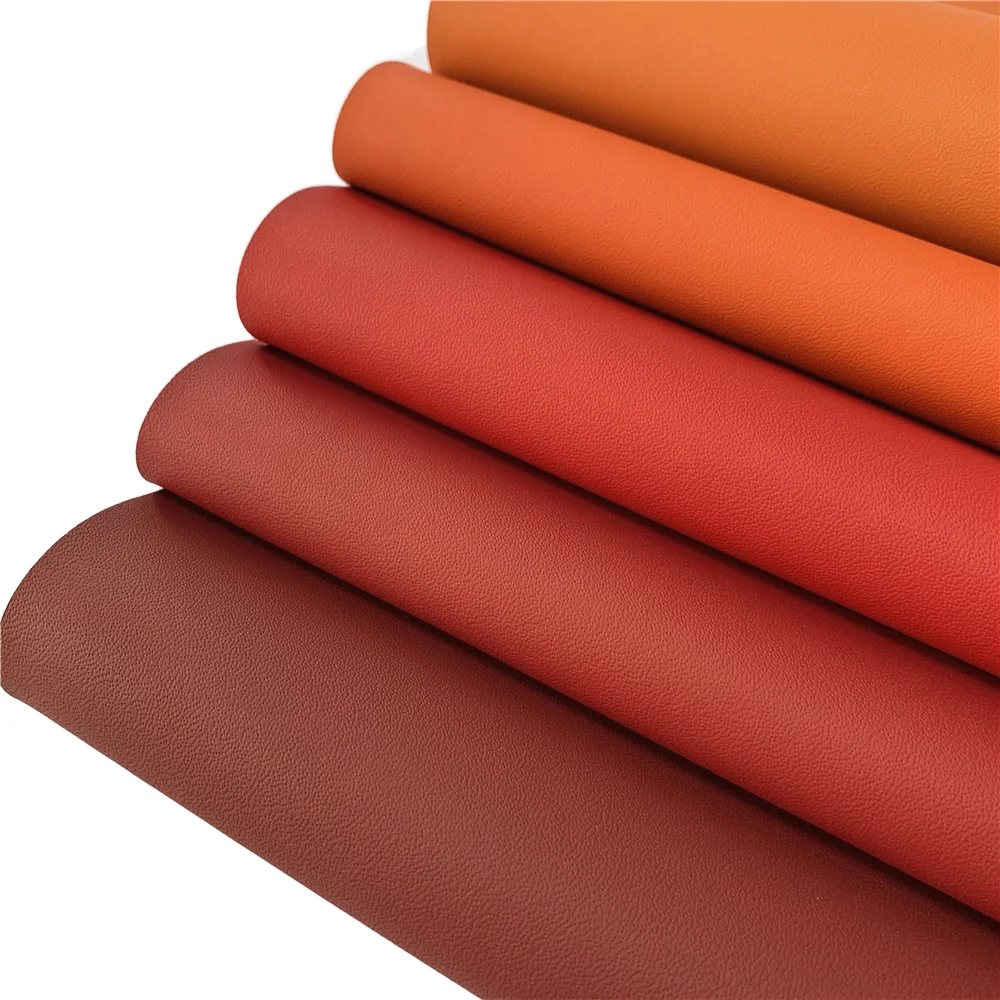
Hydrolysis Resistant Waterproof PU Microfiber Suede Leather Fabric Furniture Car Seat Covers Automotive Upholstery Bags Sofas
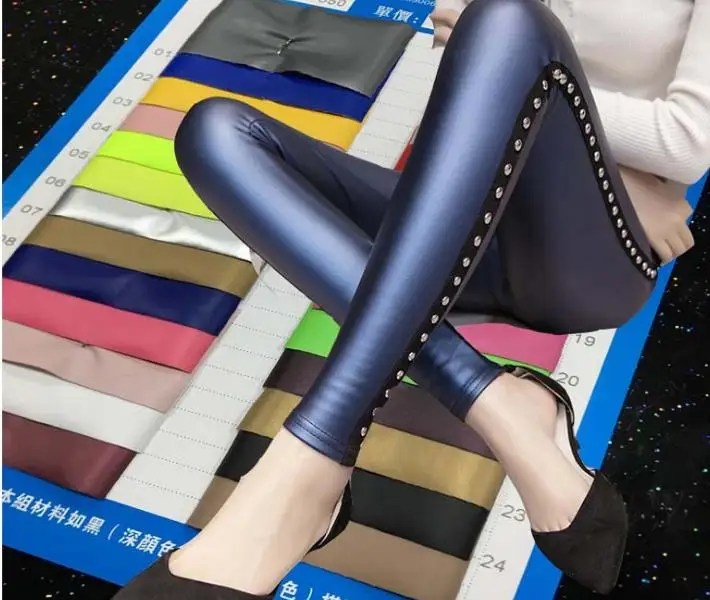
Ultra-Bright Black Mirror Four-Sided Stretch PU Fabric Pants Dresses Solid Color Soft Waterproof Clothing Elastic Finished
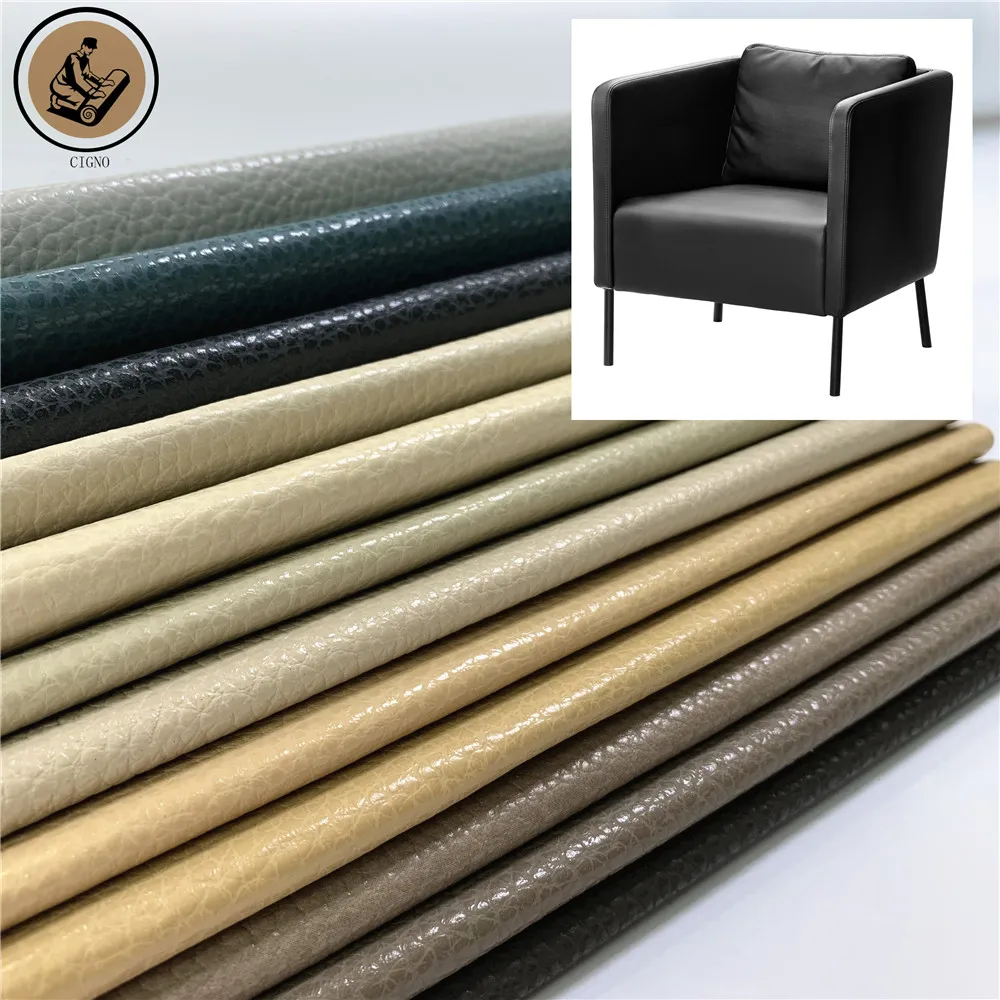
Litchi Lychee Grain 1.2mm PU Microfiber Leather Eco-Friendly Synthetic Leather Sofa Car Seat Handbags-Pearly-Lustre Recycled
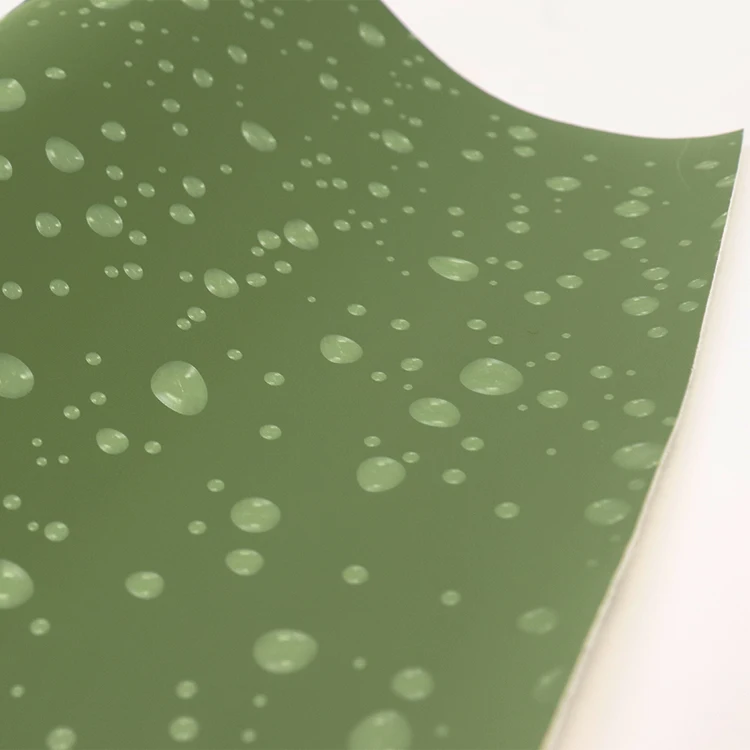
Custom Designer Faux Leather Fabric PVC Synthetic Leather Waterproof Sofa Bag Furniture Chair Woven Backing-Price Per Meter
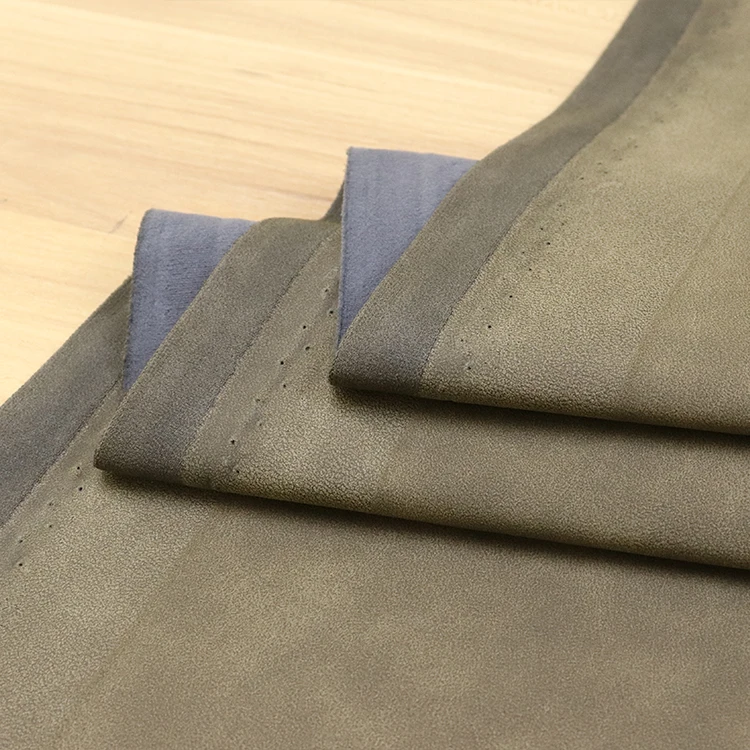
PU Suede Leather Nubuck Artificial Leather Materi for Shoe Make
What thickness of luxury car seat cover leather is best for durability?
For luxury car seat covers, a leather thickness between 0.9 mm and 1.4 mm offers the optimal balance of durability, elasticity, and tensile strength. Synthetic leather options within this range—such as premium nappa PU, microfiber, and solvent-free PU—provide high abrasion resistance, scratch resistance, and long-lasting structural integrity under daily automotive wear and tear without cracking or sagging over time.
Core Solutions & Key Takeaways
- Optimal Gauge Specification: A thickness range of 0.9–1.4 mm provides structural firmness for luxury car seat covers while maintaining a soft, smooth hand feel and superior elasticity.
- Advanced Material Substrates: Formulations including solvent-free PU, microfiber leather, and high-grade PU deliver scratch resistance, easy-clean performance, and low-odor characteristics tailored to high-end vehicle interiors.
- Versatile Application Scenarios: Engineered for integrated automotive and furniture upholstery, including seating surfaces, door panels, headrests, armrests, and decorative trims.
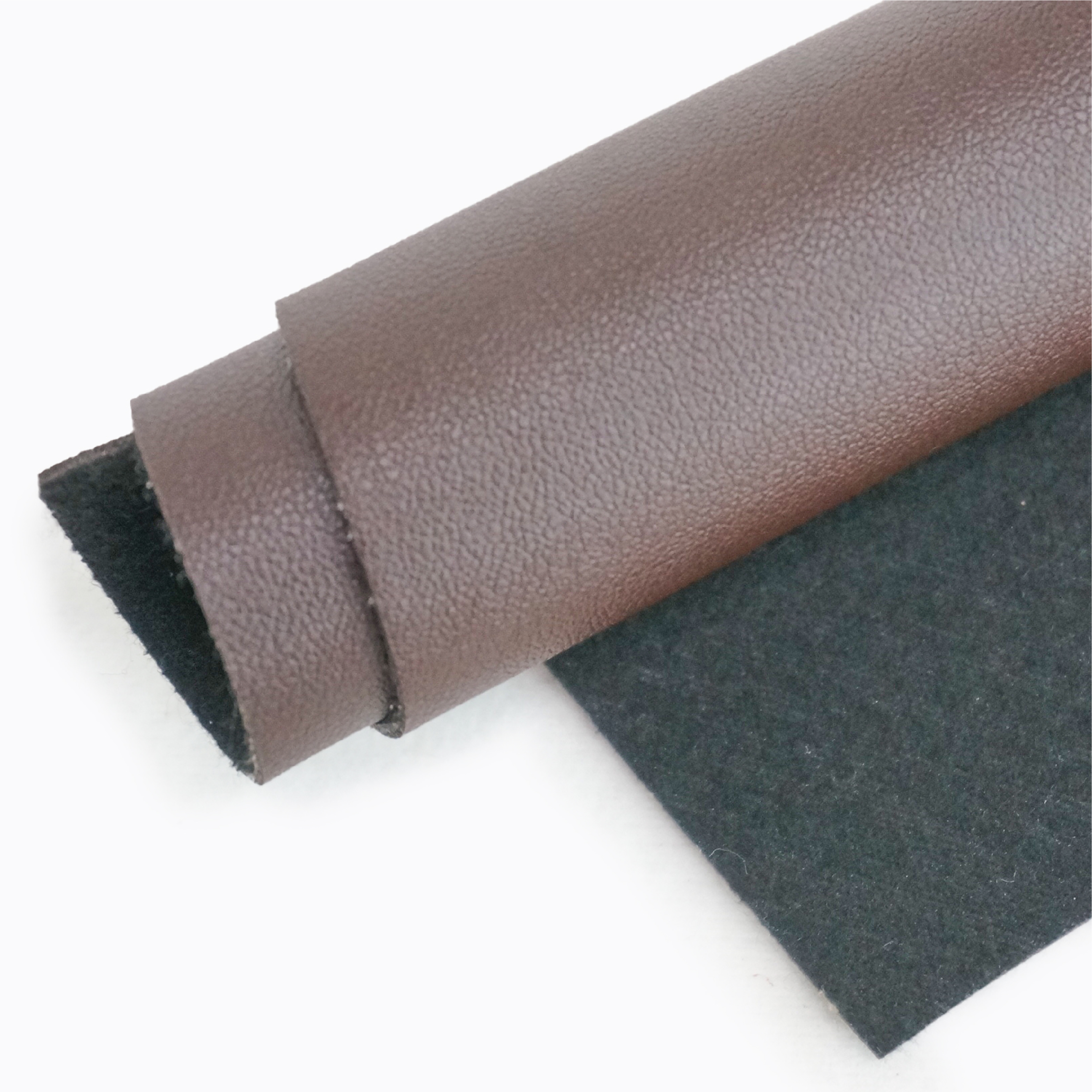
- Customization Engineering: Thickness, width (54/55 inches), backing materials, surface grain, perforation, and decorative quilting patterns can be tailored to meet exact OEM and aftermarket design requirements.
Detailed Architectural/Principle Analysis
Determining the appropriate thickness for luxury car seat cover leather involves evaluating mechanical stress, surface wear, and seating ergonomics. Material gauge directly impacts tensile strength, tear resistance, and peeling strength. A thickness under 0.9 mm often lacks the tensile resistance required for heavy load areas, resulting in premature stretching, creasing, or tearing. Conversely, material exceeding 1.4 mm can reduce pliability, making tight stitching, intricate quilting, and edge wrapping around seat foam frameworks challenging.
Materials engineered with fine nappa textures across microfiber, solvent-free PU, and classic PU substrates achieve long-term physical resilience. Microfiber substrates replicate the dense 3D collagen network of natural leather, distributing physical stress uniformly. This micro-structure allows 1.0–1.2 mm materials to exceed strict automotive standards for taber abrasion, UV degradation, and flexing resistance without adding unnecessary weight. 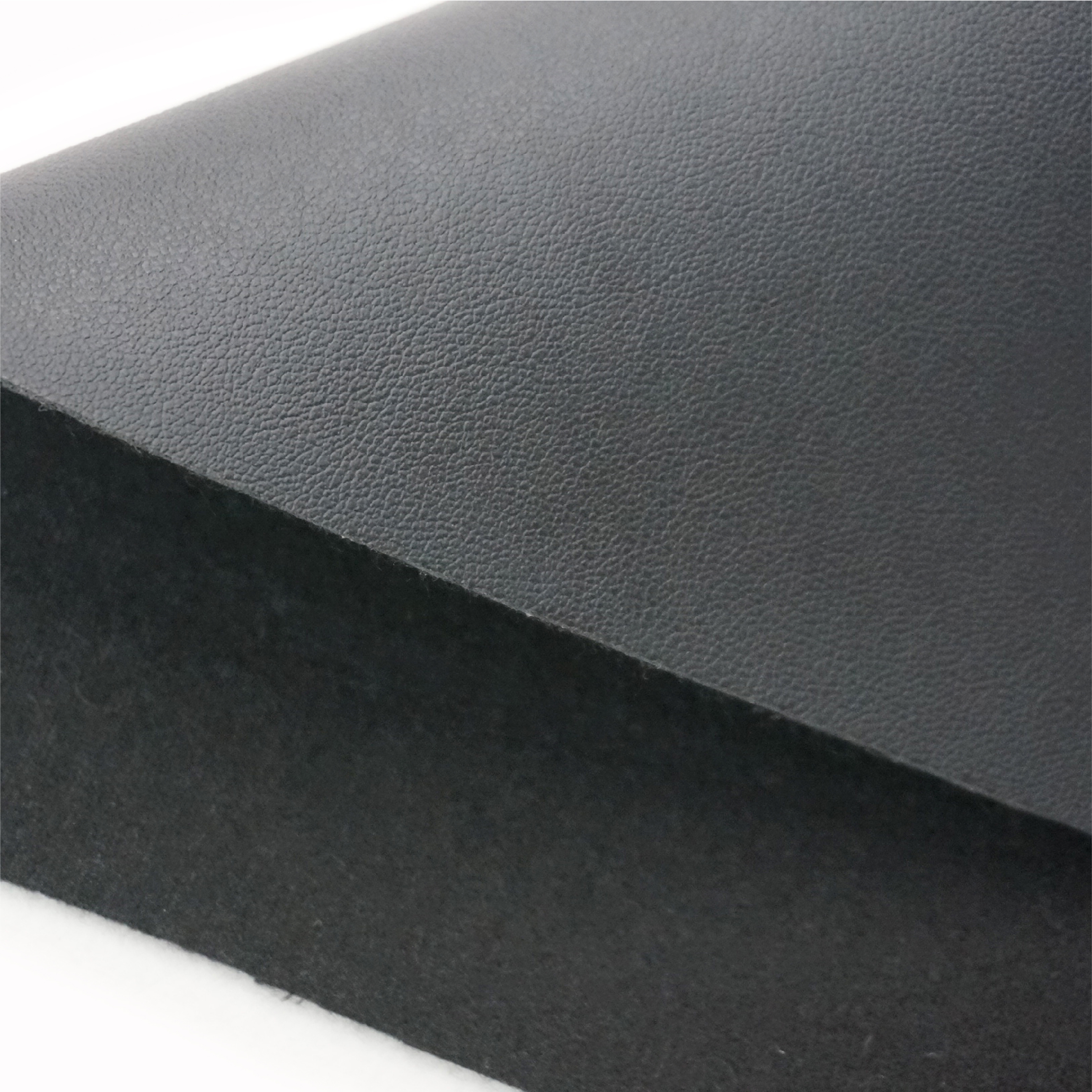
Manufacturing and laboratory testing protocols confirm compliance with international environmental and mechanical standards, including GRS, USDA bio-based certifications, and Oeko-Tex 100 accreditation. Under ISO 9001 quality management standards, materials undergo rigorous evaluations for color consistency, flame retardancy, low odor emissions, and chemical safety under REACH and RoHS guidelines.
In a commercial project executed for an automotive interior manufacturer in Mexico, 50,000 meters of customized synthetic leather were deployed for vehicle seats, door panels, headrests, and armrests. The specification required strict color consistency, defined nappa grain texture, low-odor emissions, UV resistance, flame retardancy, and easy-clean performance under high ambient temperature conditions. 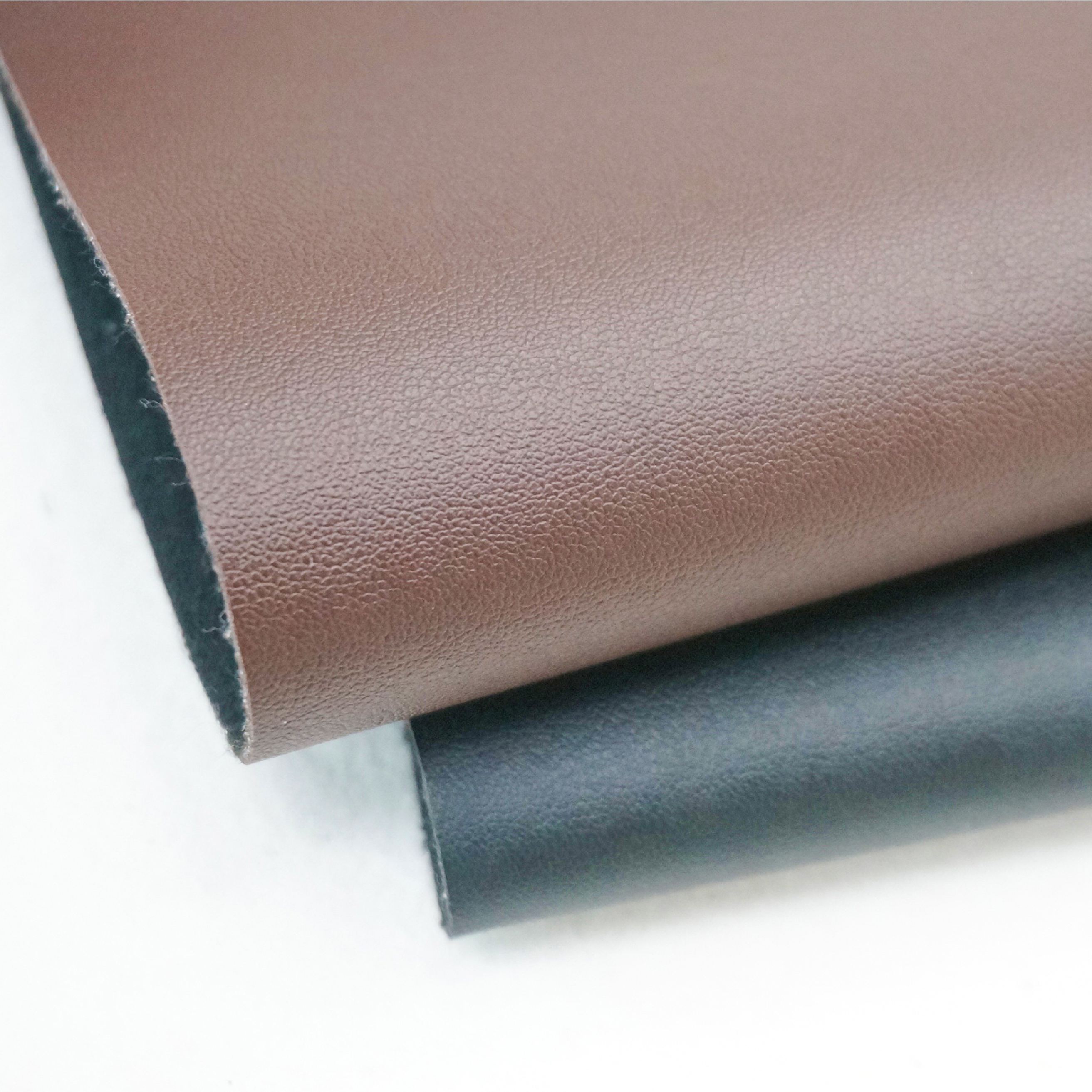
Data/Solution Comparison
| Material Specification | Thickness Range | Abrasion Resistance | Tensile & Peeling Strength | Optimal Upholstery Application |
|---|---|---|---|---|
| Standard PU Synthetic Leather | 0.9 mm – 1.0 mm | Medium-High | Standard | Side trims, door panel inserts, seat backs |
| Premium Nappa Microfiber Leather | 1.1 mm – 1.3 mm | Ultra-High | Superior | Luxury car seat covers, main seating surfaces, armrests |
| Solvent-Free Eco PU Leather | 1.2 mm – 1.4 mm | High | High | High-end vehicle interiors, heavy-wear seating covers |
Frequently Asked Questions (FAQ)
Q: Why is 0.9–1.4 mm considered the ideal thickness range for automotive seat covers?
A: This thickness range provides sufficient material density to pass automotive-grade abrasion, tensile, and tear resistance tests while remaining flexible enough for precise stitching, perforations, and ergonomic contouring over seat cushioning.
Q: Does solvent-free PU leather offer better durability than traditional PU at equal thickness?
A: Yes. Solvent-free PU features a dense polymer structure that improves hydrolytic stability, eliminates VOC emissions, enhances scratch resistance, and prevents surface peeling under long-term thermal exposure.
Q: What quality control parameters verify leather durability before batch shipment?
A: Material batches undergo standardized laboratory testing for thickness uniformity, color consistency, tensile strength, peeling strength, abrasion resistance, scratch resistance, low-odor levels, and flame-retardant compliance.
Final Conclusion & Recommendations
Selecting the optimal leather thickness requires aligning physical properties with target seat area wear profiles. A gauge of 1.1–1.3 mm in microfiber or solvent-free PU represents the highest performance threshold for high-wear automotive seating zones. Standard production supports a minimum order quantity of 1,000 meters per color with a manufacturing cycle of 20 to 35 days post sample approval. Procurement terms accommodate T/T bank transfers, irrevocable L/C at sight, and Trade Assurance platforms, supported by sea freight, air freight, or international express delivery channels. For detailed technical solutions or support, please reach out to us via vicky@bozeleather.com.
About Us
Dongguan Cigno Leather Co., Ltd. was established in 2007 and operates within a 100,000 square meter manufacturing facility. The facility houses 6 advanced synthetic leather production lines yielding a monthly output capacity of 6 million meters. Holding GRS, USDA, and Oeko-Tex 100 certifications, the enterprise supplies high-grade synthetic leather materials across automotive interior, furniture upholstery, footwear, and handbag industries globally. 
SUBSCRIBE
INQUIRY