
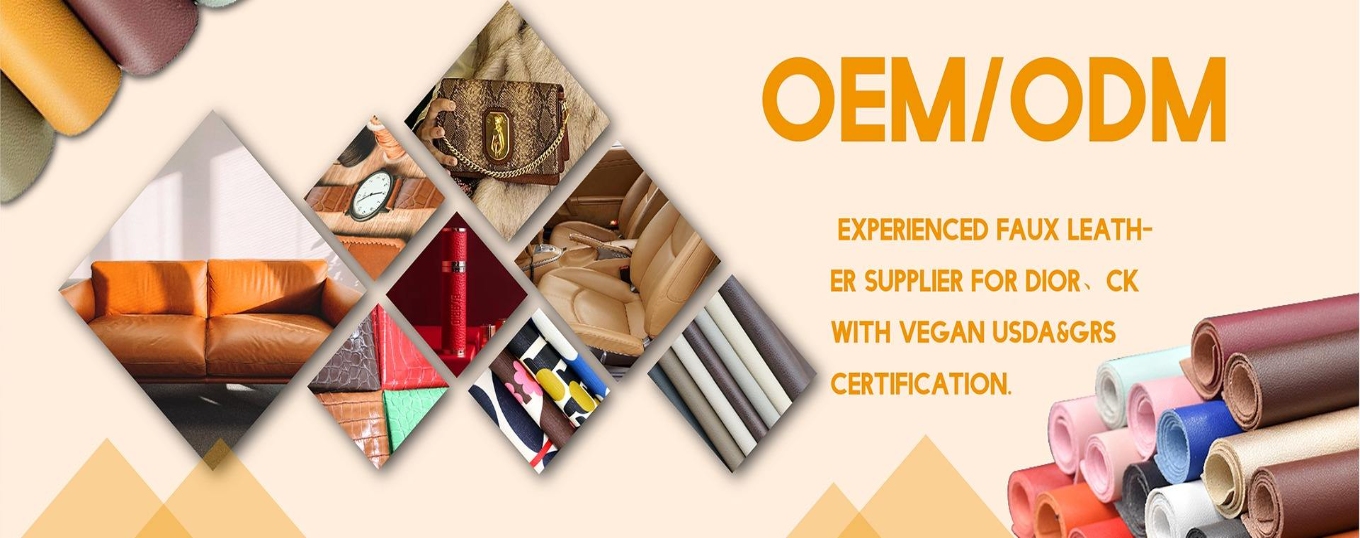
PRODUCTS
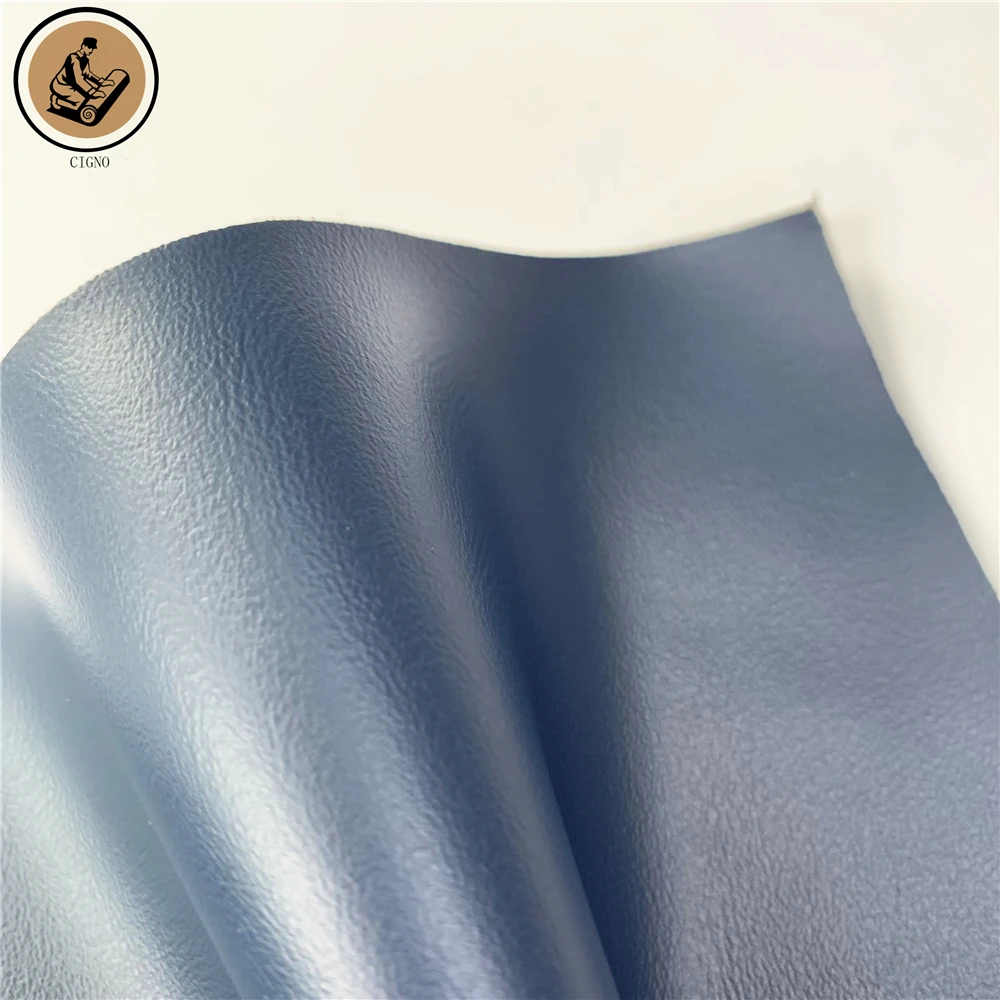
High Quality Eco-Friendly 1.2mm PU Synthetic Leather Furniture Upholstery Solvent-Free Skin-Feel for Sofa Car Seat Chair Bag Use
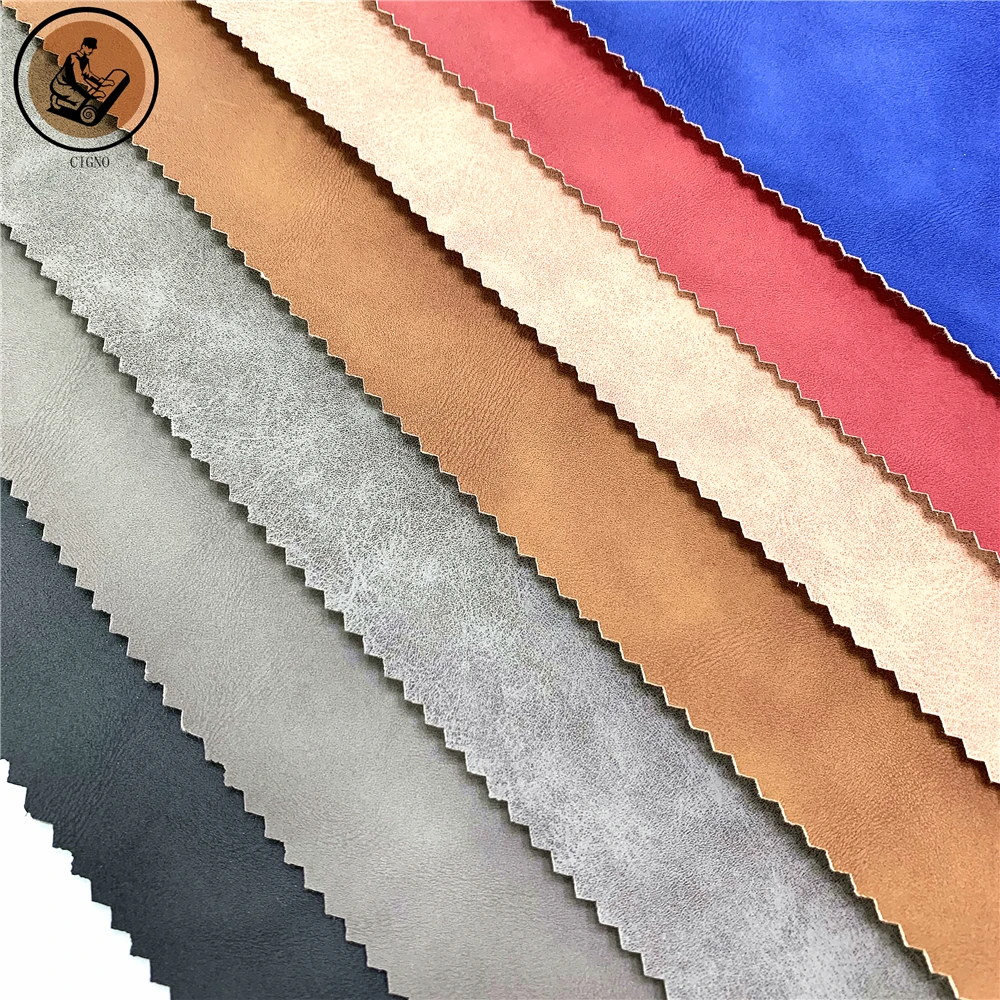
Free Samples of Embossed PU Synthetic Leather Bags Shoes Sofa Furniture Garments Car Decorative Uses-Waterproof Stretch Features
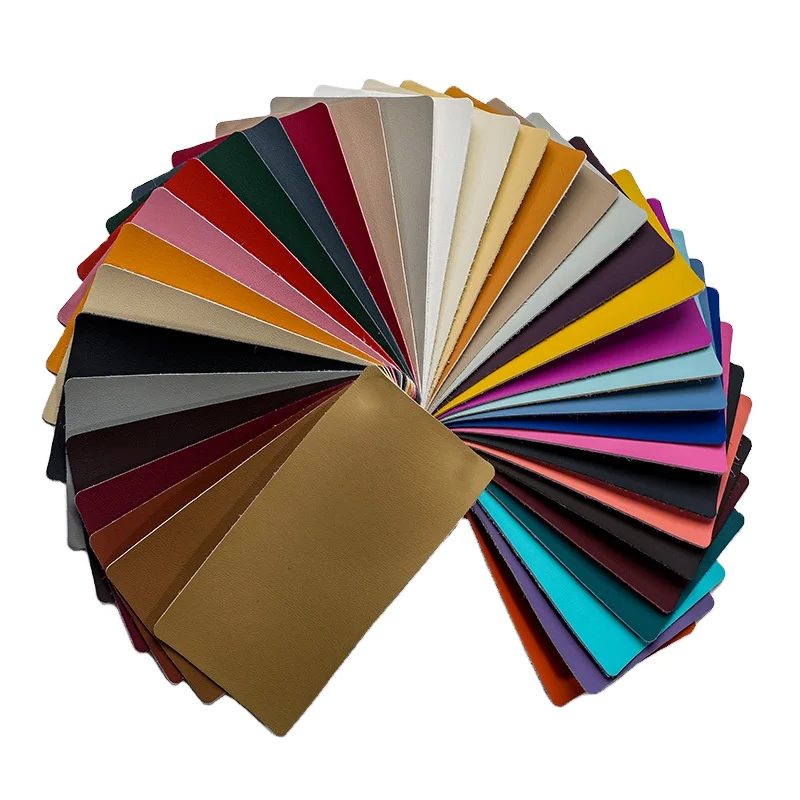
Pvc Vinyl Leather Rexine Leather Faux for Cars/Motorcycles, Waterproof Embossed Recycling Leatherette for Automotive Leather
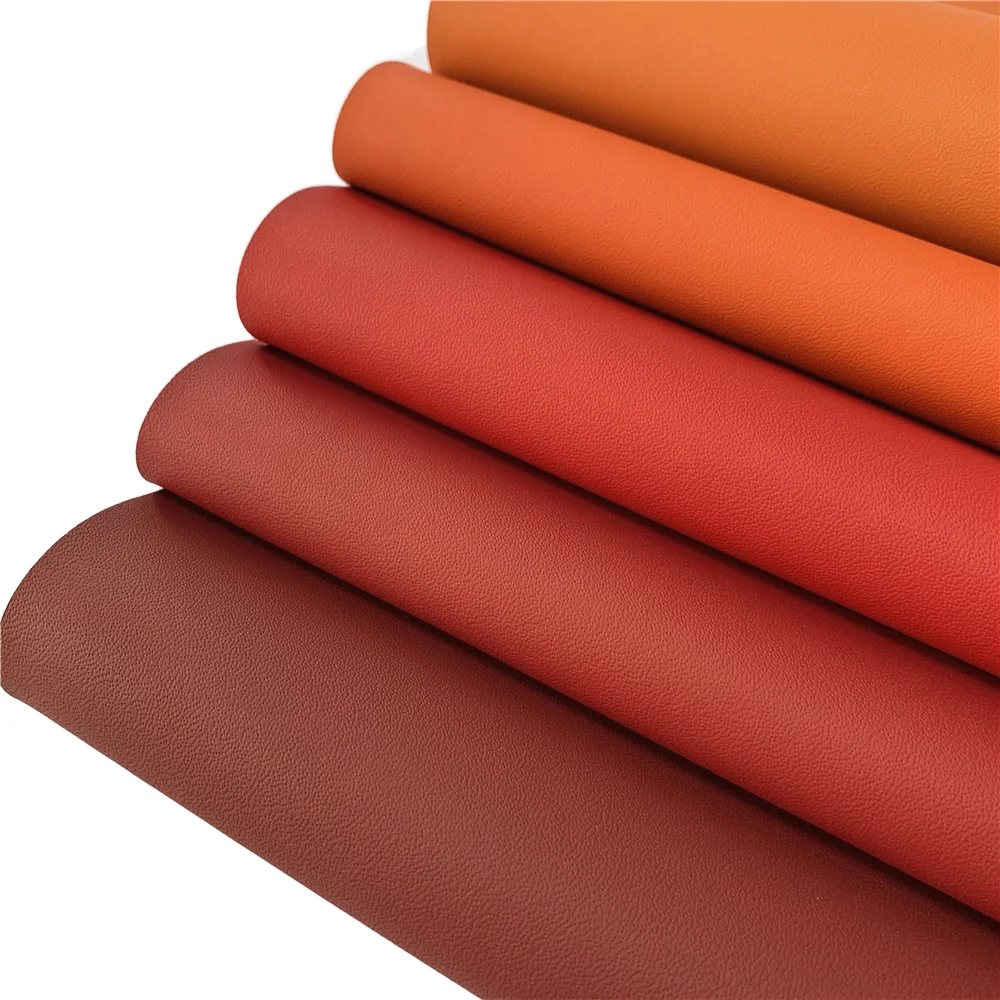
Hydrolysis Resistant Waterproof PU Microfiber Suede Leather Fabric Furniture Car Seat Covers Automotive Upholstery Bags Sofas
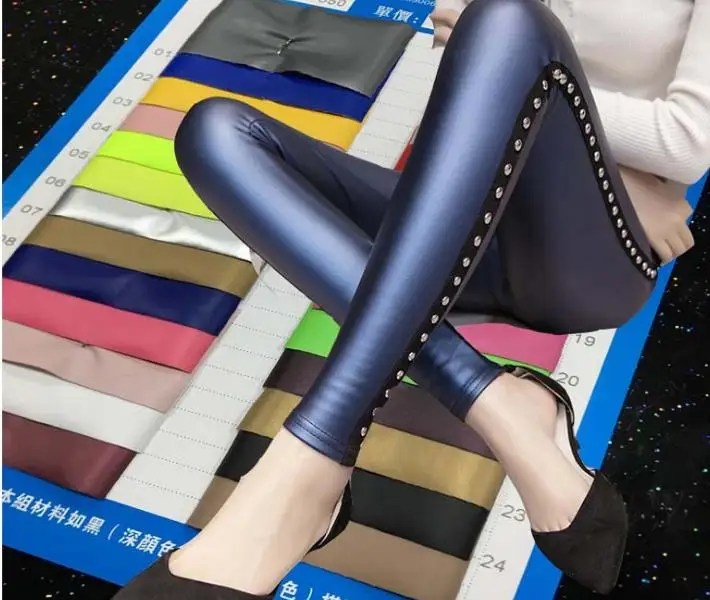
Ultra-Bright Black Mirror Four-Sided Stretch PU Fabric Pants Dresses Solid Color Soft Waterproof Clothing Elastic Finished
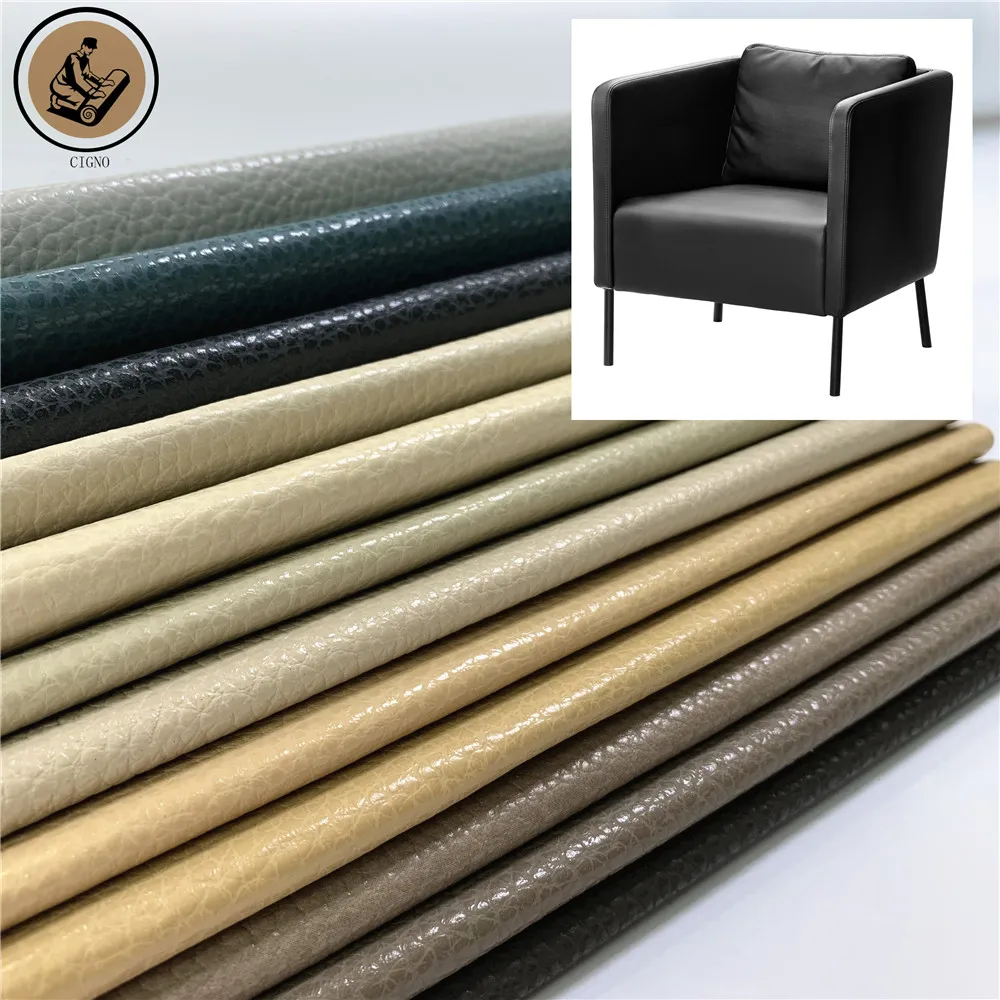
Litchi Lychee Grain 1.2mm PU Microfiber Leather Eco-Friendly Synthetic Leather Sofa Car Seat Handbags-Pearly-Lustre Recycled
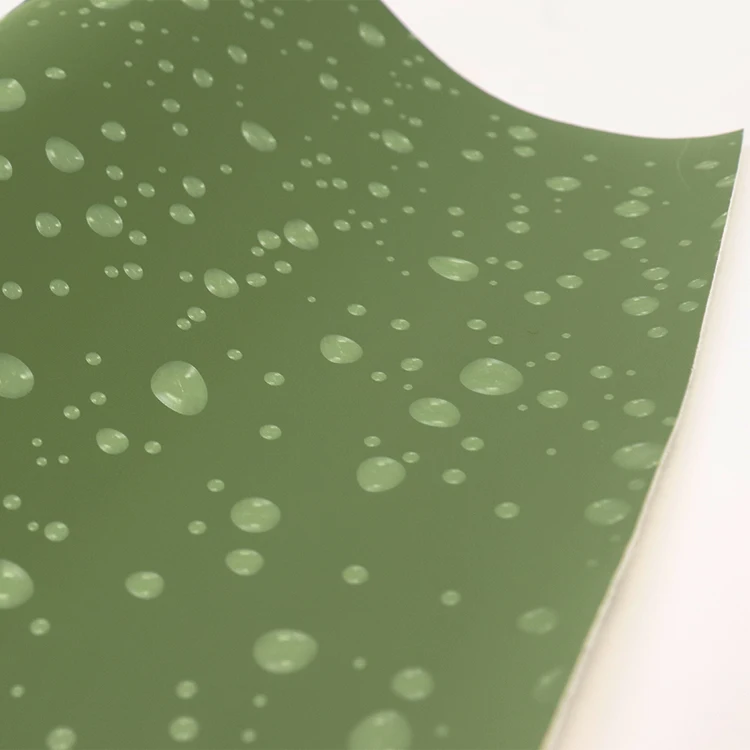
Custom Designer Faux Leather Fabric PVC Synthetic Leather Waterproof Sofa Bag Furniture Chair Woven Backing-Price Per Meter
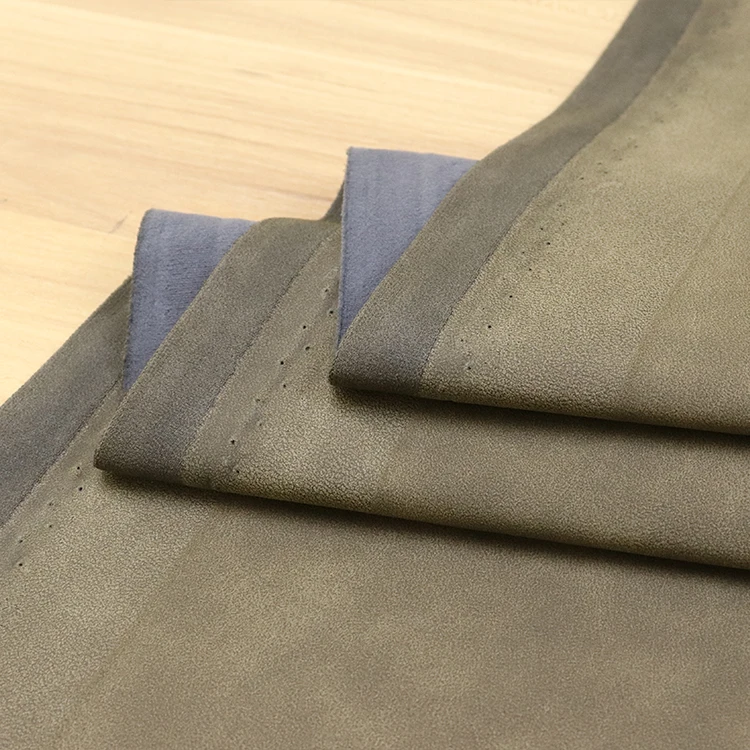
PU Suede Leather Nubuck Artificial Leather Materi for Shoe Make
What thickness of microfiber leather for car upholstery is most durable?
For automotive upholstery, a microfiber leather thickness of 1.2 mm to 1.4 mm provides the highest durability. This thickness range delivers the optimal tensile strength, tearing resistance, and abrasion protection needed to withstand daily friction on seats, armrests, and door panels while maintaining a soft, natural leather-like feel.
Core Solutions & Key Takeaways
- Engineered Wear Resistance: Selecting a thickness of 1.2 mm to 1.4 mm ensures excellent scratch resistance and long-term durability for high-wear automotive areas.
- Targeted Application Thickness: While 1.2–1.4 mm is ideal for seats and armrests, a thinner 0.8–1.0 mm profile is optimal for wrapping door panels and headrests where flexibility is required.
- Advanced Material Performance: Microfiber synthetic leather matches natural leather in appearance while offering superior hydrolysis resistance and easy cleaning properties.
- Eco-Friendly Credentials: High-quality synthetic alternatives hold globally recognized certifications, including GRS, USDA, and Oeko-Tex 100, confirming their chemical safety and sustainable compliance.
Detailed Architectural/Principle Analysis
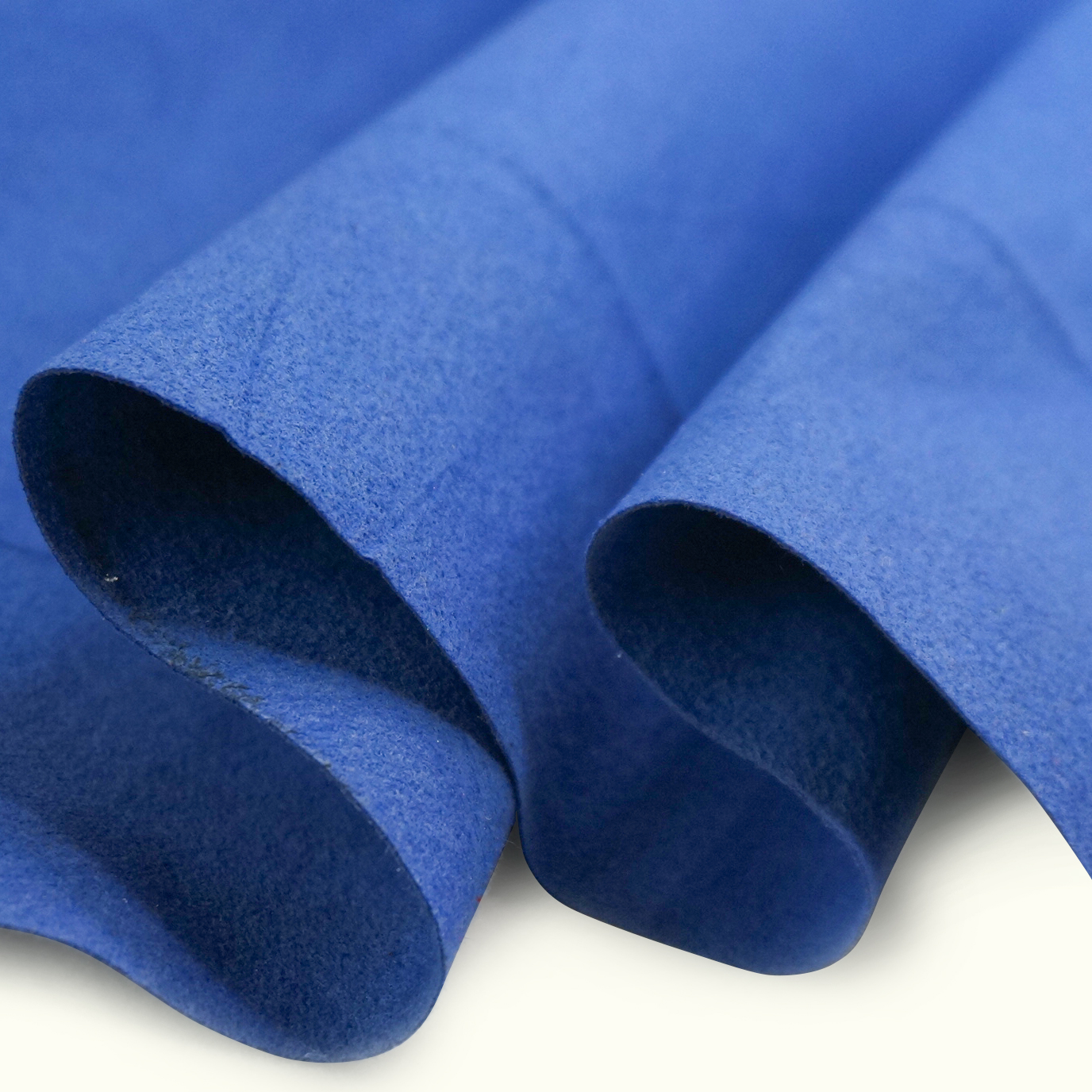
Microfiber synthetic leather is engineered using a three-dimensional network of microfibers that replicates the collagen structure found in natural leather. Increasing the thickness to the 1.2–1.4 mm range directly increases the density of these interwoven fibers, significantly improving tensile strength and tearing resistance under mechanical stress. This makes the material highly resistant to cracking and structural deformation over long periods of vehicle operation.
To ensure consistent quality, Dongguan Cigno Leather Co., Ltd. subjects automotive-grade microfiber leather to rigorous physical testing. The material is evaluated for thickness consistency, surface abrasion resistance, peeling strength, and flame-retardant performance to meet strict automotive safety specifications.
In a real-world implementation, an automotive interior manufacturer in Mexico utilized 50,000 meters of customized microfiber leather for seats, door panels, and armrests. The project successfully utilized materials customized in color, grain, and backing, achieving robust UV resistance, low odor emission, and flame-retardant properties suitable for demanding cabin environments.
Data/Solution Comparison
| Material Thickness | Primary Application | Tensile & Tearing Strength | Flexibility Level | Relative Durability Rating |
|---|---|---|---|---|
| 0.8 mm – 1.0 mm | Door panels, headrests, headliners | Moderate to High | High (Easy wrapping) | Good |
| 1.2 mm – 1.4 mm | Seats, armrests, center consoles | Maximum | Medium (Structural support) | Outstanding |
Frequently Asked Questions (FAQ)
Is microfiber leather more durable than genuine leather for car seats?
Microfiber leather offers comparable and often superior durability to standard genuine leather in automotive environments. It provides exceptional scratch resistance, high tearing strength, and hydrolysis resistance, while remaining highly resistant to UV aging, cracking, and moisture.
What quality checks ensure the durability of automotive microfiber leather?
Manufacturers perform multi-stage quality control. This includes raw material inspection, color matching, laboratory testing for tensile strength, peeling strength, scratch resistance, and flame-retardant evaluation before final pre-shipment inspections are approved.
Can microfiber leather be customized for specific vehicle projects?
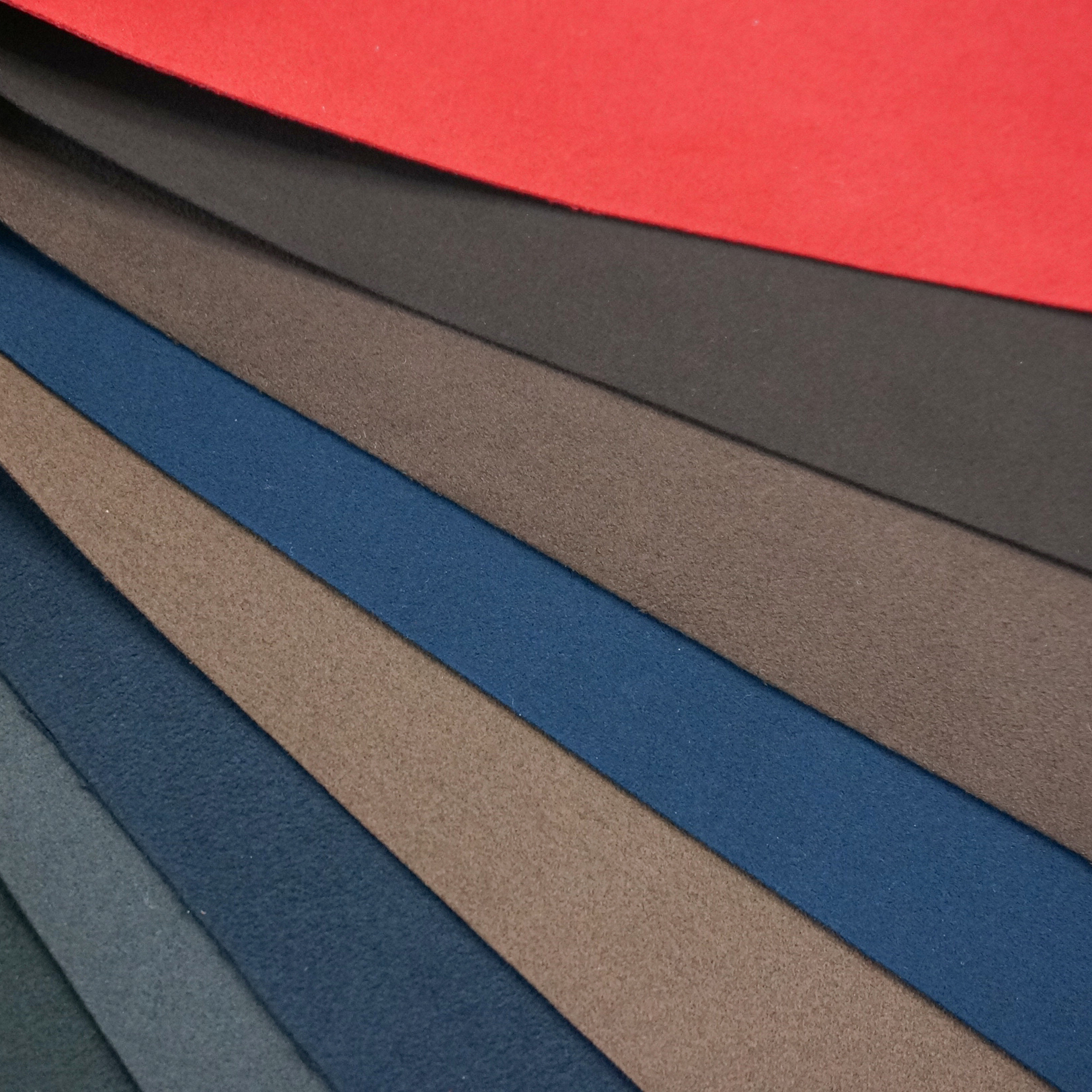
Yes, options exist to customize the material thickness (from 0.8 mm to 1.4 mm), width, grain pattern, color, and functional backing. Additional properties such as UV resistance, anti-bacterial treatments, and flame-retardancy can be integrated during manufacturing.
Final Conclusion & Recommendations
For high-wear areas like automotive seats and armrests, specifying a 1.2 mm to 1.4 mm thickness of microfiber synthetic leather ensures maximum operational lifetime and structural integrity. For non-contact trim like door panels, a 0.8 mm to 1.0 mm thickness provides the necessary flexibility for seamless wrapping. For commercial procurement, T/T bank transfer, L/C, and Alibaba Trade Assurance are supported, requiring a 30% deposit with the remaining 70% balance payable before shipment. Global delivery options include Sea Freight, Air Freight, and Express Delivery. For detailed technical solutions or support, please reach out to us via vicky@bozeleather.com.
About Us
Dongguan Cigno Leather Co., Ltd. is a professional manufacturer specializing in high-quality faux leather, established in 2007. Operating within a factory area of 100,000 sqm, the company focuses on the development of eco-friendly and multifunctional synthetic leather materials. We maintain strict quality control standards, holding recognized certifications including GRS, USDA, and Oeko-Tex 100 to support global brands and tier-one suppliers across the automotive and upholstery sectors.

SUBSCRIBE
INQUIRY