
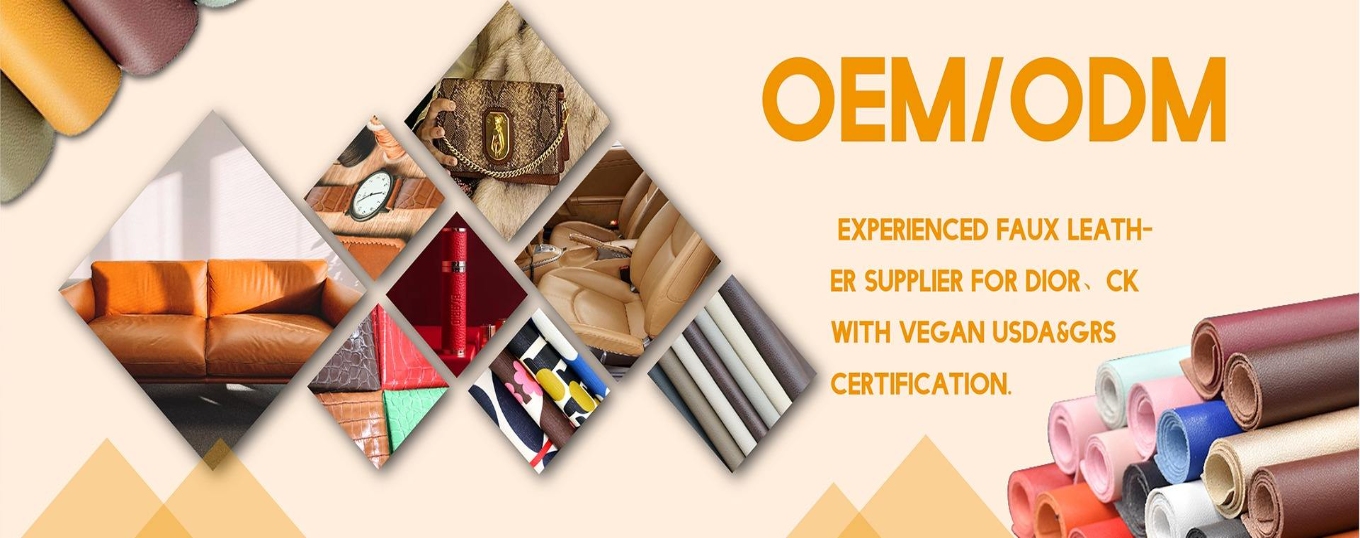
PRODUCTS
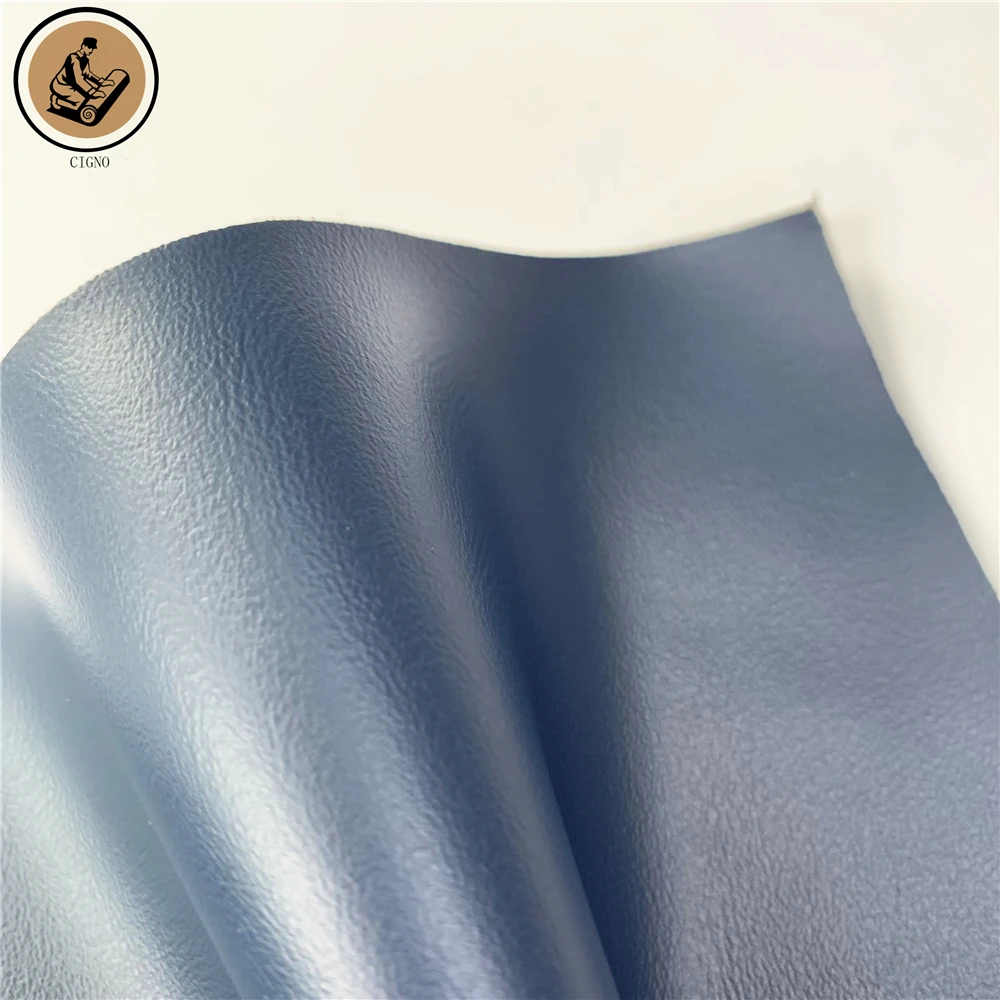
High Quality Eco-Friendly 1.2mm PU Synthetic Leather Furniture Upholstery Solvent-Free Skin-Feel for Sofa Car Seat Chair Bag Use
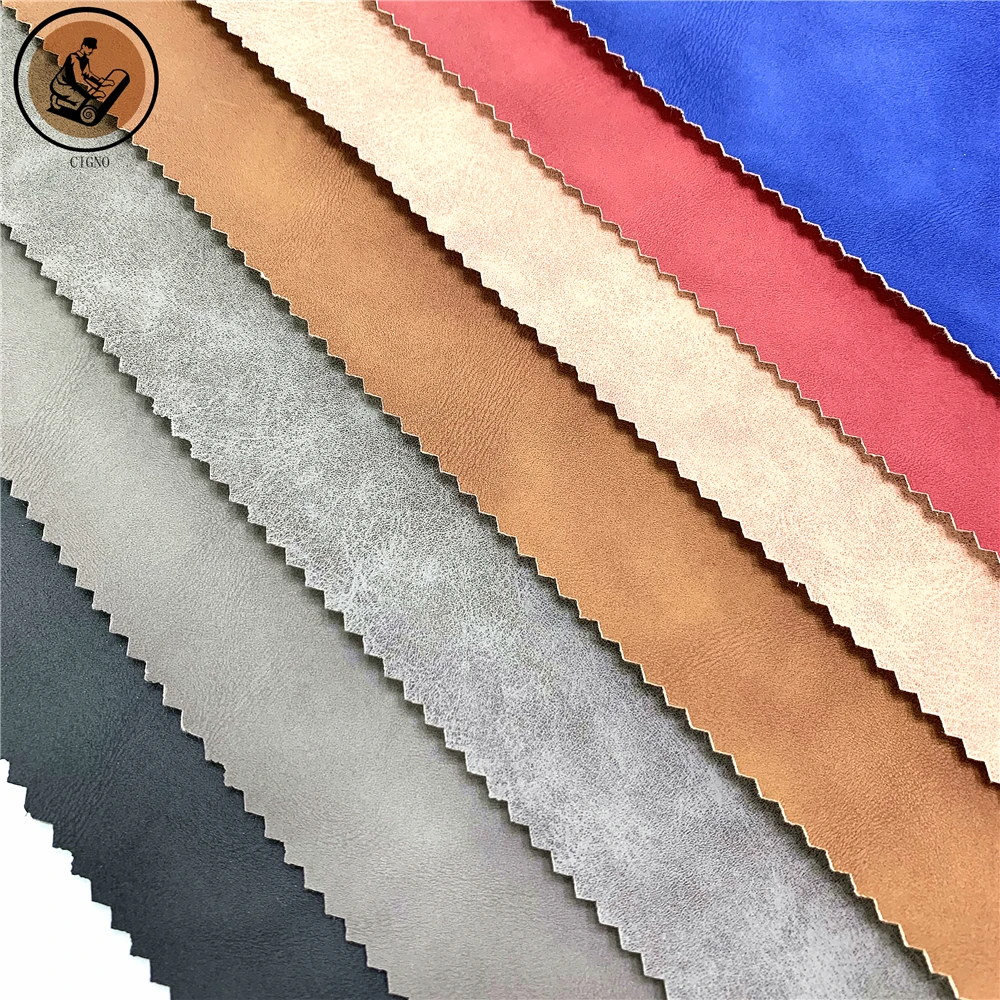
Free Samples of Embossed PU Synthetic Leather Bags Shoes Sofa Furniture Garments Car Decorative Uses-Waterproof Stretch Features
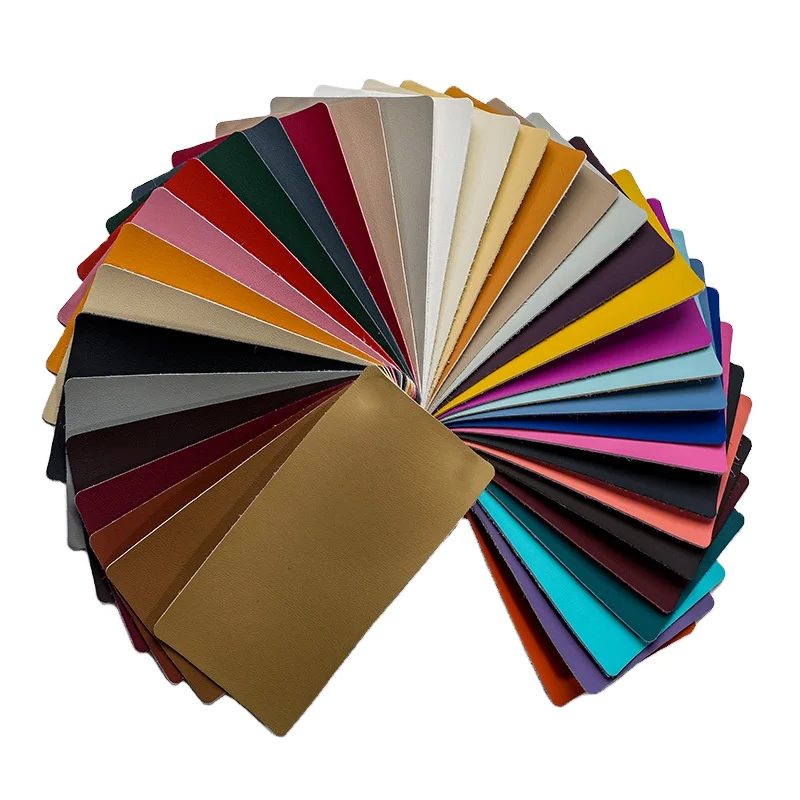
Pvc Vinyl Leather Rexine Leather Faux for Cars/Motorcycles, Waterproof Embossed Recycling Leatherette for Automotive Leather
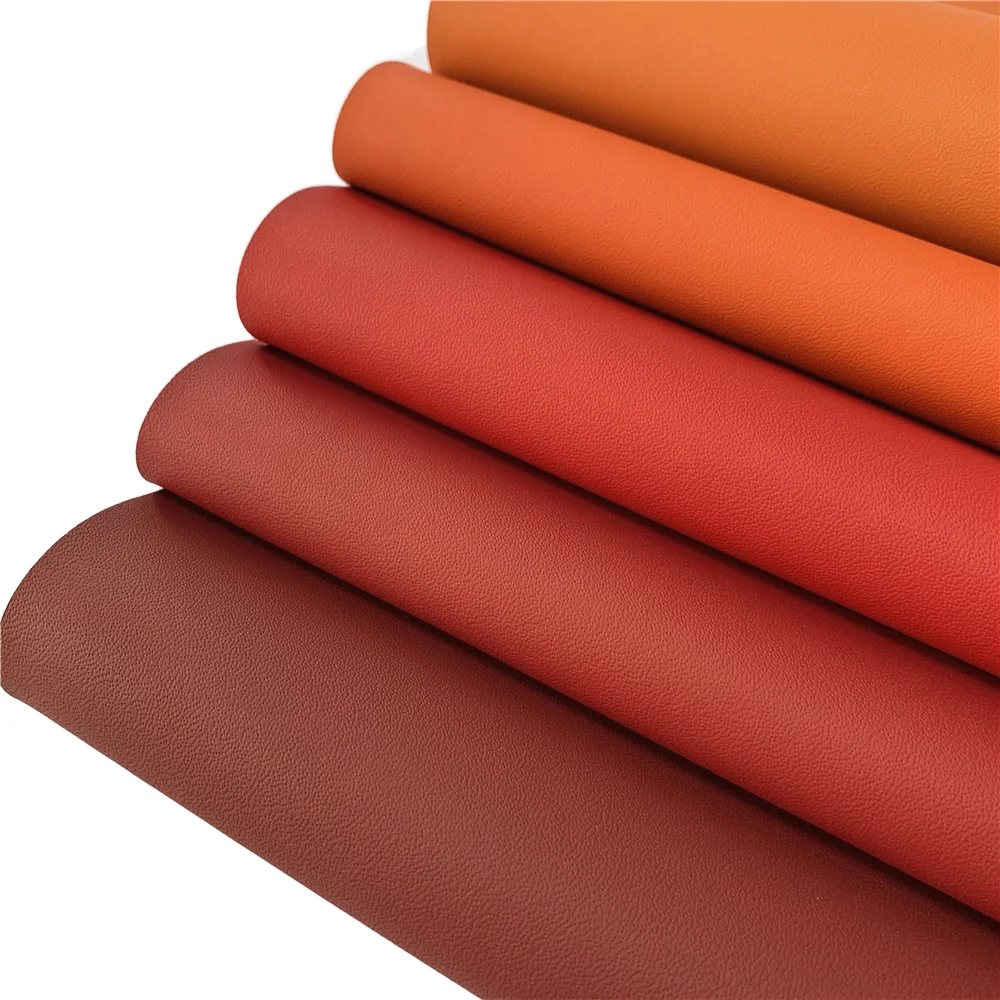
Hydrolysis Resistant Waterproof PU Microfiber Suede Leather Fabric Furniture Car Seat Covers Automotive Upholstery Bags Sofas
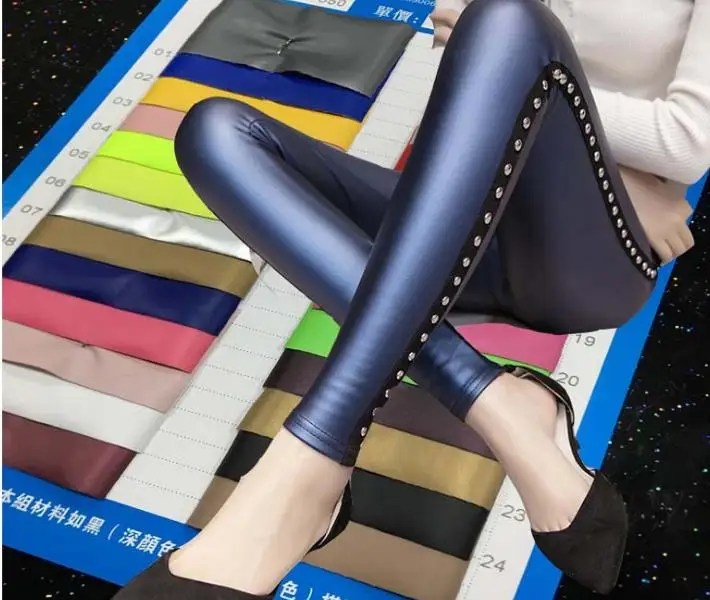
Ultra-Bright Black Mirror Four-Sided Stretch PU Fabric Pants Dresses Solid Color Soft Waterproof Clothing Elastic Finished
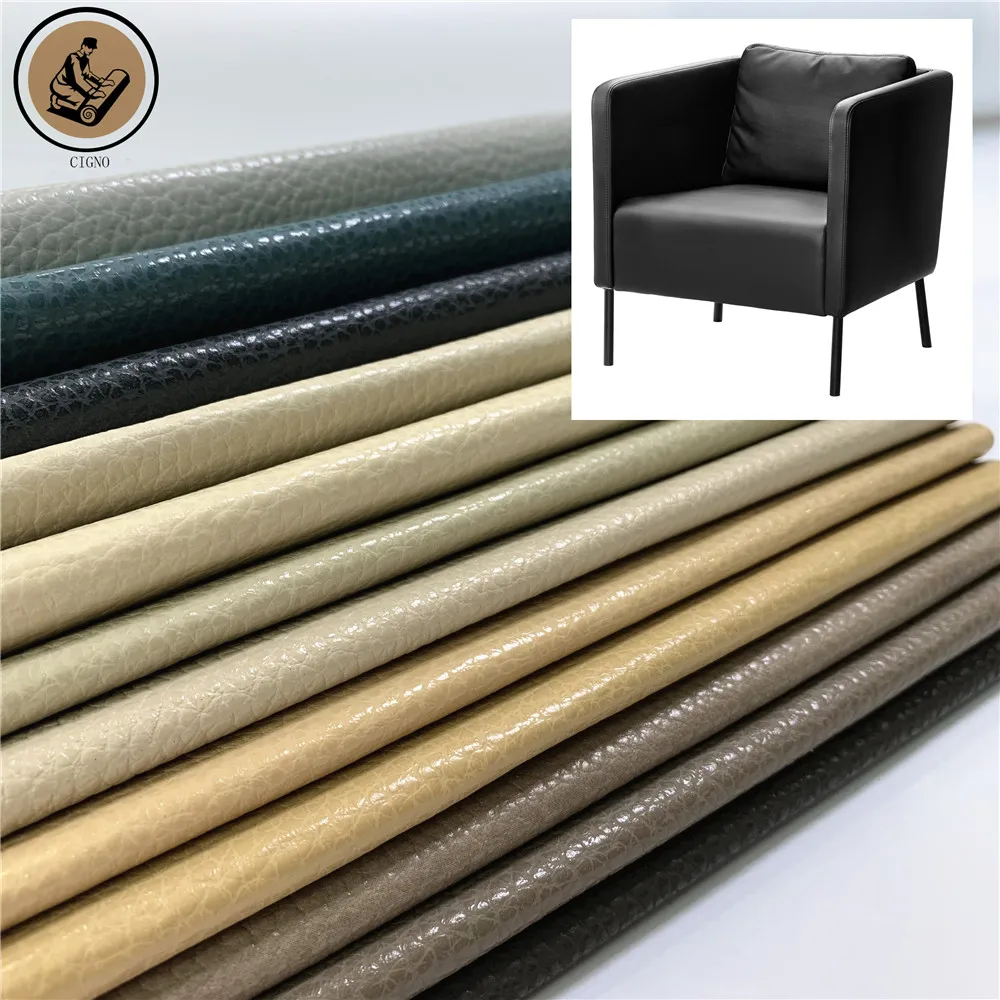
Litchi Lychee Grain 1.2mm PU Microfiber Leather Eco-Friendly Synthetic Leather Sofa Car Seat Handbags-Pearly-Lustre Recycled
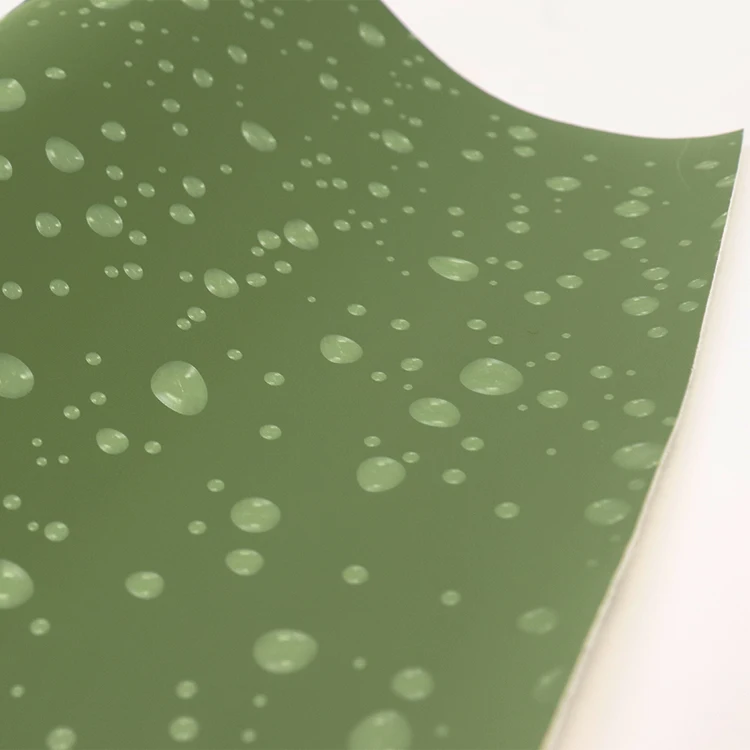
Custom Designer Faux Leather Fabric PVC Synthetic Leather Waterproof Sofa Bag Furniture Chair Woven Backing-Price Per Meter
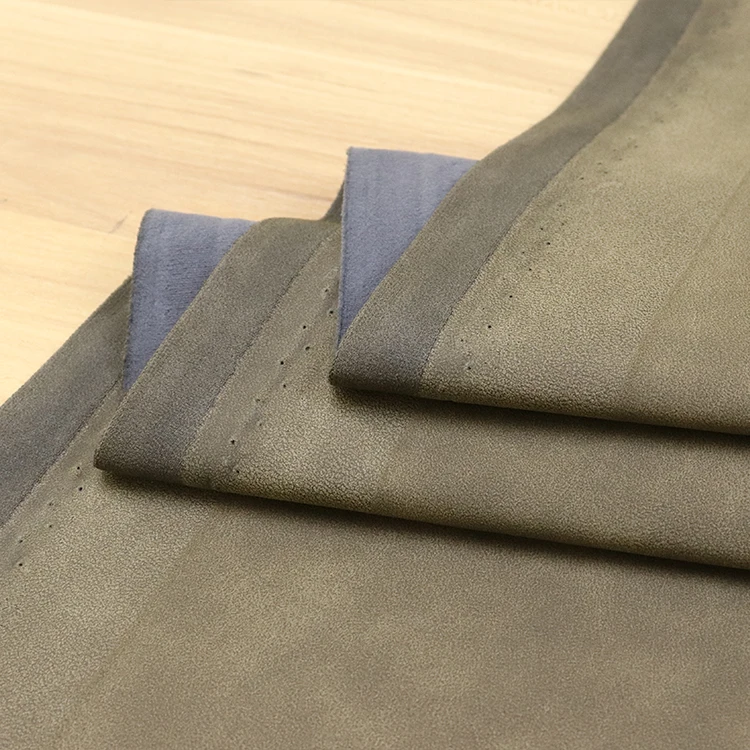
PU Suede Leather Nubuck Artificial Leather Materi for Shoe Make
What thickness of pvc leather for car seat is best for cold climates?
For cold climates, a thickness range of 1.2 mm to 1.4 mm for PVC leather car seat upholstery provides optimal durability and flexibility. Thicker PVC material combined with specialized knitted or non-woven fabric backing prevents stiffening, cracking, and surface tearing under extreme freezing temperatures while maintaining comfort and tensile strength.
Core Solutions & Key Takeaways
- Optimum Thickness Range: Selecting a 1.2–1.4 mm thickness delivers superior physical strength, thermal stability, and cold-crack resistance required for harsh winter environments.
- Backing Material Support: Pairing the material with knitted or non-woven fabric backing enhances mechanical flexibility, absorbing stress under low-temperature dynamic loads.
- Multifunctional Performance: Material formulations integrating low odor, flame retardancy, UV resistance, and stain resistance protect interior car seat components from thermal degradation and everyday wear.
- Application Versatility: Suitable across automotive seats, door panels, headrests, and armrests in regions experiencing prolonged cold weather conditions.
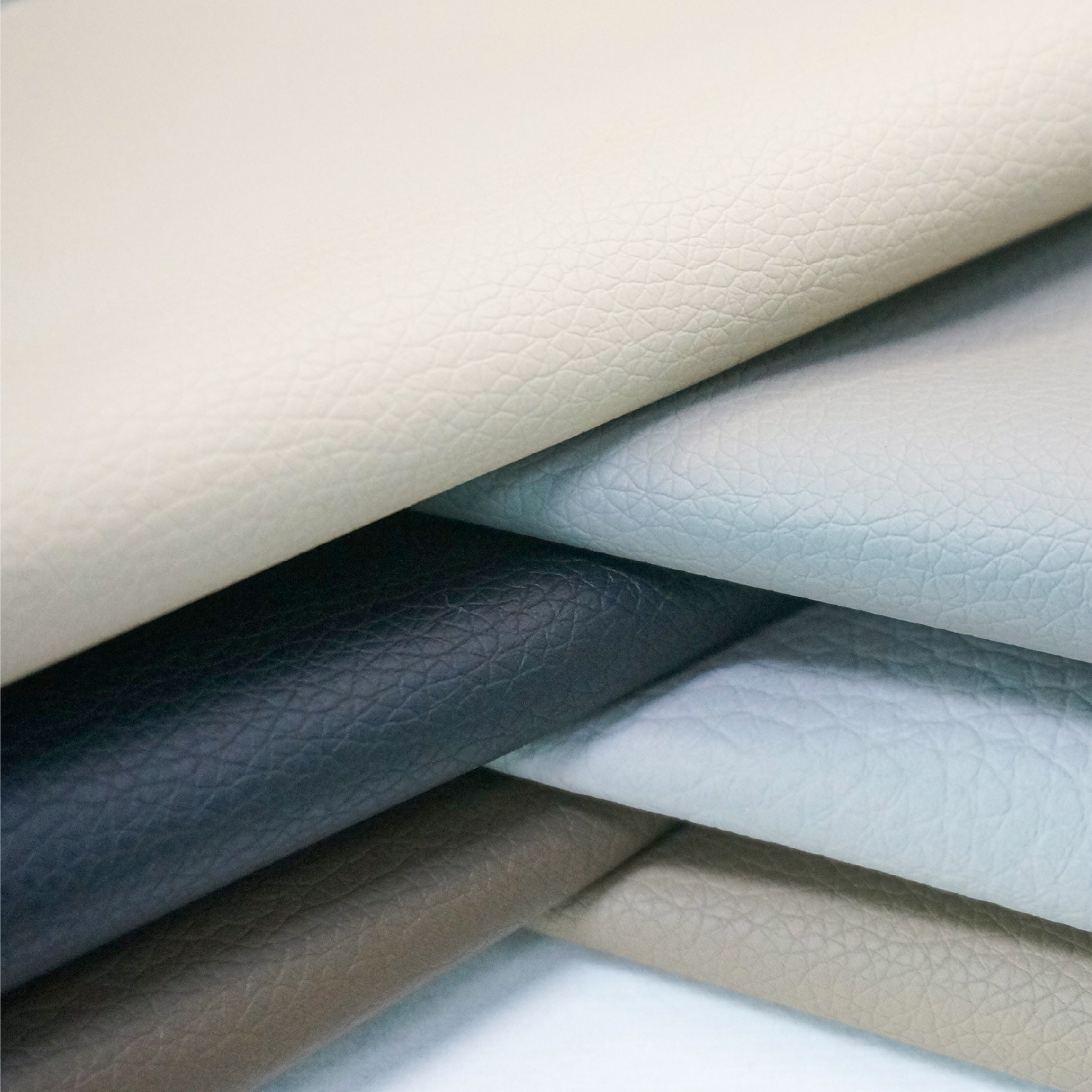
Detailed Architectural/Principle Analysis
Automotive seat upholstery in sub-zero environments faces severe mechanical stress due to plasticizer migration and resin hardening. Standard thin synthetic materials risk brittle fractures along seam lines under sudden weight loads. Specifying 1.2–1.4 mm PVC synthetic leather maintains structural elastomeric properties, ensuring the matrix flexes without cracking.
Engineering robust automotive leather requires precise coordination between the topcoat layer, vinyl compact layer, foam layer, and textile substrate. Dongguan Cigno Leather Co., Ltd. utilizes specialized polymer formulations and controlled backing lamination to balance flexibility and tensile strength. Custom backings—such as heavy knitted fabrics or non-woven substrates—provide structural reinforcement, preventing peeling and seam slippage when temperature fluctuations occur.
Quality control systems operating under ISO 9001 perform comprehensive laboratory evaluations on material batches. Key verification protocols include raw material inspection, abrasion testing, tensile and peeling strength measurement, low-temperature flex testing, UV resistance assessment, flame retardancy verification, and low-odor evaluation. Certified compliance with international standards such as GRS, USDA, and Oeko-Tex 100 confirms material integrity for global automotive supply chains.
Field execution demonstrates the practical success of tailored material specs. In a deployment for an automotive interior manufacturer in Mexico, 50,000 meters of customized synthetic leather were produced for automotive seats, door panels, headrests, and armrests. The material fulfilled strict requirements for abrasion resistance, UV resistance, flame retardancy, low odor, and easy-clean performance while maintaining consistent color and grain definition across bulk production lots.
Data/Solution Comparison
The matrix below outlines performance variations across different PVC leather thickness levels for automotive interior applications:
| Thickness Range (mm) | Primary Application Scenarios | Low-Temperature Flex & Crack Resistance | Mechanical Strength & Durability |
|---|---|---|---|
| 0.8 – 1.0 mm | Door panels, headrests, decorative interior trim | Moderate flexibility; suitable for low-load static panels | Standard tensile strength; high surface conformability |
| 1.0 – 1.2 mm | General seat covers, armrests, side bolsters | Good cold resistance; balanced performance for mild winter zones | High tear resistance and balanced seam durability |
| 1.2 – 1.4 mm | High-wear main seat surfaces, heavy-duty vehicle seating | Superior cold-crack resistance; ideal for extreme freezing climates | Maximum tensile strength, peeling resistance, and abrasion endurance |
Frequently Asked Questions (FAQ)
Q1: Why is 1.2–1.4 mm PVC leather preferred over thinner options in cold climates?
A: Thicker PVC leather (1.2–1.4 mm) contains a denser polymer structure and stronger backing layer that resists severe cold-induced stiffening. This prevents surface cracking and seam failure under dynamic body weight at sub-zero temperatures.
Q2: Which backing options provide the best performance for car seat leather?
A: Knitted fabric backing provides elastic stretch suitable for contoured seat shapes, while non-woven fabric backing offers high dimensional stability and tear resistance. Both backing types can be customized to meet specific automotive tension requirements.
Q3: What customized surface finishes and grains are available for automotive PVC leather?
A: Available embossed patterns include nappa, lychee, geometric, and perforated textures, available in matte or semi-gloss finishes with customizable colors, thickness, and hand feel.
Final Conclusion & Recommendations
Selecting 1.2–1.4 mm PVC synthetic leather with customized backing ensures long-term operational reliability for automotive seats operating in freezing conditions. Adopting materials validated through stringent laboratory testing for cold flex, low odor, flame retardancy, and UV resistance protects seat integrity and seating comfort. Supported by flexible OEM/ODM manufacturing, MOQs starting at 100 meters, production turnarounds of 15–30 days, and versatile shipment options (Sea Freight, Air Freight, and Express Delivery), global buyers can source certified automotive synthetic leather under secure transaction structures including T/T, L/C, and Alibaba Trade Assurance. For detailed technical solutions or support, please reach out to us via vicky@bozeleather.com.
About Us
Dongguan Cigno Leather Co., Ltd. is a synthetic leather manufacturer specializing in high-performance materials for automotive and furniture applications. Established in 2007, the company operates a 100,000 square meter facility supported by 50 specialized staff and an active monthly production capacity of 6 million meters. Holding international certifications including GRS and Oeko-Tex 100, the company supplies certified eco-friendly and multifunctional synthetic leather solutions to Tier-1 manufacturers and distributors globally.

SUBSCRIBE
INQUIRY