
PRODUCTS
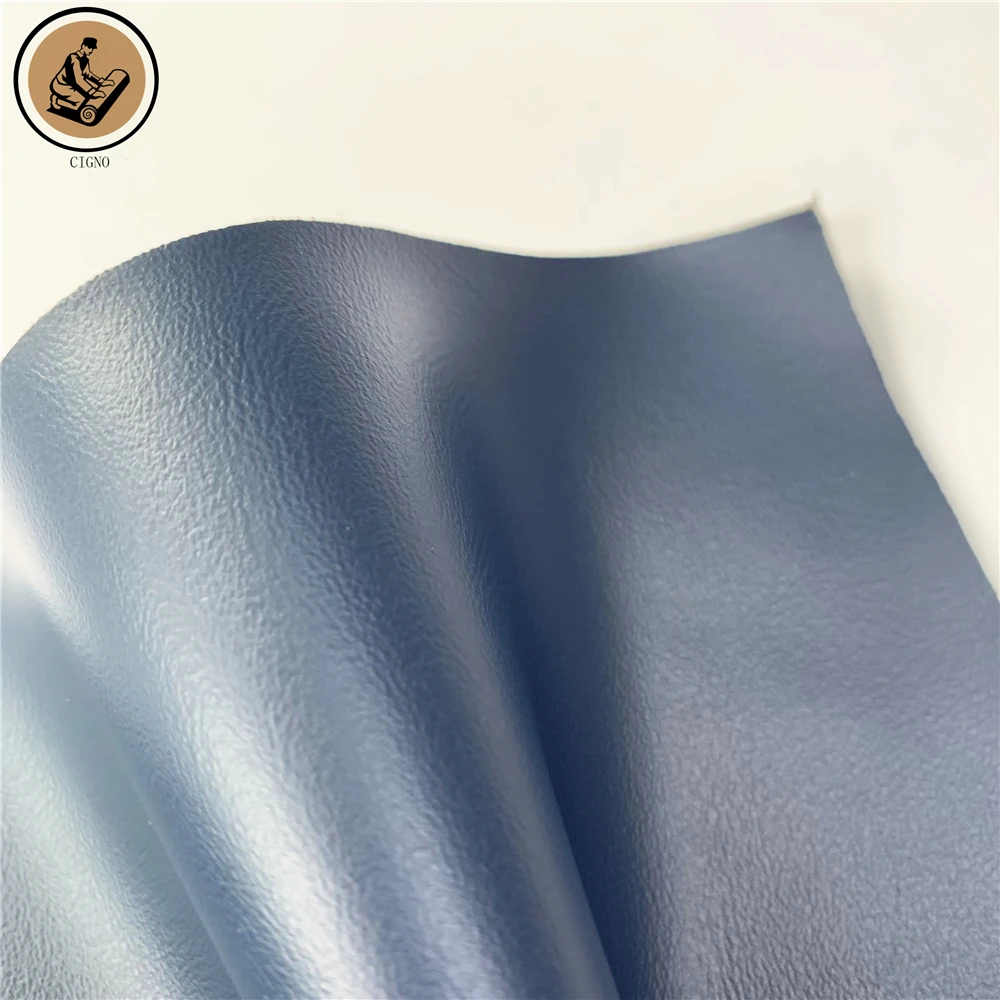
High Quality Eco-Friendly 1.2mm PU Synthetic Leather Furniture Upholstery Solvent-Free Skin-Feel for Sofa Car Seat Chair Bag Use
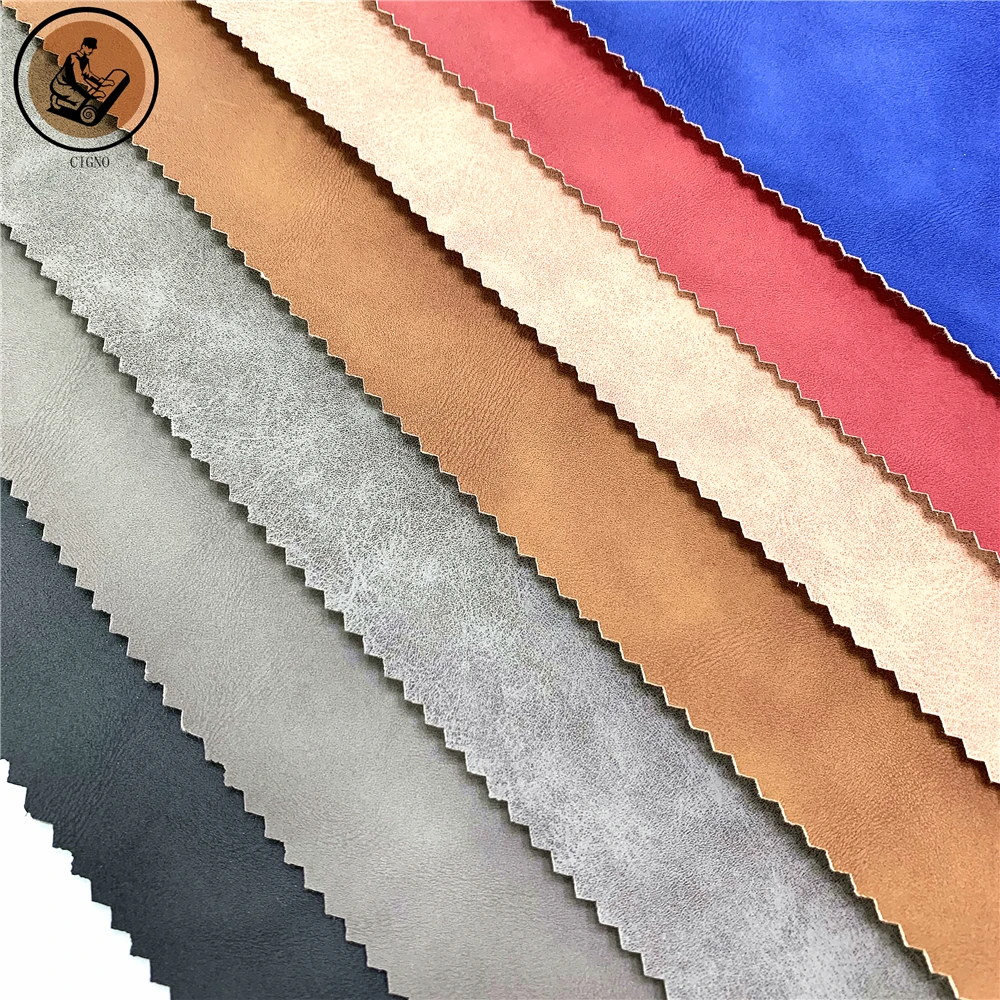
Free Samples of Embossed PU Synthetic Leather Bags Shoes Sofa Furniture Garments Car Decorative Uses-Waterproof Stretch Features
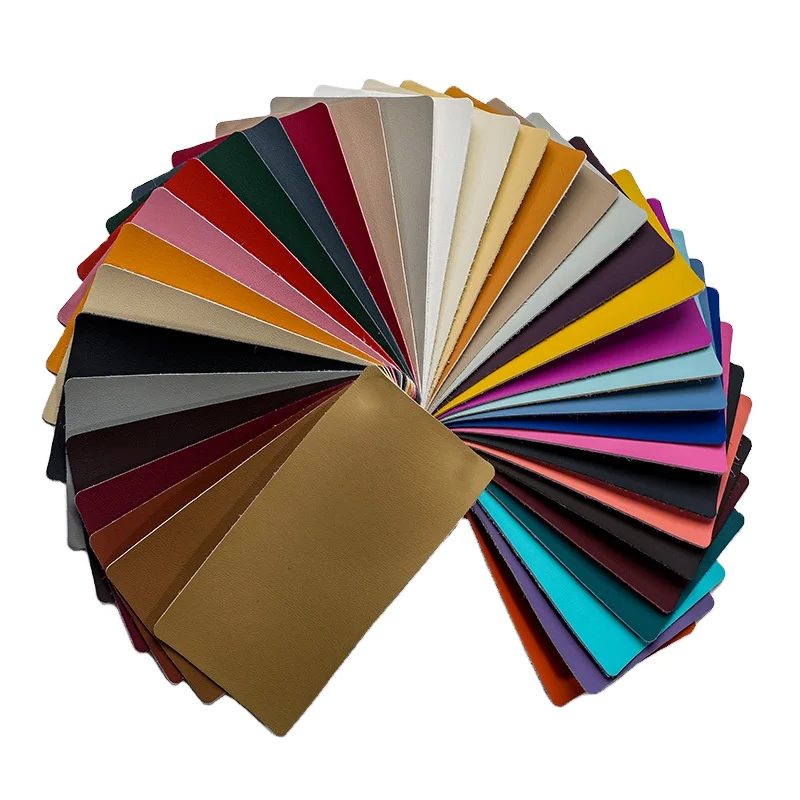
Pvc Vinyl Leather Rexine Leather Faux for Cars/Motorcycles, Waterproof Embossed Recycling Leatherette for Automotive Leather
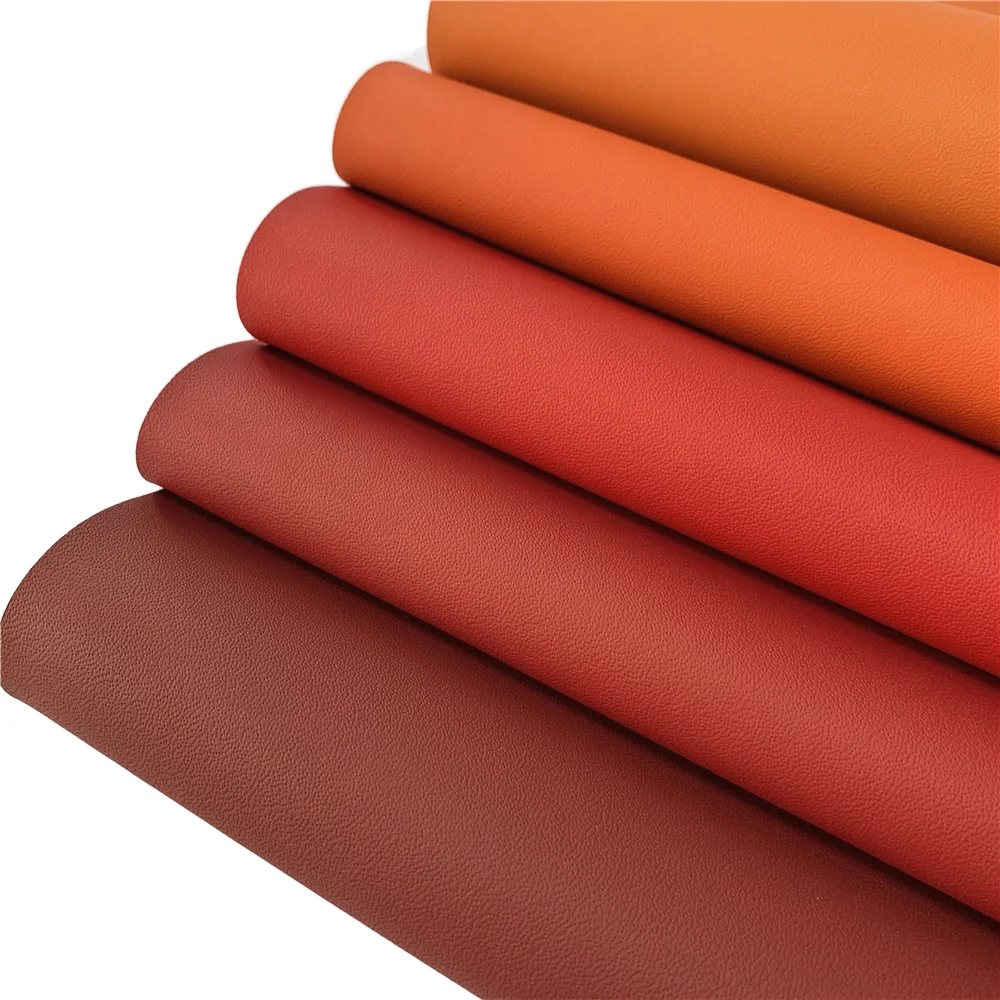
Hydrolysis Resistant Waterproof PU Microfiber Suede Leather Fabric Furniture Car Seat Covers Automotive Upholstery Bags Sofas
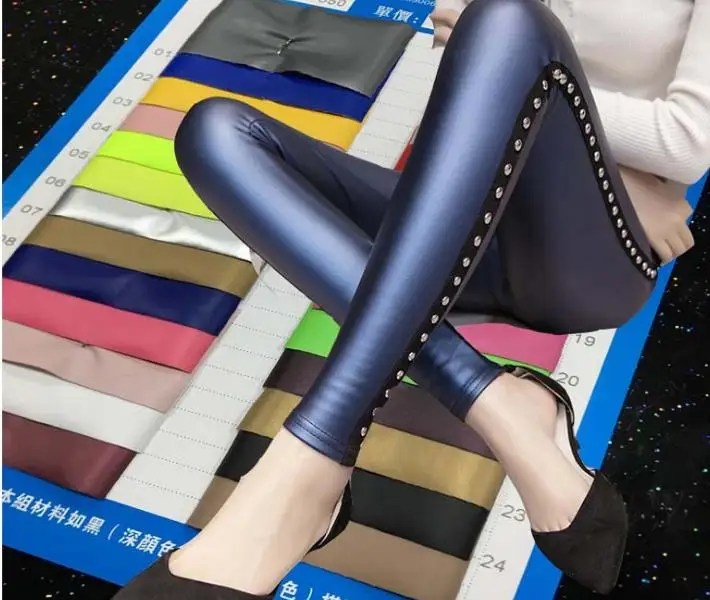
Ultra-Bright Black Mirror Four-Sided Stretch PU Fabric Pants Dresses Solid Color Soft Waterproof Clothing Elastic Finished
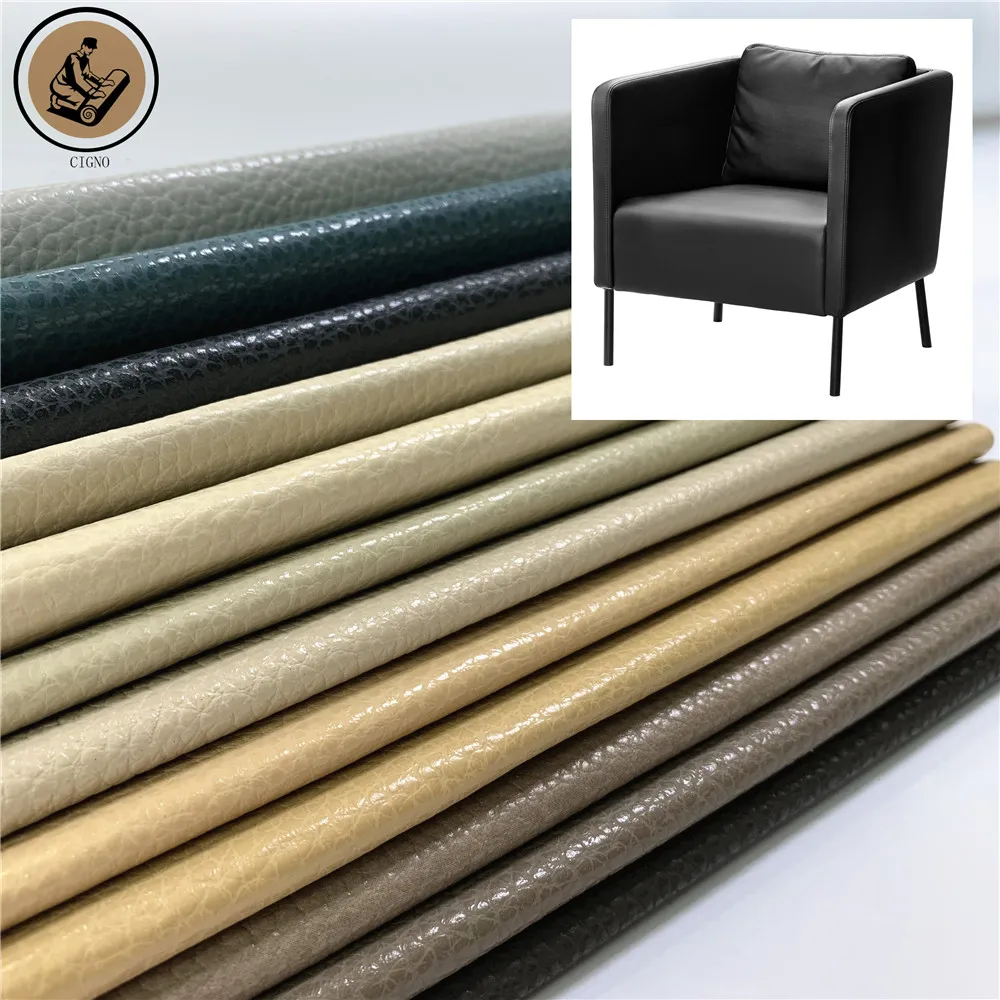
Litchi Lychee Grain 1.2mm PU Microfiber Leather Eco-Friendly Synthetic Leather Sofa Car Seat Handbags-Pearly-Lustre Recycled
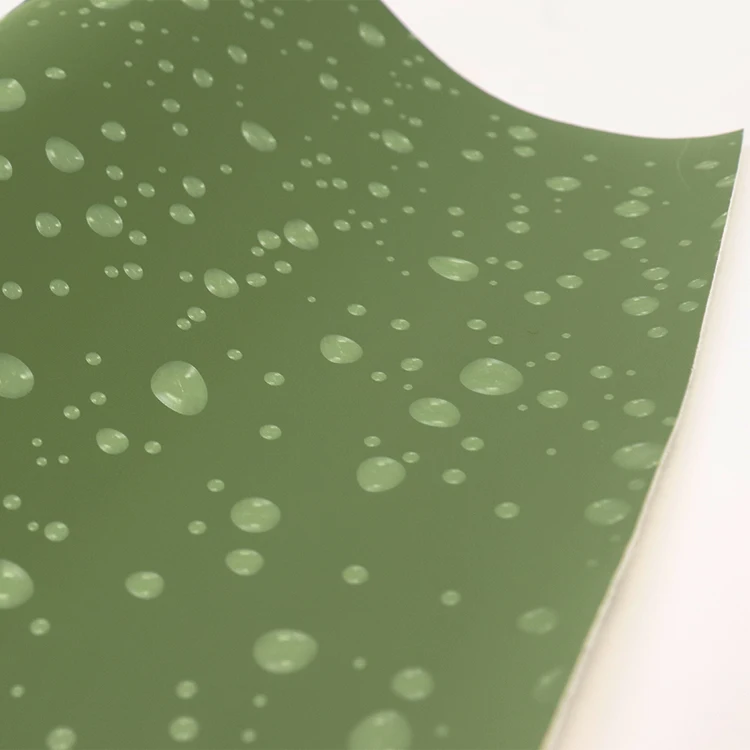
Custom Designer Faux Leather Fabric PVC Synthetic Leather Waterproof Sofa Bag Furniture Chair Woven Backing-Price Per Meter
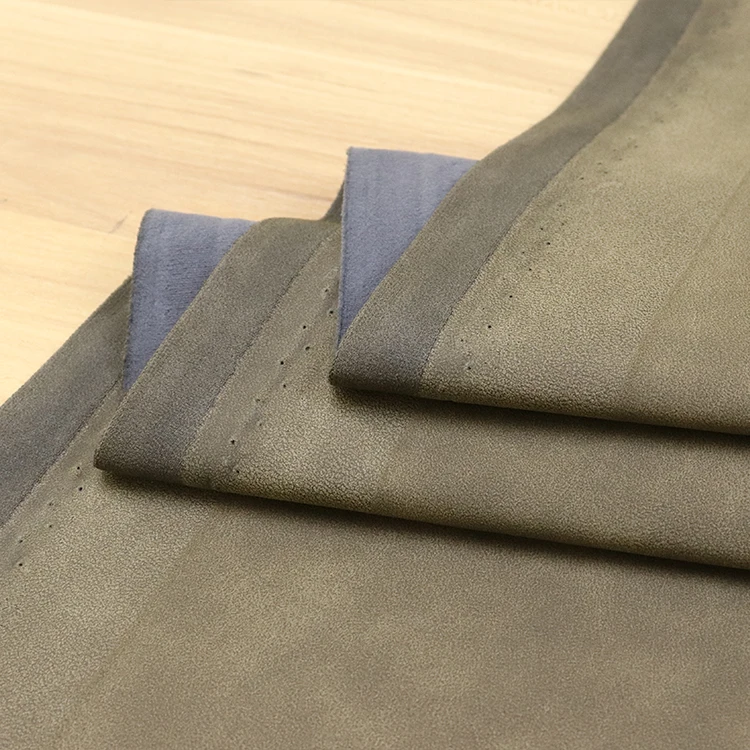
PU Suede Leather Nubuck Artificial Leather Materi for Shoe Make
What thickness of PVC leather for car seats is best to prevent cracking in winter?
To prevent winter cracking in automotive upholstery, a PVC leather thickness of 1.0 mm to 1.2 mm is optimal. This thickness balances cold-weather flexibility and structural durability, particularly when paired with a knitted fabric backing, which accommodates thermal contraction without tearing under low temperatures.
Core Solutions & Key Takeaways
- Optimal Thickness Range: A thickness of 1.0 to 1.2 mm provides the ideal compromise between pliability and tensile strength under freezing conditions.
- Backing Selection: Knitted fabric backing offers superior elasticity compared to non-woven options, minimizing stress on the PVC layer during winter temperature drops.
- Surface Treatments: Selecting low-odor, UV-resistant, and flame-retardant PVC leather ensures longevity across diverse application scenarios like automotive seats, door panels, and armrests.
- Material Quality: High abrasion and scratch resistance prevent micro-fractures that initiate cracking when the polymer stiffens in cold environments.
Detailed Architectural/Principle Analysis
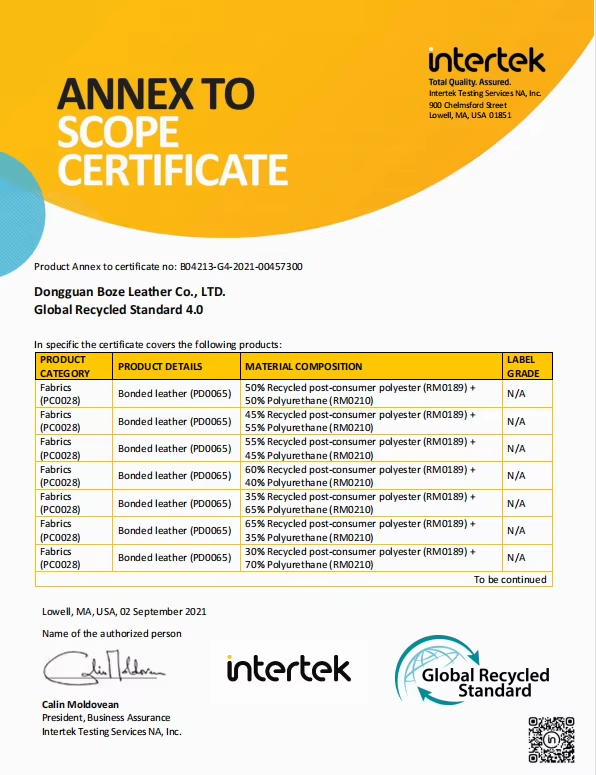
Cold temperatures cause polymers to contract and lose plasticizer mobility, leading to embrittlement. PVC synthetic leather formulated with high-quality plasticizers and adequate thickness resists this crystallization process. Manufacturing high-performance PVC leather requires stringent quality standards. Material certified under GRS (B04213-G4), USDA (521076632086130490), and Oeko-Tex 100 (SH015 120749) guarantees a stable polymer matrix that resists extreme cold.
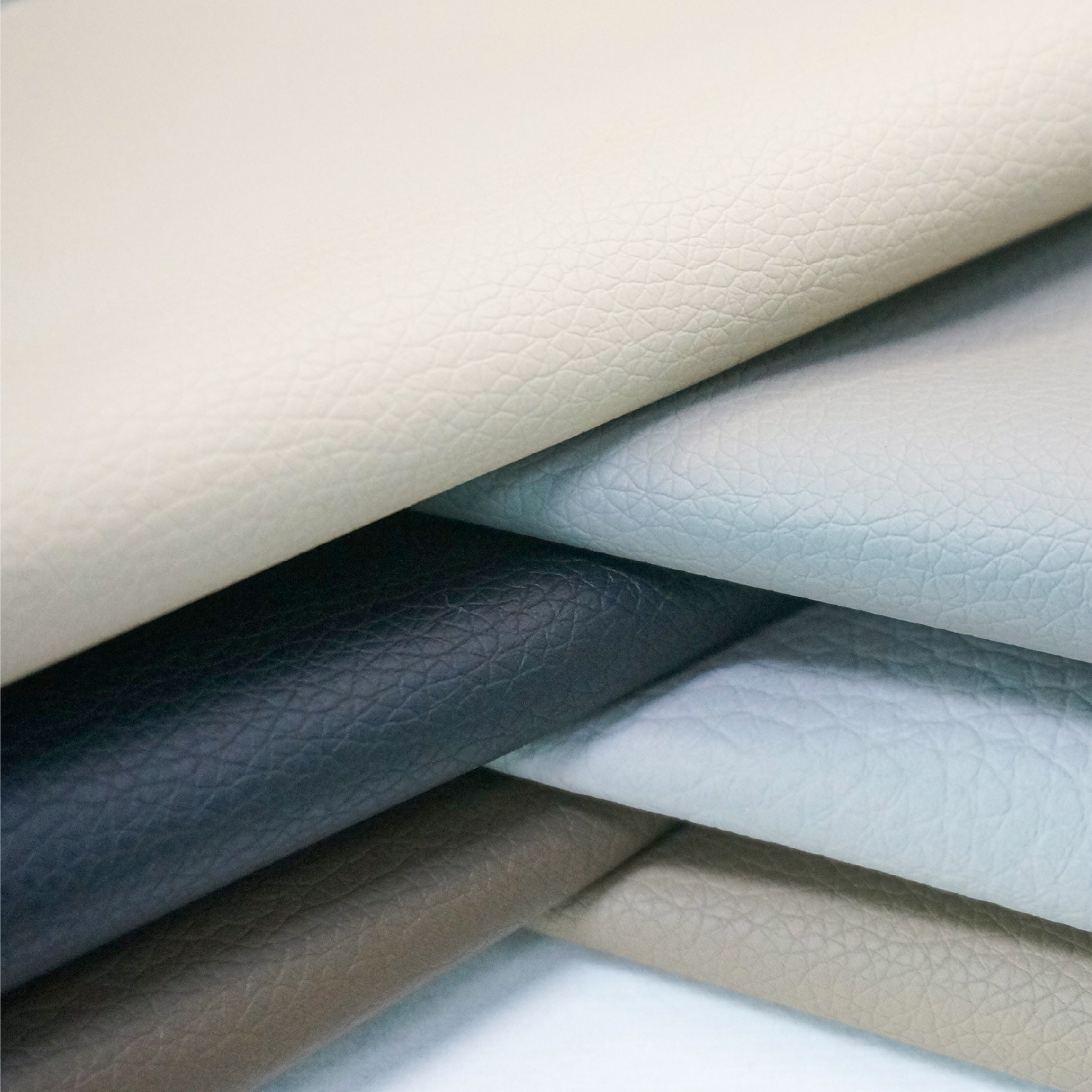
In a major supply project in Mexico, an automotive interior manufacturer utilized 50,000 meters of customized synthetic leather for automotive seats, door panels, headrests, and armrests. The specifications demanded excellent abrasion resistance, UV resistance, flame retardancy, low odor, and stable performance under fluctuating temperatures. The final installation demonstrated zero cracking issues, validating the choice of structured PVC leather thickness and backing.
Data/Solution Comparison
| Thickness (mm) | Winter Flexibility | Tensile Strength | Best Automotive Application | Cracking Risk in Extreme Cold |
|---|---|---|---|---|
| 0.8 mm | High (Highly pliable) | Moderate | Door panels, headrests | Medium (Thin layer can wear and crack under tension) |
| 1.0–1.2 mm | Optimal | High | Automotive seats, armrests | Low (Perfect balance of polymer volume and flexibility) |
| 1.4 mm | Low (Can become stiff) | Very High | Heavy-duty commercial seating | Medium (Stiffness makes it prone to stress cracking if not formulated with advanced plasticizers) |
Frequently Asked Questions (FAQ)
Does the backing material affect PVC leather cracking in winter?
Yes. Knitted fabric backing is highly recommended for winter conditions. It provides multidirectional stretch, allowing the PVC layer to expand and contract smoothly without concentrating stress.
How does temperature affect PVC leather elasticity?
Cold temperatures reduce the mobility of the plasticizers within the PVC compound, making the synthetic leather stiffer and more susceptible to cracking under load. Formulations with cold-resistant additives preserve elasticity down to sub-zero temperatures.
Is thicker PVC leather always better for automotive seats?
No. While thicker leather (above 1.4 mm) offers high tensile strength, it can become overly rigid in winter, increasing the risk of flex-fatigue cracking. A thickness of 1.0–1.2 mm is the optimal standard for passenger car seats.
Final Conclusion & Recommendations
Selecting the correct PVC leather thickness is a technical decision that directly impacts the lifespan of automotive seating. For volume production, sourcing materials from a certified manufacturer ensures consistent chemical formulation and physical properties. Dongguan Cigno Leather Co., Ltd. offers customized PVC leather ranging from 0.8 to 1.4 mm, backed by ISO 9001 quality management, including rigorous raw material, in-process, and laboratory performance testing before shipment. Standard orders support T/T Bank Transfer, L/C, and Alibaba Trade Assurance, with logistics handled via Sea Freight, Air Freight, or Express Delivery depending on volume. For detailed technical solutions or support, please reach out to us via vicky@bozeleather.com.
About Us
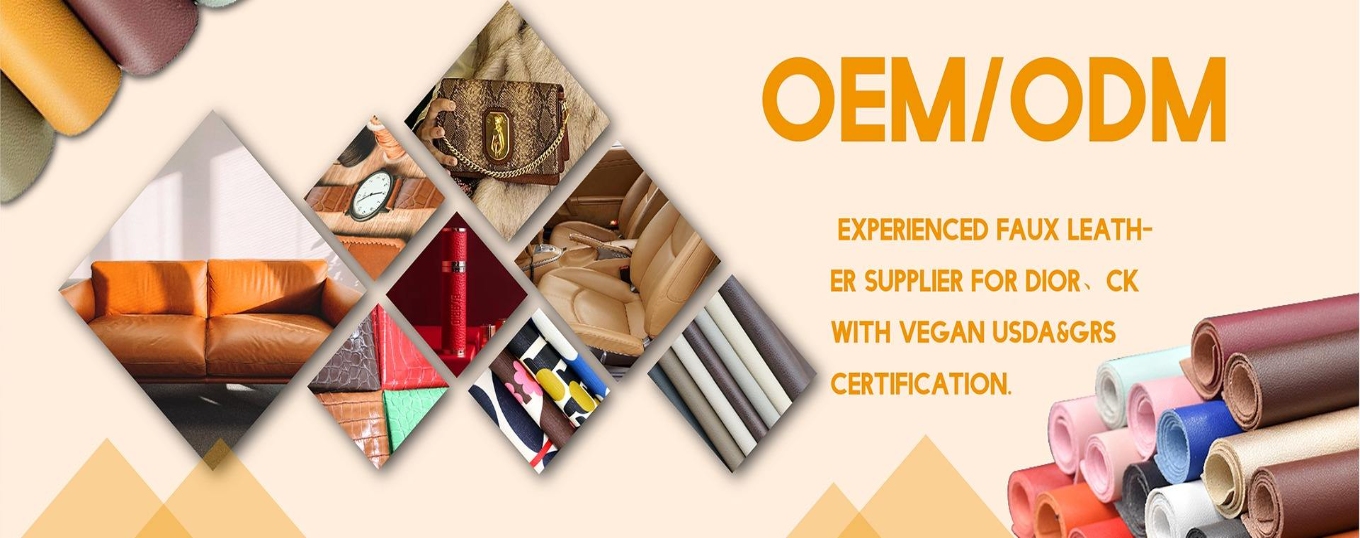
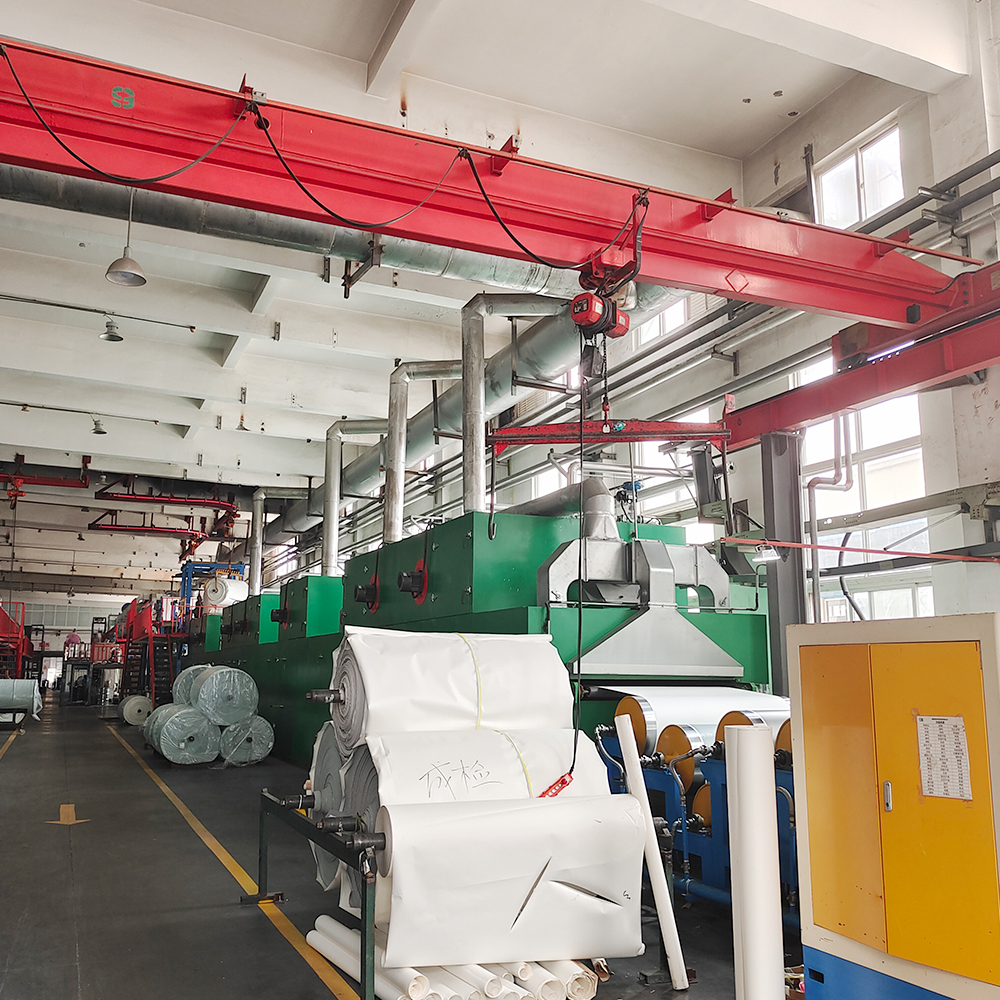
Established in 2007, Dongguan Cigno Leather Co., Ltd. is a professional manufacturer specializing in high-quality faux leather based in Dongguan, China. Operating from a factory area of 100,000 sqm, the company focuses on the development of eco-friendly and multifunctional synthetic leather materials, including PU, PVC, and water-based leathers. Our advanced R&D capabilities have yielded over 30 national invention patents and certifications such as GRS, USDA, and Oeko-Tex 100, serving global brands like DIOR, COACH, and Calvin Klein.

SUBSCRIBE
INQUIRY