
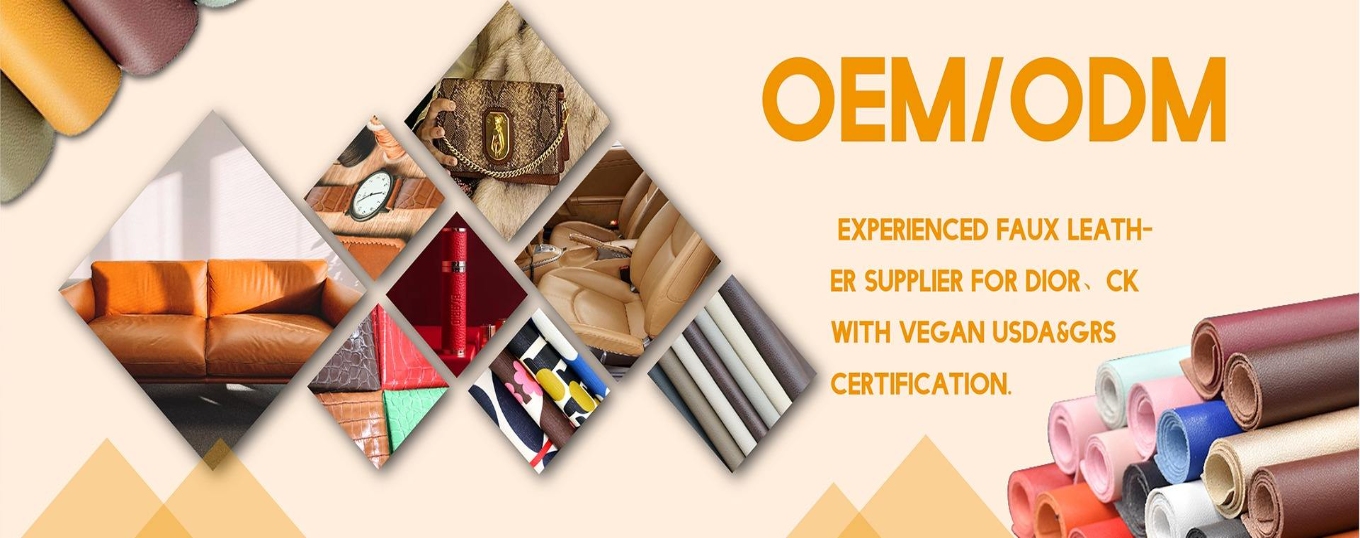
PRODUCTS
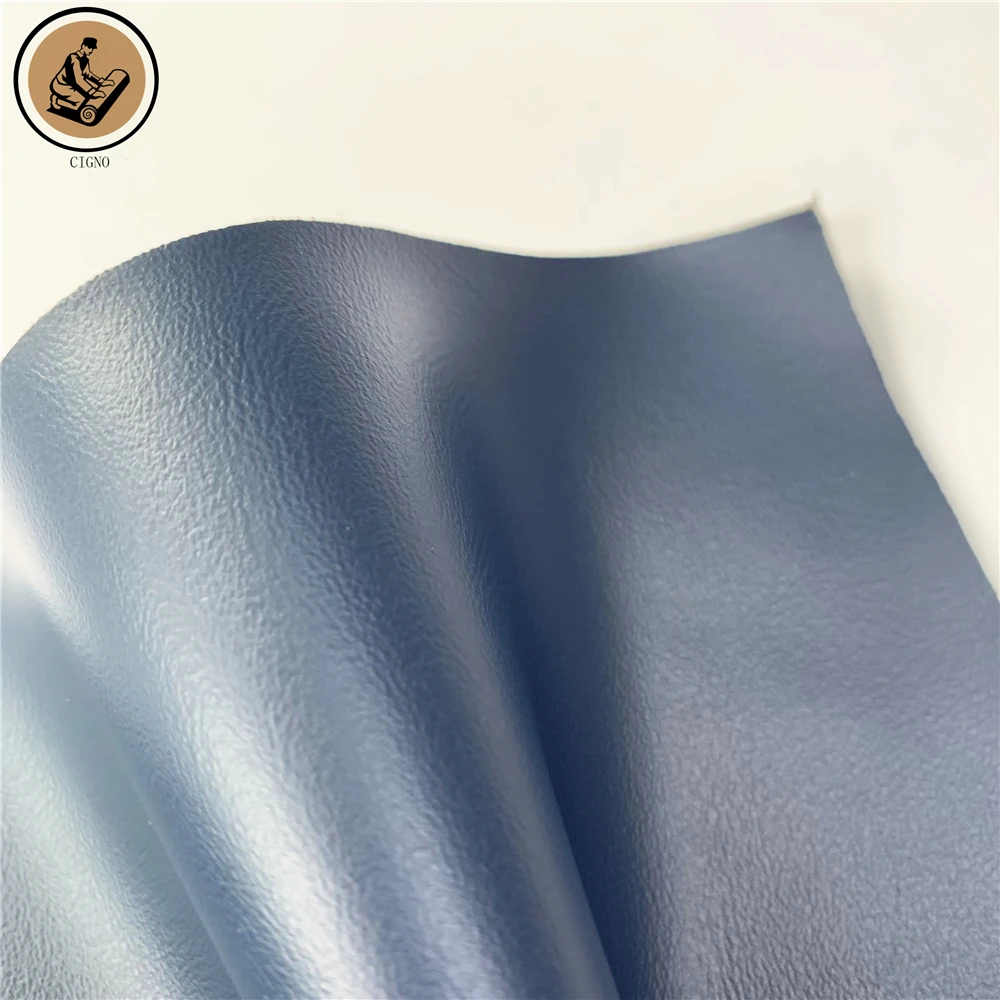
High Quality Eco-Friendly 1.2mm PU Synthetic Leather Furniture Upholstery Solvent-Free Skin-Feel for Sofa Car Seat Chair Bag Use
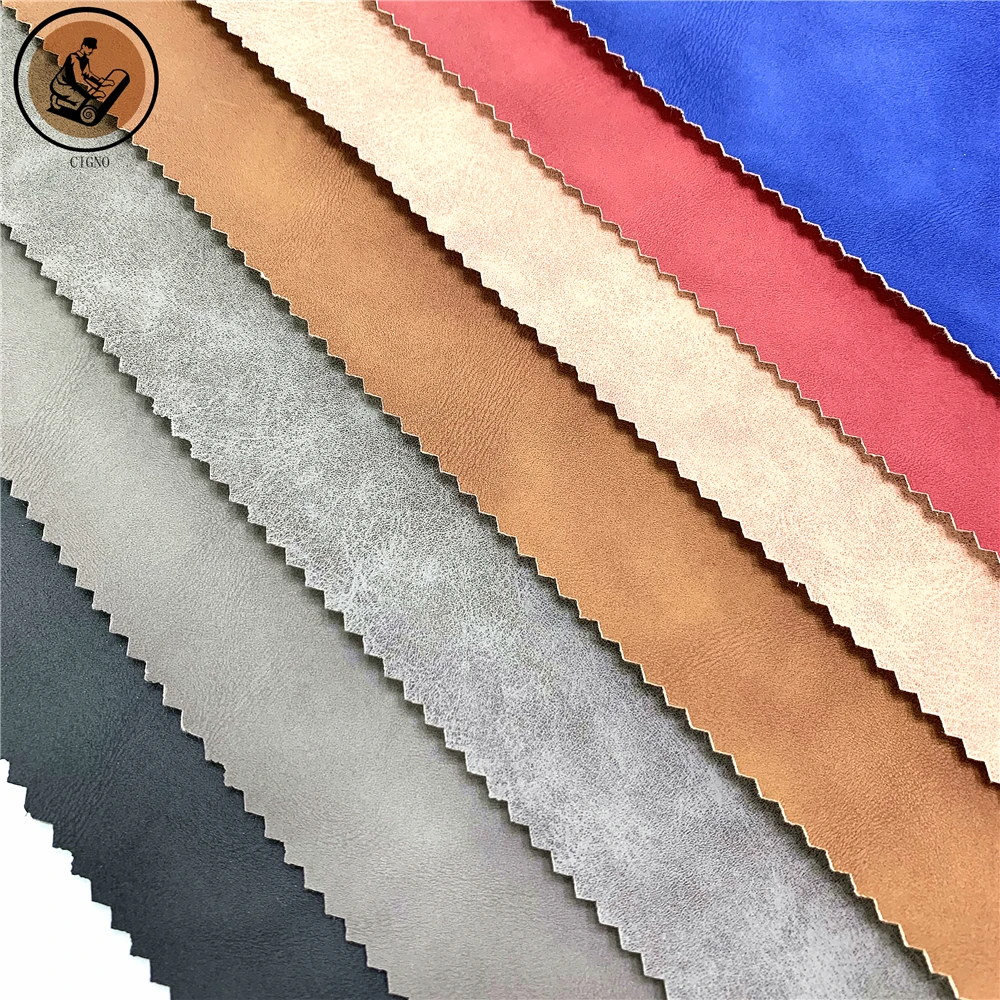
Free Samples of Embossed PU Synthetic Leather Bags Shoes Sofa Furniture Garments Car Decorative Uses-Waterproof Stretch Features
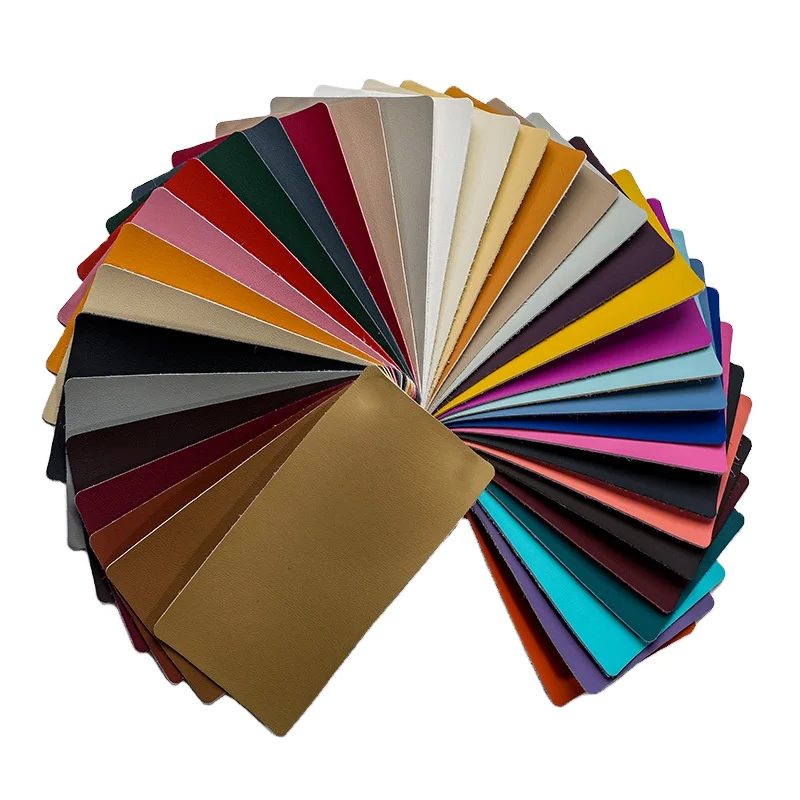
Pvc Vinyl Leather Rexine Leather Faux for Cars/Motorcycles, Waterproof Embossed Recycling Leatherette for Automotive Leather
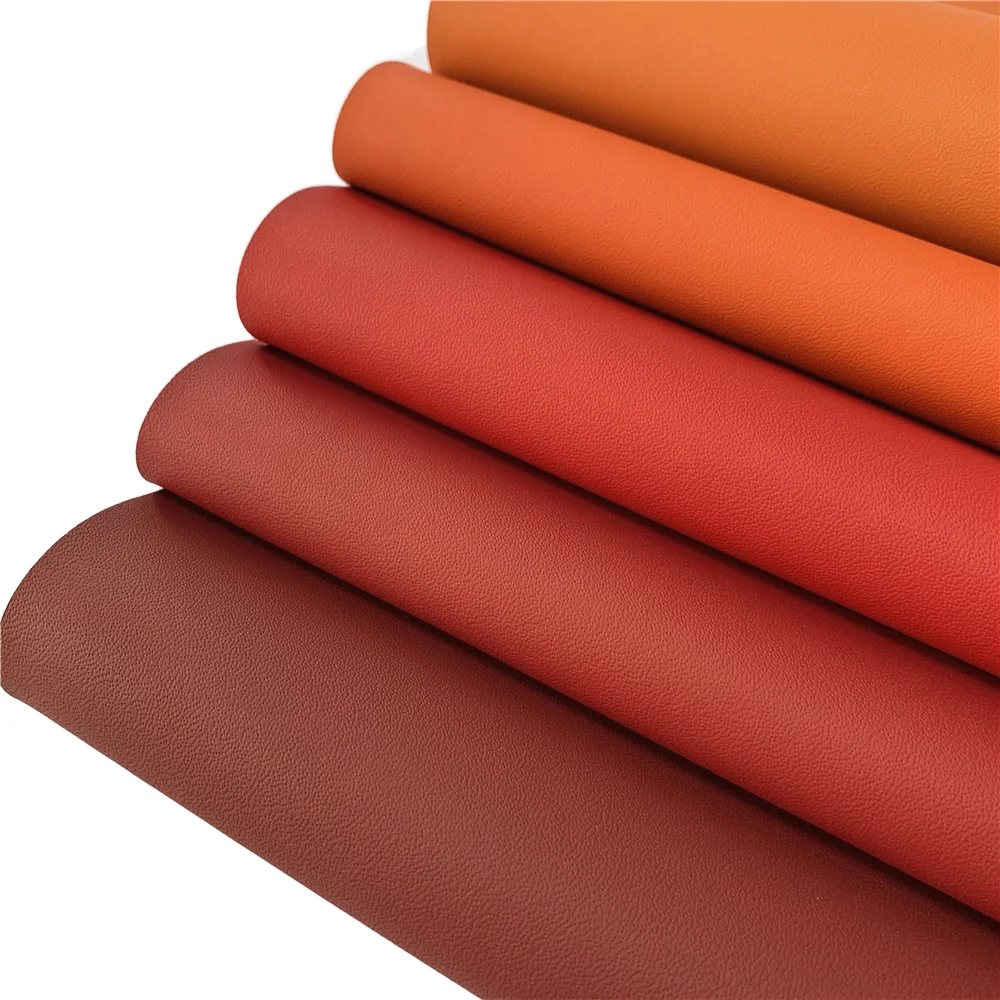
Hydrolysis Resistant Waterproof PU Microfiber Suede Leather Fabric Furniture Car Seat Covers Automotive Upholstery Bags Sofas
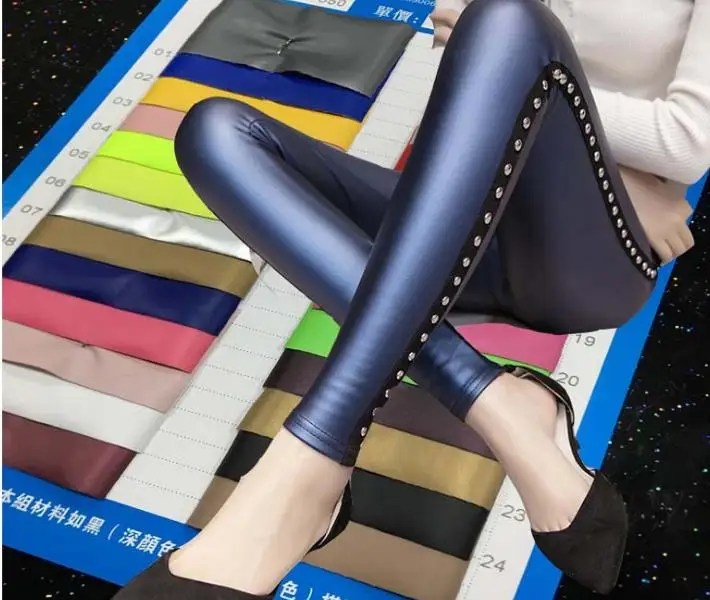
Ultra-Bright Black Mirror Four-Sided Stretch PU Fabric Pants Dresses Solid Color Soft Waterproof Clothing Elastic Finished
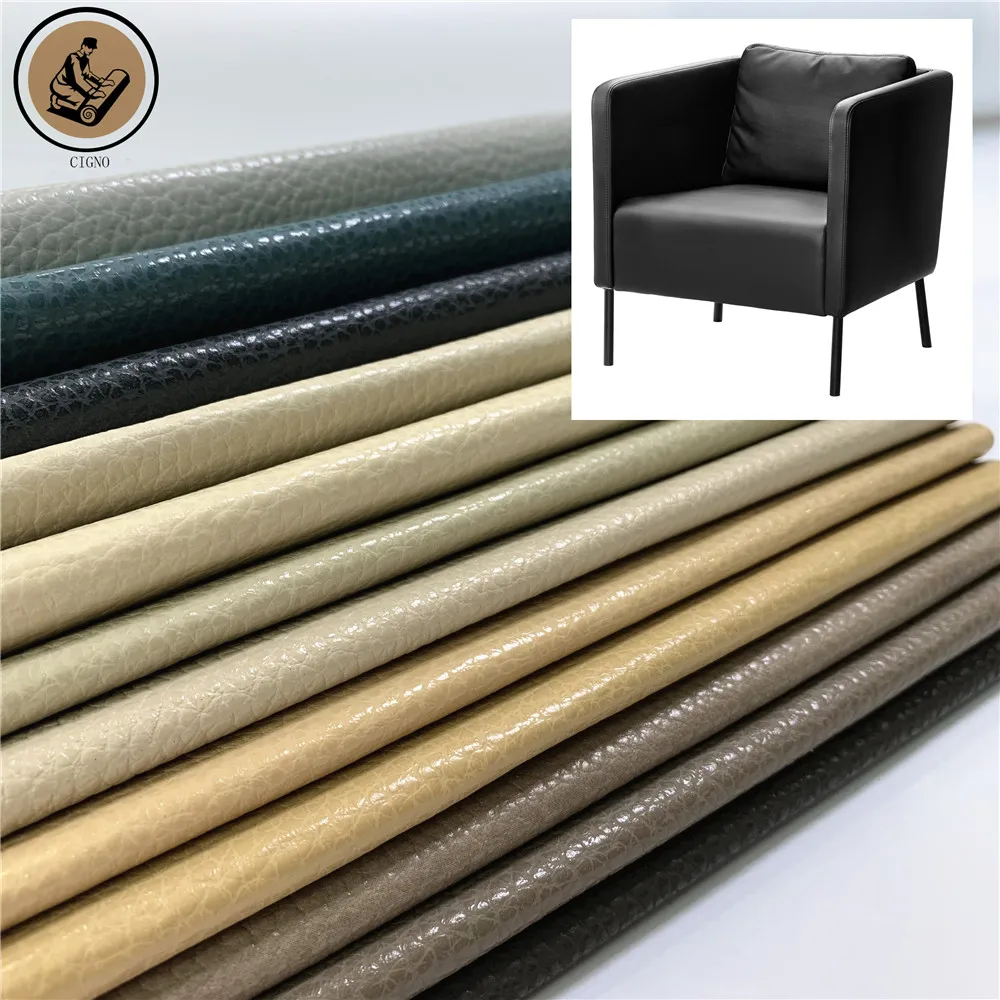
Litchi Lychee Grain 1.2mm PU Microfiber Leather Eco-Friendly Synthetic Leather Sofa Car Seat Handbags-Pearly-Lustre Recycled
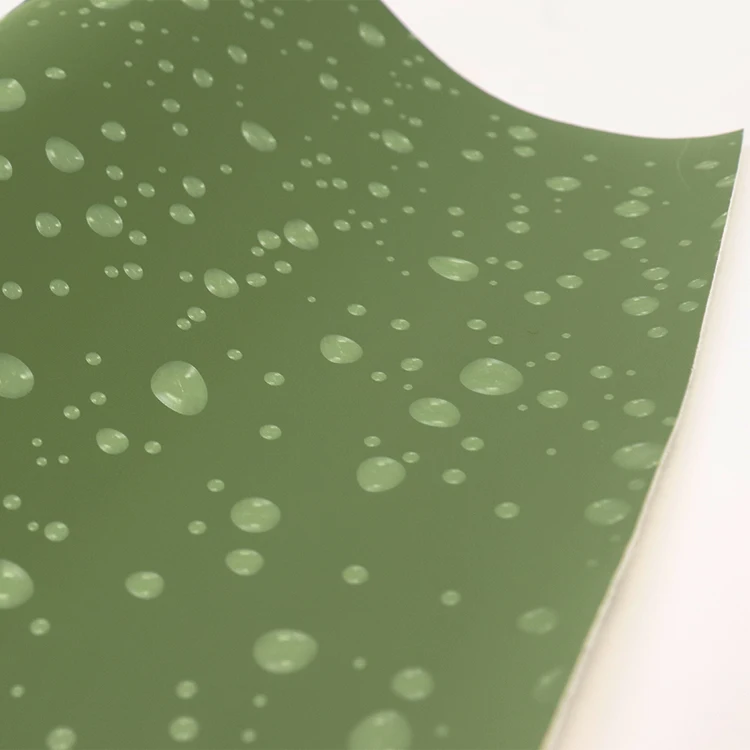
Custom Designer Faux Leather Fabric PVC Synthetic Leather Waterproof Sofa Bag Furniture Chair Woven Backing-Price Per Meter
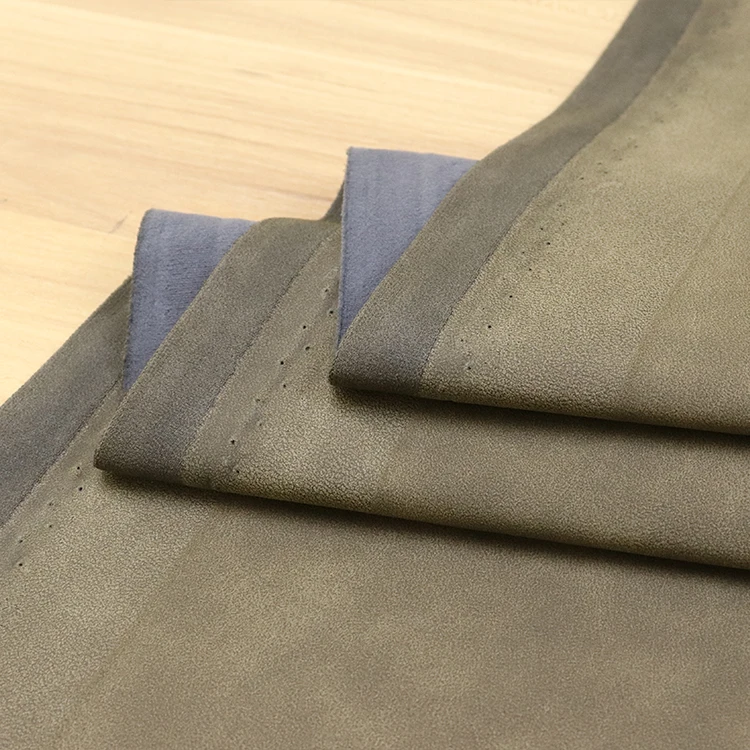
PU Suede Leather Nubuck Artificial Leather Materi for Shoe Make
What thickness of PVC leather is best for durable commercial car seats?
For durable commercial car seats, a PVC leather thickness of 1.0 mm to 1.4 mm is optimal. This thickness range provides the necessary tensile strength, puncture resistance, and durability required to withstand heavy daily wear while maintaining flexibility for upholstery wrapping around seat contours.
Core Solutions & Key Takeaways
- Thickness Range (0.8–1.4 mm): Customizing the thickness within the 0.8–1.4 mm range ensures the ideal balance between structural integrity and ease of stitching for different seating parts.
- High-Performance Features: Commercial-grade PVC synthetic leather features high abrasion resistance, scratch resistance, UV resistance, and flame retardancy to meet automotive safety standards.
- Flexible Backing Options: Utilizing knitted fabric, non-woven fabric, or customized backing material enhances the overall peeling strength and tearing resistance of the seat cover.
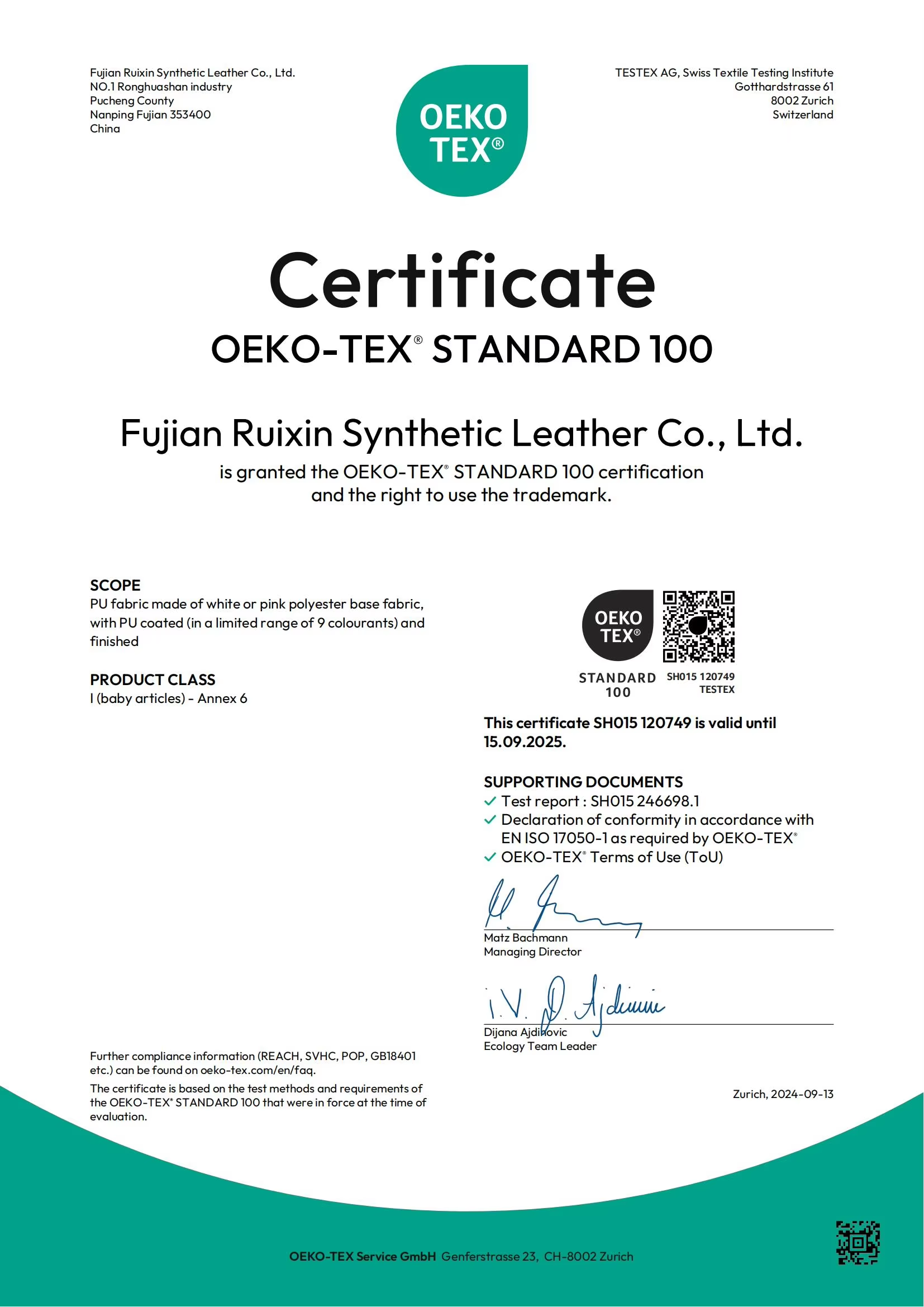
- Verified Certifications: Sourcing synthetic leather that meets international standards like GRS, USDA, and Oeko-Tex 100 guarantees chemical safety and environmental compliance.
Detailed Architectural/Principle Analysis
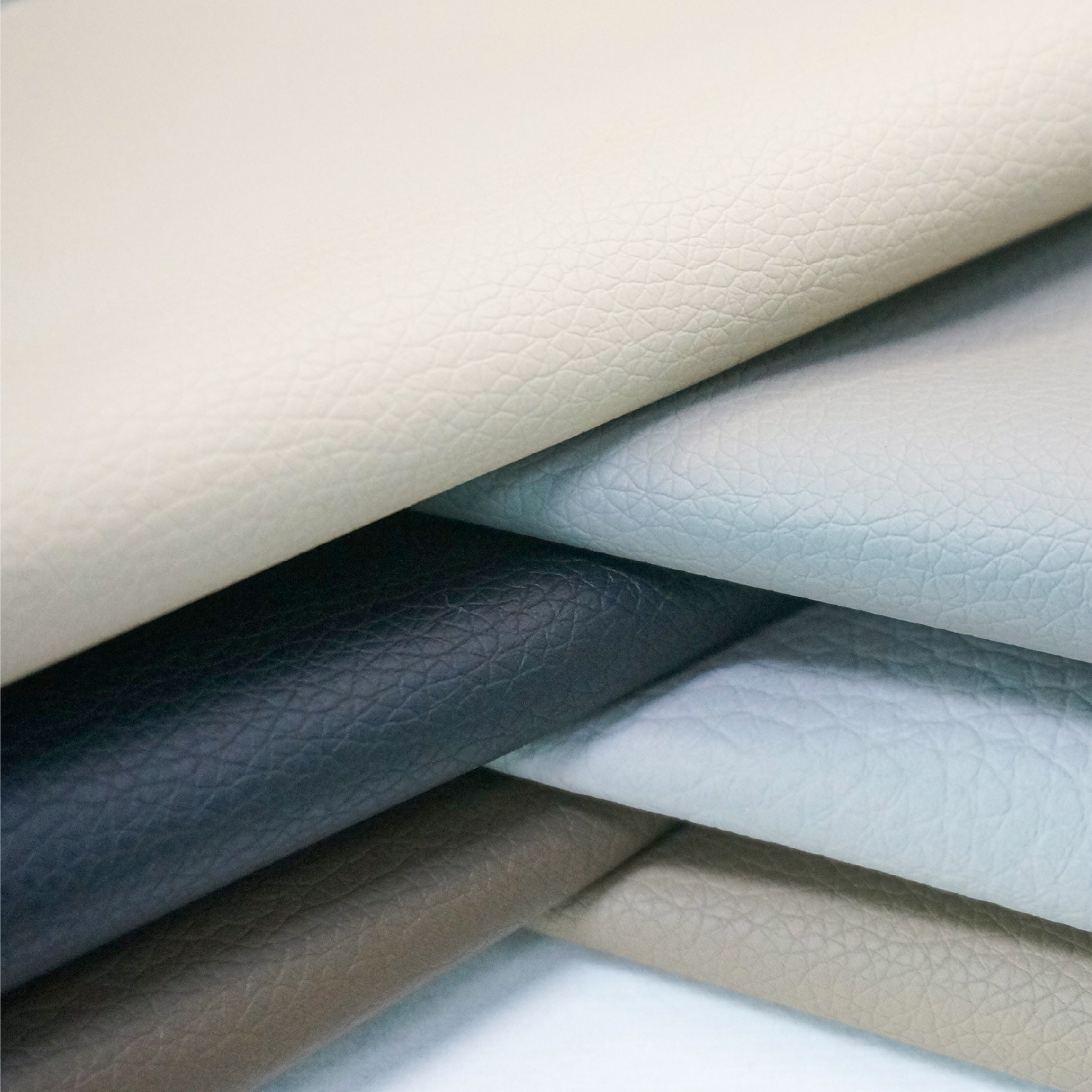
The thickness of PVC synthetic leather directly influences its physical performance. For commercial automotive interiors, materials ranging from 0.8 mm to 1.4 mm thick prevent premature cracking and structural deformation. Thicker variants (1.2–1.4 mm) are applied to high-contact areas like seat cushions and armrests, whereas thinner options (0.8–1.0 mm) offer the flexibility required for door panels and headrests.
High-quality automotive PVC leather must pass strict verification processes, including testing for abrasion resistance, tensile strength, and low odor performance. Manufacturing under ISO 9001 and securing international credentials such as GRS (Certificate B04213-G4), USDA, and Oeko-Tex 100 (Certificate SH015 120749) ensures the material meets chemical safety and sustainability standards.
In a recent project, an automotive interior manufacturer in Mexico procured 50,000 meters of customized synthetic leather for automotive seats, door panels, headrests, and armrests. The material was tailored in color, grain, thickness, and backing, successfully meeting strict specifications for abrasion resistance, UV resistance, flame retardancy, low odor, and easy-clean performance.
Data/Solution Comparison
| Thickness Specification | Recommended Applications | Core Features | Minimum Order Quantity (MOQ) | Typical Delivery Lead Time |
|---|---|---|---|---|
| 0.8 mm – 1.0 mm | Door panels, headrests, and light-wear trim components | High flexibility, easy wrapping, matte or semi-gloss finish | 100 meters | 15 to 30 days |
| 1.0 mm – 1.2 mm | Standard commercial car seats and side bolsters | Balanced tensile strength, lychee or nappa grain, low odor | 100 meters | 15 to 30 days |
| 1.2 mm – 1.4 mm | Heavy-duty commercial seats, armrests, and high-wear cushions | Maximum abrasion resistance, flame retardancy, customized embossed pattern | 100 meters | 15 to 30 days |
Frequently Asked Questions (FAQ)
What surface grains and finishes are available for automotive PVC leather?
PVC synthetic leather is available in various embossed patterns, including nappa, lychee, perforated, and geometric grains. Surface finishes can be customized to matte, semi-gloss, or other tailored appearances.
How is the quality of commercial car seat leather verified before shipping?
Quality control includes raw material inspection, color and grain confirmation, in-process control, laboratory performance testing (checking thickness, width, color consistency, abrasion resistance, tensile strength, peeling strength, UV resistance, flame retardancy, and odor performance), and final pre-shipment inspection.
What payment methods are supported for bulk international orders?
We accept T/T bank transfer, irrevocable L/C at sight, and Alibaba Trade Assurance. Regular bulk orders require a 30% deposit with the remaining 70% balance payable before shipment.
Final Conclusion & Recommendations
Selecting the correct PVC leather thickness ensures long-term durability and cost efficiency for commercial seating applications. Utilizing a thickness of 1.0 mm to 1.4 mm, combined with robust backing materials, guarantees optimal performance under high-traffic conditions. For detailed technical solutions or support, please reach out to us via vicky@bozeleather.com.
About Us
Established in 2007, Dongguan Cigno Leather Co., Ltd. operates a factory area of 100,000 sqm and employs 50 staff members. We focus on the R&D and manufacturing of eco-friendly and multifunctional synthetic leather materials, achieving a monthly production capacity of approximately 6 million meters. The company holds internationally recognized certifications including USDA, GRS, and Oeko-Tex 100, and has served clients across multiple industries globally.

SUBSCRIBE
INQUIRY