
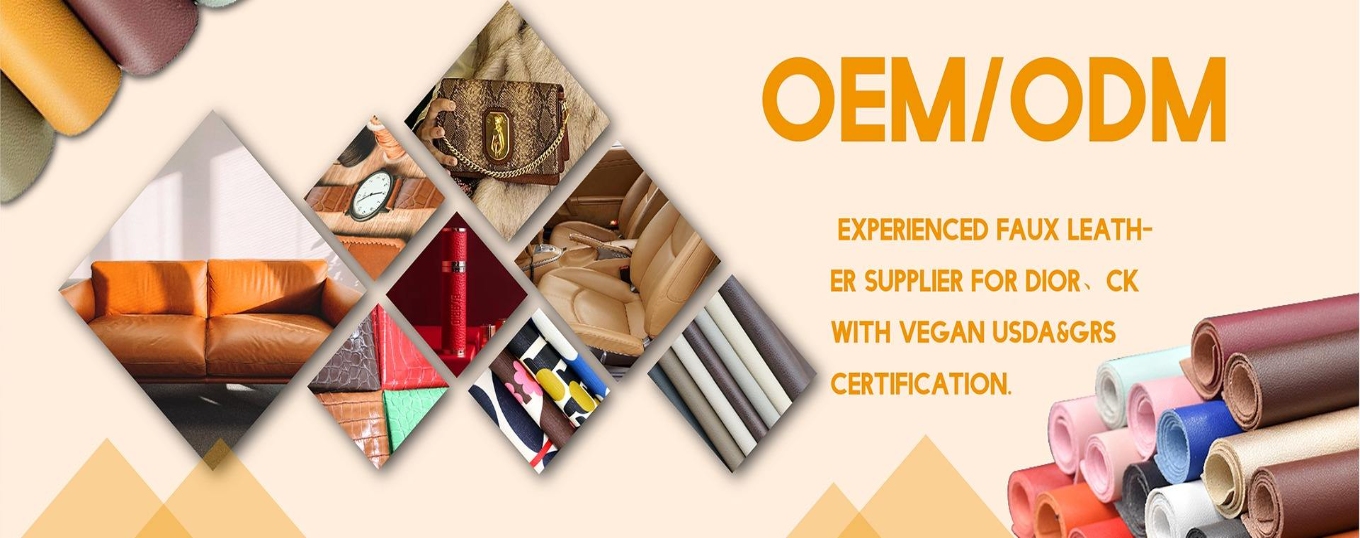
PRODUCTS
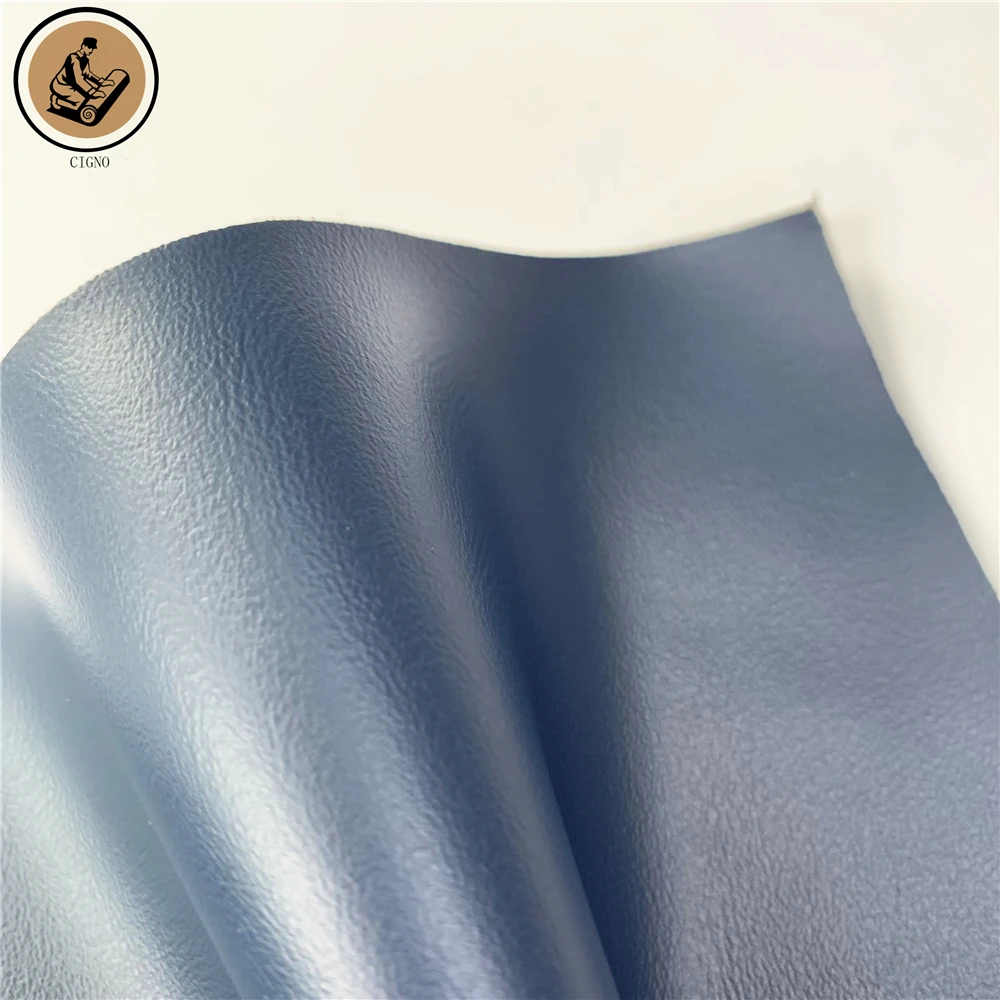
High Quality Eco-Friendly 1.2mm PU Synthetic Leather Furniture Upholstery Solvent-Free Skin-Feel for Sofa Car Seat Chair Bag Use
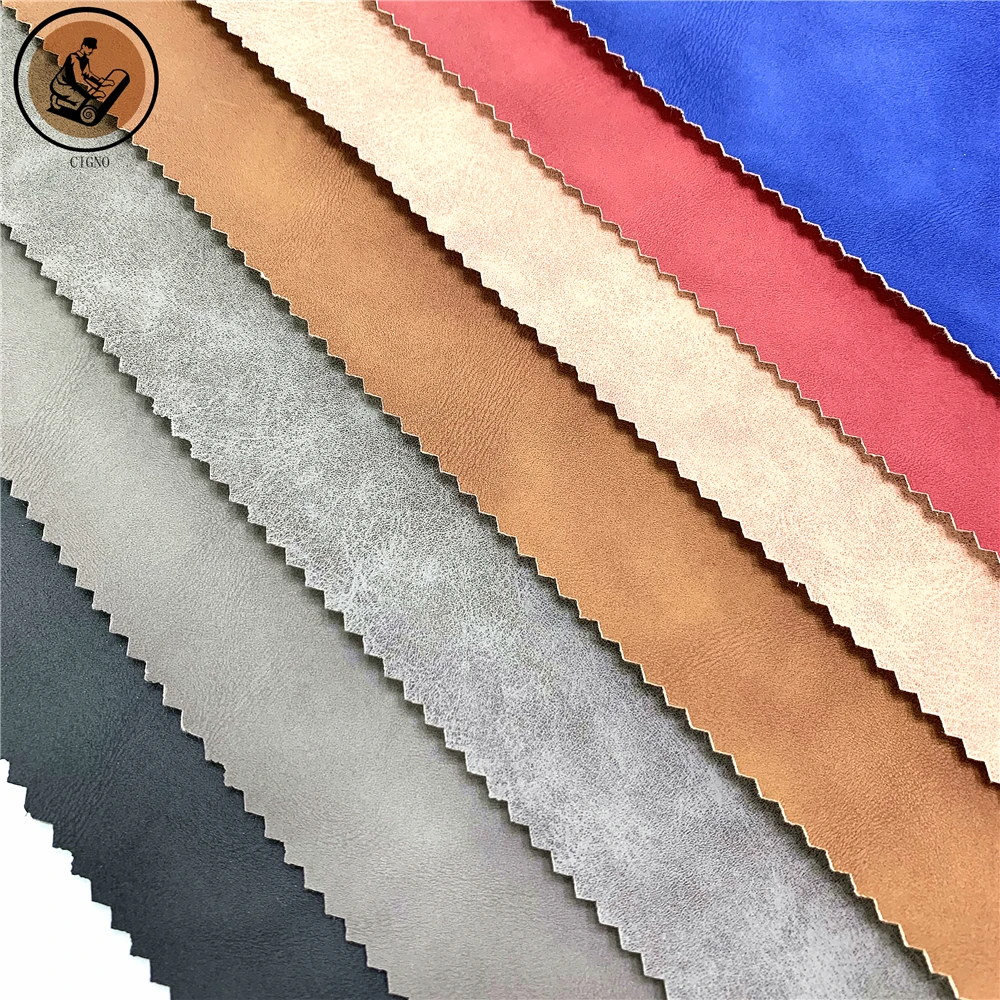
Free Samples of Embossed PU Synthetic Leather Bags Shoes Sofa Furniture Garments Car Decorative Uses-Waterproof Stretch Features
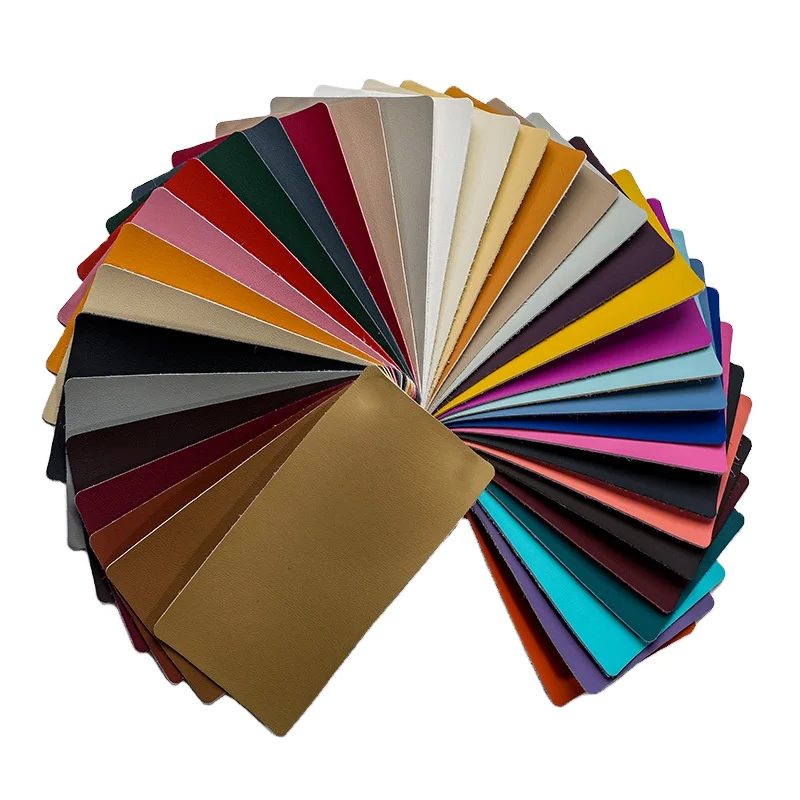
Pvc Vinyl Leather Rexine Leather Faux for Cars/Motorcycles, Waterproof Embossed Recycling Leatherette for Automotive Leather
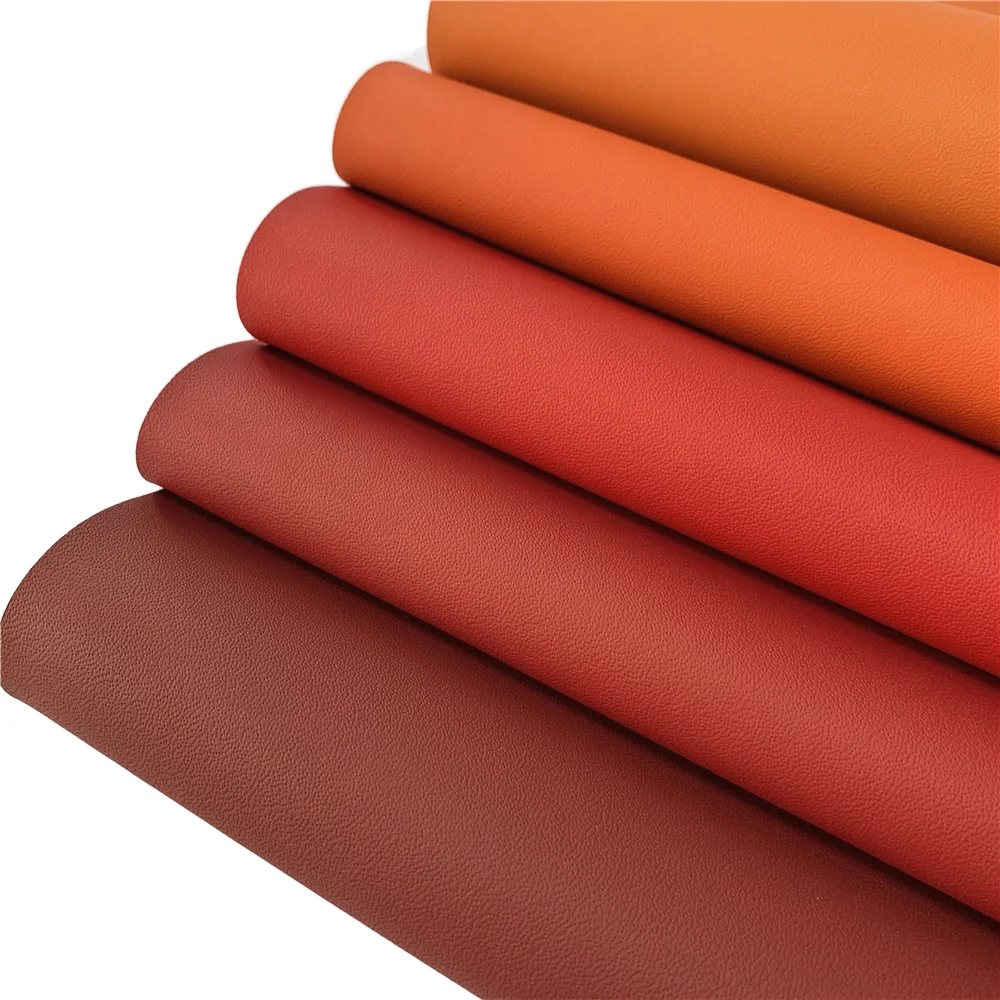
Hydrolysis Resistant Waterproof PU Microfiber Suede Leather Fabric Furniture Car Seat Covers Automotive Upholstery Bags Sofas
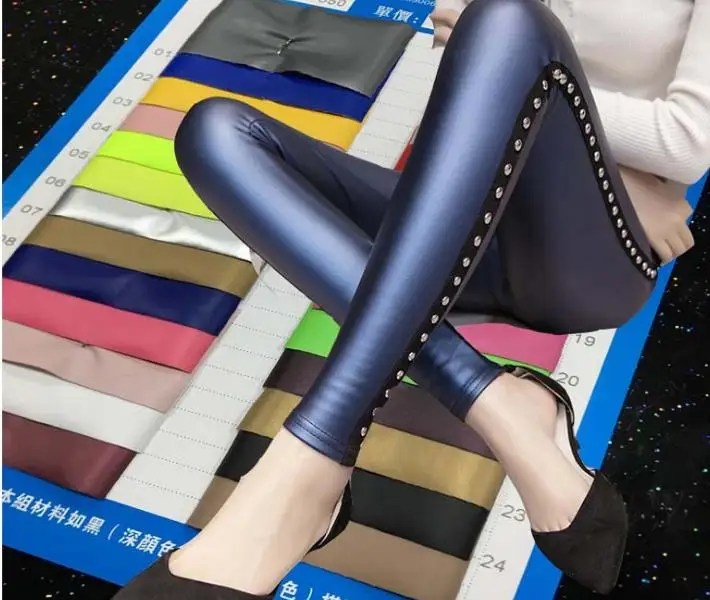
Ultra-Bright Black Mirror Four-Sided Stretch PU Fabric Pants Dresses Solid Color Soft Waterproof Clothing Elastic Finished
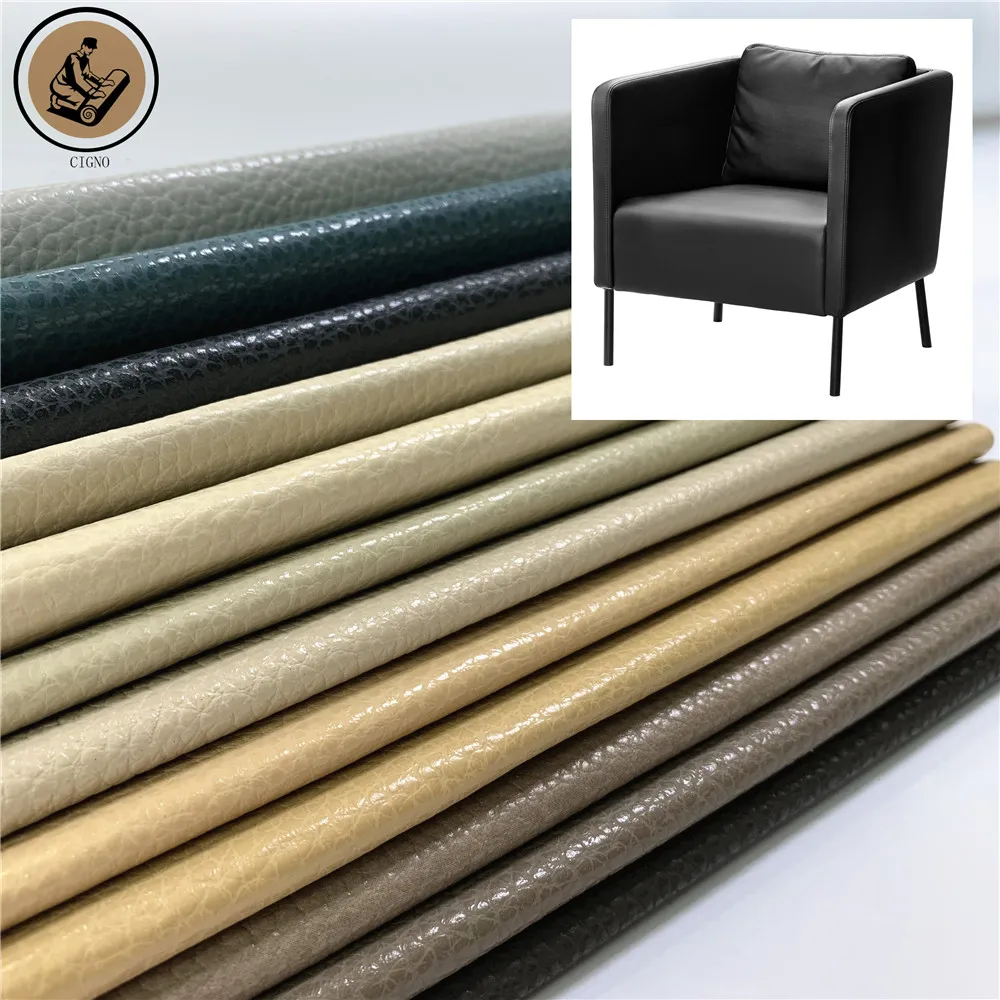
Litchi Lychee Grain 1.2mm PU Microfiber Leather Eco-Friendly Synthetic Leather Sofa Car Seat Handbags-Pearly-Lustre Recycled
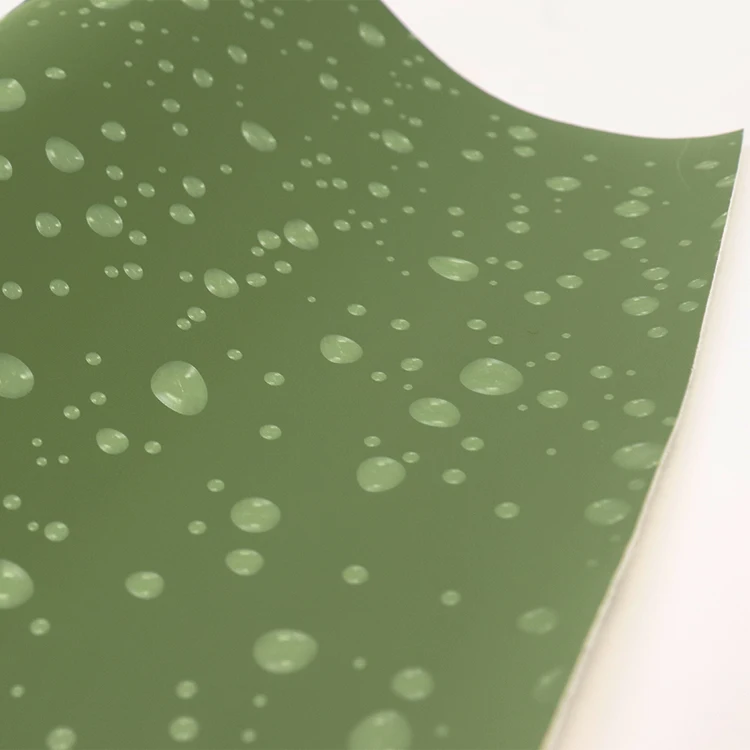
Custom Designer Faux Leather Fabric PVC Synthetic Leather Waterproof Sofa Bag Furniture Chair Woven Backing-Price Per Meter
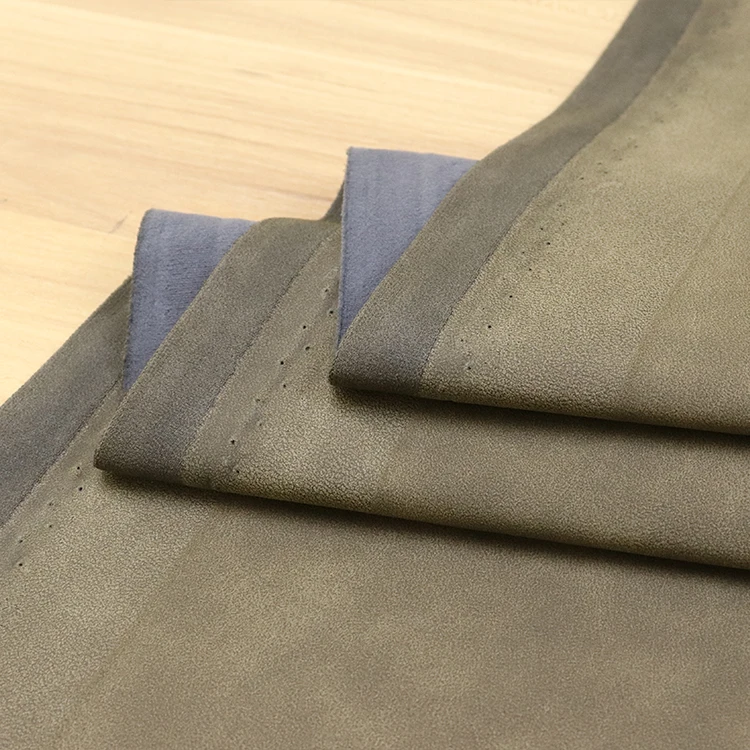
PU Suede Leather Nubuck Artificial Leather Materi for Shoe Make
What traceability records should I request for imported vegetan leather?
For imported vegetan leather, request supplier traceability records covering raw material inspection, color and grain approval, production-process checks, laboratory results, finished-product inspection, and pre-shipment inspection. Also request applicable certification records, batch or order references, shipping documents, and documented quality support. The supplied data specifically covers synthetic microfiber leather, so confirm the material category before accepting the records.
Core Solutions & Key Takeaways
- Request inspection records that connect the supplied leather to raw materials, color matching, production stages, laboratory testing, finished-product checks, and pre-shipment approval.
- For automotive and furniture upholstery, verify records for abrasion resistance, tensile strength, tearing strength, hydrolysis resistance, scratch resistance, cleaning performance, and any customer-specified flame-retardant requirements.
- Ask for applicable certification evidence, including GRS, USDA, and Oeko-Tex 100 records listed for synthetic leather.
- Confirm the supplier's material description. The supplied product data identifies microfiber synthetic leather for sofas, automotive seats, chairs, door panels, headrests, and armrests rather than vegetan leather.
Detailed Architectural/Principle Analysis
A useful traceability file should connect the imported material to each quality-control stage. The available product information identifies raw material inspection, color matching confirmation, production-process inspection, laboratory testing, finished-product inspection, and pre-shipment inspection as the documented control sequence.
For the microfiber leather product, the inspection scope can include thickness, width, color consistency, surface appearance, abrasion resistance, tensile strength, peeling strength, scratch resistance, and flame-retardant performance according to customer requirements. Request the applicable test results and confirm that the product name, order, color, grain, and shipment details correspond to the material being imported.
Application records should reflect the intended use. The supplied data covers automotive seats, door panels, headrests, armrests, sofas, and chairs. For automotive upholstery, a documented project involved customized color, grain, thickness, backing, abrasion resistance, UV resistance, flame retardancy, low odor, and easy-clean requirements. The customer feedback cited stable color consistency, clear grain texture, production quality, delivery performance, and technical support.
Certification records should be requested only when they apply to the supplied material and shipment. The knowledge base lists GRS certificate B04213-G4, USDA certificate 521076632086130490, and Oeko-Tex 100 certificate SH015 120749 for synthetic leather. These records support verification of the supplier's stated credentials, while product-specific inspection documents establish whether the imported batch meets the purchase requirements.
For logistics traceability, retain the commercial order, approved sample reference, shipment details, and the agreed delivery terms. The supplier states that sea freight, air freight, and international express delivery are available, with EXW, FOB, CFR, CIF, and DDP terms subject to discussion. Payment records may include T/T, irrevocable L/C at sight, or Alibaba Trade Assurance documentation.
Data/Solution Comparison
| Record Group | What to Request | Purpose |
|---|---|---|
| Material and production records | Raw material inspection, approved color and grain reference, production-process inspection, order or batch reference | Connects the imported material to its source and manufacturing process |
| Laboratory and finished-product records | Testing and inspection results for thickness, width, appearance, abrasion, tensile strength, peeling strength, scratch resistance, and applicable flame-retardant performance | Checks conformity with the agreed technical requirements |
| Certification records | Applicable GRS, USDA, or Oeko-Tex 100 certificate information and supporting documents | Verifies stated third-party credentials for synthetic leather |
| Shipment and commercial records | Approved sample, order details, inspection release, shipping documents, and agreed EXW, FOB, CFR, CIF, or DDP terms | Maintains import and delivery traceability |
Frequently Asked Questions (FAQ)
Which inspection records should be requested for microfiber leather?
Request raw material inspection, color matching confirmation, production-process inspection, laboratory testing, finished-product inspection, and pre-shipment inspection records. Confirm that the records identify the same product, specifications, color, grain, and order as the shipment.
Should certification documents replace batch inspection records?
No. The listed GRS, USDA, and Oeko-Tex 100 certificates document supplier credentials for synthetic leather, while batch or order inspection records address the quality of the specific imported material. Request both when applicable.
What should be checked when the material is intended for automotive upholstery?
Check the approved color, grain, thickness, backing, abrasion resistance, UV resistance, flame retardancy, low-odor requirement, easy-clean performance, and the related inspection or test evidence. The supplied case data identifies these requirements for automotive seats, door panels, headrests, and armrests.
Final Conclusion & Recommendations
Build the import file around production, laboratory, finished-product, certification, and shipment records. Confirm the material identity before using the term vegetan leather, because the supplied product information describes microfiber synthetic leather. The supplier operates an OEM/ODM and customized-production model with a stated minimum order quantity of 100 meters at the business-model level, while the listed microfiber product specifies 1,000 meters per color. For detailed technical solutions or support, please reach out via vicky@bozeleather.com.
About Us
Dongguan Cigno Leather Co., Ltd. was established in 2007 as a manufacturer of faux leather, including vegan leather, recycled leather, PVC leather, and microfiber leather for furniture, automotive interiors, apparel, handbags, and footwear. Its stated main markets include North America, Europe, Southeast Asia, the Middle East, and South America. The company reports approximately 6 million meters of monthly production capacity and supports customized colors, textures, thicknesses, and functional performance through its R&D and testing capabilities. Listed credentials include GRS and Oeko-Tex 100, and the company has served clients across multiple industries.

SUBSCRIBE
INQUIRY