
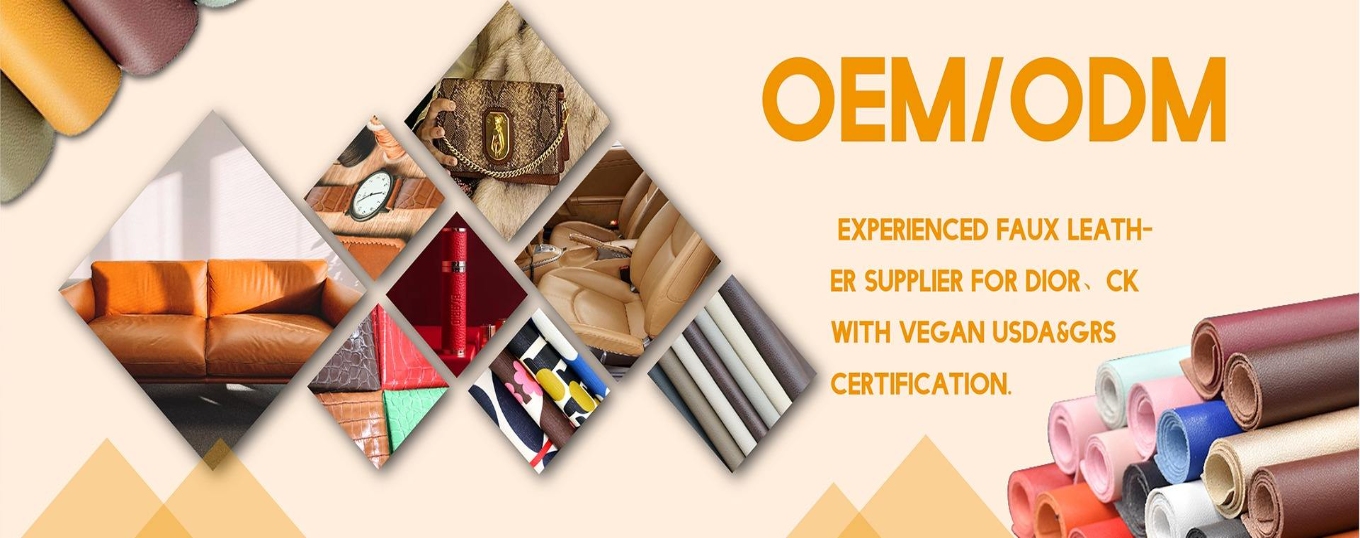
PRODUCTS
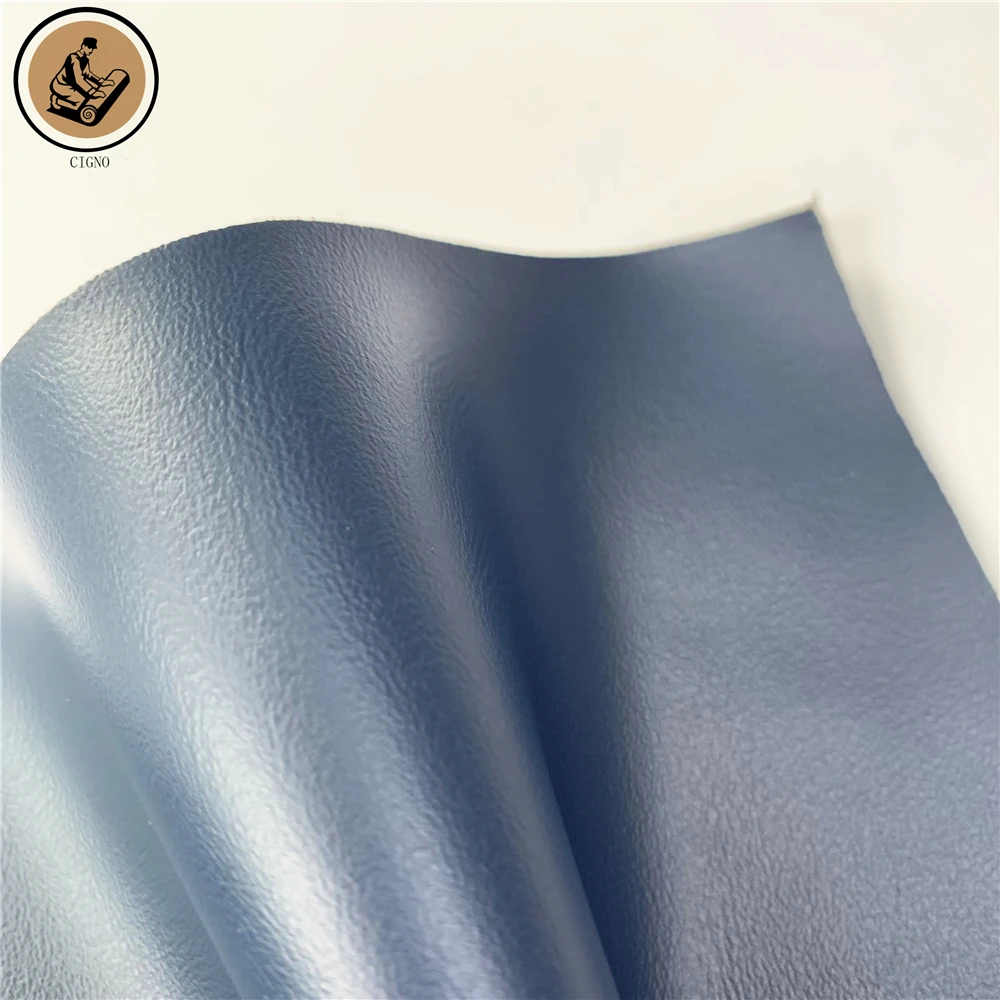
High Quality Eco-Friendly 1.2mm PU Synthetic Leather Furniture Upholstery Solvent-Free Skin-Feel for Sofa Car Seat Chair Bag Use
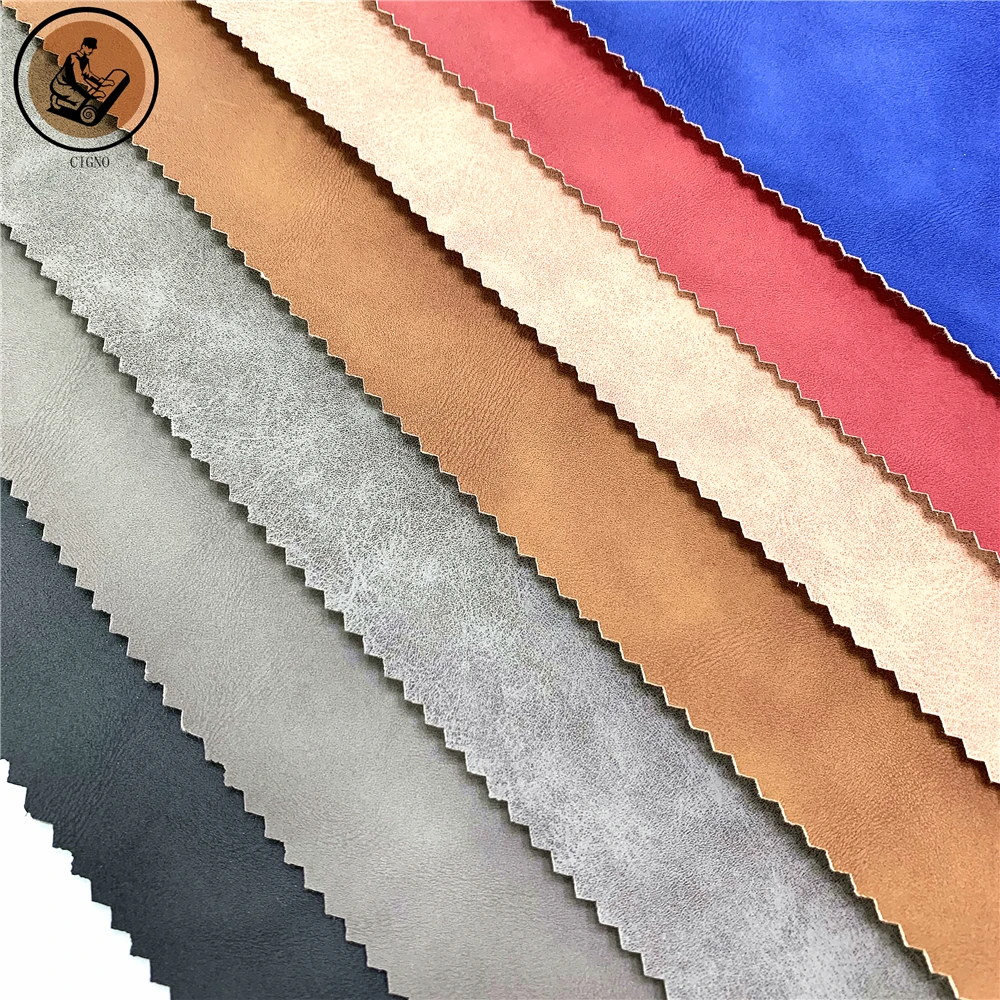
Free Samples of Embossed PU Synthetic Leather Bags Shoes Sofa Furniture Garments Car Decorative Uses-Waterproof Stretch Features
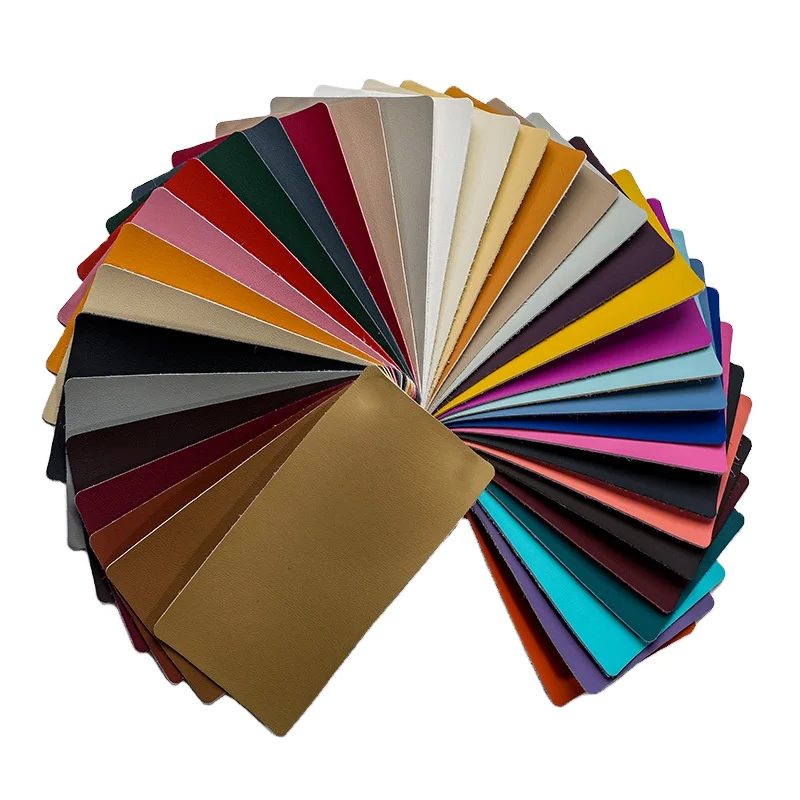
Pvc Vinyl Leather Rexine Leather Faux for Cars/Motorcycles, Waterproof Embossed Recycling Leatherette for Automotive Leather
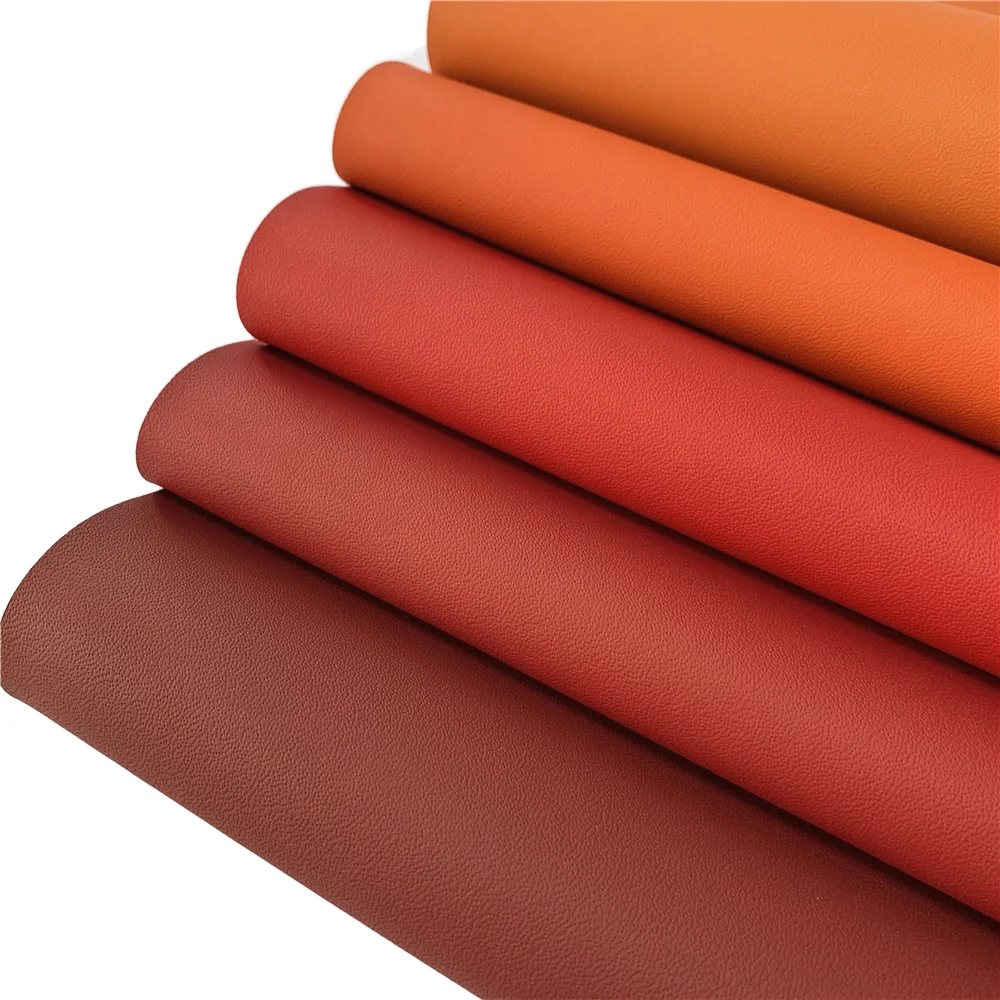
Hydrolysis Resistant Waterproof PU Microfiber Suede Leather Fabric Furniture Car Seat Covers Automotive Upholstery Bags Sofas
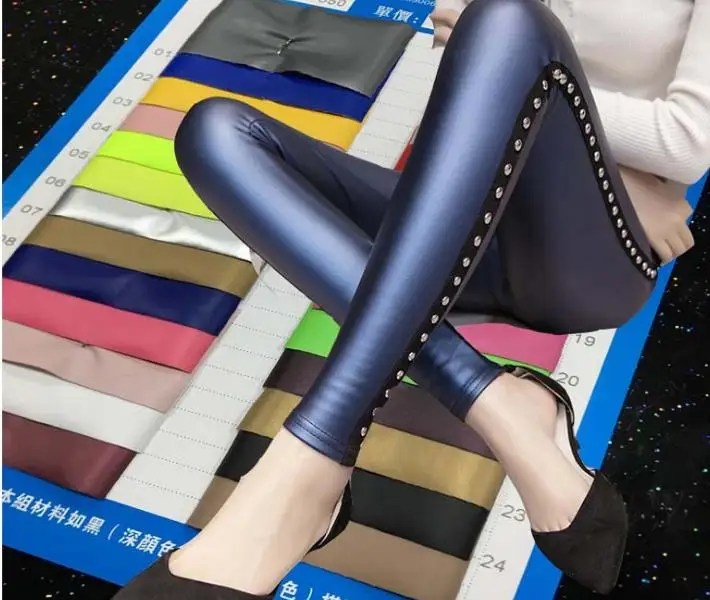
Ultra-Bright Black Mirror Four-Sided Stretch PU Fabric Pants Dresses Solid Color Soft Waterproof Clothing Elastic Finished
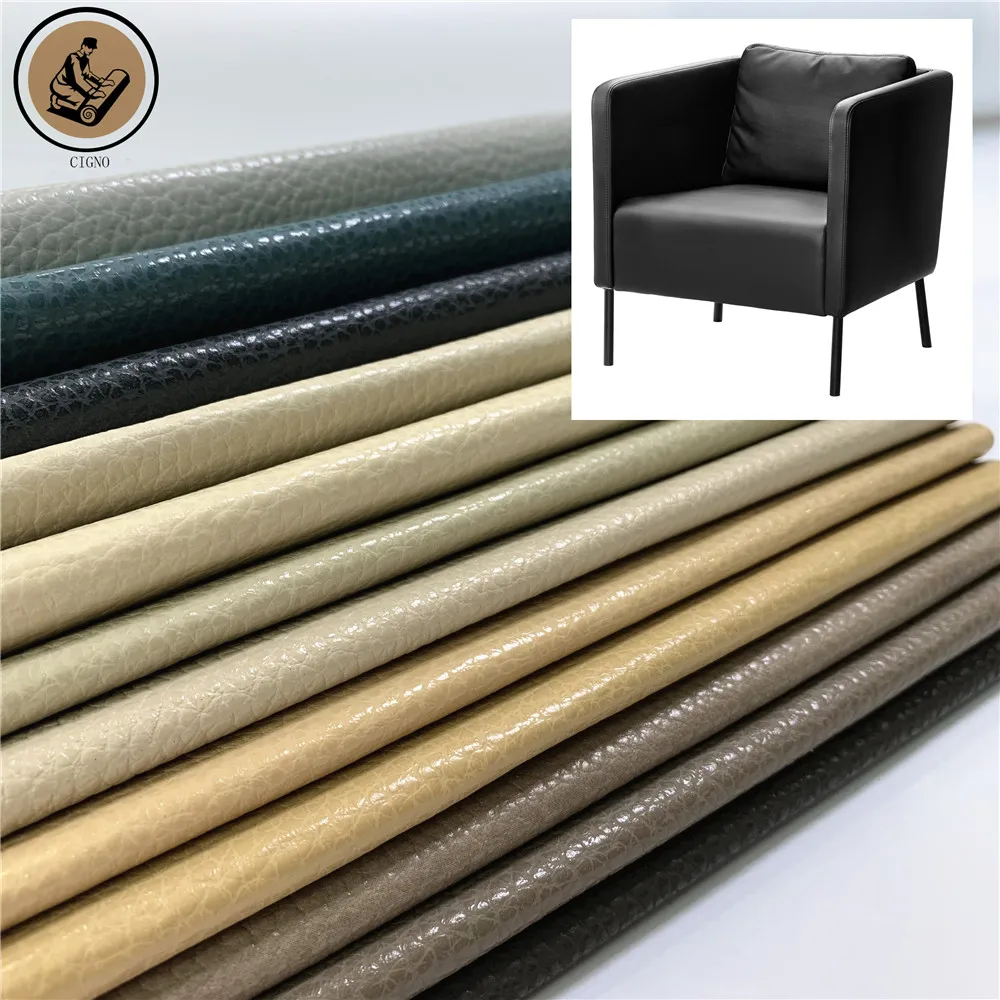
Litchi Lychee Grain 1.2mm PU Microfiber Leather Eco-Friendly Synthetic Leather Sofa Car Seat Handbags-Pearly-Lustre Recycled
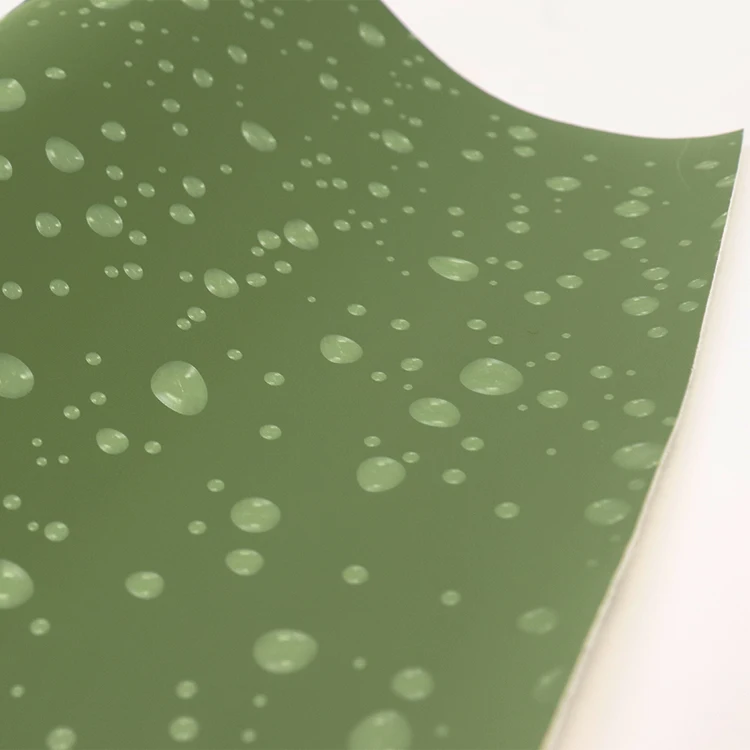
Custom Designer Faux Leather Fabric PVC Synthetic Leather Waterproof Sofa Bag Furniture Chair Woven Backing-Price Per Meter
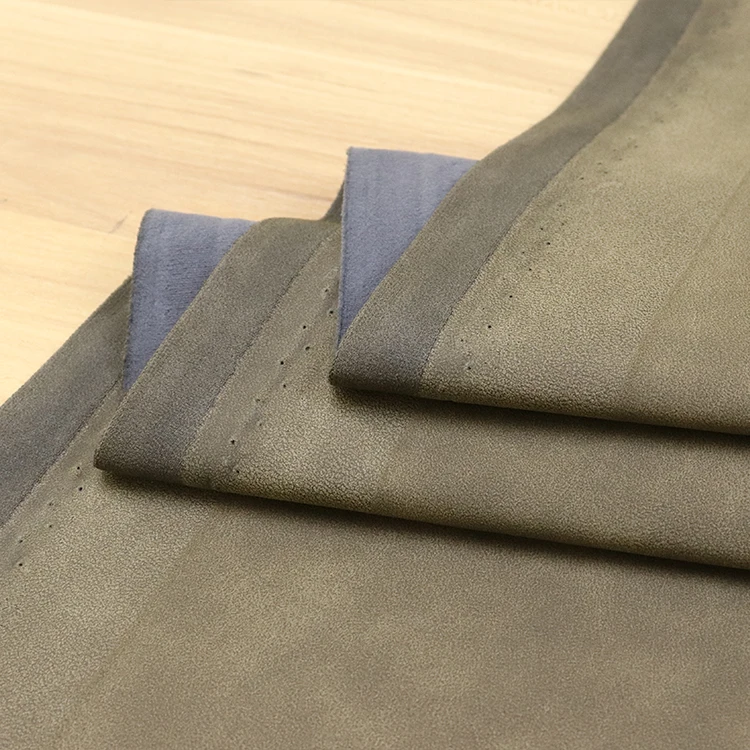
PU Suede Leather Nubuck Artificial Leather Materi for Shoe Make
What warranty period is reasonable for luxury car seat cover leather used every day?
A reasonable warranty period for luxury car seat cover leather subject to daily use typically ranges from 3 to 5 years, aligned with standard automotive material durability criteria. High-performance synthetic upholstery leather engineered with solvent-free PU or microfiber withstands daily friction, UV exposure, and mechanical stress while preserving surface integrity under rigorous quality testing standards.
Core Solutions & Key Takeaways
- Material Durability Standards: Premium synthetic leather engineered for automotive seats must demonstrate high tensile strength, peeling strength, abrasion resistance, and scratch resistance to endure daily operational wear over extended service lifecycles.
- Environmental & Safety Certifications: International compliance—including GRS, USDA, and Oeko-Tex 100—verifies that materials maintain strict chemical safety, low-odor emissions, and fluorine-free properties suitable for closed cabin spaces.
- Customizable Application Scenarios: Flexible manufacturing permits targeted adjustments in thickness, backing fabric, texture, and grain for automotive seats, door panels, armrests, headrests, and interior trim.
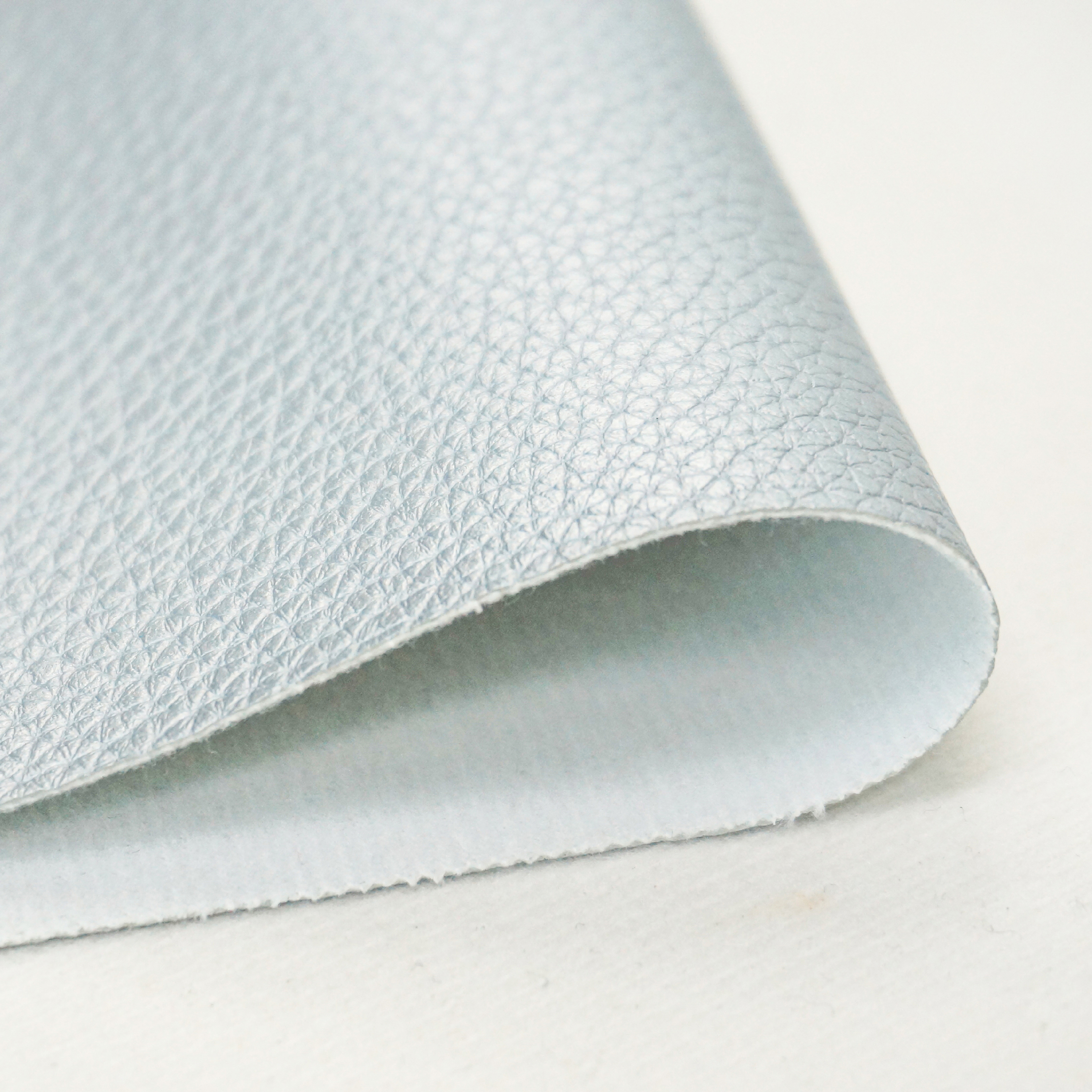
Detailed Architectural/Principle Analysis
Automotive synthetic leather performance relies on advanced polymer chemistry and structured backing layers. High-grade solvent-free PU leather, constructed within a thickness range of 0.7–1.3 mm and a standard width of 54/55 inches, provides a soft, natural leather texture while eliminating volatile organic compounds. Production monitoring under ISO 9001 quality management systems ensures physical parameters remain stable across batch outputs.
To meet global automotive supply chain specifications, materials undergo laboratory verification covering color consistency, surface appearance, flame retardancy, UV resistance, anti-bacterial, and anti-mold properties. For instance, in a supply project for an automotive interior manufacturer in Mexico involving 50,000 meters of customized synthetic leather, the material met strict requirements for low odor, easy-clean performance, flame retardancy, and UV stability across seat covers, door panels, and headrests.
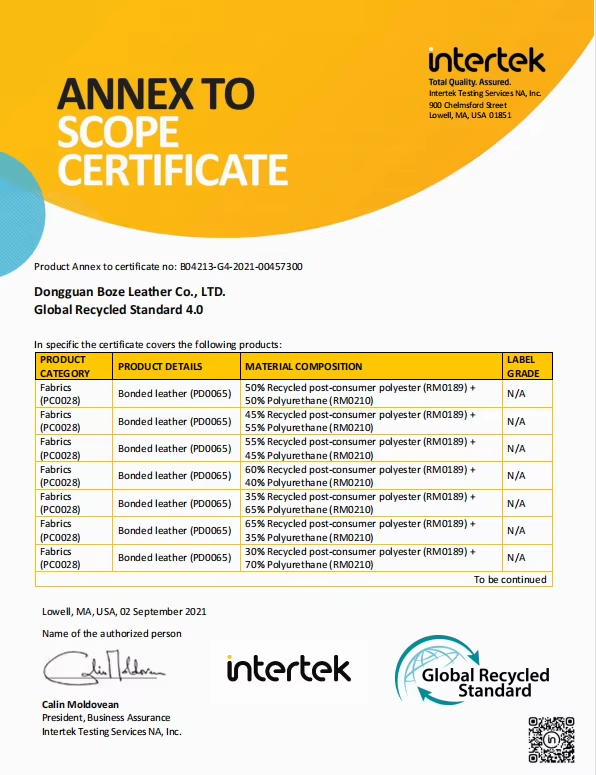
Technical compliance validated by global standards guarantees that materials supplied by manufacturers such as Dongguan Cigno Leather Co., Ltd. adhere to strict anti-abrasion and environmental metrics required for long-term daily automotive use.
Data/Solution Comparison
| Performance Metric / Feature | Solvent-Free PU Upholstery Leather | Conventional PVC / Standard Synthetic Leather |
|---|---|---|
| Thickness Range | 0.7–1.3 mm | 0.6–1.0 mm |
| Odor & Emissions Level | Solvent-free, low odor | Standard solvent profile |
| Environmental Certifications | GRS, USDA, Oeko-Tex 100 | Basic standard compliance |
| Abrasion & Scratch Resistance | High durability under daily wear | Moderate wear resistance |
| Functional Treatments | Flame retardant, UV resistant, stain resistant | Optional basic coating |
Frequently Asked Questions (FAQ)
What key physical properties affect the warranty period of automotive seat leather?
Tensile strength, peeling resistance, abrasion cycles, UV degradation resistance, and surface stain repellency dictate overall service life under constant daily use.
How do environmental certifications impact automotive leather suitability?
Certifications like GRS, USDA, and Oeko-Tex 100 ensure the material contains no hazardous residues, emits minimal volatile organic compounds, and complies with international environmental guidelines.
Are custom colors, grains, and functional treatments available for bulk orders?
Customization supports targeted adjustments in color matching, grain texture, backing fabrics, flame retardancy, anti-mold, anti-bacterial, and easy-clean treatments according to client specifications.
Final Conclusion & Recommendations
Establishing an appropriate warranty period requires aligning material specs with physical test data and verified manufacturing standards. Full quality control—including raw material testing, process monitoring, laboratory validation, and pre-shipment inspections—underpins reliable long-term performance. Orders are supported through direct export workflows via Sea Freight, Air Freight, or Express delivery, utilizing T/T bank transfer, L/C, or Alibaba Trade Assurance. For detailed technical solutions or support, please reach out to us via vicky@bozeleather.com.
About Us
Dongguan Cigno Leather Co., Ltd. is a synthetic leather manufacturer specializing in eco-friendly and multifunctional materials. Established in 2007, the company operates a 100,000 sqm production area with 50 employees and maintains 6 advanced synthetic leather production lines delivering up to 6,000,000 meters per month. Product lines hold GRS, USDA, and Oeko-Tex 100 certifications, serving automotive interior and furniture upholstery clients across global export markets.

SUBSCRIBE
INQUIRY