PRODUCTS
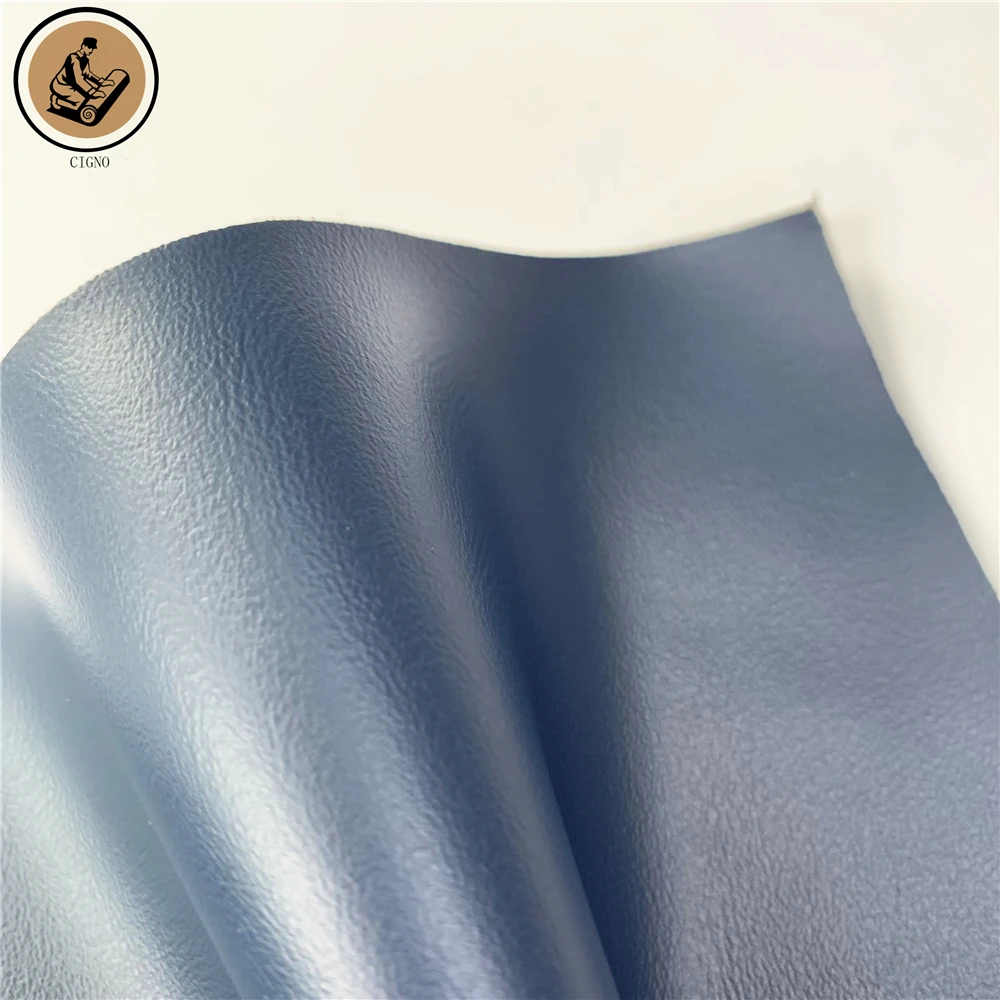
High Quality Eco-Friendly 1.2mm PU Synthetic Leather Furniture Upholstery Solvent-Free Skin-Feel for Sofa Car Seat Chair Bag Use
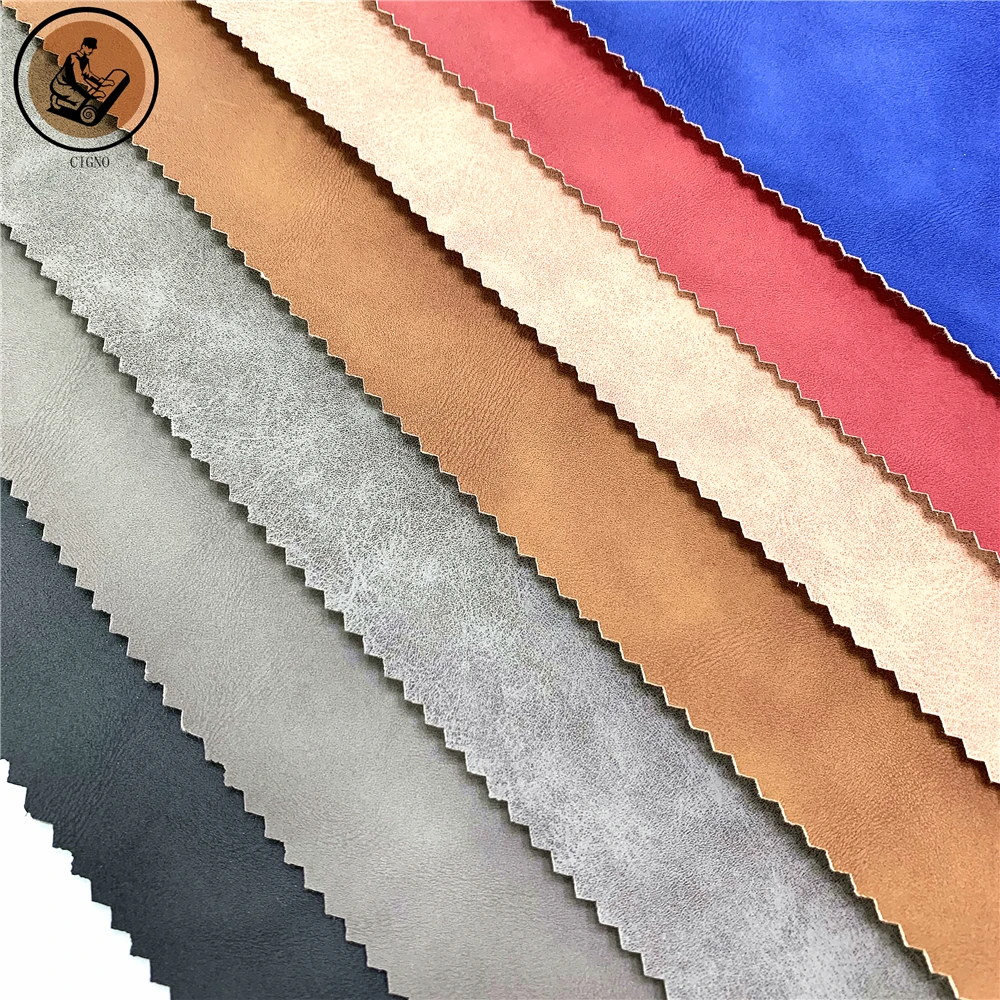
Free Samples of Embossed PU Synthetic Leather Bags Shoes Sofa Furniture Garments Car Decorative Uses-Waterproof Stretch Features
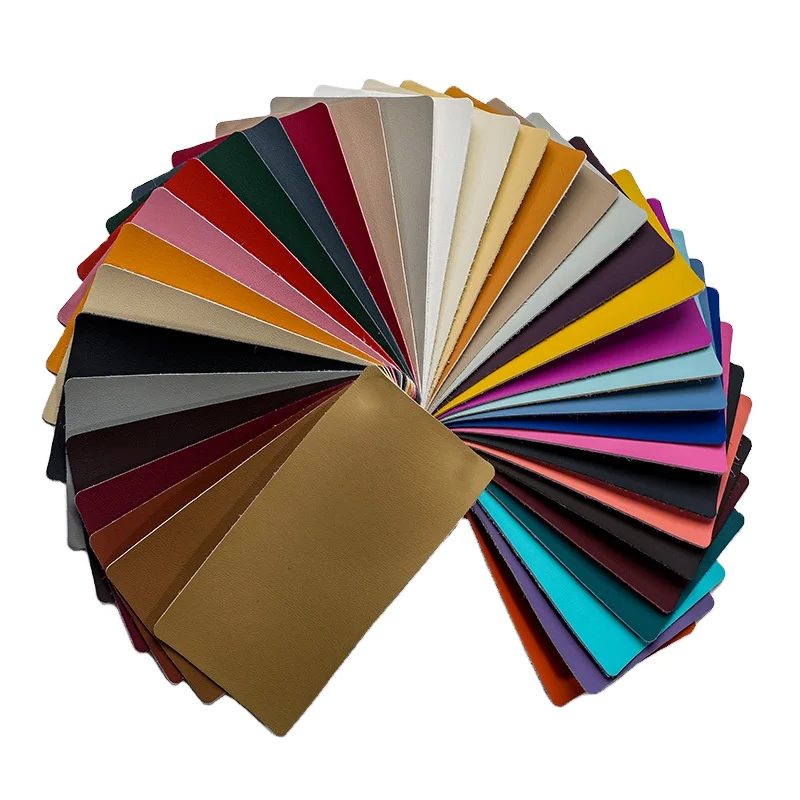
Pvc Vinyl Leather Rexine Leather Faux for Cars/Motorcycles, Waterproof Embossed Recycling Leatherette for Automotive Leather
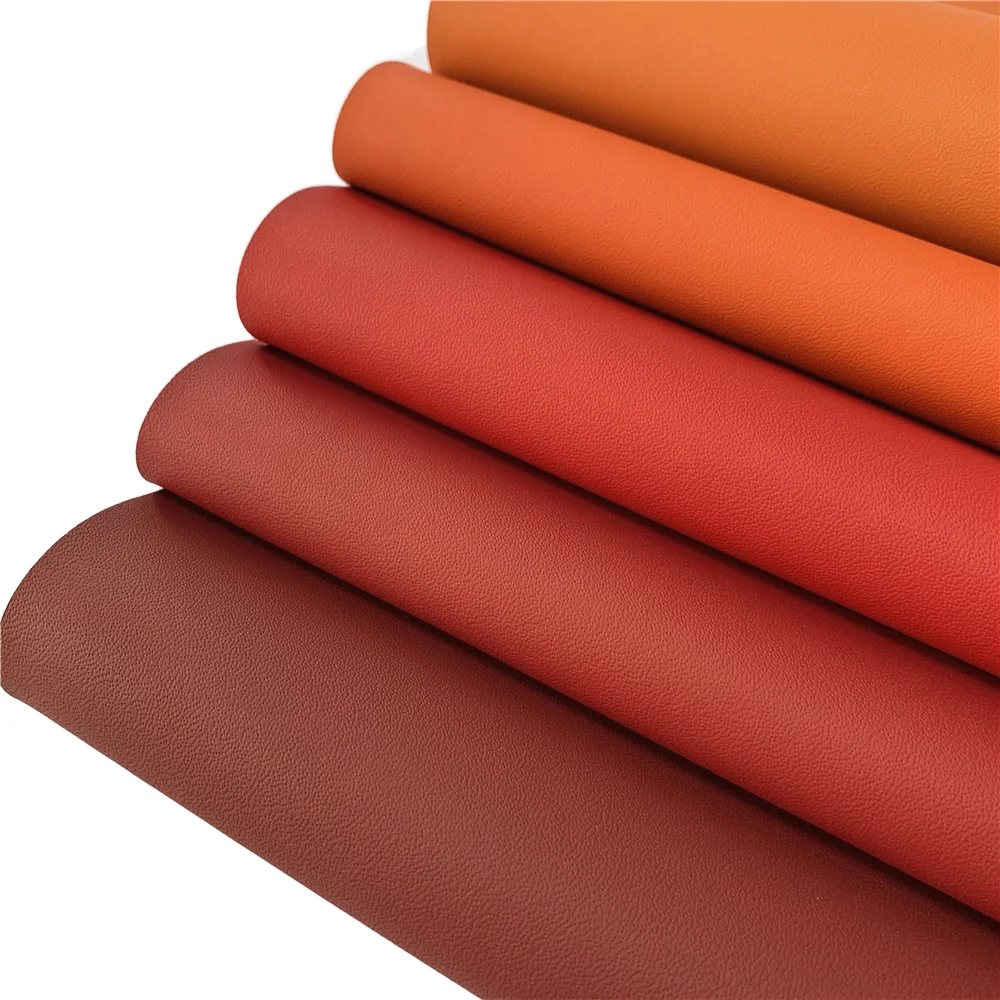
Hydrolysis Resistant Waterproof PU Microfiber Suede Leather Fabric Furniture Car Seat Covers Automotive Upholstery Bags Sofas
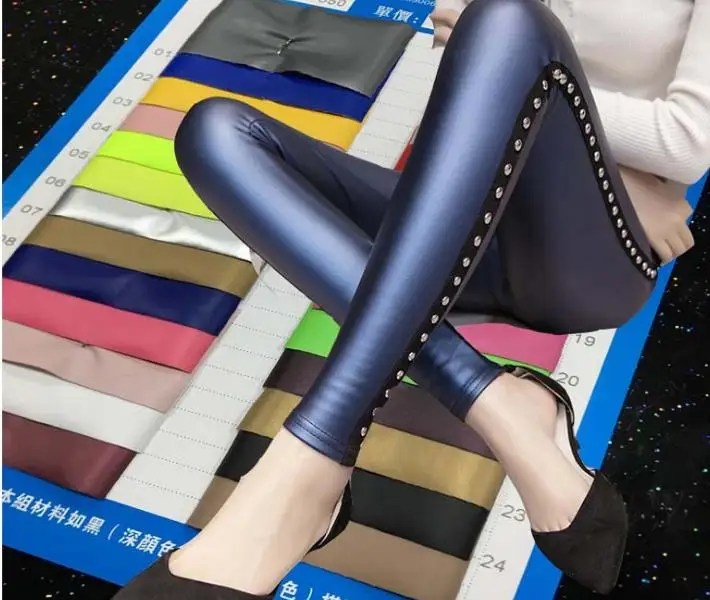
Ultra-Bright Black Mirror Four-Sided Stretch PU Fabric Pants Dresses Solid Color Soft Waterproof Clothing Elastic Finished
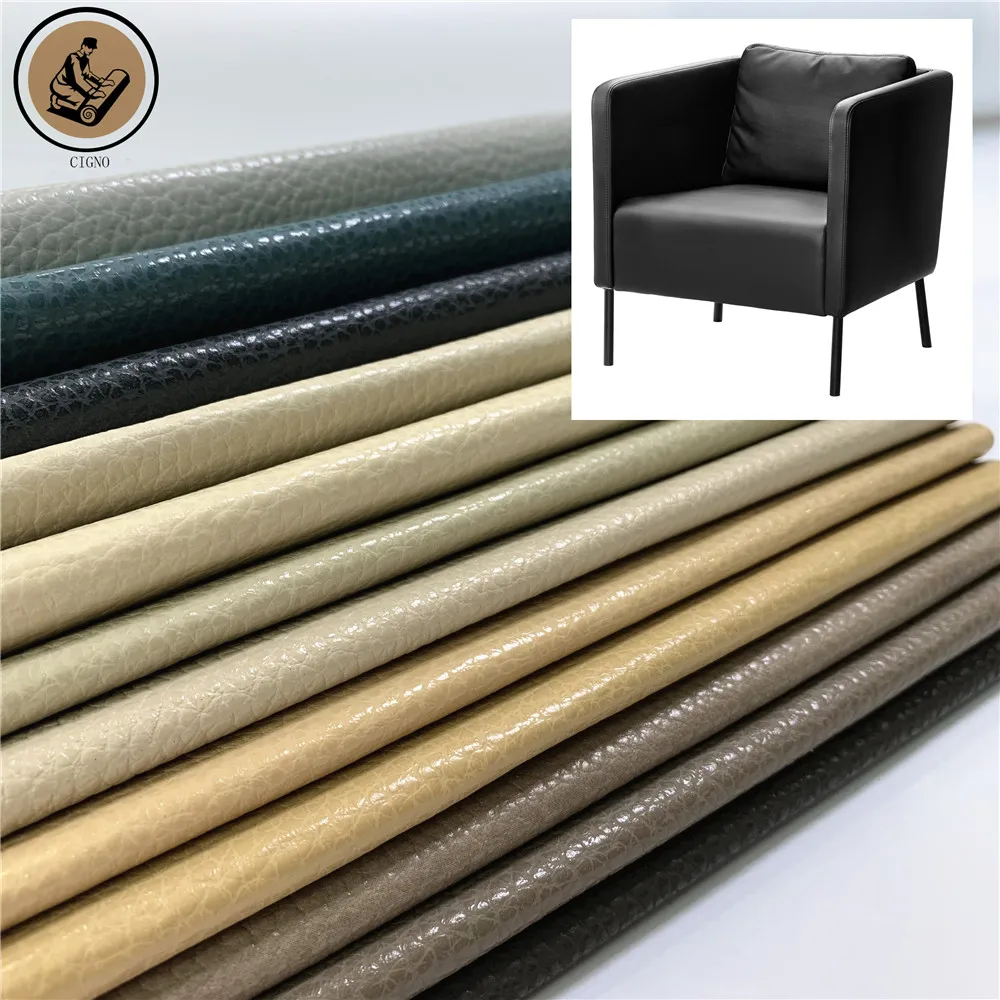
Litchi Lychee Grain 1.2mm PU Microfiber Leather Eco-Friendly Synthetic Leather Sofa Car Seat Handbags-Pearly-Lustre Recycled
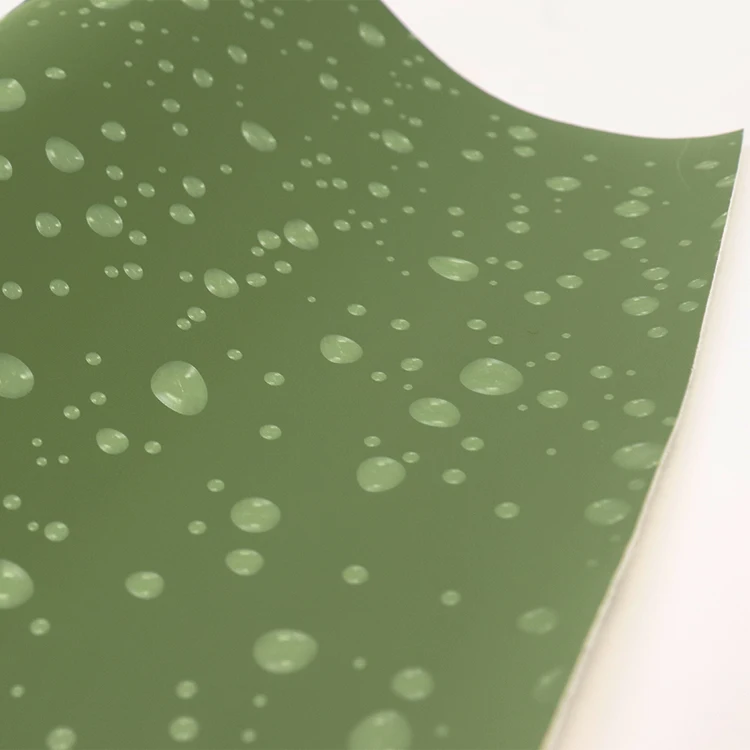
Custom Designer Faux Leather Fabric PVC Synthetic Leather Waterproof Sofa Bag Furniture Chair Woven Backing-Price Per Meter
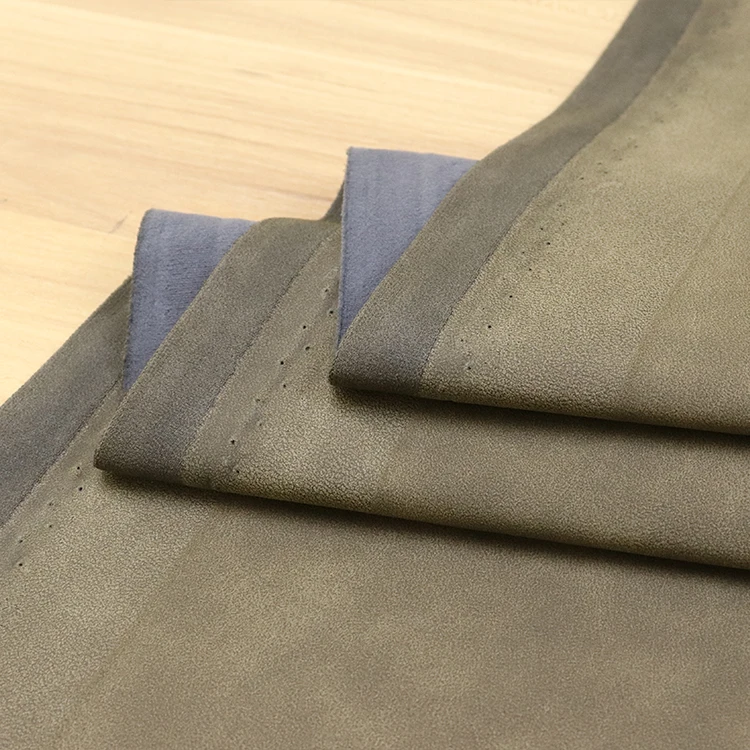
PU Suede Leather Nubuck Artificial Leather Materi for Shoe Make
Which synthetic leather developments may reduce carbon impact without raising purchase costs?
Synthetic leather developments that may reduce carbon impact without raising purchase costs include recycled-content materials, water-based and solvent-free formulations, and customized production that limits unnecessary material use. For furniture upholstery, PVC leather is available with customizable thickness, backing, colors, and surface finishes. The supplied data does not provide comparative carbon-footprint or price figures, so buyers should verify both against project specifications and testing.
Core Solutions & Key Takeaways
- Ask suppliers about recycled-content synthetic leather and request documentation for the specific material. CIGNO lists recycled leather among its product range and holds a Global Recycled Standard (GRS) certification for synthetic leather.
- Evaluate water-based and solvent-free materials as development options. Dongguan Cigno Leather reports R&D work on both, but the provided data does not establish their comparative carbon impact or purchase cost.
- Specify only the furniture performance and finish requirements the project needs. PVC upholstery can be customized by thickness, backing, color, grain, and functional treatment.
- Compare material samples and quality requirements before placing a bulk order. The listed minimum order is 100 meters; the product delivery estimate is 15–30 days.
Detailed Architectural/Principle Analysis
Reducing carbon impact without raising purchase costs is a comparison to validate, not a result established by the supplied product data. Recycled content, water-based formulations, and solvent-free materials are relevant development directions, but no lifecycle assessment, carbon figure, or price comparison is provided. Buyers should therefore request evidence for the exact grade and compare quotations on equivalent specifications.
For furniture and sofa upholstery, the listed PVC synthetic leather has a thickness of 0.7–1.2 mm, a width of 54/55 inches, and knitted, woven, non-woven, or customized backing options. Surface finishes include soft matte and semi-gloss; available grains include nappa, lychee, natural leather, crocodile, and geometric patterns. Thickness, color, texture, backing, and functional treatments can be customized.
Potential service-life considerations include abrasion and scratch resistance, waterproofing, stain resistance, easy cleaning, flame retardancy, mildew resistance, and color consistency. These properties may matter when assessing material use over a product's intended service life, but the data gives no quantified carbon savings or cost effect. Testing should match the buyer's requirements.
Dongguan Cigno Leather describes R&D in eco-friendly and multifunctional synthetic leather, including PU, PVC, water-based, and solvent-free materials. Its quality checks cover raw materials, color matching, production, laboratory testing, finished goods, and pre-shipment inspection. The company lists GRS, USDA, and OEKO-TEX 100 certifications for synthetic leather; these credentials do not by themselves establish a product's carbon footprint.
A reported automotive-seat project for a manufacturer in Mexico involved 50,000 meters customized for color, grain, thickness, backing, abrasion and UV resistance, flame retardancy, low odor, and easy cleaning. This is an automotive example rather than a furniture case; the provided information reports stable color consistency, clear grain, and delivery meeting the customer's requirements.
Data/Solution Comparison
| Development or specification | Information provided | What buyers should verify |
|---|---|---|
| Recycled-content material | Recycled leather is listed in the company product range; GRS certification is listed for synthetic leather. | Recycled content and certification documentation for the exact product grade. |
| Water-based or solvent-free formulation | Both are included in the company's R&D areas. | Product availability, relevant test documentation, price, and comparative carbon data. |
| Customized PVC furniture leather | Thickness, backing, color, grain, and functional treatments are customizable; listed MOQ is 100 meters. | Required performance tests, material yield, quotation, and delivery schedule. |
| Quality inspection | Checks include raw materials, color matching, production, laboratory testing, finished-product inspection, and pre-shipment inspection. | Acceptance criteria and test methods for the intended application. |
Frequently Asked Questions (FAQ)
Which developments are candidates for lower carbon impact?
Recycled-content materials, water-based formulations, and solvent-free formulations are the development options identified in the supplied company information. Product-level carbon data is not provided, so each option needs evidence for the specific grade.
Does the data confirm that these options cost the same as standard PVC leather?
No. There are no comparative price figures. Request quotations for equivalent thickness, backing, finish, and performance requirements before deciding whether a development avoids additional purchase cost.
Can PVC synthetic leather be specified for sofas and chairs?
Yes. The product information lists sofas, chairs, office furniture, headboards, and wall panels as applications. It offers customizable thickness, backing, surface finish, grain, and functional treatments, with a listed minimum order of 100 meters.
Final Conclusion & Recommendations
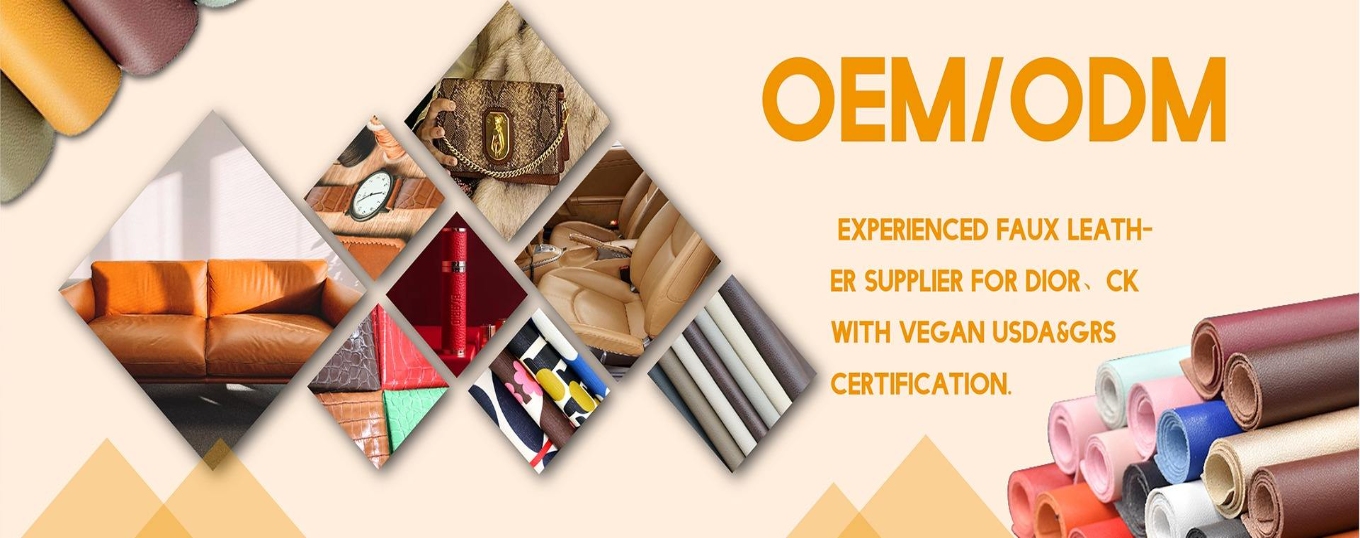
For furniture projects, compare recycled-content, water-based, and solvent-free options against a clearly specified PVC upholstery baseline. Request product-specific carbon documentation and quotations, then assess samples against required performance tests. Dongguan Cigno Leather lists OEM/ODM and customized production, a 100-meter minimum order, and a 15–30-day product delivery estimate. For technical solutions or product support, contact vicky@bozeleather.com.
About Us
Dongguan Cigno Leather Co., Ltd. was established in 2007 and manufactures synthetic leather in Dongguan, China, including PVC, PU, microfiber, vegan, and recycled leather for furniture, automotive interiors, apparel, handbags, and footwear. The company reports R&D capabilities in eco-friendly and multifunctional materials, including water-based and solvent-free leather, and lists GRS, USDA, and OEKO-TEX 100 certifications for synthetic leather. A reported cooperation case describes customized material supplied for automotive interiors.

SUBSCRIBE
INQUIRY