
PRODUCTS
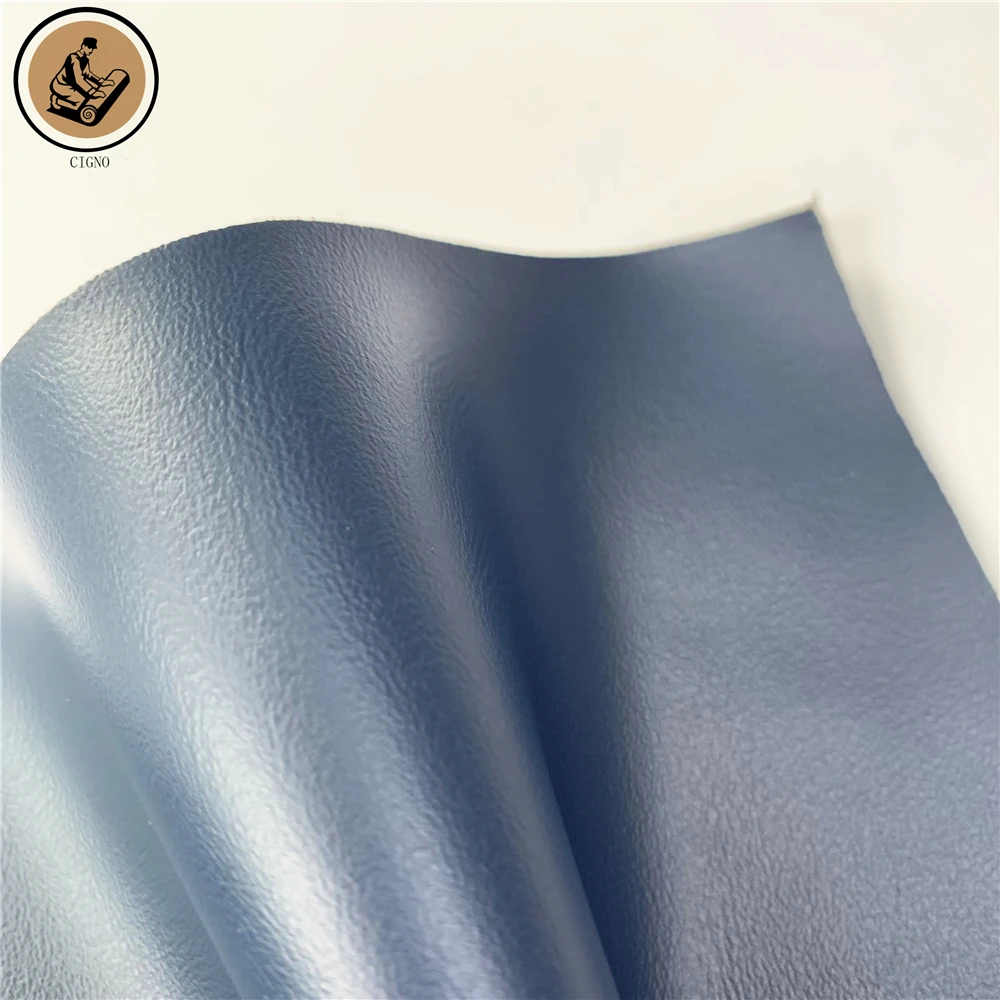
High Quality Eco-Friendly 1.2mm PU Synthetic Leather Furniture Upholstery Solvent-Free Skin-Feel for Sofa Car Seat Chair Bag Use
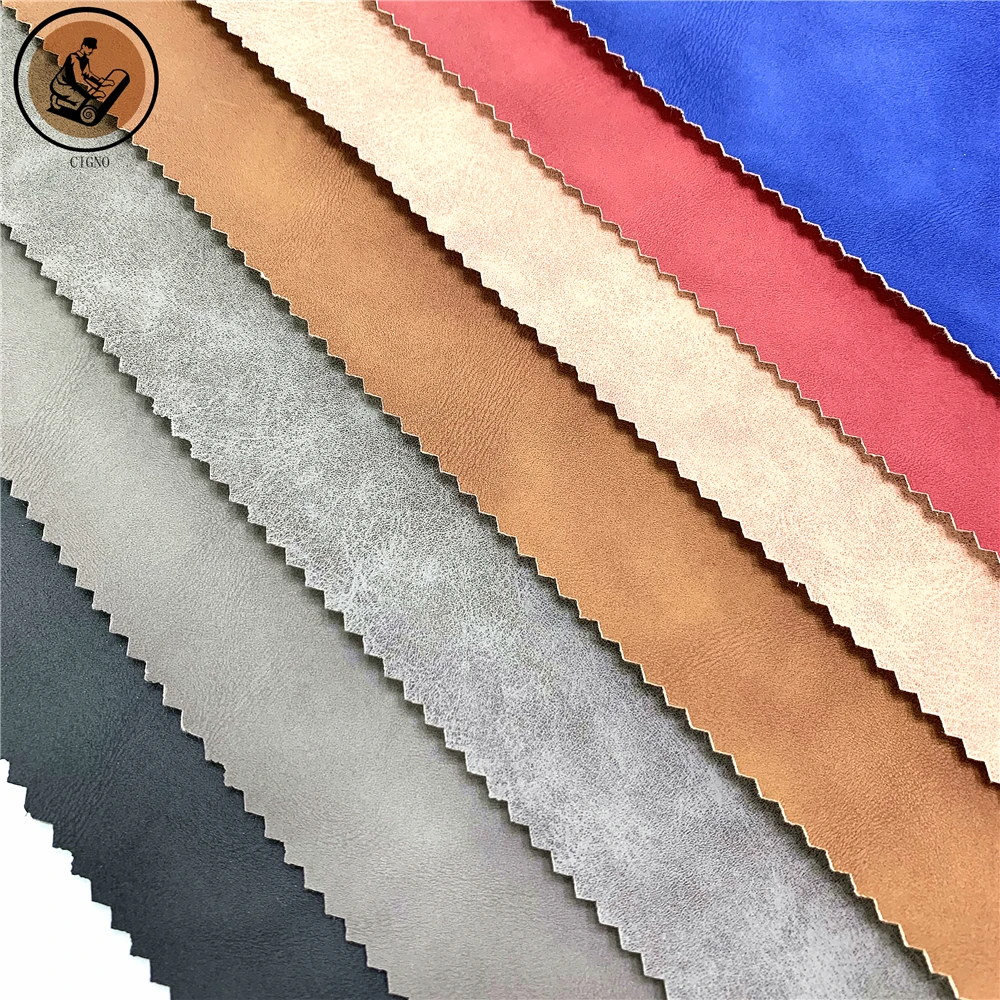
Free Samples of Embossed PU Synthetic Leather Bags Shoes Sofa Furniture Garments Car Decorative Uses-Waterproof Stretch Features
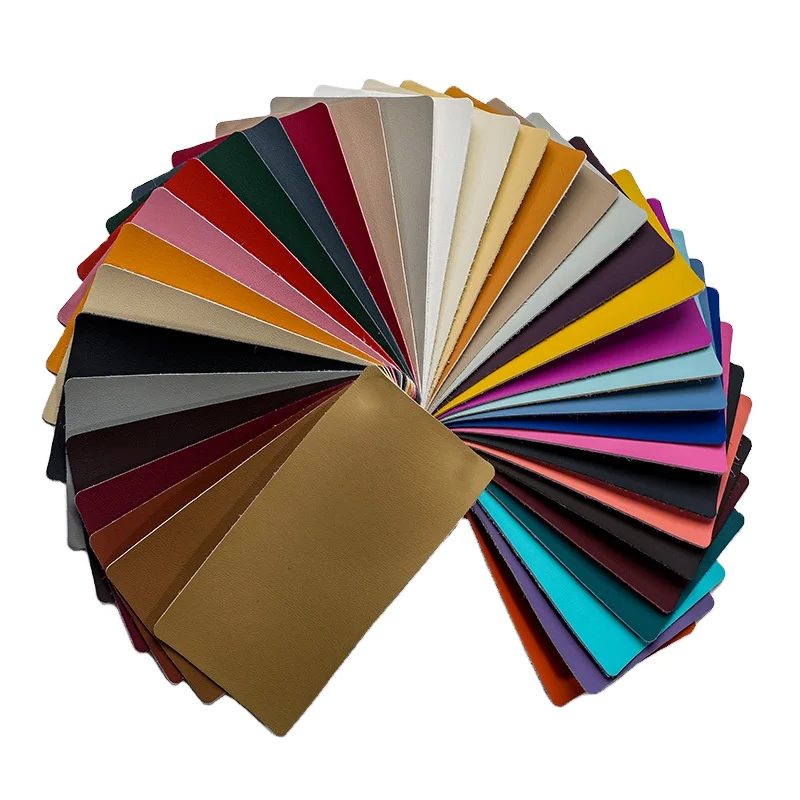
Pvc Vinyl Leather Rexine Leather Faux for Cars/Motorcycles, Waterproof Embossed Recycling Leatherette for Automotive Leather
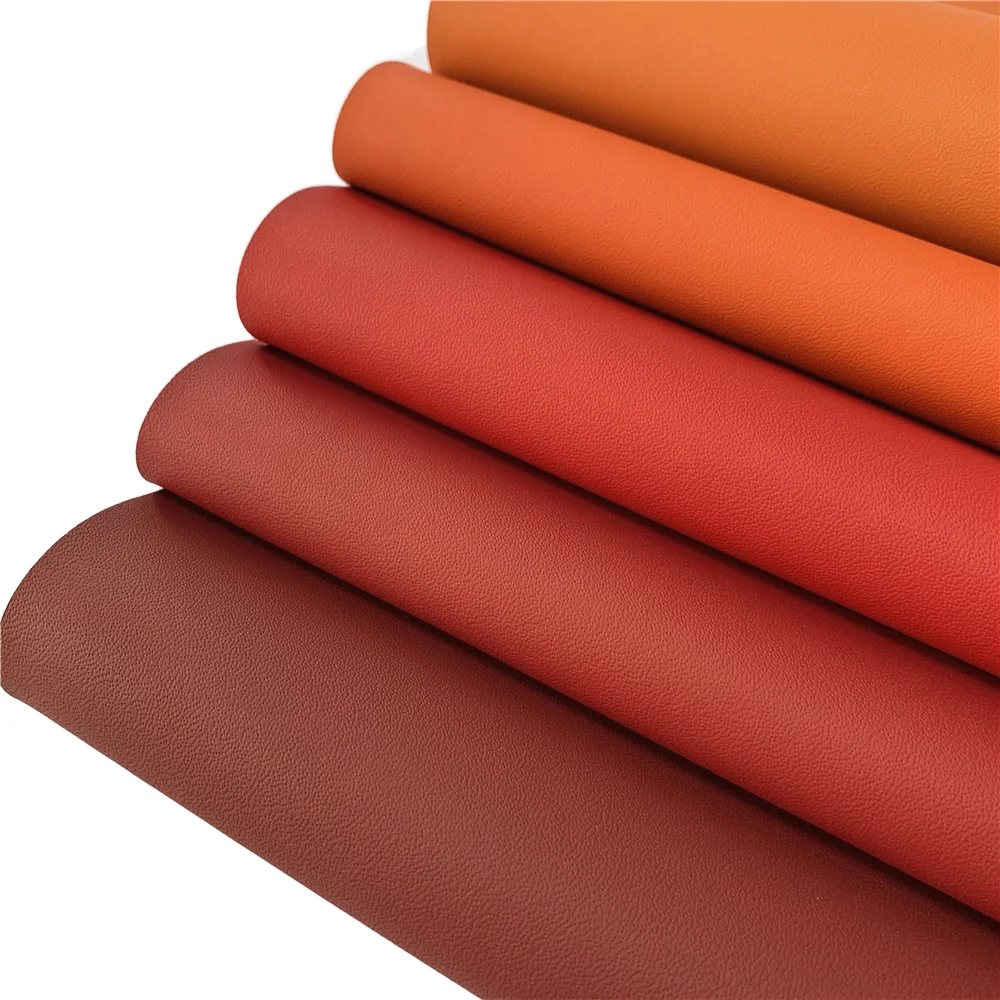
Hydrolysis Resistant Waterproof PU Microfiber Suede Leather Fabric Furniture Car Seat Covers Automotive Upholstery Bags Sofas
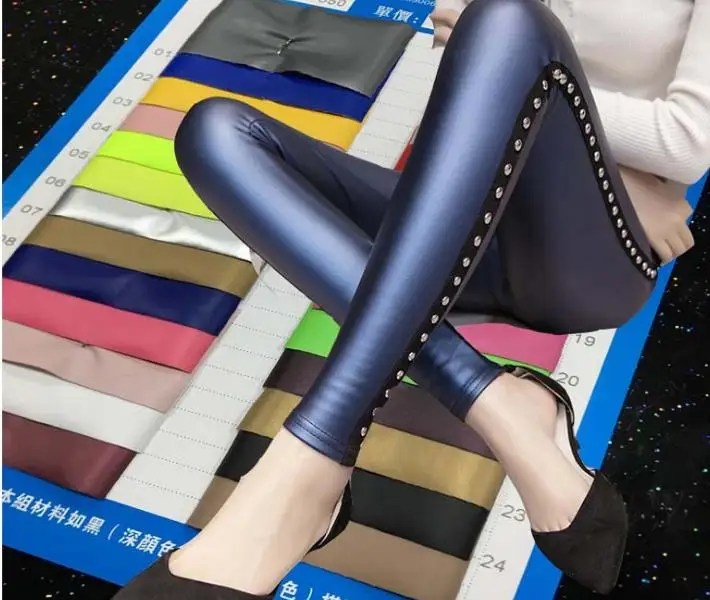
Ultra-Bright Black Mirror Four-Sided Stretch PU Fabric Pants Dresses Solid Color Soft Waterproof Clothing Elastic Finished
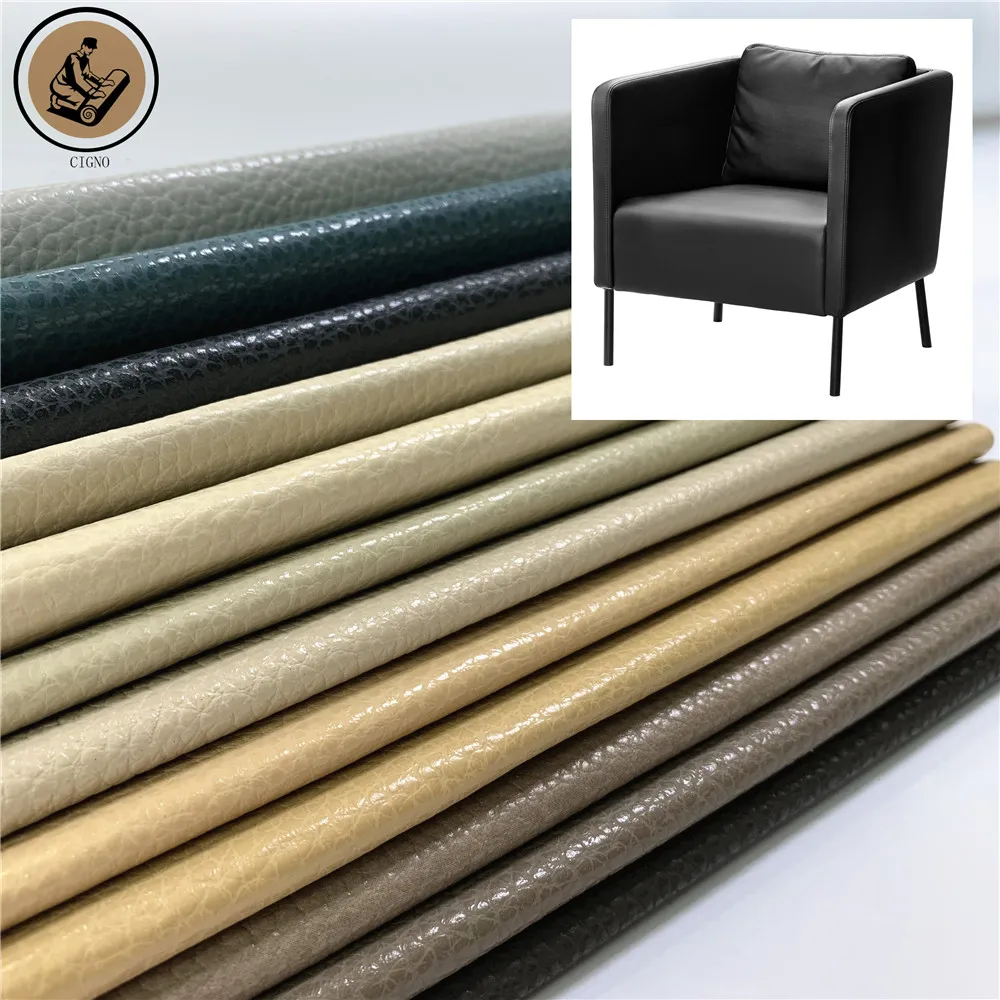
Litchi Lychee Grain 1.2mm PU Microfiber Leather Eco-Friendly Synthetic Leather Sofa Car Seat Handbags-Pearly-Lustre Recycled
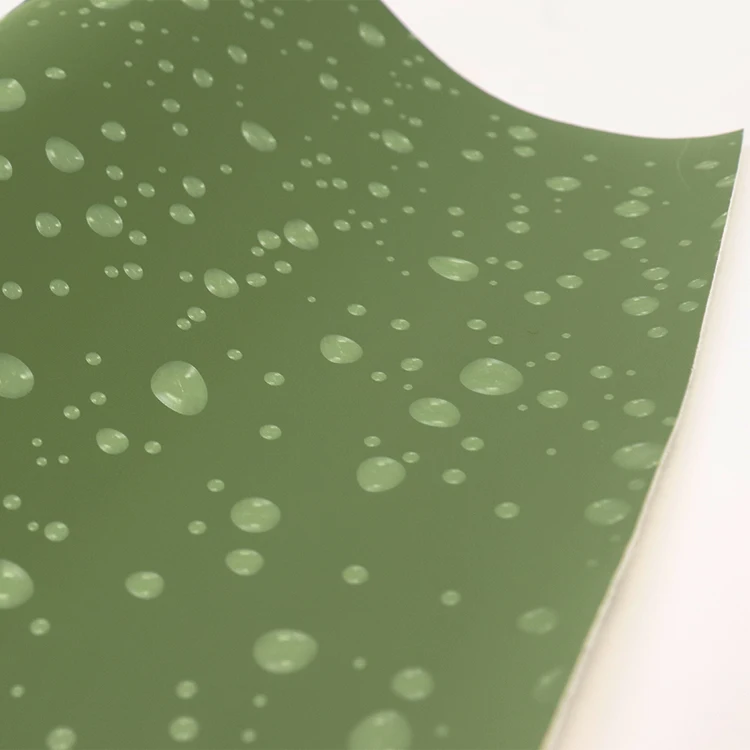
Custom Designer Faux Leather Fabric PVC Synthetic Leather Waterproof Sofa Bag Furniture Chair Woven Backing-Price Per Meter
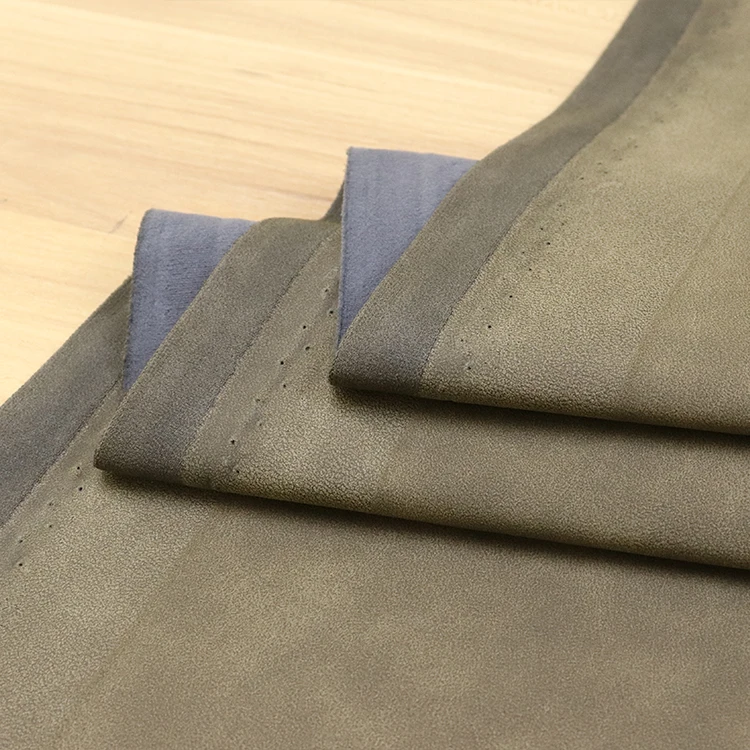
PU Suede Leather Nubuck Artificial Leather Materi for Shoe Make
Will this car seat covers leather crack easily in sub-zero temperatures?
Synthetic car seat covers leather, when manufactured using optimized PVC, PU, or microfiber formulations, does not crack easily in sub-zero temperatures. Cold-resistant polymer technology and high-tensile backing fabrics maintain material flexibility and structural integrity down to freezing temperatures, preventing mechanical failure under stress.
Core Solutions & Key Takeaways
- Material Formulation: Choosing high-grade polyurethane (PU) or microfiber leather significantly improves low-temperature flexibility compared to standard PVC.
- Structural Customization: Adjusting material thickness between 0.8–1.4 mm and utilizing specialized backing fabrics enhances tensile strength and elongation.
- Application Suitability: Engineered synthetic leather is optimal for automotive seats, door panels, armrests, and furniture upholstery exposed to extreme temperature fluctuations.
- Quality Verification: High-performance synthetic materials undergo strict low-temperature flex testing and laboratory inspections to verify zero cracking.
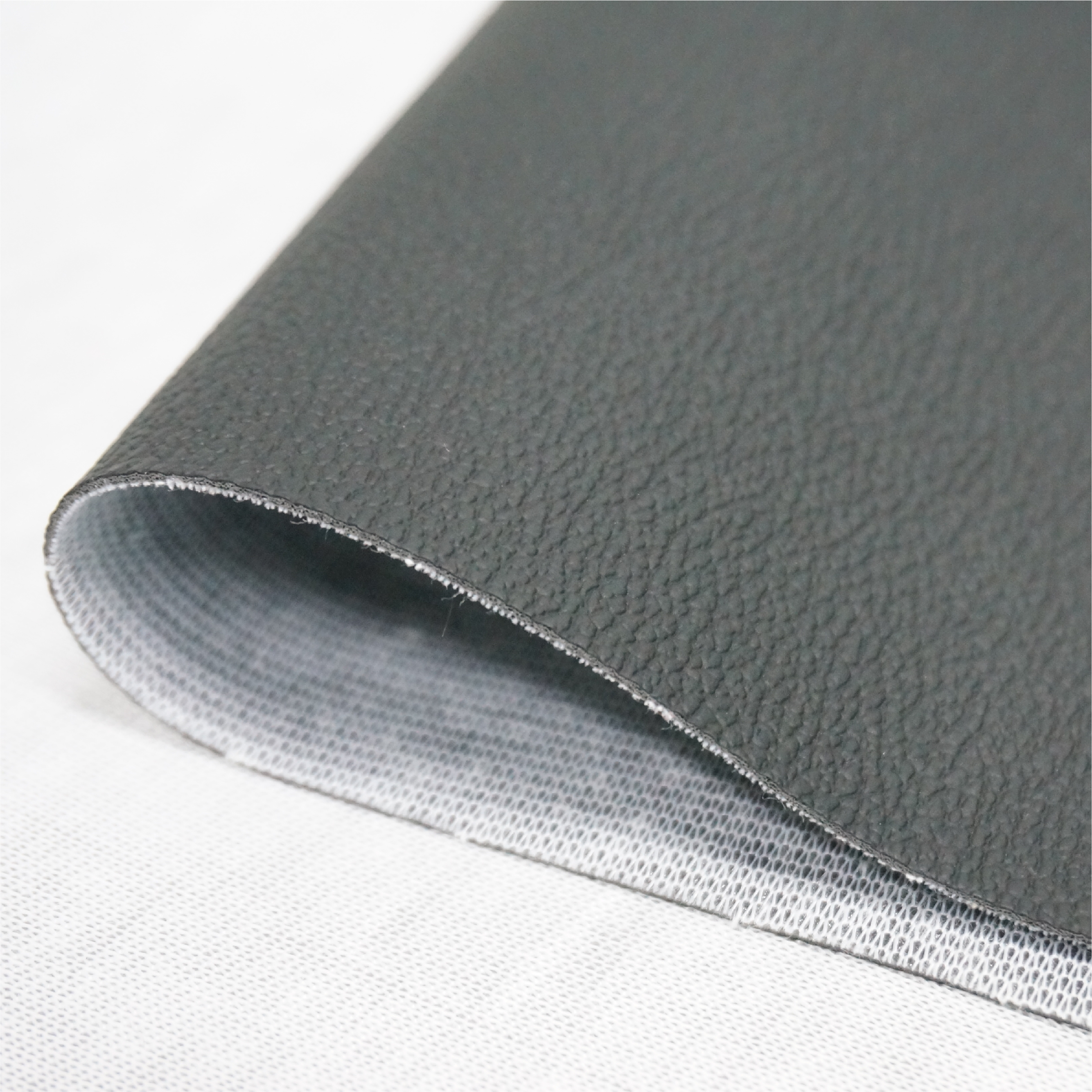
Detailed Architectural/Principle Analysis
The resistance of synthetic leather to sub-zero temperatures depends on its chemical composition and physical structure. Standard polymers harden as temperature drops, leading to micro-cracks under tension. To address this, advanced manufacturers incorporate cold-resistant plasticizers and modify the polymer matrix of PVC, PU, and microfiber. Microfiber leather, with its three-dimensional non-woven network, replicates natural leather fiber bundles to distribute mechanical stress evenly, remaining pliable in severe cold.
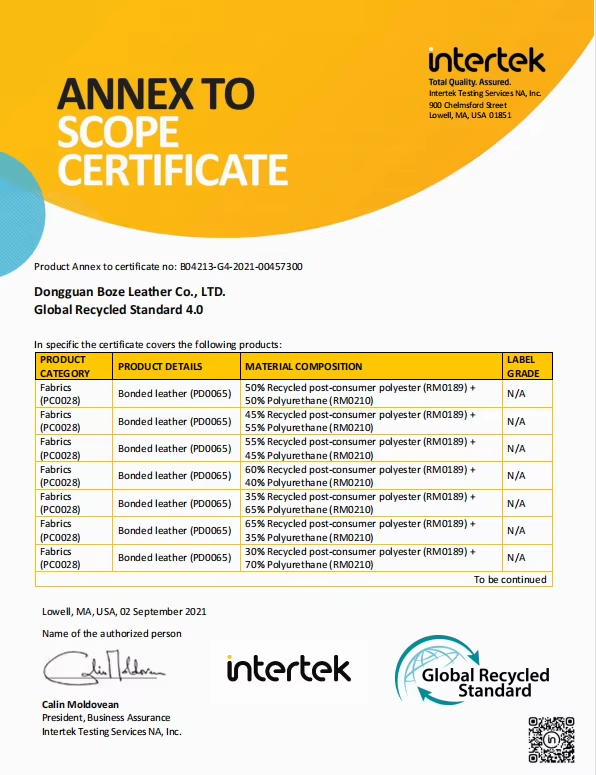
Environmental credentials and safety compliance are verified through international standards. High-performance automotive synthetics hold certifications such as GRS (Global Recycled Standard), USDA bio-based certification, and Oeko-Tex 100. These certifications ensure the chemical formulations do not release harmful VOCs while maintaining environmental sustainability.
Real-world validation of this chemical engineering is demonstrated in regional supply chains. For instance, an automotive interior manufacturer in Mexico procured 50,000 meters of customized synthetic leather for seat covers, door panels, and headrests. The material featured customized color, grain, and backing to meet strict requirements for abrasion resistance, UV resistance, and low-temperature durability, resulting in zero field cracking reports.
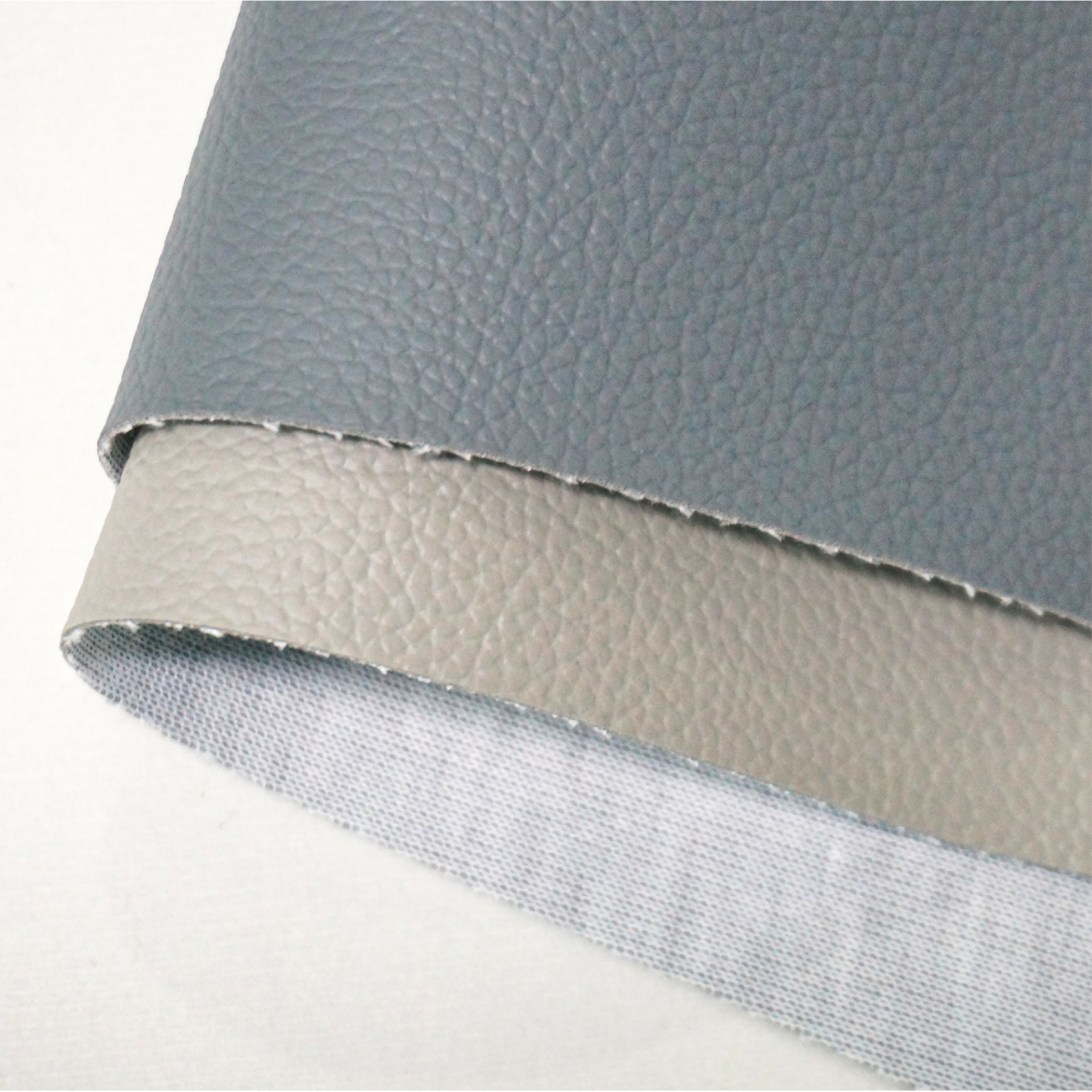
Data/Solution Comparison
Selecting the appropriate material for sub-zero environments involves balancing cost, durability, and low-temperature flexibility. Below is a comparative analysis of synthetic options for automotive upholstery:
| Material Type | Thickness Range | Low-Temperature Flexibility | Abrasion Resistance | Customization Options |
|---|---|---|---|---|
| Microfiber Leather | 0.8–1.4 mm | Excellent | High | Colors, Grains, Perforated Patterns, Backing |
| PU Leather | 0.8–1.4 mm | Good | Medium to High | Colors, Grains, Custom Backing |
| PVC Leather | 0.8–1.4 mm | Moderate (requires additives) | Medium | Grains, Standard Backing, Custom Thickness |
Frequently Asked Questions (FAQ)
What parameters directly affect the cold resistance of car seat cover leather?
The primary parameters include polymer formulation, the integration of cold-resistant plasticizers, and the choice of backing fabric. Thickness ranges of 0.8–1.4 mm combined with high-flexibility backings ensure the material absorbs mechanical stress without fracturing at low temperatures.
Is custom grain and color development available for low-temperature synthetic leather?
Yes. Customization options cover colors, grain textures (such as nappa-grain), perforated patterns, specialized backing fabrics, and functional treatments including flame-retardant, UV-resistant, and anti-bacterial properties.
How is quality verified before bulk shipment?
Synthetic automotive leather undergoes a multi-stage inspection process, including raw material verification, color matching confirmation, laboratory testing for tensile and peeling strength, abrasion resistance, scratch resistance, and finished product inspection.
Final Conclusion & Recommendations
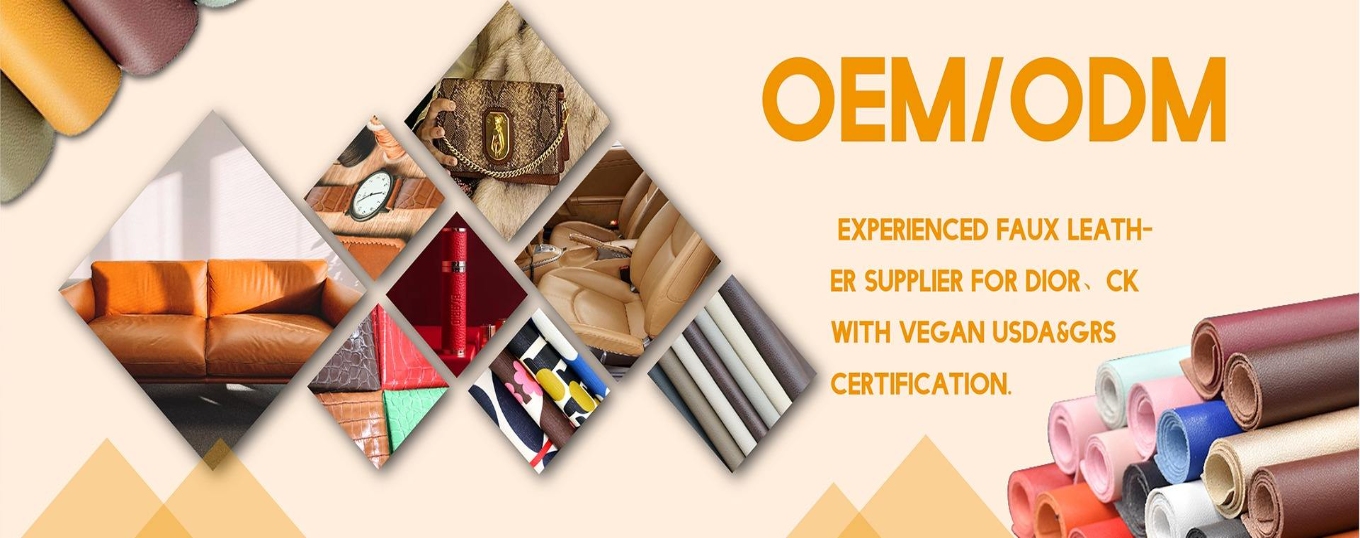
To prevent car seat cover leather from cracking in sub-zero temperatures, manufacturers must specify customized polyurethane or microfiber materials with verified cold-tolerance formulations. Standardizing on thickness specifications between 0.8–1.4 mm and utilizing a reputable OEM/ODM manufacturer guarantees consistent quality. Secure transaction terms such as T/T Bank Transfer, irrevocable L/C at sight, and Alibaba Trade Assurance provide financial protection, while international shipping options including sea freight and air freight ensure prompt global delivery. For detailed technical solutions or support, please reach out to us via vicky@bozeleather.com.
About Us
Dongguan Cigno Leather Co., Ltd. is a professional synthetic leather manufacturer integrating R&D, production, sales, and export. Established in 2007, the company operates a state-of-the-art facility covering a factory area of 100,000 sqm with a monthly production capacity of approximately 6 million meters. Our R&D capability focuses on eco-friendly polymer materials, holding more than 30 national invention patents and providing tailored OEM/ODM customization services to clients worldwide.

SUBSCRIBE
INQUIRY