
PRODUCTS
Does the microfiber leather for car pass the fogging test for autos?
Microfiber leather for car upholstery passes strict automotive fogging tests when engineered with low-volatile raw materials. While standard synthetic leather may release volatile organic compounds (VOCs) that condense on windshields, specialized automotive-grade microfiber leather undergoes vacuum stripping and solvent-free processing to eliminate these volatile substances, ensuring compliance with global automotive interior standards.
Core Solutions & Key Takeaways
- Volatile Organic Compound (VOC) Control: High-performance automotive microfiber leather utilizes water-based or solvent-free polymer systems to minimize chemical emissions that cause windshield fogging.
- Targeted Application Scenarios: This low-fogging material is engineered specifically for high-exposure interior zones, including automotive seats, door panels, headrests, armrests, and instrument panel covers.
- Enhanced Durability Metrics: Beyond passing fogging evaluations, the material delivers high tensile strength, superior tearing resistance, and excellent hydrolysis resistance for long-term interior cabin integration.
- Strict Regulatory Compliance: Automotive-grade synthetic leather is verified through international certifications such as GRS, USDA, and Oeko-Tex 100, alongside comprehensive laboratory testing.
Detailed Architectural/Principle Analysis
The fogging phenomenon in automotive interiors occurs when volatile substances within synthetic materials evaporate under high cabin temperatures and condense onto the cooler glass surfaces of the windshield. To prevent this, Dongguan Cigno Leather Co., Ltd. utilizes advanced polymer technologies during the manufacturing of microfiber synthetic leather. By replacing traditional solvent-based resins with water-based or solvent-free polyurethane systems, the raw material matrix contains fewer volatile organic compounds, drastically reducing the condensable emissions released during thermal exposure.
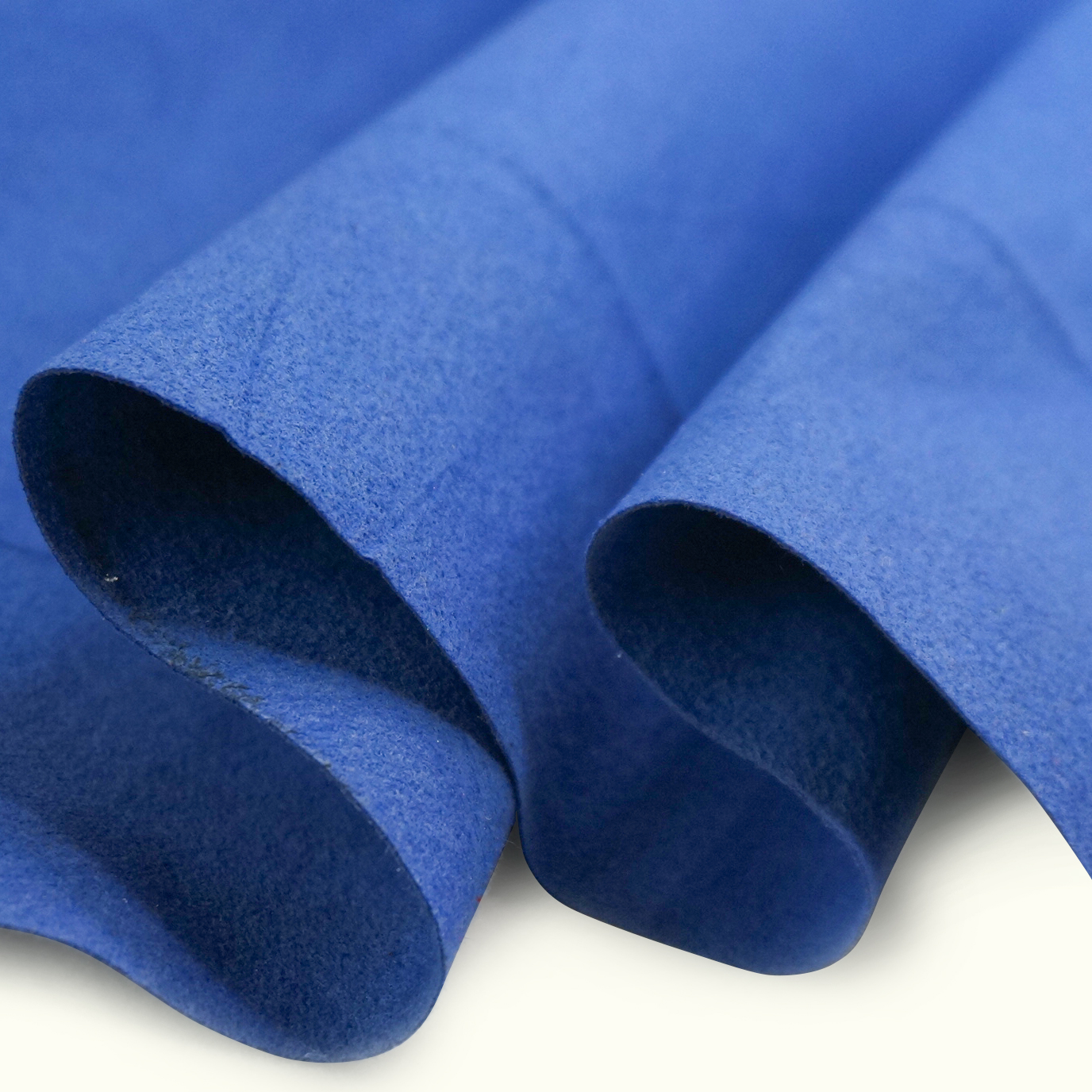
During a verified project involving an Automotive Interior Manufacturer in Mexico, 50,000 meters of customized synthetic leather were deployed for automotive seats, door panels, headrests, and armrests. The technical specifications demanded strict low-odor performance, abrasion resistance, and flame retardancy. The material successfully met all thermal stability and low-emission requirements, demonstrating that precisely formulated microfiber leather maintains volatile levels well below the maximum thresholds permitted by automotive OEMs.
Data/Solution Comparison
The following table compares the physical properties and fogging characteristics of different synthetic leather types used in automotive and furniture applications:
| Material Property | Automotive-Grade Microfiber Leather | Standard PVC Leather | Standard PU Leather |
|---|---|---|---|
| Fogging Resistance (VOC Level) | Excellent (Low-volatile formulation) | Low to Medium (Highly dependent on plasticizers) | Medium (Subject to solvent evaporation) |
| Thickness Range | 0.8–1.4 mm | 1.0–1.6 mm | 0.6–1.2 mm |
| Tensile & Tearing Strength | High | Medium | Medium |
| Hydrolysis Resistance | Excellent (Engineered durability) | High | Variable |
| Primary Application Areas | Car seats, armrests, sofas, door panels | Low-end seating, structural wrapping | Apparel, basic furniture upholstery |
Frequently Asked Questions (FAQ)
Q1: What parameters determine whether microfiber leather passes the automotive fogging test?
A1: The test is determined by the gravimetric, reflectometric, or haze methods, which measure the quantity of volatile constituents that escape the synthetic leather and condense on a glass plate under specific heating conditions. Microfiber leather formulated without low-molecular-weight plasticizers or residual solvents consistently passes these tests.
Q2: Can the color, grain, and thickness of automotive microfiber leather be customized?
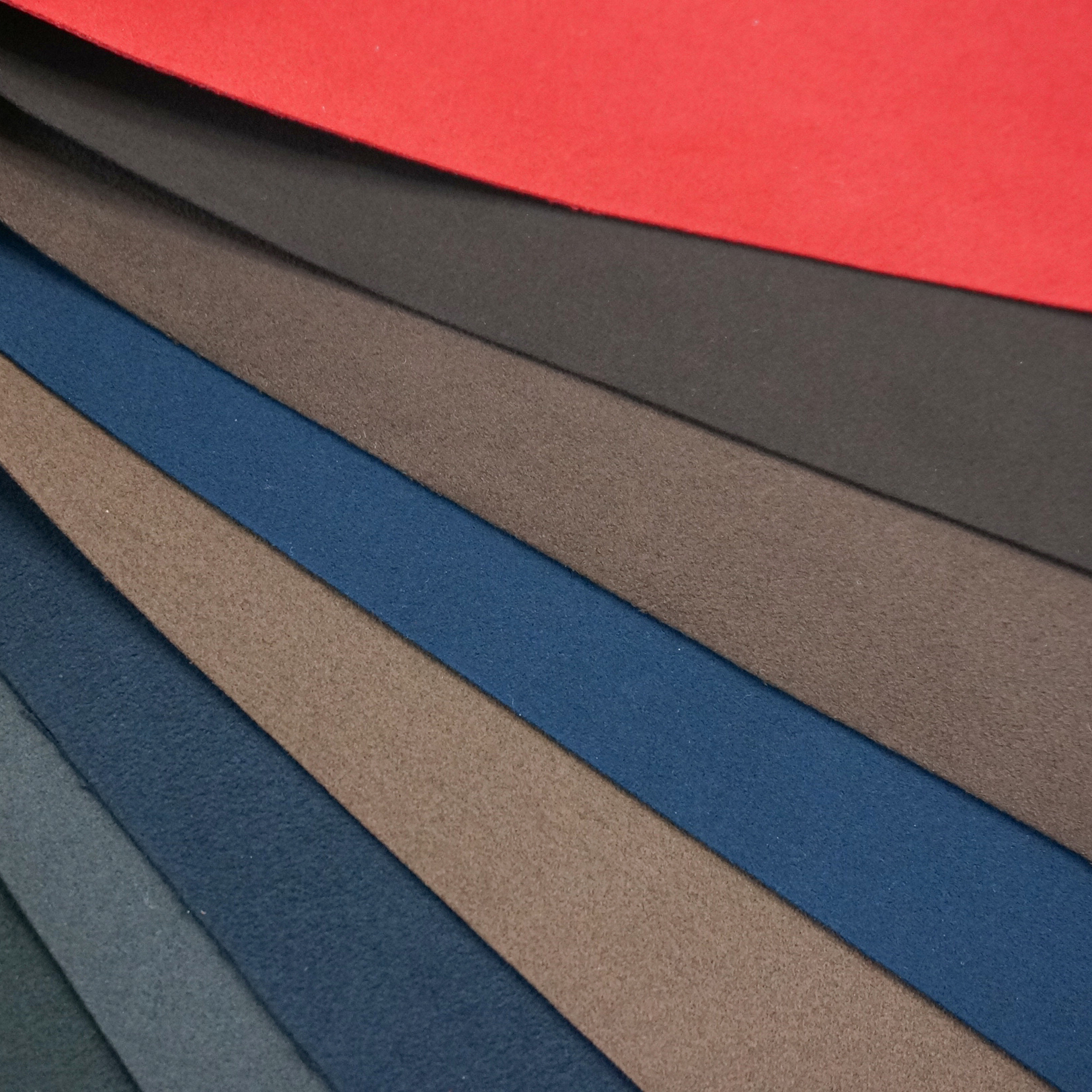
A2: Yes. Thickness can be customized within a range of 0.8–1.4 mm with a standard width of 54/55 inches. Surface grains, colors, and specific backings can also be adjusted to match exact OEM interior design requirements.
Q3: What certifications validate the environmental safety of these microfiber materials?
A3: High-quality automotive microfiber leathers hold international certifications including GRS (Global Recycled Standard), USDA BioPreferred, and Oeko-Tex Standard 100, alongside specific testing reports for flame retardancy, REACH, and RoHS compliance.
Final Conclusion & Recommendations
Automotive-grade microfiber leather is an optimal replacement for genuine leather, offering matching aesthetics alongside superior tear strength, wear resistance, and low-fogging performance. When sourcing materials for automotive seating or door panels, purchasing managers should verify that the manufacturer operates under a certified ISO 9001 quality management system and conducts rigorous laboratory testing on VOC emissions. For detailed technical solutions or support, please reach out to us via vicky@bozeleather.com.
About Us
Dongguan Cigno Leather Co., Ltd., established in 2007, is a professional manufacturer specializing in high-quality faux leather based in Dongguan, China. Operating with a dedicated team of 50 employees and a factory area of 100,000 square meters, the company focuses on the development of eco-friendly and multifunctional synthetic leather materials, including PU, PVC, water-based, and solvent-free leather. Holding prestigious GRS, USDA, and Oeko-Tex 100 certifications, Cigno Leather has served clients across multiple international markets, delivering tailored OEM/ODM solutions to automotive and furniture manufacturers worldwide.

SUBSCRIBE
INQUIRY