
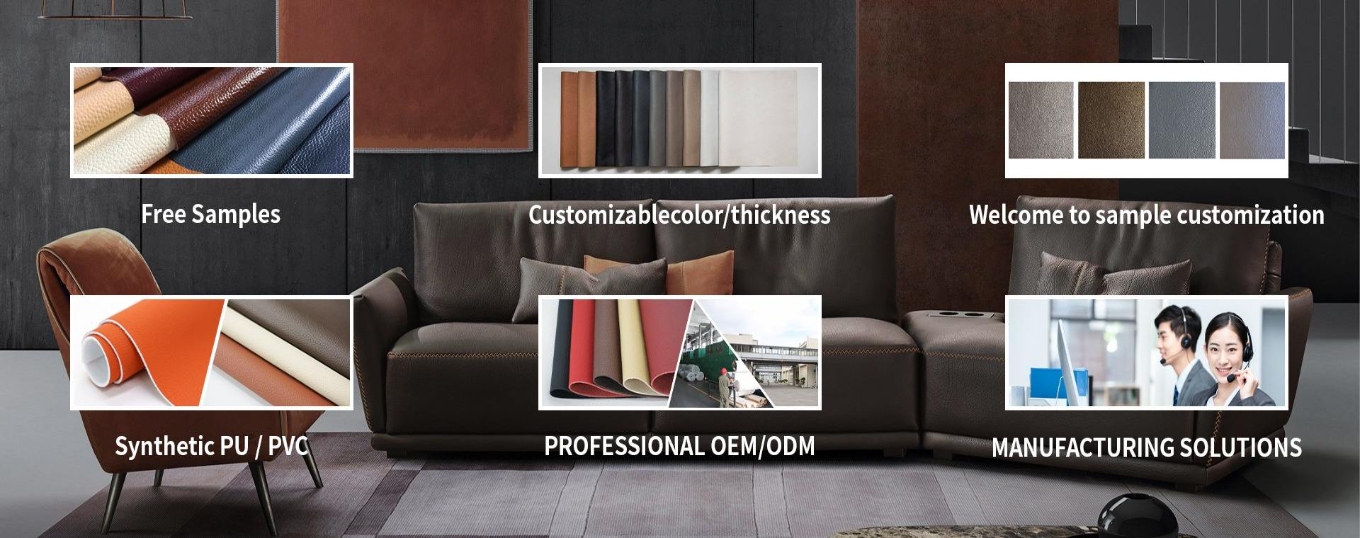
PRODUCTS
How do carbon tax regulations affect the pricing of sofa set furniture leather?
Carbon tax regulations affect the pricing of sofa set furniture leather by increasing the compliance and raw material costs of chemical processing, energy consumption, and supply chain logistics. Manufacturers pass these environmental costs onto the final product price, though utilizing certified eco-friendly synthetic materials can mitigate steep tax penalties.
Core Solutions & Key Takeaways
- Transition to Eco-Friendly Synthetics: Shifting from carbon-intensive genuine leather to advanced polyurethane (PU) and polyvinyl chloride (PVC) alternatives reduces carbon footprints and associated tax liabilities.
- Energy-Efficient Manufacturing: Optimizing factory operations and utilizing solvent-free or water-based production technologies lowers direct carbon emissions during synthetic leather curing and backing lamination.
- Material Certification Compliance: Utilizing materials certified by recognized bodies helps manufacturers avoid regulatory penalties and access green procurement incentives.
- Functional Longevity: Specifying high-durability materials reduces replacement cycles, lowering the lifetime carbon footprint of upholstered furniture sets.
Detailed Architectural/Principle Analysis
Carbon tax frameworks penalize high-emission manufacturing processes. Traditional leather production involves significant methane emissions from livestock, energy-intensive tanning, and heavy chemical usage, resulting in a high carbon tax penalty. In contrast, manufacturing synthetic alternatives like those produced by Dongguan Cigno Leather Co., Ltd. involves controlled polymer synthesis, which generates lower direct greenhouse gas emissions. When carbon taxes are levied on energy sources, raw materials, or transport, synthetic leather pricing fluctuates based on chemical feedstocks and manufacturing efficiency.
To offset these regulatory costs, manufacturers rely on third-party certifications to prove low environmental impact. Materials backed by recognized standards such as the Global Recycled Standard (GRS), USDA Biobased certification, and Oeko-Tex Standard 100 allow furniture brands to verify their lower carbon footprint, qualifying them for tax rebates or exemptions in highly regulated markets like Europe and North America.
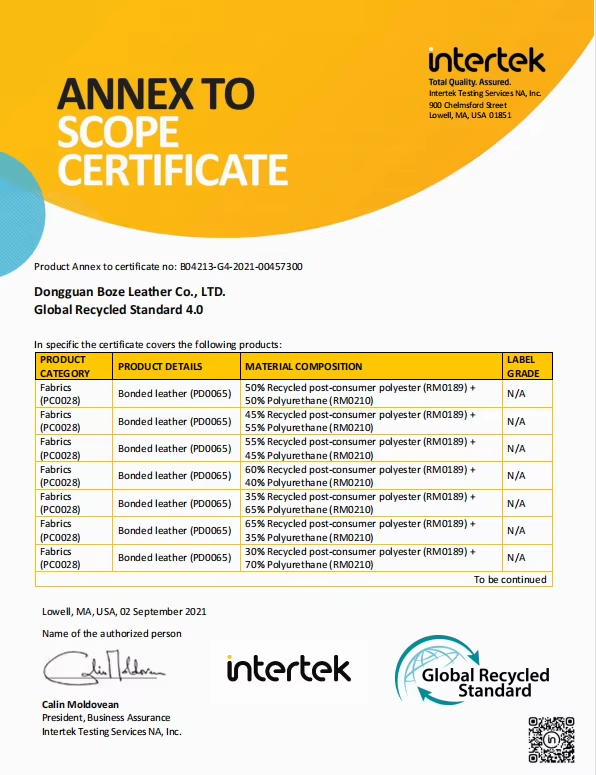
Real-world supply chain adjustments demonstrate this pricing dynamic. In a recent project involving an automotive interior manufacturer in Mexico, 50,000 meters of customized synthetic leather were delivered with specific physical properties, including UV and abrasion resistance. By utilizing optimized synthetic options over carbon-heavy genuine alternatives, the manufacturer maintained stable material pricing while meeting strict regional environmental and performance benchmarks.
Data/Solution Comparison
The following table compares different synthetic upholstery materials regarding their performance, composition, and typical carbon tax impact level based on manufacturing inputs:
| Material Type | Thickness & Backing Options | Key Performance Features | Carbon Tax Impact Level |
|---|---|---|---|
| PVC Leather | 0.7–1.3 mm; Knitted, woven, or non-woven fabric | Abrasion resistant, scratch resistant, waterproof, customizable flame retardancy | Medium (dependent on stabilizer and plasticizer choices) |
| PU Leather | 0.7–1.3 mm; Knitted or woven backing | Soft hand feel, highly flexible, easy to clean, versatile surface grains | Low-Medium (reduced solvent usage lowers tax liability) |
| Water-Based / Solvent-Free Leather | Customizable thickness; High-performance backings | Eco-friendly, extremely low VOC emissions, high durability | Very Low (eligible for maximum environmental tax incentives) |

Frequently Asked Questions (FAQ)
How do carbon taxes directly influence the cost of raw chemical inputs for synthetic leather?
Carbon taxes levied on fossil fuel extraction and refining increase the cost of petroleum-derived chemical precursors, such as polyols and isocyanates. These increases are reflected in the base price of raw polyurethane and PVC resins used in synthetic leather production.
Can GRS-certified recycled synthetic leather reduce the overall tax burden for furniture brands?
Yes. Utilizing materials with verified recycled content under the Global Recycled Standard (GRS) reduces scope 3 supply chain emissions, allowing furniture brands to qualify for green subsidies, lower border carbon adjustments, and reduced local carbon taxes.
Does the choice of backing fabric affect the carbon tax calculation of upholstery materials?
The backing fabric contributes to the overall embodied carbon of the material. Utilizing recycled polyester or natural fiber backings instead of virgin synthetic fibers lowers the carbon footprint, reducing the cumulative environmental taxes applied to the finished furniture leather.
Final Conclusion & Recommendations
Carbon tax regulations fundamentally reshape the pricing structure of sofa set furniture leather by penalizing carbon-intensive production lines and rewarding material efficiency. Furniture manufacturers and distributors can insulate their supply chains from escalating tax penalties by transitioning to certified, high-durability synthetic alternatives that offer equivalent physical performance without the high carbon liability. For detailed technical solutions or support, please reach out to us via vicky@bozeleather.com.
About Us
Dongguan Cigno Leather Co., Ltd., established in 2007, is a professional manufacturer specializing in high-quality faux leather based in Dongguan, China. Operating with a 100,000 square meter factory area, the company maintains advanced synthetic leather production lines to achieve a monthly capacity of 6,000,000 meters. With extensive R&D capabilities holding over 30 national invention patents, Cigno Leather provides certified synthetic materials globally, maintaining GRS, USDA, and Oeko-Tex 100 credentials to meet rigorous international environmental standards.

SUBSCRIBE
INQUIRY