
PRODUCTS
How does recycled polyester content affect microfiber leather for car pricing?
Recycled polyester content increases the pricing of microfiber leather for car applications due to the higher cost of certified sustainable raw materials, specialized processing requirements, and the strict compliance tracing needed to meet global eco-friendly standards.
Core Solutions & Key Takeaways
- Raw Material Premium: Sourcing certified post-consumer recycled polyester chips requires rigorous supply chain tracing, which raises base material costs compared to virgin polymers.
- Strict Standards Compliance: Meeting international sustainability benchmarks like the Global Recycled Standard (GRS) adds auditing and certification expenses to the manufacturing process.
- Demanding Automotive Specifications: Maintaining high abrasion resistance, tensile strength, and low odor in recycled synthetic leather requires advanced polymer formulations, impacting the final price.
- Application Performance: Recycled microfiber leather must perform flawlessly in heavy-wear areas such as automotive seats, door panels, headrests, and armrests.
Detailed Architectural/Principle Analysis
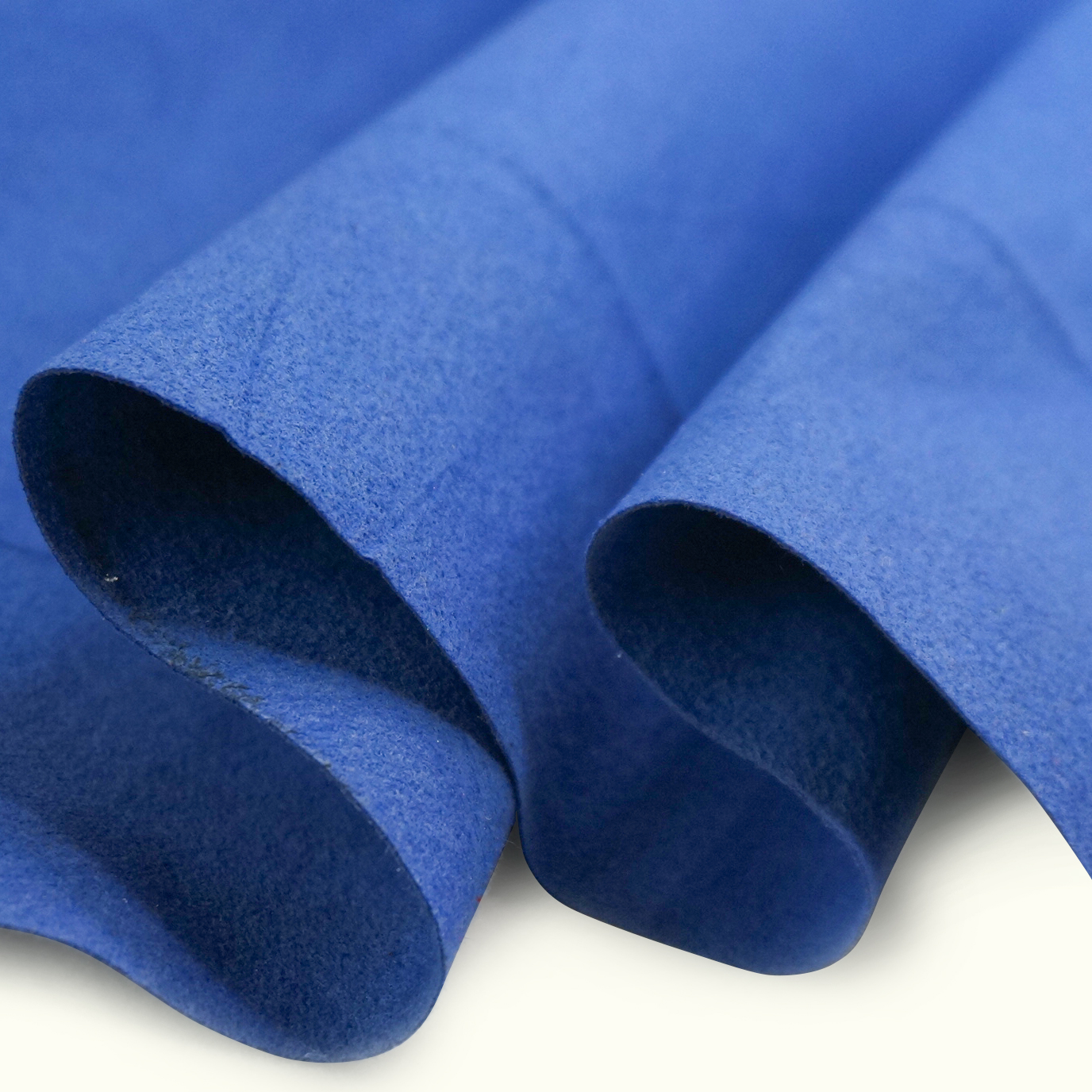
The manufacturing of microfiber leather for automotive interiors involves spinning ultra-fine polymeric fibers into a non-woven matrix, which is then impregnated with polyurethane. When incorporating recycled polyester (rPET), the chemical consistency of the polymer chain is highly critical. Impurities in recycled plastics can cause variations during the extrusion process, leading to potential weak points in tensile and tearing strength. To counteract this, manufacturers must implement precise filtration and specialized color-matching systems to ensure the material meets automotive durability metrics.
For instance, Dongguan Cigno Leather Co., Ltd. manages these technical challenges by utilizing advanced production lines and holding recognized certifications such as GRS (B04213-G4), USDA, and Oeko-Tex 100. This structural quality control ensures that even with recycled inputs, the microfiber synthetic leather maintains a thickness of 0.8–1.4 mm, high hydrolysis resistance, and a natural leather appearance suitable for international automotive markets.
The cost structure is also influenced by custom functional treatments. Automotive manufacturers in regions like Mexico frequently require specialized performance properties. In one cooperation case, an automotive interior manufacturer in Mexico ordered 50,000 meters of customized synthetic leather for automotive seats, door panels, headrests, and armrests. The material required stable color consistency, clear grain texture, flame retardancy, low odor, and UV resistance. Meeting these comprehensive automotive specifications alongside recycled content verification requires systematic laboratory testing and strict quality control, justifying the pricing differential over standard utility-grade PVC or polyurethane materials.
Data/Solution Comparison
The table below compares the performance and cost factors of different synthetic leather grades used in automotive and furniture upholstery:
| Material Grade | Average Thickness (mm) | Relative Cost Factor | Key Technical Features | Certifications & Compliance |
|---|---|---|---|---|
| Standard Microfiber Leather | 0.8–1.4 | Medium | High abrasion resistance, soft hand feel, hydrolysis resistance | ISO 9001, basic testing |
| Recycled Microfiber (GRS Certified) | 0.8–1.4 | High | Eco-friendly, traceable rPET content, high tensile strength | GRS, USDA, Oeko-Tex 100 |
| Standard PVC Leather | 1.0–1.2 | Low | Waterproof, flame retardant, stiffer hand feel | Basic REACH/RoHS compliance |
Frequently Asked Questions (FAQ)
Does recycled polyester content reduce the durability of microfiber leather?
No. When processed under strict quality control systems, recycled polyester microfiber leather achieves the same high tensile strength, scratch resistance, and abrasion resistance as virgin polymer alternatives, meeting standard automotive interior requirements.
What certifications verify the sustainable content in automotive synthetic leather?
The Global Recycled Standard (GRS) is the primary international certification verifying recycled content. Other trust-building environmental certifications include USDA BioPreferred and Oeko-Tex Standard 100, which ensure chemical safety and environmental compliance.
What is the minimum order quantity (MOQ) for customized recycled microfiber leather?
For specialized or customized colors and grains in recycled microfiber leather, the minimum order quantity is typically 1,000 meters per color to ensure production line efficiency and color consistency.
Final Conclusion & Recommendations
While recycled polyester content increases the initial raw material and processing costs of microfiber leather, it delivers significant long-term value for automotive brands aiming to meet strict global environmental mandates. For bulk procurement, utilizing secure payment channels like T/T Bank Transfer, L/C, or Alibaba Trade Assurance helps mitigate financial risks. Buyers should prioritize suppliers with certified quality management systems and transparent raw material tracing to guarantee both performance and environmental compliance. For detailed technical solutions or support, please reach out to us via vicky@bozeleather.com.
About Us
Dongguan Cigno Leather Co., Ltd., established in 2007, is a professional manufacturer specializing in high-quality faux leather based in Dongguan, China. Operating from a 100,000 sqm factory with 50 employees, the company focuses on the development of eco-friendly and multifunctional synthetic leather materials. Our products meet strict international standards, backed by GRS, USDA, and Oeko-Tex 100 certifications, and we have served over 200 global brands including DIOR, COACH, Calvin Klein, and Walmart.
SUBSCRIBE
INQUIRY