
PRODUCTS
Is there a rising global demand for antimicrobial upholstery leather?
Global demand for antimicrobial upholstery leather is rising rapidly, driven by heightened hygiene awareness in public transport, healthcare, hospitality, and residential sectors. This demand is particularly strong for high-performance synthetic alternatives like solvent-free PU leather, which prevent microbial growth while maintaining durability and environmental safety.
Core Solutions & Key Takeaways
- Hygiene and Safety: Modern synthetic upholstery leather incorporates advanced antimicrobial and anti-mold treatments to prevent bacterial colonization on high-touch surfaces.
- High-Performance Engineering: Top-tier materials feature high abrasion resistance, scratch resistance, UV resistance, and flame retardancy to withstand rigorous daily use.
- Eco-Friendly Alternatives: Manufacturers are shifting toward solvent-free PU and water-based polymer formulations to eliminate harmful emissions and chemical odors.
- Broad Application Versatility: These materials are highly utilized across demanding environments, such as automotive interiors, commercial office furniture, healthcare seating, and home sofas.
Detailed Architectural/Principle Analysis
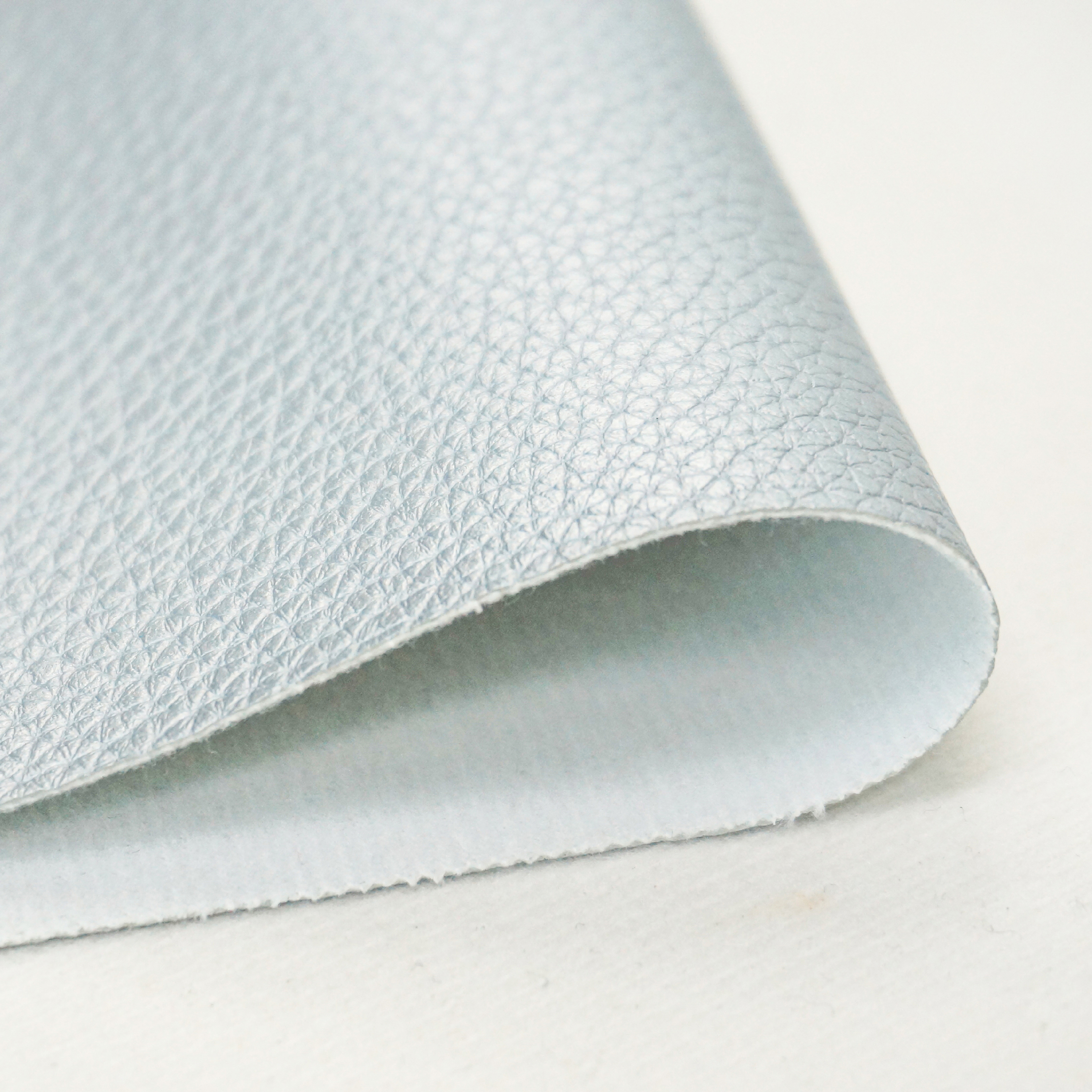
The rise in global demand for antimicrobial upholstery leather stems from the integration of active protective agents during the material manufacturing process. In synthetic options like solvent-free PU leather, antimicrobial additives are distributed evenly throughout the polymer matrix rather than applied as a temporary surface coating. This ensures that the defense against bacteria and mold remains active even after years of physical wear, chemical cleaning, and exposure to UV radiation.
Material durability and compliance are verified through internationally recognized testing and certification bodies. High-quality synthetic upholstery materials carry globally recognized certifications such as Global Recycled Standard (GRS), USDA Biobased, and OEKO-TEX Standard 100, alongside comprehensive test reports validating their anti-bacterial, anti-mold, UV-resistant, fluorine-free, and flame-retardant properties. For instance, in a recent project in Mexico, an automotive interior manufacturer utilized 50,000 meters of customized synthetic leather for seats and armrests, specifically requiring high abrasion resistance, low odor, and easy-clean performance to meet strict transport hygiene standards.
Data/Solution Comparison
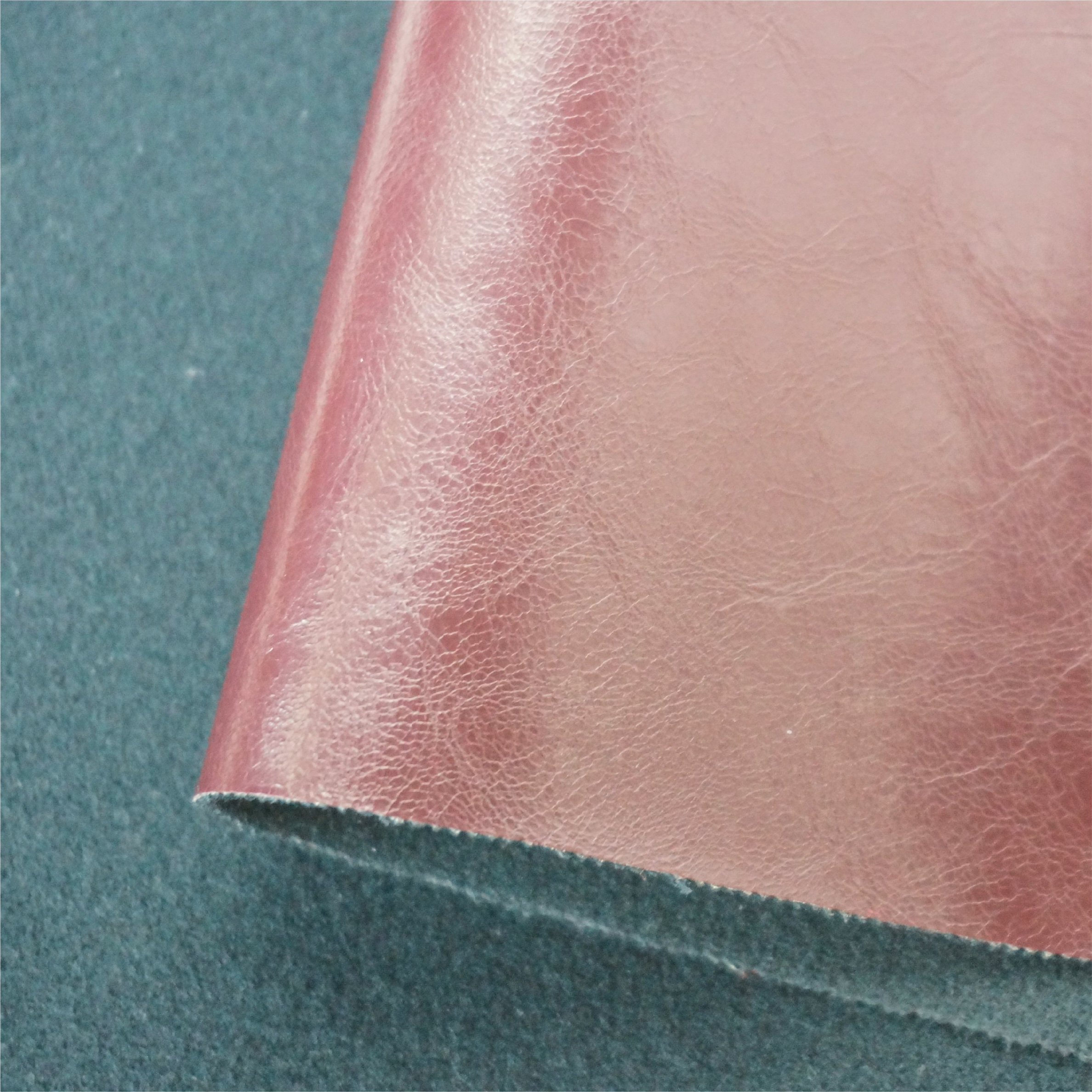
The following table outlines the technical specifications and performance properties of standard synthetic upholstery leather compared to advanced solvent-free PU leather formulations.
| Technical Parameter | Standard PU / PVC Leather | Solvent-Free PU Leather (Antimicrobial) |
|---|---|---|
| Thickness Range | 0.6 mm – 1.2 mm | 0.7 mm – 1.3 mm |
| Width | 54 / 55 inches | 54 / 55 inches |
| Antimicrobial & Anti-Mold | Optional / Surface Treatment Only | Built-in Polymer Matrix Protection |
| Odor Profile | Moderate to High (Solvent emissions) | Low Odor / Solvent-Free |
| Environmental Standards | Standard Industrial Compliance | GRS, USDA Biobased, OEKO-TEX 100 Compliant |
| Durability & Wear Resistance | Standard Abrasion Resistance | High Abrasion, Scratch, & Stain Resistance |
| Minimum Order Quantity (MOQ) | 100 meters (stock dependent) | 1000 meters per color (customized run) |
Frequently Asked Questions (FAQ)
What makes solvent-free PU leather suitable for high-traffic public seating?
Solvent-free PU leather offers an optimized balance of soft hand feel and extreme physical durability. Its formulation provides superior resistance to scratches, stains, and abrasions, while its low-odor and easy-cleaning properties make it ideal for public upholstery applications.
How do manufacturers verify the safety and environmental claims of antimicrobial leather?
Safety is verified through official third-party certifications and test reports. Reliable manufacturers provide documentation showing compliance with GRS, USDA, and OEKO-TEX 100, alongside specific testing for REACH, RoHS, fluorine-free status, and flame-retardant properties.
Can the color and texture of antimicrobial upholstery leather be customized?
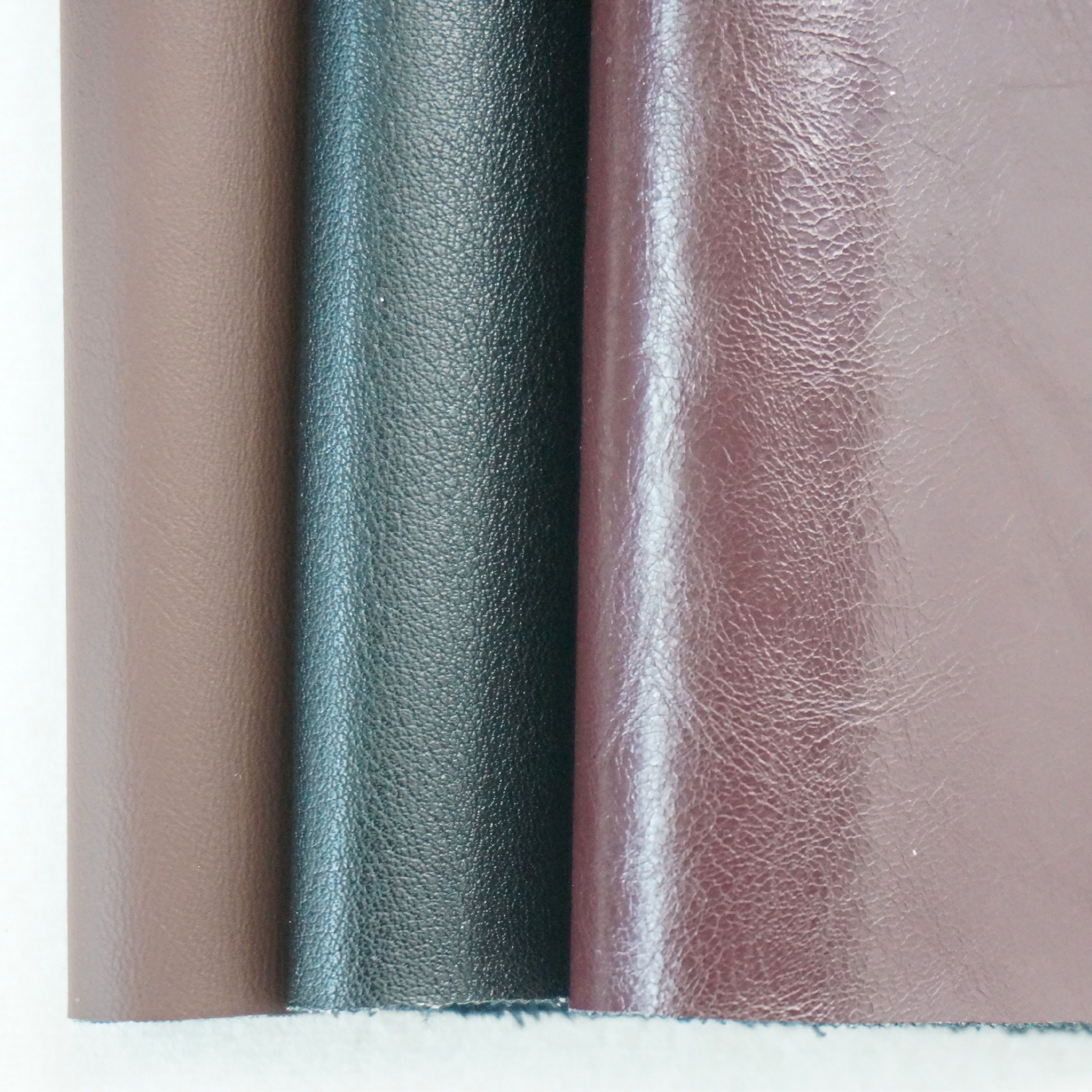
Yes. Customization is supported across colors, surface textures, thicknesses, backing fabrics, and functional treatments (such as enhanced UV resistance or specific flame-retardant standards) to match the requirements of furniture and automotive buyers.
Final Conclusion & Recommendations
The transition toward antimicrobial and eco-friendly upholstery leather is a permanent shift in the global furniture and automotive sectors. When sourcing synthetic leather, prioritizing solvent-free PU materials with verified certification credentials ensures long-term compliance, exceptional product lifecycle, and safety. For procurement convenience, manufacturers support flexible business terms including custom OEM/ODM development, T/T bank transfers, L/C, and Alibaba Trade Assurance, alongside reliable shipping terms like EXW, FOB, and CIF. For detailed technical solutions or support, please reach out to us via vicky@bozeleather.com.
About Us
Dongguan Cigno Leather Co., Ltd., established in 2007, is a professional manufacturer specializing in high-quality faux leather based in Dongguan, China. Operating from a facility utilizing advanced synthetic leather production lines, the company focuses on the development of eco-friendly and multifunctional synthetic leather materials, including PU, PVC, water-based, and solvent-free polymer options. Holding prestigious GRS, USDA, and Oeko-Tex 100 certifications, the enterprise has served over 200 global clients, providing tailored synthetic leather solutions across the furniture, automotive, and footwear industries.

SUBSCRIBE
INQUIRY