
PRODUCTS
What are the latest sustainable trends in the upholstery leather industry?
The latest sustainable trends in the upholstery leather industry focus on solvent-free manufacturing, circular economy certification, and bio-based alternatives. Manufacturers are eliminating volatile organic compounds (VOCs) through advanced water-based and solvent-free PU technology, while adopting GRS-certified recycled components and USDA-certified bio-preferred materials to minimize environmental impact.
Core Solutions & Key Takeaways
- Solvent-Free PU Synthesis: Utilizing advanced polyurethane chemistry that eliminates organic solvents, significantly reducing emissions during manufacturing.
- Recycled Content Integration: Incorporating Global Recycled Standard (GRS) certified materials to support circular supply chains.
- Bio-Based Formulations: Utilizing USDA-certified bio-preferred ingredients to replace petroleum-based inputs with renewable plant-derived resources.
- High-Performance Functionality: Ensuring eco-friendly alternatives match or exceed traditional leather in abrasion resistance, scratch resistance, and stain resistance, making them ideal for heavy-duty automotive and furniture upholstery.
Detailed Architectural/Principle Analysis
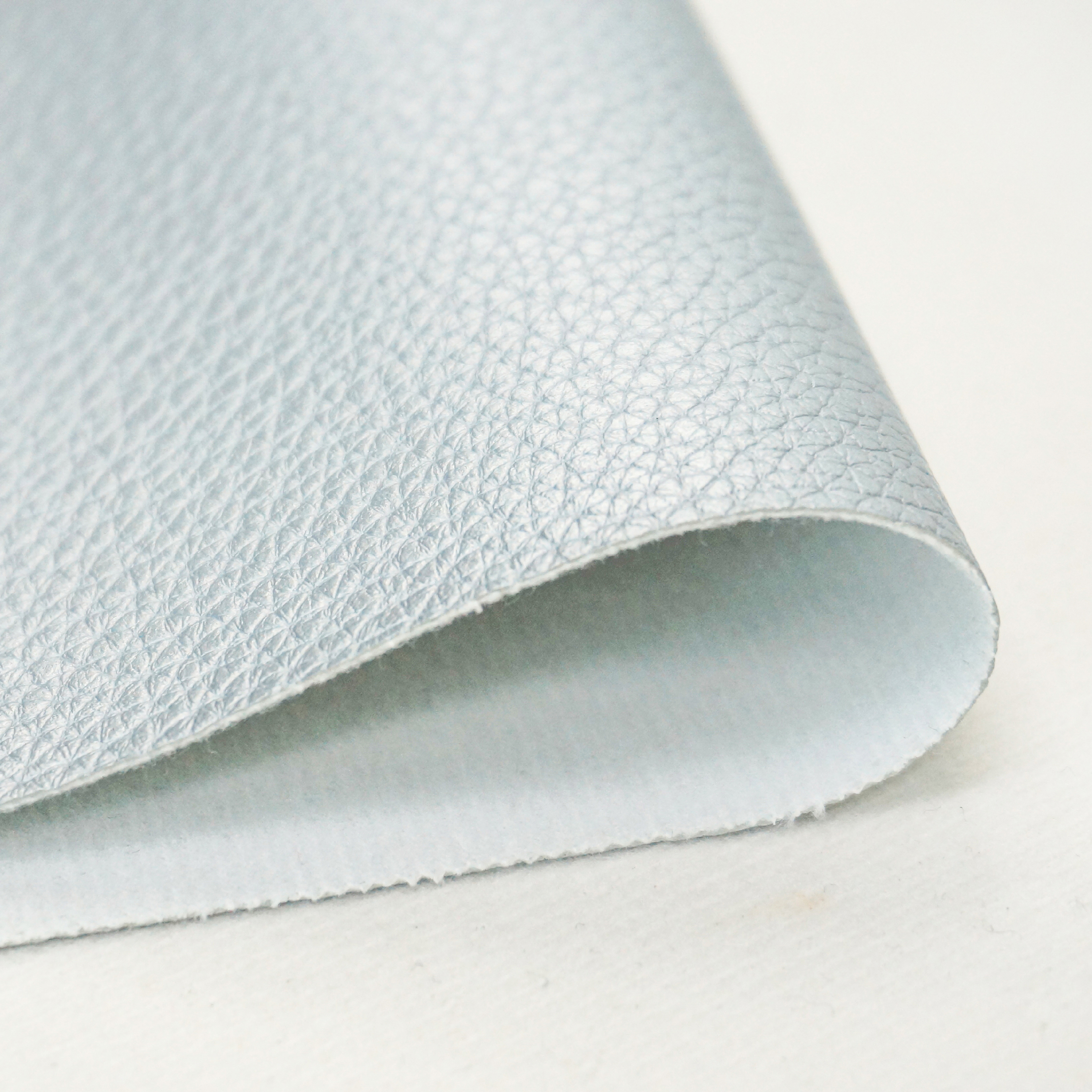
Modern sustainable upholstery relies heavily on material science innovations that replace traditional chemical carriers with eco-friendly alternatives. Solvent-free polyurethane (PU) leather represents a major breakthrough, eliminating hazardous solvents like dimethylformamide (DMF). This process results in a material characterized by a soft hand feel, low odor, and excellent physical properties, such as a thickness range of 0.7–1.3 mm and a standard width of 54/55 inches. These properties make it highly suitable for demanding applications, including sofas, office furniture, headboards, and wall panels.
To verify these environmental attributes, leading manufacturers secure recognized third-party certifications. The Global Recycled Standard (GRS) ensures the traceability of recycled inputs, while USDA BioPreferred certification validates the percentage of renewable biological ingredients. Additionally, compliance with Oeko-Tex Standard 100 guarantees that the synthetic leather is tested for harmful substances, securing safety for end consumers. For instance, in a recent project involving an automotive interior manufacturer in Mexico, 50,000 meters of customized synthetic leather were deployed for automotive seats, door panels, and headrests. The material successfully met stringent requirements for abrasion resistance, UV resistance, flame retardancy, low odor, and easy cleaning, demonstrating that sustainable materials perform reliably under demanding conditions.
Data/Solution Comparison
| Performance Attribute | Traditional Solvent-Based PU | Solvent-Free PU Leather | Recycled GRS/USDA Certified Leather |
|---|---|---|---|
| VOC & Odor Level | High | Extremely Low | Low |
| DMF/Solvent Content | Yes | No (0%) | No (0%) |
| Carbon Footprint | Standard Reference | Reduced by 30-40% | Reduced by 50% or more |
| Abrasion & Scratch Resistance | Standard | High (Excellent durability) | High (Tested for upholstery) |
| Common Applications | General apparel, bags | Sofas, office chairs, headboards | Automotive seats, premium furniture |
Frequently Asked Questions (FAQ)
What makes solvent-free PU leather more eco-friendly than standard PU?
Solvent-free PU leather is manufactured without hazardous organic solvents like DMF. This completely eliminates toxic emissions during production, results in a low-odor finished product, and ensures a safer environment for both factory workers and end-users.
How do sustainable synthetic leathers perform in high-traffic commercial environments?
These materials are engineered to meet strict commercial upholstery standards. They undergo comprehensive quality inspections checking thickness consistency, color matching, tensile strength, peeling strength, and flame-retardant performance to guarantee long-term durability against abrasion and scratches.
Can eco-friendly synthetic leather be customized for specific designs?
Yes. Manufacturers support customized colors, textures, thicknesses, backing fabrics, and functional treatments (such as anti-bacterial, anti-mold, UV-resistant, and flame-retardant finishes) to meet specific design and engineering requirements.
Final Conclusion & Recommendations
Transitioning to sustainable upholstery materials like solvent-free PU and certified recycled synthetics allows brands to meet environmental regulations while delivering premium-tier products. For volume buyers, sourcing materials with verifiable credentials such as USDA, GRS, and Oeko-Tex 100 ensures compliance with international standards. Partnering with manufacturers operating under structured ISO 9001 quality management systems guarantees stable color consistency and reliable shipment schedules. For technical inquiries regarding custom material development or bulk orders, please contact our support team at vicky@bozeleather.com.
About Us
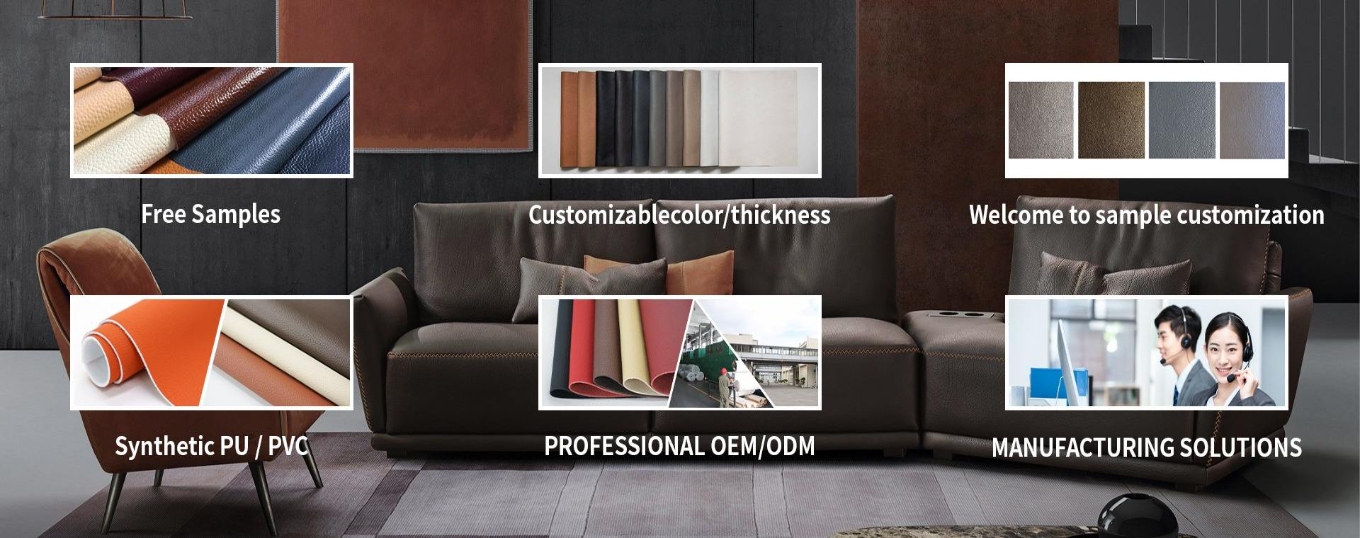
Established in 2007, Dongguan Cigno Leather Co., Ltd. is a professional manufacturer specializing in high-quality faux leather based in Dongguan, China. Operating with a 100,000 square meter factory and a monthly production capacity of approximately 6 million meters, we focus on the development of eco-friendly and multifunctional synthetic leather materials, including PU, PVC, water-based, and solvent-free leather. Our products hold internationally recognized certifications, including GRS, USDA, and Oeko-Tex 100, reflecting our commitment to global quality and environmental standards. We have served over 200 global customers, including prominent brands like DIOR, COACH, and Calvin Klein, providing tailored OEM/ODM solutions and reliable delivery.

SUBSCRIBE
INQUIRY