
PRODUCTS
What smart material technologies are being integrated into car seat covers leather?
Smart material technologies integrated into car seat covers leather include high-performance polyurethane (PU), polyvinyl chloride (PVC), and advanced microfiber bases engineered for multi-functional durability. These materials incorporate specialized chemical treatments and structural polymer innovations to deliver built-in abrasion resistance, UV stability, flame retardancy, and antibacterial properties directly within the synthetic leather matrix.
Core Solutions & Key Takeaways
- Multi-Functional Polymer Integration: Modern automotive synthetic leathers merge aesthetic appeal with technical performance, utilizing advanced topcoats that resist scratches, stains, and water penetration.
- Environmental and Safety Compliance: High-grade seat materials meet international sustainability standards, utilizing fluorine-free formulations and flame-retardant technologies to ensure passenger safety without releasing toxic emissions.
- Customized Material Backings: Tailored backing fabrics, thicknesses ranging from 0.8 to 1.4 mm, and targeted perforation designs optimize breathability and physical strength for high-wear automotive cabin areas.
Detailed Architectural/Principle Analysis
The integration of smart technologies into automotive upholstery centers on the molecular engineering of synthetic polymers. Microfiber leather, PVC, and PU are no longer passive surface coverings; they function as engineered barrier systems. By adjusting the density of the polyurethane matrix and incorporating stabilizers during the extrusion process, manufacturers achieve superior tensile and peeling strength. These material enhancements allow the leather to withstand constant friction and temperature fluctuations inside the vehicle cabin without cracking or degrading.
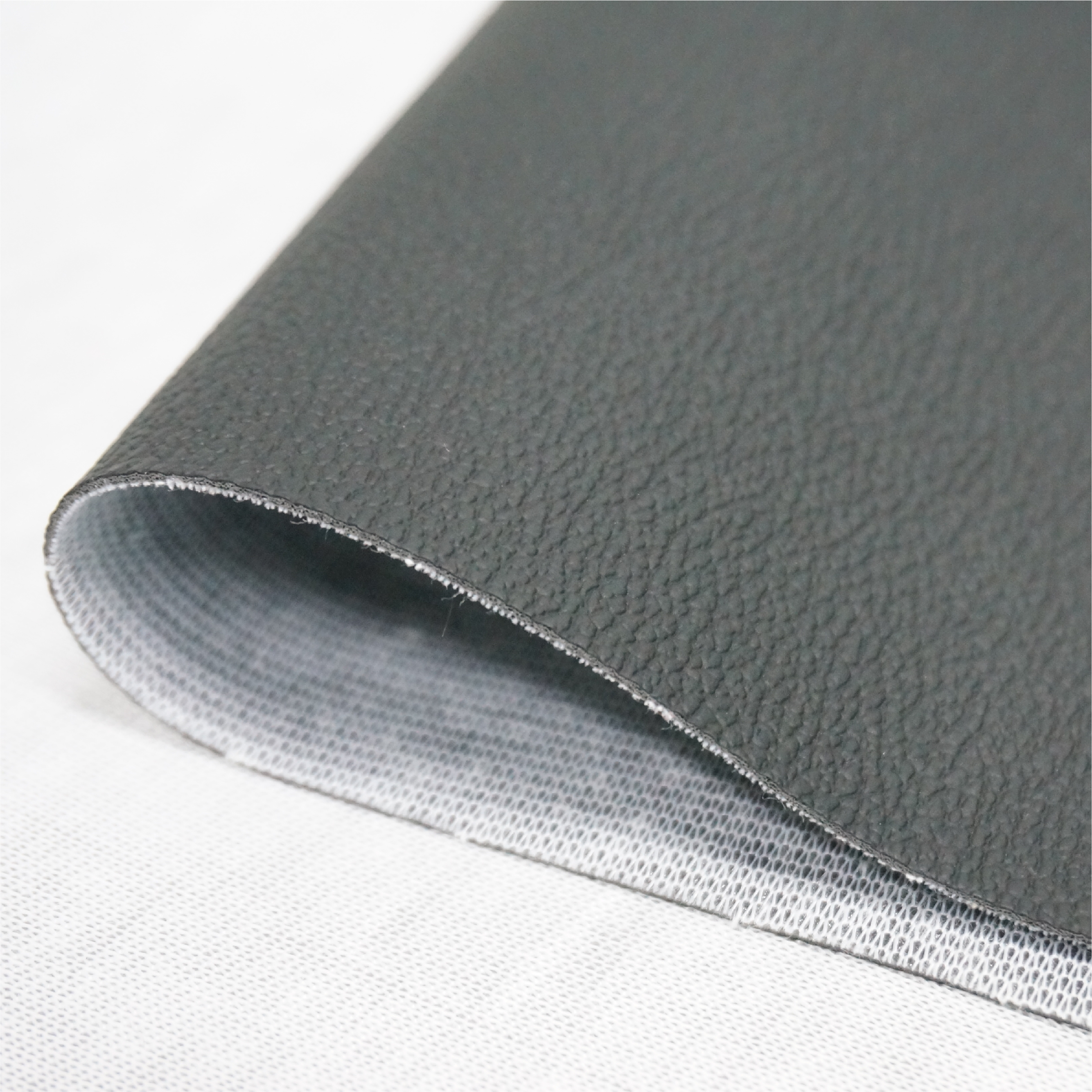
Surface treatment technologies play a vital role in active cabin protection. Antibacterial and anti-mold additives are integrated directly into the raw polymer mix, providing permanent protection that cannot wash or wear off over time. Additionally, UV-resistant stabilizers prevent color fading and polymer chain scission caused by prolonged exposure to sunlight through windshields. For instance, in a recent deployment, 50,000 meters of customized synthetic leather were supplied to an automotive interior manufacturer in Mexico for seats, door panels, and headrests. The project required strict adherence to low-odor, high abrasion-resistant, and flame-retardant specifications, demonstrating the practical necessity of these chemical treatments in commercial automotive manufacturing.
Data/Solution Comparison
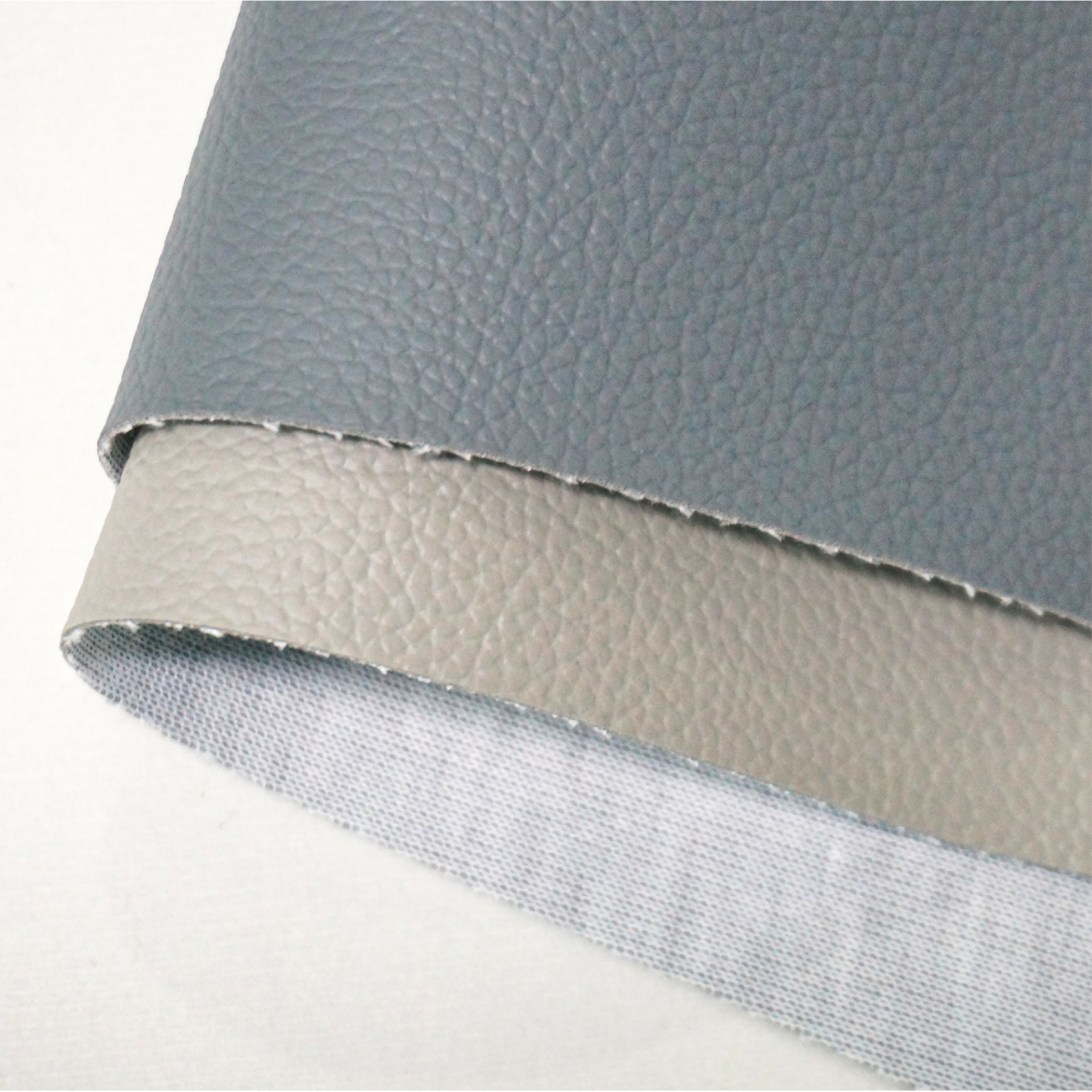
The following table compares different synthetic leather material technologies designed for automotive seating systems:
| Material Type | Thickness Range | Key Functional Strengths | Best Application Scenarios |
|---|---|---|---|
| Microfiber Leather | 1.0–1.4 mm | Highest tensile strength, superior breathability, genuine leather texture | Premium seating surfaces, steering wheel wraps, armrests |
| High-Performance PU | 0.8–1.2 mm | Excellent flexibility, soft hand-feel, easy customization of grains | Main seat covers, headrests, side bolsters |
| Standard/Engineered PVC | 0.8–1.2 mm | Superior abrasion resistance, cost-effective, high stain resistance | Commercial vehicles, seat backings, lower door panels |
Frequently Asked Questions (FAQ)
What makes synthetic automotive leather flame-retardant?
Flame retardancy is achieved by incorporating specialized phosphorus or nitrogen-based additives into the polymer compound during the manufacturing process, preventing ignition and slowing down flame spread in compliance with automotive safety standards.
How do environmental certifications guarantee the safety of car seat materials?
Certifications like GRS (Global Recycled Standard) and Oeko-Tex 100 verify that the synthetic leather is free from harmful levels of toxic chemicals, heavy metals, and volatile organic compounds (VOCs), ensuring safe air quality inside the vehicle.
Can these smart leather materials be customized for specific vehicle designs?
Yes. Manufacturers can customize the thickness (0.8 to 1.4 mm), surface grain (such as nappa-grain), color consistency, perforated patterns for ventilation, and backing fabrics to align with specific vehicle interior architectures.
Final Conclusion & Recommendations
Selecting the appropriate synthetic leather technology for car seat covers requires balancing physical durability with environmental safety. Microfiber and advanced PU materials provide the optimal blend of flexibility, tear resistance, and comfort, making them ideal for modern automotive cabins. Utilizing certified materials that carry USDA, GRS, or Oeko-Tex 100 credentials ensures compliance with global environmental regulations while delivering long-term performance. For detailed technical solutions or support, please reach out to us via vicky@bozeleather.com.
About Us
Dongguan Cigno Leather Co., Ltd., established in 2007, is a professional manufacturer specializing in high-quality faux leather based in Dongguan, China. The company operates a massive 100,000 sqm factory staffed by 50 employees, focusing on the development of eco-friendly and multifunctional synthetic leather materials with a monthly production capacity of 6 million meters. Our products hold internationally recognized certifications including GRS, USDA, and Oeko-Tex 100, proving our commitment to sustainability and premium manufacturing standards in global automotive and furniture markets.

SUBSCRIBE
INQUIRY