
PRODUCTS
What third-party green certifications are available for this eco leather?
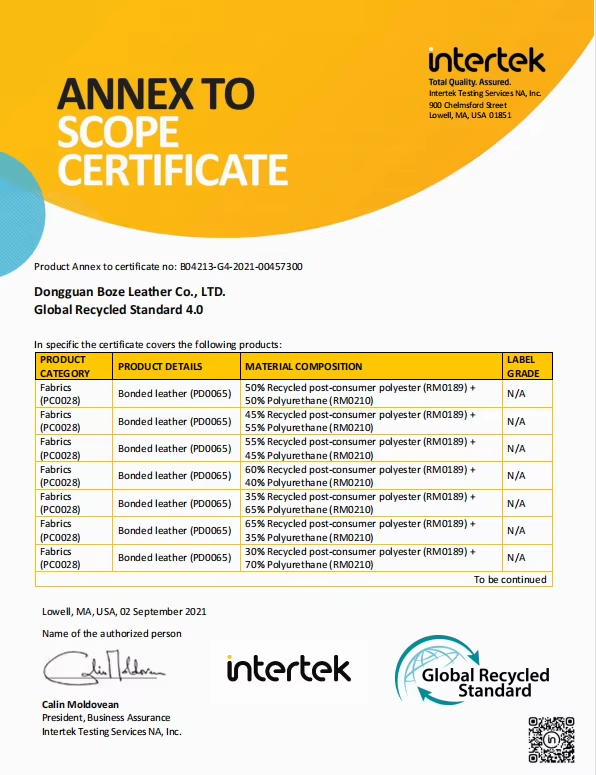
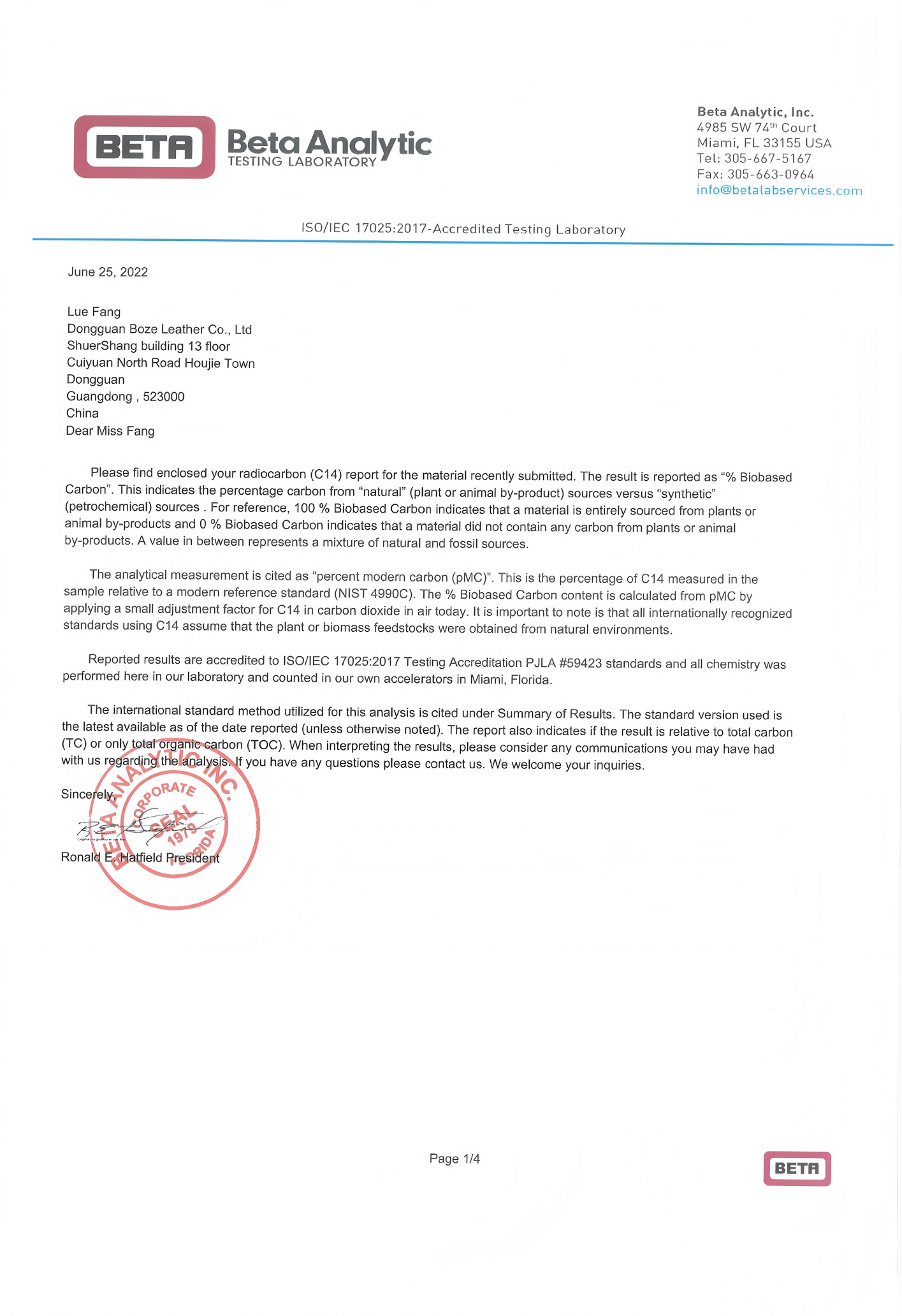
Eco-friendly synthetic leather features three major third-party green certifications verifying its environmental and safety standards: the Global Recycled Standard (GRS) for recycled content, the USDA Certified Biobased Product label for renewable plant-based ingredients, and the OEKO-TEX Standard 100 certification ensuring the material is free from harmful substances.
Core Solutions & Key Takeaways
- Global Recycled Standard (GRS): Certifies the presence of recycled materials in the synthetic leather, verifying tracking and chemical restrictions during production.
- USDA Biobased Certification: Confirms the integration of renewable, bio-based raw materials, reducing reliance on petroleum-derived inputs.
- OEKO-TEX Standard 100: Guarantees the finished leather is tested for toxic chemicals, making it safe for direct skin contact in furniture and apparel applications.
- Functional Performance Verification: Alongside green credentials, these eco-materials comply with strict international standards, offering options with test reports for antibacterial, anti-mold, UV-resistant, fluorine-free, and flame-retardant properties.
Detailed Architectural/Principle Analysis
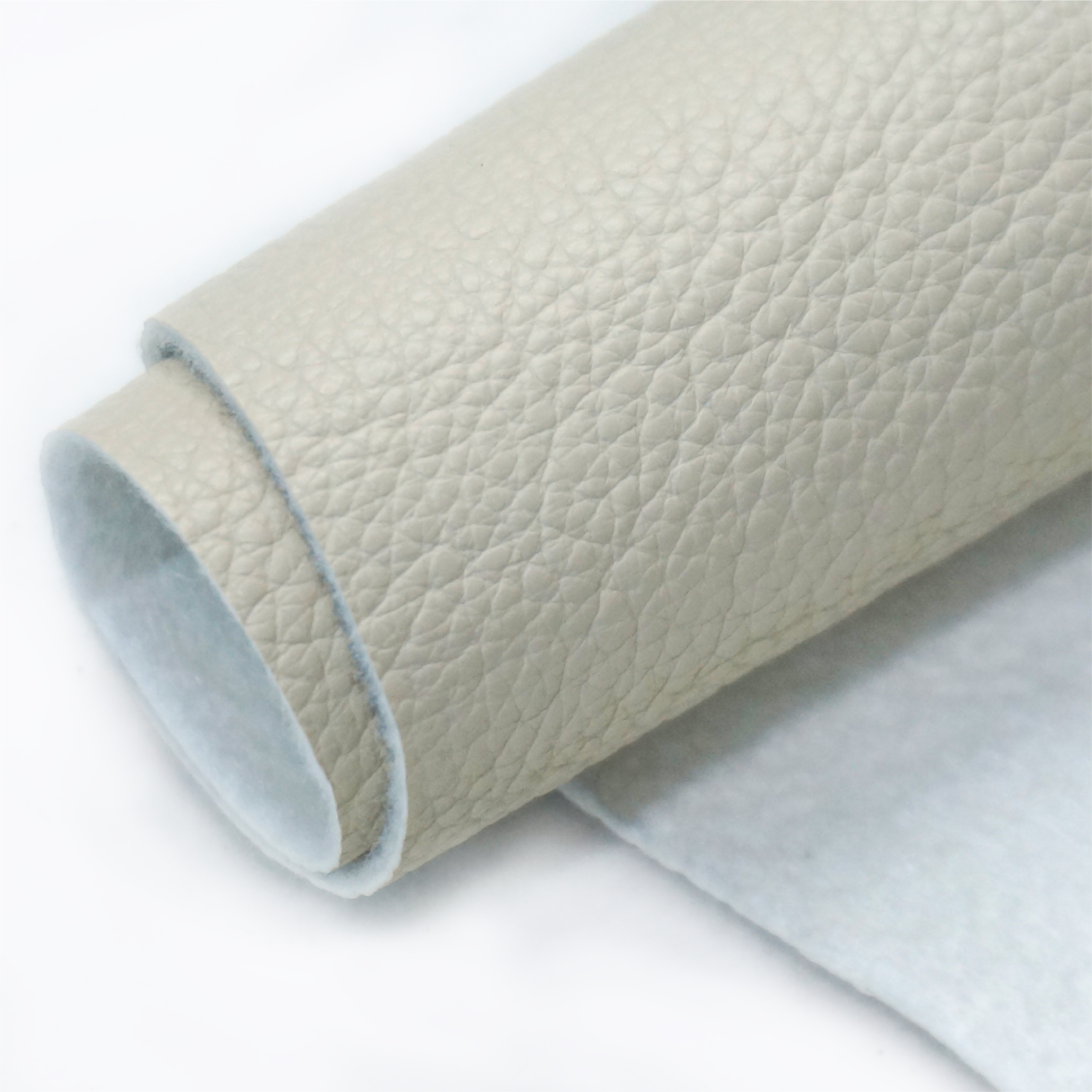
The transition toward sustainable manufacturing in the synthetic leather sector relies on verifiable third-party certification frameworks. Dongguan Cigno Leather Co., Ltd. implements these standards to ensure raw material traceability and environmental safety across its PU, water-based, and solvent-free product lines. These certifications address different stages of the material lifecycle, from raw sourcing to final chemical safety.
The GRS certification (Certificate B04213-G4) monitors the supply chain of recycled synthetics. It requires a minimum recycled content percentage and enforces strict social, environmental, and chemical processing criteria. The USDA Biobased label (Certificate 521076632086130490) measures the bio-derived content using radiocarbon analysis, substituting traditional fossil-fuel elements with plant-derived alternatives. Lastly, the OEKO-TEX Standard 100 certification (Certificate SH015 120749) subjects the synthetic leather to rigorous laboratory testing against hundreds of regulated and non-regulated harmful substances, ensuring the material meets human-ecological safety requirements for automotive upholstery, furniture, and consumer handbags.
In practice, these certified materials are engineered for high-demand applications like automotive and furniture upholstery. For instance, in a recent cooperation case, an automotive interior manufacturer in Mexico procured 50,000 meters of customized synthetic leather for seats, door panels, and headrests. The material met strict requirements for abrasion resistance, UV resistance, low odor, and flame retardancy while maintaining environmental compliance, confirming that eco-certified materials can match the physical performance of conventional polymers.
Data/Solution Comparison
The following table outlines the specific parameters, compliance targets, and custom options available for eco-friendly synthetic leather solutions:
| Certification / Standard | Core Focus Area | Verified Parameters & Custom Options | Typical Applications |
|---|---|---|---|
| GRS (Global Recycled Standard) | Recycled content & supply chain traceability | Minimum 100 meters MOQ per color; tracking of recycled polymers | Handbags, footwear, luggage, fashion accessories |
| USDA Biobased | Renewable plant-based inputs | Bio-content percentage verification; water-based or solvent-free options | Eco-friendly furniture, interior decoration, consumer goods |
| OEKO-TEX Standard 100 | Chemical safety & toxin elimination | Low odor, skin-safety compliance, zero restricted substances | Automotive seats, armrests, home sofas, chairs, apparel |
| Functional Test Reports | Physical durability & environmental resistance | Antibacterial, anti-mold, UV-resistant, flame-retardant, scratch-resistant | Automotive interiors, marine upholstery, high-traffic commercial furniture |
Frequently Asked Questions (FAQ)
Q1: What raw material options are available for eco-friendly synthetic leather?
A1: Eco-friendly synthetic leather is available in polyurethane (PU), water-based PU, and advanced solvent-free polymer options. These configurations allow clients to customize the environmental performance, backing fabrics, thickness, grain, and color according to specific project needs.
Q2: What is the minimum order quantity (MOQ) and lead time for certified eco leather?
A2: The standard minimum order quantity is 100 meters per color. Production and delivery typically take 20 to 30 days following official order confirmation and color matching approval.
Q3: How is the quality of the eco-friendly leather controlled before shipment?
A3: Quality assurance is executed under the ISO 9001 quality management system. The process involves comprehensive raw material inspection, color matching confirmation, in-process monitoring, laboratory testing, and finished product testing for tensile strength, abrasion resistance, peel strength, and flame retardancy before dispatch.
Final Conclusion & Recommendations
Selecting third-party certified synthetic leather ensures compliance with global environmental regulations and guarantees material safety for consumer-facing products. Utilizing GRS, USDA, and OEKO-TEX certified materials allows manufacturers in the furniture, automotive, and handbag sectors to meet strict sustainability targets without compromising physical durability, tensile strength, or aesthetic appeal. For detailed technical solutions or support, please reach out to us via vicky@bozeleather.com.
About Us
Dongguan Cigno Leather Co., Ltd., established in 2007, is a professional manufacturer specializing in high-quality faux leather based in Dongguan, China. Operating from a 100,000 square meter factory facility, the company focuses on the development of eco-friendly and multifunctional synthetic leather materials, producing approximately 6 million meters monthly. Holding USDA, GRS, and OEKO-TEX 100 certifications, Cigno Leather has served clients across multiple industries, providing tailored OEM/ODM solutions to over 200 global brands.

SUBSCRIBE
INQUIRY