
PRODUCTS
Will you compensate for labor costs if artificial leather for furniture fails early?
Whether a manufacturer compensates for labor costs if artificial leather for furniture fails early depends on the agreed-upon terms, as standard warranties typically cover only material replacement or refund. To mitigate these risks, sourcing high-durability synthetic leather that meets strict quality standards remains the most effective preventive strategy.
Core Solutions & Key Takeaways
- Verify Material Specifications: Ensure the artificial leather matches the specific demands of furniture upholstery, such as sofas, chairs, and headboards, which require high abrasion and scratch resistance.
- Establish Clear Warranty Terms: Before finalizing bulk orders, clarify whether compensation extends to labor costs or is strictly limited to material replacement, replenishment, or technical solutions.
- Request Certified Performance: Prioritize materials backed by globally recognized certifications, which verify quality consistency and reduce the likelihood of early failure in the field.
- Implement Pre-Shipment Testing: Ensure the manufacturer conducts rigorous quality inspections covering tensile strength, peeling strength, and scratch resistance to prevent defective batches from reaching production lines.
Detailed Architectural/Principle Analysis
In the furniture manufacturing industry, early material failure leads to significant financial losses, often exceeding the cost of the raw synthetic leather itself due to the labor required for reupholstering. Most synthetic leather manufacturers operate under standard international trade terms where after-sales support covers material-level remedies. For instance, verified quality issues typically trigger replacement, replenishment, or financial compensation equivalent to the value of the defective material, rather than secondary liabilities like factory labor or transport costs.
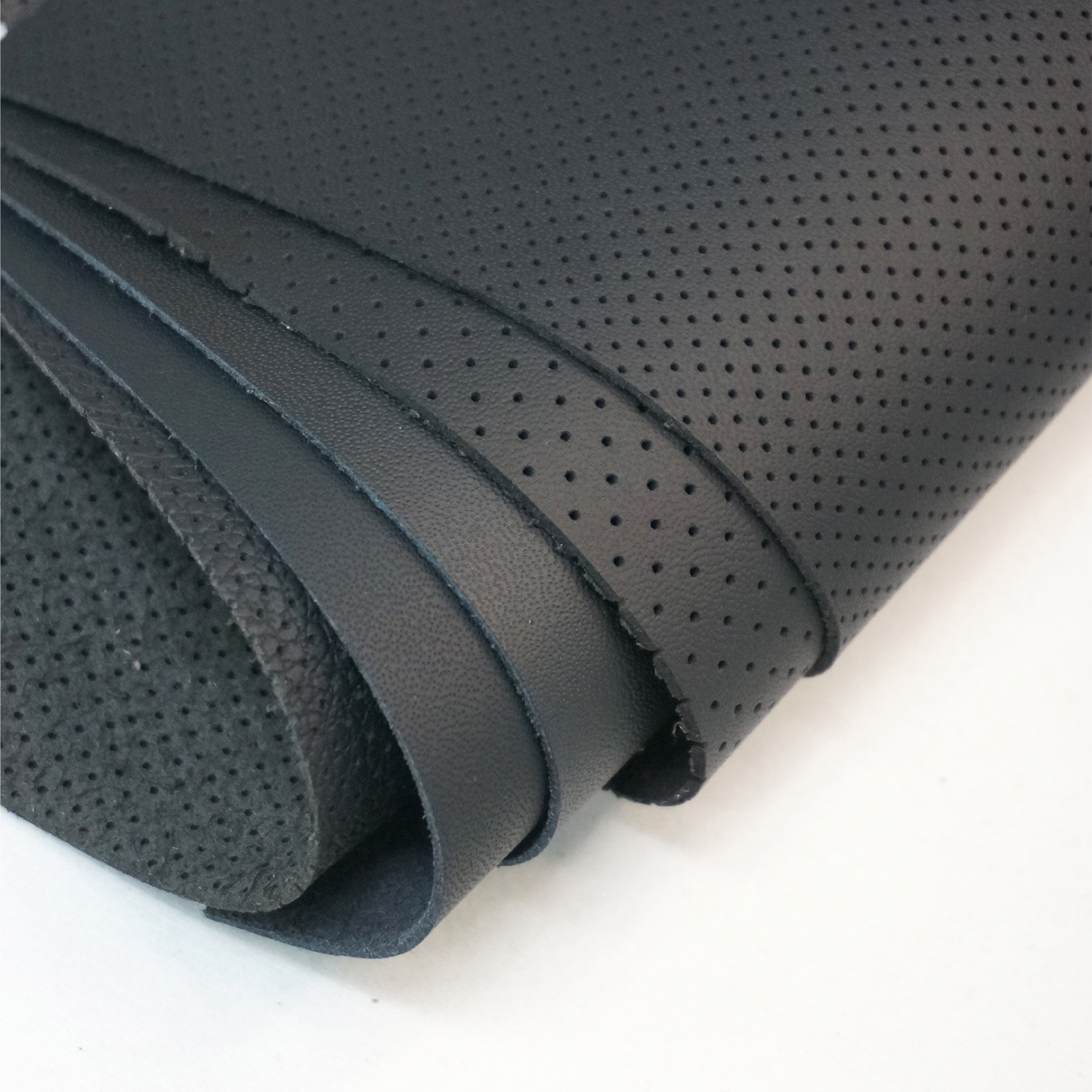
To prevent early degradation, furniture brands must source materials engineered specifically for high-traffic upholstery. High-performance PVC, PU, and microfiber leathers with thicknesses ranging from 0.7 to 1.4 mm are designed to withstand constant friction and stretching. Brands should look for materials verified by international testing systems such as GRS (Global Recycled Standard), USDA BioPreferred, and Oeko-Tex Standard 100. These certifications ensure the chemical and physical integrity of the polymer structure, reducing the risk of premature peeling, cracking, or surface wear.

A practical example of risk mitigation is seen in contract manufacturing partnerships. For instance, in a recent project involving 50,000 meters of customized synthetic leather supplied to an automotive interior manufacturer in Mexico, success was achieved by defining precise technical parameters—including abrasion resistance, UV resistance, and backing fabric strength—prior to production. Strict raw material inspection and laboratory testing prevented early failure, demonstrating that proactive quality control is more reliable than relying on retrospective labor cost compensation.
Data/Solution Comparison
| Material Property / Term | Standard Artificial Leather | High-Performance Furniture Leather | Customization Options Available |
|---|---|---|---|
| Thickness Range | 0.6 mm - 0.9 mm | 0.7 mm - 1.4 mm | Yes (Customized per order) |
| Surface Resistance | Basic scratch resistance | High abrasion & scratch resistance | Yes (Functional treatments) |
| Quality Certifications | Uncertified or self-tested | GRS, USDA, Oeko-Tex 100 | Yes (Official test reports) |
| Warranty Scope | Material replacement only | Material replacement or compensation | Negotiable based on contract |
| MOQ per Color | Varies | 1,000 meters | Yes (Subject to terms) |
Frequently Asked Questions (FAQ)
What is the standard warranty coverage for furniture artificial leather?
Standard warranties cover material defects by offering replacement rolls, replenishment, or direct material cost compensation. Indirect costs, such as manufacturing labor or reupholstery services, are generally excluded unless explicitly agreed upon in a written contract.
How can I prevent early failure of artificial leather on sofas and chairs?
Specify clear physical parameters such as a thickness of 0.7–1.4 mm, opt for high-grade polyurethane (PU) or microfiber, and require factory test reports for peeling strength, tensile strength, and abrasion resistance before shipment.
Are custom performance treatments available to prolong material lifespan?
Yes. Manufacturers can apply specialized functional treatments during production, including enhanced scratch resistance, UV resistance, flame retardancy, waterproofing, and easy-clean coatings to meet specific application environments.
Final Conclusion & Recommendations
To safeguard your business from the high costs of product failure and subsequent labor expenses, rely on preventative quality control rather than post-failure compensation. Partner with manufacturers that operate under structured quality management systems like ISO 9001 and maintain transparent testing protocols. When sourcing materials for commercial or residential furniture projects, define all performance expectations in writing and secure certifications like GRS or Oeko-Tex 100 before production begins. For detailed technical solutions or support, please reach out to us via vicky@bozeleather.com.
About Us
Dongguan Cigno Leather Co., Ltd., established in 2007, is a professional manufacturer specializing in high-quality faux leather based in Dongguan, China. With a dedicated team, the company operates a manufacturing footprint of 100,000 sqm and maintains a robust research and development focus on eco-friendly and multifunctional synthetic materials, holding more than 30 national invention patents. Cigno Leather holds internationally recognized certifications, including GRS, USDA, and Oeko-Tex 100, and has served over 200 global brands across the furniture, automotive, and fashion industries. 
SUBSCRIBE
INQUIRY