
Bio-based Artificial Leather for Bags
Bio-based Artificial Leather are more and more widely used for shoes, bags, garments , sofa, furniture and other products.
Our Bio-based leather are widely sold all over the world. It's one of our main production.
Here we would like to talk about the composition & Physico , Chemical Test Data of it for your reference.
1. Overview
This document summarizes the composition ratios, physical performance, and chemical / environmental test data for plant- and fruit-based bio-based artificial leather intended for bag and luggage applications. All data is aligned with current GB/T national standards and industry benchmarks, and can be used directly for product development, quality control, and customer technical communication.
Key advantage: Bio-based carbon content (XOC) ranges from 30% to 66%, some are even 100%, significantly reducing reliance on fossil-based resins while maintaining bag-grade mechanical performance.
2. Composition Ratio (by Mass)
|
Material Type
|
Core Bio-based Ingredient
|
Matrix Resin
|
Base Fabric
|
Bio-based Plasticizer / Additives
|
Bio-based Carbon (XOC)
|
Remarks
|
|---|---|---|---|---|---|---|
|
Pineapple Leaf Fiber (Piñatex-style)
|
Pineapple leaf fiber (PALF) 50%
|
Natural rubber / bio-based PU 40%
|
Cotton / linen 8%
|
Epoxidized soybean oil 2%
|
35%–45%
|
General bags & footwear
|
|
Coffee Ground-based
|
Coffee grounds 30%–40%
|
Bio-based PU 45%–55%
|
Recycled PET 10%
|
Rice bran wax / glycerin 5%
|
30%–38%
|
Abrasion-resistant grade
|
|
Wheat Protein-based
|
Wheat gluten 40%
|
Bio-based waterborne PU 45%
|
Bamboo fiber 10%
|
Tannic acid / ferric chloride 5%
|
40%–50%
|
High-toughness grade
|
|
Fruit Peel-based (Mango / Banana)
|
Fruit peel fiber 35%
|
Bio-based TPU 50%
|
Linen 12%
|
Plant essential oil 3%
|
32%–40%
|
Soft-handle grade
|
|
General Bio-based Synthetic Leather (GB Standard)
|
Bio-based resin / fiber ≥25%
|
Bio-based PU / TPU 50%–60%
|
Natural / synthetic fiber 20%–30%
|
Bio-based additives 3%–5%
|
≥25%
|
GB/T general requirement
|
3. Physical Performance Test Data (Bag Grade)
|
Test Item
|
Test Standard
|
Pineapple Leaf
|
Coffee Ground
|
Wheat Protein
|
Fruit Peel
|
GB Minimum
|
|---|---|---|---|---|---|---|
|
Tensile Strength (MPa)
|
GB/T 4689.1 / ASTM D638
|
18–25
|
15–22
|
20–28
|
12–18
|
≥15
|
|
Elongation at Break (%)
|
GB/T 4689.1
|
400–600
|
350–550
|
450–650
|
300–500
|
≥300
|
|
Tear Strength (kN/m)
|
GB/T 4689.5 / ISO 3377
|
30–40
|
25–35
|
35–45
|
20–30
|
≥25
|
|
Color Fastness to Rubbing (Dry, Grade)
|
GB/T 3920 / ISO 105
|
4–5
|
4
|
4–5
|
3–4
|
≥4
|
|
Color Fastness to Rubbing (Wet, Grade)
|
GB/T 3920
|
3–4
|
3
|
3–4
|
3
|
≥3
|
|
Taber Abrasion (mg/1000 rev)
|
ISO 12947
|
30–50
|
25–45
|
20–40
|
40–60
|
≤60
|
|
Flexing Endurance (Ambient, cycles)
|
GB/T 4689.10
|
≥50,000
|
≥40,000
|
≥60,000
|
≥30,000
|
≥20,000
|
|
Hardness (Shore A)
|
GB/T 531
|
65–75
|
60–70
|
70–80
|
55–65
|
—
|
|
Peel Strength (N/3cm)
|
GB/T 4689.8
|
≥40
|
≥35
|
≥45
|
≥30
|
≥30
|
4. Chemical & Environmental Performance Test Data
|
Test Item
|
Test Standard
|
Requirement
|
Typical Value (Bio-based)
|
Remarks
|
|---|---|---|---|---|
|
Bio-based Carbon Content (XOC, %)
|
GB/T 39713 / ASTM D6866
|
≥25
|
30%–50%
|
Core eco indicator
|
|
Formaldehyde (mg/kg)
|
GB/T 19941
|
≤75
|
≤20
|
Formaldehyde-free process
|
|
VOC (mg/kg)
|
GB/T 27630
|
≤100
|
≤50
|
Low odor
|
|
pH Value
|
GB/T 7573
|
4.0–7.5
|
5.0–6.5
|
Skin-friendly
|
|
Heavy Metals (Pb / Cd / Hg, mg/kg)
|
GB/T 38507
|
Pb≤90, Cd≤75, Hg≤4
|
Not detected
|
REACH compliant
|
|
Hydrolysis Resistance (strength retention, %)
|
ISO 11547
|
≥90
|
92%–98%
|
Bag durability
|
|
Yellowing Resistance (Grade)
|
GB/T 8427
|
≥4
|
4–5
|
Suitable for outdoor / light-color bags
|
|
Antibacterial Activity (log reduction)
|
JIS Z 2801
|
≥2.0
|
2.5–3.5
|
Anti-mold / anti-bacterial
|
Hope Bio-based artifiical leather can be used widely on every kinds of products to replace the genuine leather and other petrochemicals.
So we can reduce the killing, protect the Earth's environment and benefit humanity.
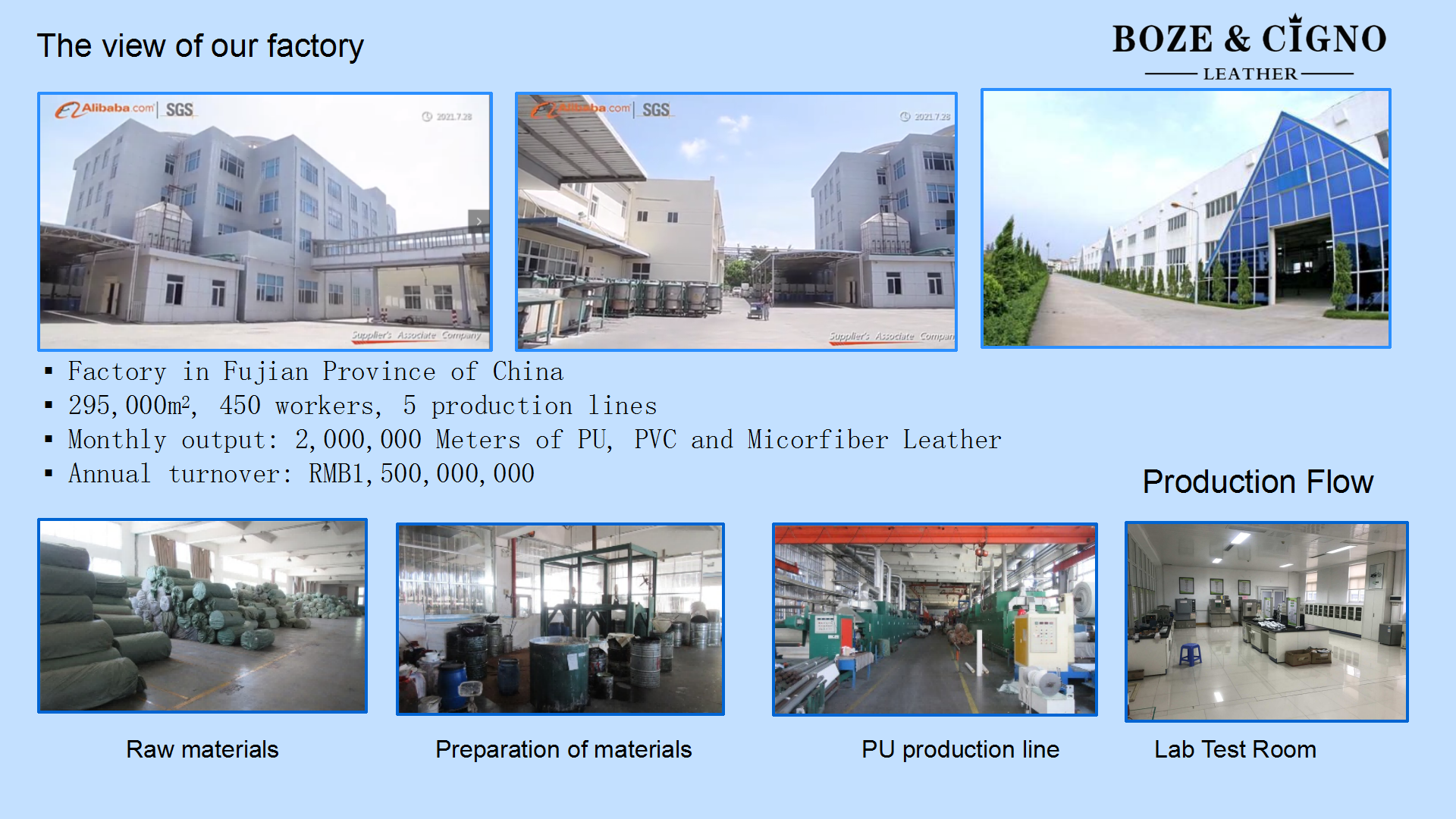
As you know, Cigno Leather Company is a preofessional manufacturer and have almost 20 years experience on every kinds of high quality of synthetic leather materials. If you need any Bio-Based leather, please don't hesitate to let us know.
SUBSCRIBE
INQUIRY