
Solvent-Free Microfiber Automotive Leather
With rising requirements for quality and environmental performance of automotive interiors, solvent-free microfiber automotive leather is widely used as an ideal substitute for natural leather.
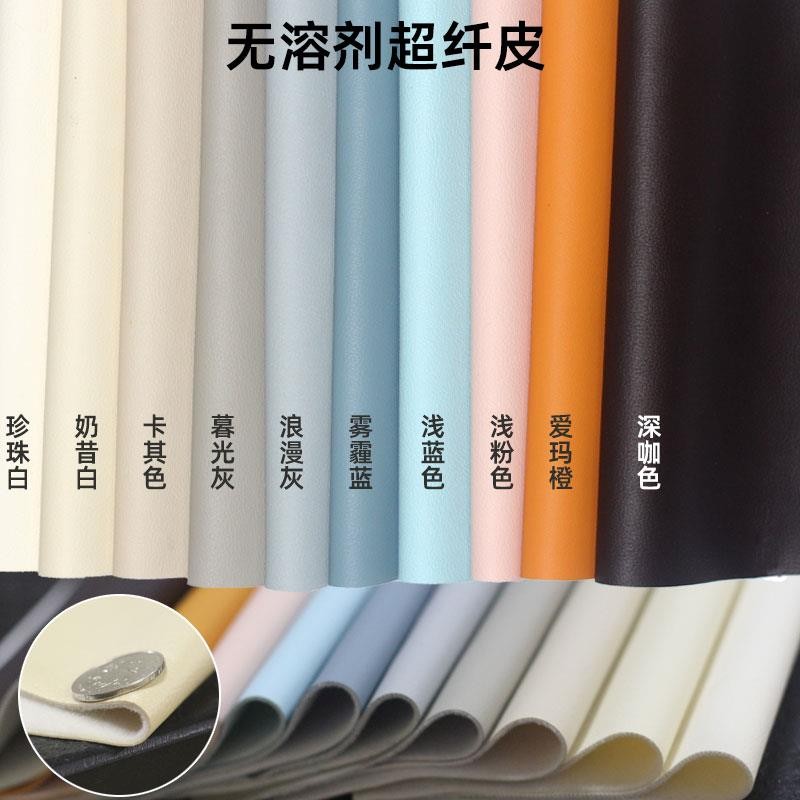
The market prospect of solvent-free microfiber automotive leather is promising, and it has become a key upgraded material for interior applications of mid-to-high-end new energy vehicles.
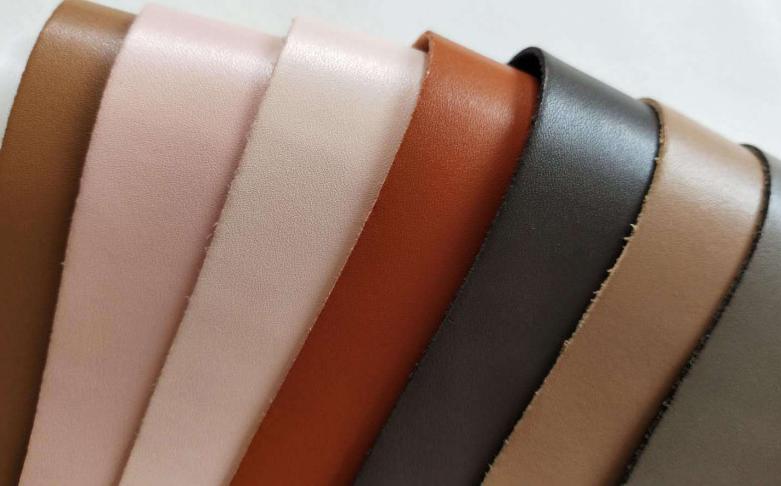
Driving forces:
- Booming new energy vehicle demand. EVs impose strict requirements on cabin odor, low VOC and low fogging. The solvent-free process eliminates organic solvents such as DMF, delivering superior odor performance, good abrasion resistance and aging resistance. It acts as a cost-effective substitute for genuine leather while avoiding high leather cost and EU deforestation regulation compliance risks. It gradually replaces conventional solvent-based PU and PVC interior materials.
- Tightening environmental regulations. Global VOC control, REACH and mandatory automotive flame retardant standards push the phase-out of traditional solvent-borne leather. Solvent-free technology has become a basic requirement for Tier 1 and OEM green supply chain qualification.
- High product added value. It features leather-like hand feel, excellent wear resistance, hydrolysis resistance and customizable flame retardancy. Optimized phosphorus-nitrogen powder flame retardant formulations help meet automotive fire safety standards for seats, door panels and armrests.
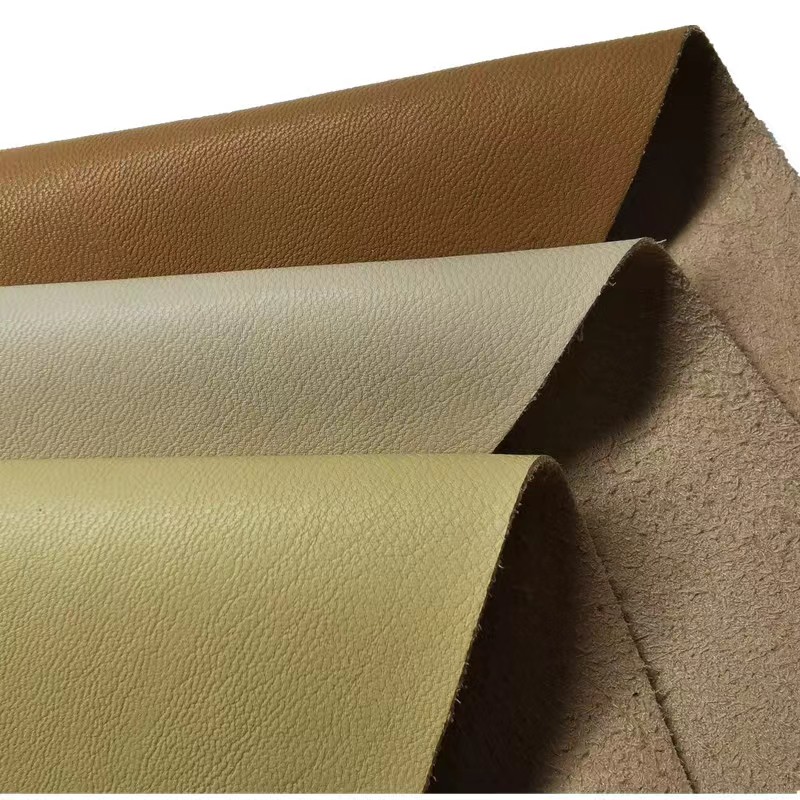
It adopts a two-component reactive forming process: prepolymer A (isocyanate) and prepolymer B (polyol) are proportionally mixed, coated on release paper and laminated with microfiber base fabric. After crosslinking and curing in the oven, patterned leather is obtained by peeling off the release paper. Compared with conventional laminated leather, it delivers better abrasion resistance, low odor and low VOC performance.
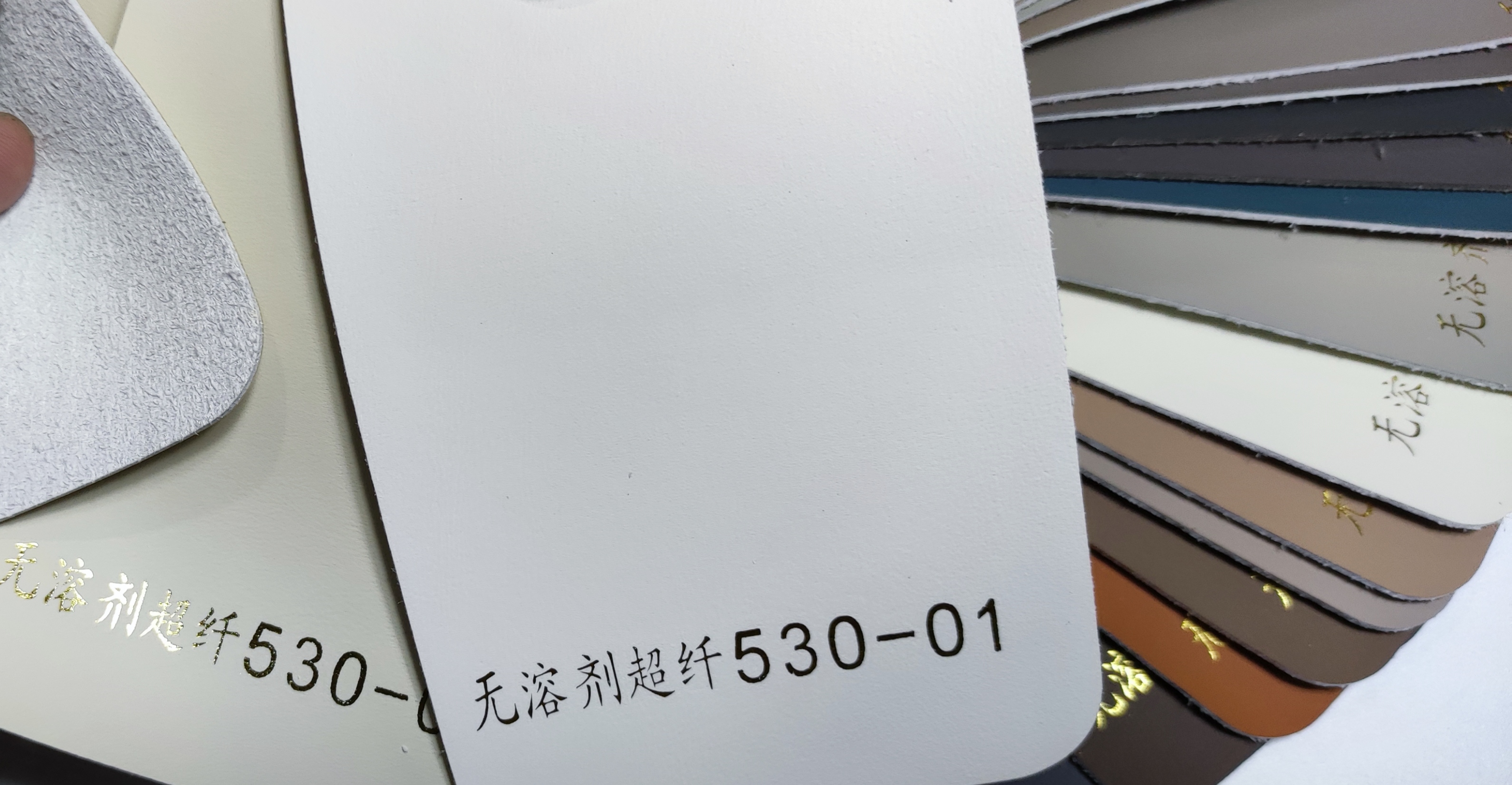
Flame retardancy is a mandatory safety index for automotive interior materials, which is realized by adding flame retardants. The fast-reacting solvent-free A/B system is sensitive to the physical form of additives: powder flame retardants maintain good surface flatness, while liquid ones impair flow properties. Restricted by environmental regulations, halogen flame retardants are less used. Considering process compatibility and eco-friendliness, powder phosphorus and phosphorus-nitrogen composite flame retardants are preferred. This study investigates flame retardant selection, dosage, flame retardant efficiency and system curing behavior to optimize the flame retardant formula, supporting the development of high-performance solvent-free microfiber automotive leather.
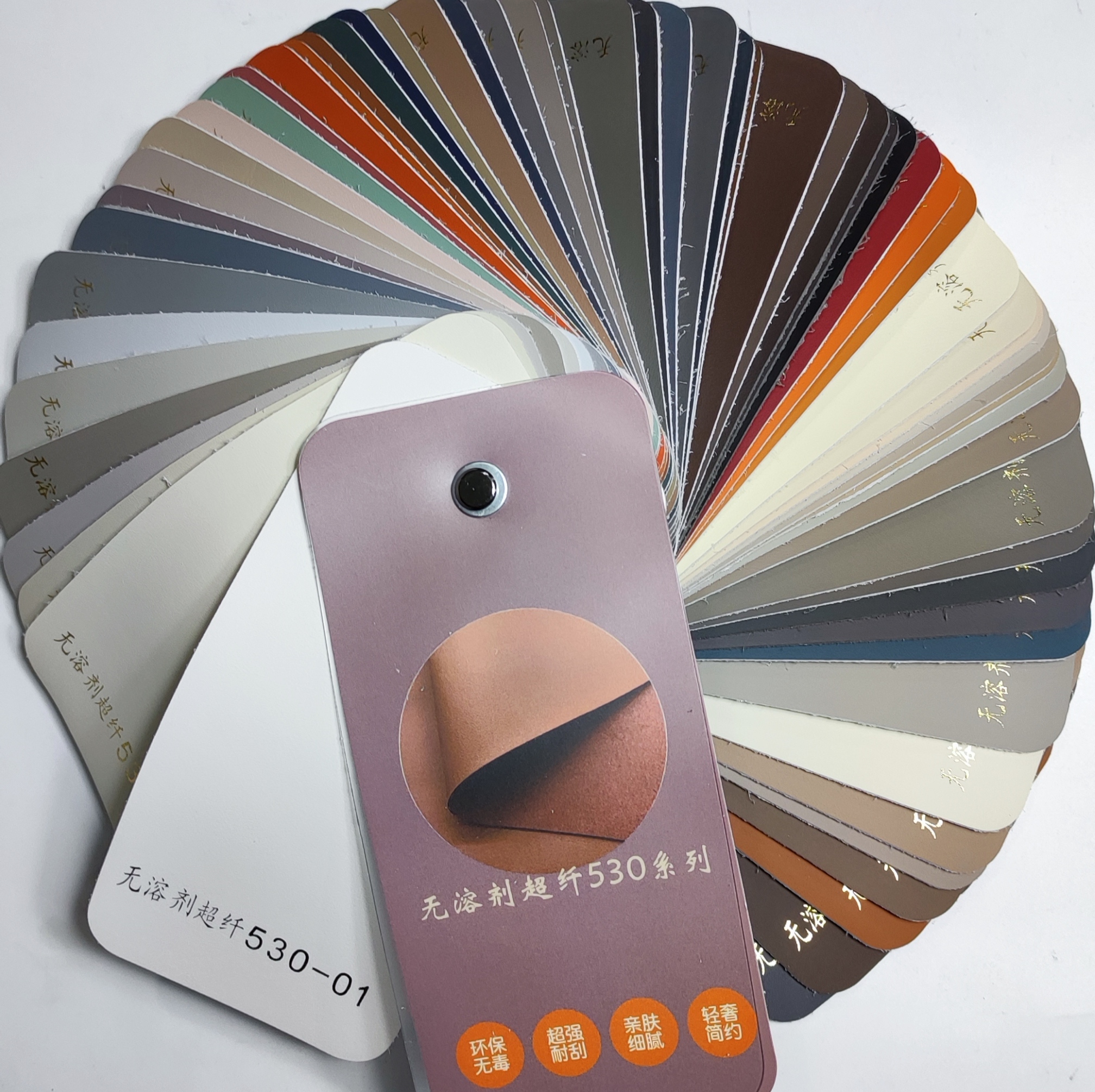
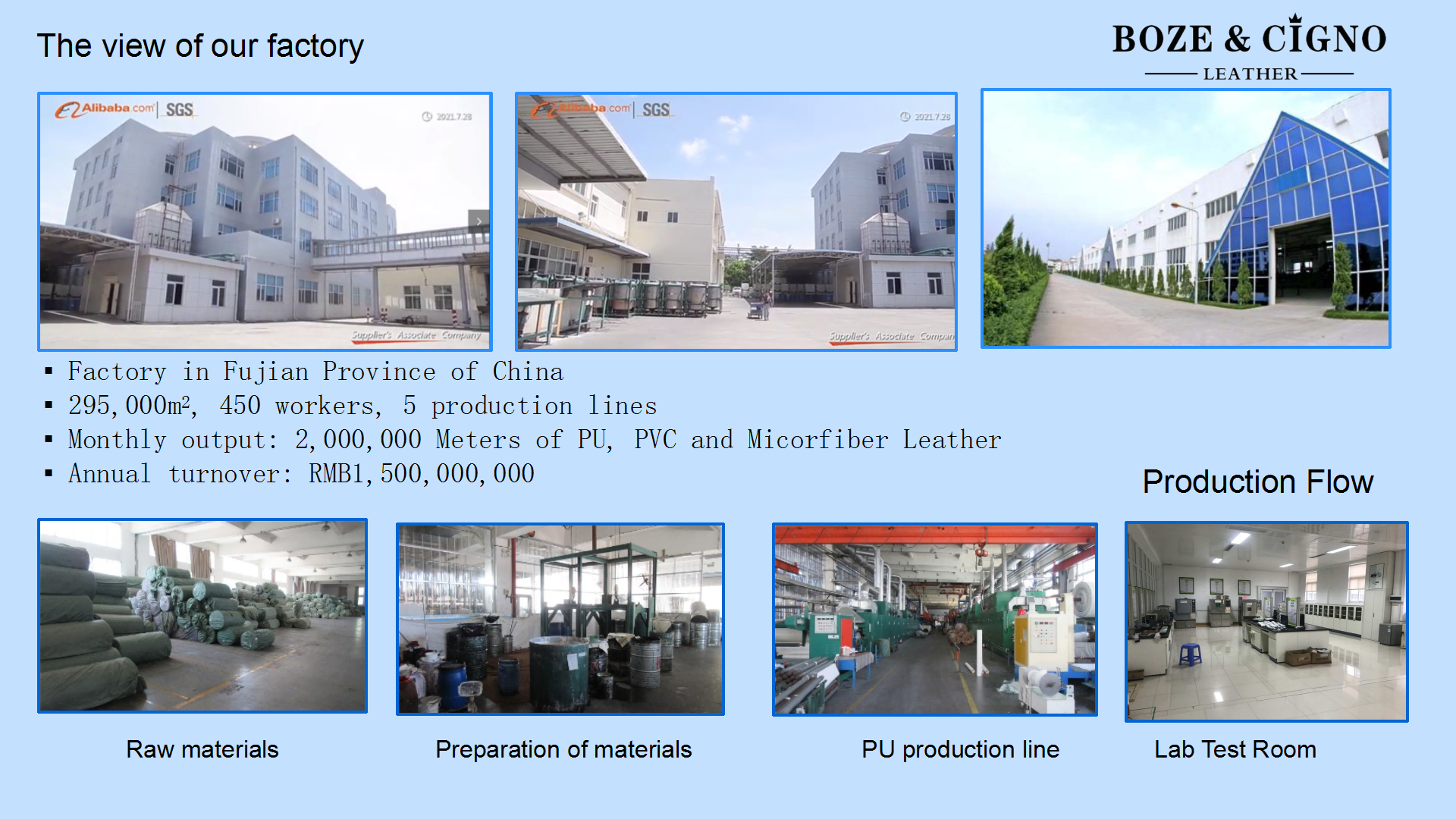
Cigno Leather Company of China are focused on this solvent-Free microfibler leather, we make and offer different grade of materials in the markets. If you are interested in this materials, please don't hesitate to let us know. Thanks!
SUBSCRIBE
INQUIRY